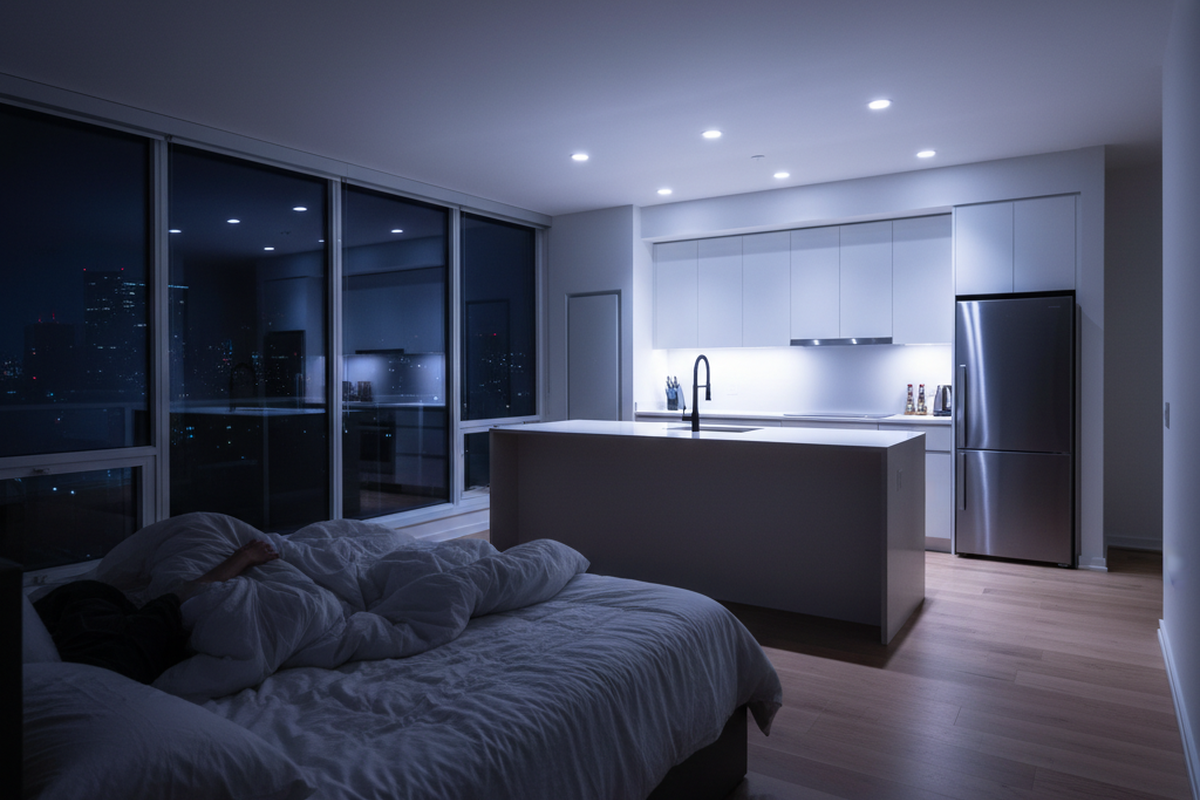
Ini dimulai dari seekor kucing, atau mungkin perubahan posisi tidur. Saat itu pukul 03.14. Apartemen studio, yang sebelumnya merupakan tempat perlindungan yang teduh dan tenang untuk tidur, seketika disinari 4.000 lumen cahaya putih-netral 4000K. Lampu plafon wafer overhead, yang dipasang oleh pengembang yang lebih memprioritaskan “efisiensi modern” daripada biologis manusia, telah dipicu oleh sensor gerak yang terpasang di dekat dapur kecil. Karena tidak ada dinding untuk menahan cahaya, “dapur” kini menjadi “kamar tidur,” dan “kamar tidur” berubah menjadi ruang operasi. Penghuni memicingkan mata, kadar kortisol melonjak, dan malam hari pun berakhir.
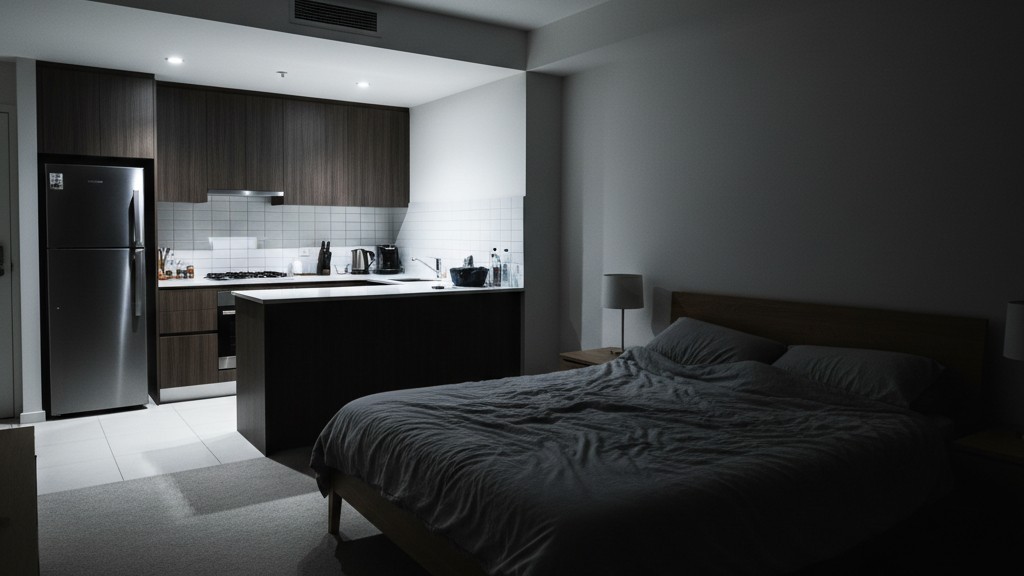
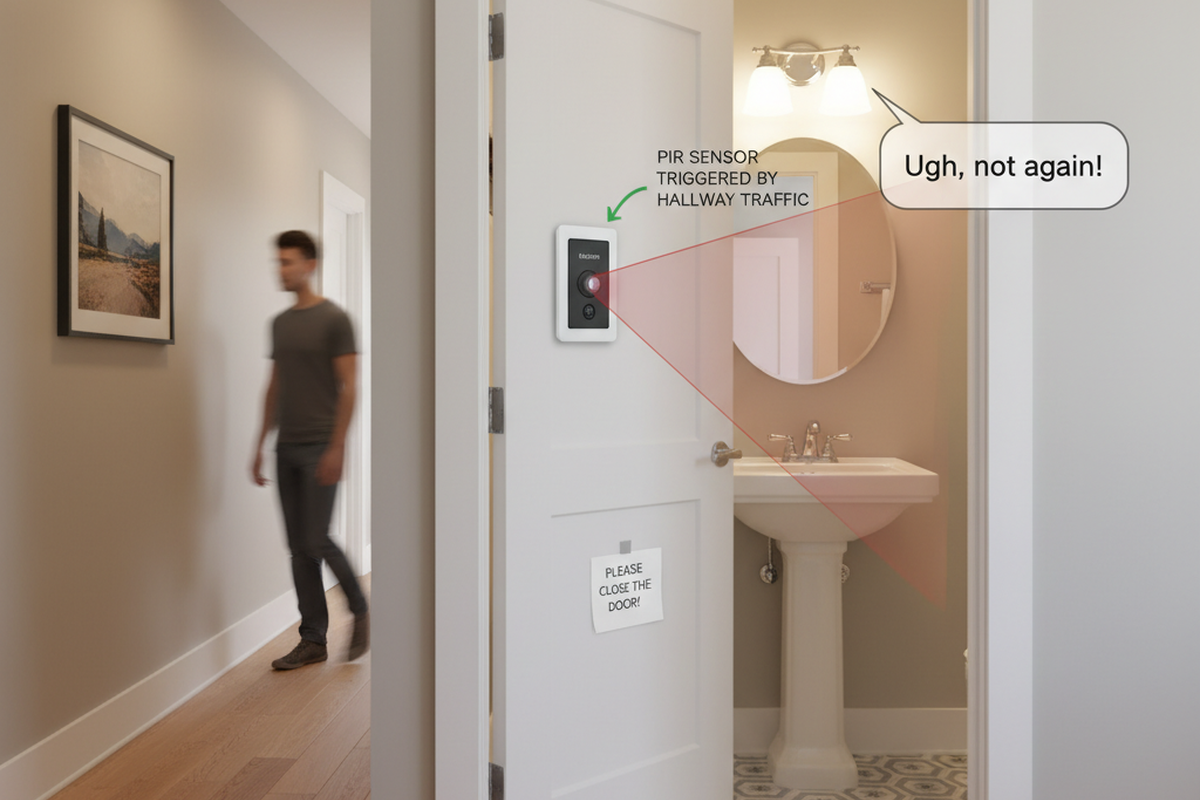
Fenomena ini, yang dikenal sebagai “Efek Stadion,” merupakan kegagalan utama dari pencahayaan pintar di ruang kecil berkonsep terbuka. Di rumah tradisional, dinding menahan kesalahan dari sistem pencahayaan. Jika lampu kamar mandi terpicu secara tidak sengaja, pintu akan menghalangi silau tersebut. Di studio atau loteng, cahaya akan terus merambat hingga menabrak suatu permukaan. Tanpa adanya dinding gipsum, kegelapan harus dijadikan sebagai pembatas. Untuk menciptakan pembatas tersebut, kita harus meninggalkan pengaturan bawaan dari perangkat elektronik konsumen dan menerapkan logika yang lebih ketat serta tanpa kompromi terhadap cara sensor memindai ruangan.
Fisika di Balik Positif Palsu
Untuk menghentikan cahaya menyilaukan yang tidak disengaja, Anda harus memahami cara kerja sensor dalam memindai. Sebagian besar detektor gerak hunian menggunakan teknologi Pasif Inframerah (PIR). Perangkat ini bukanlah kamera, melainkan pelacak panas yang mendeteksi perubahan diferensial. Sensor PIR memindai ruangan melalui lensa Fresnel bersudut banyak—kubah plastik kecil yang menyerupai mata serangga. Lensa ini membagi ruangan menjadi sektor-sektor radial. Ketika sumber panas (manusia, anjing besar, atau hembusan udara kuat) berpindah dari satu sektor ke sektor lain, sensor mencatat perubahan tegangan dan menutup relai. Lampu pun menyala.
Masalah pada studio adalah sensor-sensor ini dirancang dengan filosofi “semakin luas semakin baik.” Produsen seperti Leviton atau Lutron bersaing dalam hal sensitivitas dan area jangkauan, dengan membanggakan bidang pandang 180 derajat dan jangkauan seluas 900 kaki persegi. Di studio seluas 500 kaki persegi, ini berarti sensor pada dinding pintu masuk sering kali dapat “melihat” sinyal panas di tempat tidur, atau bahkan pantulan dari partisi kaca.
Kaca sangat riskan dalam renovasi modern. Sensor PIR tidak dapat melihat panas menembus kaca, tetapi dapat terpicu oleh perubahan suhu yang cepat pada permukaan kaca atau, yang lebih umum, akibat sensor memiliki garis pandang langsung di sekitar pembatas ruangan. Selain itu, klaim “kekebalan hewan peliharaan” pada sensor tingkat konsumen sering kali berlebihan. Seekor kucing seberat 15 pon yang melompat dari meja dapur ke lantai menghasilkan vektor panas yang cukup signifikan untuk memicu pengaturan sensitivitas standar. Jika sensor tersebut mengendalikan susunan lampu utama overhead, camilan tengah malam sang kucing akan menjadi bel pengali tidur bagi penghuni.
Dapatkan Inspirasi dari Portofolio Sensor Gerak Rayzeek.
Tidak menemukan yang Anda cari? Jangan khawatir. Selalu ada cara alternatif untuk menyelesaikan masalah Anda. Mungkin salah satu portofolio kami dapat membantu.
Perbaikan Logika: Mode Kosong di Atas Mode Hunian
Kita sering menyalahkan perangkat keras, padahal konfigurasilah yang biasanya menjadi penyebabnya. Dalam pencahayaan otomatis, terdapat dua mode logika yang berbeda: Mode Hunian dan Mode Kosong. Istilah-istilah ini terdengar identik bagi orang awam, tetapi perbedaannya dapat menyelamatkan masa sewa apartemen hingga hubungan pernikahan.
Mode Hunian adalah “Nyalakan Otomatis / Matikan Otomatis.” Anda masuk, lampu menyala. Anda keluar, lampu mati. Ini sangat baik untuk toilet umum dan koridor komersial, tetapi berakibat fatal untuk area tidur apartemen studio. Jika Anda berguling saat tidur, ruangan akan menganggap Anda baru saja masuk.
Mode Kosong is “Manual-On / Auto-Off.” To turn the lights on, you must physically tap the switch. But if you leave the apartment (or fall asleep) and no motion is detected for a set period, the lights turn off automatically. This simple inversion of logic solves the vast majority of “Stadium Effect” incidents. It ensures light never occurs without explicit human intent, while retaining the safety net of auto-shutoff when forgotten.
For renters dealing with older wiring or strict landlords, this logic doesn’t always require a screwdriver. While a hardwired Lutron Maestro sensor switch is the gold standard for this, plug-in smart home ecosystems often allow this logic to be programmed via app. A motion sensor placed under a kitchen cabinet can be linked to a smart bulb, but configured in the app to only turn the light off after 10 minutes of stillness, never on. The “On” command remains the domain of a physical button.
The Physics Fix: Blinders and Tape
Sometimes, software logic isn’t enough. If the sensor controls a pass-through area—like the hallway connecting the bathroom and the living space—you might still want Auto-On functionality, but strictly limited to where it triggers. The sensor’s vision must be physically amputated.

High-end commercial sensors come with internal plastic shutters to block specific segments of the lens. Residential units rarely do. The solution is black gaffer tape (or electrical tape in a pinch). By taping over the left or right third of the PIR lens, you artificially narrow the Field of View (FOV).
Imagine the sensor’s view as a cone. If that cone spills over onto the corner of the bed, the lights will trigger when you roll over. By applying a vertical strip of tape to the side of the lens facing the bed, you slice that part of the cone off. The sensor now has “tunnel vision.” It will only fire when you physically step into the specific zone of the kitchen or hallway, not when you are merely near it. It is a crude, analog hack that outperforms sophisticated software sensitivity sliders every time.
Mungkin Anda Tertarik Dengan

- Tegangan: 2 Baterai AAA
- Mode Siang/Malam
- Penundaan waktu: 15 menit, 30 menit, 1 jam (default), 2 jam
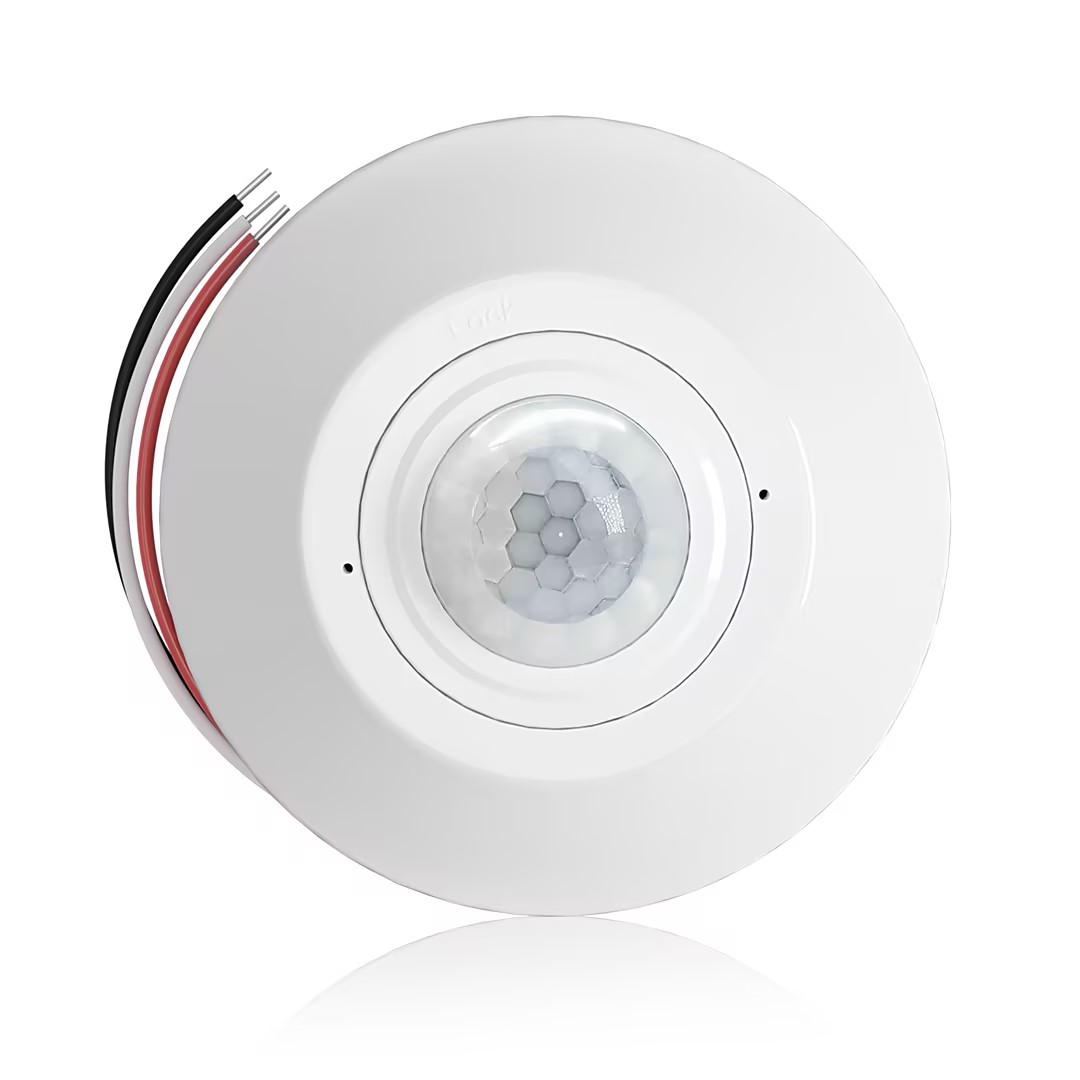
- Sensor keterhunian PIR pemasangan di langit-langit dengan output relai kontak kering
- Suplai tegangan rendah 12/24VDC atau 12/24VAC
- Kontak relai terisolasi COM, NO, dan NC untuk input EMS, HVAC, dan kontrol bangunan
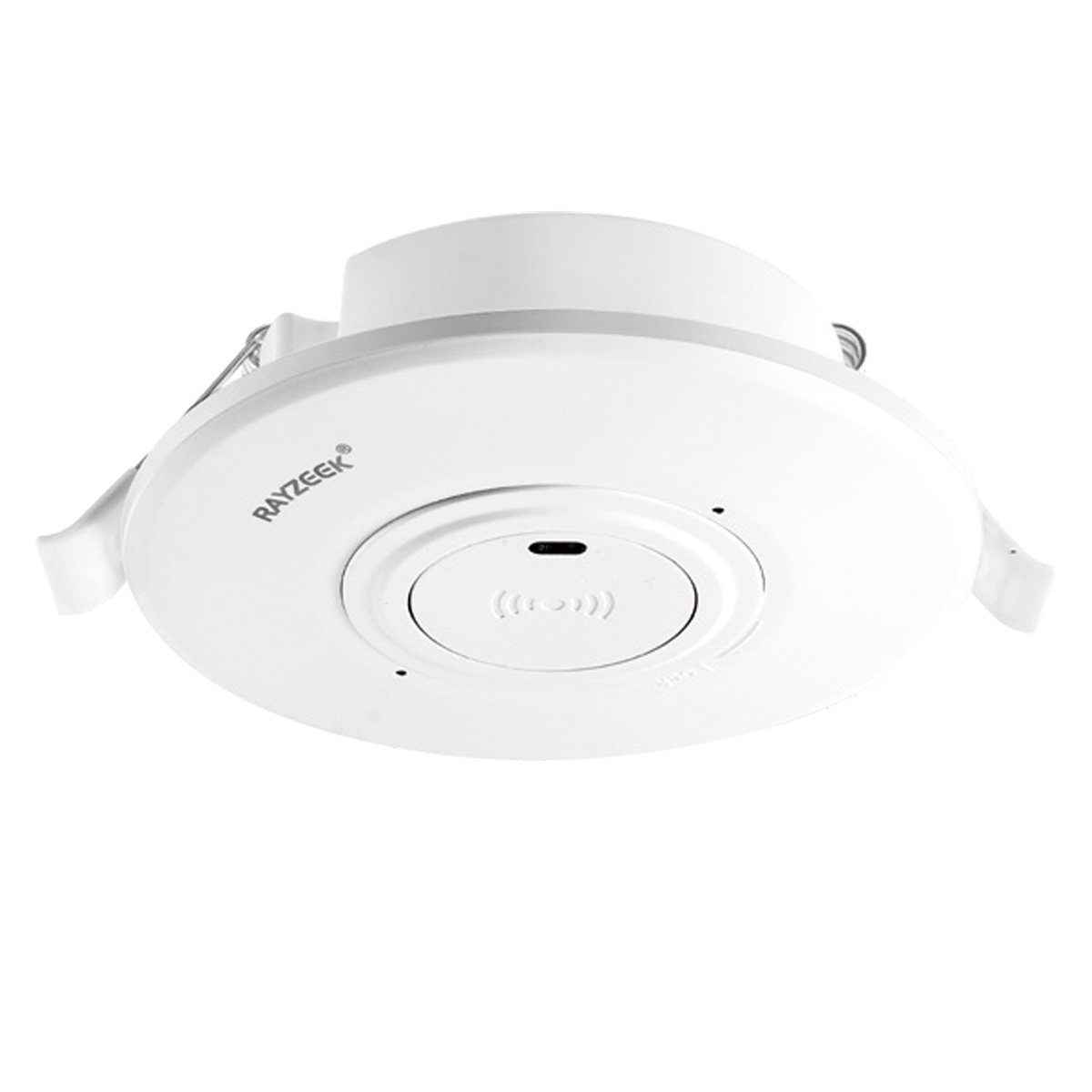
- Sakelar sensor gerak gelombang mikro pemasangan tanam di langit-langit bertegangan rendah DC
- Input 12 VDC / 24 VDC dengan rentang 10-30 VDC
- Arus kerja maksimum 10A dengan penundaan waktu, ambang batas Lux, dan sensitivitas yang dapat disesuaikan
- Sakelar sensor gerak gelombang mikro pemasangan tanam di langit-langit untuk beban lebih tinggi
- Input tegangan saluran 100-265 VAC, model 10A
- Deteksi gelombang mikro 5,8 GHz dengan penundaan waktu, ambang batas Lux, dan sensitivitas yang dapat disesuaikan
- Sakelar sensor gerak gelombang mikro terpasang rata (recessed) pada langit-langit
- Input tegangan saluran 100-265 VAC, model 5A
- Deteksi gelombang mikro 5,8 GHz dengan penundaan waktu, ambang batas Lux, dan sensitivitas yang dapat disesuaikan
- Dimmer sensor keberadaan PIR RZ037 pasang langit-langit untuk daya 220V
- Arus kerja maksimum 3A dengan beban terukur 660W
- Tombol LUX mengontrol ON/OFF sensor cahaya dan kecerahan redup yang diatur pengguna
- Dimmer sensor keberadaan PIR RZ037 pasang langit-langit untuk daya 110V
- Arus kerja maksimum 3A dengan beban terukur 330W
- Tombol LUX mengontrol ON/OFF sensor cahaya dan kecerahan redup yang diatur pengguna
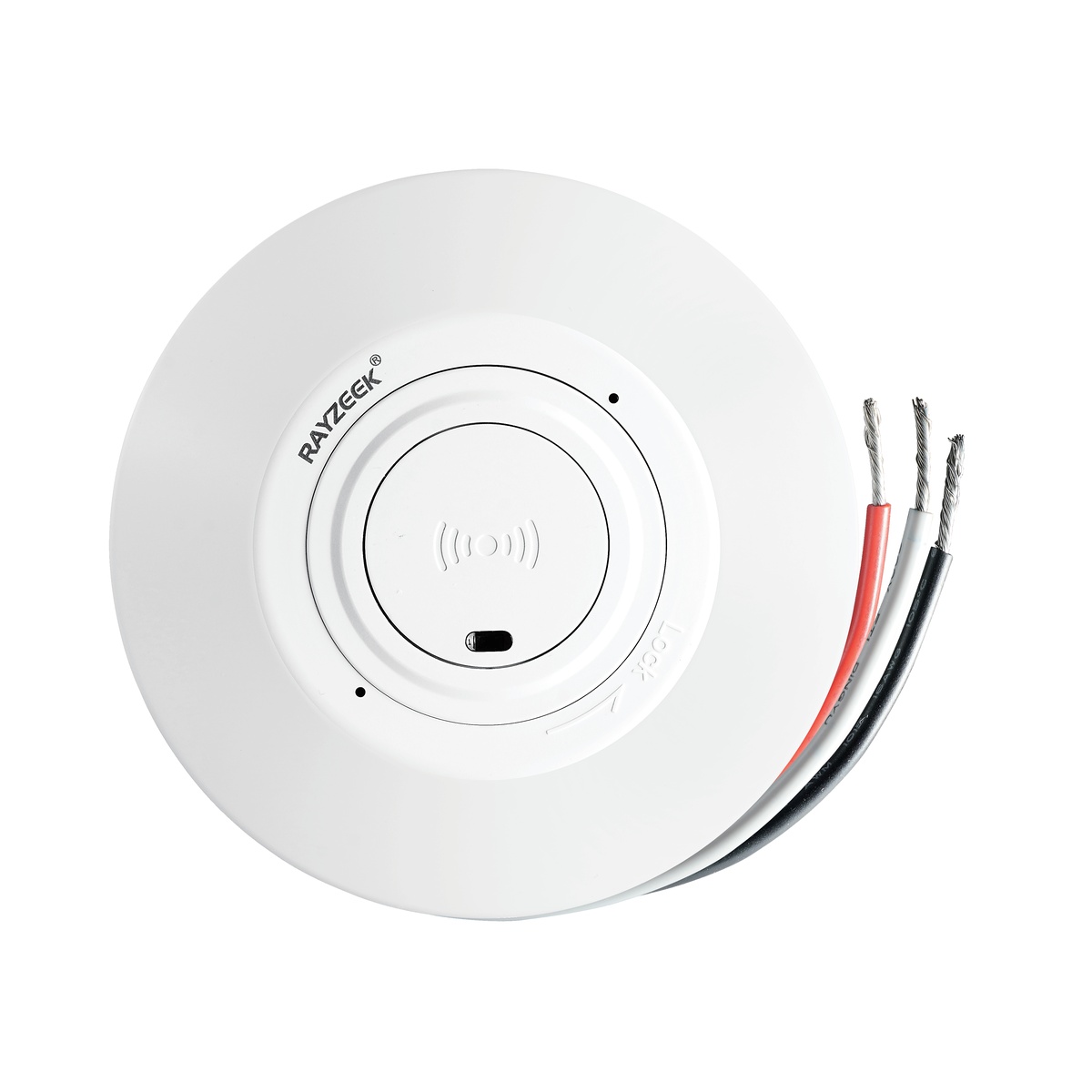
- Sakelar sensor gerak gelombang mikro pasang langit-langit DC tegangan rendah
- Input 12 VDC / 24 VDC dengan rentang 10-30 VDC
- Arus kerja maksimum 10A dengan penundaan waktu, ambang batas Lux, dan sensitivitas yang dapat disesuaikan
- Sakelar sensor gerak gelombang mikro pasang langit-langit untuk beban lebih tinggi
- Input tegangan saluran 100-265 VAC, model 10A
- Deteksi gelombang mikro 5,8 GHz dengan penundaan waktu, ambang batas Lux, dan sensitivitas yang dapat disesuaikan
- Sakelar sensor gerak gelombang mikro pasang langit-langit
- Input tegangan saluran 100-265 VAC, model 5A
- Deteksi gelombang mikro 5,8 GHz dengan penundaan waktu, ambang batas Lux, dan sensitivitas yang dapat disesuaikan
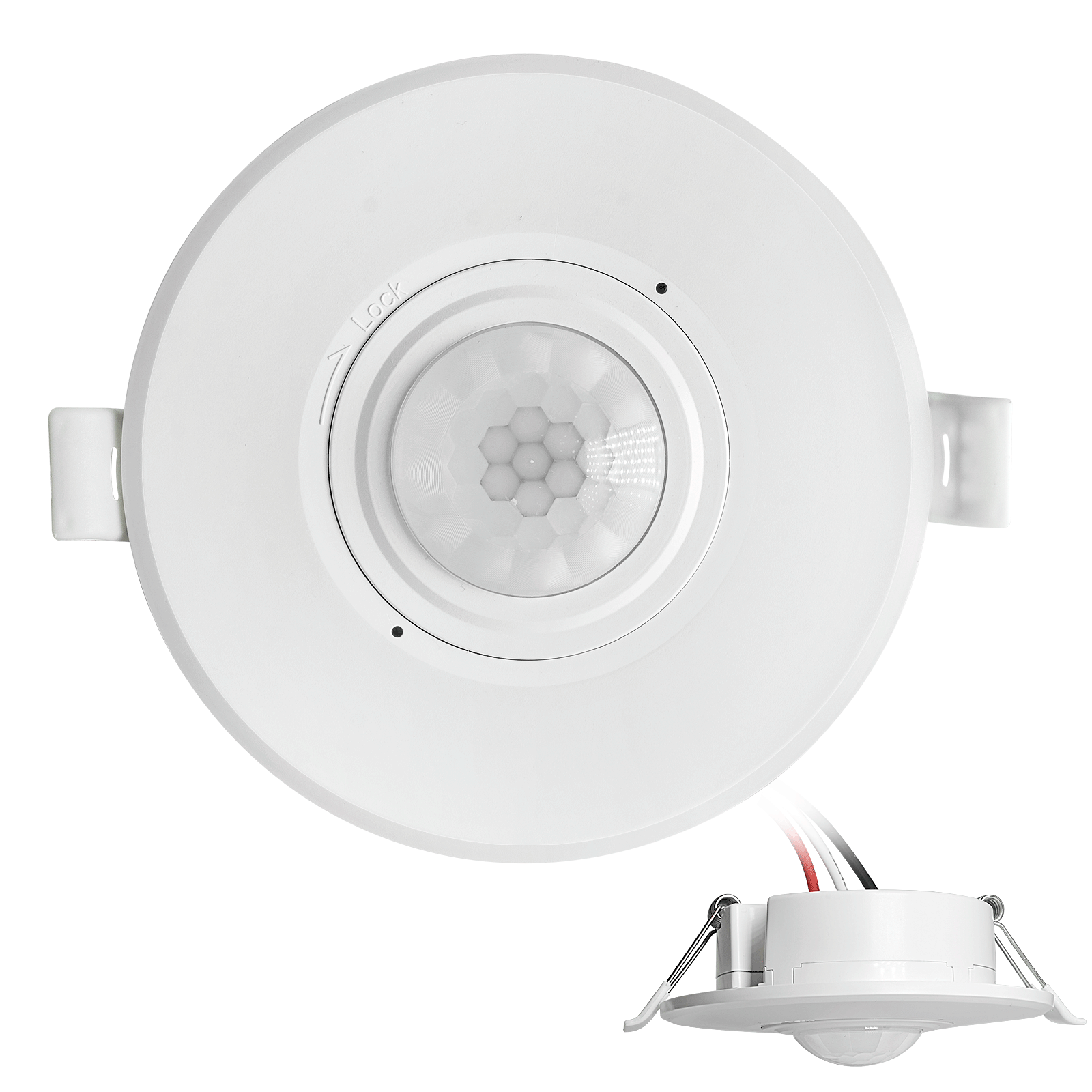
- Sakelar sensor gerak PIR terpasang rata (recessed) pada langit-langit DC tegangan rendah
- Input 12 VDC / 24 VDC dengan rentang 10-30 VDC
- Arus kerja maks 10A dengan penundaan waktu, ambang batas Lux, dan sensitivitas yang dapat disesuaikan
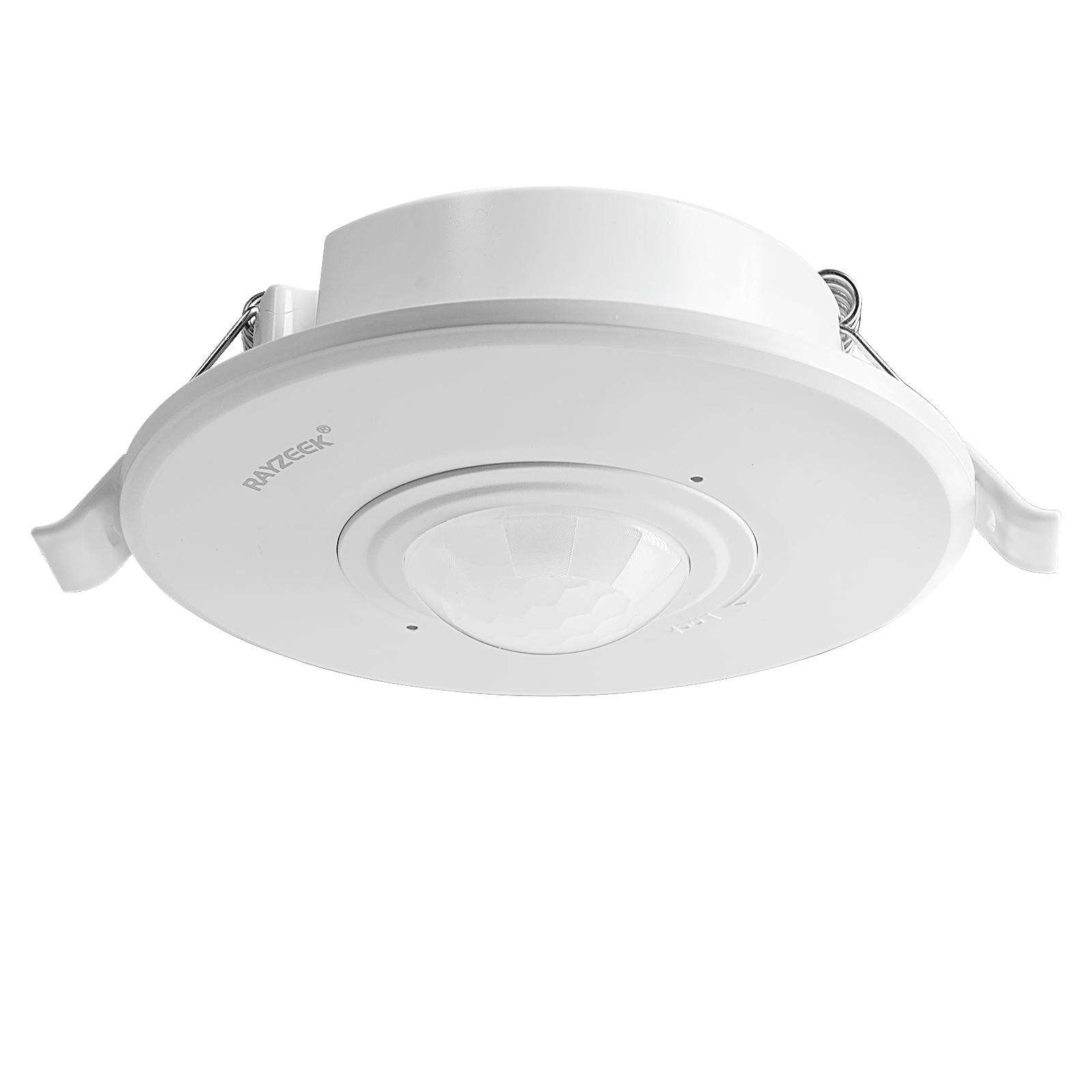
- Sakelar sensor gerak PIR pemasangan plafon tanam beban lebih tinggi
- Input tegangan saluran 100-265 VAC, model 10A
- Deteksi 360 derajat dengan penundaan waktu, ambang batas Lux, dan sensitivitas yang dapat disesuaikan
- Sakelar sensor gerak PIR pemasangan plafon tanam
- Input tegangan saluran 100-265 VAC, model 5A
- Deteksi 360 derajat dengan penundaan waktu, ambang batas Lux, dan sensitivitas yang dapat disesuaikan
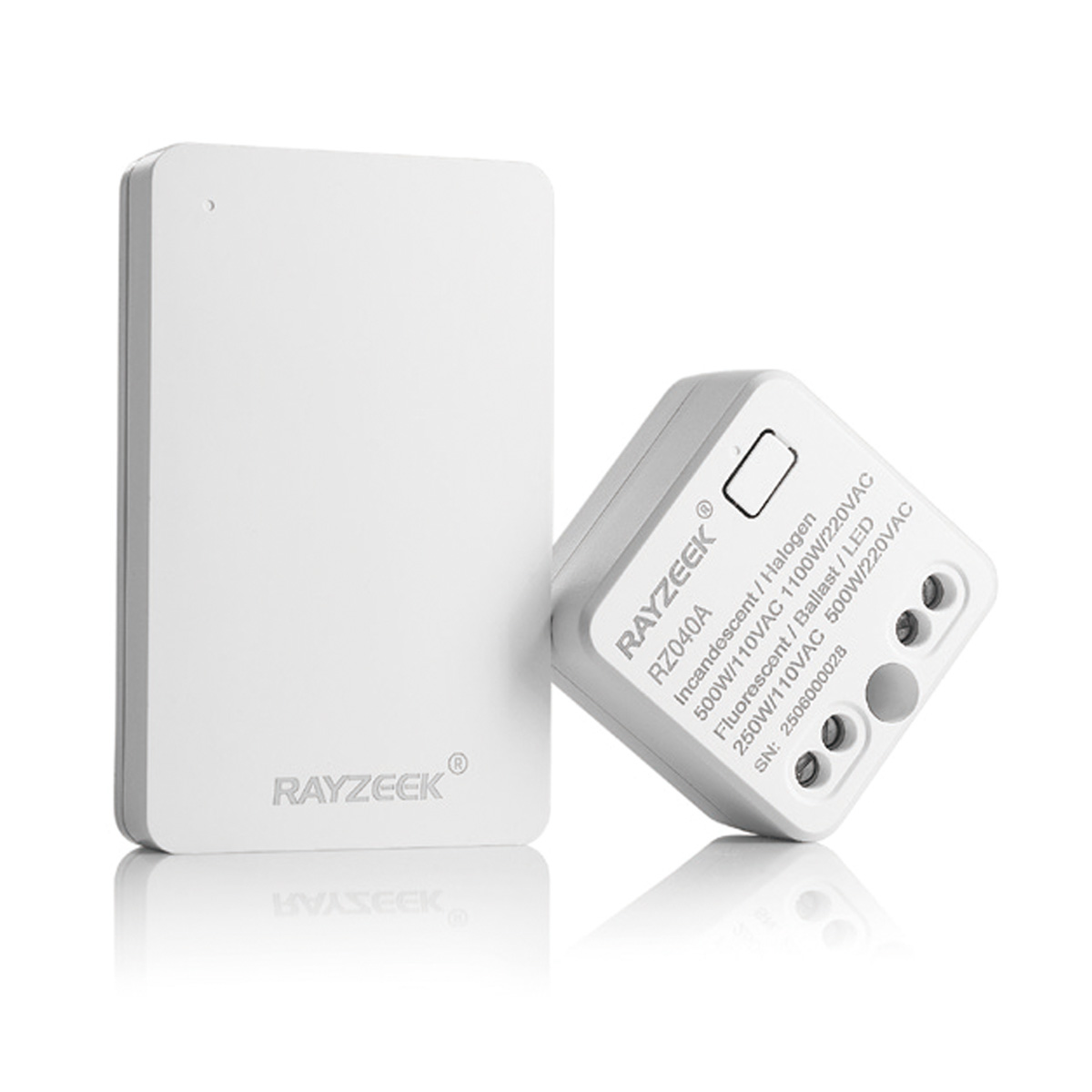
- Kit sakelar dan penerima nirkabel untuk kontrol pencahayaan ON/OFF dalam ruangan
- Penerima 100-230VAC, 50/60Hz dengan arus pengenal 5A
- Sakelar nirkabel berdaya baterai CR2032 dengan komunikasi 2,4GHz
- Okupansi (Auto-ON/Auto-OFF)
- 12–24V DC (10–30VDC), hingga 10A
- Cakupan 360°, diameter 8–12 m
- Penundaan waktu 15 dtk–30 mnt
- Sensor cahaya Mati/15/25/35 Lux
- Sensitivitas Tinggi/Rendah
- Mode okupansi Auto-ON/Auto-OFF
- 100–265V AC, 10A (memerlukan netral)
- Cakupan 360°; diameter deteksi 8–12 m
- Penundaan waktu 15 dtk–30 mnt; Lux NONAKTIF/15/25/35; Sensitivitas Tinggi/Rendah
- Mode okupansi Auto-ON/Auto-OFF
- 100–265V AC, 5A (memerlukan netral)
- Cakupan 360°; diameter deteksi 8–12 m
- Penundaan waktu 15 dtk–30 mnt; Lux NONAKTIF/15/25/35; Sensitivitas Tinggi/Rendah
Hardware That Respects Boundaries
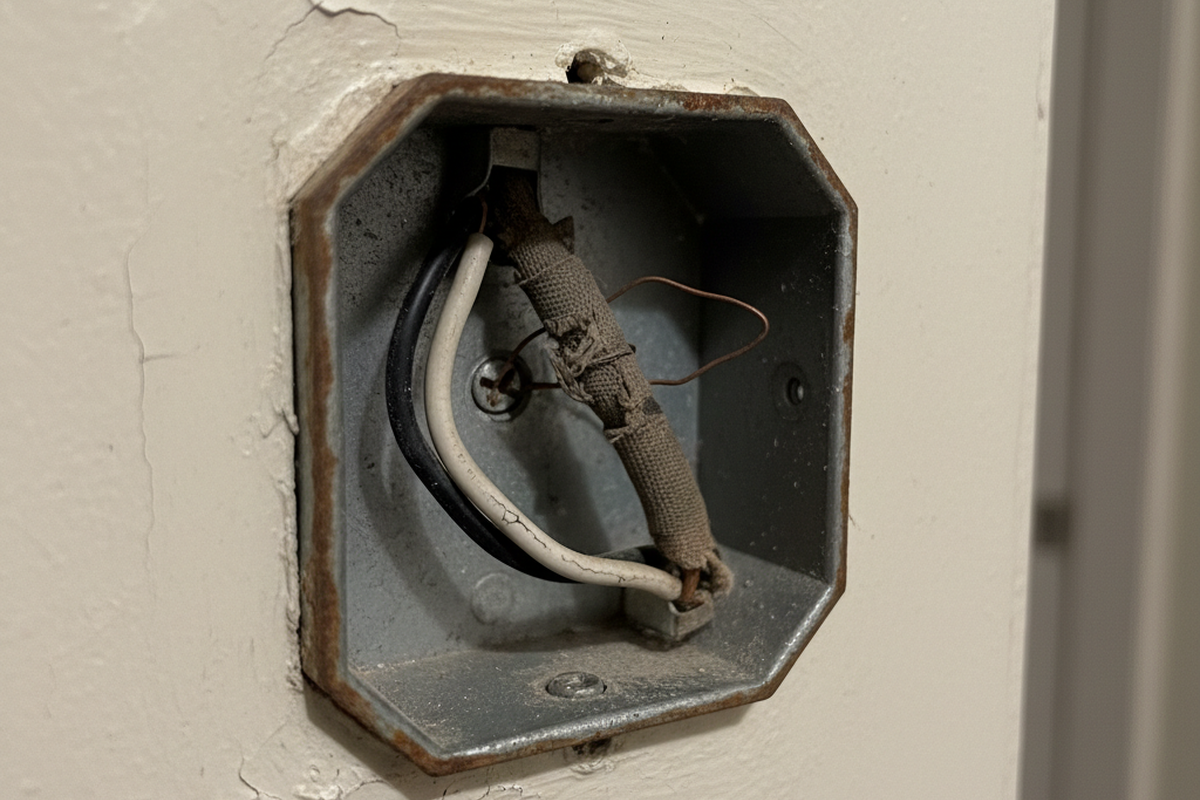
When the “Landlord Special” dome light must be bypassed entirely, the choice of hardware becomes a defensive strategy. The goal is to separate the control point from the load point.
Mencari Solusi Hemat Energi Berbasis Gerakan?
Hubungi kami untuk sensor gerak PIR lengkap, produk hemat energi yang diaktifkan oleh gerakan, sakelar sensor gerak, serta solusi komersial Okupansi/Vakansi.
Smart bulbs (like Philips Hue or LIFX) are often marketed as the solution, but they fail the “Guest Test” miserably if used alone. If a guest flips the wall switch, the bulb loses power and becomes a brick. The sophisticated approach for a studio is to use a “No-Neutral” smart dimmer at the wall (such as the Lutron Caséta line) or a switch-lock cover (like the Lutron Aurora) that keeps the circuit live while giving you a physical knob.
This allows you to decouple the switch from the ceiling light. You can program the wall switch to control a floor lamp instead of the overhead glare bomb. This is vital for the “Disco Effect” fear many design-conscious residents have. Smart lighting does not have to mean RGB party modes. The highest utility of smart lighting in a studio is Warm Dim technology—lights that get warmer (more orange/amber, 2200K) as they dim, mimicking the sunset curve.
Note: While the industry is moving toward the Matter standard for interoperability, the reality on the ground is still a messy beta. Sticking to established bridges (Hue, Lutron) is currently the only way to guarantee the lights actually work when the Wi-Fi acts up.
Light as a Divider
Ultimately, solving the Stadium Effect does more than prevent accidental triggers—it creates zones of darkness. In a single room, a pool of light over the kitchen island and a pool of light by the reading chair, separated by a band of shadow, creates the psychological illusion of two rooms.
By forcing sensors into Vacancy Mode, blinding their peripheral vision with tape, and lowering the source of light to below eye level (floor lamps, table lamps) after 9 PM, the studio apartment stops feeling like a surveillance box. The technology recedes, walls of shadow appear, and the resident can finally sleep.