Vue fortement floutée de l'atelier d'un artisan avec un éclairage doux et diffus. Des formes vagues d'établis, d'étagères et d'outils créent un arrière-plan d'ambiance hors de mise au point.

Dans les ateliers d'artisans, les détecteurs de mouvement confondent souvent la chaleur des fours et des chalumeaux avec des mouvements humains, ce qui provoque des déclenchements intempestifs gênants. Il ne s'agit pas d'un défaut du détecteur, mais d'une inadaptation à l'environnement. Pour y remédier, vous pouvez opter pour un positionnement stratégique afin d'éviter les zones thermiques, masquer certaines parties de la lentille du détecteur pour créer des angles morts, et ajuster les réglages pour diminuer la sensibilité et prolonger les délais de temporisation. Pour les cas extrêmes, des technologies alternatives comme les capteurs hyperfréquences ou à double technologie offrent une solution plus robuste.

Standard occupancy sensors often fail in yoga and meditation studios, punishing stillness instead of supporting it. By switching to vacancy mode, extending time delays, and using smart placement, lighting control can become a silent partner in creating a tranquil, uninterrupted space.

Standard motion sensors often sabotage black box theater performances by triggering lights at the worst possible moments. To maintain artistic integrity and energy efficiency, theaters should adopt intelligent lighting control, favoring manual-on vacancy sensors with long timeouts and strategic placement to ensure the show is never compromised by aggressive automation.

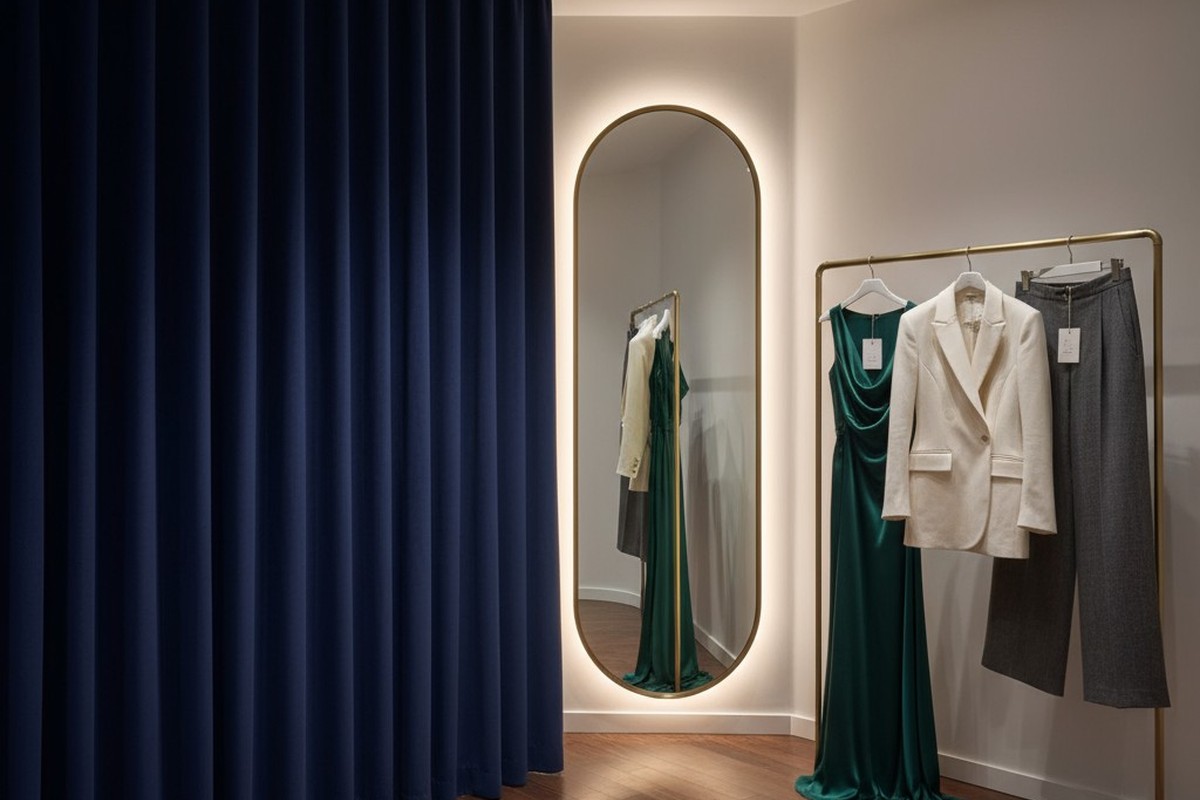
An empty, upscale fitting room features a navy blue velvet curtain, a full-length mirror with warm backlighting, and a few clothing items on a brass rack.

Constantly running the AC in intermittently used spaces like fitting rooms is a major operational expense. An intelligent, motion-based climate control system solves this by operating only when the room is occupied, eliminating waste while providing a seamless, premium customer experience without compromising comfort.

A close-up view shows fingertips applying a small piece of black electrical tape to a specific segment of a motion sensor's Fresnel lens.

Tired of your glass-door pantry light flashing every time someone walks by? This isn’t a sensor flaw, but a common installation mistake. The solution lies in strategic placement. By positioning a Rayzeek motion sensor in an inside corner and angling it away from the doorway, you can create a detection zone contained entirely within the pantry, eliminating false triggers from hallway traffic for good.

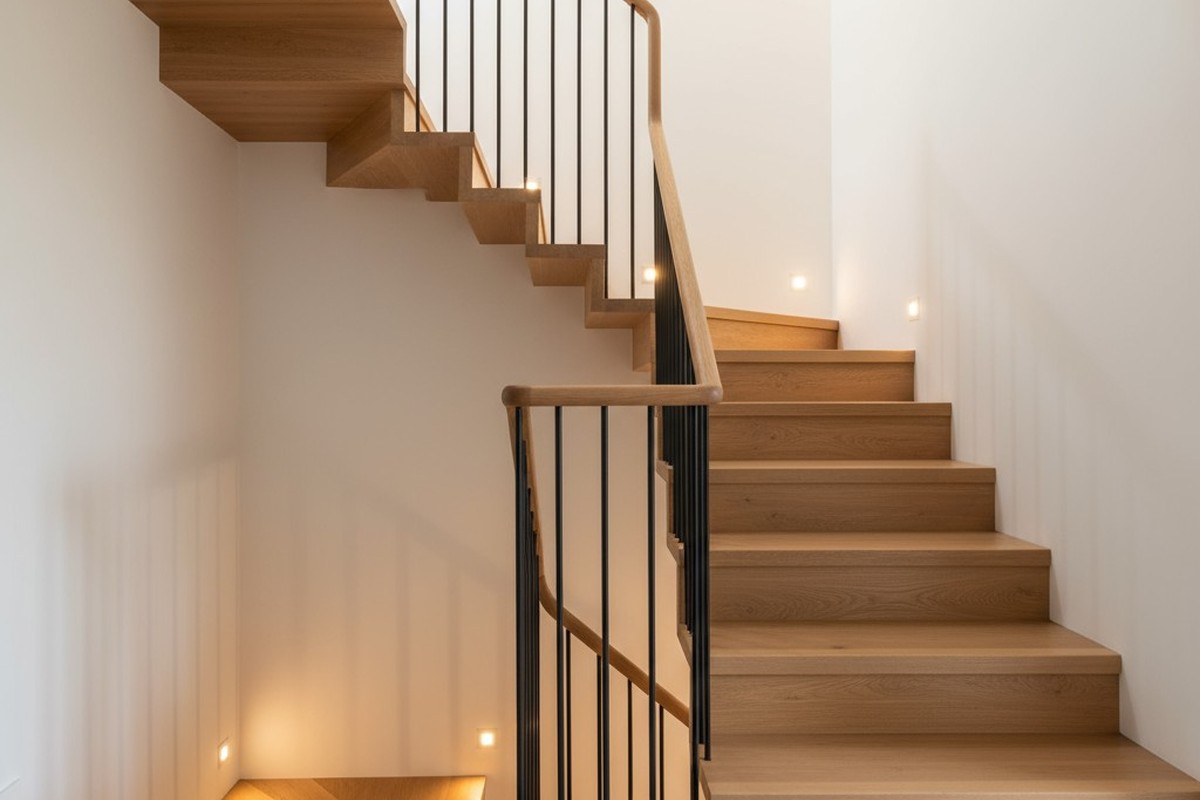
A low-angle view looking up an L-shaped staircase with light oak treads, a matching handrail, and thin black steel balusters against a clean, off-white wall.

Stop the frustrating ‘stair strobe’ effect. Standard 3-way switch wiring was not designed for smart sensors, which often results in flickering, unreliable lights. This guide details a reliable wiring pattern that establishes the motion sensor as the primary controller in the line-side box, ensuring smooth, consistent, and predictable staircase lighting.

Automating lights on a split-level stair landing with a single motion sensor is a recipe for failure, creating dangerous blind spots. The definitive solution involves a paired-sensor architecture, dedicating one sensor to each approach, combined with intelligent settings like long timeouts and ambient light detection for a system that is safe, reliable, and seamlessly efficient.

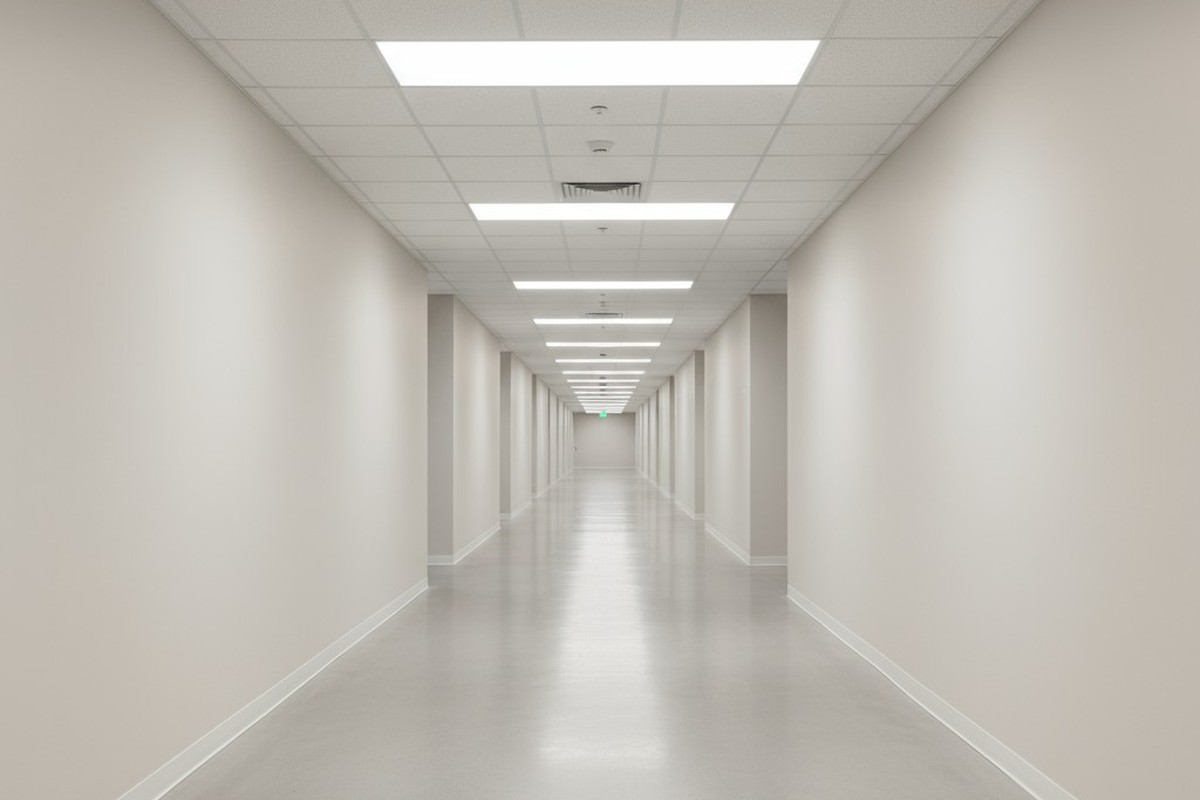
An empty, modern commercial corridor with a polished light gray concrete floor and off-white walls is evenly illuminated by long, recessed linear LED fixtures in the ceiling.

Many buildings suffer from ‘light lag’ in corridors, where motion-activated lights turn on too late, creating an unsettling user experience. Instead of simply increasing sensor sensitivity, which causes false triggers, the solution is to design an anticipatory system. By using a staggered sensor layout, strategic forward aiming, and intelligent pre-trigger logic, you can create a seamless experience where the path ahead is always illuminated, guiding users safely and efficiently.

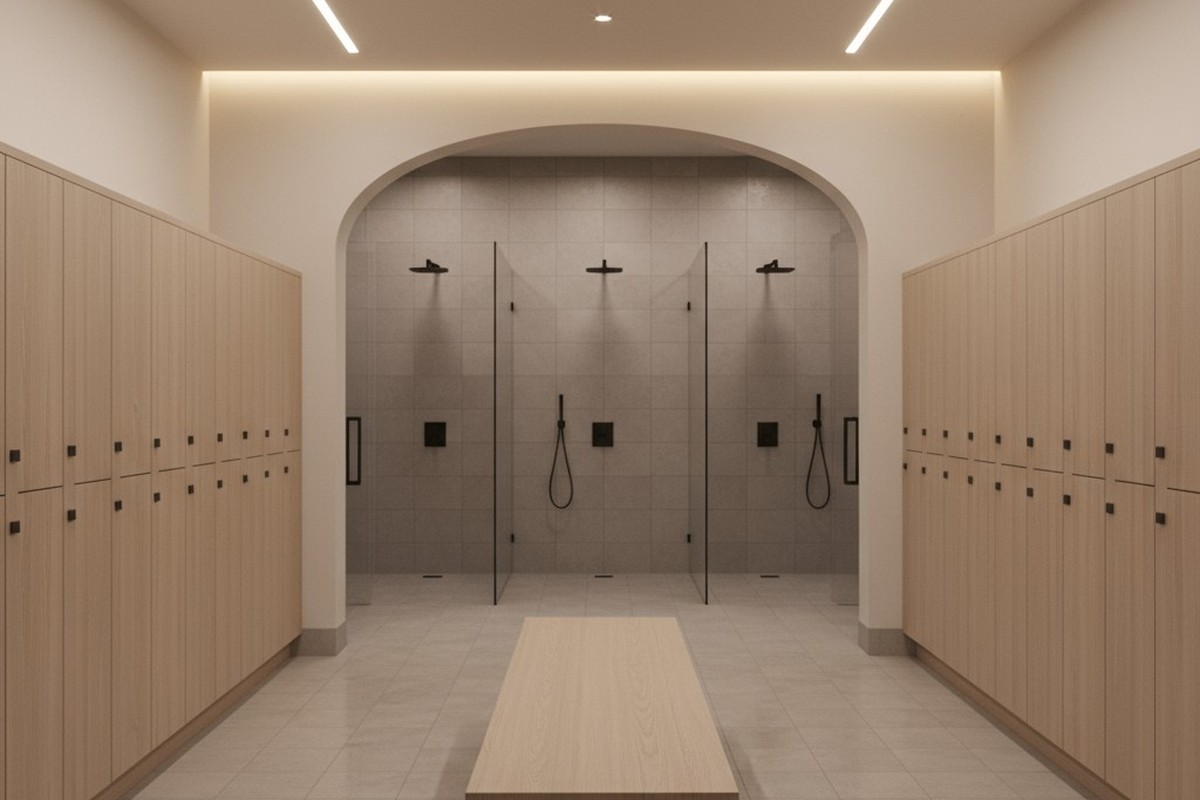
An empty, upscale locker room with rows of minimalist wood-laminate lockers, a central bench, and a tiled shower area visible in the background.

Automating locker rooms for energy efficiency often compromises user privacy. A human-centric approach using strategic zoning, discrete sensor placement, and intelligent timeouts creates a system that respects dignity while saving energy, ensuring lights and ventilation work reliably without being intrusive.

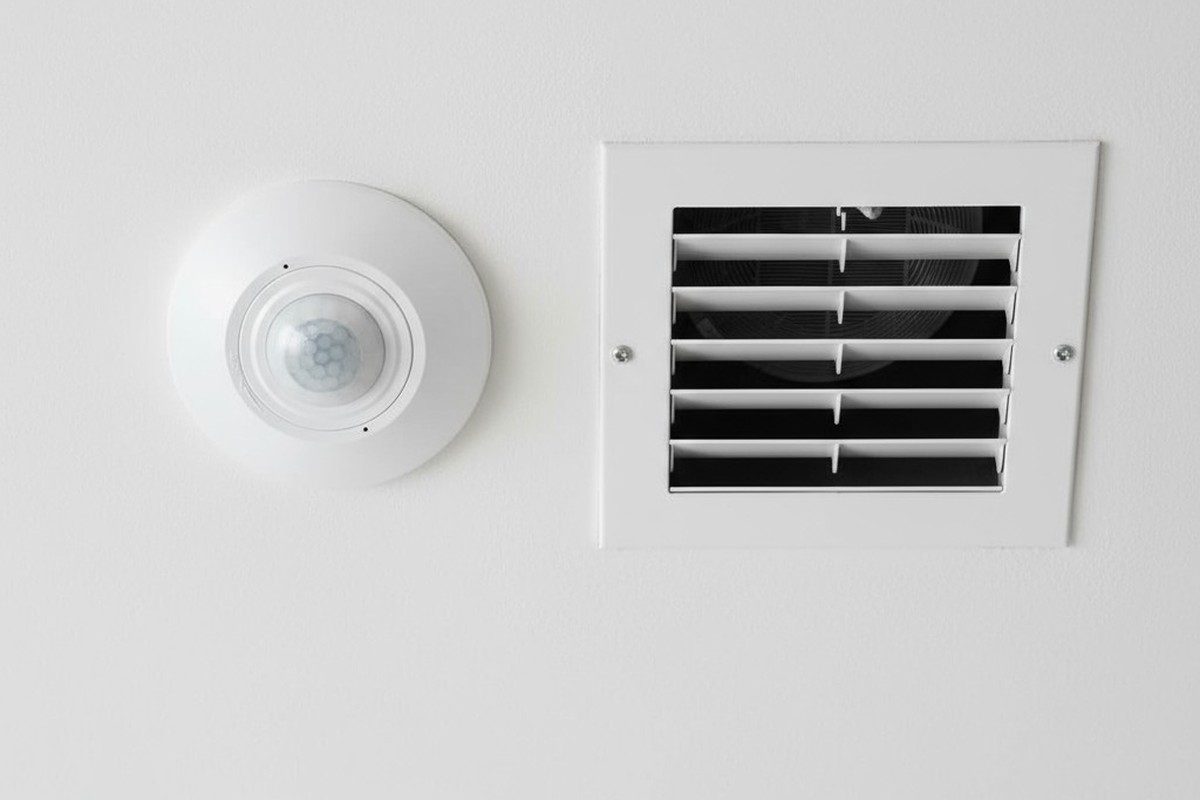
Is your motion sensor seeing ghosts? False triggers are rarely due to a faulty device. They are often caused by invisible thermal events, like shifting sunlight or drafts from an HVAC vent, that trick the sensor. True reliability comes from understanding this thermal turbulence and using strategic placement, not just adjusting the sensitivity dial.

French