What is Smart Lighting
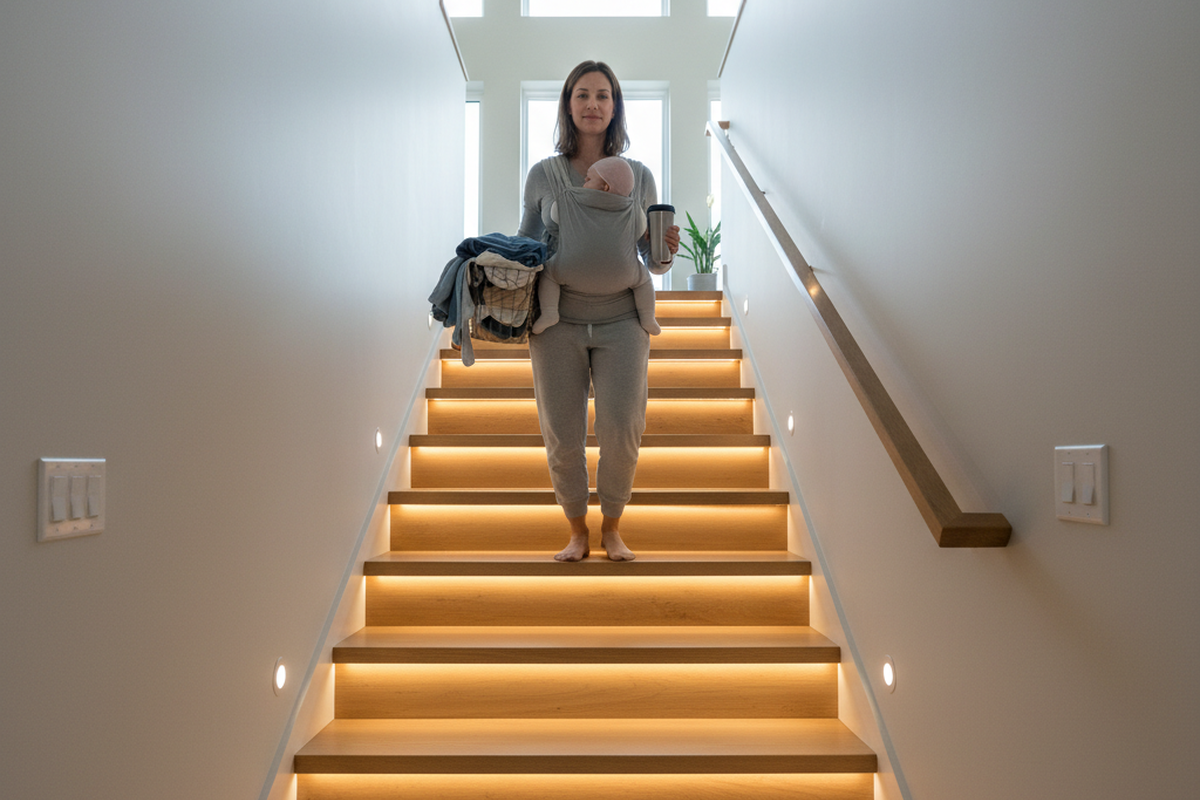
Smart lighting, also known as adaptive lighting, is a technology that integrates intelligence and logic into lamps or luminaires, enabling communication and interaction with the surrounding environment, occupants of a building, and other devices in an automated manner. This innovative lighting solution brings flexibility and automation to lighting infrastructure, allowing for control over various lighting features, ranging from simple on/off switching to complex adaptive lighting.
The primary objective of smart lighting is to provide an intelligent translation of the lighting needs and preferences of the environment and its occupants with minimal human intervention. It aims to maximize energy savings in commercial facilities and enhance convenience for users in private residences. Smart lighting systems can be implemented at different scales, from individual luminaires with a point-to-point connection structure to a network of interconnected luminaires forming a mesh network. These systems are designed to work across projects of all sizes and can communicate using a wide range of protocols over various communication channels.
Das könnte Sie auch interessieren

- Spannung: 2 AAA-Batterien
- Tag-/Nachtmodus
- Ausschaltverzögerung: 15min, 30min, 1h (Standard), 2h
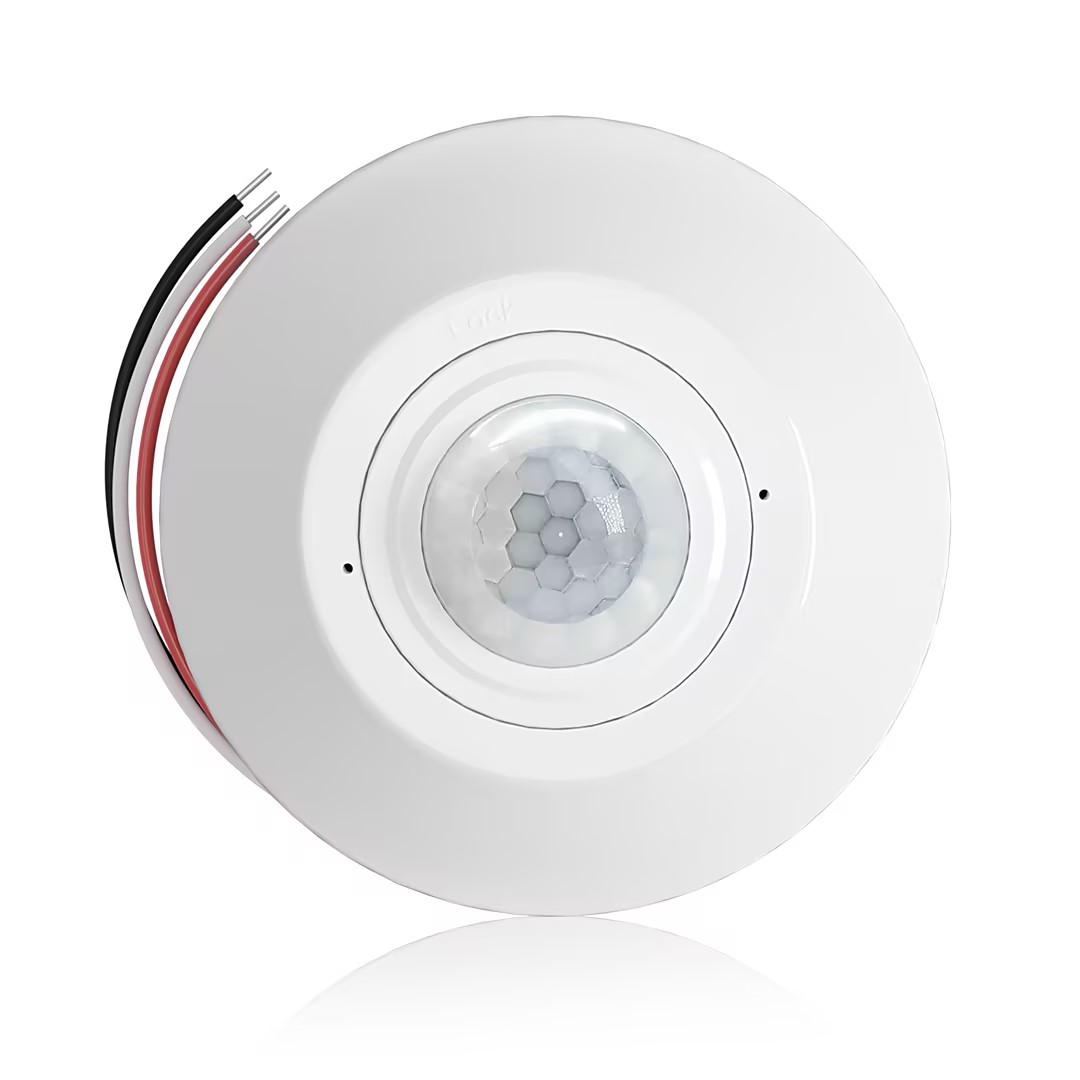
- Deckenmontierter PIR-Präsenzmelder mit potenzielfreiem Relaisausgang
- 12/24VDC oder 12/24VAC Niederspannungsversorgung
- Isolierte Relaiskontakte (COM, NO und NC) für EMS-, HVAC- und Gebäudesteuerungs-Eingänge
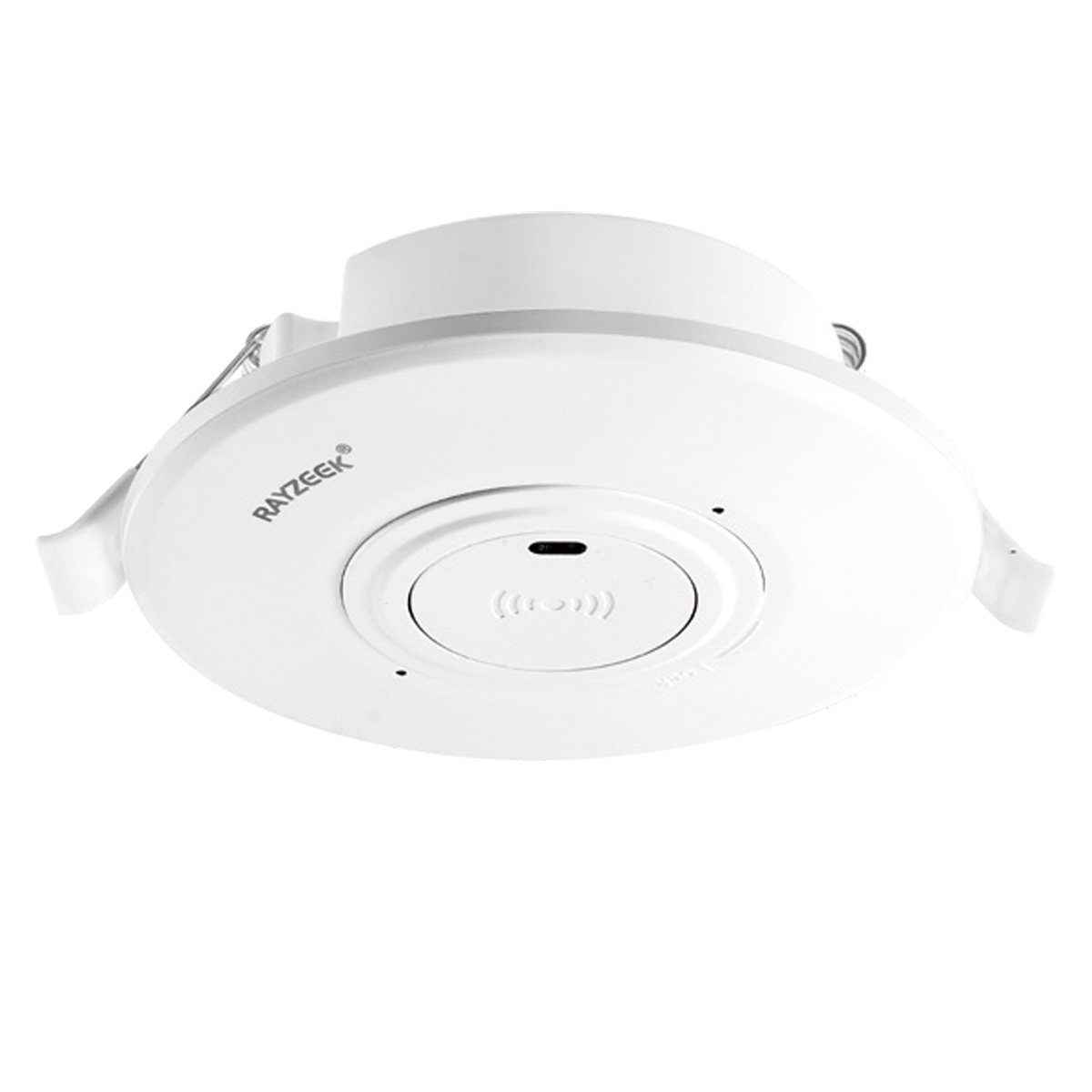
- Niederspannungs-DC-Mikrowellen-Bewegungssensorschalter für den Deckeneinbau
- 12 VDC / 24 VDC Eingang mit 10–30 VDC Bereich
- 10A max. Arbeitsstrom mit einstellbarer Zeitverzögerung, Lux-Schwelle und Empfindlichkeit
- Decken-Mikrowellen-Bewegungssensorschalter für den Einbau für höhere Lasten
- 100–265 VAC Netzspannungseingang, 10A-Modell
- 5,8-GHz-Mikrowellenerfassung mit einstellbarer Zeitverzögerung, Lux-Schwelle und Empfindlichkeit
- Unterputz-Mikrowellen-Bewegungssensorschalter für die Deckenmontage
- 100–265 VAC Netzspannungseingang, 5A-Modell
- 5,8-GHz-Mikrowellenerfassung mit einstellbarer Zeitverzögerung, Lux-Schwelle und Empfindlichkeit
- PIR-Präsenzsensor-Dimmer RZ037 für Deckenmontage und 220V-Stromversorgung
- 3A maximaler Betriebsstrom mit 660W Nennlast
- LUX-Taste steuert Lichtsensor-EIN/AUS sowie benutzerdefinierte Dimmhelligkeit
- PIR-Präsenzsensor-Dimmer RZ037 für Deckenmontage und 110V-Stromversorgung
- 3A maximaler Betriebsstrom mit 330W Nennlast
- LUX-Taste steuert Lichtsensor-EIN/AUS sowie benutzerdefinierte Dimmhelligkeit
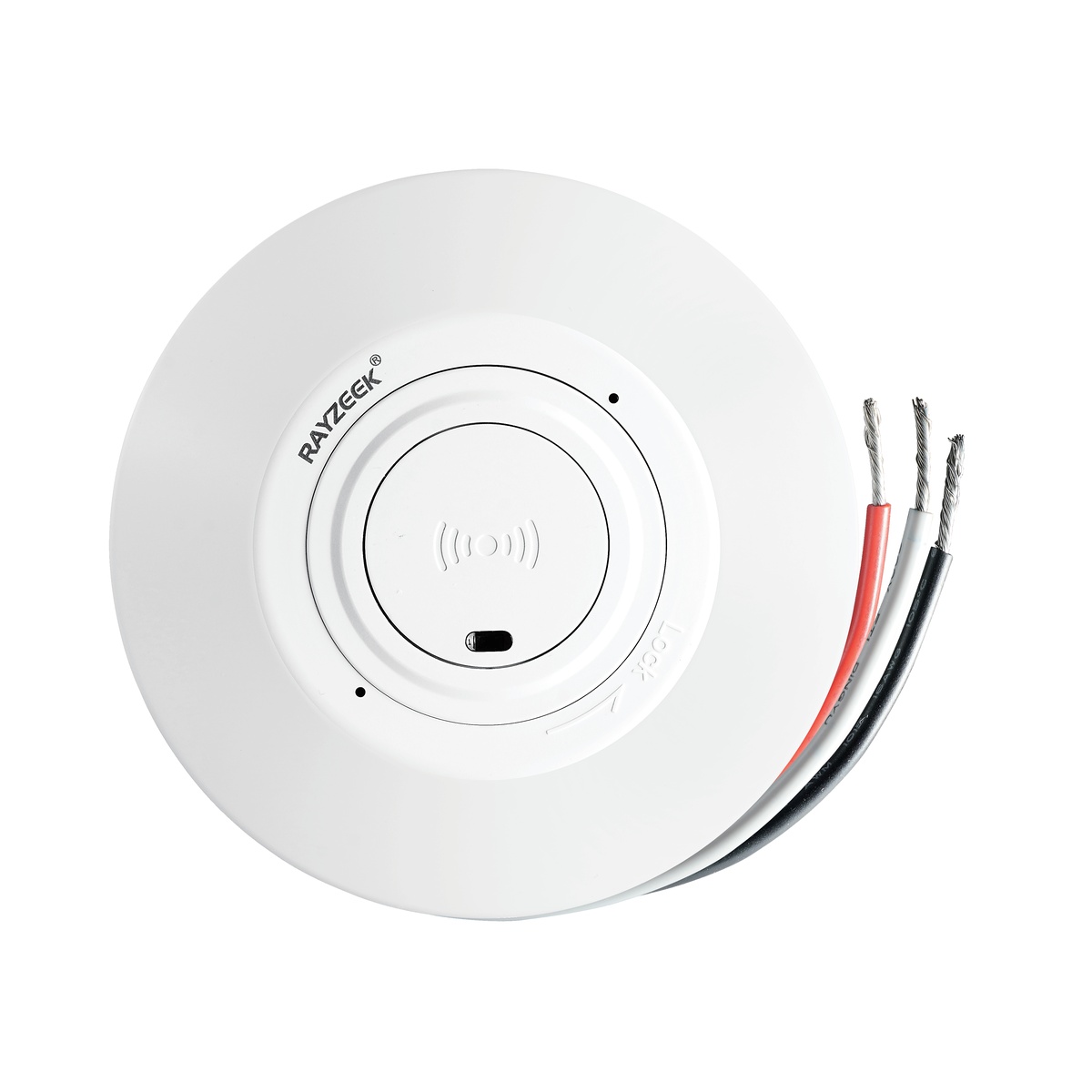
- Niederspannungs-DC-Mikrowellen-Bewegungssensorschalter für die Deckenmontage
- 12 VDC / 24 VDC Eingang mit 10–30 VDC Bereich
- 10A max. Arbeitsstrom mit einstellbarer Zeitverzögerung, Lux-Schwelle und Empfindlichkeit
- Decken-Mikrowellen-Bewegungssensorschalter für höhere Lasten
- 100–265 VAC Netzspannungseingang, 10A-Modell
- 5,8-GHz-Mikrowellenerfassung mit einstellbarer Zeitverzögerung, Lux-Schwelle und Empfindlichkeit
- Mikrowellen-Bewegungssensorschalter für die Deckenmontage
- 100–265 VAC Netzspannungseingang, 5A-Modell
- 5,8-GHz-Mikrowellenerfassung mit einstellbarer Zeitverzögerung, Lux-Schwelle und Empfindlichkeit
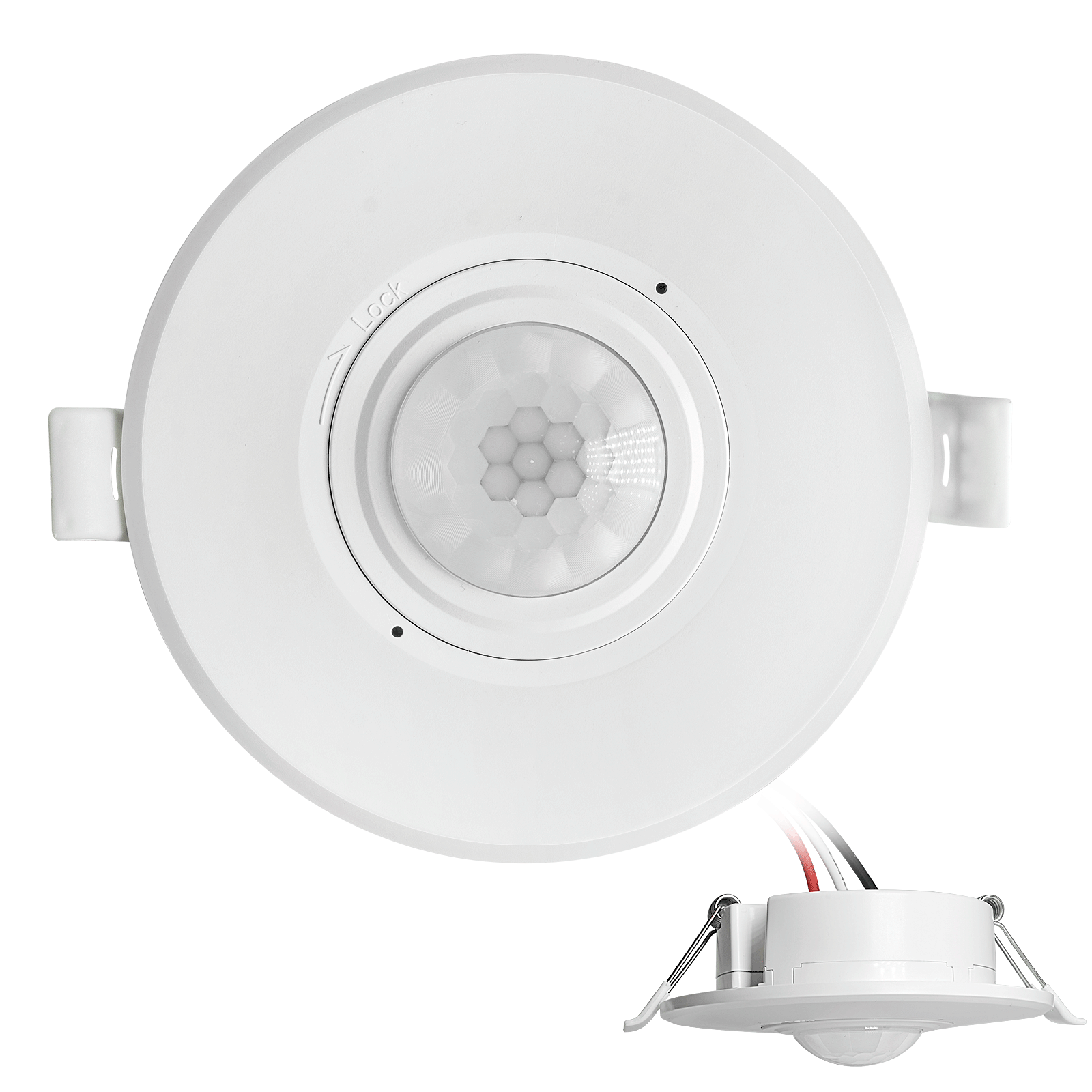
- Niederspannungs-DC-Unterputz-PIR-Bewegungssensorschalter für die Deckenmontage
- 12 VDC / 24 VDC Eingang mit 10–30 VDC Bereich
- Maximaler Betriebsstrom 10A mit einstellbarer Zeitverzögerung, Lux-Schwelle und Empfindlichkeit
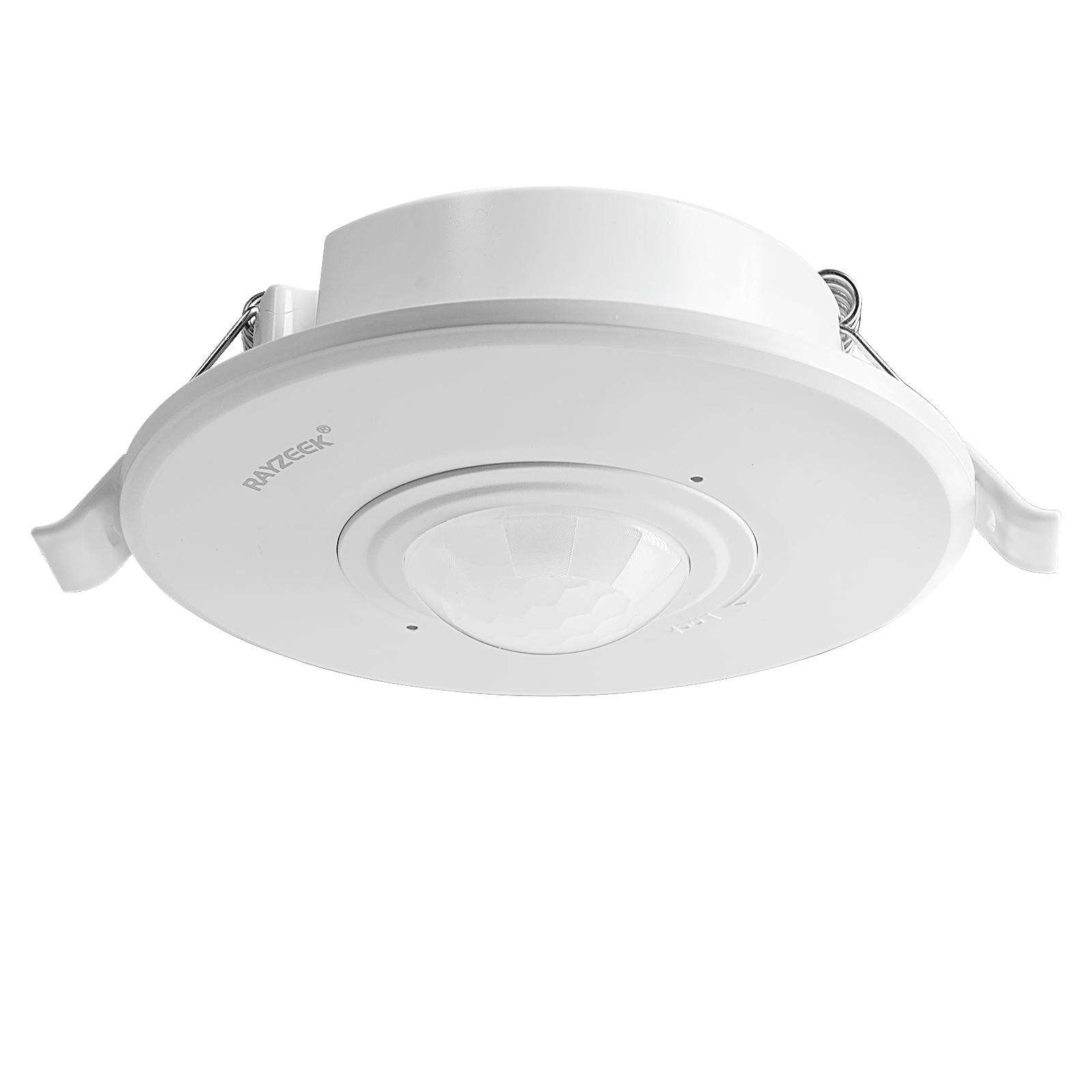
- PIR-Bewegungssensorschalter für Deckeneinbau für höhere Lasten
- 100–265 VAC Netzspannungseingang, 10A-Modell
- 360-Grad-Erfassung mit einstellbarer Ausschaltverzögerung, Lux-Schwelle und Empfindlichkeit
- PIR-Bewegungssensorschalter für Deckeneinbau
- 100–265 VAC Netzspannungseingang, 5A-Modell
- 360-Grad-Erfassung mit einstellbarer Ausschaltverzögerung, Lux-Schwelle und Empfindlichkeit
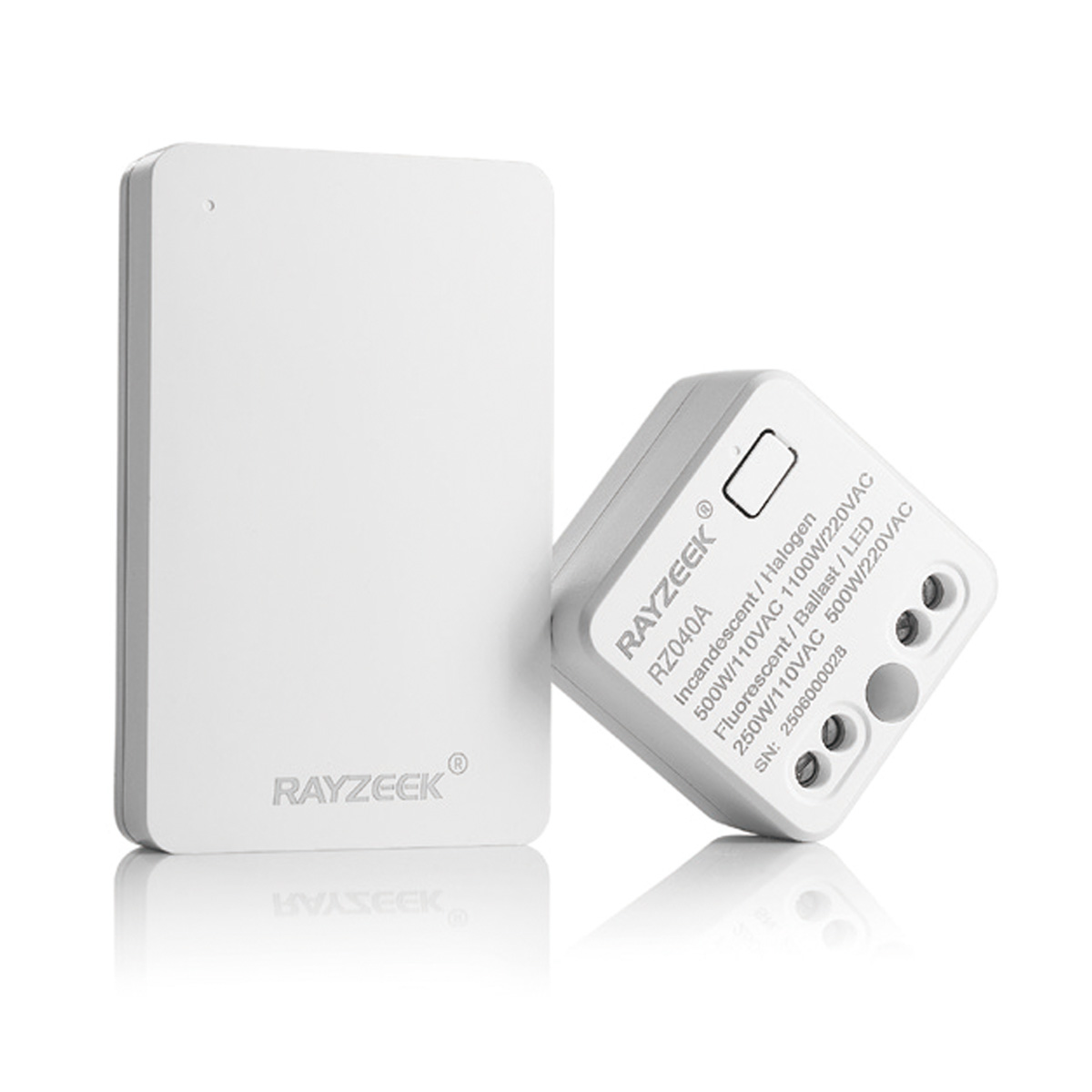
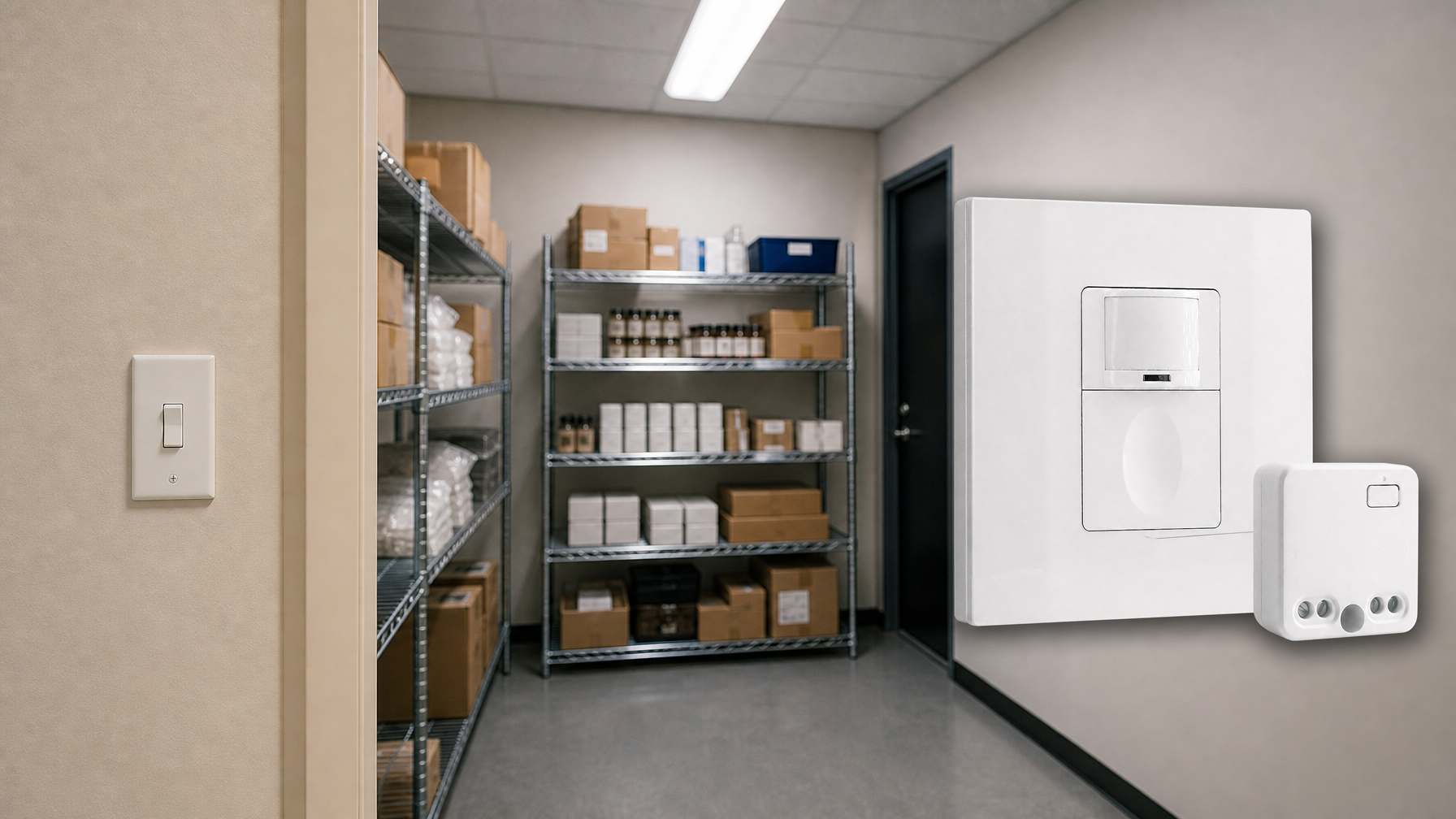
- Funk-Schalter- und Empfänger-Set zur Ein/Aus-Lichtsteuerung im Innenbereich
- 100-230VAC, 50/60Hz Empfänger mit 5A Nennstrom
- CR2032-betriebener Funkschalter mit 2,4GHz-Kommunikation
- Präsenzmodus (Auto-EIN/Auto-AUS)
- 12–24V DC (10–30VDC), bis zu 10A
- 360°-Erfassungsbereich, 8–12 m Durchmesser
- Ausschaltverzögerung 15 s–30 Min.
- Lichtsensor Aus/15/25/35 Lux
- Hohe/Niedrige Empfindlichkeit
- Auto-EIN/Auto-AUS Präsenzmodus
- 100–265V AC, 10A (Neutralleiter erforderlich)
- 360°-Erfassungsbereich; 8–12 m Erfassungsdurchmesser
- Ausschaltverzögerung 15 s–30 min; Lux AUS/15/25/35; Empfindlichkeit Hoch/Niedrig
- Auto-EIN/Auto-AUS Präsenzmodus
- 100–265V AC, 5A (Neutralleiter erforderlich)
- 360°-Erfassungsbereich; 8–12 m Erfassungsdurchmesser
- Ausschaltverzögerung 15 s–30 min; Lux AUS/15/25/35; Empfindlichkeit Hoch/Niedrig
By incorporating intelligence and connectivity into lighting systems, smart lighting enables a range of advanced functionalities. These functionalities include energy efficiency, personalization, automation, integration with other systems, data collection and analysis, remote control and monitoring, and maintenance and fault detection.
Lassen Sie sich von den Rayzeek Bewegungssensor-Portfolios inspirieren.
Nicht das Richtige gefunden? Keine Sorge. Es gibt immer alternative Wege, Ihre Anforderungen zu erfüllen. Vielleicht kann eines unserer Portfolios helfen.
Häufig gestellte Fragen
Was ist der Unterschied zwischen smarter und normaler Beleuchtung?
Sie unterscheiden sich hinsichtlich Energieeffizienz und Lebensdauer. Smarte LED-Leuchten sind so konzipiert, dass sie im Vergleich zu herkömmlichen Leuchten bei geringerem Energieverbrauch eine höhere Helligkeit erzeugen. Zudem besitzen sie eine längere Lebensdauer. Smarte LED-Leuchten verfügen außerdem über ein fortschrittliches Steuerungssystem, das eine komfortable Bedienung über eine mobile App oder per Sprachbefehl ermöglicht.
What Are the Benefits of Smart Lighting
Smart lighting offers the advantage of incorporating motion sensors in any room equipped with either a smart light switch or smart light bulb. By programming the bulbs to turn off when a room is unoccupied and only activate when motion is detected, energy conservation is further enhanced, especially when utilizing LED bulbs.
Do Smart Lights Increase Your Electric Bill
Smart lights are more energy-efficient compared to CFL light bulbs and incandescent bulbs. They consume less electricity and produce less heat while maintaining the same level of light quality. Therefore, using smart lights will not increase your electric bill.
Is Smart Lighting Expensive
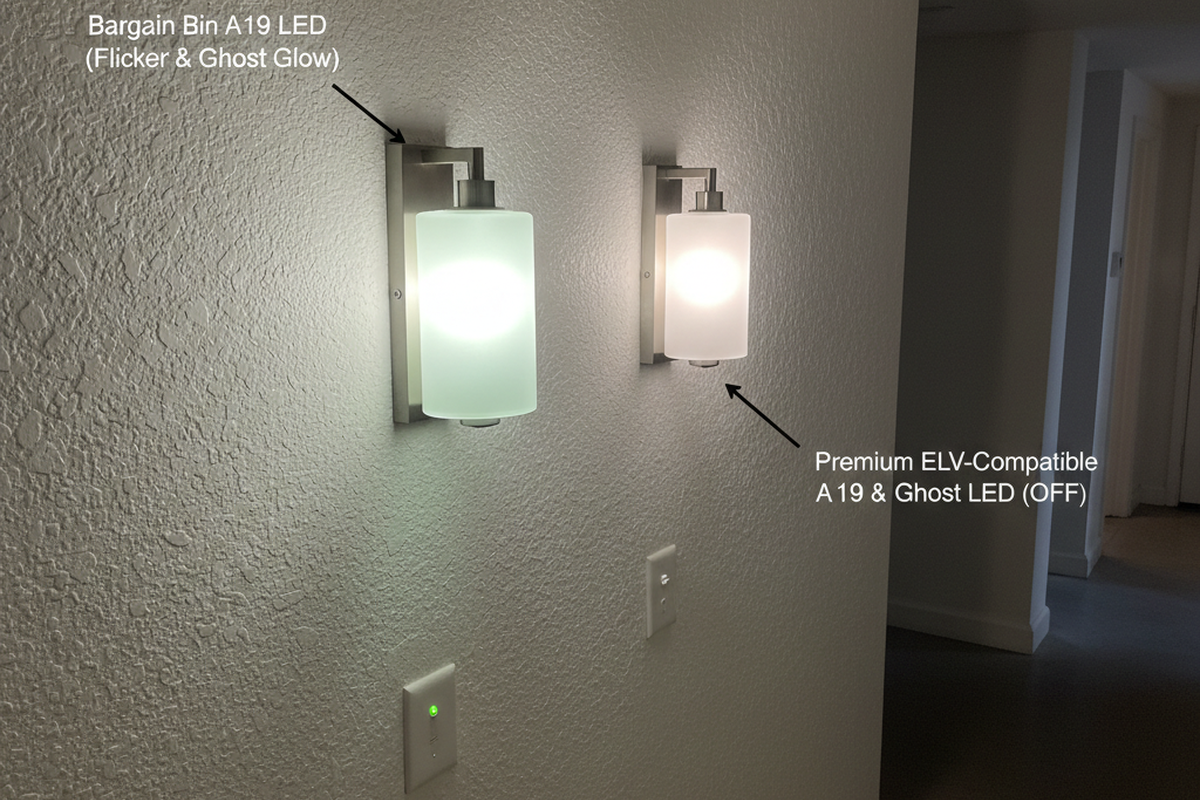
Ordinary LED bulbs from well-known brands such as GE and Philips typically range in price from $1 to $3. However, when it comes to smart bulbs from these same brands, you’ll notice that their prices begin at $8 per bulb and can reach up to $15. But what is the reason behind the higher cost of smart light bulbs? Let’s delve into why smart lighting tends to be more expensive.
Benötigen smarte Leuchten WLAN?
Smarte Leuchten benötigen für ihre Funktion nicht zwingend WLAN. Sie funktionieren ähnlich wie herkömmliche LED-Beleuchtung und bieten weiterhin energiesparende Eigenschaften. Darüber hinaus sind viele smarte Leuchten mit Bluetooth ausgestattet, sodass sie auch bei nicht verfügbarem WLAN über das Mobiltelefon gesteuert werden können.
Do Smart Lights Have Memory
The power-off memory function allows a smart light to retain information about its light status, color, and color temperature even after it has been turned off.