Open Offices
Uncover the power of automated lighting control in enhancing efficiency and reducing energy waste. Learn how to optimize lighting control for efficiency and comfort in your workspace.

Revolutionize Your Open Office Lighting with Smart Occupancy Sensors
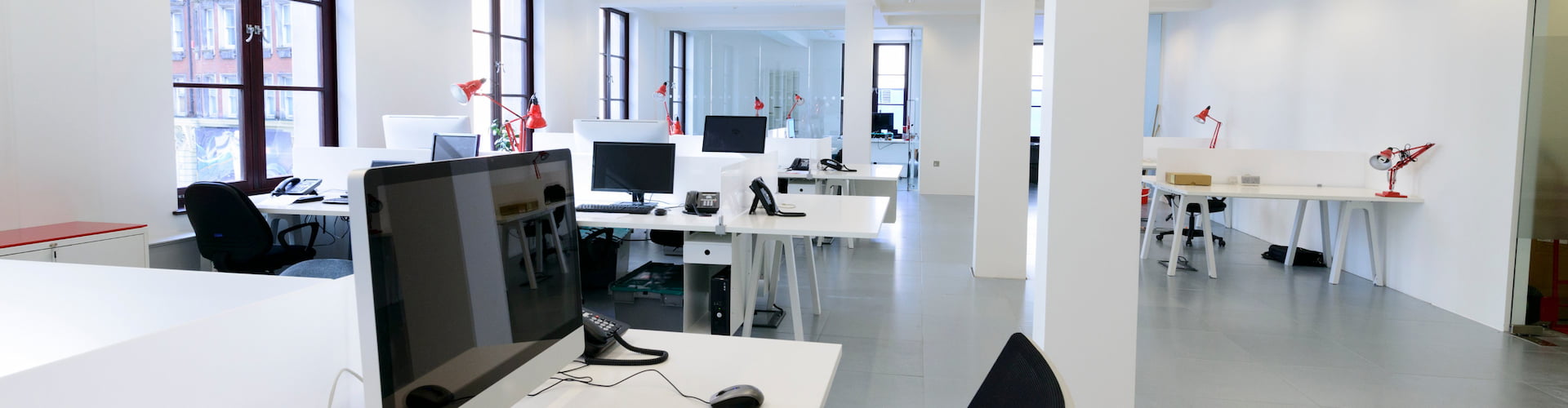
Open offices, characterized by their large areas and cubicle partitions, are a common sight in many modern workplaces. These spaces are typically bustling with activity, filled with employees working, collaborating, and moving around. The expansive area requires ample illumination, often provided by high-intensity light fixtures. These lights, left on throughout the workday, consume a substantial amount of energy. Moreover, even when the office is vacant, during off-hours or lunch breaks, the lights often remain on, leading to unnecessary energy consumption.
The high energy consumption of lighting in open offices is a concern for both environmental and economic reasons. With the increasing emphasis on energy efficiency and sustainability, businesses are seeking ways to reduce their energy footprint. Moreover, energy costs can account for a significant portion of a company’s operating expenses, making energy-saving measures a smart financial decision as well.
To address this, the integration of occupancy sensors in open offices presents a compelling solution. Occupancy sensors can automatically control lighting based on the presence of individuals in the space, significantly reducing unnecessary energy consumption. When the office is vacant, the sensors can automatically switch off or dim the lights, thereby conserving energy. With our sensors seamlessly integrated into your open office layout, you can transform your open office into an energy-efficient workspace that meets the stringent requirements of US Energy Codes.
符合能源法規

《國際節能規範》(IECC)是由國際規範委員會(ICC)制定的示範規範,旨在為建築物的能源效率建立最低設計和施工要求。IECC每三年更新一次,以納入最新的節能實踐和技術。
IECC,您為什麼應該關心
IECC被美國各州和市政當局廣泛採用。IECC涵蓋能源使用的各個方面,包括建築圍護結構(牆壁、屋頂和窗戶)、供暖和冷卻系統以及照明系統。
IECC要求特定的照明控制,例如佔用感應器,以最大限度地減少各個區域未佔用空間中的能源浪費。

ANSI/ASHRAE/IES 標準 90.1,《場地和建築物(低層住宅建築除外)能源標準》,是由美國供暖、製冷和空調工程師學會(ASHRAE)出版的廣泛認可的能源標準。
ASHRAE 90.1,您為什麼應該關心
ASHRAE 90.1被用作美國全國建築能源法規的基準,並作為IECC內的合規途徑,其中概述了商業建築組件(包括建築圍護結構、HVAC系統、熱水系統和照明系統)節能性能的最低要求。
ASHRAE 90.1標準規定了最大允許照明功率密度和最低照明控制要求,包括在特定區域使用佔用感應器。

《加利福尼亞州建築標準規範》第6部分第24章,正式名稱為《住宅和非住宅建築能效標準》,由加利福尼亞能源委員會管理,並定期更新以反映新的節能技術和方法。
Title 24,您為什麼應該關心
Title 24以其嚴格的要求而聞名,通常被認為比美國許多其他能源法規更為嚴格。Title 24對建築施工的所有方面規定了嚴格的能源性能標準,其中包括供暖、通風、空調(HVAC)、熱水和照明。
Title 24要求在商業建築的特定區域安裝佔用感應器,這些感應器根據房間佔用情況調整照明,以確保能源不被浪費。
各州能源法規採用情況
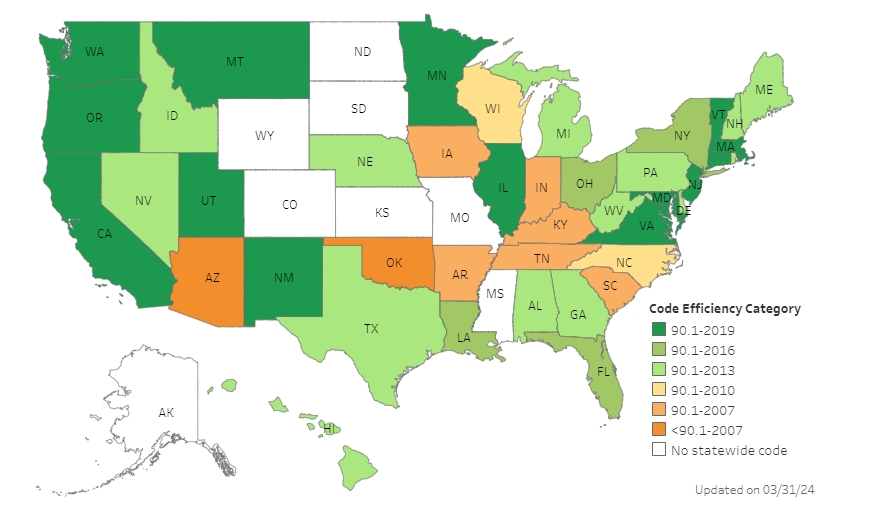
展開查看詳細表格 ↓
| 州 | 現行商業規範 | 商業規範效率類別 |
|---|---|---|
| 阿拉巴馬州 | 90.1-2013 | 90.1-2013 |
| 阿拉斯加州 | 無全州範圍 | 無全州規範 |
| 亞利桑那州 | 地方自治 | <90.1-2007 |
| 阿肯色州 | 2009 IECC 和 90.1-2007 | 90.1-2007 |
| 加利福尼亞州 | 2022 建築能效標準 | 90.1-2019 |
| 科羅拉多州 | 地方自治 | 無全州規範 |
| 康涅狄格州 | 2021 IECC 和 90.1-2019 | 90.1-2019 |
| 特拉華州 | 2018 IECC 和 90.1-2016 | 90.1-2013 |
| 哥倫比亞特區 | 90.1-2013^ | 90.1-2019 |
| 佛羅里達州 | 2021 IECC 和 90.1-2019^ | 90.1-2016 |
| 喬治亞州 | 2015 IECC 和 90.1-2013^ | 90.1-2013 |
| 夏威夷州 | 地方自治 | 90.1-2013 |
| 愛達荷州 | 2018 IECC 和 90.1-2016 | 90.1-2013 |
| 伊利諾伊州 | 2021 IECC 和 90.1-2019 | 90.1-2019 |
| 印第安納州 | 90.1-2007 | 90.1-2007 |
| 愛荷華州 | 2012 IECC 和 90.1-2010 | 90.1-2007 |
| 堪薩斯州 | 地方自治 | 無全州規範 |
| 肯塔基州 | 2012 IECC 和 90.1-2010 | 90.1-2007 |
| 路易斯安那州 | 2021 IECC 和 90.1-2019^ | 90.1-2016 |
| 緬因州 | 2015 IECC 及 90.1-2013 | 90.1-2013 |
| 馬里蘭州 | 2021 IECC 和 90.1-2019^ | 90.1-2019 |
| 馬薩諸塞州 | 2018 IECC 及 90.1-2016^ | 90.1-2019 |
| 密歇根州 | 2015 IECC 和 90.1-2013^ | 90.1-2013 |
| 明尼蘇達州 | 90.1-2019^ | 90.1-2019 |
| 密西西比州 | 無全州範圍 | 無全州規範 |
| 密蘇里州 | 地方自治 | 無全州規範 |
| 蒙大拿州 | 2021 IECC 和 90.1-2019 | 90.1-2019 |
| 內布拉斯加州 | 2018 IECC 和 90.1-2016 | 90.1-2013 |
| 內華達州 | 2018 IECC 和 90.1-2016 | 90.1-2013 |
| 新罕布什爾州 | 2018 IECC 及 90.1-2016^ | 90.1-2013 |
| 新澤西州 | 90.1-2019 | 90.1-2019 |
| 新墨西哥州 | 2021 IECC 和 90.1-2019^ | 90.1-2019 |
| 紐約州 | 2018 IECC 及 90.1-2016^ | 90.1-2016 |
| 北卡羅來納州 | 2015 IECC 和 90.1-2013^ | 90.1-2010 |
| 北達科他州 | 地方自治 | 無全州規範 |
| 俄亥俄州 | 2021 IECC 和 90.1-2019^ | 90.1-2016 |
| 俄克拉荷馬州 | 2006 IECC 及 90.1-2004 | <90.1-2007 |
| 俄勒岡州 | 90.1-2019 | 90.1-2019 |
| 賓夕法尼亞州 | 2018 IECC 和 90.1-2016 | 90.1-2013 |
| 羅德島州 | 2018 IECC 及 90.1-2016^ | 90.1-2013 |
| 南卡羅來納州 | 2009 IECC 和 90.1-2007 | 90.1-2007 |
| 南達科他州 | 地方自治 | 無全州規範 |
| 田納西州 | 2021 IECC 及 90.1-2013 | 90.1-2007 |
| 德克薩斯州 | 2015 IECC 及 90.1-2013 | 90.1-2013 |
| 猶他州 | 2021 IECC 和 90.1-2019^ | 90.1-2019 |
| 佛蒙特州 | 2021 IECC 和 90.1-2019^ | 90.1-2019 |
| 弗吉尼亞州 | 2021 IECC 和 90.1-2019^ | 90.1-2019 |
| 華盛頓州 | 2018 華盛頓州能源規範 | 90.1-2019 |
| 田納西州 | 2012 IECC 和 90.1-2010 | 90.1-2007 |
| 德克薩斯州 | 2015 IECC 及 90.1-2013 | 90.1-2013 |
| 猶他州 | 2021 IECC 和 90.1-2019^ | 90.1-2019 |
| 佛蒙特州 | 2018 IECC 及 90.1-2016^ | 90.1-2019 |
| 弗吉尼亞州 | 2021 IECC 和 90.1-2019^ | 90.1-2019 |
| 華盛頓州 | 2018 華盛頓州能源規範 | 90.1-2019 |
| 西弗吉尼亞州 | 90.1-2013 | 90.1-2013 |
| 威斯康星州 | 2015 IECC 和 90.1-2013^ | 90.1-2010 |
| 懷俄明州 | 地方自治 | 無全州規範 |
- ^ 當影響能源效率的修訂可以使用 DOE 原型建築模型進行量化時,這些修訂已被納入分析中。
- 對於同時採用 IECC 和 90.1 的州,本研究通常將 IECC 規範分析為該州的現行規範,但對 IECC 進行大量修訂的州除外。
Design Guide Key Concepts for Open Offices
Designing an energy-efficient lighting control solution for open offices involves strategic placement of occupancy sensors to ensure comprehensive coverage of the space.

In an open office setting, the primary areas to consider for sensor placement are the main walkways and areas with high foot traffic. These areas are crucial for sensor placement as they are the main areas of human traffic:
- Cover Main Walkways: The main walkways in an open office are the areas with the highest foot traffic. Therefore, these should be the primary focus when placing sensors. Ceiling-mounted sensors are ideal for these areas as they provide a wide coverage area and are strategically placed to cover the entire length.
- Overlap Coverage on Walkways: To avoid blind spots, ensure that the coverage patterns of the sensors overlap along the walkways. This ensures continuous detection as people move through the space, preventing any gaps in sensor coverage.
- Use a Long Timeout: Given the size and activity level in open offices, use a longer timeout setting (15 or 20 minutes) on the sensors. This prevents the lights from turning off too soon when there’s no movement detected for a brief period.
- Consider Wall-Mounted Sensors: If the cubicle walls are short, consider using wall-mounted sensors in addition to ceiling-mounted ones. These can provide additional coverage and ensure that all areas of the office are monitored.
- Avoid Air Vents: Don’t place sensors near air vents. The vibration and airflow can reduce the effectiveness of the sensors. PIR sensors should not be within 4ft of an air vent, and ultrasonic sensors should not be within 6ft of an air vent.
- 手動控制: Incorporate manual controls that are integrated with the occupancy sensors. This allows for manual override to turn ON/OFF all lighting when necessary.
精選產品及解決方案
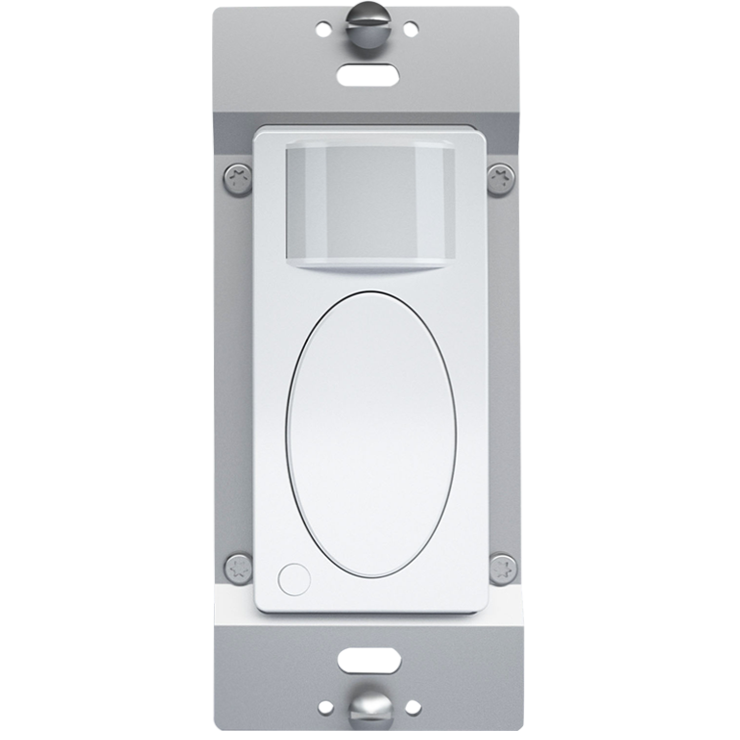
牆壁感應開關
RZ020/021 動態感應開關
- 2線式、3線式、4線式接線選項
- 佔用、空置、手動開關
- 可調節時間延遲及環境光控制
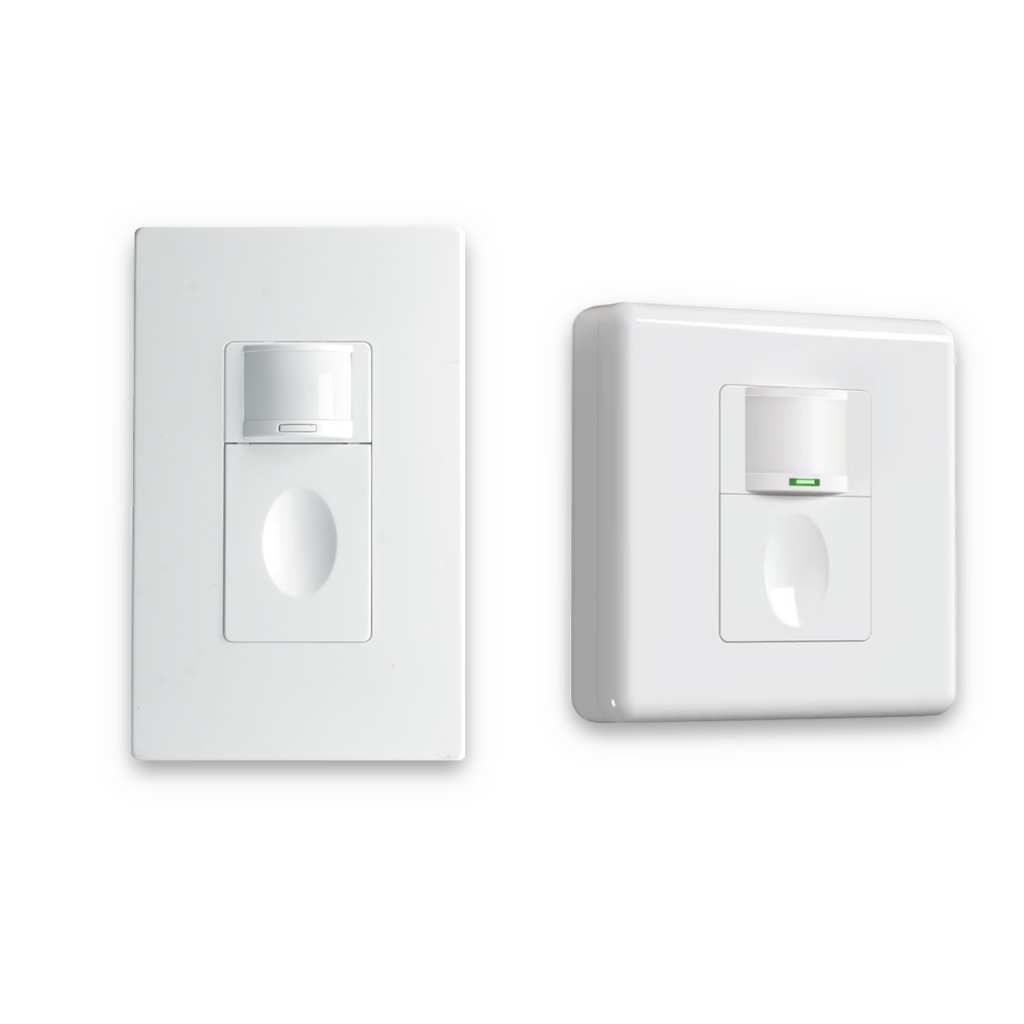
多位置無線牆壁感應器
RZ020A/021A + RZ022W 套件
- 硬接線式 RZ021A/022A 佔用感應開關
- 無線附屬開關 (RZ022W) 用於多位置控制

天花佔用感應器
RZ036
- 硬接線式佔用感應器
- 自動開啟,自動關閉
- 提供線路電壓及低電壓版本
核心功能包括:
- 整合式手動開關控制所有照明
- 空置感應器(僅限手動開啟):燈光必須僅透過手動開啟
- 可調節時間延遲,燈光在15分鐘後自動完全關閉
- 附加功能:多位置無線套件,無需重新佈線即可擴展控制範圍
- 附加功能:為新建及改造項目提供多種接線選項。

符合強制性條款
IECC – 2011
C405.2.1 佔用者感應控制
應安裝佔用者感應器控制以控制空間內的照明。
For open offices < 300 sq. ft:
C405.2.1.1 佔用者感應控制功能
- 手動開啟或部分開啟,功率不超過50%。
- 在所有佔用者離開空間後20分鐘內完全關閉
- 用於關閉燈光的手動控制。
For open offices > 300 sq. ft:
- The general lighting shall be controlled separately in control zones with floor areas not greater than 600 sq. ft within the open plan office space.
- In each control zone, the general lighting shall be permitted to automatically turn on within the control zone. In other unoccupied zones, the general lighting shall be permitted to turn on to < 20% full power(or unaffected).
- Automatically turn off general lighting in all control zones within 20 minutes after all occupants have left the space.
- In each control zone, the general lighting shall turn off or uniformly reduce lighting power to an unoccupied setpoint of < 20% full power within 20 minutes after all occupants have left.
ASHRAE 90.1 – 2022
For open offices in any sizes:
9.4.1.1 a Local control
There shall be one or more manual lighting control device that provides ON and OFF control
of all lighting in the space.
9.4.1.1 b Restricted to manual ON
None of the lighting shall be automatically turned on
9.4.1.1 c Restricted to partial automatic ON
No more than 50% of the lighting power for the general lighting shall be allowed to be automatically turned on
** NOTE: At least one 9.4.1.1 b or 9.4.1.1 c shall be implemented.
9.4.1.1 H 自動全關閉控制
所有佔用者離開空間後20分鐘內,空間內所有照明應自動關閉
Additionally, for open offices > 300 sq. ft:
9.4.1.1 g Automatic reduction control
The general lighting power in the space shall be automatically reduced by at least 50% within 15 minutes of all occupants leaving the space.
Title 24 – 2022
For open offices in any sizes:
130.1 (a) 手動區域控制。
每個由天花板高度隔板圍封的區域應提供照明控制,允許手動開關該區域的照明。
130.1 (c) 關閉控制。
Additionally, for open offices <250 sq. ft:
130.1 (c) 5. Occupant sensing controls are required for specified offices.
照明應由佔用者感應控制,以在控制區域無人佔用後20分鐘或更短時間內自動關閉所有照明,其功能應為:
- A. 佔用者感應控制(如果130.1(b)不要求多級照明控制);或
- B. 部分開啟佔用者感應控制,或
- C. 空置感應控制,所有燈光僅回應手動開啟指令
Additionally, for open offices > 250 sq. ft:
130.1 (c) 6. Full or partial-OFF occupant sensing controls are required for offices greater than 250 square feet.
In office spaces greater than 250 square feet, general lighting shall be controlled with occupant sensing controls that meet all of the following:
- Lighting shall be controlled separately in control zones not greater than 600 square feet. For luminaires with an embedded occupant sensor that are capable of reducing power independently from other luminaires, each luminaire can be considered its own control zone
- The occupant sensing controls shall uniformly reduce lighting power in the control zone by at least 80% full power(or off) in 20 minutes or less after the control zone is unoccupied.
- The occupant sensing controls shall automatically turn off lighting in ALL control zones in 20 minutes or less after the entire office space is unoccupied
- When occupancy is detected:
- in each control zone, lighting shall be allowed to automatically turn on to any level up to full power.
- in other control zones that are unoccupied, lighting shall operate at no more than 20% full power.
歡迎您的意見。
讓Rayzeek為您設計及提供專屬的節能燈光方案。