甚麽是陽極
In the lighting industry, anode refers to the positive terminal of an electrical component, specifically in relation to LEDs (Light Emitting Diodes). It is one of the two terminals on each diode through which electrical current flows. The anode serves as the entry point for the current, while the other terminal, known as the cathode, acts as the exit point. It attracts a negative charge, despite being positively charged itself. This is because the anode acts as an electron acceptor, facilitating the process of oxidation to attract the negative charge. As a result, the anode is where the oxidation occurs within the LED.
Identifying the anode and cathode correctly is crucial for proper LED polarity marking and connection. If the terminals are not correctly identified, the LED will not function as intended. Therefore, understanding the concept of the anode is essential in the lighting industry, particularly when working with LEDs.
您可能也會感興趣

- 電壓:2 粒 AAA 電池
- 日/夜模式
- 延遲時間:15 分鐘、30 分鐘、1 小時(預設)、2 小時
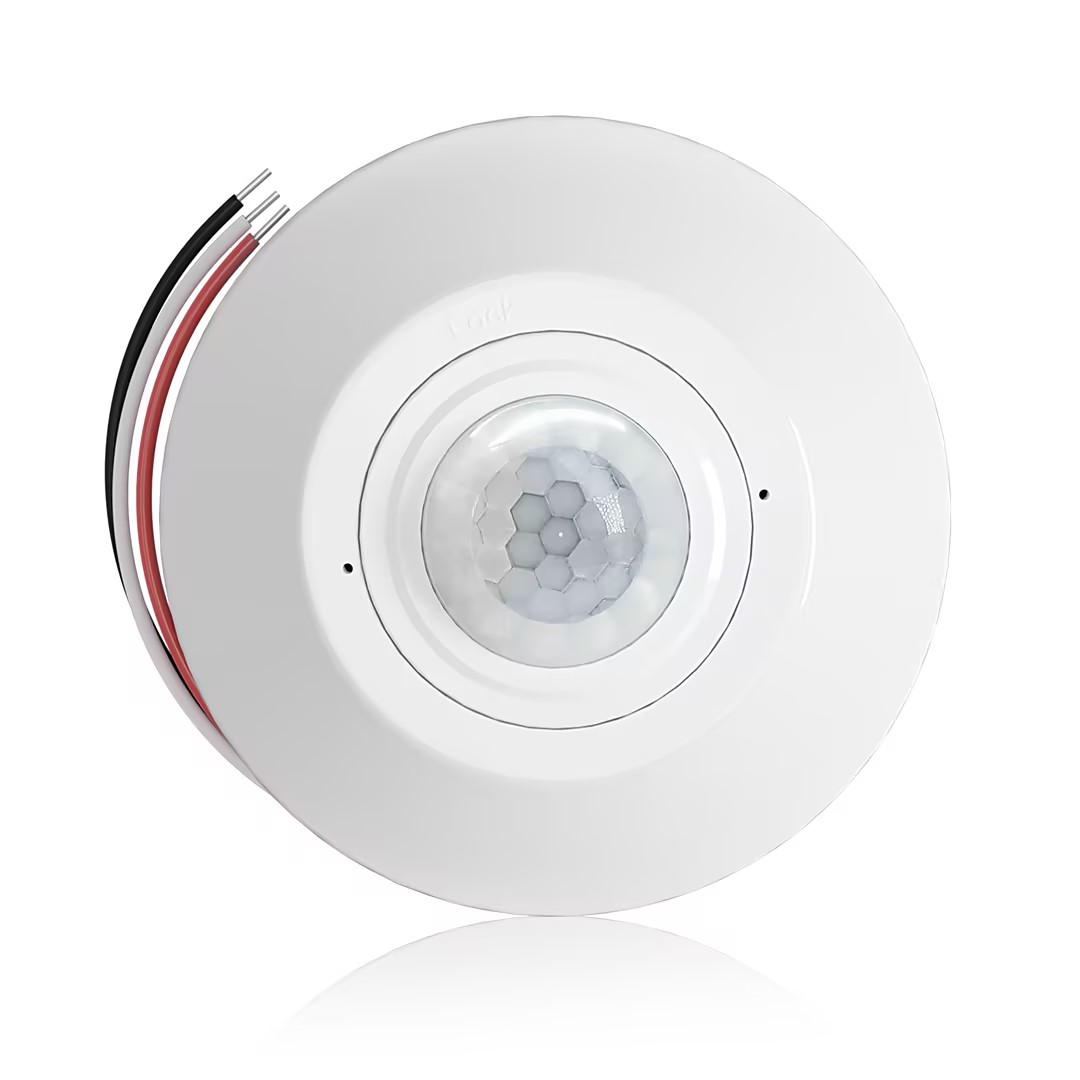
- 吸頂式 PIR 人體感應器,配備乾觸點繼電器輸出
- 12/24VDC 或 12/24VAC 低電壓供電
- 用於 EMS、HVAC 和建築控制輸入的 COM、NO 和 NC 隔離繼電器觸點
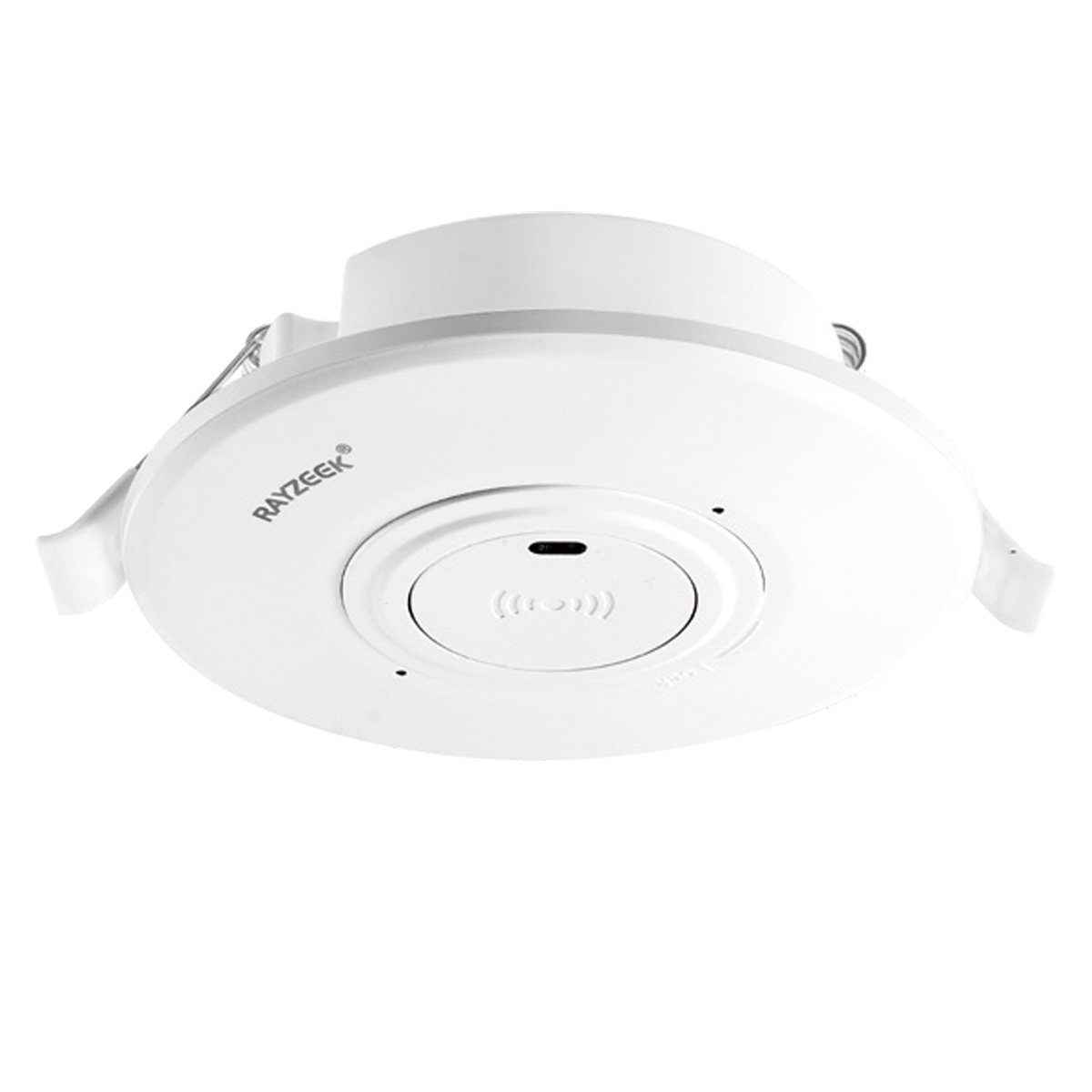
- 低壓直流嵌入式天花安裝微波人體感應開關
- 12 VDC / 24 VDC 輸入,支援 10-30 VDC 範圍
- 最大工作電流 10A,配備可調節延時、光感閾值及靈敏度
- 高負載嵌入式天花安裝微波人體感應開關
- 100-265 VAC 市電輸入,10A 型號
- 5.8 GHz 微波感應,配備可調節延時、光感閾值及靈敏度
- 嵌入式天花安裝微波人體感應開關
- 100-265 VAC 市電輸入,5A 型號
- 5.8 GHz 微波感應,配備可調節延時、光感閾值及靈敏度
- 適用於 220V 電源的天花安裝 RZ037 PIR 被動式紅外線佔空感應調光開關
- 最大工作電流 3A,額定負載 660W
- LUX 按鈕控制光線感應器開關及用戶設定之調光亮度
- 適用於 110V 電源的天花安裝 RZ037 PIR 被動式紅外線佔空感應調光開關
- 最大工作電流 3A,額定負載 330W
- LUX 按鈕控制光線感應器開關及用戶設定之調光亮度
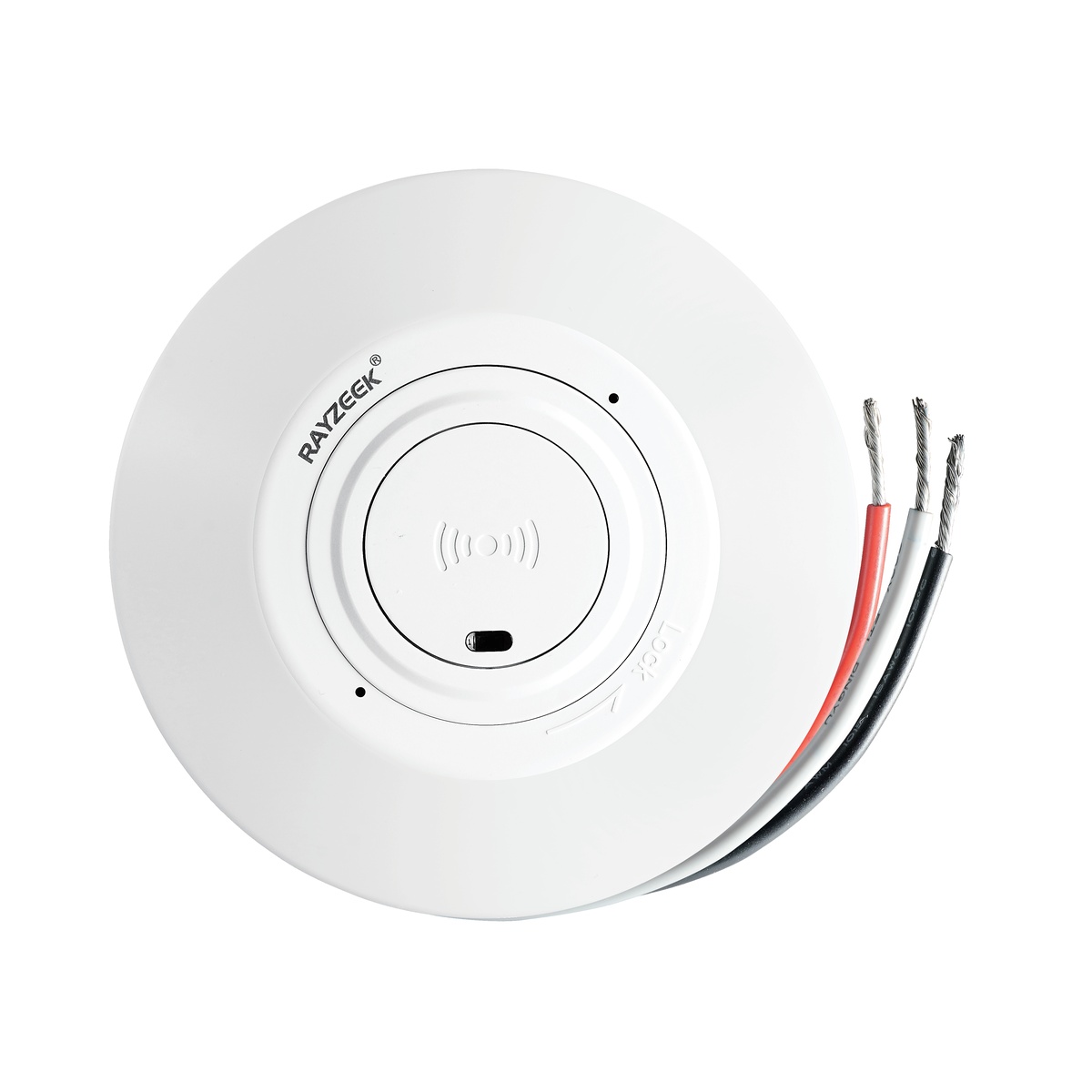
- 低壓直流天花安裝微波人體感應開關
- 12 VDC / 24 VDC 輸入,支援 10-30 VDC 範圍
- 最大工作電流 10A,配備可調節延時、光感閾值及靈敏度
- 高負載吸頂式微波動態感應器開關
- 100-265 VAC 市電輸入,10A 型號
- 5.8 GHz 微波感應,配備可調節延時、光感閾值及靈敏度
- 吸頂式微波動態感應器開關
- 100-265 VAC 市電輸入,5A 型號
- 5.8 GHz 微波感應,配備可調節延時、光感閾值及靈敏度
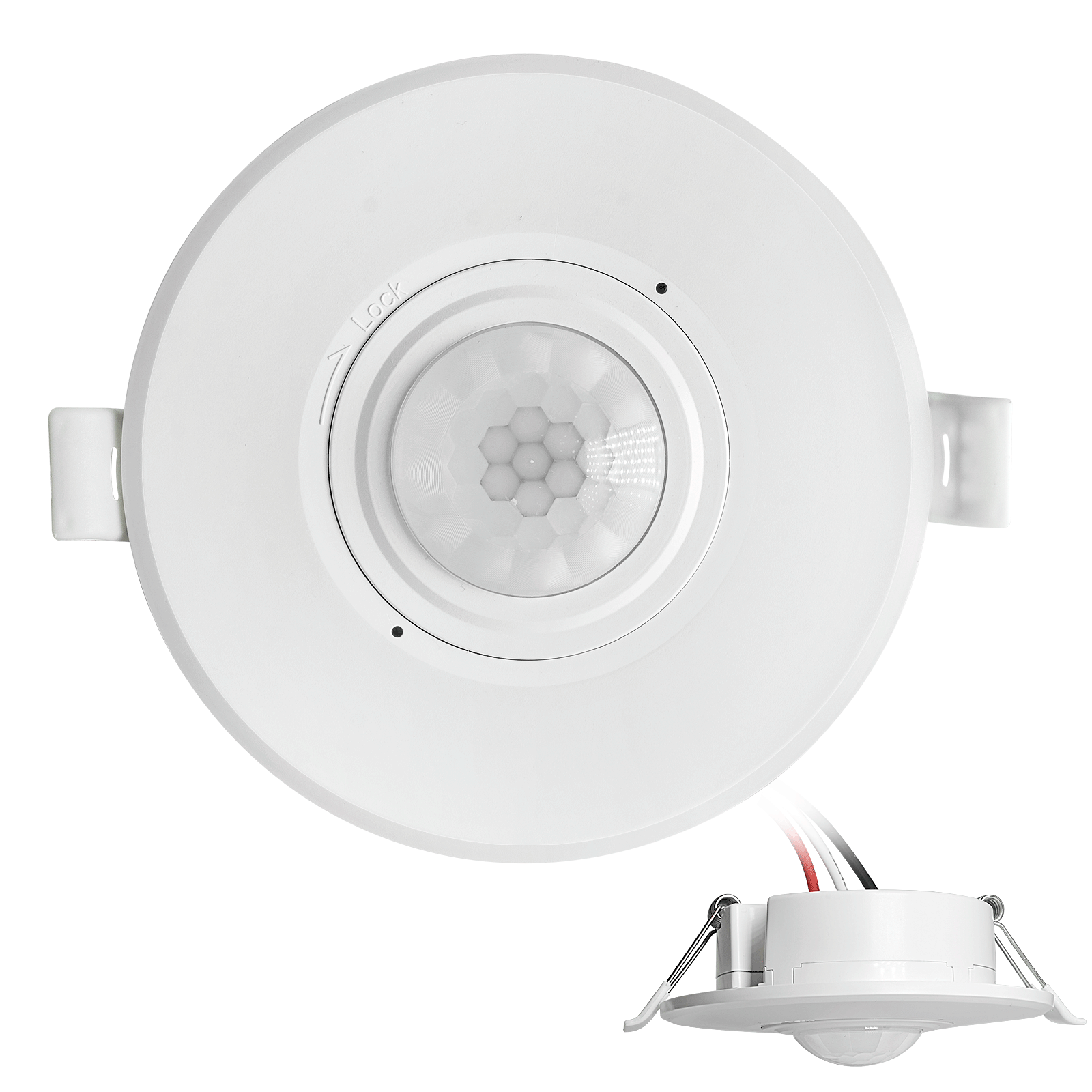
- 低壓直流嵌頂式 PIR 動態感應器開關
- 12 VDC / 24 VDC 輸入,支援 10-30 VDC 範圍
- 最大工作電流 10A,具備可調式時間延遲、光照度閾值及靈敏度
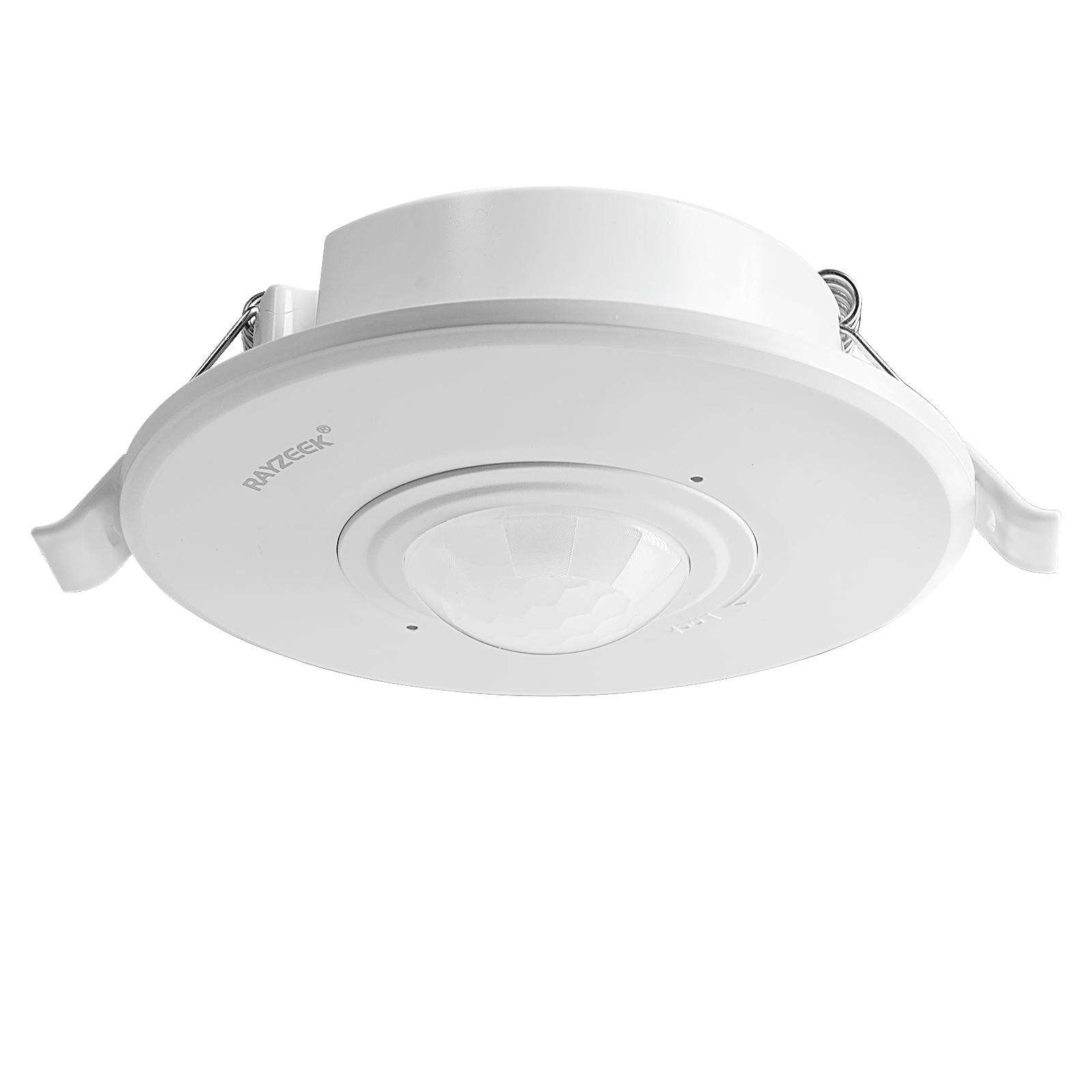
- 高負載嵌頂式 PIR 動態感應器開關
- 100-265 VAC 市電輸入,10A 型號
- 360度偵測,具備可調式時間延遲、光照度閾值及靈敏度
- 嵌頂式 PIR 動態感應器開關
- 100-265 VAC 市電輸入,5A 型號
- 360度偵測,具備可調式時間延遲、光照度閾值及靈敏度
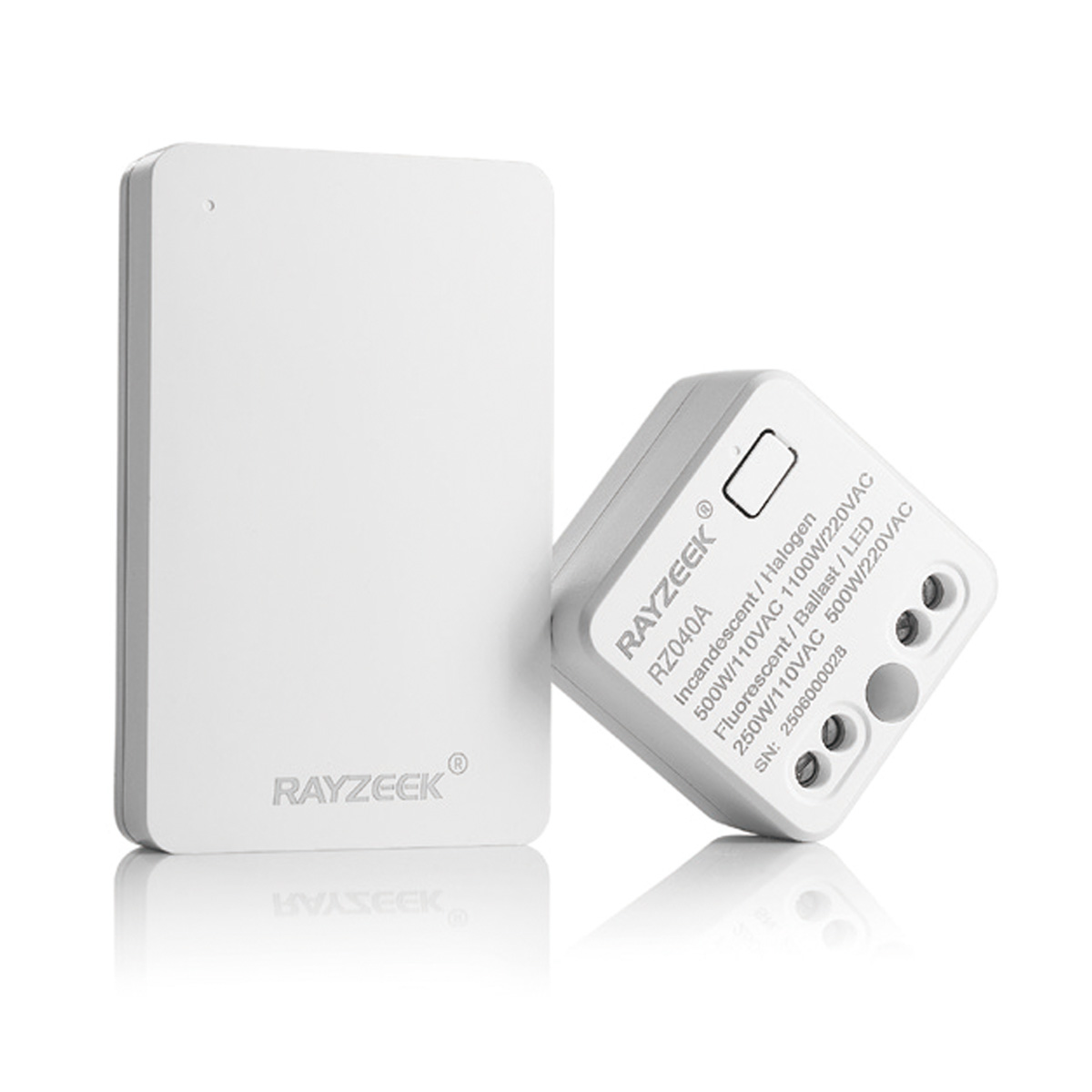
- 用於室內開關照明控制的無線開關及接收器套裝
- 100-230VAC,50/60Hz 接收器,額定電流 5A
- CR2032 電池供電無線開關,採用 2.4GHz 通訊
- 佔用感應(自動開啟/自動關閉)
- 12–24V DC (10–30VDC),最高 10A
- 360° 覆蓋,直徑 8–12 米
- 延遲時間 15 秒至 30 分鐘
- 光感應器 關閉/15/25/35 Lux
- 高/低靈敏度
- 自動開啟/自動關閉佔用模式
- 100–265V AC,10A(需接零線)
- 360° 全方位覆蓋;8–12 米偵測直徑
- 延遲時間 15 秒至 30 分鐘;Lux 關閉/15/25/35;靈敏度 高/低
- 自動開啟/自動關閉佔用模式
- 100–265V AC,5A(需接零線)
- 360° 全方位覆蓋;8–12 米偵測直徑
- 延遲時間 15 秒至 30 分鐘;Lux 關閉/15/25/35;靈敏度 高/低
常見問題
What Is the Difference Between a LED Anode and Cathode
LED polarity refers to the positive (+) and negative (-) sides of LEDs and other diodes. To ensure proper functioning, an LED must be connected to a voltage source with the correct side. The positive (+) side, known as the anode, is the voltage supply side of the diode. Conversely, the negative side is referred to as the cathode.
Is the Anode Longer on LED
The anode, which is the positive terminal of an LED, is identified by the longer lead. Conversely, the cathode, which has negative polarity, is indicated by the shorter lead.
How Can You Recognize the Anode of an LED
To facilitate the identification of the leads, LEDs are designed with two distinguishing characteristics. One of these characteristics is that LEDs have a lead that is longer than the other. This longer lead corresponds to the anode (+), while the shorter lead corresponds to the cathode (-).
Why Is the Anode Positive in an LED
For an LED to function and produce light, the current needs to flow out of the cathode, which is the pointed end in the diagram. In the case of charging a battery, the positive terminal becomes the anode.
如何判斷是陰極還是陽極
陰極與陽極可根據其電位進行區分。電位較高的電極為正極。當電池放電時,正極作為陰極運作,而負極則作為陽極運作。相反,在充電過程中,正極作為陽極運作,而負極則作為陰極運作。
Does Anode or Cathode Go to Ground
Current flows into the LED through the anode and exits through the cathode. As a result, it is important to position the anode (Long Leg) towards the positive terminal of the breadboard, while the cathode (Short Leg) should be directed towards the ground (negative terminal).
Does Anode Go to Positive or Negative
The Anode is the electrode that releases electrons to the external circuit and undergoes oxidation during an electrochemical reaction. It is considered the negative or reducing electrode. On the other hand, the Cathode is the electrode that acquires electrons from the external circuit and undergoes reduction during the electrochemical reaction. It is considered the positive or oxidizing electrode.