
What is RGB Light
RGB light, short for red, green, and blue light, refers to a lighting technique commonly used in the lighting industry. This technique involves combining red, green, and blue colors of light to create a vast spectrum of colors. By adjusting the intensity of each color, RGB lights can produce over 16 million color options, offering versatility and customizable lighting effects.
The acronym RGB represents the three primary colors of light: red, green, and blue. When these colors are combined, they can generate a wide range of hues and shades. Each of the base colors has numerous different shades, allowing for precise control over the resulting color. By mixing and matching these shades, RGB lights can achieve millions of color possibilities.
Harekete Duyarlı Enerji Tasarrufu Çözümleri mi Arıyorsunuz?
Eksiksiz PIR hareket sensörleri, harekete duyarlı enerji tasarruflu ürünler, hareket sensörlü anahtarlar ve ticari Varlık/Yokluk (Occupancy/Vacancy) çözümleri için bizimle iletişime geçin.
RGB lighting finds applications in various industries, including architectural lighting, stage lighting, and decorative lighting. It is commonly used in LED strips, which are flexible strips containing multiple RGB LEDs. These LED strips allow for easy installation and offer the flexibility to create dynamic and visually appealing lighting effects.
İlginizi Çekebilir

- Kuru kontak röle çıkışlı, tavana monte edilen PIR varlık sensörü
- 12/24VDC veya 12/24VAC düşük voltaj beslemesi
- EMS, HVAC ve bina kontrol girişleri için COM, NO ve NC izoleli röle kontakları

- Düşük voltajlı DC sıva altı tavana monte mikrodalga hareket sensörlü anahtar
- 10-30 VDC aralığına sahip 12 VDC / 24 VDC giriş
- Ayarlanabilir zaman gecikmesi, lüks eşiği ve hassasiyete sahip 10A maks. çalışma akımı
- Yüksek yüklü sıva altı tavana monte mikrodalga hareket sensörlü anahtar
- 100-265 VAC şebeke voltajı girişi, 10A model
- Ayarlanabilir zaman gecikmesi, lüks eşiği ve hassasiyete sahip 5.8 GHz mikrodalga algılama
- Sıva altı tavana monte mikrodalga hareket sensörlü anahtar
- 100-265 VAC şebeke voltajı girişi, 5A model
- Ayarlanabilir zaman gecikmesi, lüks eşiği ve hassasiyete sahip 5.8 GHz mikrodalga algılama
- 220V güç için tavana monte RZ037 PIR varlık sensörlü dimmer
- 660W nominal yük ile 3A maksimum çalışma akımı
- LUX butonu, ışık sensörü AÇMA/KAPAMA işlevini ve kullanıcı tarafından ayarlanan dimmer parlaklığını kontrol eder
- 110V güç için tavana monte RZ037 PIR varlık sensörlü dimmer
- 330W nominal yük ile 3A maksimum çalışma akımı
- LUX butonu, ışık sensörü AÇMA/KAPAMA işlevini ve kullanıcı tarafından ayarlanan dimmer parlaklığını kontrol eder

- Düşük voltajlı DC tavana monte mikrodalga hareket sensörlü anahtar
- 10-30 VDC aralığına sahip 12 VDC / 24 VDC giriş
- Ayarlanabilir zaman gecikmesi, lüks eşiği ve hassasiyete sahip 10A maks. çalışma akımı
- Daha yüksek yüklü tavana monte mikrodalga hareket sensörlü anahtar
- 100-265 VAC şebeke voltajı girişi, 10A model
- Ayarlanabilir zaman gecikmesi, lüks eşiği ve hassasiyete sahip 5.8 GHz mikrodalga algılama
- Tavana monte mikrodalga hareket sensörlü anahtar
- 100-265 VAC şebeke voltajı girişi, 5A model
- Ayarlanabilir zaman gecikmesi, lüks eşiği ve hassasiyete sahip 5.8 GHz mikrodalga algılama

- Düşük voltajlı DC sıva altı tavan tipi PIR hareket sensörlü anahtar
- 10-30 VDC aralığına sahip 12 VDC / 24 VDC giriş
- Ayarlanabilir zaman gecikmesi, Lux eşiği ve hassasiyet ile maks. çalışma akımı 10A

- Daha yüksek yüklü sıva altı tavan tipi PIR hareket sensörlü anahtar
- 100-265 VAC şebeke voltajı girişi, 10A model
- Ayarlanabilir zaman gecikmesi, Lux eşiği ve hassasiyet ile 360 derece algılama
- Sıva altı tavan tipi PIR hareket sensörlü anahtar
- 100-265 VAC şebeke voltajı girişi, 5A model
- Ayarlanabilir zaman gecikmesi, Lux eşiği ve hassasiyet ile 360 derece algılama

- İç mekan Açma/Kapama (ON/OFF) aydınlatma kontrolü için kablosuz anahtar ve alıcı kiti
- 5A nominal akımlı 100-230VAC, 50/60Hz alıcı
- 2.4GHz haberleşmeli CR2032 pille çalışan kablosuz anahtar
- Varlık (Otomatik AÇILMA/Otomatik KAPANMA)
- 12–24V DC (10–30VDC), 10A'e kadar
- 360° kapsama alanı, 8–12 m çap
- Zaman gecikmesi 15 sn–30 dk
- Işık sensörü Kapalı/15/25/35 Lux
- Yüksek/Düşük hassasiyet
- Otomatik AÇILMA/Otomatik KAPANMA varlık modu
- 100–265V AC, 10A (nötr gereklidir)
- 360° kapsama alanı; 8–12 m algılama çapı
- Zaman gecikmesi 15 sn–30 dk; Lux KAPALI/15/25/35; Hassasiyet Yüksek/Düşük
- Otomatik AÇILMA/Otomatik KAPANMA varlık modu
- 100–265V AC, 5A (nötr hattı gereklidir)
- 360° kapsama alanı; 8–12 m algılama çapı
- Zaman gecikmesi 15 sn–30 dk; Lux KAPALI/15/25/35; Hassasiyet Yüksek/Düşük
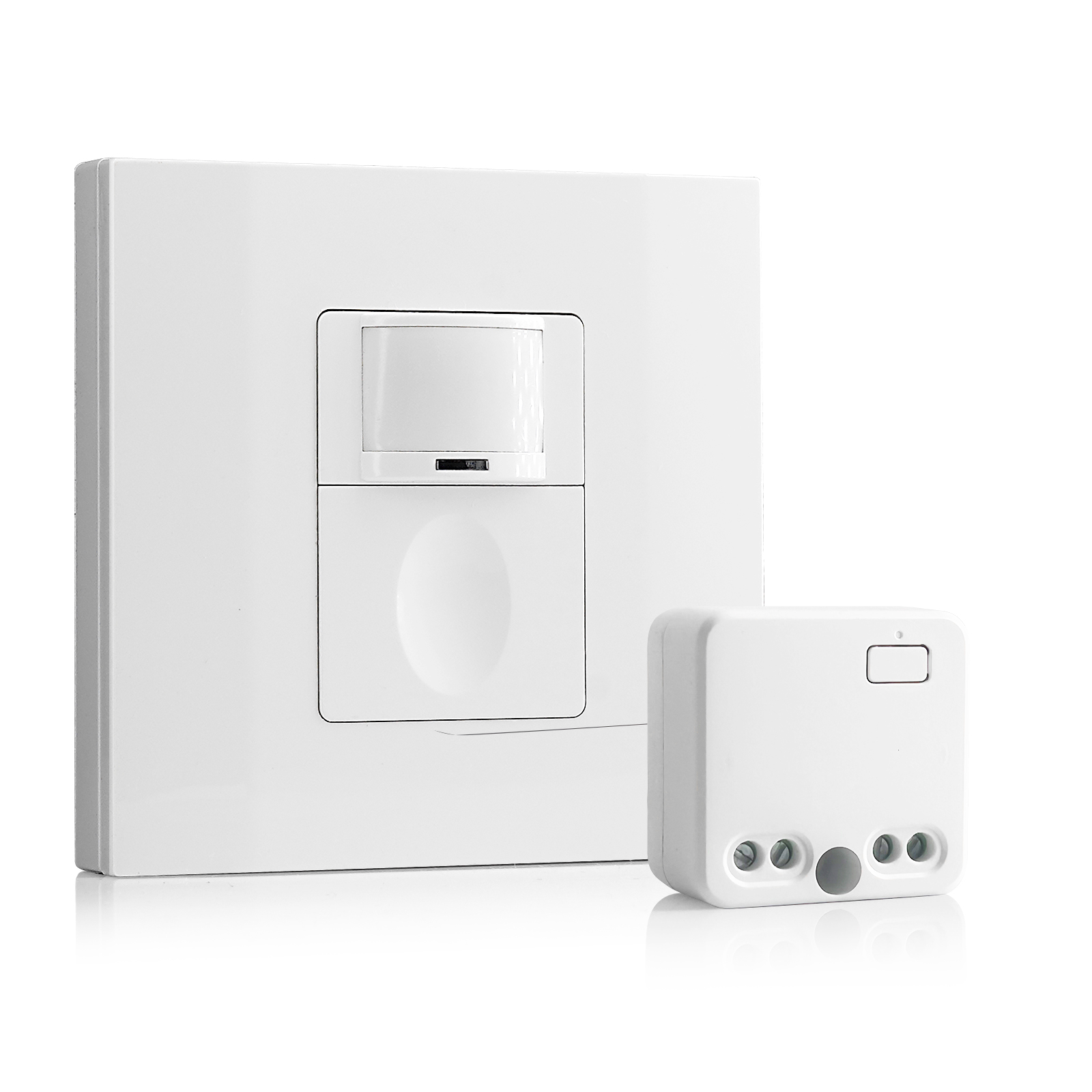
- 100V-230VAC
- İletim Mesafesi: 20m'ye kadar
- Kablosuz hareket sensörü
- Kablolu kontrol
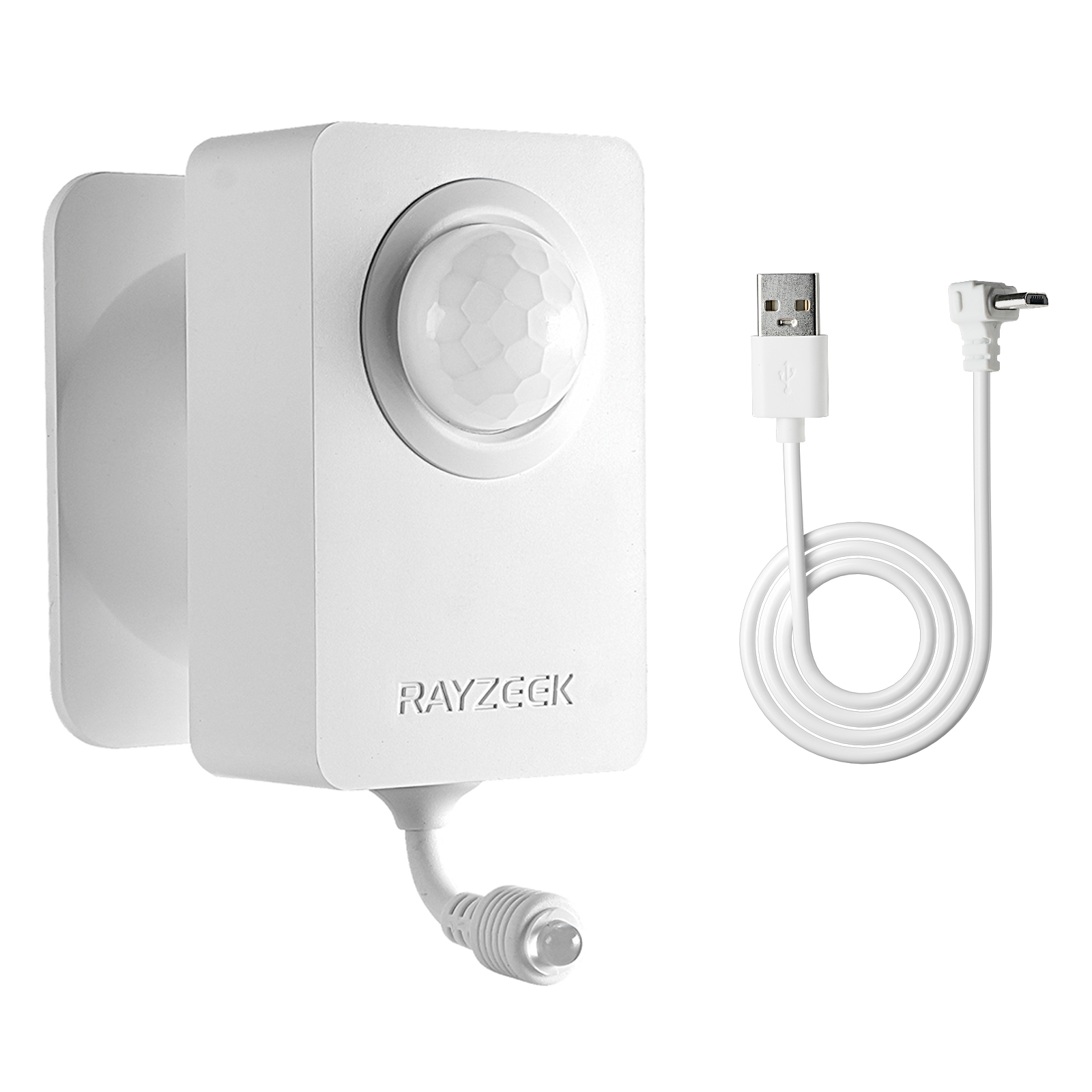
- Voltaj: 2x AAA Pil / 5V DC (Micro USB)
- Gündüz/Gece Modu
- Zaman gecikmesi: 15dk, 30dk, 1sa(varsayılan), 2sa
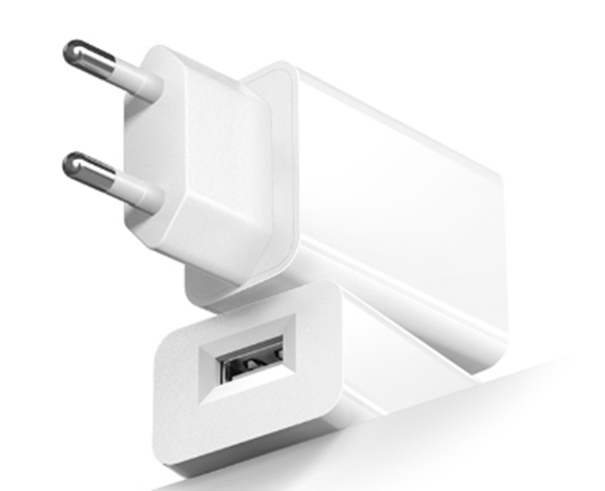
- AB fişli güç adaptörü
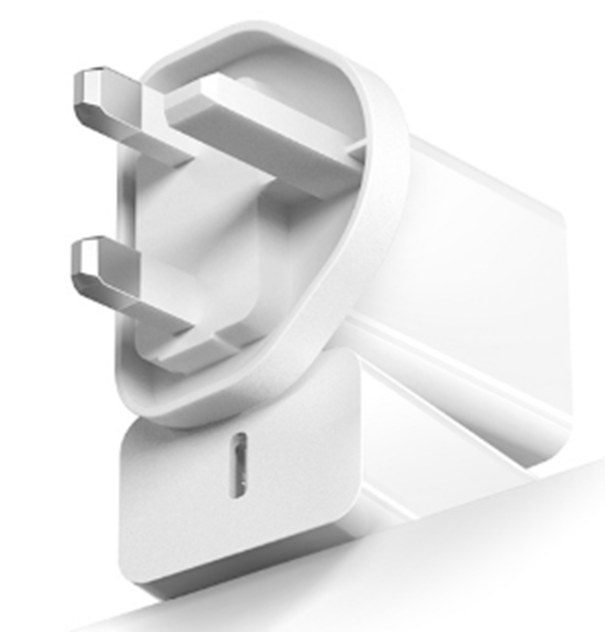
- İngiltere fişli güç adaptörü
Frequently Asked Questions
What Color Light Is Least Harmful
Exposure to white light during the day can have positive effects, such as enhancing alertness and mood. To minimize disruption to the circadian clock at night, it is recommended to use a dim light with a red hue. Alternatively, very dim yellow or orange lights can also be used as they have minimal impact on the clock.
Are RGB Lights Better Than LED
While RGB lights have the capability to produce colors that are close to white, dedicated white LED chips are more suitable for task and accent lighting where a pure white tone is required and color is not necessary.
Why Do People Like RGB Lights
The reason why people are fond of RGB lights is quite straightforward. RGB colors are utilized on PC components or peripherals to enhance their performance, offering a wide range of 16.8 million different colors. For instance, opting for RGB RAM instead of non-RGB RAM can potentially result in a significant boost of 20 to 35 percent in frames per second.
Are RGB Lights Bad for Sleep
It is widely known that exposure to blue light can have a detrimental effect on the quality of your sleep. This includes electronic screens, LED lights, and fluorescent lights, as they all emit blue light. Additionally, a study conducted in 1991 and another one in 2016, which focused on mice, discovered that green light could also have a negative impact on melatonin levels.







