
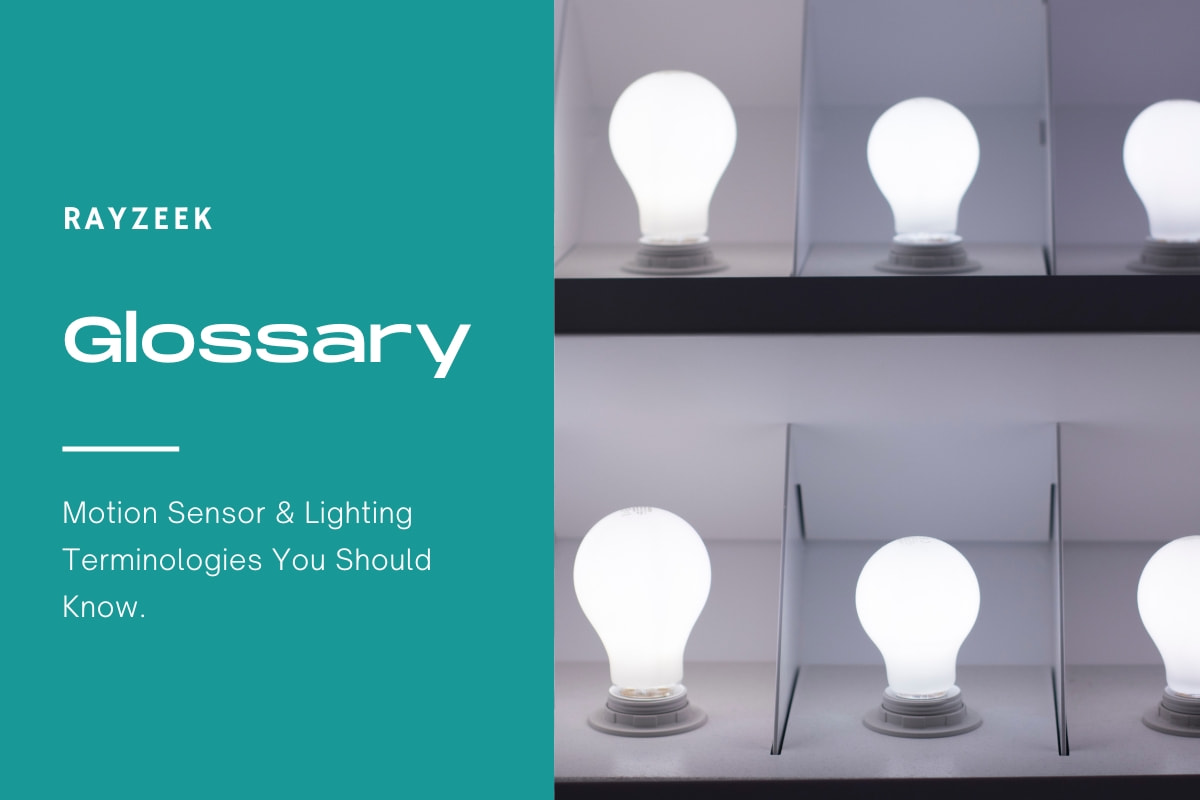
What is RGB Light
RGB light, short for red, green, and blue light, refers to a lighting technique commonly used in the lighting industry. This technique involves combining red, green, and blue colors of light to create a vast spectrum of colors. By adjusting the intensity of each color, RGB lights can produce over 16 million color options, offering versatility and customizable lighting effects.
The acronym RGB represents the three primary colors of light: red, green, and blue. When these colors are combined, they can generate a wide range of hues and shades. Each of the base colors has numerous different shades, allowing for precise control over the resulting color. By mixing and matching these shades, RGB lights can achieve millions of color possibilities.
Mencari Solusi Hemat Energi Berbasis Sensor Gerak?
Hubungi kami untuk sensor gerak PIR lengkap, produk hemat energi berbasis sensor gerak, sakelar sensor gerak, serta solusi komersial Occupancy/Vacancy.
RGB lighting finds applications in various industries, including architectural lighting, stage lighting, and decorative lighting. It is commonly used in LED strips, which are flexible strips containing multiple RGB LEDs. These LED strips allow for easy installation and offer the flexibility to create dynamic and visually appealing lighting effects.
Mungkin Anda Tertarik Dengan

- Ceiling-mounted PIR occupancy sensor dengan output dry-contact relay
- Suplai tegangan rendah 12/24VDC atau 12/24VAC
- Kontak relai terisolasi COM, NO, dan NC untuk input EMS, HVAC, dan kontrol gedung

- Low-voltage DC recessed ceiling-mounted microwave motion sensor switch
- Input 12 VDC / 24 VDC dengan rentang 10-30 VDC
- Arus kerja maks 10A dengan waktu tunda (time delay), ambang batas Lux, dan sensitivitas yang dapat disesuaikan
- Higher-load recessed ceiling-mounted microwave motion sensor switch
- Input tegangan jala-jala 100-265 VAC, model 10A
- Penginderaan gelombang mikro 5.8 GHz dengan waktu tunda (time delay), ambang batas Lux, dan sensitivitas yang dapat disesuaikan
- Recessed ceiling-mounted microwave motion sensor switch
- Input tegangan jala-jala 100-265 VAC, model 5A
- Penginderaan gelombang mikro 5.8 GHz dengan waktu tunda (time delay), ambang batas Lux, dan sensitivitas yang dapat disesuaikan
- Ceiling-mounted RZ037 PIR occupancy sensor dimmer untuk daya 220V
- Arus kerja maksimum 3A dengan beban pengenal 660W
- Tombol LUX mengontrol ON/OFF sensor cahaya dan kecerahan peredupan yang diatur pengguna
- Ceiling-mounted RZ037 PIR occupancy sensor dimmer untuk daya 110V
- Arus kerja maksimum 3A dengan beban pengenal 330W
- Tombol LUX mengontrol ON/OFF sensor cahaya dan kecerahan peredupan yang diatur pengguna

- Sakelar sensor gerak gelombang mikro plafon DC tegangan rendah
- Input 12 VDC / 24 VDC dengan rentang 10-30 VDC
- Arus kerja maks 10A dengan waktu tunda (time delay), ambang batas Lux, dan sensitivitas yang dapat disesuaikan
- Sakelar sensor gerak gelombang mikro plafon beban lebih tinggi
- Input tegangan jala-jala 100-265 VAC, model 10A
- Penginderaan gelombang mikro 5.8 GHz dengan waktu tunda (time delay), ambang batas Lux, dan sensitivitas yang dapat disesuaikan
- Sakelar sensor gerak gelombang mikro plafon
- Input tegangan jala-jala 100-265 VAC, model 5A
- Penginderaan gelombang mikro 5.8 GHz dengan waktu tunda (time delay), ambang batas Lux, dan sensitivitas yang dapat disesuaikan

- Sakelar sensor gerak PIR tanam plafon DC tegangan rendah
- Input 12 VDC / 24 VDC dengan rentang 10-30 VDC
- Arus kerja maks 10A dengan jeda waktu, ambang batas Lux, dan sensitivitas yang dapat disesuaikan

- Sakelar sensor gerak PIR tanam plafon beban lebih tinggi
- Input tegangan jala-jala 100-265 VAC, model 10A
- Deteksi 360 derajat dengan jeda waktu, ambang batas Lux, dan sensitivitas yang dapat disesuaikan
- Sakelar sensor gerak PIR tanam plafon
- Input tegangan jala-jala 100-265 VAC, model 5A
- Deteksi 360 derajat dengan jeda waktu, ambang batas Lux, dan sensitivitas yang dapat disesuaikan

- Kit penerima dan sakelar nirkabel untuk kontrol pencahayaan ON/OFF dalam ruangan
- Penerima 100-230VAC, 50/60Hz dengan arus nominal 5A
- Sakelar nirkabel bertenaga CR2032 dengan komunikasi 2.4GHz
- Okupansi (Auto-ON/Auto-OFF)
- 12–24V DC (10–30VDC), hingga 10A
- Cakupan 360°, diameter 8–12 m
- Jeda waktu 15 dtk–30 mnt
- Sensor cahaya Mati/15/25/35 Lux
- Sensitivitas Tinggi/Rendah
- Mode okupansi Auto-ON/Auto-OFF
- 100–265V AC, 10A (diperlukan kabel netral)
- Cakupan 360°; diameter deteksi 8–12 m
- Jeda waktu 15 dtk–30 mnt; Lux MATI/15/25/35; Sensitivitas Tinggi/Rendah
- Mode okupansi Auto-ON/Auto-OFF
- 100–265V AC, 5A (diperlukan kabel netral)
- Cakupan 360°; diameter deteksi 8–12 m
- Jeda waktu 15 dtk–30 mnt; Lux MATI/15/25/35; Sensitivitas Tinggi/Rendah
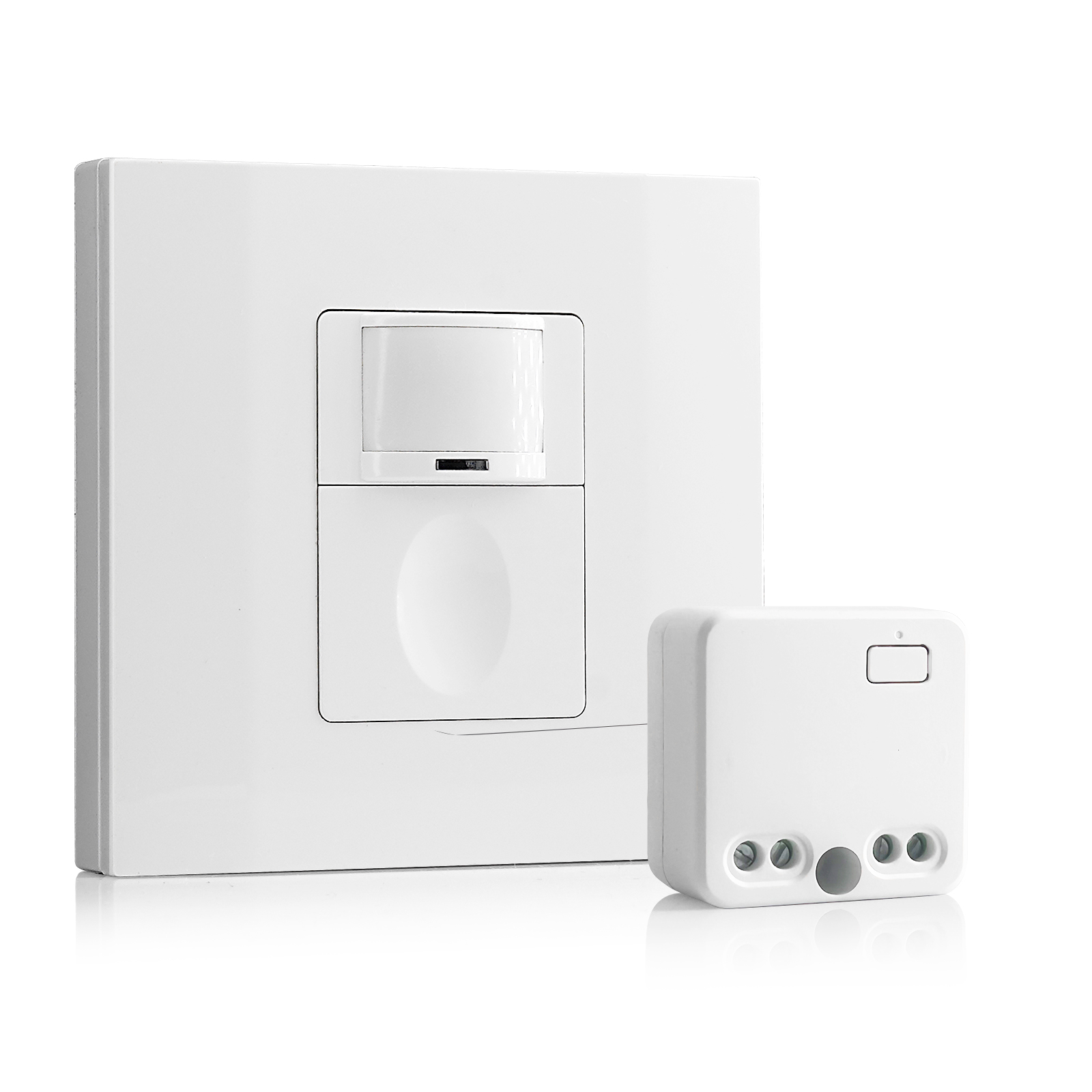
- 100V-230VAC
- Jarak Transmisi: hingga 20m
- Sensor gerak nirkabel
- Kontrol berkabel
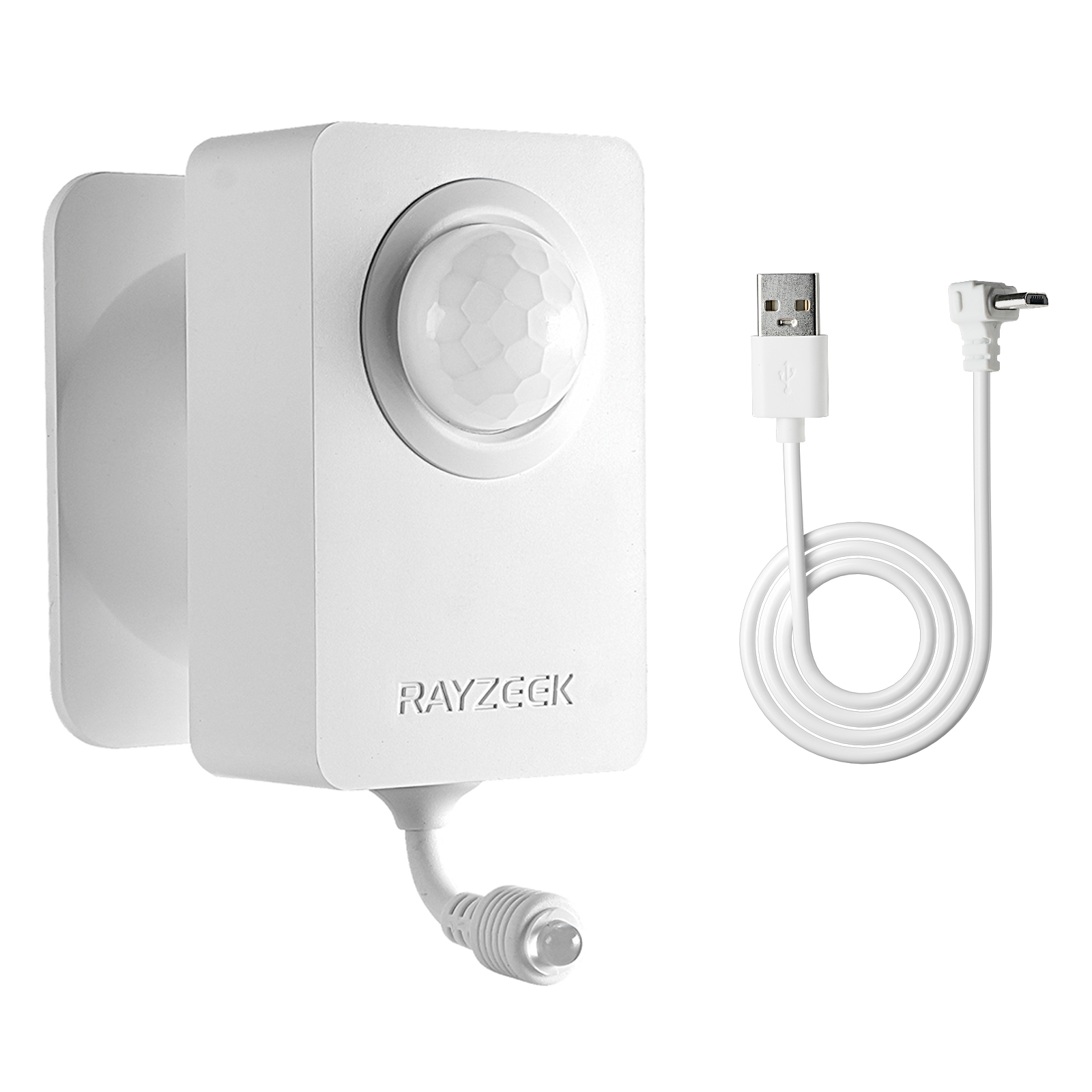
- Tegangan: 2x Baterai AAA / 5V DC (Micro USB)
- Mode Siang/Malam
- Jeda waktu: 15mnt, 30mnt, 1j (bawaan), 2j
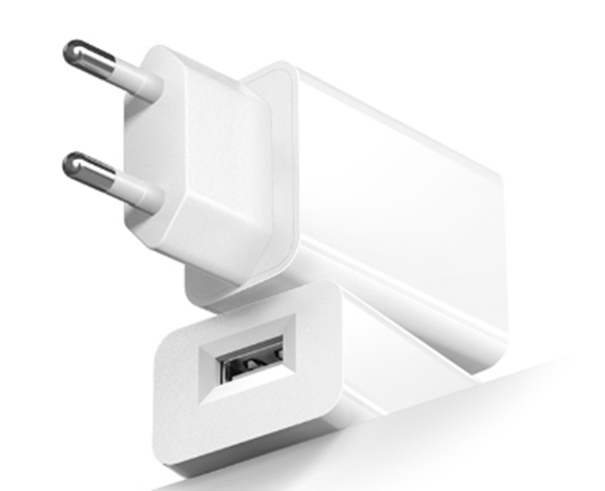
- Adaptor daya colokan UE
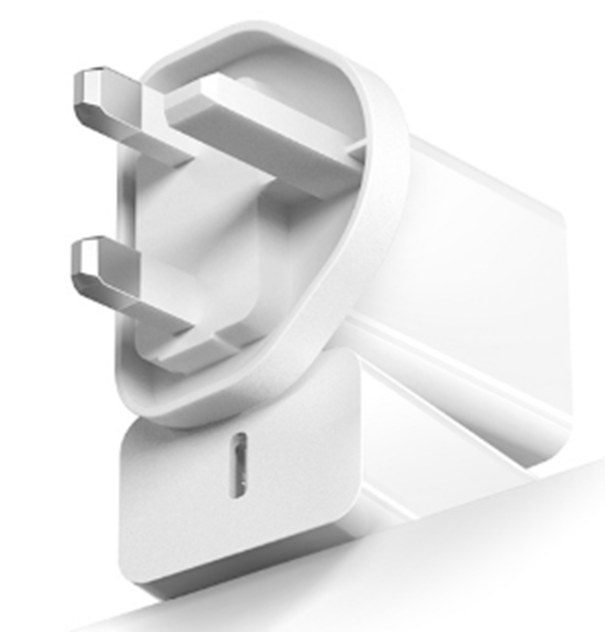
- Adaptor daya colokan Inggris
Frequently Asked Questions
What Color Light Is Least Harmful
Exposure to white light during the day can have positive effects, such as enhancing alertness and mood. To minimize disruption to the circadian clock at night, it is recommended to use a dim light with a red hue. Alternatively, very dim yellow or orange lights can also be used as they have minimal impact on the clock.
Are RGB Lights Better Than LED
While RGB lights have the capability to produce colors that are close to white, dedicated white LED chips are more suitable for task and accent lighting where a pure white tone is required and color is not necessary.
Why Do People Like RGB Lights
The reason why people are fond of RGB lights is quite straightforward. RGB colors are utilized on PC components or peripherals to enhance their performance, offering a wide range of 16.8 million different colors. For instance, opting for RGB RAM instead of non-RGB RAM can potentially result in a significant boost of 20 to 35 percent in frames per second.
Are RGB Lights Bad for Sleep
It is widely known that exposure to blue light can have a detrimental effect on the quality of your sleep. This includes electronic screens, LED lights, and fluorescent lights, as they all emit blue light. Additionally, a study conducted in 1991 and another one in 2016, which focused on mice, discovered that green light could also have a negative impact on melatonin levels.







