
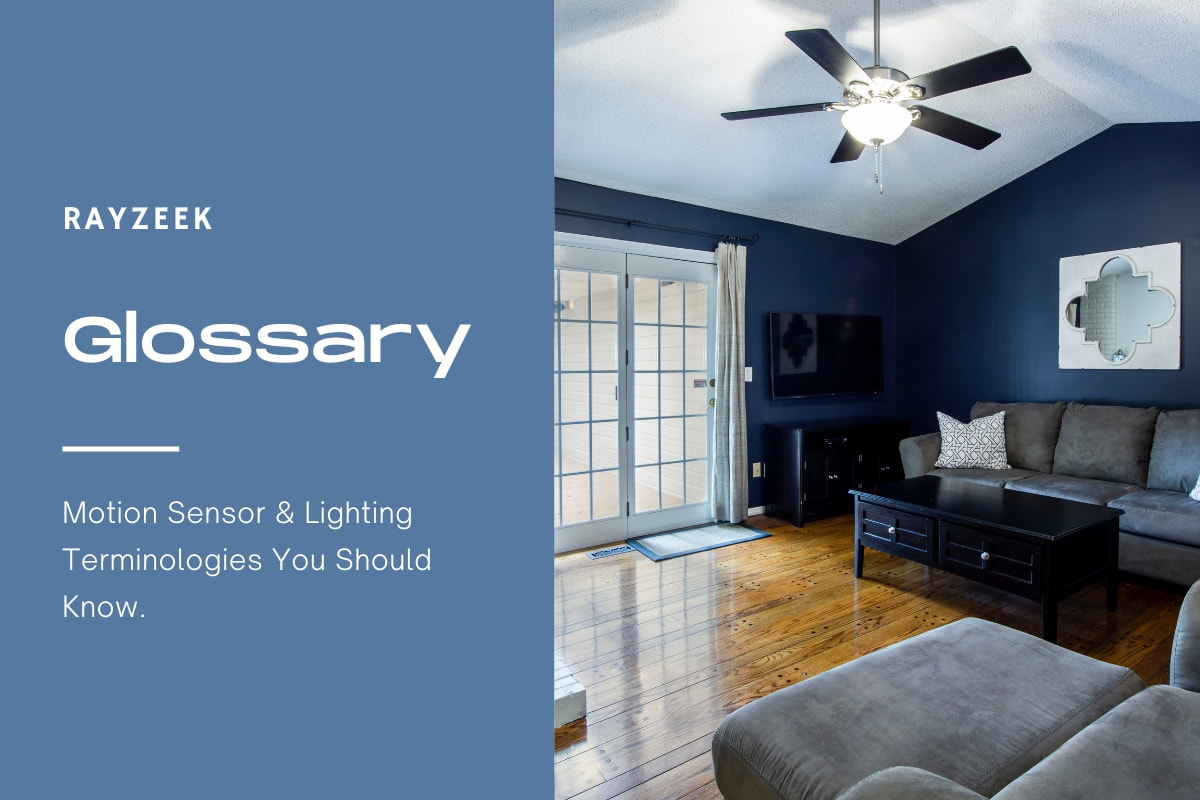
What is Matte Surface
A matte surface, in the context of the lighting industry, refers to a type of finish that is designed to diffuse ambient light rather than reflecting it directly back to the viewer. This is achieved by coarsening the surface using mechanical and sometimes additional chemical processing. The purpose of a matte surface is to reduce unwanted reflection and glare, making it an anti-glare surface.
Manufacturing methods for creating a matte surface typically involve multi-layered “spluttering” or several passes of “dip coating,” followed by optional chemical surface treatments. These processes result in a textured surface that scatters external light, improving visibility of the image on the screen in areas with strong direct or ambient light.
Rayzeek Hareket Sensörü Portföylerinden İlham Alın.
İstediğinizi bulamadınız mı? Endişelenmeyin. Sorunlarınızı çözmenin her zaman alternatif yolları vardır. Belki portföylerimizden biri yardımcı olabilir.
While matte surfaces have the advantage of reducing glare, there are some drawbacks to consider. One disadvantage is a reduction in perceived contrast and color vibrancy. The diffusion of light on the matte surface can lead to a slight to moderate reduction in sharpness, depending on the thickness and layering of the matte surface. Additionally, matte surfaces are generally more difficult to clean due to dirt penetration, and it can be challenging to see the results of cleaning efforts. In some instances, a grainy or hazy texture may be apparent, particularly when displaying white and other light colors.
İlginizi Çekebilir

- Kuru kontak röle çıkışlı, tavana monte edilen PIR varlık sensörü
- 12/24VDC veya 12/24VAC düşük voltaj beslemesi
- EMS, HVAC ve bina kontrol girişleri için COM, NO ve NC izoleli röle kontakları

- Düşük voltajlı DC sıva altı tavana monte mikrodalga hareket sensörlü anahtar
- 10-30 VDC aralığına sahip 12 VDC / 24 VDC giriş
- Ayarlanabilir zaman gecikmesi, lüks eşiği ve hassasiyete sahip 10A maks. çalışma akımı
- Yüksek yüklü sıva altı tavana monte mikrodalga hareket sensörlü anahtar
- 100-265 VAC şebeke voltajı girişi, 10A model
- Ayarlanabilir zaman gecikmesi, lüks eşiği ve hassasiyete sahip 5.8 GHz mikrodalga algılama
- Sıva altı tavana monte mikrodalga hareket sensörlü anahtar
- 100-265 VAC şebeke voltajı girişi, 5A model
- Ayarlanabilir zaman gecikmesi, lüks eşiği ve hassasiyete sahip 5.8 GHz mikrodalga algılama
- 220V güç için tavana monte RZ037 PIR varlık sensörlü dimmer
- 660W nominal yük ile 3A maksimum çalışma akımı
- LUX butonu, ışık sensörü AÇMA/KAPAMA işlevini ve kullanıcı tarafından ayarlanan dimmer parlaklığını kontrol eder
- 110V güç için tavana monte RZ037 PIR varlık sensörlü dimmer
- 330W nominal yük ile 3A maksimum çalışma akımı
- LUX butonu, ışık sensörü AÇMA/KAPAMA işlevini ve kullanıcı tarafından ayarlanan dimmer parlaklığını kontrol eder

- Düşük voltajlı DC tavana monte mikrodalga hareket sensörlü anahtar
- 10-30 VDC aralığına sahip 12 VDC / 24 VDC giriş
- Ayarlanabilir zaman gecikmesi, lüks eşiği ve hassasiyete sahip 10A maks. çalışma akımı
- Daha yüksek yüklü tavana monte mikrodalga hareket sensörlü anahtar
- 100-265 VAC şebeke voltajı girişi, 10A model
- Ayarlanabilir zaman gecikmesi, lüks eşiği ve hassasiyete sahip 5.8 GHz mikrodalga algılama
- Tavana monte mikrodalga hareket sensörlü anahtar
- 100-265 VAC şebeke voltajı girişi, 5A model
- Ayarlanabilir zaman gecikmesi, lüks eşiği ve hassasiyete sahip 5.8 GHz mikrodalga algılama

- Düşük voltajlı DC sıva altı tavan tipi PIR hareket sensörlü anahtar
- 10-30 VDC aralığına sahip 12 VDC / 24 VDC giriş
- Ayarlanabilir zaman gecikmesi, Lux eşiği ve hassasiyet ile maks. çalışma akımı 10A

- Daha yüksek yüklü sıva altı tavan tipi PIR hareket sensörlü anahtar
- 100-265 VAC şebeke voltajı girişi, 10A model
- Ayarlanabilir zaman gecikmesi, Lux eşiği ve hassasiyet ile 360 derece algılama
- Sıva altı tavan tipi PIR hareket sensörlü anahtar
- 100-265 VAC şebeke voltajı girişi, 5A model
- Ayarlanabilir zaman gecikmesi, Lux eşiği ve hassasiyet ile 360 derece algılama

- İç mekan Açma/Kapama (ON/OFF) aydınlatma kontrolü için kablosuz anahtar ve alıcı kiti
- 5A nominal akımlı 100-230VAC, 50/60Hz alıcı
- 2.4GHz haberleşmeli CR2032 pille çalışan kablosuz anahtar
- Varlık (Otomatik AÇILMA/Otomatik KAPANMA)
- 12–24V DC (10–30VDC), 10A'e kadar
- 360° kapsama alanı, 8–12 m çap
- Zaman gecikmesi 15 sn–30 dk
- Işık sensörü Kapalı/15/25/35 Lux
- Yüksek/Düşük hassasiyet
- Otomatik AÇILMA/Otomatik KAPANMA varlık modu
- 100–265V AC, 10A (nötr gereklidir)
- 360° kapsama alanı; 8–12 m algılama çapı
- Zaman gecikmesi 15 sn–30 dk; Lux KAPALI/15/25/35; Hassasiyet Yüksek/Düşük
- Otomatik AÇILMA/Otomatik KAPANMA varlık modu
- 100–265V AC, 5A (nötr hattı gereklidir)
- 360° kapsama alanı; 8–12 m algılama çapı
- Zaman gecikmesi 15 sn–30 dk; Lux KAPALI/15/25/35; Hassasiyet Yüksek/Düşük
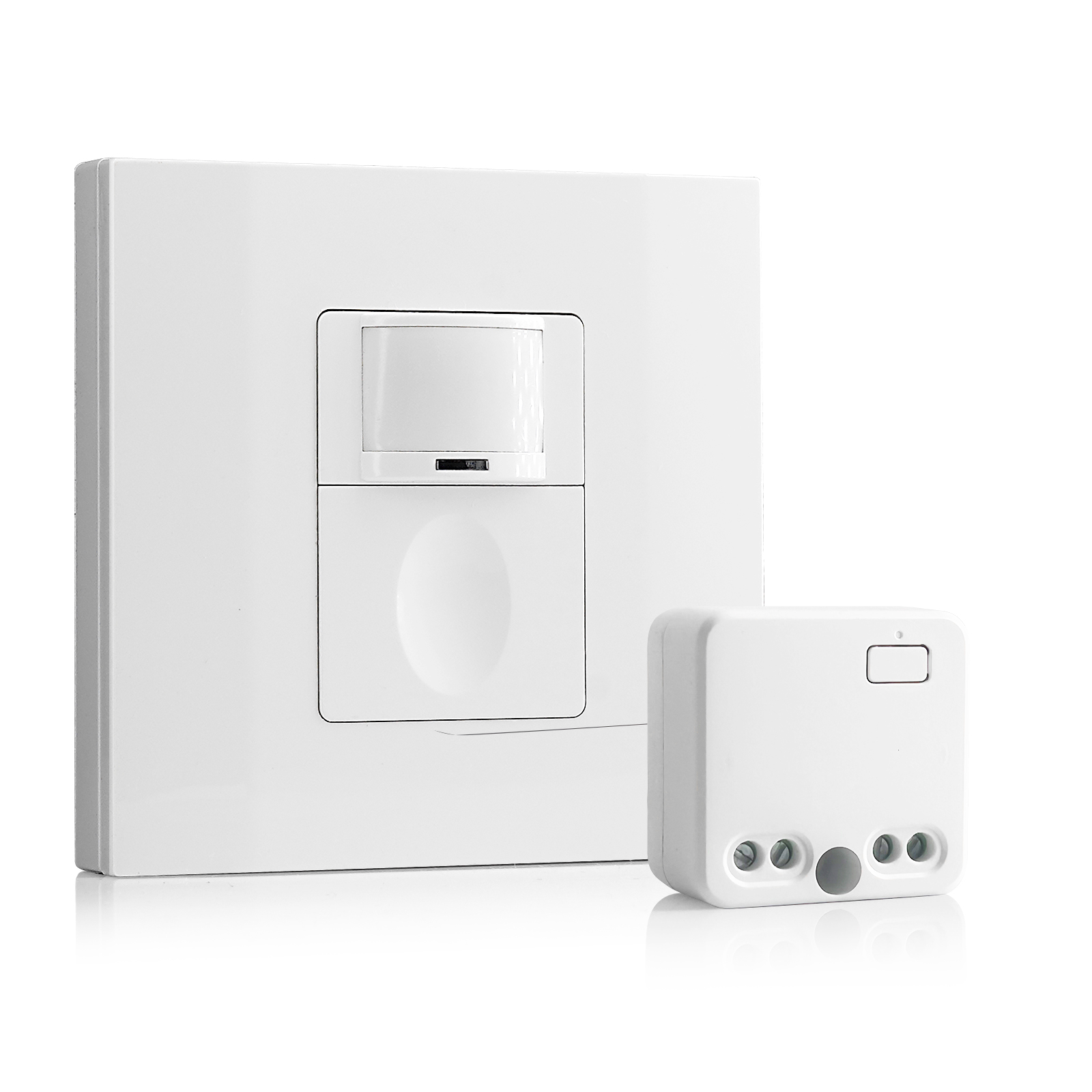
- 100V-230VAC
- İletim Mesafesi: 20m'ye kadar
- Kablosuz hareket sensörü
- Kablolu kontrol
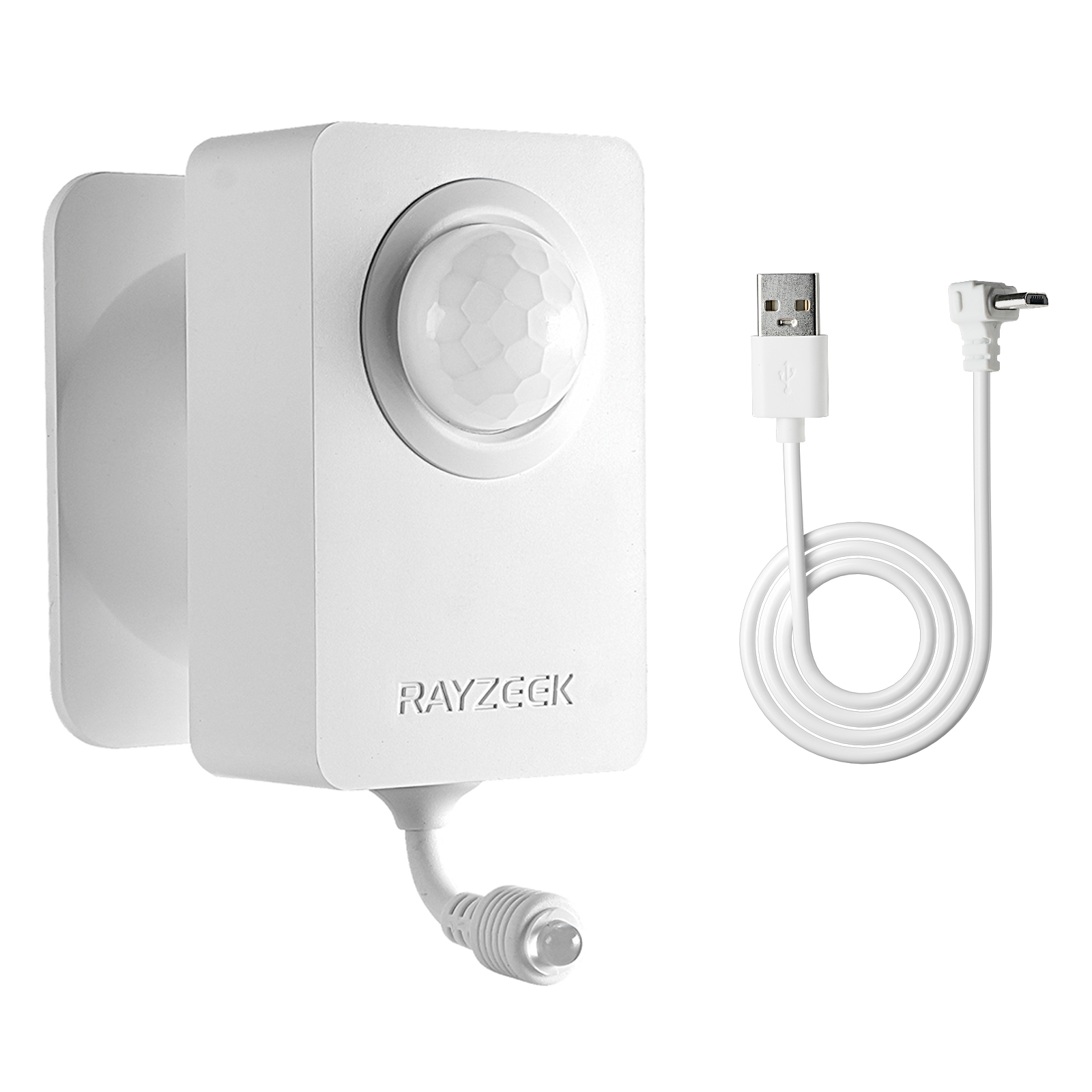
- Voltaj: 2x AAA Pil / 5V DC (Micro USB)
- Gündüz/Gece Modu
- Zaman gecikmesi: 15dk, 30dk, 1sa(varsayılan), 2sa
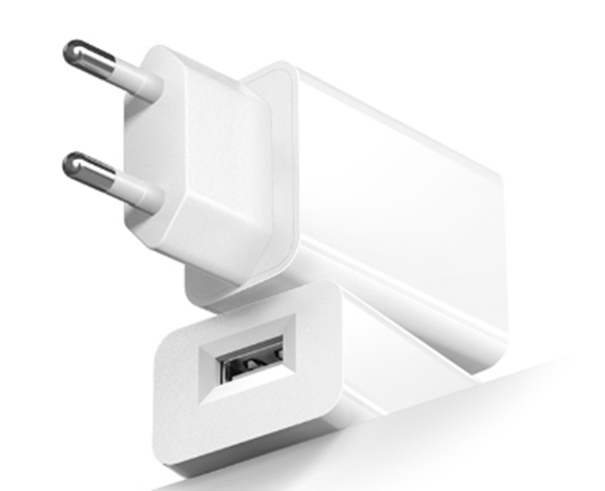
- AB fişli güç adaptörü
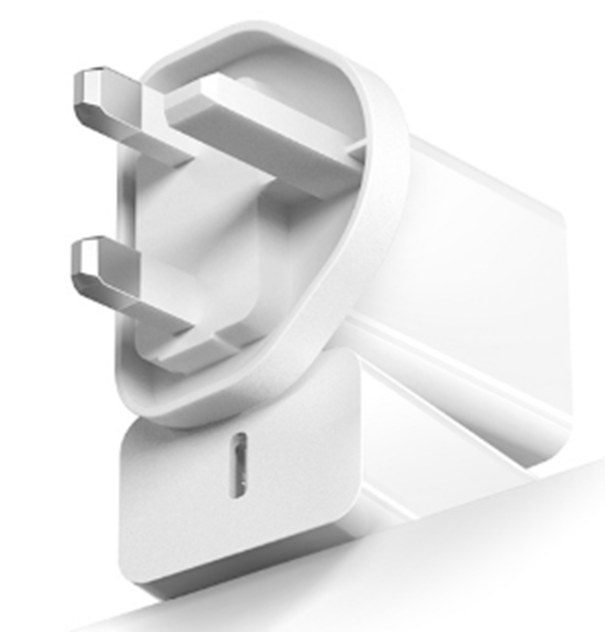
- İngiltere fişli güç adaptörü
Frequently Asked Questions
Does a Matte Surface Reflect Light
Matte surfaces do not reflect light; instead, they absorb it. This quality allows them to effectively conceal imperfections such as bumps on walls.
Is Anti-Glare and Matte the Same
Unlike a regular glossy display, a matte display is equipped with a special coating that reduces glare on the screen. This anti-glare coating helps to minimize reflections and ensures that your content is not interrupted by harsh glare caused by smooth surfaces like glass or plastic.
What Does a Matte Finish Look Like
A matte finish is a type of sheen that has a lower level of gloss compared to flat paint, but is shinier than satin or eggshell finishes. It has a lower gloss percentage, indicating that it reflects less light and has less luster than many other types of paint.
What Color Surface Reflects Light the Best
White is the color that reflects light the most effectively. If you prefer a more subtle option, you can consider off-white, pale brown, or light gray colors. It’s important to remember that the color of your walls is just one aspect of their overall appearance and ability to reflect light.
What Surface Doesn’t Reflect Light
Wood, concrete, and paper are examples of surfaces that do not reflect light. This is due to their relatively rough surfaces, which cause the light that hits them to scatter in various directions.







