
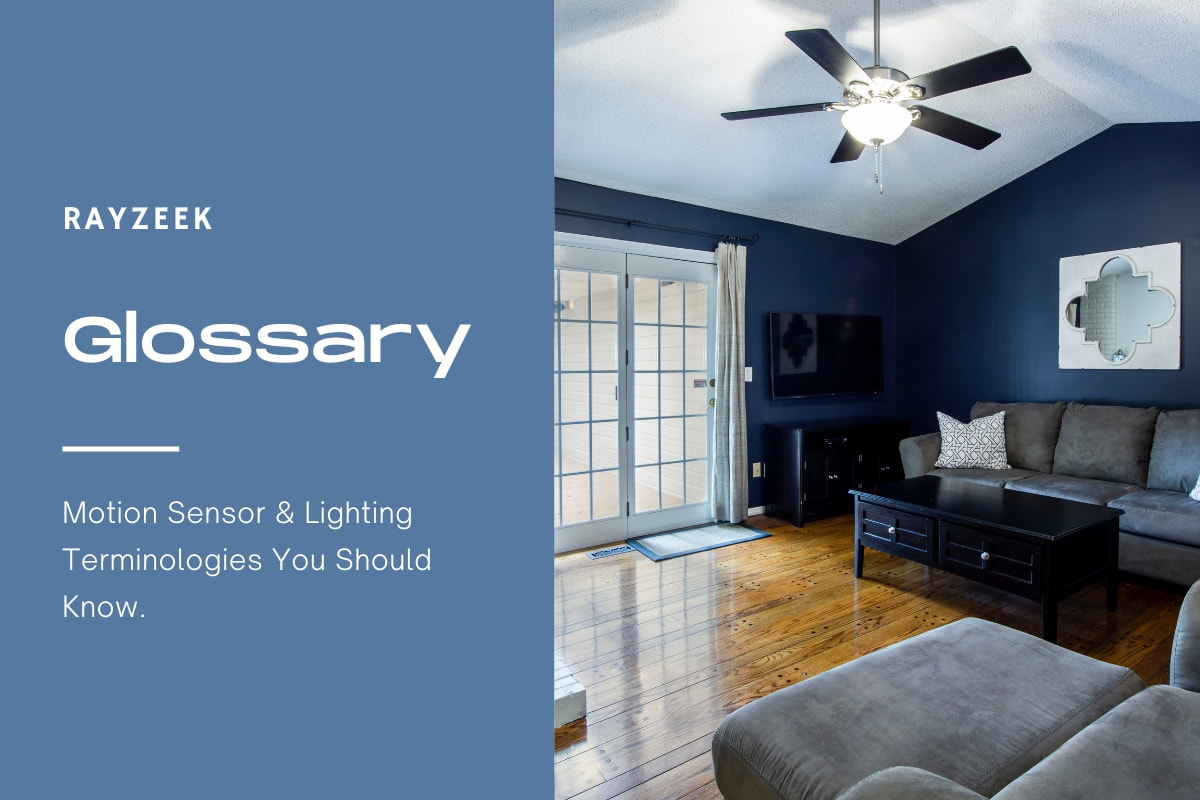
What is Matte Surface
A matte surface, in the context of the lighting industry, refers to a type of finish that is designed to diffuse ambient light rather than reflecting it directly back to the viewer. This is achieved by coarsening the surface using mechanical and sometimes additional chemical processing. The purpose of a matte surface is to reduce unwanted reflection and glare, making it an anti-glare surface.
Manufacturing methods for creating a matte surface typically involve multi-layered “spluttering” or several passes of “dip coating,” followed by optional chemical surface treatments. These processes result in a textured surface that scatters external light, improving visibility of the image on the screen in areas with strong direct or ambient light.
Lasciati ispirare dalla gamma di sensori di movimento Rayzeek.
Non trovi quello che cerchi? Non preoccuparti. Ci sono sempre modi alternativi per risolvere i tuoi problemi. Forse una delle nostre linee di prodotti può aiutarti.
While matte surfaces have the advantage of reducing glare, there are some drawbacks to consider. One disadvantage is a reduction in perceived contrast and color vibrancy. The diffusion of light on the matte surface can lead to a slight to moderate reduction in sharpness, depending on the thickness and layering of the matte surface. Additionally, matte surfaces are generally more difficult to clean due to dirt penetration, and it can be challenging to see the results of cleaning efforts. In some instances, a grainy or hazy texture may be apparent, particularly when displaying white and other light colors.
Forse ti interessa anche

- Sensore di presenza PIR da soffitto con uscita a relè con contatto pulito
- Alimentazione a bassa tensione 12/24VDC o 12/24VAC
- Contatti relè isolati COM, NO e NC per ingressi EMS, HVAC e controllo dell'edificio

- Interruttore con sensore di movimento a microonde da soffitto a incasso a bassa tensione DC
- Ingresso 12 VDC / 24 VDC con intervallo 10-30 VDC
- Corrente massima di lavoro 10A con ritardo temporale, soglia Lux e sensibilità regolabili
- Interruttore con sensore di movimento a microonde da soffitto a incasso per carichi più elevati
- Ingresso tensione di rete 100-265 VAC, modello da 10A
- Rilevamento a microonde a 5.8 GHz con ritardo temporale, soglia Lux e sensibilità regolabili
- Interruttore con sensore di movimento a microonde da soffitto a incasso
- Ingresso tensione di rete 100-265 VAC, modello da 5A
- Rilevamento a microonde a 5.8 GHz con ritardo temporale, soglia Lux e sensibilità regolabili
- Dimmer con sensore di presenza PIR da soffitto RZ037 per alimentazione a 220V
- Corrente massima di lavoro 3A con carico nominale di 660W
- Il pulsante LUX controlla l'accensione/spegnimento del sensore di luce e la luminosità di regolazione impostata dall'utente
- Dimmer con sensore di presenza PIR da soffitto RZ037 per alimentazione a 110V
- Corrente massima di lavoro 3A con carico nominale di 330W
- Il pulsante LUX controlla l'accensione/spegnimento del sensore di luce e la luminosità di regolazione impostata dall'utente

- Interruttore con sensore di movimento a microonde da soffitto a bassa tensione DC
- Ingresso 12 VDC / 24 VDC con intervallo 10-30 VDC
- Corrente massima di lavoro 10A con ritardo temporale, soglia Lux e sensibilità regolabili
- Interruttore con sensore di movimento a microonde da soffitto per carichi più elevati
- Ingresso tensione di rete 100-265 VAC, modello da 10A
- Rilevamento a microonde a 5.8 GHz con ritardo temporale, soglia Lux e sensibilità regolabili
- Interruttore con sensore di movimento a microonde da soffitto
- Ingresso tensione di rete 100-265 VAC, modello da 5A
- Rilevamento a microonde a 5.8 GHz con ritardo temporale, soglia Lux e sensibilità regolabili

- Interruttore con sensore di movimento PIR da soffitto a incasso a bassa tensione DC
- Ingresso 12 VDC / 24 VDC con intervallo 10-30 VDC
- Corrente massima di lavoro 10A con ritardo temporale, soglia Lux e sensibilità regolabili

- Interruttore con sensore di movimento PIR da soffitto a incasso per carichi più elevati
- Ingresso tensione di rete 100-265 VAC, modello da 10A
- Rilevamento a 360 gradi con ritardo, soglia Lux e sensibilità regolabili
- Interruttore con sensore di movimento PIR da soffitto a incasso
- Ingresso tensione di rete 100-265 VAC, modello da 5A
- Rilevamento a 360 gradi con ritardo, soglia Lux e sensibilità regolabili

- Kit interruttore e ricevitore wireless per il controllo dell'illuminazione ON/OFF per interni
- Ricevitore 100-230VAC, 50/60Hz con corrente nominale di 5A
- Interruttore wireless alimentato da CR2032 con comunicazione a 2.4GHz
- Presenza (Auto-ON/Auto-OFF)
- 12–24V DC (10–30VDC), fino a 10A
- Copertura a 360°, diametro 8–12 m
- Ritardo da 15 s a 30 min
- Sensore di luce Off/15/25/35 Lux
- Sensibilità Alta/Bassa
- Modalità presenza Auto-ON/Auto-OFF
- 100–265V AC, 10A (neutro richiesto)
- Copertura a 360°; diametro di rilevamento 8–12 m
- Ritardo 15 s–30 min; Lux OFF/15/25/35; Sensibilità Alta/Bassa
- Modalità presenza Auto-ON/Auto-OFF
- 100–265V AC, 5A (neutro richiesto)
- Copertura a 360°; diametro di rilevamento 8–12 m
- Ritardo 15 s–30 min; Lux OFF/15/25/35; Sensibilità Alta/Bassa
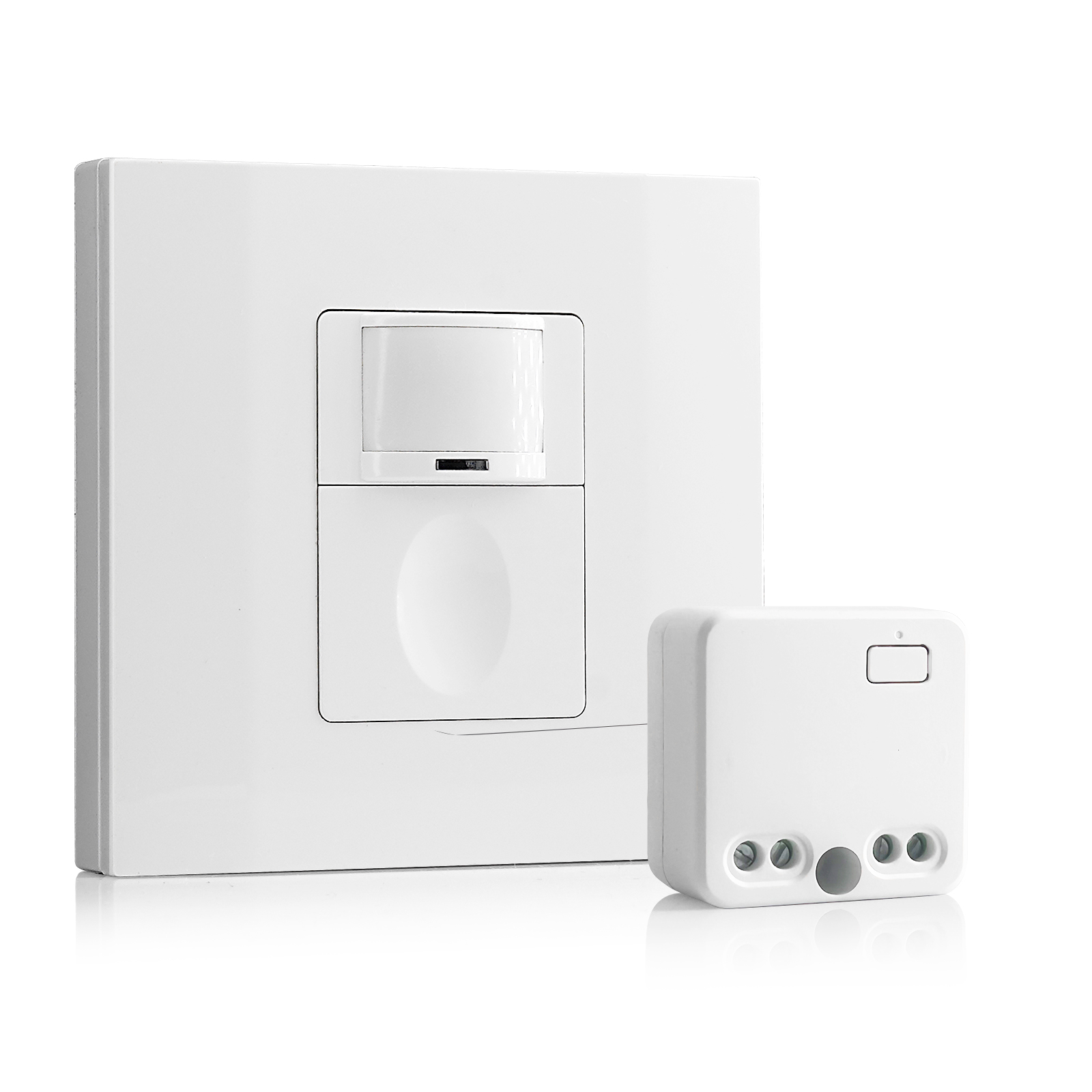
- 100V-230VAC
- Distanza di trasmissione: fino a 20m
- Sensore di movimento wireless
- Controllo cablato
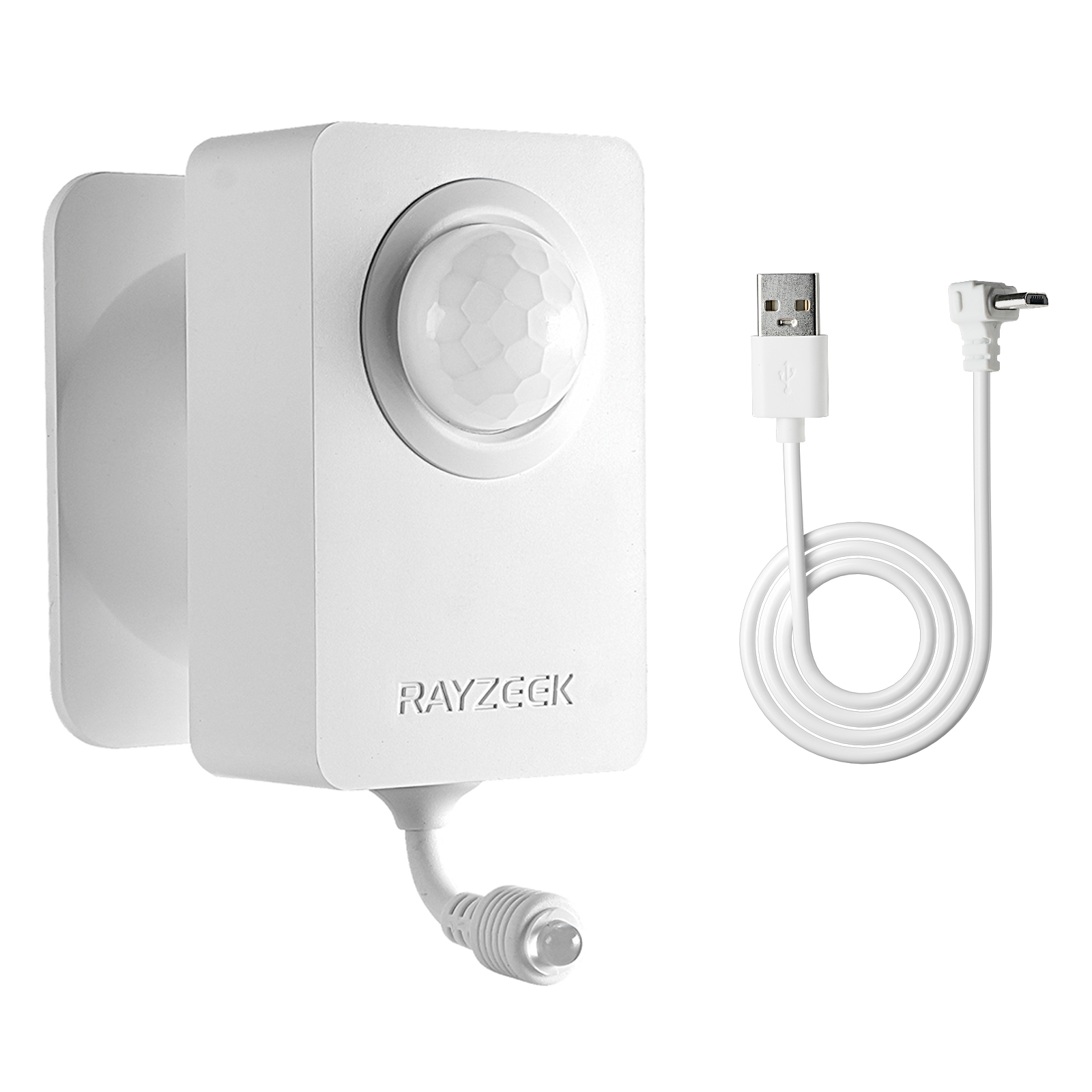
- Tensione: 2 batterie AAA / 5 V CC (Micro USB)
- Modalità Giorno/Notte
- Ritardo di spegnimento: 15 min, 30 min, 1 h (predefinito), 2 h
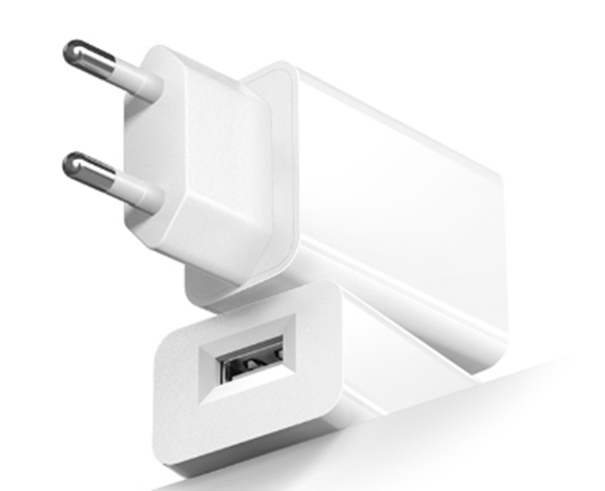
- Adattatore di alimentazione con spina UE
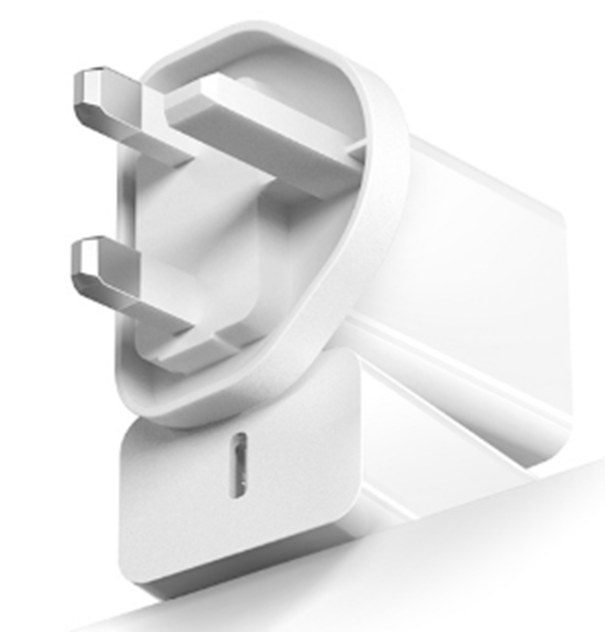
- Adattatore di alimentazione con spina per Regno Unito
Frequently Asked Questions
Does a Matte Surface Reflect Light
Matte surfaces do not reflect light; instead, they absorb it. This quality allows them to effectively conceal imperfections such as bumps on walls.
Is Anti-Glare and Matte the Same
Unlike a regular glossy display, a matte display is equipped with a special coating that reduces glare on the screen. This anti-glare coating helps to minimize reflections and ensures that your content is not interrupted by harsh glare caused by smooth surfaces like glass or plastic.
What Does a Matte Finish Look Like
A matte finish is a type of sheen that has a lower level of gloss compared to flat paint, but is shinier than satin or eggshell finishes. It has a lower gloss percentage, indicating that it reflects less light and has less luster than many other types of paint.
What Color Surface Reflects Light the Best
White is the color that reflects light the most effectively. If you prefer a more subtle option, you can consider off-white, pale brown, or light gray colors. It’s important to remember that the color of your walls is just one aspect of their overall appearance and ability to reflect light.
What Surface Doesn’t Reflect Light
Wood, concrete, and paper are examples of surfaces that do not reflect light. This is due to their relatively rough surfaces, which cause the light that hits them to scatter in various directions.







