
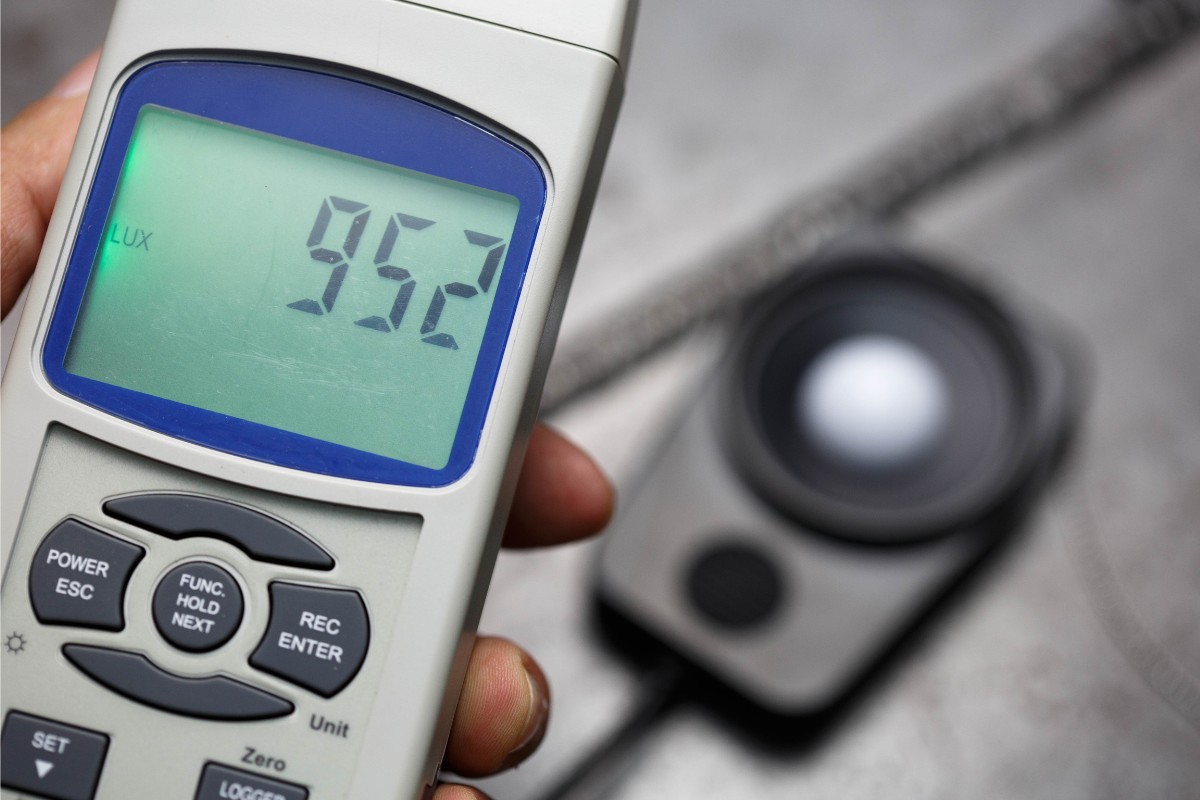
Light sensors have been mentioned in many of the articles here. Because I would like to impart more information about light sensors to you, I’ve decided to write a separate article on the topic. In the next few paragraphs, I will briefly describe how light sensors work. Then I will share with you different uses of light sensors and describe why outdoor sensors have different functions than indoor sensors – you will see where and how sensors can be used and how you can benefit from them.
Distinguishing Light Sensors from Motion Sensors
First of all, it’s important to distinguish light sensors from motion sensors. Light sensors are made to detect light (they are able to tell if there is enough light in the room or if they need to turn on extra lights), whereas motion sensors are designed to detect motion (their working principle is simple – if they detect motion, they turn on the light; if motion isn’t detected for some time, the sensor will turn the light off).
Types of Light Sensors
There are several different types of light sensors, and the most common one is called the photocell sensor. A photocell changes its resistance when light shines on it, which is why it’s also called a photoresistor. A photocell is also capable of detecting the intensity of light (the resistance changes with the light intensity).
Light sensors can be used indoors or outdoors.
Outdoor Applications of Light Sensors
Outdoor lights are commonly connected to light sensors. The sensor turns the light on when it notices that there isn’t enough natural light outside (usually at dusk). The lights are then turned off at dawn (when the sun starts shining on the sensor). If you want, you can combine a light sensor with a timer – lights are turned on at dusk, but they turn off again at 2AM (or any other hour you choose).
Outdoor light sensors can also be combined with motion sensors, which means that lights will only be turned on when motion is detected and the light intensity isn’t sufficient. This combination of light and motion sensors is particularly useful for energy savings, as it ensures that lights are only on when they are needed. Imagine having a motion sensor switch installed in your driveway or backyard – the lights will automatically turn on when someone approaches, providing a sense of security and convenience.
Rayzeek Hareket Sensörü Portföylerinden İlham Alın.
Aradığınızı bulamadınız mı? Endişelenmeyin. Sorunlarınızı çözmenin her zaman alternatif yolları vardır. Portföylerimizden biri size yardımcı olabilir.
Outdoor light sensors are popular because they save you money (light is only turned on when you need it), make you feel safer (a well-lit house will make a burglar think twice), and also improve the appearance of your home.
Indoor Applications of Light Sensors
Using light sensors indoors can be a bit trickier. Light sensors shouldn’t be installed in hallways – why would you want to waste energy lighting a space when no one is using it? Motion sensors are a much better choice when it comes to hallways unless you want to specifically illuminate a particular part of your hallway (maybe you have paintings on the wall or an aquarium in the center).
Light sensors should be used with ambient, accent, and decorative lighting only, except in rooms where you constantly need task lighting (perhaps in work offices). The benefit of light sensors is that they can make decorative, accent, and ambient lighting more cost-effective. You only need that lighting when the natural light is losing power and the intensity of the light should be harmonized with the intensity of other light sources. Light sensors seem like the perfect solution here – when the light is switched on, they will automatically adjust light intensity and you will be able to keep your focus on your guests (instead of adjusting dimmers to get the perfect light).
Occupancy Sensors: Combining Light and Motion Detection
In addition to standalone light sensors and motion sensors, there are also occupancy sensors that combine both functionalities. These sensors detect both motion and light levels in a room, providing an even more efficient solution for energy management.
When an occupancy sensor detects motion in a room with insufficient light, it will automatically turn on the lights. Once no motion is detected for a set period of time, the sensor will then turn off the lights. This ensures that lights are only on when the room is actually being used, leading to significant energy savings over time.
Occupancy sensors are particularly useful in spaces like conference rooms, restrooms, and storage areas where lighting is needed intermittently. By automating the lighting control based on actual occupancy and light levels, these sensors eliminate the need for manual switching and help reduce wasted energy.
İlginizi Çekebilecek Diğer Ürünler

- Voltaj: 2 Adet AAA Pil
- Gündüz/Gece Modu
- Zaman gecikmesi: 15dk, 30dk, 1sa (varsayılan), 2sa

- Kuru kontak röle çıkışlı, tavan tipi PIR varlık sensörü
- 12/24VDC veya 12/24VAC düşük voltaj güç beslemesi
- EMS, HVAC ve bina kontrol girdileri için COM, NO ve NC izole röle kontakları

- Düşük voltaj DC sıva altı tavan tipi mikrodalga hareket sensörlü anahtar
- 10-30 VDC aralığına sahip 12 VDC / 24 VDC giriş
- Ayarlanabilir zaman gecikmesi, Lüks eşiği ve hassasiyet özelliklerine sahip maks. 10A çalışma akımı
- Yüksek yük kapasiteli sıva altı tavan tipi mikrodalga hareket sensörlü anahtar
- 100-265 VAC şebeke voltajı girişi, 10A model
- Ayarlanabilir zaman gecikmesi, Lüks eşiği ve hassasiyete sahip 5,8 GHz mikrodalga algılama
- Sıva altı tavana monte mikrodalga hareket sensörlü anahtar
- 100-265 VAC şebeke gerilimi girişi, 5A model
- Ayarlanabilir zaman gecikmesi, Lüks eşiği ve hassasiyete sahip 5,8 GHz mikrodalga algılama
- 220V güç için tavana monte RZ037 PIR varlık sensörlü dimmer
- 660W nominal yük ile 3A maksimum çalışma akımı
- LUX düğmesi, ışık sensörünün AÇIK/KAPALI konumunu ve kullanıcı tarafından ayarlanan dimmer parlaklığını kontrol eder
- 110V güç için tavana monte RZ037 PIR varlık sensörlü dimmer
- 330W nominal yük ile 3A maksimum çalışma akımı
- LUX düğmesi, ışık sensörünün AÇIK/KAPALI konumunu ve kullanıcı tarafından ayarlanan dimmer parlaklığını kontrol eder

- Düşük voltajlı DC tavan montajlı mikrodalga hareket sensörlü anahtar
- 10-30 VDC aralığına sahip 12 VDC / 24 VDC giriş
- Ayarlanabilir zaman gecikmesi, Lüks eşiği ve hassasiyet özelliklerine sahip maks. 10A çalışma akımı
- Yüksek yüklü tavan montajlı mikrodalga hareket sensörlü anahtar
- 100-265 VAC şebeke voltajı girişi, 10A model
- Ayarlanabilir zaman gecikmesi, Lüks eşiği ve hassasiyete sahip 5,8 GHz mikrodalga algılama
- Tavan montajlı mikrodalga hareket sensörlü anahtar
- 100-265 VAC şebeke gerilimi girişi, 5A model
- Ayarlanabilir zaman gecikmesi, Lüks eşiği ve hassasiyete sahip 5,8 GHz mikrodalga algılama

- Düşük voltajlı DC sıva altı tavan montajlı PIR hareket sensörlü anahtar
- 10-30 VDC aralığına sahip 12 VDC / 24 VDC giriş
- Ayarlanabilir zaman gecikmesi, Lüks eşiği ve hassasiyet ile maks. 10A çalışma akımı

- Yüksek yüklü sıva altı tavan montajlı PIR hareket sensörlü anahtar
- 100-265 VAC şebeke voltajı girişi, 10A model
- Ayarlanabilir zaman gecikmesi, Lüks eşiği ve hassasiyet ile 360 derece algılama
- Sıva altı tavan montajlı PIR hareket sensörlü anahtar
- 100-265 VAC şebeke gerilimi girişi, 5A model
- Ayarlanabilir zaman gecikmesi, Lüks eşiği ve hassasiyet ile 360 derece algılama

- İç mekan AÇMA/KAPAMA aydınlatma kontrolü için kablosuz anahtar ve alıcı seti
- 5A nominal akımlı 100-230VAC, 50/60Hz alıcı
- 2.4GHz haberleşmeli CR2032 pille çalışan kablosuz anahtar
- Varlık (Otomatik AÇMA/Otomatik KAPATMA)
- 12–24V DC (10–30VDC), 10A'e kadar
- 360° kapsama alanı, 8–12 m çap
- Zaman gecikmesi 15 sn–30 dk
- Işık sensörü Kapalı/15/25/35 Lux
- Yüksek/Düşük hassasiyet
- Otomatik AÇMA/Otomatik KAPATMA varlık modu
- 100–265V AC, 10A (nötr hattı gereklidir)
- 360° kapsama alanı; 8–12 m algılama çapı
- Zaman gecikmesi 15 sn–30 dk; Lux KAPALI/15/25/35; Hassasiyet Yüksek/Düşük
- Otomatik AÇMA/Otomatik KAPATMA varlık modu
- 100–265V AC, 5A (nötr hattı gereklidir)
- 360° kapsama alanı; 8–12 m algılama çapı
- Zaman gecikmesi 15 sn–30 dk; Lux KAPALI/15/25/35; Hassasiyet Yüksek/Düşük
Sonuç
So, let’s quickly recap – we have learned how to distinguish light sensors from motion sensors, and we have found out how light sensors work, where they are used (outside and inside), and where you should install them for the best effect. We’ve also explored the benefits of combining light sensors with motion sensors and timers for outdoor applications, as well as the advantages of occupancy sensors for indoor spaces.
I hope that this article helped you understand the basics of light sensors and that you found some ideas for using them in your home. By incorporating these energy-saving solutions, you can not only reduce your electricity bills but also enhance the comfort, convenience, and security of your living space. Don’t forget to read my other articles about light sensors and home lighting design for more tips and inspiration.







