Gå igenom vilket kontorslandskap som helst i Chicago, New York eller San Francisco runt klockan 14:00. Leta upp raden av samtalsrum med glasfront. Du kommer oundvikligen att bli vittne till en specifik, förödmjukande ritual: en högre chefsbefattning som mitt i en förhandling plötsligt fäktar med armarna som en drunknande sjöman.
Belysningen har slocknat. Igen.
Detta är “Skammens viftande hand”. Det är det i särklass vanligaste klagomålet i moderna loggar för fastighetsdrift, vanligare än både temperaturkonflikter och trasiga kaffemaskiner. För fastighetsansvarig innebär det en ström av felanmälningar. För användaren är det en dräpare av fokusytan som signalerar att byggnaden i sig inte värdesätter deras arbete.
När en försäljningschef håller på att stänga en affär i en arkitektonisk samtalsmodul för $15 000 och rummet mörkläggs för att personen satt för stilla, då handlar det inte om användarfel – det är ett specifikationsfel. Skyll inte på glödlampan eller samtalsrummet. Avbrottet uppstår eftersom standardhårdvara i grunden missförstår hur mänsklig stillhet fungerar.
Fysiken bakom att “ignorera” fokus
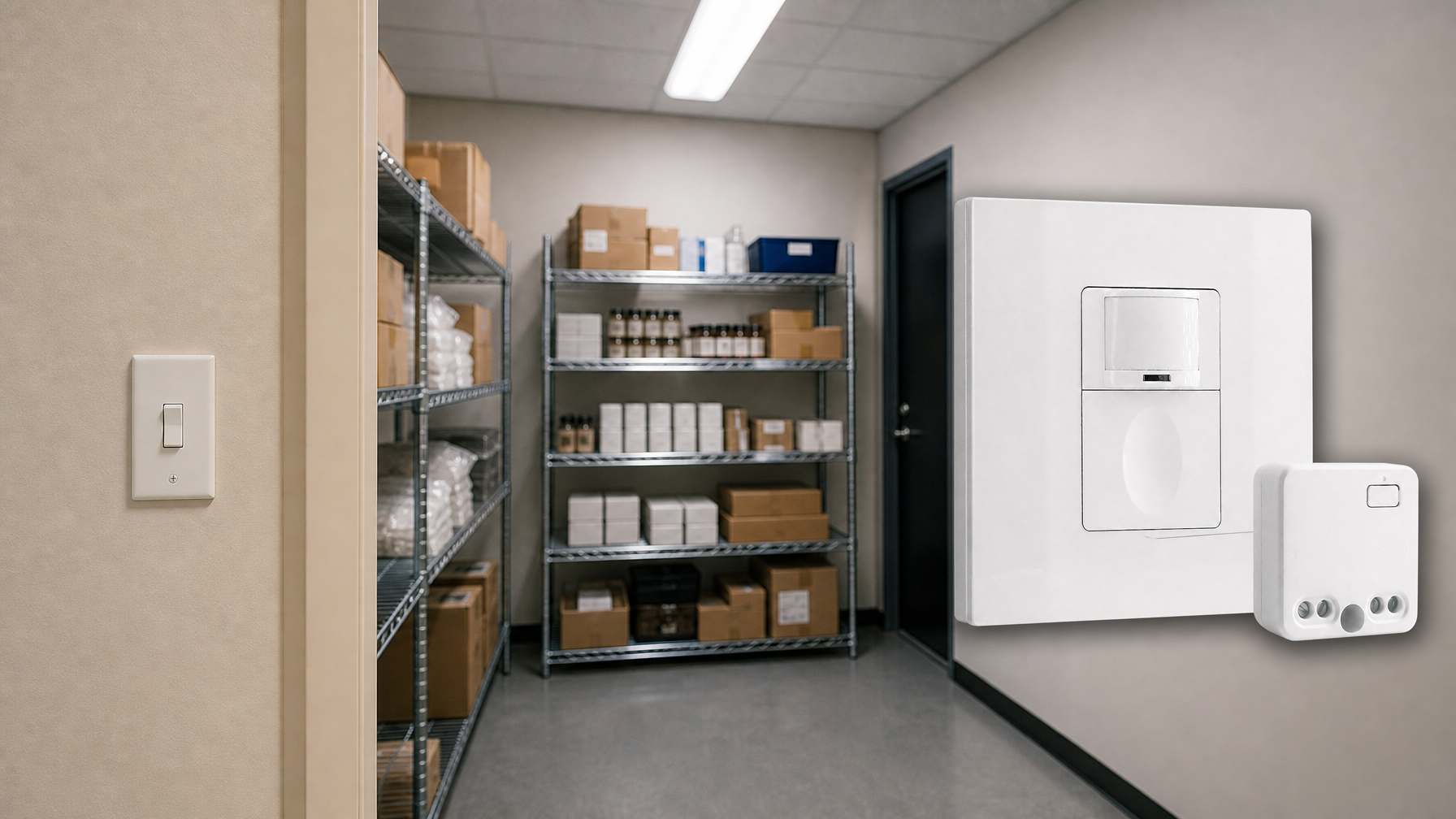
Den bakomliggande orsaken till mörkläggningen är nästan alltid en passiv infraröd sensor (PIR). Dessa är de vita standarddosorna som sitter på väggarna i alla kommersiella fastigheter, ofta tillverkade av Lutron eller Leviton. De fungerar genom att registrera skillnaden i värmeenergi (infraröd strålning) mellan ett bakgrundsobjekt (en vägg) och ett objekt i rörelse (en mänsklig kropp).
Letar du efter rörelsestyrda energisparande lösningar?
Kontakta oss för kompletta PIR-rörelsesensorer, rörelseaktiverade energisparprodukter, rörelsesensorbrytare och kommersiella lösningar för närvaro/frånvaro (Occupancy/Vacancy).
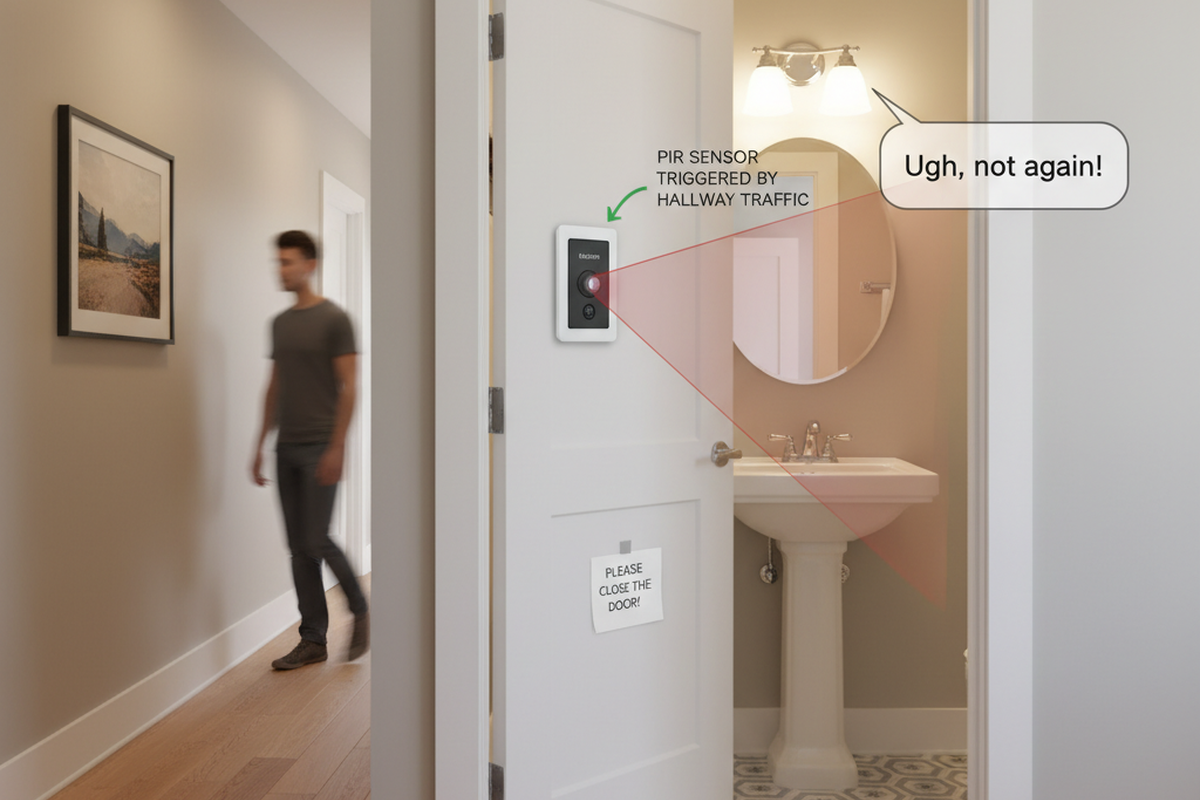
PIR-sensorer är utmärkta på att registrera Större rörelser– som att gå in i ett rum, ställa sig upp eller göra stora armrörelser. De är ökänt dåliga på att registrera Mindre rörelser– som att skriva på tangentbordet, läsa eller subtilt ändra sittställning under ett intensivt samtal.
För en standardiserad PIR-sensor ser en fokuserad människa exakt ut som ett tomt rum.

Sensorn delar in rummet i “zoner” med hjälp av en Fresnellins – det fasetterade plasthöljet på strömbrytaren. För att aktivera sensorn måste du förflytta dig från en zon till en annan. Om du sitter i ett samtalsrum på 4×4 meter, fördjupad i ett dokument, hålls din fysiska rörelse sannolikt helt inom en enda zon. Du alstrar värme, men du förflyttar inte den värmen över sensorns synfält. Sensorns logiktimer räknar ner – 5 minuter, 10 minuter – och bryter sedan strömmen under antagandet att rummet är tomt.
Förespråkare hänvisar ofta till energikoder och “gröna” standardinställningar i dessa sammanhang. Detta är en falsk besparing. Energin som sparas genom att släcka en 9-watts LED-lampa i tre minuter är försumbar jämfört med kostnaden för att avbryta ett värdefullt arbetsflöde. När en sensor prioriterar en bråkdel av ett öre i elförbrukning framför rummets primära funktion är det en fientlig utformning.
Den hårdvarumässiga lösningen: Dual-Tech och mikrofonik
Om PIR är problemet är “Dual-Technology” oftast lösningen. Inom kommersiell belysningsstyrning innebär detta sensorer som kombinerar standardiserad PIR med Ultraljud detection.
While PIR looks for heat in motion, Ultrasonic sensors actively fill the space with high-frequency sound waves (usually above 30kHz) and listen for the Doppler shift caused by movement. These waves bounce off hard surfaces—glass, laminate desks, drywall—filling the entire volume of the booth.
Because they detect volume disturbance instead of heat displacement, Ultrasonic sensors are incredibly sensitive to minor motion. They can pick up a hand on a mouse or a shift in posture that a PIR unit would miss completely. For a retrofit, swapping a PIR wall switch for a Wattstopper Dual-Tech unit (like the DT-300 series) is often the most effective $100 fix available.
Du kanske också är intresserad av

- Spänning: 2 AAA-batterier
- Dag-/nattläge
- Tidsfördröjning: 15 min, 30 min, 1 tim (standard), 2 tim
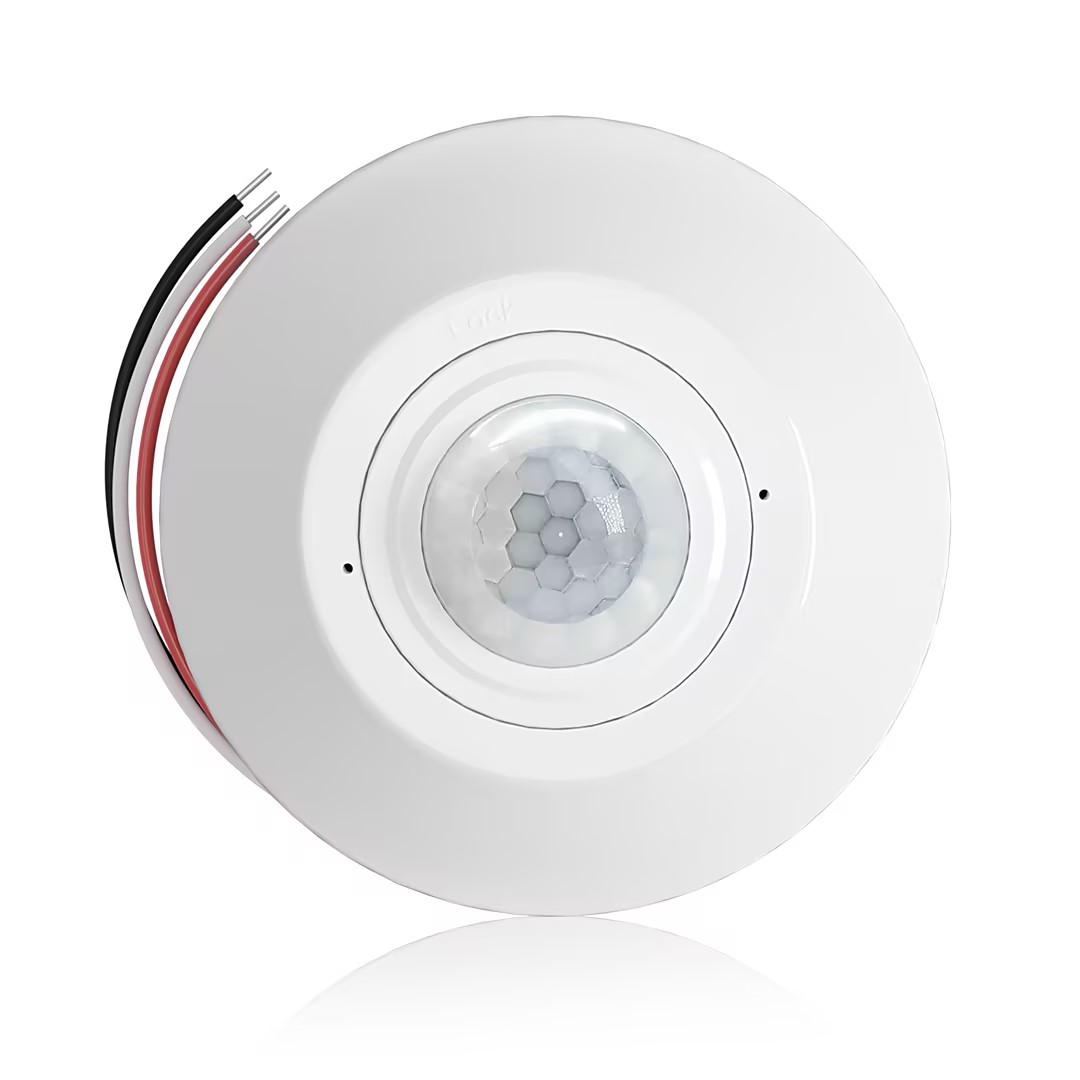
- Takmonterad PIR-närvarosensor med reläutgång för potentialfri kontakt
- 12/24VDC eller 12/24VAC lågspänningsförsörjning
- Isolerade reläkontakter (COM, NO och NC) för styringångar till EMS, VVS och fastighetsautomation
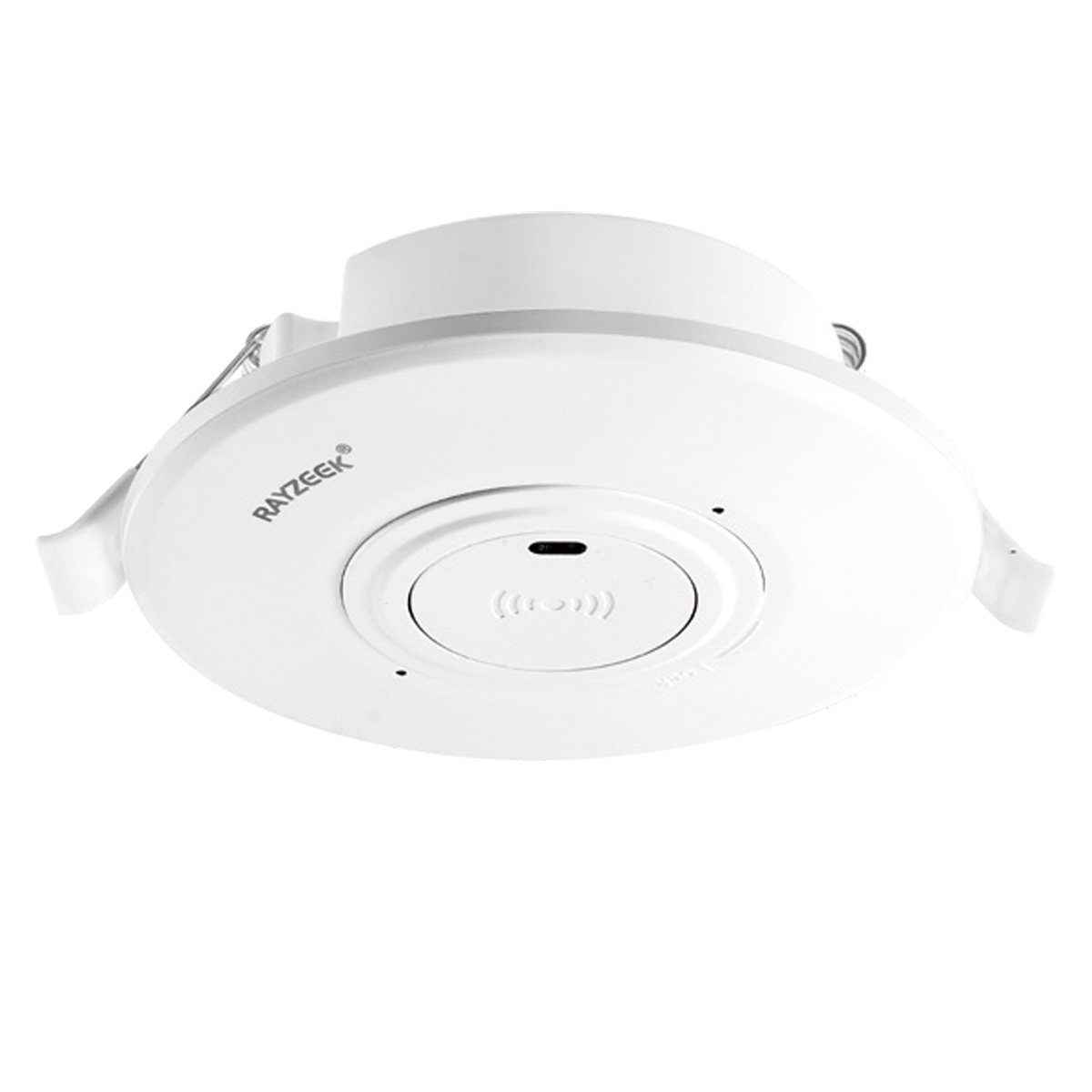
- Lågspänningsdriven (DC) infälld mikrovågsrörelsevakt för tak montering
- 12 VDC / 24 VDC-ingång med ett driftsområde på 10–30 VDC
- Maximal arbetsström på 10A med inställbar tidsfördröjning, Lux-tröskelvärde och känslighet
- Infälld mikrovågsrörelsevakt för tak avsedd för högre belastning
- 100–265 VAC nätspänningsingång, 10A-modell
- 5,8 GHz mikrovågsdetektering med inställbar tidsfördröjning, Lux-tröskelvärde och känslighet
- Infälld takmonterad mikrovågsrörelsesensorbrytare
- 100–265 VAC nätspänningsingång, 5A-modell
- 5,8 GHz mikrovågsdetektering med inställbar tidsfördröjning, Lux-tröskelvärde och känslighet
- Takmonterad RZ037 PIR-närvarosensordimmer för 220V-ström
- 3A maximal arbetsström med 660W märkeffekt
- LUX-knapp styr ljussensor PÅ/AV och användarinställd dimringsnivå
- Takmonterad RZ037 PIR-närvarosensordimmer för 110V-ström
- 3A maximal arbetsström med 330W märkeffekt
- LUX-knapp styr ljussensor PÅ/AV och användarinställd dimringsnivå
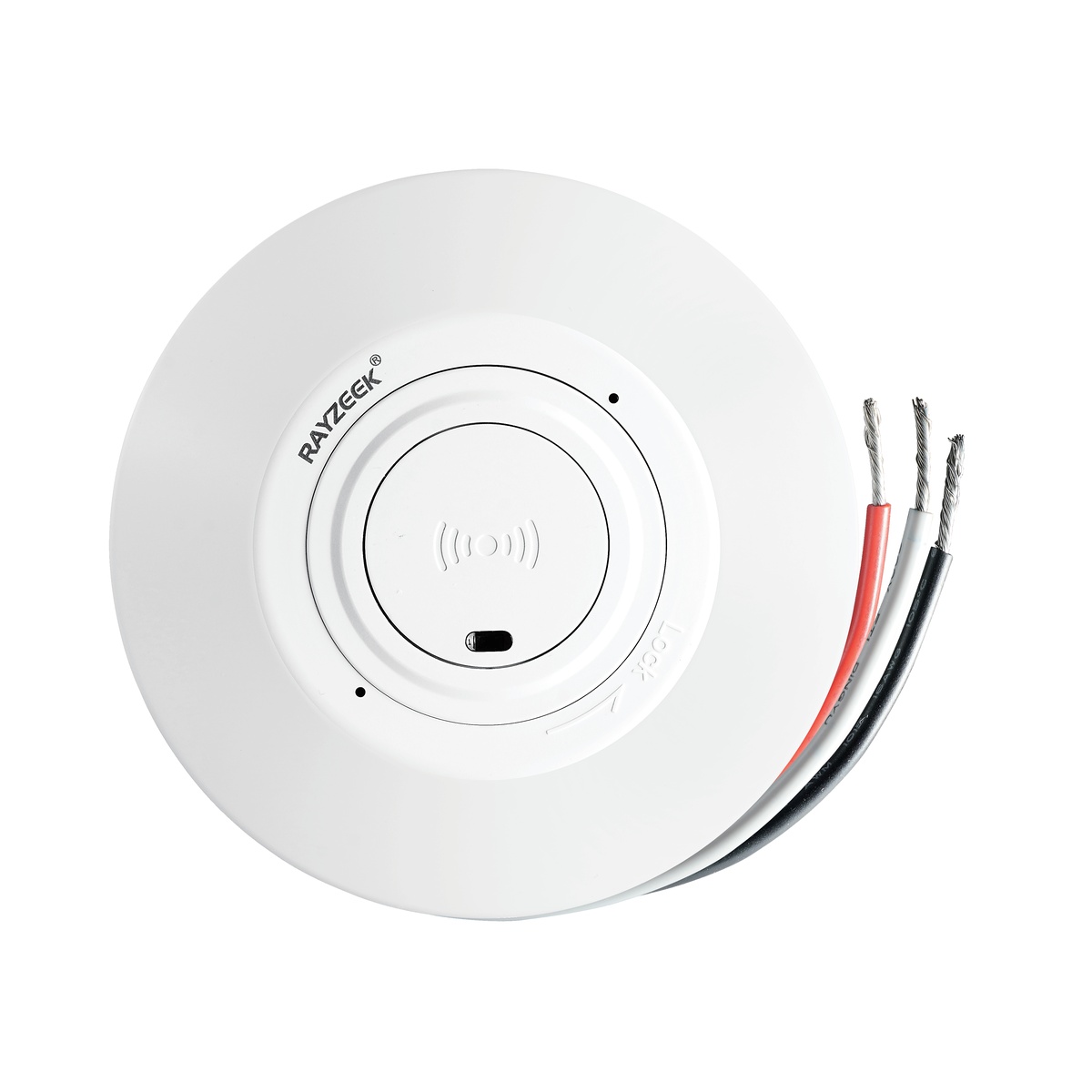
- Lågspännings-DC takmonterad mikrovågsrörelsesensorbrytare
- 12 VDC / 24 VDC-ingång med ett driftsområde på 10–30 VDC
- Maximal arbetsström på 10A med inställbar tidsfördröjning, Lux-tröskelvärde och känslighet
- Takmonterad mikrovågsrörelsesensorbrytare för högre belastning
- 100–265 VAC nätspänningsingång, 10A-modell
- 5,8 GHz mikrovågsdetektering med inställbar tidsfördröjning, Lux-tröskelvärde och känslighet
- Takmonterad mikrovågsrörelsesensorbrytare
- 100–265 VAC nätspänningsingång, 5A-modell
- 5,8 GHz mikrovågsdetektering med inställbar tidsfördröjning, Lux-tröskelvärde och känslighet
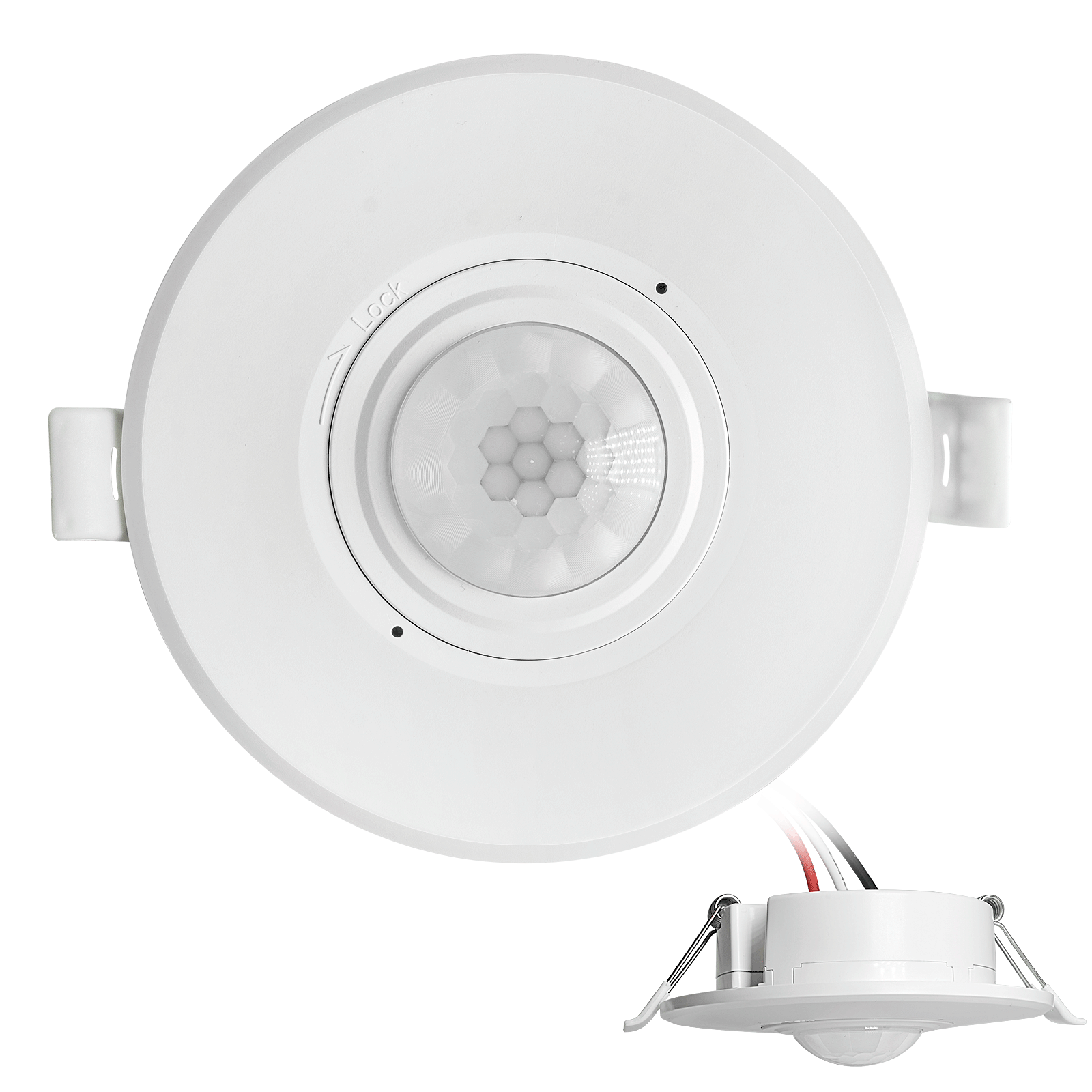
- Lågspännings-DC infälld takmonterad PIR-rörelsesensorströmbrytare
- 12 VDC / 24 VDC-ingång med ett driftsområde på 10–30 VDC
- Max arbetsström 10A med inställbar tidsfördröjning, Lux-tröskelvärde och känslighet
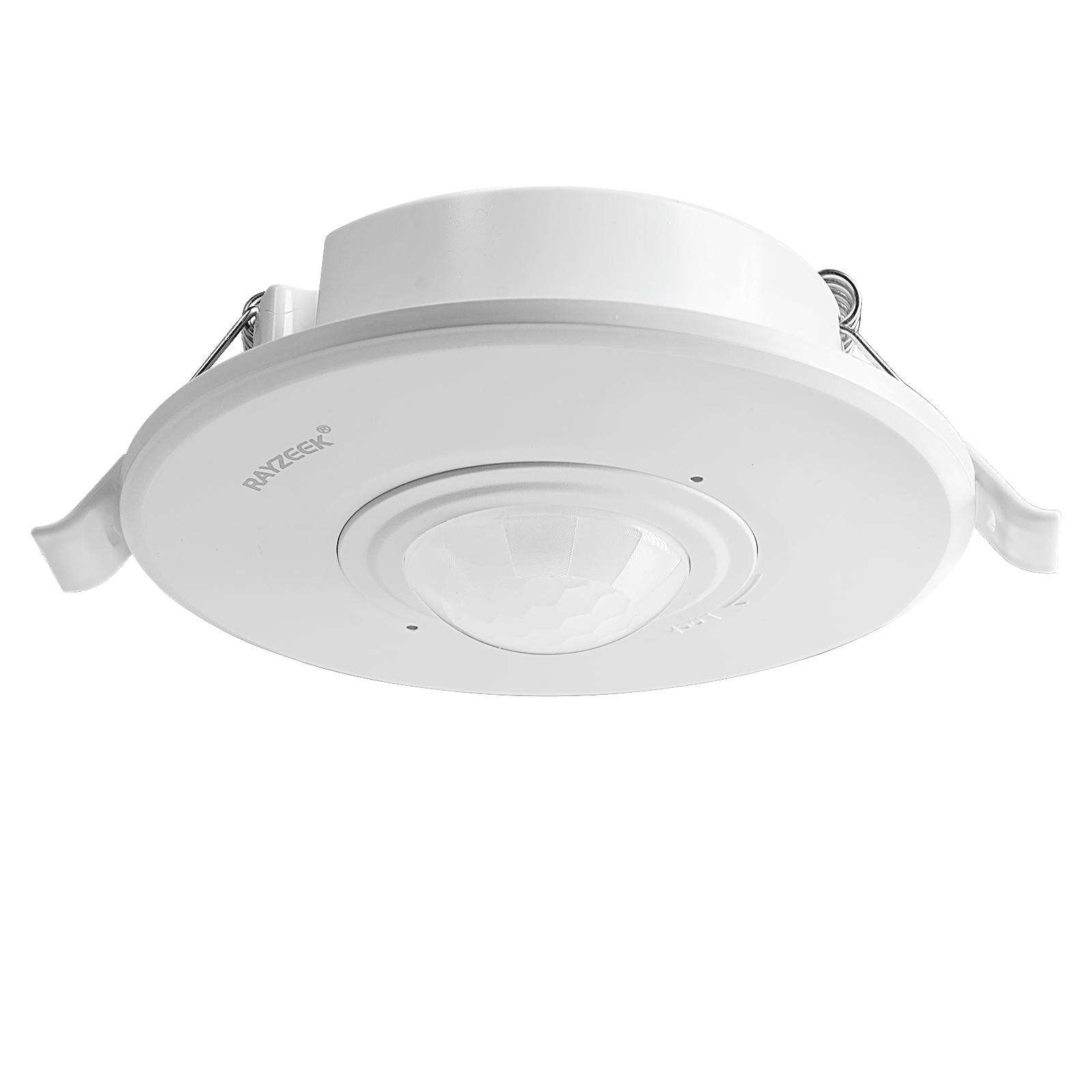
- Infälld takmonterad PIR-rörelsesensorströmbrytare för högre belastning
- 100–265 VAC nätspänningsingång, 10A-modell
- 360-graders detektering med inställbar tidsfördröjning, Lux-tröskelvärde och känslighet
- Infälld takmonterad PIR-rörelsesensorströmbrytare
- 100–265 VAC nätspänningsingång, 5A-modell
- 360-graders detektering med inställbar tidsfördröjning, Lux-tröskelvärde och känslighet
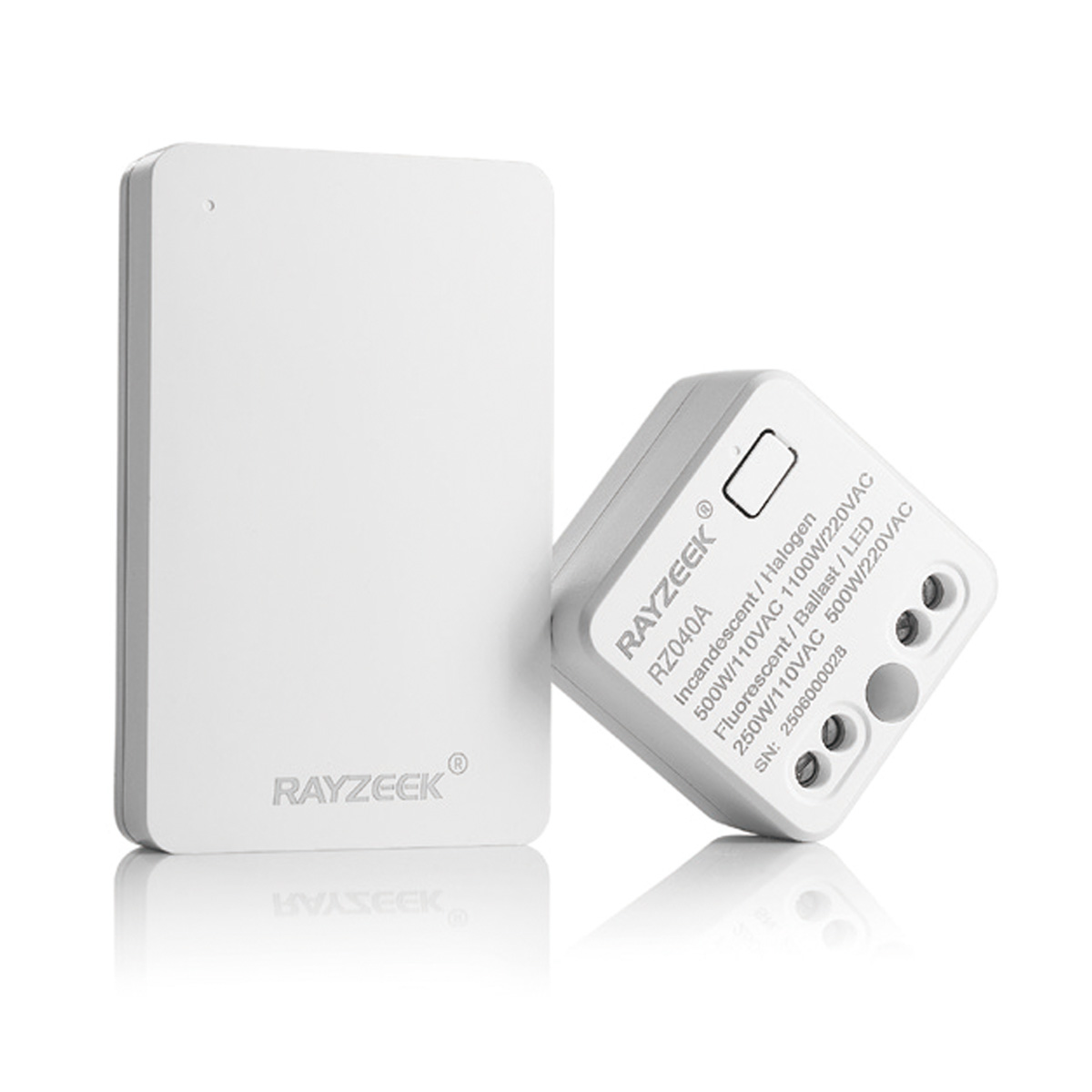
- Trådlöst strömbrytar- och mottagarkit för inomhus belysningsstyrning ON/OFF
- 100-230VAC, 50/60Hz-mottagare med 5A märkström
- CR2032-driven trådlös strömbrytare med 2,4GHz-kommunikation
- Närvaro (Auto-ON/Auto-OFF)
- 12–24V DC (10–30VDC), upp till 10A
- 360° täckning, 8–12 m diameter
- Tidsfördröjning 15 s–30 min
- Ljussensor Off/15/25/35 Lux
- Hög/Låg känslighet
- Automatisk På/Automatisk Av närvaroläge
- 100–265V AC, 10A (nolla krävs)
- 360° täckning; 8–12 m detekteringsdiameter
- Tidsfördröjning 15 s–30 min; Lux AV/15/25/35; Känslighet Hög/Låg
- Automatisk På/Automatisk Av närvaroläge
- 100–265V AC, 5A (nolla krävs)
- 360° täckning; 8–12 m detekteringsdiameter
- Tidsfördröjning 15 s–30 min; Lux AV/15/25/35; Känslighet Hög/Låg
However, this sensitivity introduces a new risk: HVAC interference. In one Chicago retrofit project, Dual-Tech sensors were installed in a row of booths directly under a heavy forced-air vent. The ultrasonic sensors detected the vibration of the air coming out of the diffuser as “motion.” The lights stayed on 24/7 for three weeks. If you go this route, you must locate the sensitivity trimpot on the back of the unit and dial it down until the “false on” triggers stop.
For those with a higher budget or a fresh build, the gold standard is currently “Microphonic” or “True Presence” technology, championed by brands like Steinel. These sensors use high-frequency radar or advanced optics to detect the micro-movements of a breathing ribcage. They do not require line-of-sight the way PIR does, and they are nearly impossible to fool. While overkill for a supply closet, they are the only way to guarantee 100% uptime during stillness in a partner’s dedicated call room.
Configuration: The Invisible Failure
Even the right hardware fails if the settings are left on factory default. The most common error is the Timeout setting.
Most commercial sensors ship with a default timeout of 15 minutes, or sometimes an aggressive “Test Mode” of 5 minutes. In a hallway, 5 minutes is fine. In a focus booth, it is a disaster. The first step in any troubleshooting ticket should be popping the faceplate off the switch to check the dial or dip switches. Max it out. If the sensor allows for 30 minutes, set it to 30.
The second configuration battle is Occupancy vs. Vacancy.
- Occupancy Mode (Auto-On/Auto-Off): You walk in, lights turn on. You leave, lights turn off.
- Vacancy Mode (Manual-On/Auto-Off): You must press the button to turn lights on. They turn off automatically.
California’s Title 24 and other energy codes often mandate Vacancy mode to prevent lights from triggering when someone just walks past an open door. However, users in a rush often assume the booth is broken if the lights don’t greet them automatically. If local code allows, Auto-On is the superior user experience for phone booths. If you are forced to use Vacancy mode, you need clear signage, or users will simply assume the power is out.
Hitta inspiration i Rayzeeks portfölj av rörelsesensorer.
Hittar du inte det du söker? Oroa dig inte. Det finns alltid alternativa sätt att lösa dina problem. Kanske kan någon av våra portföljer hjälpa till.
The Nuclear Option: Dumb Tech
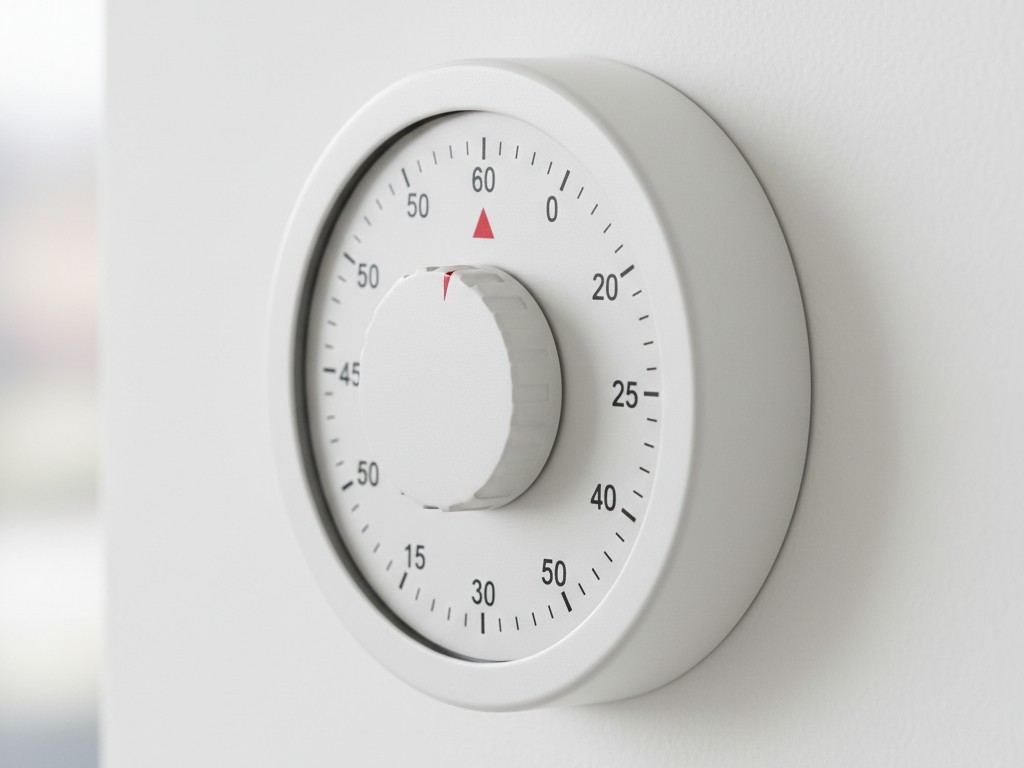
Sometimes, the smartest solution is the dumbest one.
If high-end sensors fail and the budget is tight, consider the Spring Wound Timer. These are the mechanical dials you hear ticking in hotel hot tub rooms or sauna changing areas. Brands like Intermatic have been making them for decades.
They are ugly. They make a faint ticking sound. But they offer something no smart sensor can: tactile certainty. When a user twists the dial to “60 Minutes,” they know exactly how much light they have. There is no guessing game, no waving arms, and no sudden darkness. The physical feedback of the spring winding gives the user total control. In user satisfaction surveys for a coworking space in Austin, booths with mechanical timers consistently outscored those with “smart” automation simply because they never failed unexpectedly.
The Compounding Penalties
The penalty doubles in prefabricated booths where ventilation fans are hardwired to the same load circuit as the lights. When the sensor decides the room is empty and cuts the power, it doesn’t just cut the light; it cuts the air.
The temperature in a soundproofed glass box can spike 5-10 degrees in minutes without airflow. This turns a lighting annoyance into a physical comfort issue. If the sensor is prone to false-offs, the user is punished with both darkness and stagnant air.
Finally, consider the placement of the light itself. Even if the sensor works perfectly, many booths suffer from “Ghoul Lighting”—a single high-intensity downlight positioned directly above the user’s head. On a Zoom call, this casts deep shadows into the eye sockets, making the user look exhausted or sinister. If the goal is a professional environment, the sensor needs to control a diffuse, face-level light source, not a spotlight interrogation lamp.