
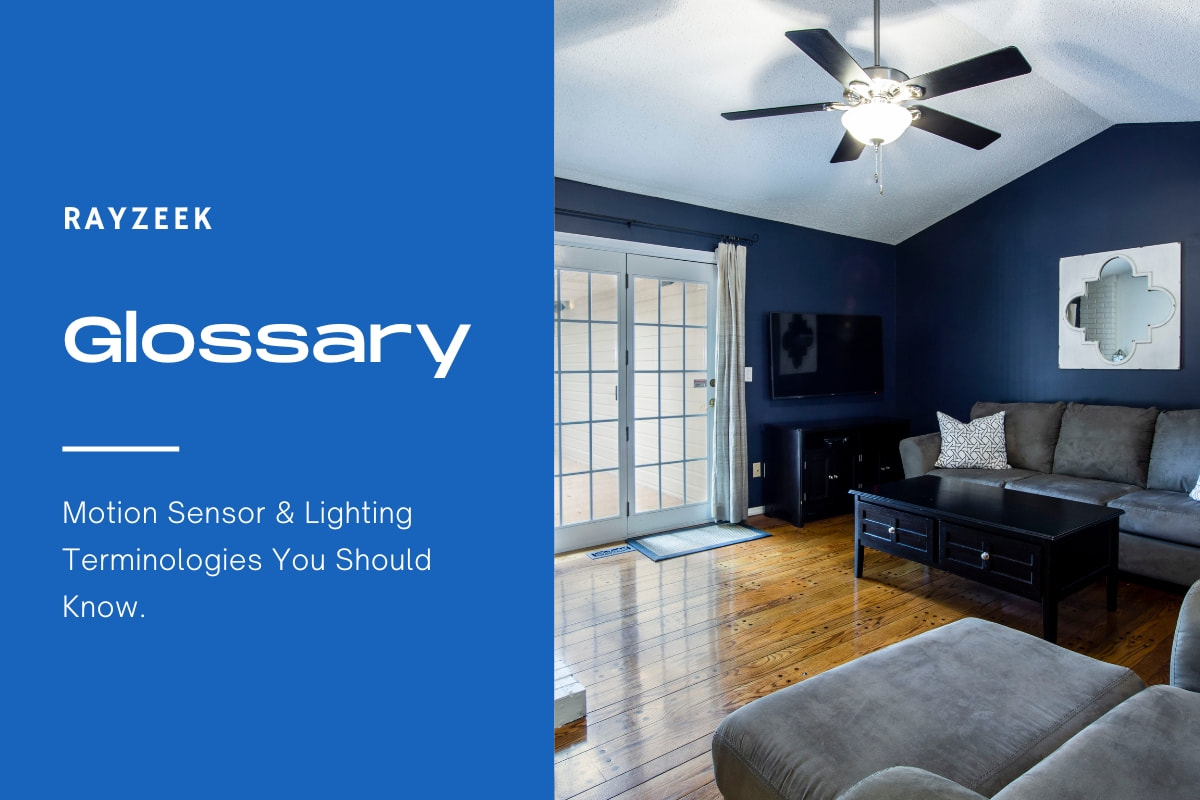
What is Recessed Light
A recessed light, also known as a can light or downlight, is a type of lighting fixture that is installed into a surface, typically a ceiling, creating a clean and seamless look. Unlike standard lighting fixtures, recessed lights are not meant to be focal points among other furnishings. They are designed to provide focused and directional light straight downward.
Szukasz energooszczędnych rozwiązań aktywowanych ruchem?
Skontaktuj się z nami, aby otrzymać kompletne czujniki ruchu PIR, energooszczędne produkty aktywowane ruchem, przełączniki z czujnikiem ruchu oraz komercyjne rozwiązania do kontroli obecności/nieobecności.
Recessed lights are commonly used in various indoor spaces, including residential, commercial, and industrial settings. They are often chosen for rooms with low ceilings, as they eliminate the need for bulky lighting fixtures that could potentially scrape the top of a tall person’s head. Additionally, recessed lights are suitable for very large rooms, where multiple standard lighting fixtures would need to be spread out across the ceiling.
A recessed light typically consists of four main parts: the housing, the trim, the reflector, and the socket. The housing is the can-shaped part of the fixture that is installed into the ceiling, housing the electrical components such as wiring and the socket. The trim is the visible flange that covers the gaps between the housing and the ceiling, providing a clean and finished look. The reflector, located inside the housing, helps to maximize the efficiency and effectiveness of the light output by reflecting and directing the light downward. The socket is where the light bulb is screwed into, and it can be integrated into the housing or removable for easier bulb replacement.
Może Cię również zainteresować

- Sufitowy czujnik obecności PIR z wyjściem przekaźnikowym bezpotencjałowym
- Niskonapięciowe zasilanie 12/24VDC lub 12/24VAC
- Izolowane styki przekaźnika COM, NO i NC dla wejść systemów EMS, HVAC i sterowania budynkiem

- Niskonapięciowy podtynkowy sufitowy mikrofalowy czujnik ruchu DC
- Wejście 12 VDC / 24 VDC z zakresem 10-30 VDC
- Maksymalny prąd roboczy 10A z regulowanym opóźnieniem czasowym, progiem Lux i czułością
- Podtynkowy sufitowy mikrofalowy czujnik ruchu do wyższych obciążeń
- Wejście napięcia sieciowego 100-265 VAC, model 10A
- Detekcja mikrofalowa 5.8 GHz z regulowanym opóźnieniem czasowym, progiem Lux i czułością
- Podtynkowy sufitowy mikrofalowy czujnik ruchu
- Wejście napięcia sieciowego 100-265 VAC, model 5A
- Detekcja mikrofalowa 5.8 GHz z regulowanym opóźnieniem czasowym, progiem Lux i czułością
- Sufitowy ściemniacz z czujnikiem obecności PIR RZ037 na napięcie 220V
- Maksymalny prąd roboczy 3A przy obciążeniu znamionowym 660W
- Przycisk LUX kontroluje WŁ./WYŁ. czujnika światła oraz ustawianą przez użytkownika jasność ściemniania
- Sufitowy ściemniacz z czujnikiem obecności PIR RZ037 na napięcie 110V
- Maksymalny prąd roboczy 3A przy obciążeniu znamionowym 330W
- Przycisk LUX kontroluje WŁ./WYŁ. czujnika światła oraz ustawianą przez użytkownika jasność ściemniania

- Niskonapięciowy sufitowy mikrofalowy czujnik ruchu DC
- Wejście 12 VDC / 24 VDC z zakresem 10-30 VDC
- Maksymalny prąd roboczy 10A z regulowanym opóźnieniem czasowym, progiem Lux i czułością
- Sufitowy mikrofalowy czujnik ruchu do wyższych obciążeń
- Wejście napięcia sieciowego 100-265 VAC, model 10A
- Detekcja mikrofalowa 5.8 GHz z regulowanym opóźnieniem czasowym, progiem Lux i czułością
- Sufitowy mikrofalowy czujnik ruchu
- Wejście napięcia sieciowego 100-265 VAC, model 5A
- Detekcja mikrofalowa 5.8 GHz z regulowanym opóźnieniem czasowym, progiem Lux i czułością

- Niskonapięciowy podtynkowy sufitowy czujnik ruchu PIR DC
- Wejście 12 VDC / 24 VDC z zakresem 10-30 VDC
- Maksymalny prąd roboczy 10A z regulowanym opóźnieniem czasowym, progiem luksów i czułością

- Podtynkowy sufitowy czujnik ruchu PIR do wyższych obciążeń
- Wejście napięcia sieciowego 100-265 VAC, model 10A
- Detekcja 360 stopni z regulowanym opóźnieniem czasowym, progiem luksów i czułością
- Podtynkowy sufitowy czujnik ruchu PIR
- Wejście napięcia sieciowego 100-265 VAC, model 5A
- Detekcja 360 stopni z regulowanym opóźnieniem czasowym, progiem luksów i czułością

- Zestaw bezprzewodowego włącznika i odbiornika do wewnętrznego sterowania oświetleniem WŁ/WYŁ
- Odbiornik 100-230VAC, 50/60Hz o prądzie znamionowym 5A
- Włącznik bezprzewodowy zasilany baterią CR2032 z komunikacją 2.4GHz
- Obecność (Auto-WŁ/Auto-WYŁ)
- 12–24V DC (10–30VDC), do 10A
- Zasięg 360°, średnica 8–12 m
- Opóźnienie czasowe 15 s–30 min
- Czujnik światła Wył/15/25/35 Lux
- Czułość Wysoka/Niska
- Tryb obecności Auto-WŁ/Auto-WYŁ
- 100–265V AC, 10A (wymagany przewód neutralny)
- Zasięg 360°; średnica detekcji 8–12 m
- Opóźnienie czasowe 15 s–30 min; Lux WYŁ/15/25/35; Czułość Wysoka/Niska
- Tryb obecności Auto-WŁ/Auto-WYŁ
- 100–265V AC, 5A (wymagany przewód neutralny)
- Zasięg 360°; średnica detekcji 8–12 m
- Opóźnienie czasowe 15 s–30 min; Lux WYŁ/15/25/35; Czułość Wysoka/Niska
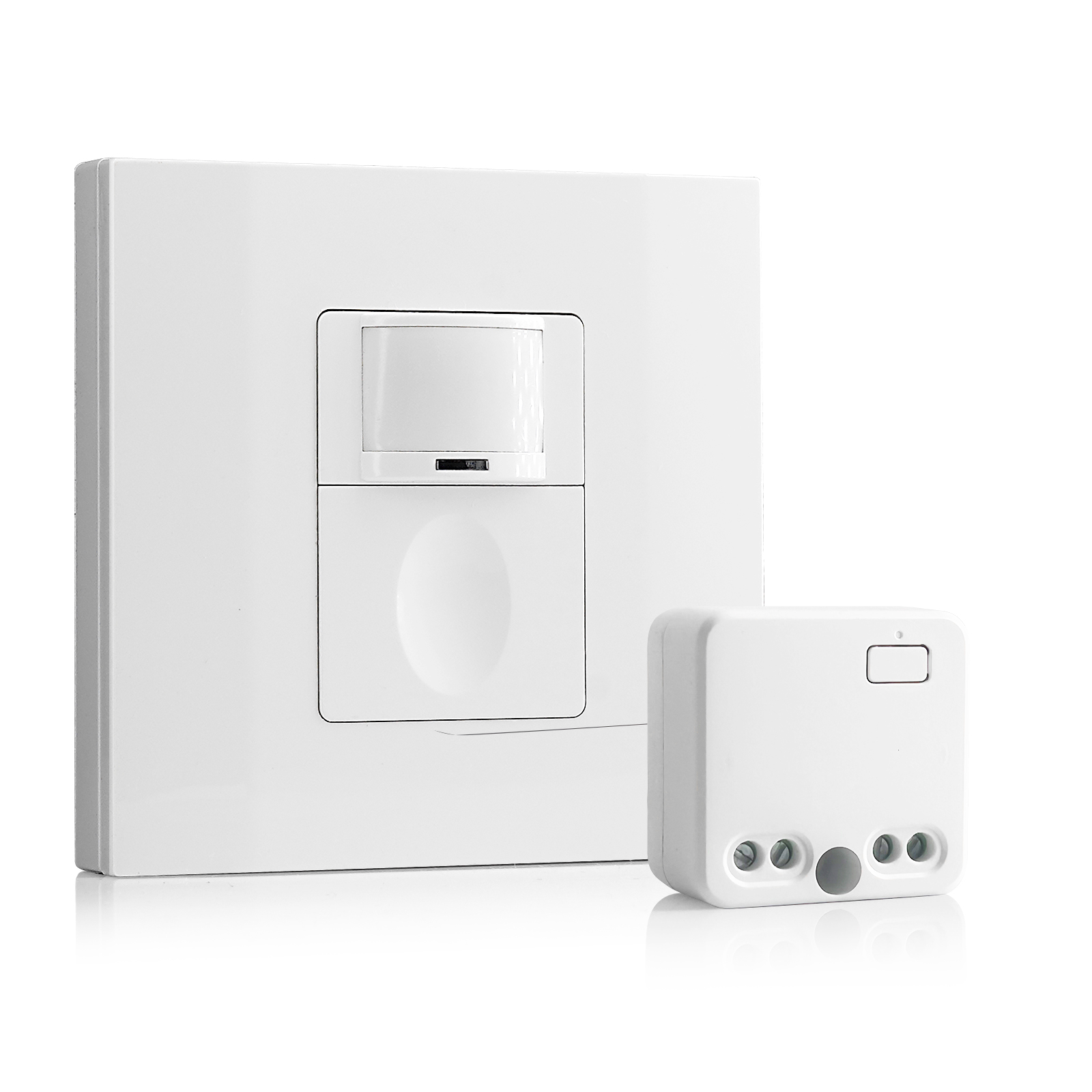
- 100V-230VAC
- Zasięg transmisji: do 20m
- Bezprzewodowy czujnik ruchu
- Sterowanie przewodowe
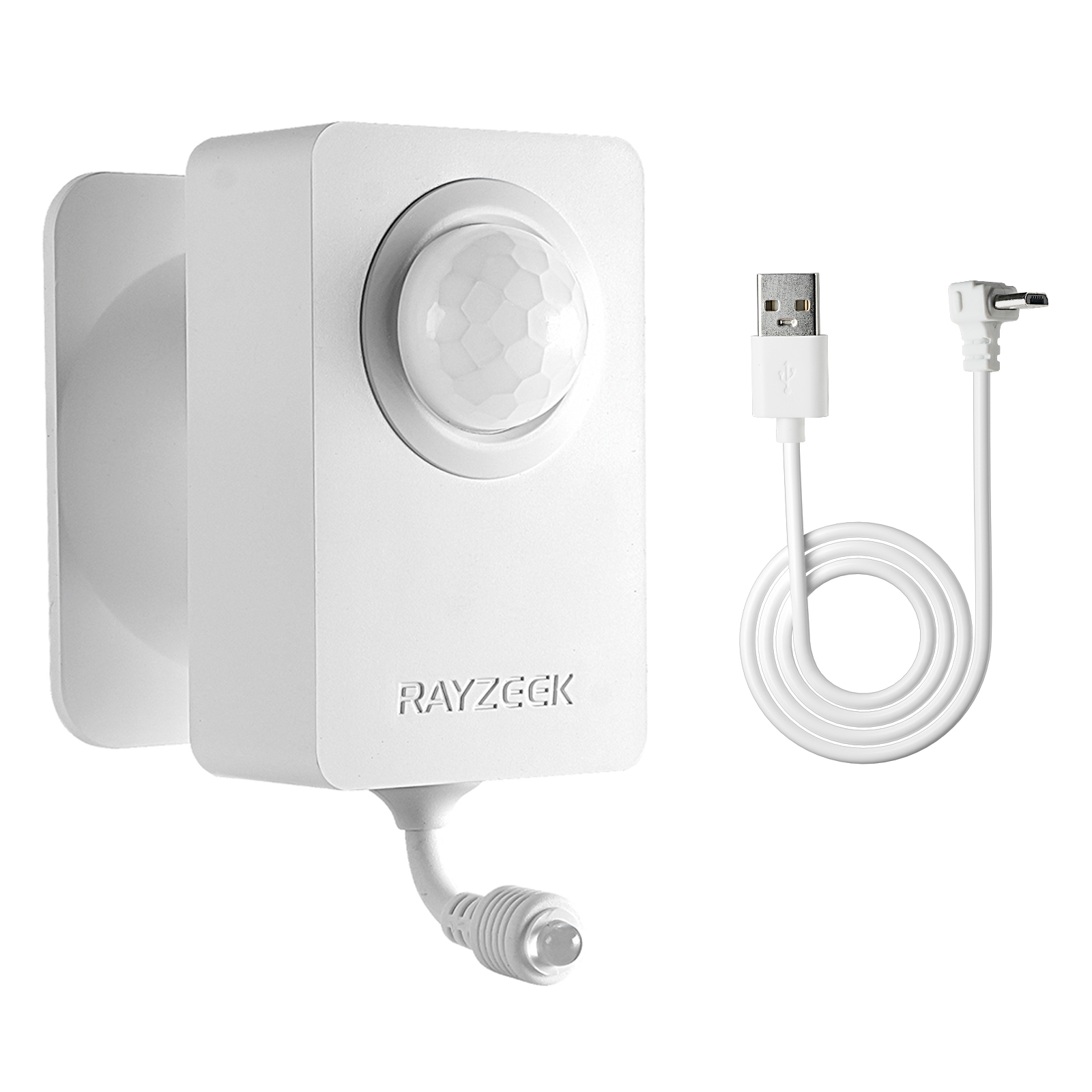
- Napięcie: 2x baterie AAA / 5V DC (Micro USB)
- Tryb dzień/noc
- Opóźnienie czasowe: 15min, 30min, 1h (domyślne), 2h
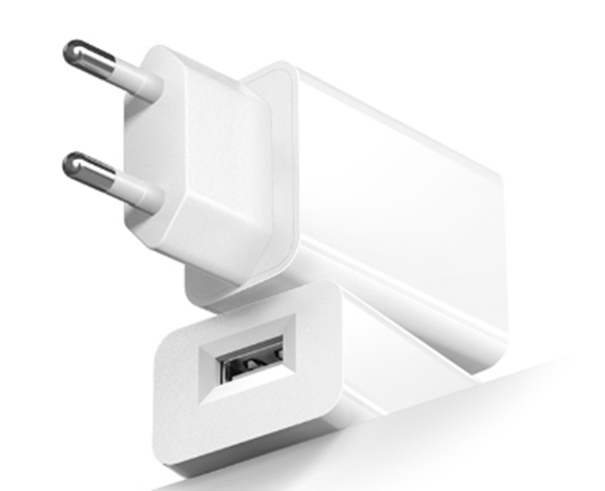
- Zasilacz sieciowy z wtyczką EU
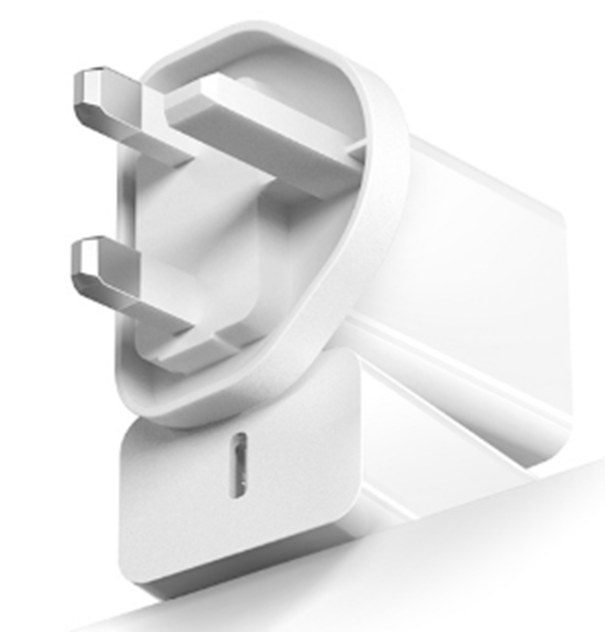
- Zasilacz sieciowy z wtyczką UK
Recessed lighting has become an integral part of modern construction, offering a sleek and unobtrusive lighting solution. It is commonly used to provide general illumination or accent lighting in various indoor spaces. With their ability to create a clean and seamless look, recessed lights are a popular choice for achieving a minimalist and contemporary design aesthetic.
Frequently Asked Questions
Should Bedrooms Have Recessed Lighting
Recessed lighting is an excellent option for illuminating your bedroom with ambient or general lighting, creating a bright and airy atmosphere. Additionally, you can position them strategically to highlight specific areas or features of your bedroom.
Should You Put Recessed Lights Over TV
Repositioning the lighting fixtures to install recessed lights above the TV or placing ambient lighting behind the screen can enhance the overall brightness of the room without causing any glare on the screen. To achieve the same effect, you can either opt for specialized bias light fixtures designed for home entertainment areas or make use of your existing home lighting.
What Is the Disadvantage of Recessed Lights
Although recessed lights are highly functional, their installation can be quite challenging. Installing recessed lighting involves cutting holes in the ceiling and, depending on the chosen light fixture, removing insulation to prevent the risk of fire.
Does Recessed Lights Increase Home Value
Modern LED recessed lights are not only space-saving and energy-efficient, but they also enhance the appearance of your rooms. Most potential buyers will appreciate these lights, which could potentially increase the value of your home.
Can You Have Too Much Recessed Lighting
It is a common misconception that installing recessed lights can solve all lighting issues. However, excessive use of recessed lighting can actually result in dark areas in the room and potentially increase your electricity expenses.
What Is the Difference Between Ceiling Light and Recessed Light
Recessed lights are lights that are installed into the ceiling, usually with a metal housing that may or may not be visible. On the other hand, ceiling lights are mounted onto the ceiling and hang down in various ways.
What Is Better Than Recessed Lighting
However, there are other options available that can enhance the aesthetic appeal of your home just as effectively as recessed lighting. Some of these alternatives include contemporary semi-flush ceiling lights, as well as stylish options like disc lights, pendant lights, tube lights, and track lights.







