
What is Recessed Light
A recessed light, also known as a can light or downlight, is a type of lighting fixture that is installed into a surface, typically a ceiling, creating a clean and seamless look. Unlike standard lighting fixtures, recessed lights are not meant to be focal points among other furnishings. They are designed to provide focused and directional light straight downward.
Cerchi soluzioni per il risparmio energetico attivate dal movimento?
Contattaci per sensori di movimento PIR completi, prodotti per il risparmio energetico attivati dal movimento, interruttori con sensore di movimento e soluzioni commerciali di presenza/assenza.
Recessed lights are commonly used in various indoor spaces, including residential, commercial, and industrial settings. They are often chosen for rooms with low ceilings, as they eliminate the need for bulky lighting fixtures that could potentially scrape the top of a tall person’s head. Additionally, recessed lights are suitable for very large rooms, where multiple standard lighting fixtures would need to be spread out across the ceiling.
A recessed light typically consists of four main parts: the housing, the trim, the reflector, and the socket. The housing is the can-shaped part of the fixture that is installed into the ceiling, housing the electrical components such as wiring and the socket. The trim is the visible flange that covers the gaps between the housing and the ceiling, providing a clean and finished look. The reflector, located inside the housing, helps to maximize the efficiency and effectiveness of the light output by reflecting and directing the light downward. The socket is where the light bulb is screwed into, and it can be integrated into the housing or removable for easier bulb replacement.
Forse ti interessa anche

- Sensore di presenza PIR da soffitto con uscita a relè con contatto pulito
- Alimentazione a bassa tensione 12/24VDC o 12/24VAC
- Contatti relè isolati COM, NO e NC per ingressi EMS, HVAC e controllo dell'edificio

- Interruttore con sensore di movimento a microonde da soffitto a incasso a bassa tensione DC
- Ingresso 12 VDC / 24 VDC con intervallo 10-30 VDC
- Corrente massima di lavoro 10A con ritardo temporale, soglia Lux e sensibilità regolabili
- Interruttore con sensore di movimento a microonde da soffitto a incasso per carichi più elevati
- Ingresso tensione di rete 100-265 VAC, modello da 10A
- Rilevamento a microonde a 5.8 GHz con ritardo temporale, soglia Lux e sensibilità regolabili
- Interruttore con sensore di movimento a microonde da soffitto a incasso
- Ingresso tensione di rete 100-265 VAC, modello da 5A
- Rilevamento a microonde a 5.8 GHz con ritardo temporale, soglia Lux e sensibilità regolabili
- Dimmer con sensore di presenza PIR da soffitto RZ037 per alimentazione a 220V
- Corrente massima di lavoro 3A con carico nominale di 660W
- Il pulsante LUX controlla l'accensione/spegnimento del sensore di luce e la luminosità di regolazione impostata dall'utente
- Dimmer con sensore di presenza PIR da soffitto RZ037 per alimentazione a 110V
- Corrente massima di lavoro 3A con carico nominale di 330W
- Il pulsante LUX controlla l'accensione/spegnimento del sensore di luce e la luminosità di regolazione impostata dall'utente

- Interruttore con sensore di movimento a microonde da soffitto a bassa tensione DC
- Ingresso 12 VDC / 24 VDC con intervallo 10-30 VDC
- Corrente massima di lavoro 10A con ritardo temporale, soglia Lux e sensibilità regolabili
- Interruttore con sensore di movimento a microonde da soffitto per carichi più elevati
- Ingresso tensione di rete 100-265 VAC, modello da 10A
- Rilevamento a microonde a 5.8 GHz con ritardo temporale, soglia Lux e sensibilità regolabili
- Interruttore con sensore di movimento a microonde da soffitto
- Ingresso tensione di rete 100-265 VAC, modello da 5A
- Rilevamento a microonde a 5.8 GHz con ritardo temporale, soglia Lux e sensibilità regolabili

- Interruttore con sensore di movimento PIR da soffitto a incasso a bassa tensione DC
- Ingresso 12 VDC / 24 VDC con intervallo 10-30 VDC
- Corrente massima di lavoro 10A con ritardo temporale, soglia Lux e sensibilità regolabili

- Interruttore con sensore di movimento PIR da soffitto a incasso per carichi più elevati
- Ingresso tensione di rete 100-265 VAC, modello da 10A
- Rilevamento a 360 gradi con ritardo, soglia Lux e sensibilità regolabili
- Interruttore con sensore di movimento PIR da soffitto a incasso
- Ingresso tensione di rete 100-265 VAC, modello da 5A
- Rilevamento a 360 gradi con ritardo, soglia Lux e sensibilità regolabili

- Kit interruttore e ricevitore wireless per il controllo dell'illuminazione ON/OFF per interni
- Ricevitore 100-230VAC, 50/60Hz con corrente nominale di 5A
- Interruttore wireless alimentato da CR2032 con comunicazione a 2.4GHz
- Presenza (Auto-ON/Auto-OFF)
- 12–24V DC (10–30VDC), fino a 10A
- Copertura a 360°, diametro 8–12 m
- Ritardo da 15 s a 30 min
- Sensore di luce Off/15/25/35 Lux
- Sensibilità Alta/Bassa
- Modalità presenza Auto-ON/Auto-OFF
- 100–265V AC, 10A (neutro richiesto)
- Copertura a 360°; diametro di rilevamento 8–12 m
- Ritardo 15 s–30 min; Lux OFF/15/25/35; Sensibilità Alta/Bassa
- Modalità presenza Auto-ON/Auto-OFF
- 100–265V AC, 5A (neutro richiesto)
- Copertura a 360°; diametro di rilevamento 8–12 m
- Ritardo 15 s–30 min; Lux OFF/15/25/35; Sensibilità Alta/Bassa
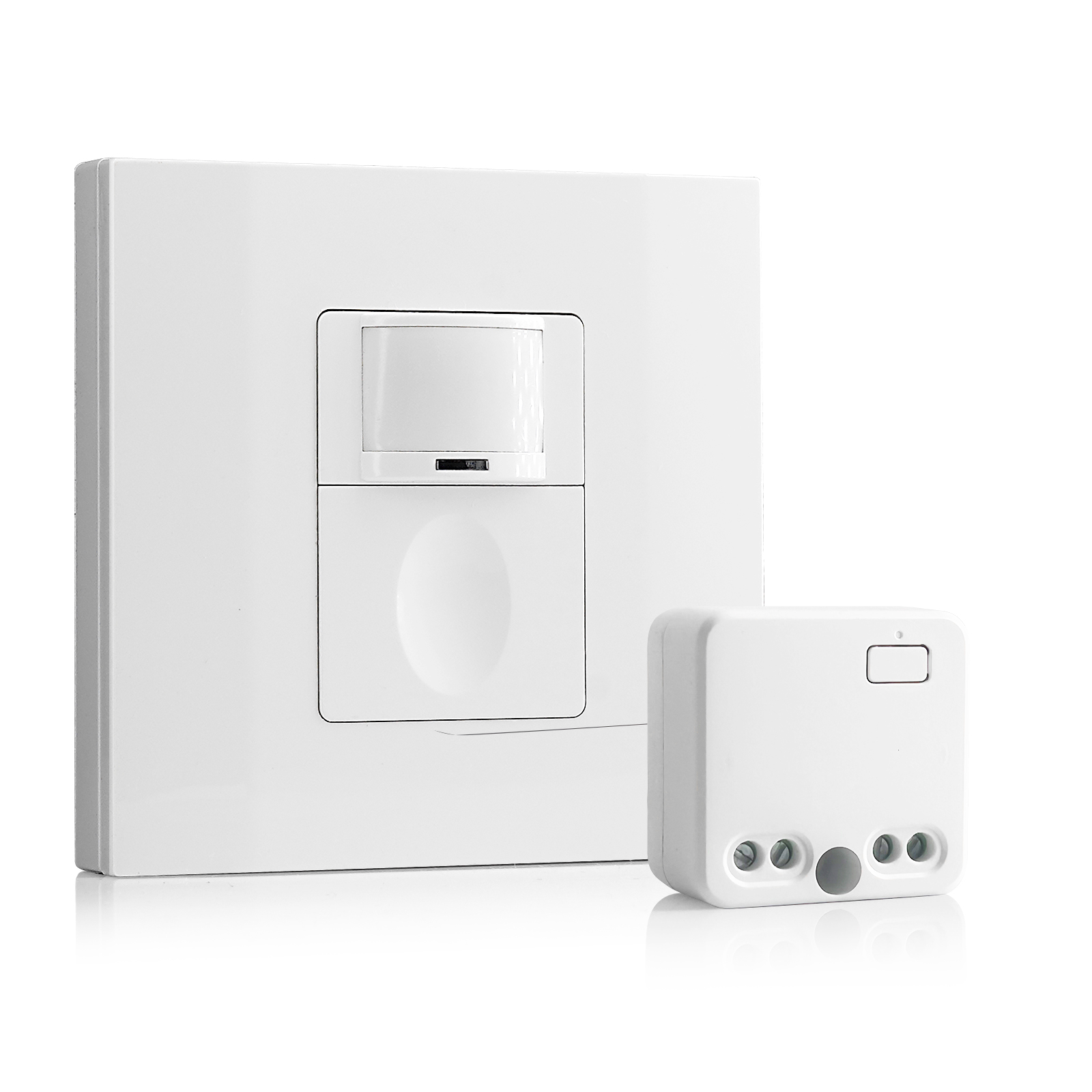
- 100V-230VAC
- Distanza di trasmissione: fino a 20m
- Sensore di movimento wireless
- Controllo cablato
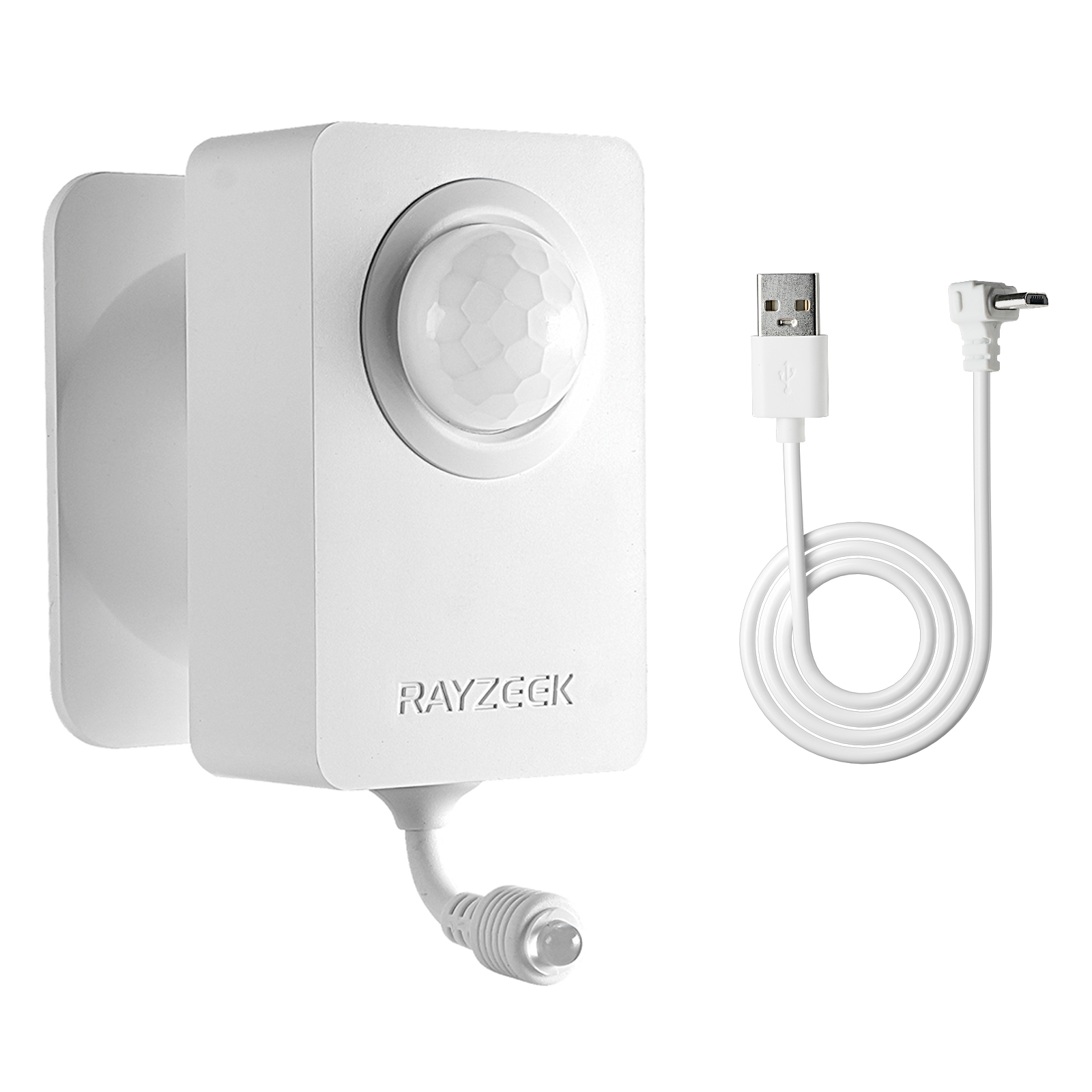
- Tensione: 2 batterie AAA / 5 V CC (Micro USB)
- Modalità Giorno/Notte
- Ritardo di spegnimento: 15 min, 30 min, 1 h (predefinito), 2 h
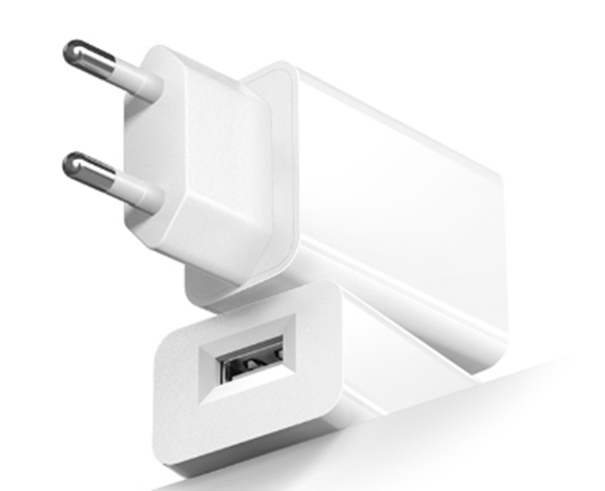
- Adattatore di alimentazione con spina UE
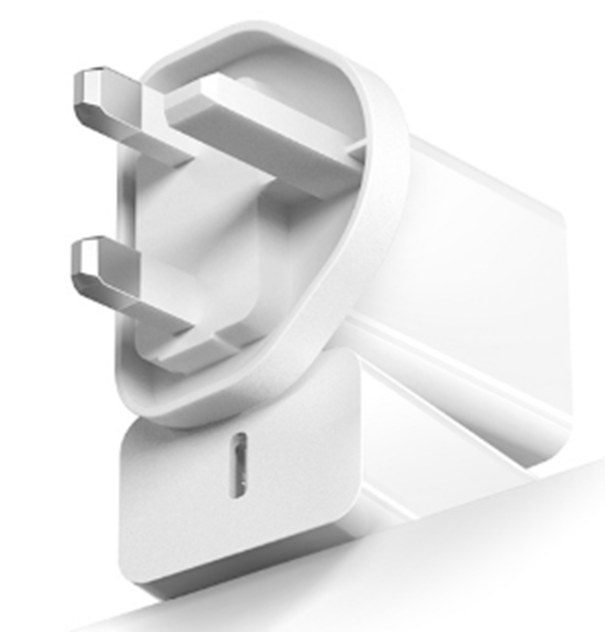
- Adattatore di alimentazione con spina per Regno Unito
Recessed lighting has become an integral part of modern construction, offering a sleek and unobtrusive lighting solution. It is commonly used to provide general illumination or accent lighting in various indoor spaces. With their ability to create a clean and seamless look, recessed lights are a popular choice for achieving a minimalist and contemporary design aesthetic.
Frequently Asked Questions
Should Bedrooms Have Recessed Lighting
Recessed lighting is an excellent option for illuminating your bedroom with ambient or general lighting, creating a bright and airy atmosphere. Additionally, you can position them strategically to highlight specific areas or features of your bedroom.
Should You Put Recessed Lights Over TV
Repositioning the lighting fixtures to install recessed lights above the TV or placing ambient lighting behind the screen can enhance the overall brightness of the room without causing any glare on the screen. To achieve the same effect, you can either opt for specialized bias light fixtures designed for home entertainment areas or make use of your existing home lighting.
What Is the Disadvantage of Recessed Lights
Although recessed lights are highly functional, their installation can be quite challenging. Installing recessed lighting involves cutting holes in the ceiling and, depending on the chosen light fixture, removing insulation to prevent the risk of fire.
Does Recessed Lights Increase Home Value
Modern LED recessed lights are not only space-saving and energy-efficient, but they also enhance the appearance of your rooms. Most potential buyers will appreciate these lights, which could potentially increase the value of your home.
Can You Have Too Much Recessed Lighting
It is a common misconception that installing recessed lights can solve all lighting issues. However, excessive use of recessed lighting can actually result in dark areas in the room and potentially increase your electricity expenses.
What Is the Difference Between Ceiling Light and Recessed Light
Recessed lights are lights that are installed into the ceiling, usually with a metal housing that may or may not be visible. On the other hand, ceiling lights are mounted onto the ceiling and hang down in various ways.
What Is Better Than Recessed Lighting
However, there are other options available that can enhance the aesthetic appeal of your home just as effectively as recessed lighting. Some of these alternatives include contemporary semi-flush ceiling lights, as well as stylish options like disc lights, pendant lights, tube lights, and track lights.







