

What is Discharge Bulb
A discharge bulb, also known as an electric discharge lamp or gas-discharge lamp, is a type of lighting device used in high-intensity discharge (HID) lighting systems. It consists of a transparent container that houses a gas or vapor, which is energized by applying an electric voltage. This voltage causes the gas or vapor to become ionized, resulting in the emission of light.
Szukasz energooszczędnych rozwiązań aktywowanych ruchem?
Skontaktuj się z nami, aby otrzymać kompletne czujniki ruchu PIR, energooszczędne produkty aktywowane ruchem, przełączniki z czujnikiem ruchu oraz komercyjne rozwiązania do kontroli obecności/nieobecności.
Discharge bulbs operate by passing an electric current through the gas or vapor, causing it to glow and produce light. The specific gas or vapor used in the discharge bulb determines the color of the emitted light. For example, neon gas produces an orange-red light, while sodium vapor emits an orange-yellow light. Mercury vapor lamps produce a bluish light.
These bulbs are characterized by their high power and brightness, making them suitable for illuminating large indoor and outdoor areas. They are commonly used in applications such as stadiums, arenas, warehouses, parking lots, and shops, where high-intensity lighting is required. Examples of discharge bulbs include mercury vapor lamps, high-pressure sodium vapor lamps, and metal halide lamps. These lamps utilize the discharge of pressurized gases within the bulb to generate light. The gas or vapor is contained within an arc tube, which is located inside the bulb.
Może Cię również zainteresować

- Sufitowy czujnik obecności PIR z wyjściem przekaźnikowym bezpotencjałowym
- Niskonapięciowe zasilanie 12/24VDC lub 12/24VAC
- Izolowane styki przekaźnika COM, NO i NC dla wejść systemów EMS, HVAC i sterowania budynkiem

- Niskonapięciowy podtynkowy sufitowy mikrofalowy czujnik ruchu DC
- Wejście 12 VDC / 24 VDC z zakresem 10-30 VDC
- Maksymalny prąd roboczy 10A z regulowanym opóźnieniem czasowym, progiem Lux i czułością
- Podtynkowy sufitowy mikrofalowy czujnik ruchu do wyższych obciążeń
- Wejście napięcia sieciowego 100-265 VAC, model 10A
- Detekcja mikrofalowa 5.8 GHz z regulowanym opóźnieniem czasowym, progiem Lux i czułością
- Podtynkowy sufitowy mikrofalowy czujnik ruchu
- Wejście napięcia sieciowego 100-265 VAC, model 5A
- Detekcja mikrofalowa 5.8 GHz z regulowanym opóźnieniem czasowym, progiem Lux i czułością
- Sufitowy ściemniacz z czujnikiem obecności PIR RZ037 na napięcie 220V
- Maksymalny prąd roboczy 3A przy obciążeniu znamionowym 660W
- Przycisk LUX kontroluje WŁ./WYŁ. czujnika światła oraz ustawianą przez użytkownika jasność ściemniania
- Sufitowy ściemniacz z czujnikiem obecności PIR RZ037 na napięcie 110V
- Maksymalny prąd roboczy 3A przy obciążeniu znamionowym 330W
- Przycisk LUX kontroluje WŁ./WYŁ. czujnika światła oraz ustawianą przez użytkownika jasność ściemniania

- Niskonapięciowy sufitowy mikrofalowy czujnik ruchu DC
- Wejście 12 VDC / 24 VDC z zakresem 10-30 VDC
- Maksymalny prąd roboczy 10A z regulowanym opóźnieniem czasowym, progiem Lux i czułością
- Sufitowy mikrofalowy czujnik ruchu do wyższych obciążeń
- Wejście napięcia sieciowego 100-265 VAC, model 10A
- Detekcja mikrofalowa 5.8 GHz z regulowanym opóźnieniem czasowym, progiem Lux i czułością
- Sufitowy mikrofalowy czujnik ruchu
- Wejście napięcia sieciowego 100-265 VAC, model 5A
- Detekcja mikrofalowa 5.8 GHz z regulowanym opóźnieniem czasowym, progiem Lux i czułością

- Niskonapięciowy podtynkowy sufitowy czujnik ruchu PIR DC
- Wejście 12 VDC / 24 VDC z zakresem 10-30 VDC
- Maksymalny prąd roboczy 10A z regulowanym opóźnieniem czasowym, progiem luksów i czułością

- Podtynkowy sufitowy czujnik ruchu PIR do wyższych obciążeń
- Wejście napięcia sieciowego 100-265 VAC, model 10A
- Detekcja 360 stopni z regulowanym opóźnieniem czasowym, progiem luksów i czułością
- Podtynkowy sufitowy czujnik ruchu PIR
- Wejście napięcia sieciowego 100-265 VAC, model 5A
- Detekcja 360 stopni z regulowanym opóźnieniem czasowym, progiem luksów i czułością

- Zestaw bezprzewodowego włącznika i odbiornika do wewnętrznego sterowania oświetleniem WŁ/WYŁ
- Odbiornik 100-230VAC, 50/60Hz o prądzie znamionowym 5A
- Włącznik bezprzewodowy zasilany baterią CR2032 z komunikacją 2.4GHz
- Obecność (Auto-WŁ/Auto-WYŁ)
- 12–24V DC (10–30VDC), do 10A
- Zasięg 360°, średnica 8–12 m
- Opóźnienie czasowe 15 s–30 min
- Czujnik światła Wył/15/25/35 Lux
- Czułość Wysoka/Niska
- Tryb obecności Auto-WŁ/Auto-WYŁ
- 100–265V AC, 10A (wymagany przewód neutralny)
- Zasięg 360°; średnica detekcji 8–12 m
- Opóźnienie czasowe 15 s–30 min; Lux WYŁ/15/25/35; Czułość Wysoka/Niska
- Tryb obecności Auto-WŁ/Auto-WYŁ
- 100–265V AC, 5A (wymagany przewód neutralny)
- Zasięg 360°; średnica detekcji 8–12 m
- Opóźnienie czasowe 15 s–30 min; Lux WYŁ/15/25/35; Czułość Wysoka/Niska
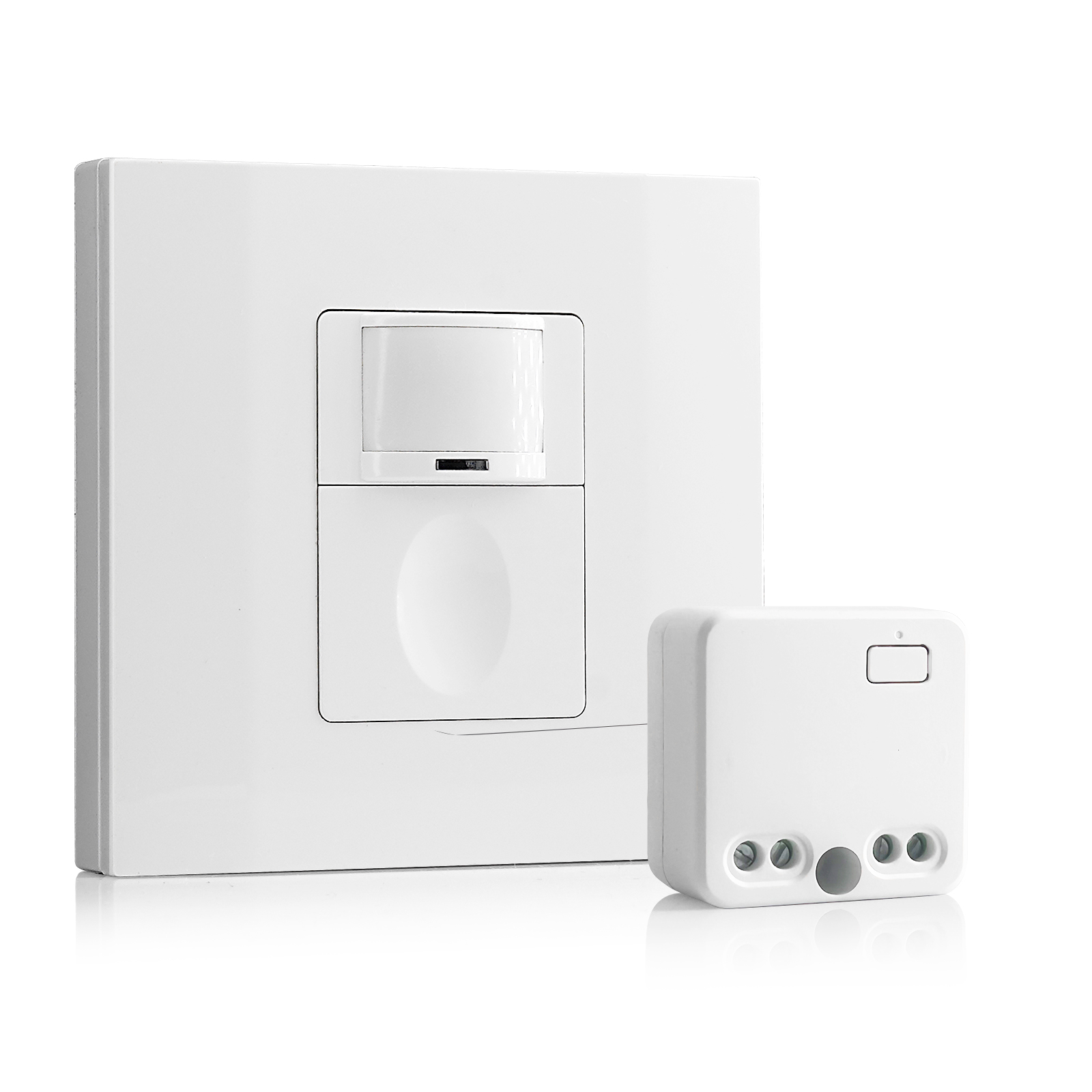
- 100V-230VAC
- Zasięg transmisji: do 20m
- Bezprzewodowy czujnik ruchu
- Sterowanie przewodowe
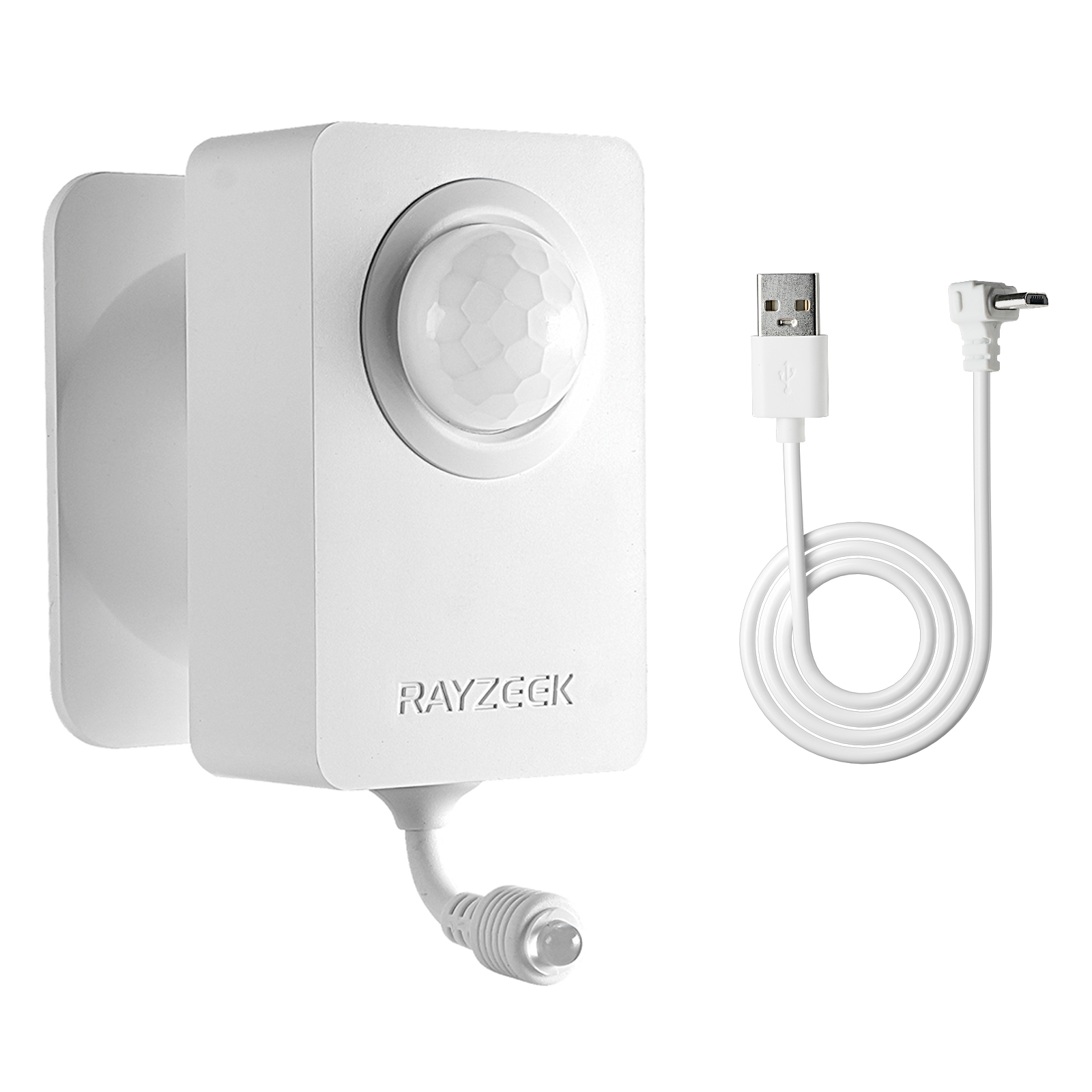
- Napięcie: 2x baterie AAA / 5V DC (Micro USB)
- Tryb dzień/noc
- Opóźnienie czasowe: 15min, 30min, 1h (domyślne), 2h
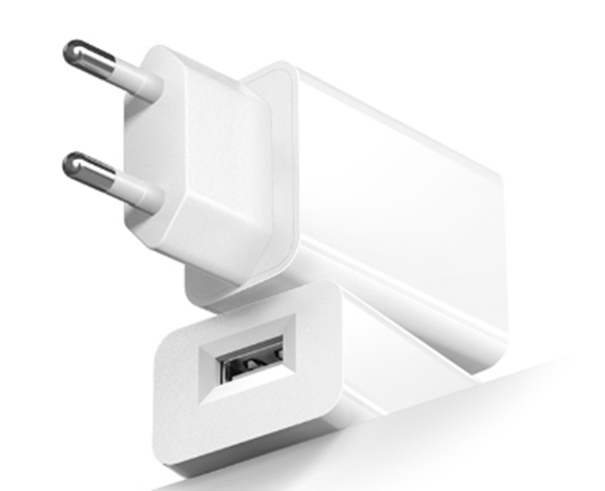
- Zasilacz sieciowy z wtyczką EU
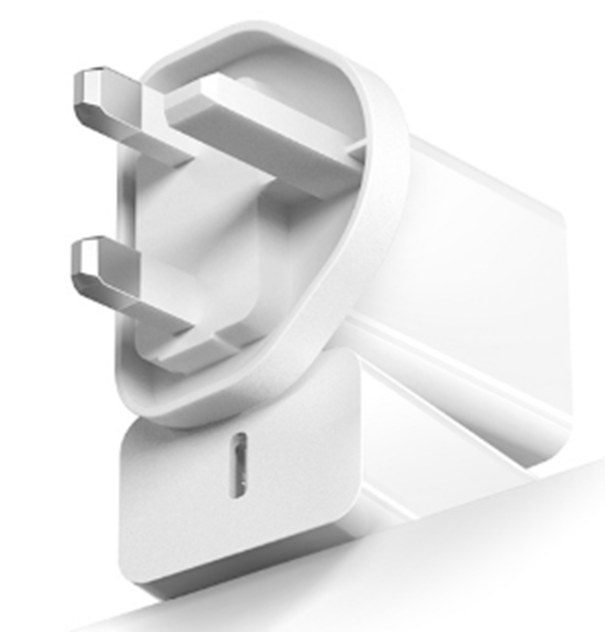
- Zasilacz sieciowy z wtyczką UK
Frequently Asked Questions
Is LED Lamp a Discharge Lamp
LED lamps are a great alternative to traditional gas-discharge and HID lamps. Gas-discharge lamps have traditionally been used in industrial and retail settings, but they have been gradually phased out since 2015 due to their inefficiency and the harmful substances they contain.
What Are the Benefits of Discharge Lamps
Loss of electricity in the form of heat is minimized, resulting in greater energy efficiency. Additionally, discharge lamps have a longer lifespan compared to other types of lamps. They also do not produce shadows, providing more uniform and even lighting. Furthermore, discharge lamps offer a higher light output, ensuring brighter illumination. Lastly, they consume less electricity, leading to reduced energy consumption.
Where Are Discharge Lamps Used
These bulbs are versatile and can be utilized in various settings such as smaller outdoor areas, warehouses, and roadways to provide durable and intense illumination. Additionally, low-intensity discharge lamps can assist in indoor gardening, underwater diving, and as bicycle headlamps, each application requiring different levels of intensity.
What Are the Advantages of Using a Discharge Lamp Instead of an Incandescent Lamp
They have a lower heat output compared to incandescent bulbs, emitting about 75% less heat. This is because discharge lamps do not rely on resistance to produce light. As a result, they contribute to energy savings and help maintain a cooler temperature in the room they are used in.
Are LED Lights Electric Discharge
With LED lights, there are smaller and less noticeable discharges that occur, typically around 30 volts. These electrostatic discharges are not harmful to humans and are often not even noticeable when touching LED strips.
Do Discharge Lamps Use Mercury
A discharge lamp, specifically a mercury-vapor lamp, utilizes an electric arc passing through vaporized mercury to generate light. This arc discharge is typically contained within a compact fused quartz arc tube, which is then enclosed within a larger glass bulb made of soda lime or borosilicate glass.
What Are the Disadvantages of High Intensity Discharge Lamps
Disadvantages: Inferior Color Quality – High intensity discharge lamps, such as HPS bulbs, emit an orange glow that can be challenging for the human eye to perceive. As a result, areas illuminated by HPS lamps often appear dull and dim. Diminished Lumen Maintenance – Over time, HPS bulbs experience a significant decrease in light output before reaching the point of complete burnout.







