

What is Discharge Bulb
A discharge bulb, also known as an electric discharge lamp or gas-discharge lamp, is a type of lighting device used in high-intensity discharge (HID) lighting systems. It consists of a transparent container that houses a gas or vapor, which is energized by applying an electric voltage. This voltage causes the gas or vapor to become ionized, resulting in the emission of light.
Cerchi soluzioni per il risparmio energetico attivate dal movimento?
Contattaci per sensori di movimento PIR completi, prodotti per il risparmio energetico attivati dal movimento, interruttori con sensore di movimento e soluzioni commerciali di presenza/assenza.
Discharge bulbs operate by passing an electric current through the gas or vapor, causing it to glow and produce light. The specific gas or vapor used in the discharge bulb determines the color of the emitted light. For example, neon gas produces an orange-red light, while sodium vapor emits an orange-yellow light. Mercury vapor lamps produce a bluish light.
These bulbs are characterized by their high power and brightness, making them suitable for illuminating large indoor and outdoor areas. They are commonly used in applications such as stadiums, arenas, warehouses, parking lots, and shops, where high-intensity lighting is required. Examples of discharge bulbs include mercury vapor lamps, high-pressure sodium vapor lamps, and metal halide lamps. These lamps utilize the discharge of pressurized gases within the bulb to generate light. The gas or vapor is contained within an arc tube, which is located inside the bulb.
Forse ti interessa anche

- Sensore di presenza PIR da soffitto con uscita a relè con contatto pulito
- Alimentazione a bassa tensione 12/24VDC o 12/24VAC
- Contatti relè isolati COM, NO e NC per ingressi EMS, HVAC e controllo dell'edificio

- Interruttore con sensore di movimento a microonde da soffitto a incasso a bassa tensione DC
- Ingresso 12 VDC / 24 VDC con intervallo 10-30 VDC
- Corrente massima di lavoro 10A con ritardo temporale, soglia Lux e sensibilità regolabili
- Interruttore con sensore di movimento a microonde da soffitto a incasso per carichi più elevati
- Ingresso tensione di rete 100-265 VAC, modello da 10A
- Rilevamento a microonde a 5.8 GHz con ritardo temporale, soglia Lux e sensibilità regolabili
- Interruttore con sensore di movimento a microonde da soffitto a incasso
- Ingresso tensione di rete 100-265 VAC, modello da 5A
- Rilevamento a microonde a 5.8 GHz con ritardo temporale, soglia Lux e sensibilità regolabili
- Dimmer con sensore di presenza PIR da soffitto RZ037 per alimentazione a 220V
- Corrente massima di lavoro 3A con carico nominale di 660W
- Il pulsante LUX controlla l'accensione/spegnimento del sensore di luce e la luminosità di regolazione impostata dall'utente
- Dimmer con sensore di presenza PIR da soffitto RZ037 per alimentazione a 110V
- Corrente massima di lavoro 3A con carico nominale di 330W
- Il pulsante LUX controlla l'accensione/spegnimento del sensore di luce e la luminosità di regolazione impostata dall'utente

- Interruttore con sensore di movimento a microonde da soffitto a bassa tensione DC
- Ingresso 12 VDC / 24 VDC con intervallo 10-30 VDC
- Corrente massima di lavoro 10A con ritardo temporale, soglia Lux e sensibilità regolabili
- Interruttore con sensore di movimento a microonde da soffitto per carichi più elevati
- Ingresso tensione di rete 100-265 VAC, modello da 10A
- Rilevamento a microonde a 5.8 GHz con ritardo temporale, soglia Lux e sensibilità regolabili
- Interruttore con sensore di movimento a microonde da soffitto
- Ingresso tensione di rete 100-265 VAC, modello da 5A
- Rilevamento a microonde a 5.8 GHz con ritardo temporale, soglia Lux e sensibilità regolabili

- Interruttore con sensore di movimento PIR da soffitto a incasso a bassa tensione DC
- Ingresso 12 VDC / 24 VDC con intervallo 10-30 VDC
- Corrente massima di lavoro 10A con ritardo temporale, soglia Lux e sensibilità regolabili

- Interruttore con sensore di movimento PIR da soffitto a incasso per carichi più elevati
- Ingresso tensione di rete 100-265 VAC, modello da 10A
- Rilevamento a 360 gradi con ritardo, soglia Lux e sensibilità regolabili
- Interruttore con sensore di movimento PIR da soffitto a incasso
- Ingresso tensione di rete 100-265 VAC, modello da 5A
- Rilevamento a 360 gradi con ritardo, soglia Lux e sensibilità regolabili

- Kit interruttore e ricevitore wireless per il controllo dell'illuminazione ON/OFF per interni
- Ricevitore 100-230VAC, 50/60Hz con corrente nominale di 5A
- Interruttore wireless alimentato da CR2032 con comunicazione a 2.4GHz
- Presenza (Auto-ON/Auto-OFF)
- 12–24V DC (10–30VDC), fino a 10A
- Copertura a 360°, diametro 8–12 m
- Ritardo da 15 s a 30 min
- Sensore di luce Off/15/25/35 Lux
- Sensibilità Alta/Bassa
- Modalità presenza Auto-ON/Auto-OFF
- 100–265V AC, 10A (neutro richiesto)
- Copertura a 360°; diametro di rilevamento 8–12 m
- Ritardo 15 s–30 min; Lux OFF/15/25/35; Sensibilità Alta/Bassa
- Modalità presenza Auto-ON/Auto-OFF
- 100–265V AC, 5A (neutro richiesto)
- Copertura a 360°; diametro di rilevamento 8–12 m
- Ritardo 15 s–30 min; Lux OFF/15/25/35; Sensibilità Alta/Bassa
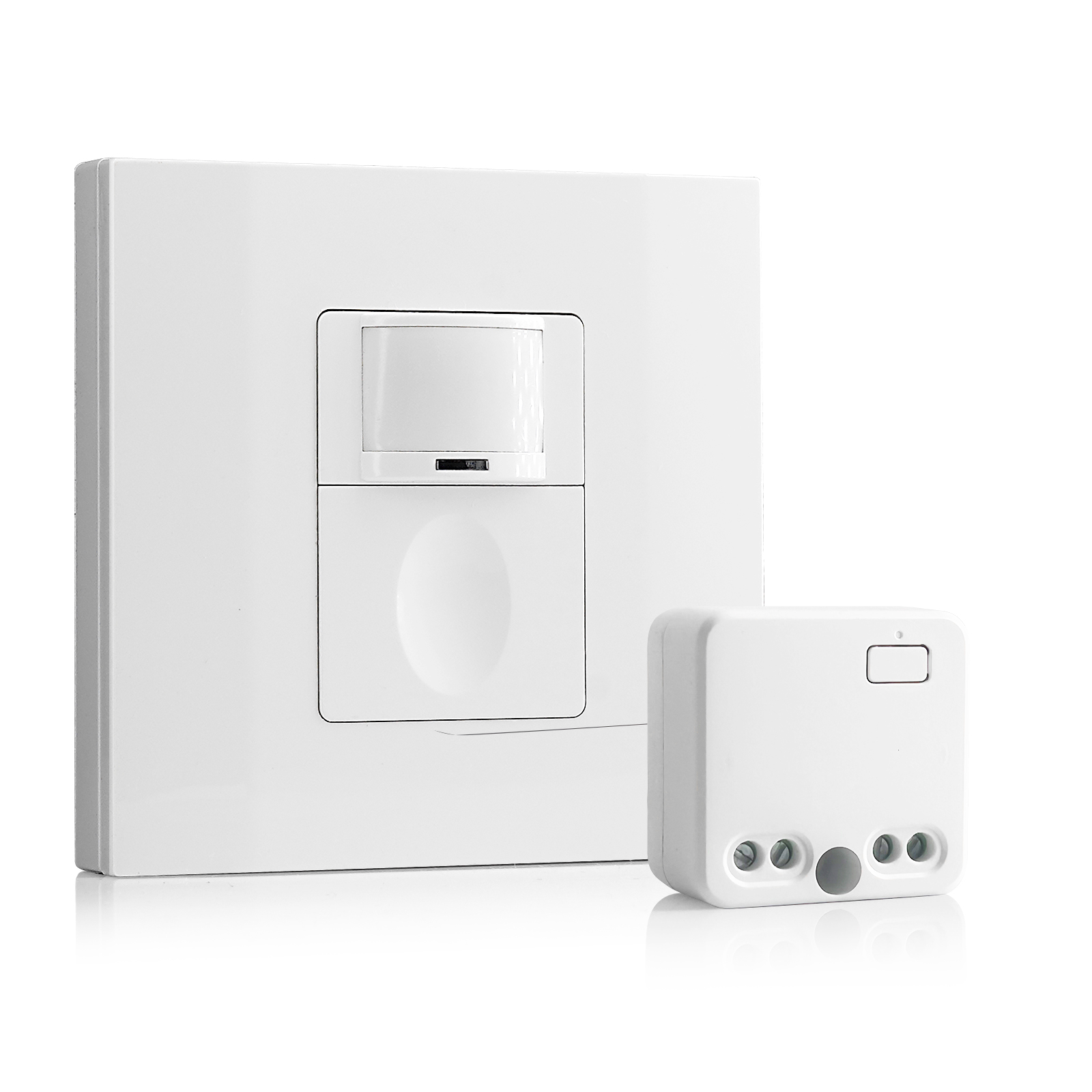
- 100V-230VAC
- Distanza di trasmissione: fino a 20m
- Sensore di movimento wireless
- Controllo cablato
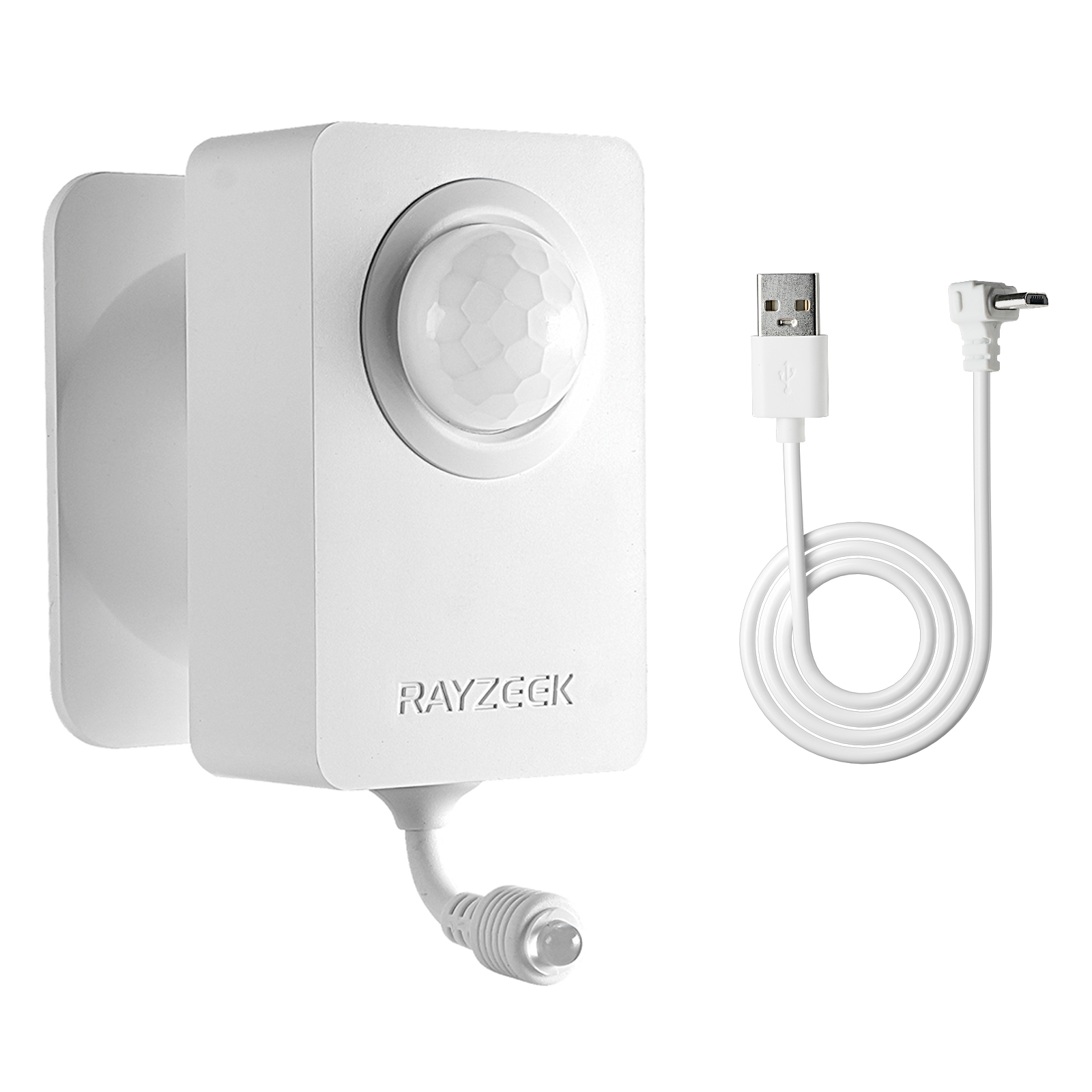
- Tensione: 2 batterie AAA / 5 V CC (Micro USB)
- Modalità Giorno/Notte
- Ritardo di spegnimento: 15 min, 30 min, 1 h (predefinito), 2 h
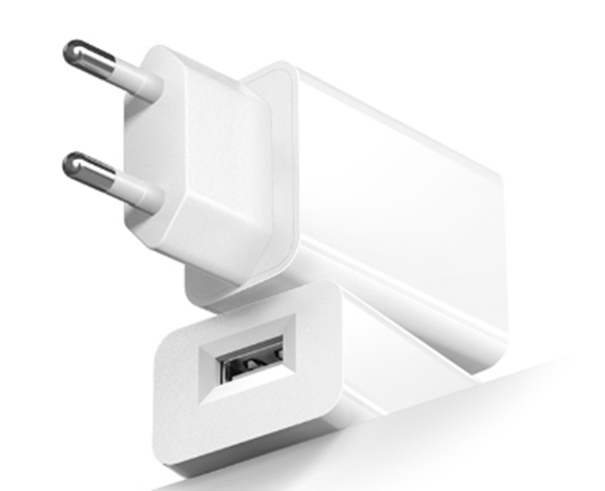
- Adattatore di alimentazione con spina UE
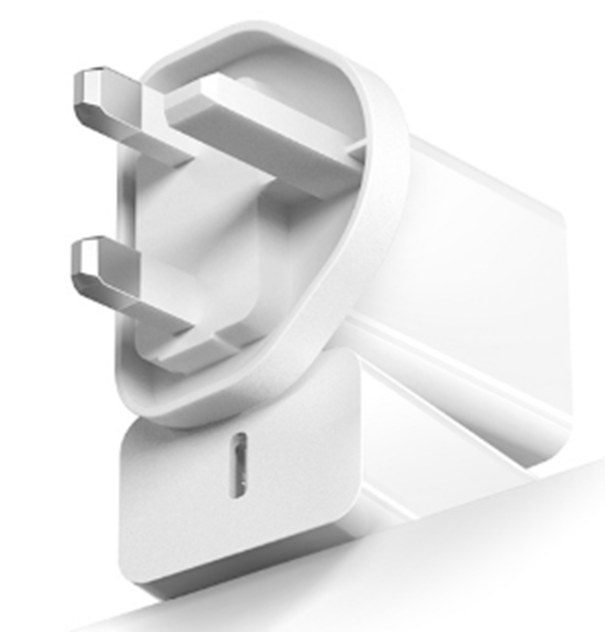
- Adattatore di alimentazione con spina per Regno Unito
Frequently Asked Questions
Is LED Lamp a Discharge Lamp
LED lamps are a great alternative to traditional gas-discharge and HID lamps. Gas-discharge lamps have traditionally been used in industrial and retail settings, but they have been gradually phased out since 2015 due to their inefficiency and the harmful substances they contain.
What Are the Benefits of Discharge Lamps
Loss of electricity in the form of heat is minimized, resulting in greater energy efficiency. Additionally, discharge lamps have a longer lifespan compared to other types of lamps. They also do not produce shadows, providing more uniform and even lighting. Furthermore, discharge lamps offer a higher light output, ensuring brighter illumination. Lastly, they consume less electricity, leading to reduced energy consumption.
Where Are Discharge Lamps Used
These bulbs are versatile and can be utilized in various settings such as smaller outdoor areas, warehouses, and roadways to provide durable and intense illumination. Additionally, low-intensity discharge lamps can assist in indoor gardening, underwater diving, and as bicycle headlamps, each application requiring different levels of intensity.
What Are the Advantages of Using a Discharge Lamp Instead of an Incandescent Lamp
They have a lower heat output compared to incandescent bulbs, emitting about 75% less heat. This is because discharge lamps do not rely on resistance to produce light. As a result, they contribute to energy savings and help maintain a cooler temperature in the room they are used in.
Are LED Lights Electric Discharge
With LED lights, there are smaller and less noticeable discharges that occur, typically around 30 volts. These electrostatic discharges are not harmful to humans and are often not even noticeable when touching LED strips.
Do Discharge Lamps Use Mercury
A discharge lamp, specifically a mercury-vapor lamp, utilizes an electric arc passing through vaporized mercury to generate light. This arc discharge is typically contained within a compact fused quartz arc tube, which is then enclosed within a larger glass bulb made of soda lime or borosilicate glass.
What Are the Disadvantages of High Intensity Discharge Lamps
Disadvantages: Inferior Color Quality – High intensity discharge lamps, such as HPS bulbs, emit an orange glow that can be challenging for the human eye to perceive. As a result, areas illuminated by HPS lamps often appear dull and dim. Diminished Lumen Maintenance – Over time, HPS bulbs experience a significant decrease in light output before reaching the point of complete burnout.







