
What is Candela (cd)
Candela (symbol: cd) is a unit of measurement used in the lighting industry to quantify luminous intensity. It represents the amount of light emitted by a light source in a specific direction. The candela value is not affected by the distance from the light source but is influenced by the opening angle of the light beam.
Może Cię również zainteresować

- Sufitowy czujnik obecności PIR z wyjściem przekaźnikowym bezpotencjałowym
- Niskonapięciowe zasilanie 12/24VDC lub 12/24VAC
- Izolowane styki przekaźnika COM, NO i NC dla wejść systemów EMS, HVAC i sterowania budynkiem

- Niskonapięciowy podtynkowy sufitowy mikrofalowy czujnik ruchu DC
- Wejście 12 VDC / 24 VDC z zakresem 10-30 VDC
- Maksymalny prąd roboczy 10A z regulowanym opóźnieniem czasowym, progiem Lux i czułością
- Podtynkowy sufitowy mikrofalowy czujnik ruchu do wyższych obciążeń
- Wejście napięcia sieciowego 100-265 VAC, model 10A
- Detekcja mikrofalowa 5.8 GHz z regulowanym opóźnieniem czasowym, progiem Lux i czułością
- Podtynkowy sufitowy mikrofalowy czujnik ruchu
- Wejście napięcia sieciowego 100-265 VAC, model 5A
- Detekcja mikrofalowa 5.8 GHz z regulowanym opóźnieniem czasowym, progiem Lux i czułością
- Sufitowy ściemniacz z czujnikiem obecności PIR RZ037 na napięcie 220V
- Maksymalny prąd roboczy 3A przy obciążeniu znamionowym 660W
- Przycisk LUX kontroluje WŁ./WYŁ. czujnika światła oraz ustawianą przez użytkownika jasność ściemniania
- Sufitowy ściemniacz z czujnikiem obecności PIR RZ037 na napięcie 110V
- Maksymalny prąd roboczy 3A przy obciążeniu znamionowym 330W
- Przycisk LUX kontroluje WŁ./WYŁ. czujnika światła oraz ustawianą przez użytkownika jasność ściemniania

- Niskonapięciowy sufitowy mikrofalowy czujnik ruchu DC
- Wejście 12 VDC / 24 VDC z zakresem 10-30 VDC
- Maksymalny prąd roboczy 10A z regulowanym opóźnieniem czasowym, progiem Lux i czułością
- Sufitowy mikrofalowy czujnik ruchu do wyższych obciążeń
- Wejście napięcia sieciowego 100-265 VAC, model 10A
- Detekcja mikrofalowa 5.8 GHz z regulowanym opóźnieniem czasowym, progiem Lux i czułością
- Sufitowy mikrofalowy czujnik ruchu
- Wejście napięcia sieciowego 100-265 VAC, model 5A
- Detekcja mikrofalowa 5.8 GHz z regulowanym opóźnieniem czasowym, progiem Lux i czułością

- Niskonapięciowy podtynkowy sufitowy czujnik ruchu PIR DC
- Wejście 12 VDC / 24 VDC z zakresem 10-30 VDC
- Maksymalny prąd roboczy 10A z regulowanym opóźnieniem czasowym, progiem luksów i czułością

- Podtynkowy sufitowy czujnik ruchu PIR do wyższych obciążeń
- Wejście napięcia sieciowego 100-265 VAC, model 10A
- Detekcja 360 stopni z regulowanym opóźnieniem czasowym, progiem luksów i czułością
- Podtynkowy sufitowy czujnik ruchu PIR
- Wejście napięcia sieciowego 100-265 VAC, model 5A
- Detekcja 360 stopni z regulowanym opóźnieniem czasowym, progiem luksów i czułością

- Zestaw bezprzewodowego włącznika i odbiornika do wewnętrznego sterowania oświetleniem WŁ/WYŁ
- Odbiornik 100-230VAC, 50/60Hz o prądzie znamionowym 5A
- Włącznik bezprzewodowy zasilany baterią CR2032 z komunikacją 2.4GHz
- Obecność (Auto-WŁ/Auto-WYŁ)
- 12–24V DC (10–30VDC), do 10A
- Zasięg 360°, średnica 8–12 m
- Opóźnienie czasowe 15 s–30 min
- Czujnik światła Wył/15/25/35 Lux
- Czułość Wysoka/Niska
- Tryb obecności Auto-WŁ/Auto-WYŁ
- 100–265V AC, 10A (wymagany przewód neutralny)
- Zasięg 360°; średnica detekcji 8–12 m
- Opóźnienie czasowe 15 s–30 min; Lux WYŁ/15/25/35; Czułość Wysoka/Niska
- Tryb obecności Auto-WŁ/Auto-WYŁ
- 100–265V AC, 5A (wymagany przewód neutralny)
- Zasięg 360°; średnica detekcji 8–12 m
- Opóźnienie czasowe 15 s–30 min; Lux WYŁ/15/25/35; Czułość Wysoka/Niska
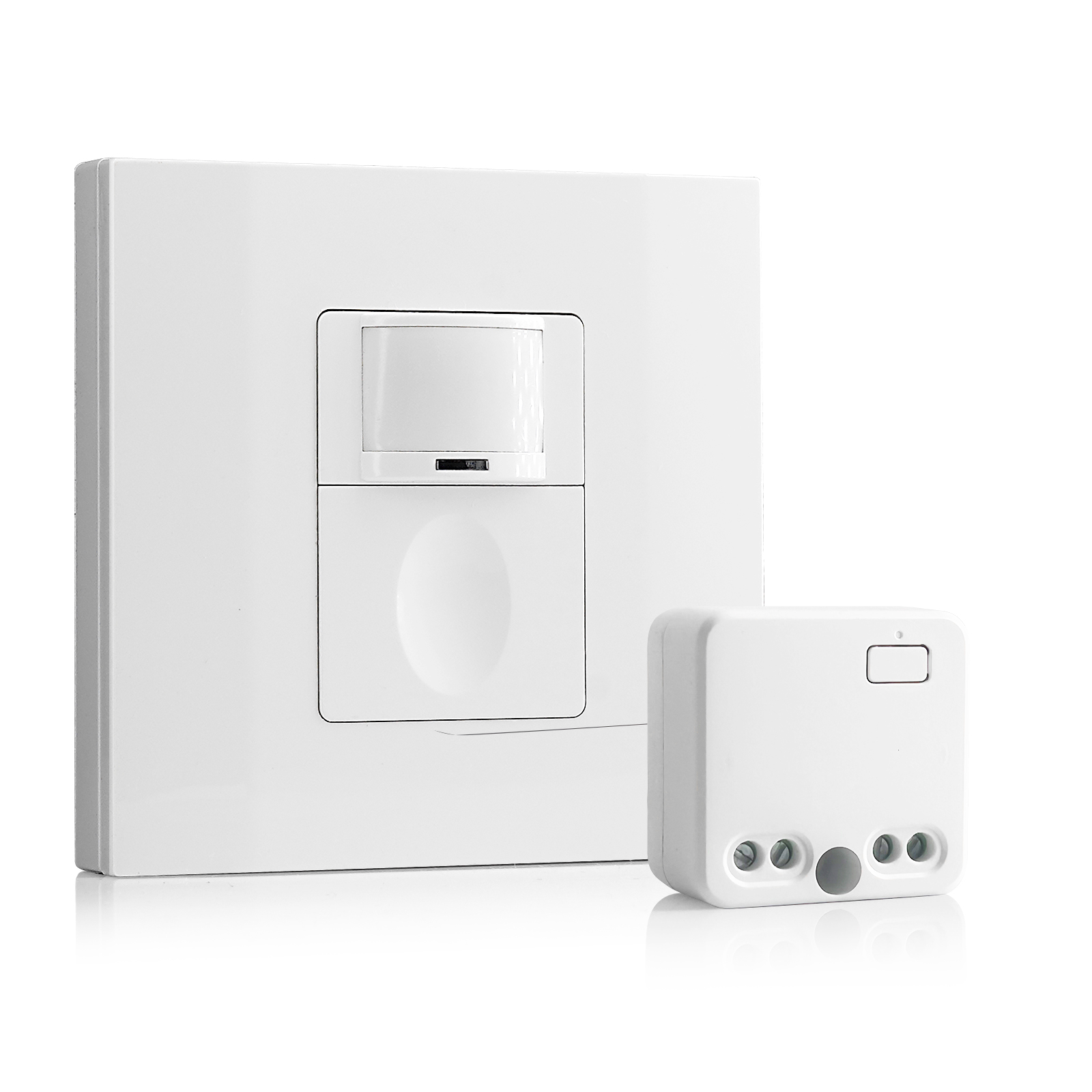
- 100V-230VAC
- Zasięg transmisji: do 20m
- Bezprzewodowy czujnik ruchu
- Sterowanie przewodowe
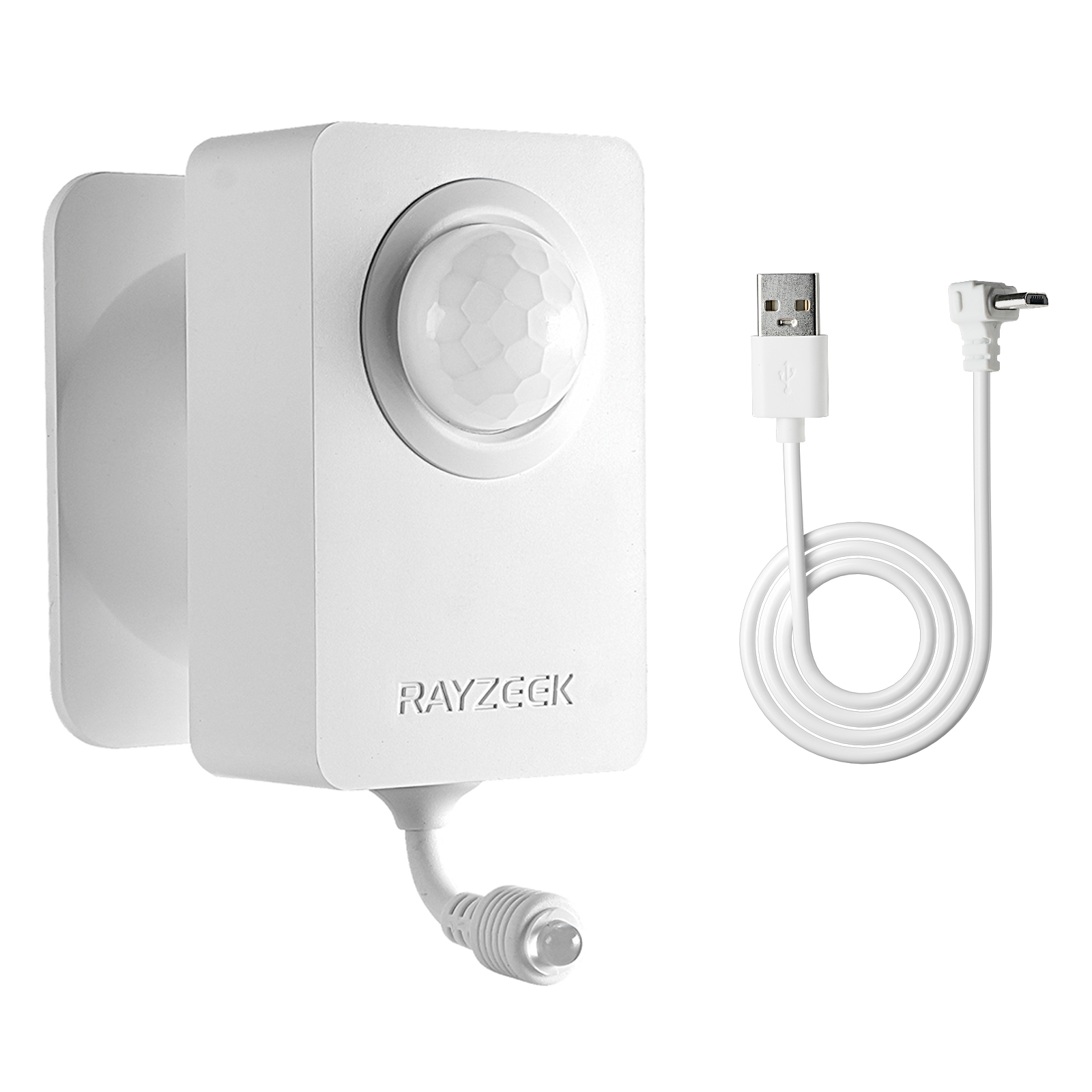
- Napięcie: 2x baterie AAA / 5V DC (Micro USB)
- Tryb dzień/noc
- Opóźnienie czasowe: 15min, 30min, 1h (domyślne), 2h
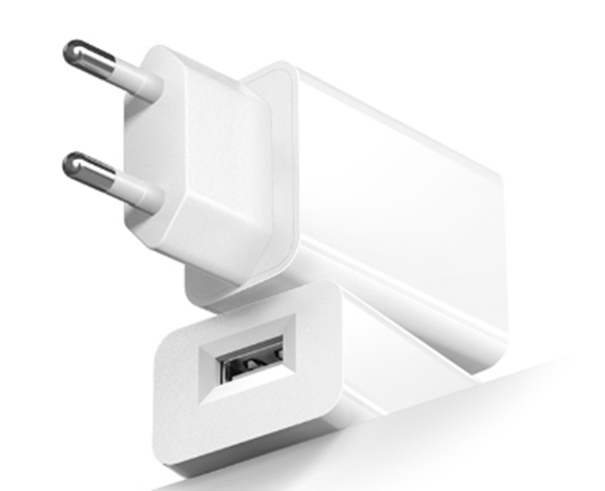
- Zasilacz sieciowy z wtyczką EU
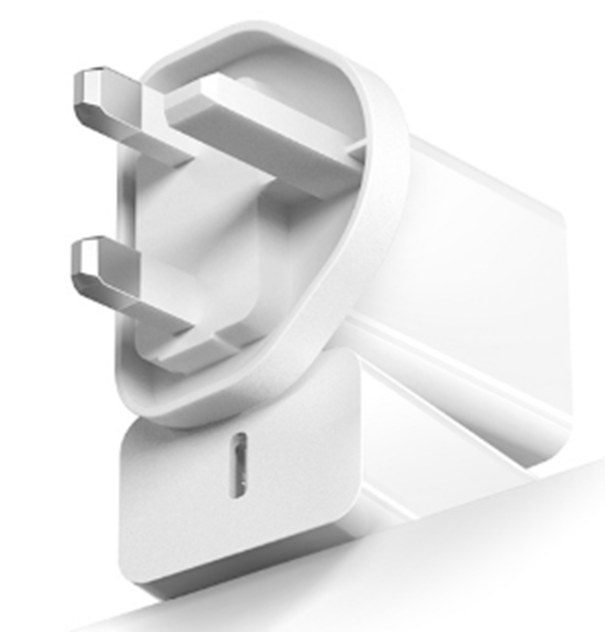
- Zasilacz sieciowy z wtyczką UK
The opening angle refers to the width or narrowness of the light beam emitted by the source. A smaller opening angle, such as 10°, concentrates the light, resulting in a higher candela value. Conversely, a larger opening angle, like 50°, spreads the light over a wider area, leading to a lower candela value.
Note that Candela is a measure of luminous intensity, which is distinct from luminous flux. Luminous flux is measured in lumens (lm) and represents the total amount of visible light emitted by a source in all directions. In contrast, candela focuses on the intensity of light emitted in a specific direction.
Szukasz energooszczędnych rozwiązań aktywowanych ruchem?
Skontaktuj się z nami, aby otrzymać kompletne czujniki ruchu PIR, energooszczędne produkty aktywowane ruchem, przełączniki z czujnikiem ruchu oraz komercyjne rozwiązania do kontroli obecności/nieobecności.
Frequently Asked Questions
What Is the Cd in Light Intensity
The candela (symbol: cd) is the SI base unit of luminous intensity. It represents the power emitted by a light source in a specific direction, taking into account the luminosity function. For example, a typical candle emits light with a luminous intensity of approximately 1 cd.
What Is the Difference Between Cd and Lux
Candela refers to the amount of light emitted by a fixture in a specific direction, while lux measures the level of light that illuminates a surface.
Is CD the Same as Lumen
1 candela is equivalent to 12.57 lumens. However, it is not advisable to directly compare the values of lumens and candela when it comes to lighting devices.
How Do You Calculate Candela CD
The calculation can be done using the formula 1lm = 1cd * 1. This means that 1 lumen is equal to 1 candela. In other words, a light source with an intensity of 1 candela will produce 1 lumen of luminous flux in a sphere with a surface area of 1 square meter.
How Many Candela Is a 100 Watt Bulb
The luminous intensity of a 100 watt unidirectional bulb is equivalent to 100 candela.
How Many Watts Is 1 Candela
In 1979, the General Conference on Weights and Measures (CGPM) established a new definition for the candela (cd). It is now defined as the luminous intensity, in a specific direction, of a source that emits monochromatic radiation with a frequency of 540 × 10^12 hertz. Additionally, the radiant intensity of this source in that direction is equivalent to 1/683 watt per steradian.
How Many Candelas Is a Lightbulb
For a more up-to-date comparison, a standard incandescent lightbulb typically produces around one candela per watt.
Is Higher or Lower Candela Better
A higher candela rating indicates that the light emitted is more intense, allowing it to travel a longer distance. Torches with high candela ratings are ideal for situations where visibility is reduced, such as in smoke or fog, and when a concentrated beam is desired.







