
What is Candela (cd)
Candela (symbol: cd) is a unit of measurement used in the lighting industry to quantify luminous intensity. It represents the amount of light emitted by a light source in a specific direction. The candela value is not affected by the distance from the light source but is influenced by the opening angle of the light beam.
Forse ti interessa anche

- Sensore di presenza PIR da soffitto con uscita a relè con contatto pulito
- Alimentazione a bassa tensione 12/24VDC o 12/24VAC
- Contatti relè isolati COM, NO e NC per ingressi EMS, HVAC e controllo dell'edificio

- Interruttore con sensore di movimento a microonde da soffitto a incasso a bassa tensione DC
- Ingresso 12 VDC / 24 VDC con intervallo 10-30 VDC
- Corrente massima di lavoro 10A con ritardo temporale, soglia Lux e sensibilità regolabili
- Interruttore con sensore di movimento a microonde da soffitto a incasso per carichi più elevati
- Ingresso tensione di rete 100-265 VAC, modello da 10A
- Rilevamento a microonde a 5.8 GHz con ritardo temporale, soglia Lux e sensibilità regolabili
- Interruttore con sensore di movimento a microonde da soffitto a incasso
- Ingresso tensione di rete 100-265 VAC, modello da 5A
- Rilevamento a microonde a 5.8 GHz con ritardo temporale, soglia Lux e sensibilità regolabili
- Dimmer con sensore di presenza PIR da soffitto RZ037 per alimentazione a 220V
- Corrente massima di lavoro 3A con carico nominale di 660W
- Il pulsante LUX controlla l'accensione/spegnimento del sensore di luce e la luminosità di regolazione impostata dall'utente
- Dimmer con sensore di presenza PIR da soffitto RZ037 per alimentazione a 110V
- Corrente massima di lavoro 3A con carico nominale di 330W
- Il pulsante LUX controlla l'accensione/spegnimento del sensore di luce e la luminosità di regolazione impostata dall'utente

- Interruttore con sensore di movimento a microonde da soffitto a bassa tensione DC
- Ingresso 12 VDC / 24 VDC con intervallo 10-30 VDC
- Corrente massima di lavoro 10A con ritardo temporale, soglia Lux e sensibilità regolabili
- Interruttore con sensore di movimento a microonde da soffitto per carichi più elevati
- Ingresso tensione di rete 100-265 VAC, modello da 10A
- Rilevamento a microonde a 5.8 GHz con ritardo temporale, soglia Lux e sensibilità regolabili
- Interruttore con sensore di movimento a microonde da soffitto
- Ingresso tensione di rete 100-265 VAC, modello da 5A
- Rilevamento a microonde a 5.8 GHz con ritardo temporale, soglia Lux e sensibilità regolabili

- Interruttore con sensore di movimento PIR da soffitto a incasso a bassa tensione DC
- Ingresso 12 VDC / 24 VDC con intervallo 10-30 VDC
- Corrente massima di lavoro 10A con ritardo temporale, soglia Lux e sensibilità regolabili

- Interruttore con sensore di movimento PIR da soffitto a incasso per carichi più elevati
- Ingresso tensione di rete 100-265 VAC, modello da 10A
- Rilevamento a 360 gradi con ritardo, soglia Lux e sensibilità regolabili
- Interruttore con sensore di movimento PIR da soffitto a incasso
- Ingresso tensione di rete 100-265 VAC, modello da 5A
- Rilevamento a 360 gradi con ritardo, soglia Lux e sensibilità regolabili

- Kit interruttore e ricevitore wireless per il controllo dell'illuminazione ON/OFF per interni
- Ricevitore 100-230VAC, 50/60Hz con corrente nominale di 5A
- Interruttore wireless alimentato da CR2032 con comunicazione a 2.4GHz
- Presenza (Auto-ON/Auto-OFF)
- 12–24V DC (10–30VDC), fino a 10A
- Copertura a 360°, diametro 8–12 m
- Ritardo da 15 s a 30 min
- Sensore di luce Off/15/25/35 Lux
- Sensibilità Alta/Bassa
- Modalità presenza Auto-ON/Auto-OFF
- 100–265V AC, 10A (neutro richiesto)
- Copertura a 360°; diametro di rilevamento 8–12 m
- Ritardo 15 s–30 min; Lux OFF/15/25/35; Sensibilità Alta/Bassa
- Modalità presenza Auto-ON/Auto-OFF
- 100–265V AC, 5A (neutro richiesto)
- Copertura a 360°; diametro di rilevamento 8–12 m
- Ritardo 15 s–30 min; Lux OFF/15/25/35; Sensibilità Alta/Bassa
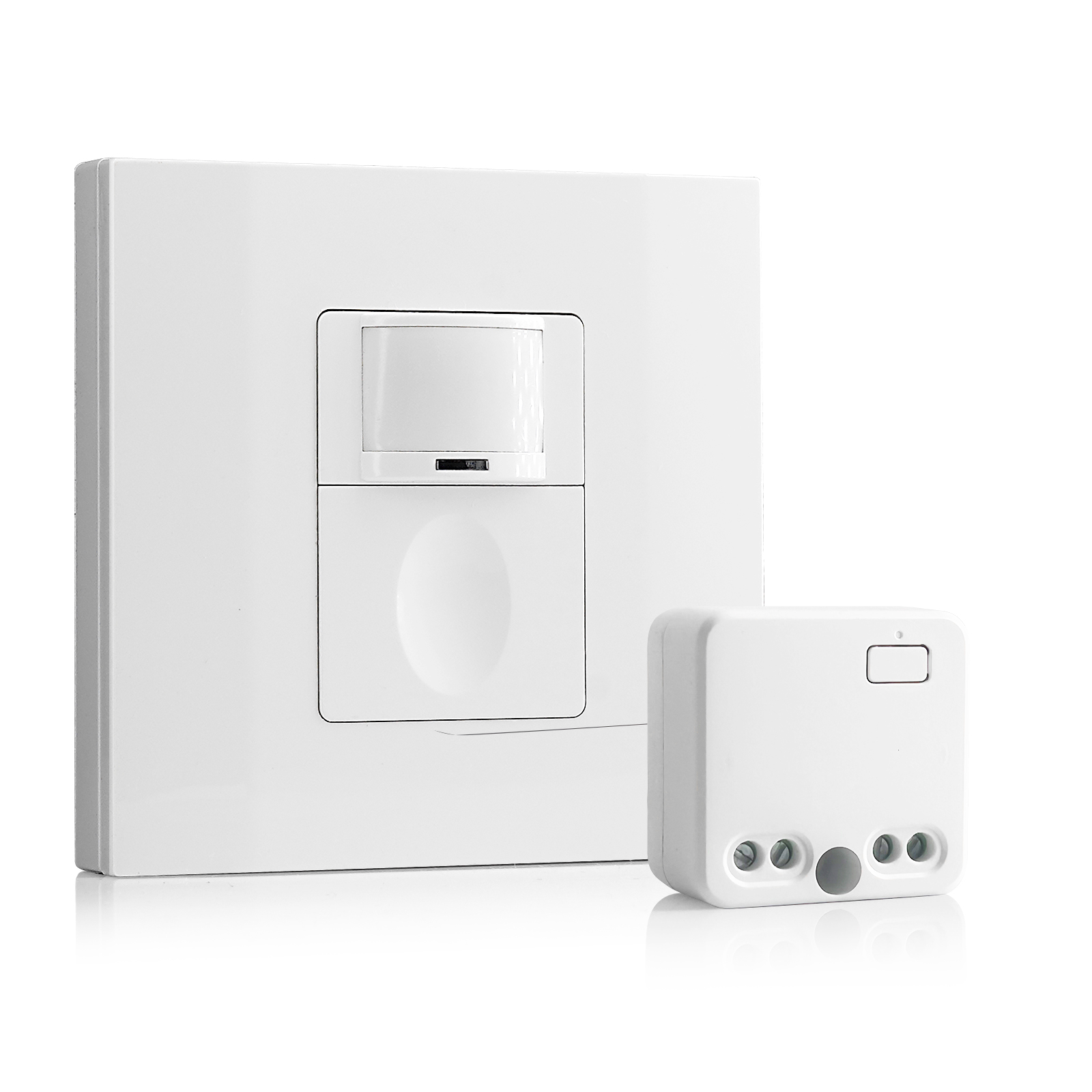
- 100V-230VAC
- Distanza di trasmissione: fino a 20m
- Sensore di movimento wireless
- Controllo cablato
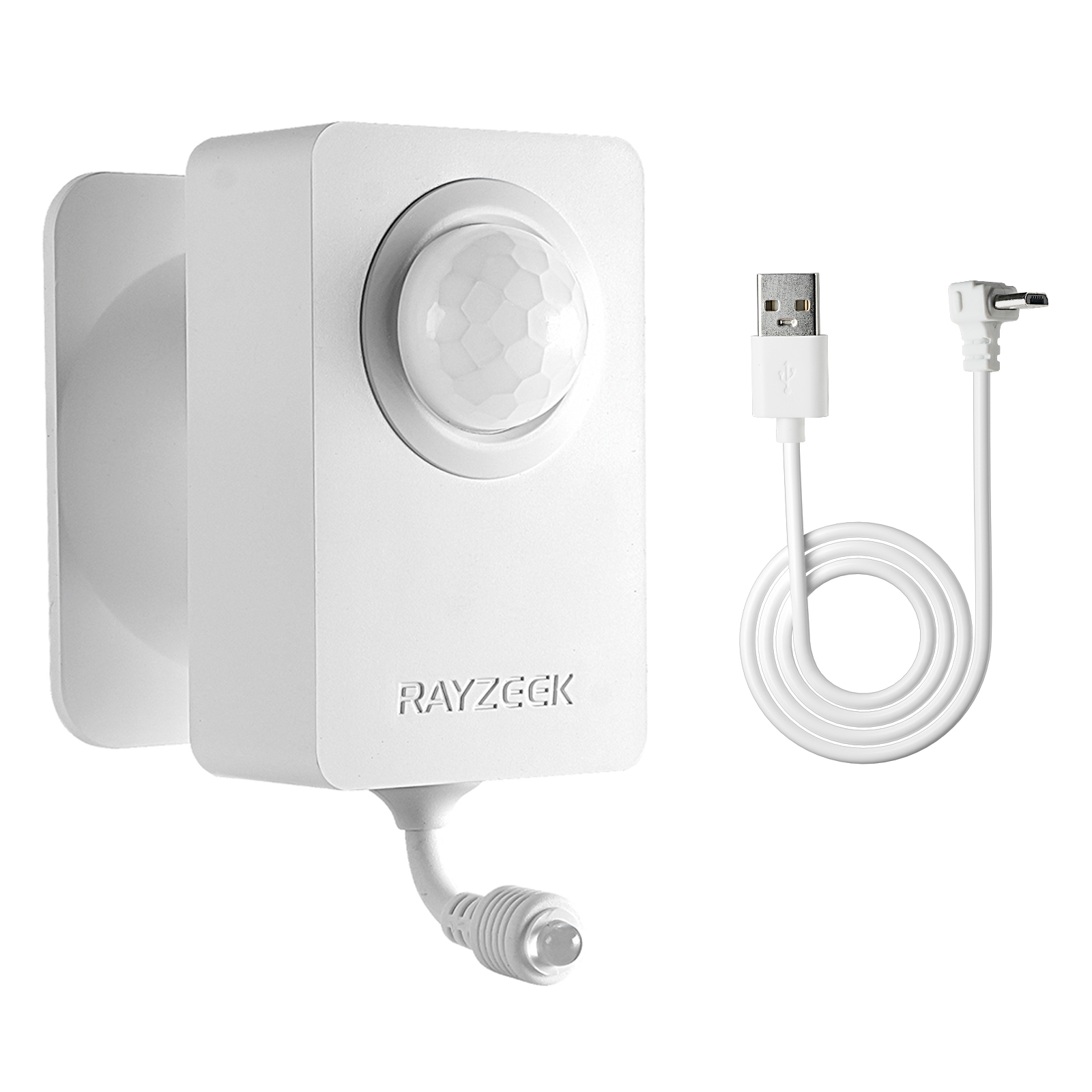
- Tensione: 2 batterie AAA / 5 V CC (Micro USB)
- Modalità Giorno/Notte
- Ritardo di spegnimento: 15 min, 30 min, 1 h (predefinito), 2 h
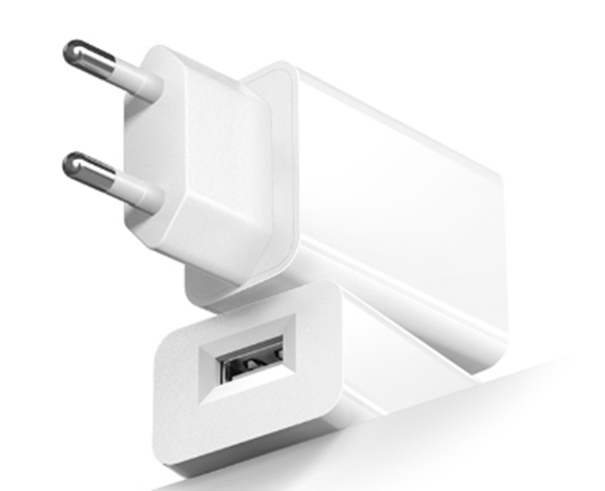
- Adattatore di alimentazione con spina UE
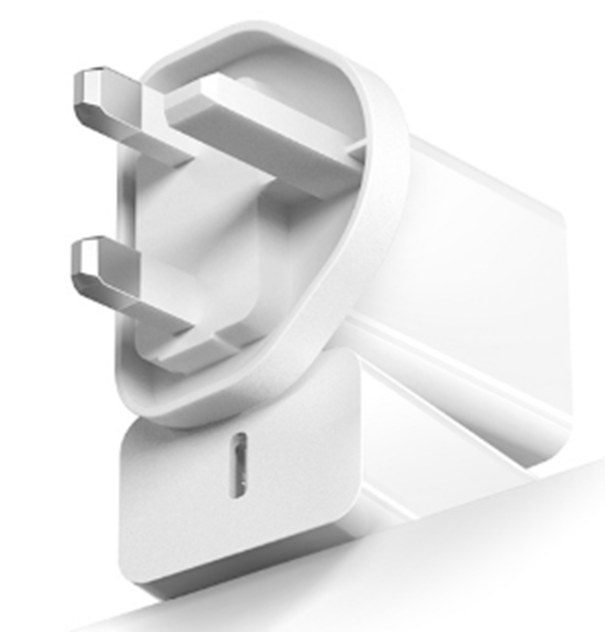
- Adattatore di alimentazione con spina per Regno Unito
The opening angle refers to the width or narrowness of the light beam emitted by the source. A smaller opening angle, such as 10°, concentrates the light, resulting in a higher candela value. Conversely, a larger opening angle, like 50°, spreads the light over a wider area, leading to a lower candela value.
Note that Candela is a measure of luminous intensity, which is distinct from luminous flux. Luminous flux is measured in lumens (lm) and represents the total amount of visible light emitted by a source in all directions. In contrast, candela focuses on the intensity of light emitted in a specific direction.
Cerchi soluzioni per il risparmio energetico attivate dal movimento?
Contattaci per sensori di movimento PIR completi, prodotti per il risparmio energetico attivati dal movimento, interruttori con sensore di movimento e soluzioni commerciali di presenza/assenza.
Frequently Asked Questions
What Is the Cd in Light Intensity
The candela (symbol: cd) is the SI base unit of luminous intensity. It represents the power emitted by a light source in a specific direction, taking into account the luminosity function. For example, a typical candle emits light with a luminous intensity of approximately 1 cd.
What Is the Difference Between Cd and Lux
Candela refers to the amount of light emitted by a fixture in a specific direction, while lux measures the level of light that illuminates a surface.
Is CD the Same as Lumen
1 candela is equivalent to 12.57 lumens. However, it is not advisable to directly compare the values of lumens and candela when it comes to lighting devices.
How Do You Calculate Candela CD
The calculation can be done using the formula 1lm = 1cd * 1. This means that 1 lumen is equal to 1 candela. In other words, a light source with an intensity of 1 candela will produce 1 lumen of luminous flux in a sphere with a surface area of 1 square meter.
How Many Candela Is a 100 Watt Bulb
The luminous intensity of a 100 watt unidirectional bulb is equivalent to 100 candela.
How Many Watts Is 1 Candela
In 1979, the General Conference on Weights and Measures (CGPM) established a new definition for the candela (cd). It is now defined as the luminous intensity, in a specific direction, of a source that emits monochromatic radiation with a frequency of 540 × 10^12 hertz. Additionally, the radiant intensity of this source in that direction is equivalent to 1/683 watt per steradian.
How Many Candelas Is a Lightbulb
For a more up-to-date comparison, a standard incandescent lightbulb typically produces around one candela per watt.
Is Higher or Lower Candela Better
A higher candela rating indicates that the light emitted is more intense, allowing it to travel a longer distance. Torches with high candela ratings are ideal for situations where visibility is reduced, such as in smoke or fog, and when a concentrated beam is desired.







