
What is Accent Lighting
Accent lighting is a type of lighting that is used to highlight or accentuate specific areas or objects in a room. It is not the primary source of light but is complementary to ambient and task lighting. The purpose of accent lighting is to generate visual interest, particularly in darker areas of a room. This type of lighting can be achieved using directional fixtures or bulbs, such as wall lights, recessed spotlighting, track lighting, or wall-mounted picture lighting.
Szukasz energooszczędnych rozwiązań aktywowanych ruchem?
Skontaktuj się z nami, aby otrzymać kompletne czujniki ruchu PIR, energooszczędne produkty aktywowane ruchem, przełączniki z czujnikiem ruchu oraz komercyjne rozwiązania do kontroli obecności/nieobecności.
Accent lighting can be used both indoors and outdoors to create points of visual interest and to draw attention to specific features such as artwork, fireplaces, plants, textured walls, or architectural details. However, it is important to use accent lighting strategically to avoid overuse, which can create a cluttered or disorganized space.
In addition to its functional purpose, accent lighting can also be used to set the mood of a room and create different atmospheres. By reducing the ambient light in the space surrounding the accented object, effective highlights can be created while saving energy. It is essential to consider how a space is used and what features or treasures within the space need to be highlighted before creating a lighting scheme. Layering lighting sources from several fixtures, such as table lamps, floor lamps, and wall sconces, can cast a cozy glow and highlight any focal point features.
Może Cię również zainteresować

- Sufitowy czujnik obecności PIR z wyjściem przekaźnikowym bezpotencjałowym
- Niskonapięciowe zasilanie 12/24VDC lub 12/24VAC
- Izolowane styki przekaźnika COM, NO i NC dla wejść systemów EMS, HVAC i sterowania budynkiem

- Niskonapięciowy podtynkowy sufitowy mikrofalowy czujnik ruchu DC
- Wejście 12 VDC / 24 VDC z zakresem 10-30 VDC
- Maksymalny prąd roboczy 10A z regulowanym opóźnieniem czasowym, progiem Lux i czułością
- Podtynkowy sufitowy mikrofalowy czujnik ruchu do wyższych obciążeń
- Wejście napięcia sieciowego 100-265 VAC, model 10A
- Detekcja mikrofalowa 5.8 GHz z regulowanym opóźnieniem czasowym, progiem Lux i czułością
- Podtynkowy sufitowy mikrofalowy czujnik ruchu
- Wejście napięcia sieciowego 100-265 VAC, model 5A
- Detekcja mikrofalowa 5.8 GHz z regulowanym opóźnieniem czasowym, progiem Lux i czułością
- Sufitowy ściemniacz z czujnikiem obecności PIR RZ037 na napięcie 220V
- Maksymalny prąd roboczy 3A przy obciążeniu znamionowym 660W
- Przycisk LUX kontroluje WŁ./WYŁ. czujnika światła oraz ustawianą przez użytkownika jasność ściemniania
- Sufitowy ściemniacz z czujnikiem obecności PIR RZ037 na napięcie 110V
- Maksymalny prąd roboczy 3A przy obciążeniu znamionowym 330W
- Przycisk LUX kontroluje WŁ./WYŁ. czujnika światła oraz ustawianą przez użytkownika jasność ściemniania

- Niskonapięciowy sufitowy mikrofalowy czujnik ruchu DC
- Wejście 12 VDC / 24 VDC z zakresem 10-30 VDC
- Maksymalny prąd roboczy 10A z regulowanym opóźnieniem czasowym, progiem Lux i czułością
- Sufitowy mikrofalowy czujnik ruchu do wyższych obciążeń
- Wejście napięcia sieciowego 100-265 VAC, model 10A
- Detekcja mikrofalowa 5.8 GHz z regulowanym opóźnieniem czasowym, progiem Lux i czułością
- Sufitowy mikrofalowy czujnik ruchu
- Wejście napięcia sieciowego 100-265 VAC, model 5A
- Detekcja mikrofalowa 5.8 GHz z regulowanym opóźnieniem czasowym, progiem Lux i czułością

- Niskonapięciowy podtynkowy sufitowy czujnik ruchu PIR DC
- Wejście 12 VDC / 24 VDC z zakresem 10-30 VDC
- Maksymalny prąd roboczy 10A z regulowanym opóźnieniem czasowym, progiem luksów i czułością

- Podtynkowy sufitowy czujnik ruchu PIR do wyższych obciążeń
- Wejście napięcia sieciowego 100-265 VAC, model 10A
- Detekcja 360 stopni z regulowanym opóźnieniem czasowym, progiem luksów i czułością
- Podtynkowy sufitowy czujnik ruchu PIR
- Wejście napięcia sieciowego 100-265 VAC, model 5A
- Detekcja 360 stopni z regulowanym opóźnieniem czasowym, progiem luksów i czułością

- Zestaw bezprzewodowego włącznika i odbiornika do wewnętrznego sterowania oświetleniem WŁ/WYŁ
- Odbiornik 100-230VAC, 50/60Hz o prądzie znamionowym 5A
- Włącznik bezprzewodowy zasilany baterią CR2032 z komunikacją 2.4GHz
- Obecność (Auto-WŁ/Auto-WYŁ)
- 12–24V DC (10–30VDC), do 10A
- Zasięg 360°, średnica 8–12 m
- Opóźnienie czasowe 15 s–30 min
- Czujnik światła Wył/15/25/35 Lux
- Czułość Wysoka/Niska
- Tryb obecności Auto-WŁ/Auto-WYŁ
- 100–265V AC, 10A (wymagany przewód neutralny)
- Zasięg 360°; średnica detekcji 8–12 m
- Opóźnienie czasowe 15 s–30 min; Lux WYŁ/15/25/35; Czułość Wysoka/Niska
- Tryb obecności Auto-WŁ/Auto-WYŁ
- 100–265V AC, 5A (wymagany przewód neutralny)
- Zasięg 360°; średnica detekcji 8–12 m
- Opóźnienie czasowe 15 s–30 min; Lux WYŁ/15/25/35; Czułość Wysoka/Niska
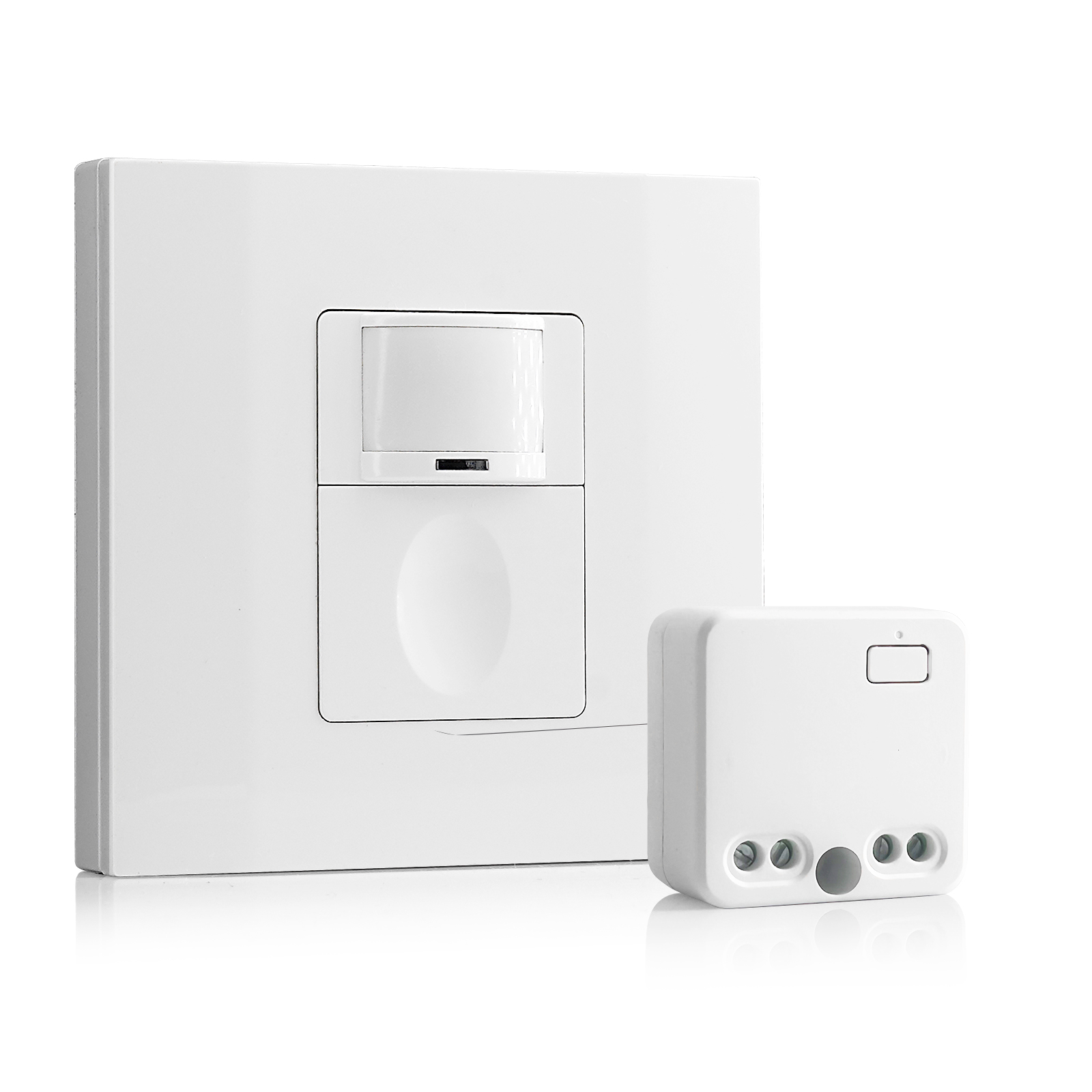
- 100V-230VAC
- Zasięg transmisji: do 20m
- Bezprzewodowy czujnik ruchu
- Sterowanie przewodowe
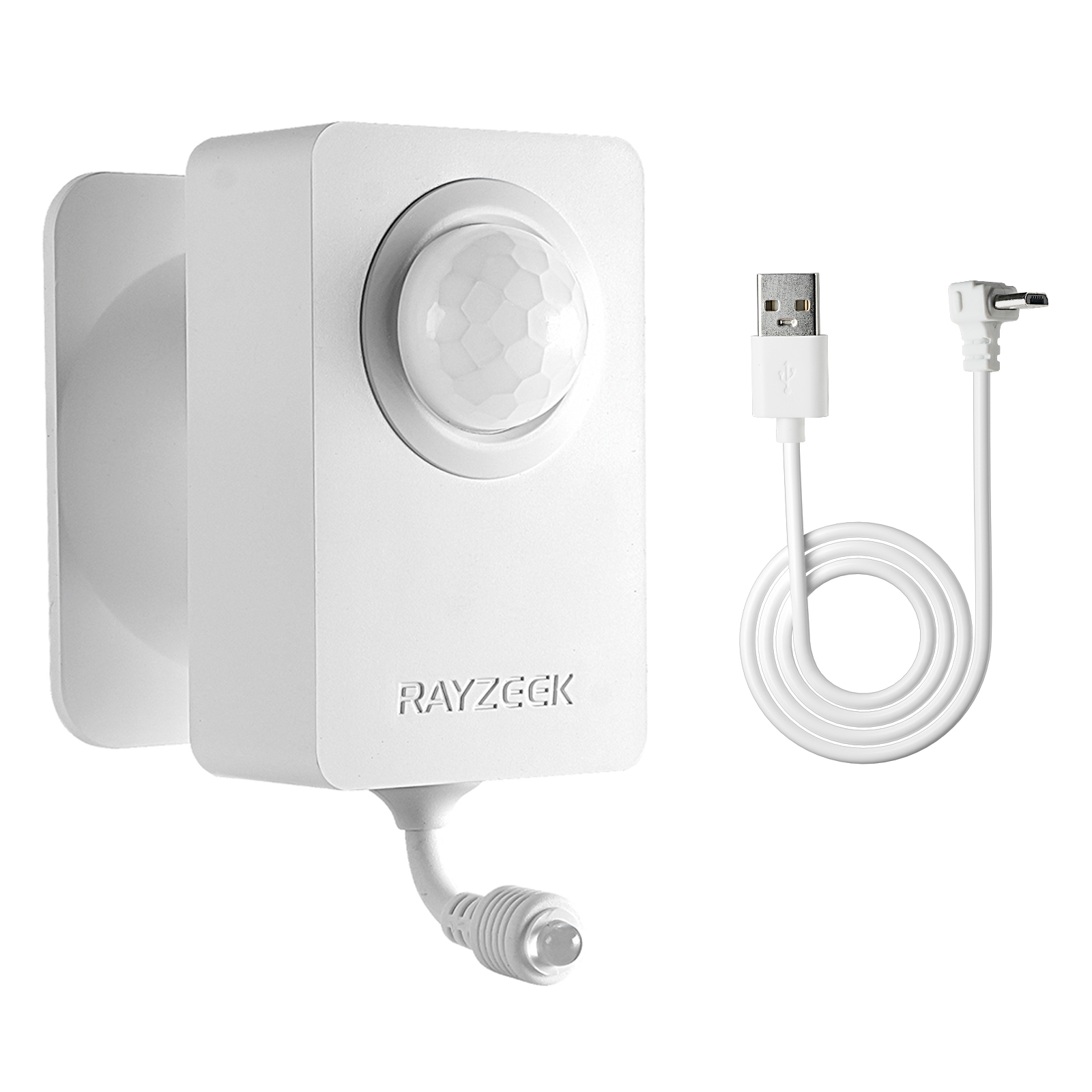
- Napięcie: 2x baterie AAA / 5V DC (Micro USB)
- Tryb dzień/noc
- Opóźnienie czasowe: 15min, 30min, 1h (domyślne), 2h
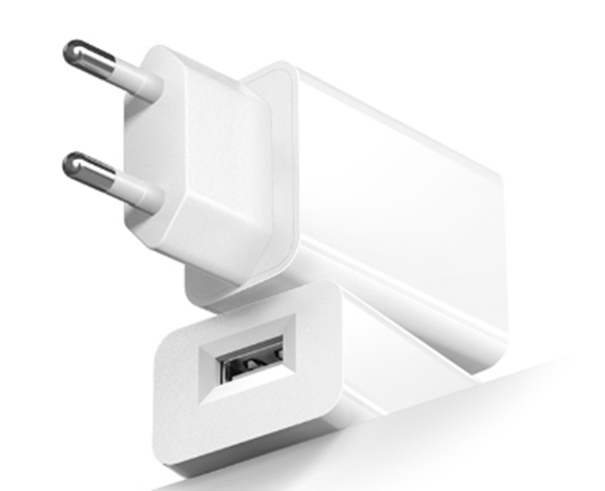
- Zasilacz sieciowy z wtyczką EU
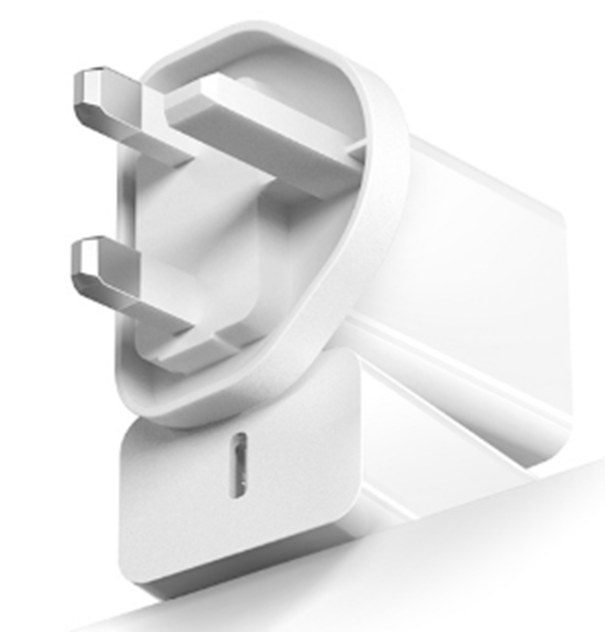
- Zasilacz sieciowy z wtyczką UK
Frequently Asked Questions
What Is an Example of Accent Lighting
Some products that can be considered as examples of accent lighting are wall lights, recessed spotlighting, track lighting, and wall-mounted picture lighting.
What Is Accent Lighting vs Ambient Lighting
Accent lighting is a type of lighting that is designed to emphasize a particular object or area. It is usually brighter than ambient lighting, with a brightness level that is typically three times higher. The purpose of accent lighting is to draw attention to specific features, such as artwork, furniture, or architectural details, and make them stand out as focal points.
What Is the Common Use of Accent Lighting
Accent lighting is commonly utilized in outdoor settings to emphasize the beauty of a tree, plant, or water feature, or to direct attention towards a specific area of the landscape. Typically, recessed or track lighting with adjustable fittings is employed for accent lighting, enabling precise focus even on small objects.
Where Do You Put Accent Lights
The ideal locations for accent lights are within recesses, below cupboards, under furnishings, behind screens or exhibits, and beneath staircases. LED tape lights are the most popular and easy-to-install fixtures for accent lighting, but under-cabinet lights and specific downlights can also be appropriate alternatives.
What Are the 4 Types of Lighting
The four primary categories of lighting are ambient, task, accent, and decorative.
How Bright Should Accent Lights Be
For optimal effect, it is recommended that accent lights be three times more luminous than the surrounding ambient lighting.
Is a Table Lamp Accent Lighting
The size of the lamp is the primary factor that distinguishes a table lamp from an accent lamp. Typically, table lamps are bigger and are utilized for task lighting or to enhance the ambiance of a room. On the other hand, accent lamps are smaller and are used to provide additional light in specific areas.
How Far Should Accent Light Be From Wall
When it comes to accent lighting, the general guideline for placing recessed light fixtures is to keep them within 1.5 to 3 feet from the wall. This is especially important if you want to highlight specific architectural elements or artwork. However, if your fixtures are not adjustable, it’s recommended to position them even closer to the wall.
What Is Recessed Accent Lighting
Recessed accent lighting refers to lighting fixtures that are installed inside a surface such as a ceiling or wall. These fixtures consist of three main components, namely the housing, trim, and bulb. The housing, which is concealed within the surface, contains the electrical connections of the fixture.
What Are the Names of Accent Lights
Commonly used accent lights are wall sconces, floodlights, recessed lights, torchère lamps, and track lighting. These types of lights are used to create visual interest in a room by providing brighter lighting.
What Is Accent Color
Accent colors are additional colors that are used to either contrast or complement the primary colors used in a room. These colors are used to emphasize certain elements, enhance the color scheme, or add a touch of liveliness and drama to an otherwise monotonous space.
How Many Lumens Do I Need for Accent Lighting
To determine the appropriate lumens for accent lighting, a general guideline is to use 10-20 lumens per square foot for a sitting room or bedroom. However, for areas like bathrooms or kitchens, a stronger level of lighting is necessary, typically around 70-80 lumens per square foot. To calculate the required lumens, multiply the square footage of the room by the appropriate figure.
What Type of Lighting Is Best for Dining Room
For a cozy and inviting atmosphere, it is recommended to use warm white or golden lighting with a temperature of up to 2,700 Kelvin in the dining room. It is important to avoid overly bright lighting as it can make the food look unappetizing.
What Is the Opposite of Ambient Light
The opposite of ambient light is accent lighting. It provides a highly focused light that aims to highlight a specific area or object in a room.







