
What is Accent Lighting
Accent lighting is a type of lighting that is used to highlight or accentuate specific areas or objects in a room. It is not the primary source of light but is complementary to ambient and task lighting. The purpose of accent lighting is to generate visual interest, particularly in darker areas of a room. This type of lighting can be achieved using directional fixtures or bulbs, such as wall lights, recessed spotlighting, track lighting, or wall-mounted picture lighting.
¿Busca soluciones de ahorro de energía activadas por movimiento?
Contáctenos para obtener sensores de movimiento PIR completos, productos de ahorro de energía activados por movimiento, interruptores con sensor de movimiento y soluciones comerciales de presencia/ausencia.
Accent lighting can be used both indoors and outdoors to create points of visual interest and to draw attention to specific features such as artwork, fireplaces, plants, textured walls, or architectural details. However, it is important to use accent lighting strategically to avoid overuse, which can create a cluttered or disorganized space.
In addition to its functional purpose, accent lighting can also be used to set the mood of a room and create different atmospheres. By reducing the ambient light in the space surrounding the accented object, effective highlights can be created while saving energy. It is essential to consider how a space is used and what features or treasures within the space need to be highlighted before creating a lighting scheme. Layering lighting sources from several fixtures, such as table lamps, floor lamps, and wall sconces, can cast a cozy glow and highlight any focal point features.
Quizás le interese

- Sensor de presencia PIR para montaje en techo con salida de relé de contacto seco
- Alimentación de bajo voltaje de 12/24VDC o 12/24VAC
- Contactos de relé aislados COM, NO y NC para entradas de EMS, HVAC y control de edificios

- Interruptor sensor de movimiento por microondas empotrable en techo de bajo voltaje DC
- Entrada de 12 VDC / 24 VDC con rango de 10-30 VDC
- Corriente de funcionamiento máxima de 10A con retardo de tiempo, umbral de Lux y sensibilidad ajustables
- Interruptor sensor de movimiento por microondas empotrable en techo para cargas más altas
- Entrada de voltaje de línea de 100-265 VAC, modelo de 10A
- Detección por microondas de 5.8 GHz con retardo de tiempo, umbral de Lux y sensibilidad ajustables
- Interruptor sensor de movimiento por microondas empotrable en techo
- Entrada de voltaje de línea de 100-265 VAC, modelo de 5A
- Detección por microondas de 5.8 GHz con retardo de tiempo, umbral de Lux y sensibilidad ajustables
- Dimmer sensor de presencia PIR RZ037 para montaje en techo para alimentación de 220V
- Corriente de funcionamiento máxima de 3A con carga nominal de 660W
- El botón LUX controla el encendido/apagado del sensor de luz y el brillo de regulación establecido por el usuario
- Dimmer sensor de presencia PIR RZ037 para montaje en techo para alimentación de 110V
- Corriente de funcionamiento máxima de 3A con carga nominal de 330W
- El botón LUX controla el encendido/apagado del sensor de luz y el brillo de regulación establecido por el usuario

- Interruptor de sensor de movimiento por microondas de techo de CC de bajo voltaje
- Entrada de 12 VDC / 24 VDC con rango de 10-30 VDC
- Corriente de funcionamiento máxima de 10A con retardo de tiempo, umbral de Lux y sensibilidad ajustables
- Interruptor de sensor de movimiento por microondas de techo para cargas más altas
- Entrada de voltaje de línea de 100-265 VAC, modelo de 10A
- Detección por microondas de 5.8 GHz con retardo de tiempo, umbral de Lux y sensibilidad ajustables
- Interruptor de sensor de movimiento por microondas de techo
- Entrada de voltaje de línea de 100-265 VAC, modelo de 5A
- Detección por microondas de 5.8 GHz con retardo de tiempo, umbral de Lux y sensibilidad ajustables

- Interruptor de sensor de movimiento PIR de techo empotrado de CC de bajo voltaje
- Entrada de 12 VDC / 24 VDC con rango de 10-30 VDC
- Corriente de trabajo máxima de 10A con retardo de tiempo, umbral de Lux y sensibilidad ajustables

- Interruptor de sensor de movimiento PIR de techo empotrado para cargas más altas
- Entrada de voltaje de línea de 100-265 VAC, modelo de 10A
- Detección de 360 grados con retardo de tiempo, umbral de Lux y sensibilidad ajustables
- Interruptor de sensor de movimiento PIR de techo empotrado
- Entrada de voltaje de línea de 100-265 VAC, modelo de 5A
- Detección de 360 grados con retardo de tiempo, umbral de Lux y sensibilidad ajustables

- Kit de receptor e interruptor inalámbrico para control de iluminación de encendido/apagado en interiores
- Receptor de 100-230VAC, 50/60Hz con corriente nominal de 5A
- Interruptor inalámbrico alimentado por CR2032 con comunicación de 2.4GHz
- Presencia (Encendido automático/Apagado automático)
- 12–24V DC (10–30VDC), hasta 10A
- Cobertura de 360°, 8–12 m de diámetro
- Retardo de tiempo de 15 s–30 min
- Sensor de luz Apagado/15/25/35 Lux
- Sensibilidad Alta/Baja
- Modo de presencia de encendido automático/apagado automático
- 100–265V AC, 10A (requiere neutro)
- Cobertura de 360°; diámetro de detección de 8–12 m
- Retardo de tiempo de 15 s–30 min; Lux APAGADO/15/25/35; Sensibilidad Alta/Baja
- Modo de presencia de encendido automático/apagado automático
- 100–265V CA, 5A (se requiere neutro)
- Cobertura de 360°; diámetro de detección de 8–12 m
- Retardo de tiempo de 15 s–30 min; Lux APAGADO/15/25/35; Sensibilidad Alta/Baja
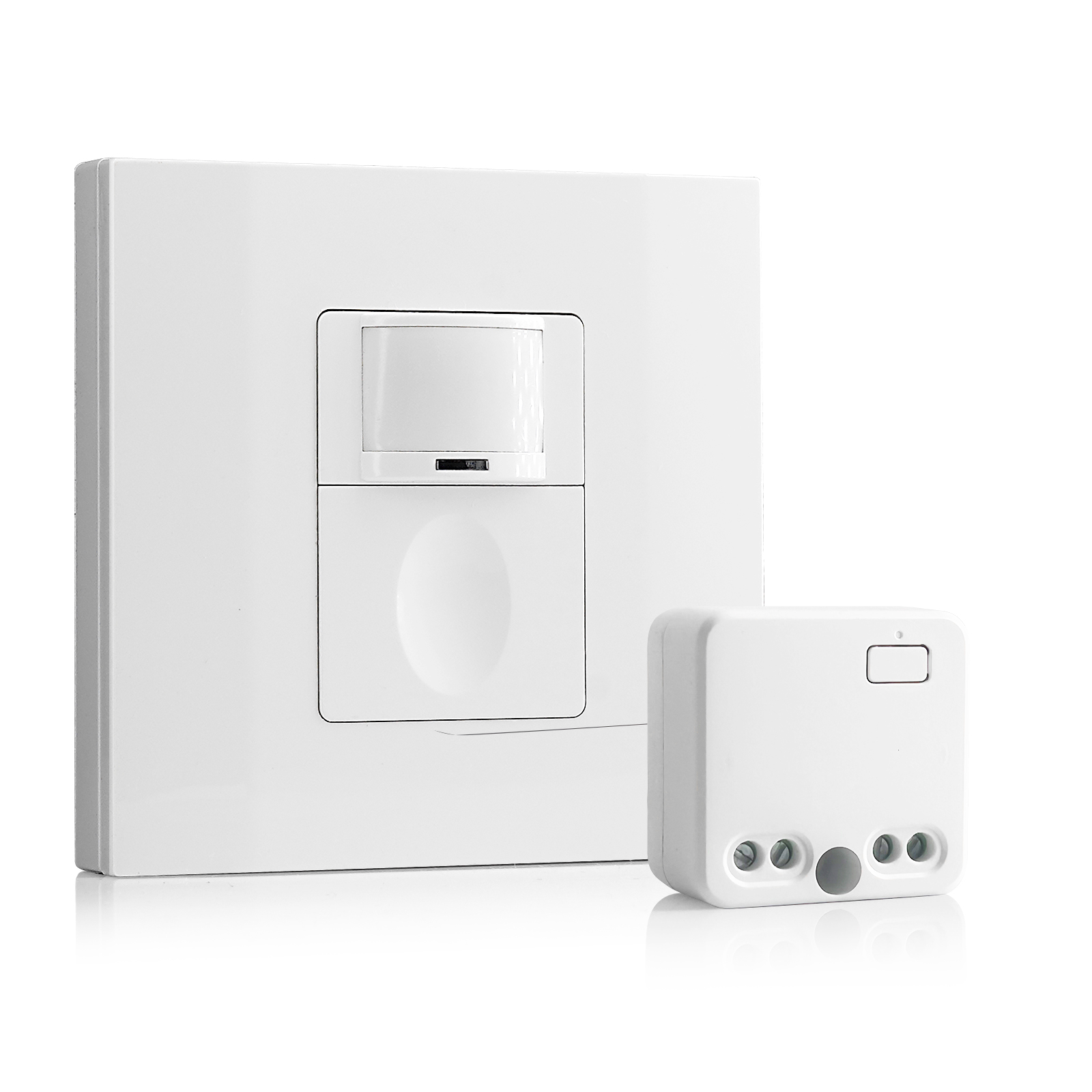
- 100V-230V CA
- Distancia de transmisión: hasta 20 m
- Sensor de movimiento inalámbrico
- Control cableado
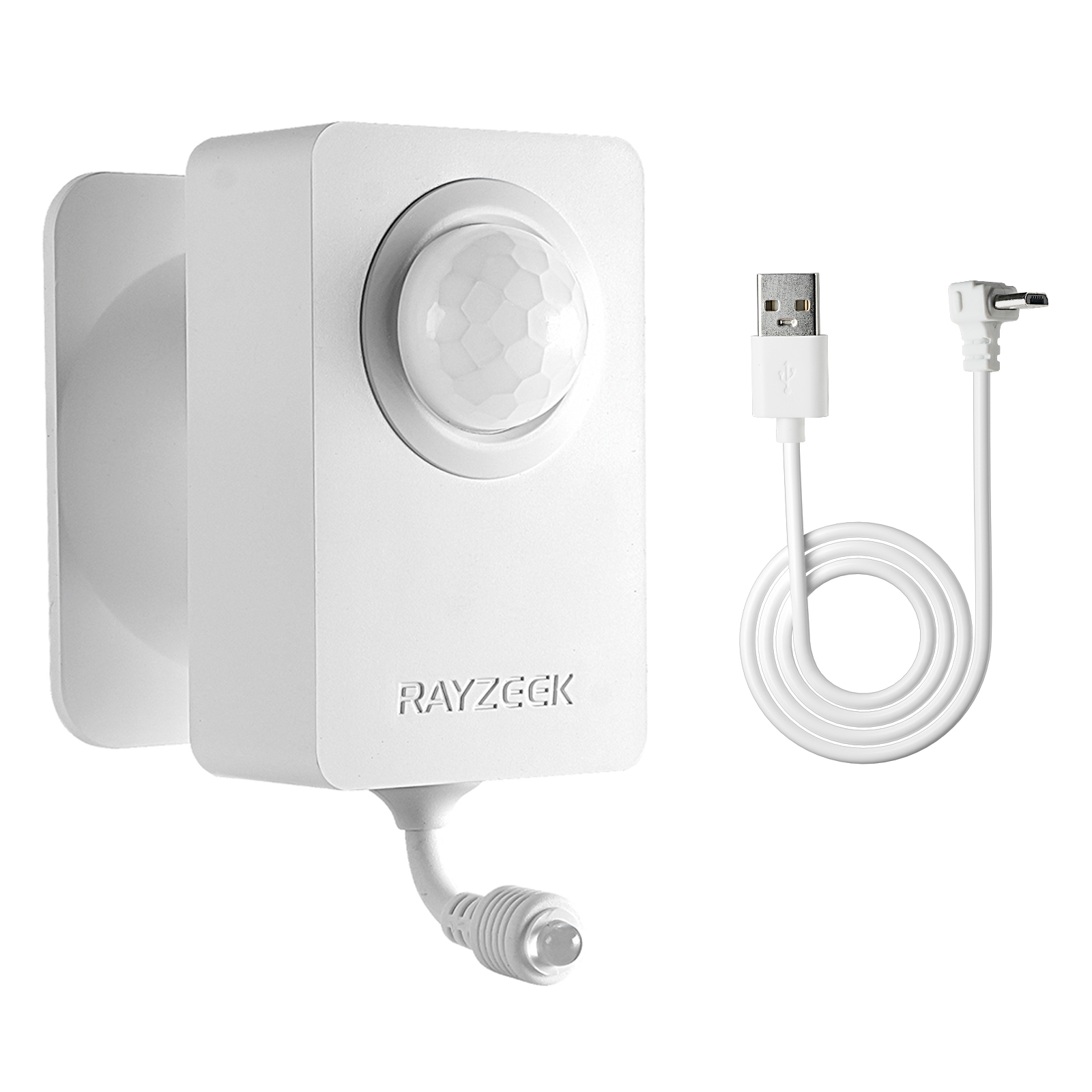
- Voltaje: 2 baterías AAA / 5V CC (Micro USB)
- Modo día/noche
- Tiempo de retardo: 15 min, 30 min, 1 h (por defecto), 2 h
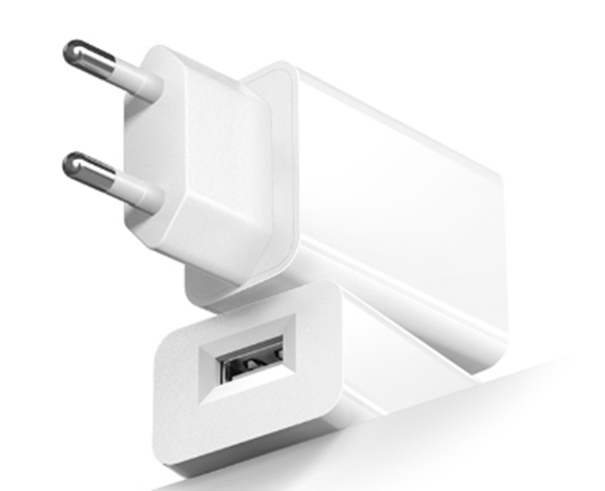
- Adaptador de corriente con enchufe de la UE
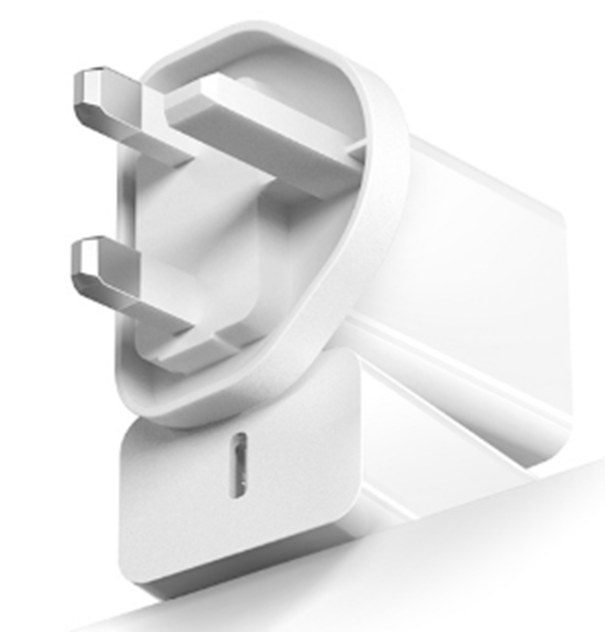
- Adaptador de corriente con enchufe del Reino Unido
Frequently Asked Questions
What Is an Example of Accent Lighting
Some products that can be considered as examples of accent lighting are wall lights, recessed spotlighting, track lighting, and wall-mounted picture lighting.
What Is Accent Lighting vs Ambient Lighting
Accent lighting is a type of lighting that is designed to emphasize a particular object or area. It is usually brighter than ambient lighting, with a brightness level that is typically three times higher. The purpose of accent lighting is to draw attention to specific features, such as artwork, furniture, or architectural details, and make them stand out as focal points.
What Is the Common Use of Accent Lighting
Accent lighting is commonly utilized in outdoor settings to emphasize the beauty of a tree, plant, or water feature, or to direct attention towards a specific area of the landscape. Typically, recessed or track lighting with adjustable fittings is employed for accent lighting, enabling precise focus even on small objects.
Where Do You Put Accent Lights
The ideal locations for accent lights are within recesses, below cupboards, under furnishings, behind screens or exhibits, and beneath staircases. LED tape lights are the most popular and easy-to-install fixtures for accent lighting, but under-cabinet lights and specific downlights can also be appropriate alternatives.
What Are the 4 Types of Lighting
The four primary categories of lighting are ambient, task, accent, and decorative.
How Bright Should Accent Lights Be
For optimal effect, it is recommended that accent lights be three times more luminous than the surrounding ambient lighting.
Is a Table Lamp Accent Lighting
The size of the lamp is the primary factor that distinguishes a table lamp from an accent lamp. Typically, table lamps are bigger and are utilized for task lighting or to enhance the ambiance of a room. On the other hand, accent lamps are smaller and are used to provide additional light in specific areas.
How Far Should Accent Light Be From Wall
When it comes to accent lighting, the general guideline for placing recessed light fixtures is to keep them within 1.5 to 3 feet from the wall. This is especially important if you want to highlight specific architectural elements or artwork. However, if your fixtures are not adjustable, it’s recommended to position them even closer to the wall.
What Is Recessed Accent Lighting
Recessed accent lighting refers to lighting fixtures that are installed inside a surface such as a ceiling or wall. These fixtures consist of three main components, namely the housing, trim, and bulb. The housing, which is concealed within the surface, contains the electrical connections of the fixture.
What Are the Names of Accent Lights
Commonly used accent lights are wall sconces, floodlights, recessed lights, torchère lamps, and track lighting. These types of lights are used to create visual interest in a room by providing brighter lighting.
What Is Accent Color
Accent colors are additional colors that are used to either contrast or complement the primary colors used in a room. These colors are used to emphasize certain elements, enhance the color scheme, or add a touch of liveliness and drama to an otherwise monotonous space.
How Many Lumens Do I Need for Accent Lighting
To determine the appropriate lumens for accent lighting, a general guideline is to use 10-20 lumens per square foot for a sitting room or bedroom. However, for areas like bathrooms or kitchens, a stronger level of lighting is necessary, typically around 70-80 lumens per square foot. To calculate the required lumens, multiply the square footage of the room by the appropriate figure.
What Type of Lighting Is Best for Dining Room
For a cozy and inviting atmosphere, it is recommended to use warm white or golden lighting with a temperature of up to 2,700 Kelvin in the dining room. It is important to avoid overly bright lighting as it can make the food look unappetizing.
What Is the Opposite of Ambient Light
The opposite of ambient light is accent lighting. It provides a highly focused light that aims to highlight a specific area or object in a room.







