Wybór odpowiedniej mocy klimatyzatora ma kluczowe znaczenie dla zapewnienia komfortu oraz efektywności energetycznej w domu. Nieprawidłowo dobrana jednostka może prowadzić do braku komfortu, wysokich rachunków za energię, a nawet do przedwczesnej awarii sprzętu. Jak jednak określić idealną moc dla danej przestrzeni? Ten kompleksowy przewodnik przeprowadzi Cię przez wszystkie niezbędne zagadnienia – od podstaw dotyczących jednostek BTU, po zaawansowane czynniki, takie jak masa termiczna czy obliczenia obciążenia chłodniczego metodą Manual J. Niezależnie od tego, czy jesteś właścicielem domu szukającym praktycznych porad, czy doświadczonym specjalistą poszukującym szczegółowych informacji technicznych, ten artykuł zawiera wszystko, czego potrzebujesz.
Czym jest BTU?
Zacznijmy od podstaw. BTU to skrót od British Thermal Unit (Brytyjska Jednostka Ciepła). Jest to jednostka energii określająca ilość ciepła potrzebną do podniesienia temperatury jednego funta wody o jeden stopień Fahrenheita. W kontekście klimatyzatorów BTU odnosi się do wydajności chłodniczej urządzenia. Wskazuje w szczególności ilość ciepła, jaką klimatyzator jest w stanie usunąć z pomieszczenia w ciągu jednej godziny.
Można to przedstawić w następujący sposób: wyobraź sobie BTU jako miarę tego, jak szybko za pomocą wiadra można usunąć wodę z basenu. Większe wiadro (wyższe BTU) pozwala usunąć wodę szybciej. Klimatyzator o wyższym współczynniku BTU charakteryzuje się zatem większą wydajnością chłodniczą.
Należy pamiętać, że wartość BTU jest miarą szybkości wymiany ciepła, a nie tylko całkowitej ilości ciepła. Rozróżnienie to jest kluczowe dla zrozumienia, w jaki sposób klimatyzatory utrzymują stałą temperaturę poprzez ciągłe odprowadzanie ciepła napływającego do pomieszczenia.
Dlaczego właściwy dobór mocy klimatyzatora jest tak ważny
Możesz się zastanawiać: “Dlaczego moc urządzenia ma tak duże znaczenie?”. Odpowiedni dobór klimatyzatora to nie tylko kwestia komfortu – ma on istotny wpływ na finanse, zdrowie oraz żywotność sprzętu. Oto główne powody, dla których właściwy dobór mocy jest kluczowy:
Komfort
Odpowiednio dobrany klimatyzator skutecznie ochłodzi pomieszczenie do żądanej temperatury i będzie ją konsekwentnie utrzymywał. Czy zdarzyło Ci się przebywać w pomieszczeniu, w którym zawsze było zbyt ciepło lub zbyt zimno, niezależnie od ustawień termostatu? Często jest to objaw niewłaściwie dobranej mocy klimatyzacji. Urządzenie o zbyt dużej mocy ochłodzi pomieszczenie zbyt szybko, co prowadzi do tzw. krótkich cykli pracy (short cycling), powodując wahania temperatury i dyskomfort. Z kolei urządzenie o zbyt małej mocy będzie miało trudności z adekwatnym schłodzeniem przestrzeni, szczególnie w okresach największych upałów.
Efektywność energetyczna
Klimatyzatory o prawidłowo dobranej mocy pracują z optymalną wydajnością, zużywając mniej energii. Zbyt duże jednostki często się włączają i wyłączają, marnując energię przy każdym rozruchu. Z kolei jednostki o zbyt małej mocy pracują bez przerwy, zużywając więcej energii niż to konieczne. Można to porównać do jazdy samochodem w korku w porównaniu do płynnej jazdy po autostradzie – ten drugi sposób jest znacznie bardziej energooszczędny.
Kontrola wilgotności
Klimatyzatory nie tylko chłodzą powietrze, ale również je osuszają. Jest to kluczowe dla komfortu, ponieważ wysoka wilgotność może sprawiać, że w pomieszczeniu jest duszno i nieprzyjemnie. Urządzenia o zbyt dużej mocy nie pracują wystarczająco długo, aby odpowiednio osuszyć powietrze, co wywołuje uczucie wilgoci i chłodu. Z kolei zbyt małe jednostki mogą nie być w stanie usunąć wystarczającej ilości wilgoci z powietrza, zwłaszcza w wilgotnym klimacie.
Żywotność sprzętu
Jak każde urządzenie, klimatyzator działa dłużej, gdy jest eksploatowany we właściwy sposób. Odpowiednio dobrane jednostki podlegają mniejszemu zużyciu, co przekłada się na dłuższą żywotność. Urządzenia o zbyt dużej mocy cierpią z powodu zbyt krótkich cykli pracy, co obciąża sprężarkę i inne komponenty. Z kolei zbyt małe jednostki są stale przeciążone, co prowadzi do ich przedwczesnej awarii.
Zainspiruj się portfolio czujników ruchu Rayzeek.
Nie znajdujesz tego, czego szukasz? Bez obaw. Zawsze istnieją alternatywne sposoby rozwiązania Twoich problemów. Może jedno z naszych portfolio okaże się pomocne.
Oszczędność kosztów
Energooszczędne działanie przekłada się bezpośrednio na niższe rachunki za prąd. Ponadto dłuższa żywotność sprzętu oznacza rzadszą konieczność wymiany i napraw, co pozwala zaoszczędzić pieniądze w długiej perspektywie. To rozwiązanie korzystne pod każdym względem.
Wpływ na zdrowie
Zbyt intensywne chłodzenie może prowadzić do problemów z układem oddechowym i ogólnego uczucia dyskomfortu, podczas gdy niewystarczające chłodzenie może sprzyjać udarowi cieplnemu. Prawidłowy dobór mocy pomaga utrzymać zdrowe środowisko wewnętrzne, zapewniając warunki, w których nie grozi Ci ani zmarznięcie, ani przegrzanie.
Occupant Behavior
It’s worth noting that how you use your space also impacts cooling needs. Adjusting thermostat settings, using blinds to block sunlight, and opening windows for ventilation can all influence the actual cooling load. These factors should be considered alongside the calculated size for optimal comfort and efficiency.
Another Layer of Efficiency: Smart AC Control
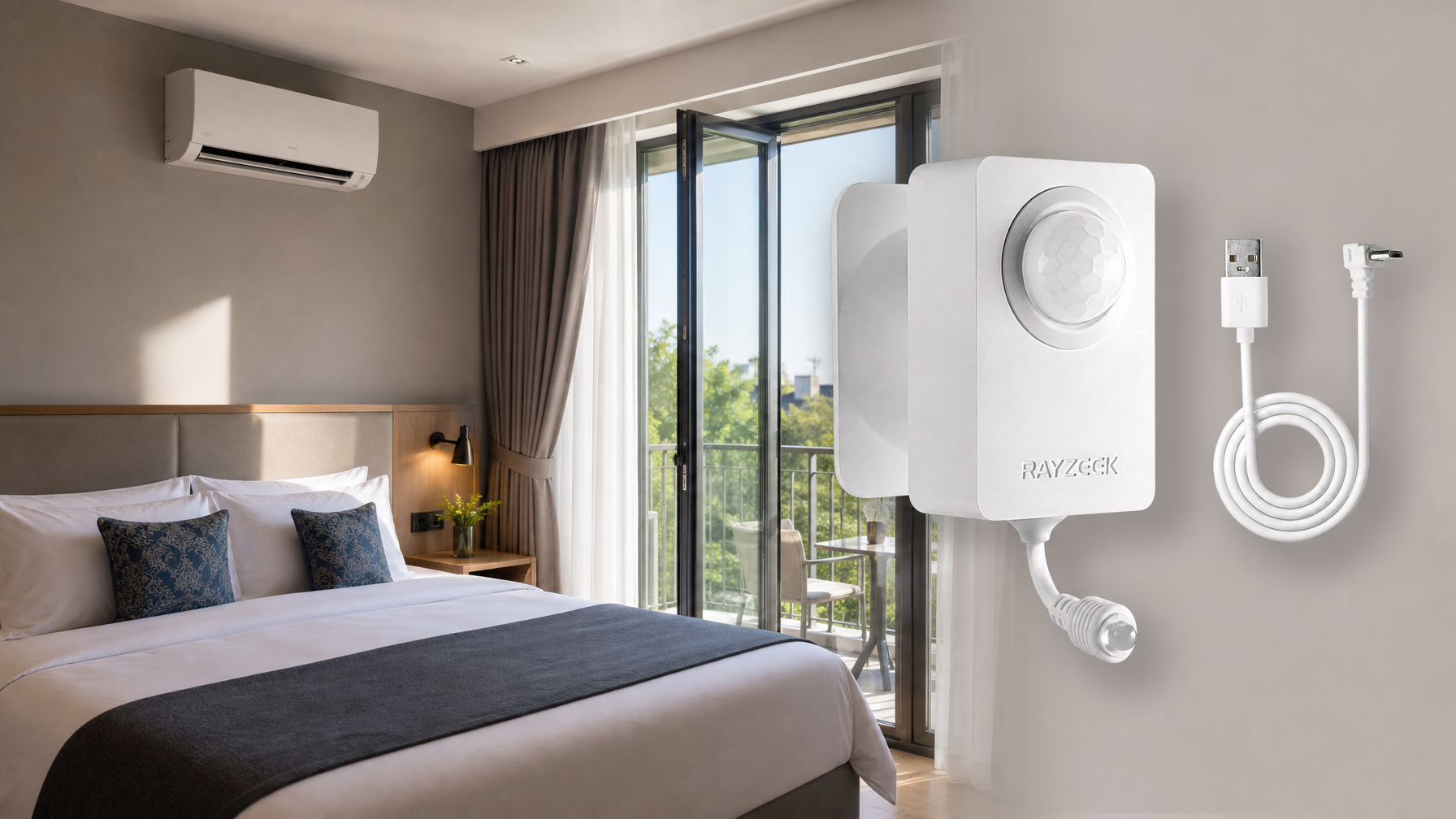
While choosing the right size air conditioner is crucial, there are additional steps you can take to maximize energy savings and enhance comfort. Even with a perfectly sized AC, it’s easy to forget to turn it off when leaving a room, leading to unnecessary energy consumption. This is where a smart AC controller like the RZ050 can make a significant difference.
The RZ050 Air Conditioner Motion Sensor is designed to automatically turn off your AC when a room is unoccupied. Using advanced PIR motion-sensing technology, it detects when you’ve left the room and sends an “off” signal to your AC after a preset time delay. This simple yet effective automation ensures that your AC is only running when needed, significantly reducing your energy bills and environmental impact. The RZ050 also features a night mode that prevents the AC from accidentally turning off while occupants are sleeping, ensuring a comfortable night’s rest.

RZ050 Air Conditioner Motion Sensor
Maximize AC Efficiency and Savings, Automatically.
- Automatically turns off your AC when you leave the room
- Reduces energy bills by up to 50%
- Easy DIY installation, compatible with most remote-controlled ACs
How to Calculate What Size Air Conditioner You Need
Several factors influence the appropriate size of an air conditioner. While a basic calculation can be done using the room’s square footage, other factors should also be considered for a more accurate assessment.
Measuring Your Space
The first step is to measure the length and width of the room in feet. Multiply the length by the width to get the square footage. For example, a room that is 10 feet long and 15 feet wide has a square footage of 150 square feet (10 x 15 = 150).
What about irregularly shaped rooms? No problem. Simply divide the room into smaller rectangular sections, calculate the square footage of each section, and add them together.
Understanding the Role of Climate
Climate significantly affects cooling needs. It’s pretty obvious that hotter climates require more cooling capacity than cooler ones. But did you know that humidity also plays a major role? Humid air feels hotter than dry air because it reduces the body’s ability to cool itself through evaporation.
ASHRAE Climate Zone Data
The American Society of Heating, Refrigerating and Air-Conditioning Engineers (ASHRAE) has developed climate zone maps that divide North America into different zones based on temperature and humidity. These maps are an invaluable tool for determining the appropriate cooling capacity for a given location.
For instance, a home in Miami, Florida (Zone 1) will require a larger air conditioner than a home of the same size in Seattle, Washington (Zone 4). ASHRAE provides detailed data on design temperatures and humidity levels for each climate zone, which can be used for precise cooling load calculations. This level of detail is particularly important for experienced researchers and HVAC professionals.
The Impact of Insulation
Insulation acts as a barrier, keeping heat out of your home during the summer and reducing the cooling load. Well-insulated homes require less cooling capacity than poorly insulated ones. It’s like wearing a light jacket versus a heavy coat – the better the insulation, the less your body (or your AC) has to work to maintain a comfortable temperature.
Understanding R-Value
R-value is a measure of a material’s resistance to heat flow. Higher R-values indicate better insulation. Walls, ceilings, and floors should be adequately insulated to minimize heat gain. The recommended R-values for different parts of the home vary by climate zone.
For example, a wall with an R-value of R-19 is better insulated than a wall with an R-value of R-13. Adding insulation can significantly reduce cooling needs and energy consumption, leading to long-term cost savings.
How Windows Affect Cooling Needs
Windows can be a major source of heat gain, especially those that receive direct sunlight. The size, type, and orientation of windows can significantly affect your cooling load.
Quantifying Solar Heat Gain
Solar heat gain is the amount of heat that enters a room through the windows due to solar radiation. It is quantified using the Solar Heat Gain Coefficient (SHGC), which is a number between 0 and 1. A lower SHGC indicates that the window blocks more solar heat. Windows with a low SHGC are more energy-efficient, acting like a shield against the sun’s rays.
Single-Pane vs. Double-Pane vs. Low-E Windows
- Single-pane windows: These offer little insulation and allow a significant amount of heat to pass through. They’re like an open door for heat.
- Double-pane windows: These have two panes of glass with an air gap in between, providing better insulation than single-pane windows. The air gap acts as a buffer, reducing heat transfer.
- Low-e windows: These have a special coating that reflects infrared radiation, reducing solar heat gain. They are the most energy-efficient option, acting like a mirror for heat.
Window orientation also matters: South-facing windows receive the most direct sunlight in the Northern Hemisphere. Using blinds, curtains, or awnings can help to reduce solar heat gain, acting as additional layers of protection against the sun.
Building Orientation:
It’s not just about individual windows; the orientation of your entire building plays a role. South-facing windows in the Northern Hemisphere receive the most direct sunlight, significantly increasing solar heat gain. This should be factored into your cooling calculations, especially if you have large south-facing windows.
How Many People Use the Room?
People generate heat, so the number of people who typically occupy a room affects the cooling load. Each person adds about 400-600 BTUs of heat per hour. For rooms with high occupancy, such as living rooms or conference rooms, additional cooling capacity may be needed. It’s like adding more engines to a vehicle – the more people, the more power you need to keep things cool.
The Impact of Ceiling Height
Rooms with high ceilings have a larger volume of air to cool, which requires more cooling capacity. A general rule of thumb is to add 10-20% to the cooling capacity for each 2 feet of ceiling height above 8 feet. For example, for a room with 10-foot ceilings, you might add 10-20% to the calculated BTU requirement.
Room-Specific Considerations:
Different rooms have different needs. Kitchens may require additional cooling capacity due to appliances that generate heat. Bedrooms may prioritize quiet operation for a peaceful night’s sleep. Living rooms with high occupancy may need extra BTUs to keep everyone comfortable during gatherings.
Advanced Factors in Air Conditioner Sizing
These factors are particularly relevant for experienced researchers and professionals who need to perform precise cooling load calculations.
Air Infiltration and Ventilation
Air infiltration is the unintentional leakage of outside air into the home through cracks and gaps in the building envelope. Ventilation, on the other hand, is the intentional introduction of outside air into the home for air quality purposes. Both infiltration and ventilation can increase the cooling load, especially in hot and humid climates.
Air infiltration can be measured using a blower door test, which quantifies the leakiness of a building. Proper sealing and ventilation design can help to minimize the impact of infiltration and ventilation on cooling load, ensuring that your AC doesn’t have to work harder than necessary.
Relative Humidity and Perceived Temperature
Relative humidity (RH) is the amount of moisture in the air compared to the maximum amount of moisture the air can hold at that temperature. High humidity makes the air feel hotter because it reduces the body’s ability to cool itself through evaporation.
Szukasz energooszczędnych rozwiązań aktywowanych ruchem?
Skontaktuj się z nami w sprawie czujników ruchu PIR, energooszczędnych produktów aktywowanych ruchem, przełączników z czujnikiem ruchu oraz komercyjnych rozwiązań typu Occupancy/Vacancy.
The relationship between temperature, humidity, and perceived temperature is often represented using a heat index chart. In humid climates, it may be necessary to choose an air conditioner with a slightly higher capacity to compensate for the effect of humidity on perceived temperature.
Thermal Mass of Building Materials
Thermal mass is the ability of a material to absorb and store heat. Materials with high thermal mass, such as concrete and brick, can help to moderate indoor temperatures by absorbing heat during the day and releasing it at night. This can be a significant advantage in climates with large temperature swings between day and night.
Buildings with high thermal mass may require less cooling capacity than buildings with low thermal mass. The thermal mass of building materials can be factored into cooling load calculations using specialized software, providing a more accurate assessment of cooling needs.
Air Conditioner Sizing Chart
A sizing chart provides a general guideline for choosing an air conditioner based on square footage. Here’s an example chart:
| Square Footage | BTU Rating |
|---|---|
| 100 – 150 | 5,000 |
| 150 – 250 | 6,000 |
| 250 – 300 | 7,000 |
| 300 – 350 | 8,000 |
| 350 – 400 | 9,000 |
| 400 – 450 | 10,000 |
| 450 – 550 | 12,000 |
| 550 – 700 | 14,000 |
| 700 – 1,000 | 18,000 |
| 1,000 – 1,200 | 21,000 |
| 1,200 – 1,400 | 23,000 |
| 1,400 – 1,500 | 25,000 |
Remember, this chart is a starting point and should be adjusted based on the factors discussed above. Online calculators can also be used to estimate the appropriate BTU rating, but they may not capture all the nuances of your specific situation.
Limitations of Charts:
It’s important to understand that these charts provide a general estimate but do not replace detailed load calculations, especially for homes with unique characteristics or in extreme climates. They’re a good starting point, but not the final word.
What Happens If Your Air Conditioner Is Too Big?
You might think that a bigger air conditioner is always better, but that’s not the case. An oversized unit can cause a host of problems:
- Short Cycling: The air conditioner cools the room too quickly and turns off before completing a full cooling cycle. This leads to frequent starts and stops, which is inefficient and can damage the compressor.
- Poor Humidity Control: The unit doesn’t run long enough to remove moisture from the air, resulting in a clammy and uncomfortable environment.
- Higher Initial Cost: Oversized units are typically more expensive to purchase.
- Uneven Cooling: Some areas of the room may be too cold, while others remain warm.
- Increased Energy Consumption: Frequent cycling leads to higher energy bills.
What Happens If Your Air Conditioner Is Too Small?
On the other hand, an undersized air conditioner is also problematic:
- Inadequate Cooling: The air conditioner struggles to cool the room to the desired temperature, especially during hot weather.
- Continuous Operation: The unit runs constantly, leading to high energy consumption and increased wear and tear.
- Higher Energy Bills: The unit works harder and longer, resulting in higher utility costs.
- Reduced Lifespan: Constant operation can lead to premature failure of the unit.
- Poor Air Quality: The unit may not be able to adequately filter the air if it’s constantly running at maximum capacity.
Types of Air Conditioners
Different types of air conditioners have different sizing considerations. Let’s take a quick look at some common types:
Window Air Conditioners
These are designed to cool a single room and are relatively inexpensive and easy to install. Sizing is typically based on the square footage of the room, with BTU ratings typically ranging from 5,000 to 25,000.
Portable Air Conditioners
These can be moved from room to room but are generally less efficient than window units. Sizing is also based on square footage, with BTU ratings typically ranging from 7,000 to 15,000.
Ductless Mini-Split Air Conditioners
These consist of an outdoor unit and one or more indoor units, offering greater efficiency than window or portable units. They can be used to cool multiple rooms or zones, with sizing based on the cooling load of each zone. BTU ratings typically range from 6,000 to 42,000 per indoor unit.
Central Air Conditioners
These cool the entire house through a system of ducts and are the most expensive type of air conditioner. Sizing is based on the total cooling load of the house and is measured in tons, where one ton equals 12,000 BTUs. Typical residential central air conditioners range from 1.5 to 5 tons.
Professional HVAC Assessment
For complex situations, large homes, or if you simply want the most accurate assessment possible, it’s recommended to consult a qualified HVAC professional. They can perform a detailed load calculation to determine the appropriate size of the air conditioner, taking into account all the factors we’ve discussed and more.
Manual J Load Calculation
Manual J is a standardized method for calculating residential cooling loads, and it’s the gold standard in the HVAC industry. It takes into account a wide range of factors, including:
Może Cię również zainteresować
- Napięcie: 2 baterie AAA
- Tryb Dzień/Noc
- Opóźnienie czasowe: 15min, 30min, 1h (domyślnie), 2h
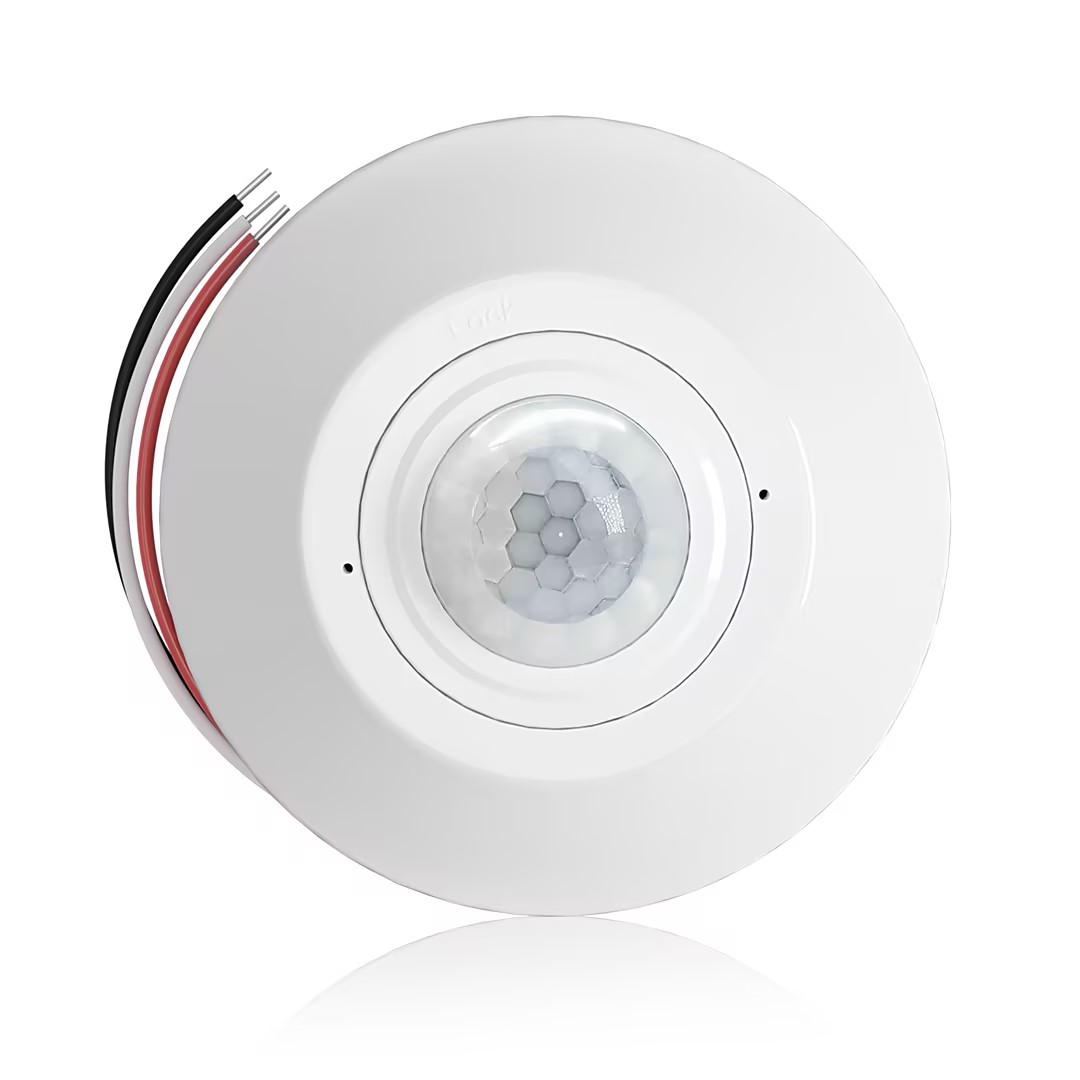
- Sufitowy czujnik obecności PIR z wyjściem przekaźnikowym bezpotencjałowym
- Zasilanie niskonapięciowe 12/24 VDC lub 12/24 VAC
- Izolowane styki przekaźnika COM, NO i NC dla wejść systemów EMS, HVAC i sterowania budynkiem
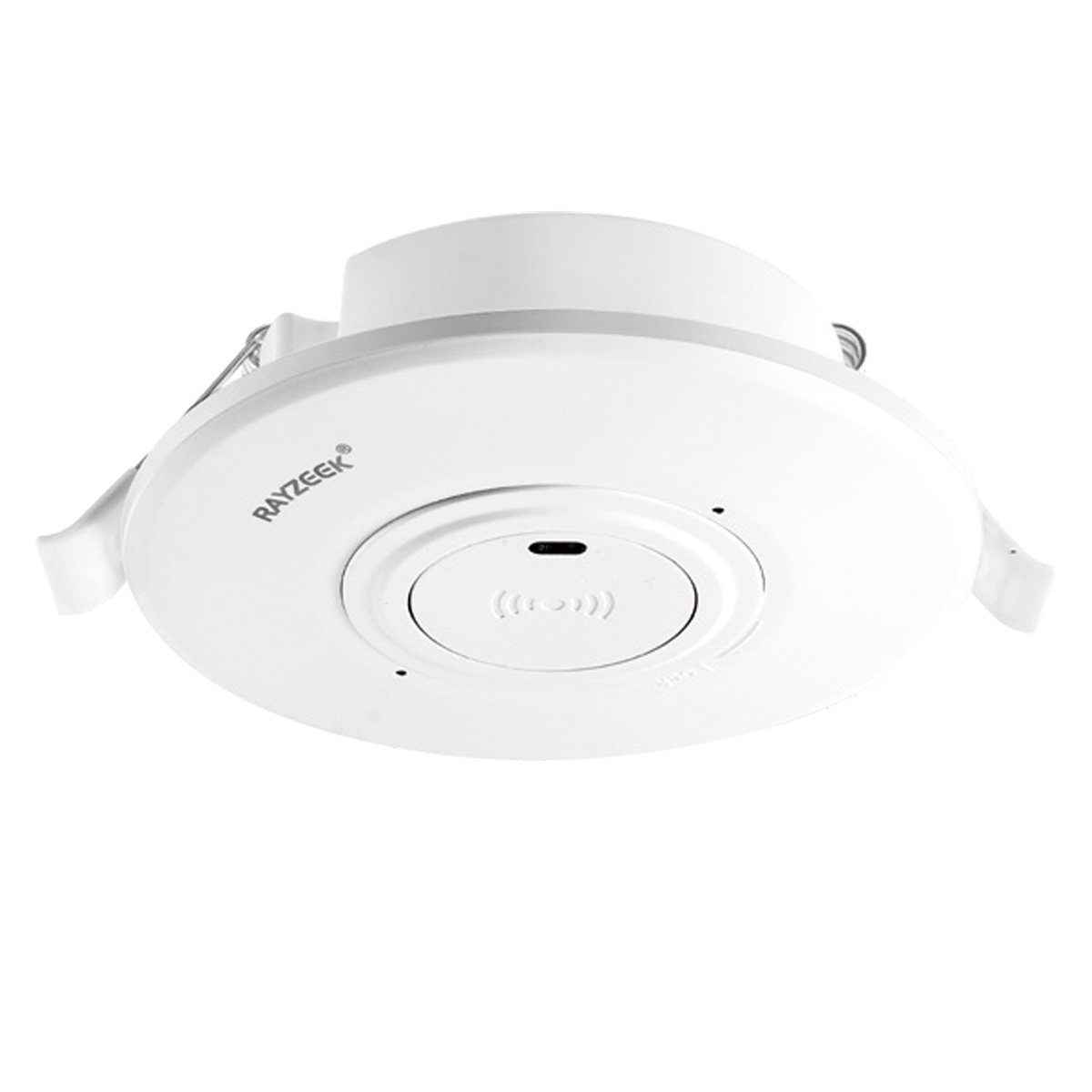
- Niskonapięciowy, podtynkowy sufitowy mikrofalowy czujnik ruchu DC
- Wejście 12 VDC / 24 VDC w zakresie 10–30 VDC
- Maksymalny prąd roboczy 10 A z regulowanym opóźnieniem czasowym, progiem Lux i czułością
- Mikrofalowy czujnik ruchu do montażu podtynkowego w suficie o podwyższonej obciążalności
- Zasilanie sieciowe 100-265 VAC, model 10A
- Detekcja mikrofalowa 5,8 GHz z regulowanym opóźnieniem czasowym, progiem Lux i czułością
- Mikrofalowy czujnik ruchu do montażu podtynkowego w suficie
- Zasilanie sieciowe 100-265 VAC, model 5A
- Detekcja mikrofalowa 5,8 GHz z regulowanym opóźnieniem czasowym, progiem Lux i czułością
- Sufitowy czujnik obecności PIR ze ściemniaczem RZ037 do zasilania 220V
- Maksymalny prąd roboczy 3A przy obciążeniu znamionowym 660W
- Przycisk LUX steruje włączeniem/wyłączeniem czujnika światła oraz ustawionym przez użytkownika poziomem jasności
- Sufitowy czujnik obecności PIR ze ściemniaczem RZ037 do zasilania 110V
- Maksymalny prąd roboczy 3A przy obciążeniu znamionowym 330W
- Przycisk LUX steruje włączeniem/wyłączeniem czujnika światła oraz ustawionym przez użytkownika poziomem jasności
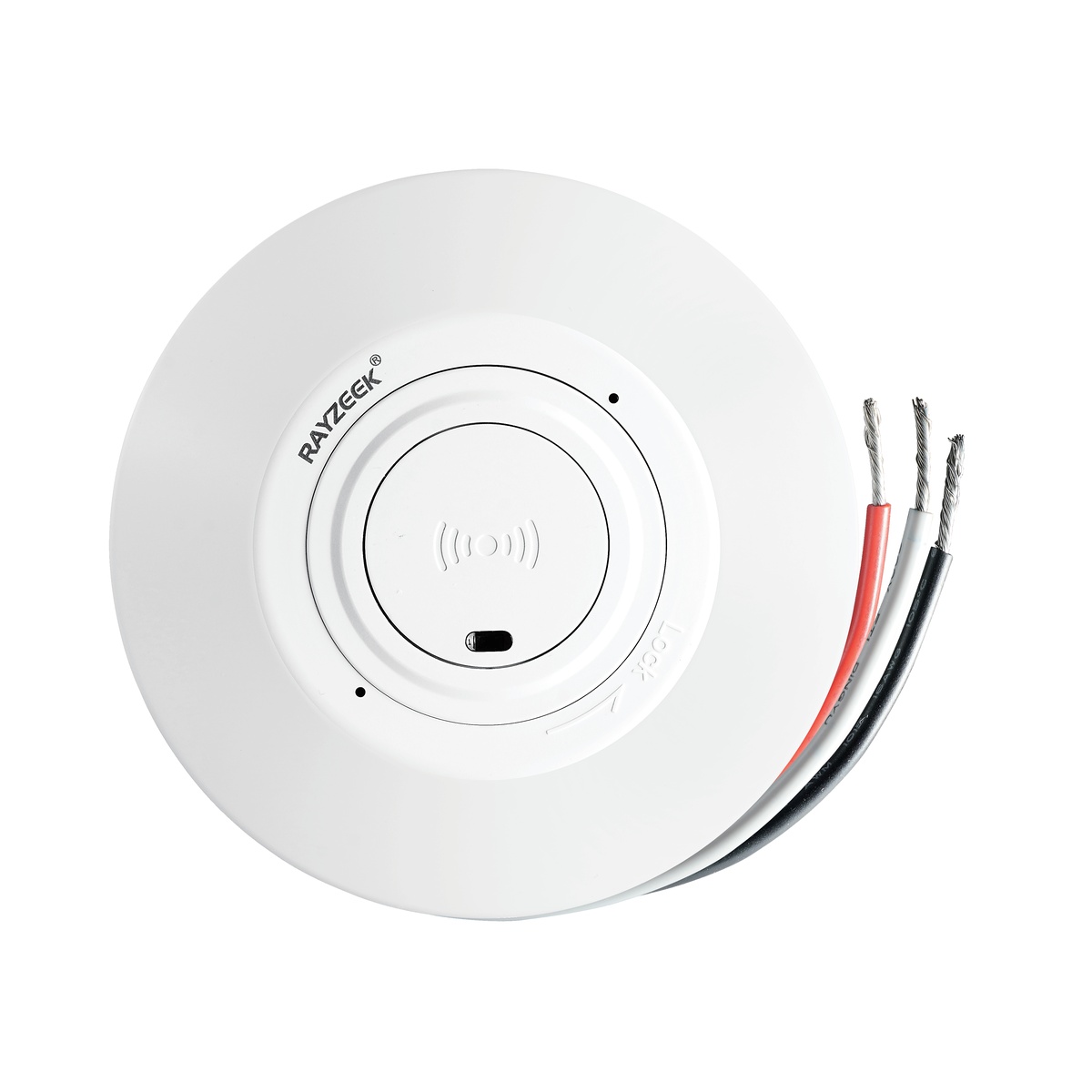
- Niskonapięciowy DC sufitowy mikrofalowy czujnik ruchu
- Wejście 12 VDC / 24 VDC w zakresie 10–30 VDC
- Maksymalny prąd roboczy 10 A z regulowanym opóźnieniem czasowym, progiem Lux i czułością
- Sufitowy mikrofalowy czujnik ruchu o podwyższonej obciążalności
- Zasilanie sieciowe 100-265 VAC, model 10A
- Detekcja mikrofalowa 5,8 GHz z regulowanym opóźnieniem czasowym, progiem Lux i czułością
- Sufitowy mikrofaliowy czujnik ruchu z przełącznikiem
- Zasilanie sieciowe 100-265 VAC, model 5A
- Detekcja mikrofalowa 5,8 GHz z regulowanym opóźnieniem czasowym, progiem Lux i czułością
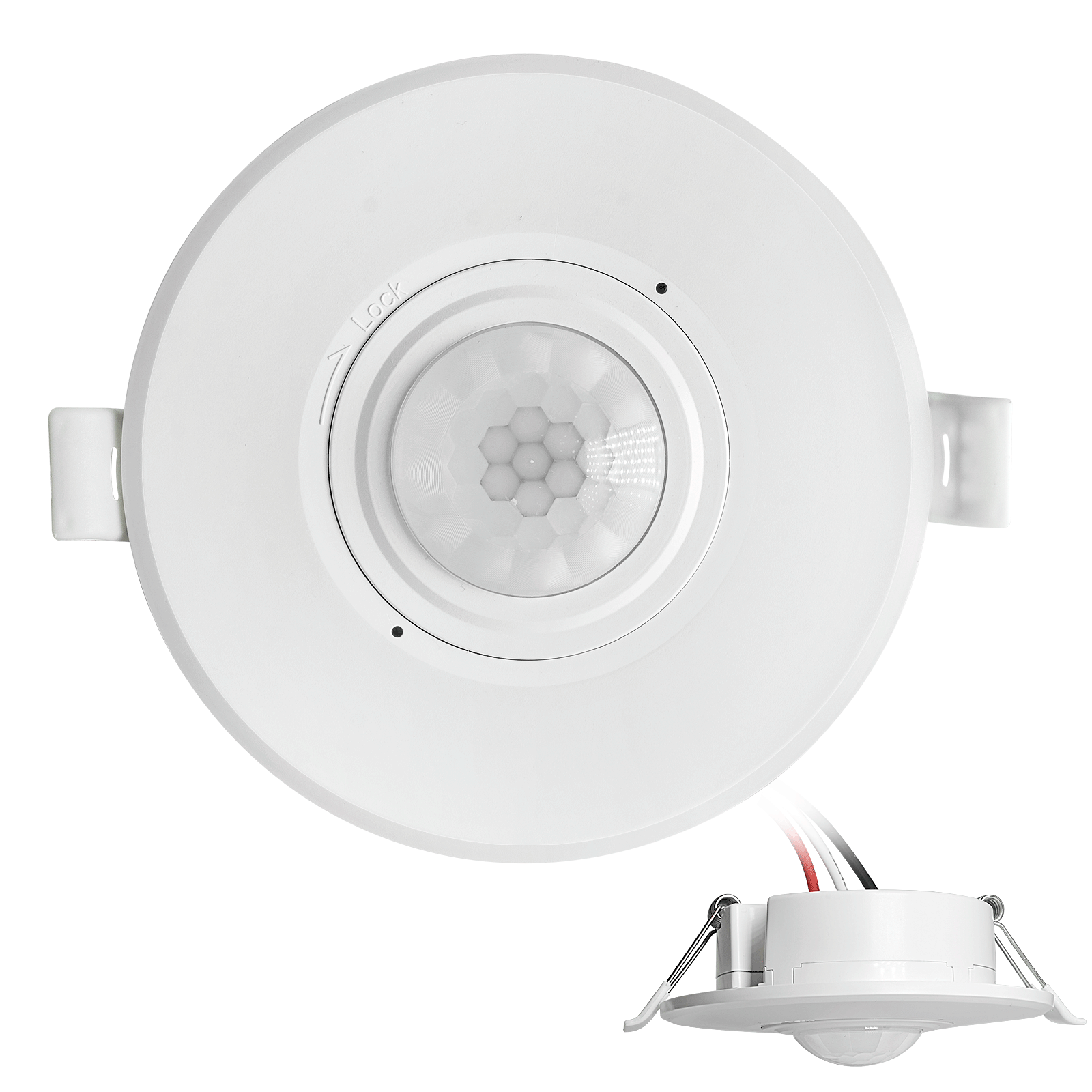
- Niskonapięciowy prądu stałego (DC) przełącznik z czujnikiem ruchu PIR do montażu podtynkowego w suficie
- Wejście 12 VDC / 24 VDC w zakresie 10–30 VDC
- Maksymalny prąd roboczy 10A z regulacją opóźnienia czasowego, progu natężenia światła (Lux) oraz czułości
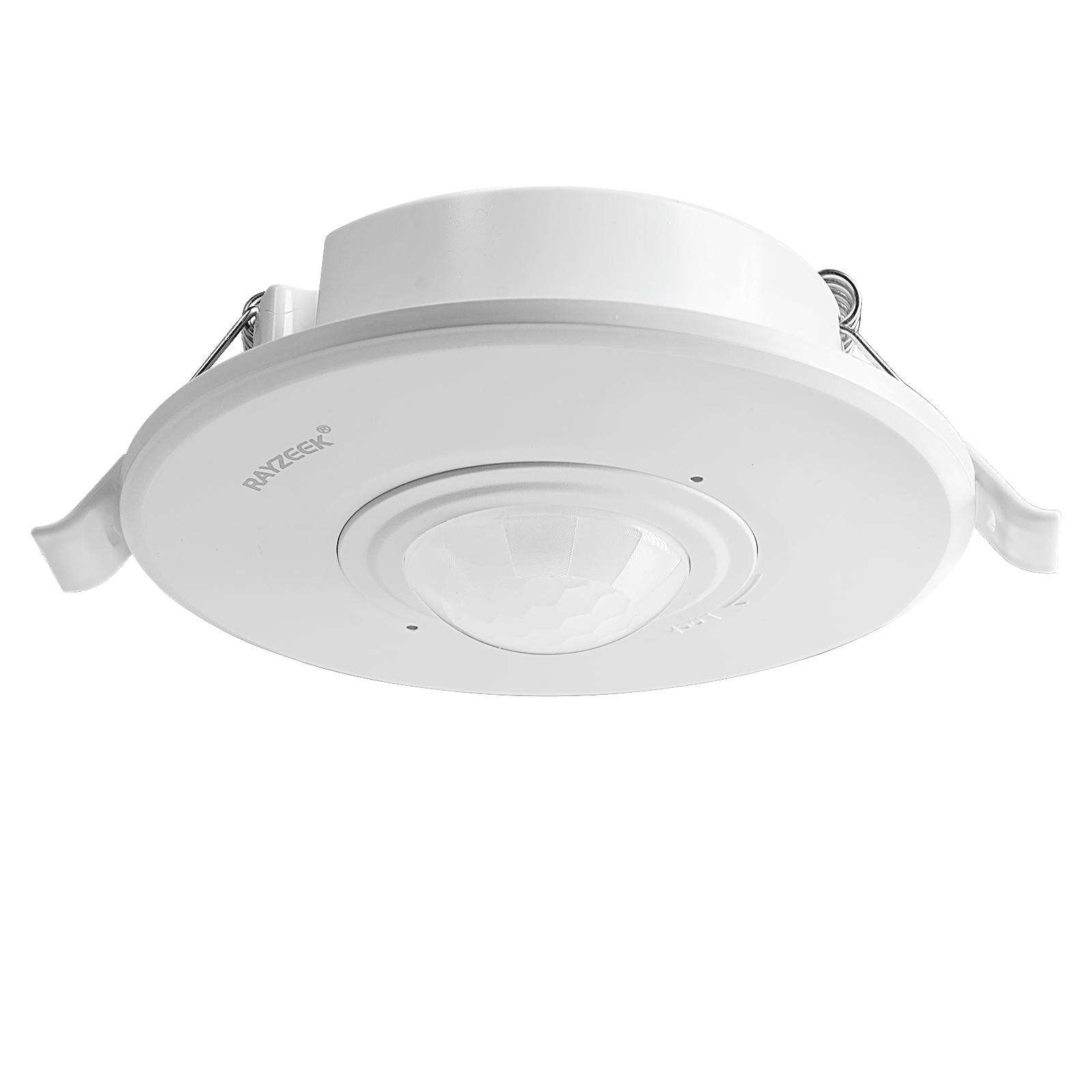
- Przełącznik z czujnikiem ruchu PIR o wyższym obciążeniu, do montażu podtynkowego w suficie
- Zasilanie sieciowe 100-265 VAC, model 10A
- Detekcja w promieniu 360 stopni z regulacją opóźnienia czasowego, progu natężenia światła (Lux) oraz czułości
- Przełącznik z czujnikiem ruchu PIR do montażu podtynkowego w suficie
- Zasilanie sieciowe 100-265 VAC, model 5A
- Detekcja w promieniu 360 stopni z regulacją opóźnienia czasowego, progu natężenia światła (Lux) oraz czułości
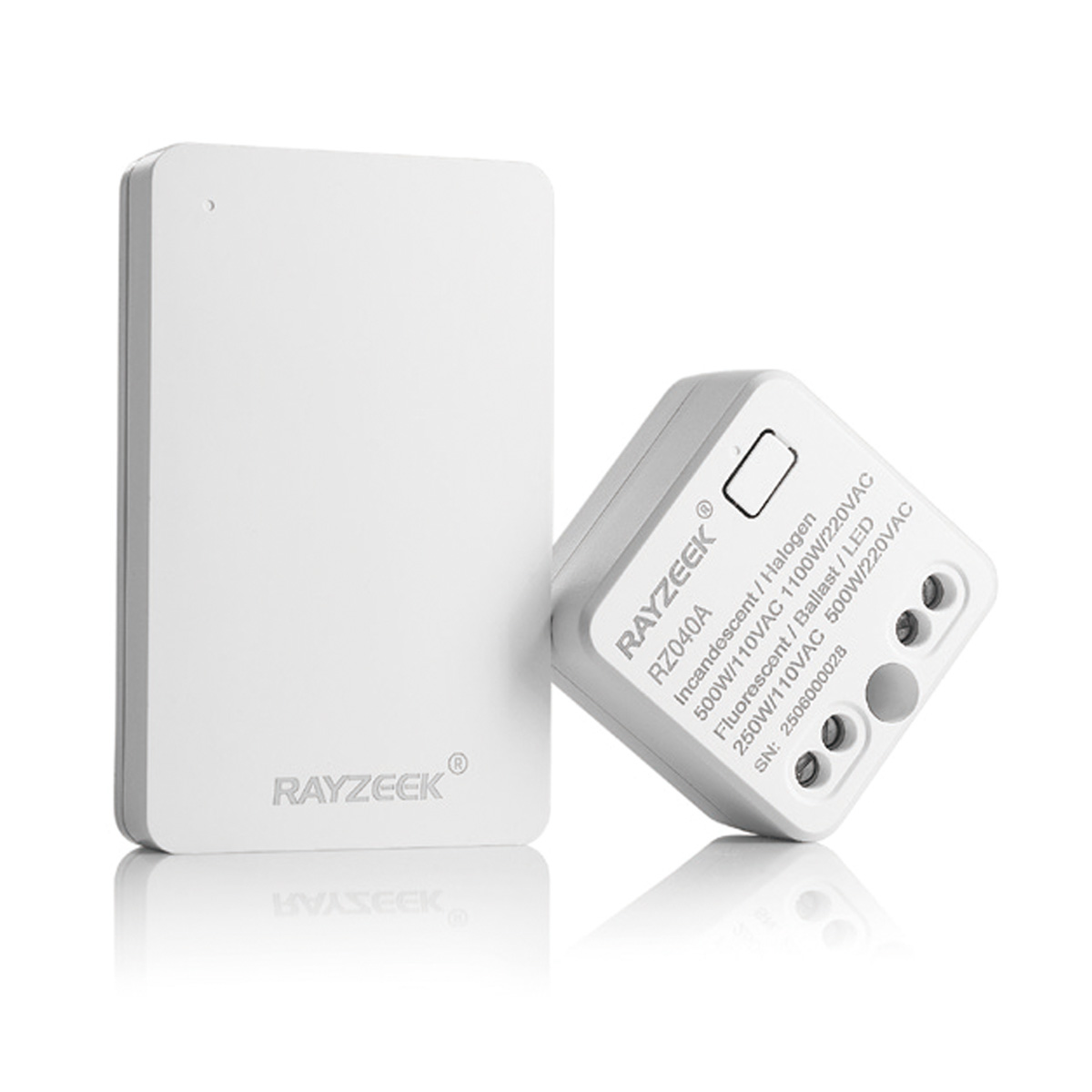
- Zestaw bezprzewodowego przełącznika i odbiornika do wewnętrznego sterowania oświetleniem WŁ./WYŁ.
- Odbiornik 100-230VAC, 50/60Hz o prądzie znamionowym 5A
- Przełącznik bezprzewodowy zasilany baterią CR2032 z komunikacją 2.4GHz
- Tryb obecności (Auto-ON/Auto-OFF)
- 12–24V DC (10–30VDC), do 10A
- Zasięg 360°, średnica wykrywania 8–12 m
- Opóźnienie czasowe 15 s–30 min
- Czujnik światła Wył./15/25/35 Lux
- Wysoka/Niska czułość
- Automatyczny tryb obecności (Auto-ON/Auto-OFF)
- 100–265V AC, 10A (wymagany przewód neutralny)
- Zasięg 360°; średnica wykrywania 8–12 m
- Opóźnienie czasowe 15 s–30 min; Lux WYŁ./15/25/35; Czułość Wysoka/Niska
- Automatyczny tryb obecności (Auto-ON/Auto-OFF)
- 100–265V AC, 5A (wymagany przewód neutralny)
- Zasięg 360°; średnica wykrywania 8–12 m
- Opóźnienie czasowe 15 s–30 min; Lux WYŁ./15/25/35; Czułość Wysoka/Niska
- Climate data
- Building orientation
- Insulation levels
- Window size and type
- Air infiltration
- Occupancy
- Internal heat gains from appliances and lighting
A Manual J load calculation provides the most accurate estimate of cooling needs and is often required by building codes for new construction.
HVAC professionals use specialized software to perform Manual J calculations. They may also conduct a site visit to assess the specific characteristics of your home. Based on the load calculation, they can recommend the appropriate size and type of air conditioner. They can also advise on other factors, such as ductwork design and zoning, ensuring that your system is optimized for your specific needs.
A professional assessment ensures that the air conditioning system is properly sized and installed for optimal performance and energy efficiency. It’s an investment that can pay off in the long run through lower energy bills, increased comfort, and a longer-lasting system.