
When placed correctly, indoor motion sensor lights provide great convenience, function, and savings. The principle is simple – the light motion sensor control is located in a wall switch unit, which is added as a replacement for the normal light wall switch. Once you add a couple of indoor motion light sensors to a few rooms in your house, you will wonder what you ever did without them.
The motion sensor switch uses your existing house wiring and is very easy to install. Instead of the normal switch, the wall switch plate for the motion light sensor will look like the picture above. After using these light sensors for many years, we’ve listed below some of the top uses for these products in an indoor environment.
How Motion Sensor Lights Work
When the light sensor in the new wall plate picks up motion, the light turns on. Once motion is detected, the sensor can typically be set to leave the light on for a fixed period of time (from 5 seconds to 25 minutes), or to turn the light off as soon as the sensor stops picking up motion. This automatic function saves money – the lights only stay on as long as you need them. These lights also typically include an on/off button, allowing you to simply turn the light off or on, regardless of whether there is motion in the room.
Installation and Cost Analysis
Installing motion sensor lights is straightforward. Most models are designed to use the same connections as standard light switches, which makes them a breeze to install with just a few basic tools. For those who are not as handy, a professional electrician can perform the installation quickly and ensure everything is set up for optimal performance.
Szukasz energooszczędnych rozwiązań aktywowanych ruchem?
Skontaktuj się z nami w sprawie czujników ruchu PIR, energooszczędnych produktów aktywowanych ruchem, przełączników z czujnikiem ruchu oraz komercyjnych rozwiązań typu Occupancy/Vacancy.
The cost of motion sensor lights varies, but they are generally affordable and pay for themselves in energy savings over time. By reducing the amount of time lights remain on unnecessarily, homeowners can see a noticeable decrease in their energy bills.
Optimal Placement of Motion Sensor Lights
A key decision to make is determining what rooms in your house, based on your usage patterns, will work well with these motion detector light products. Here are some of the best choices we have found for these motion lights, based on the need for light in the room when there is motion:
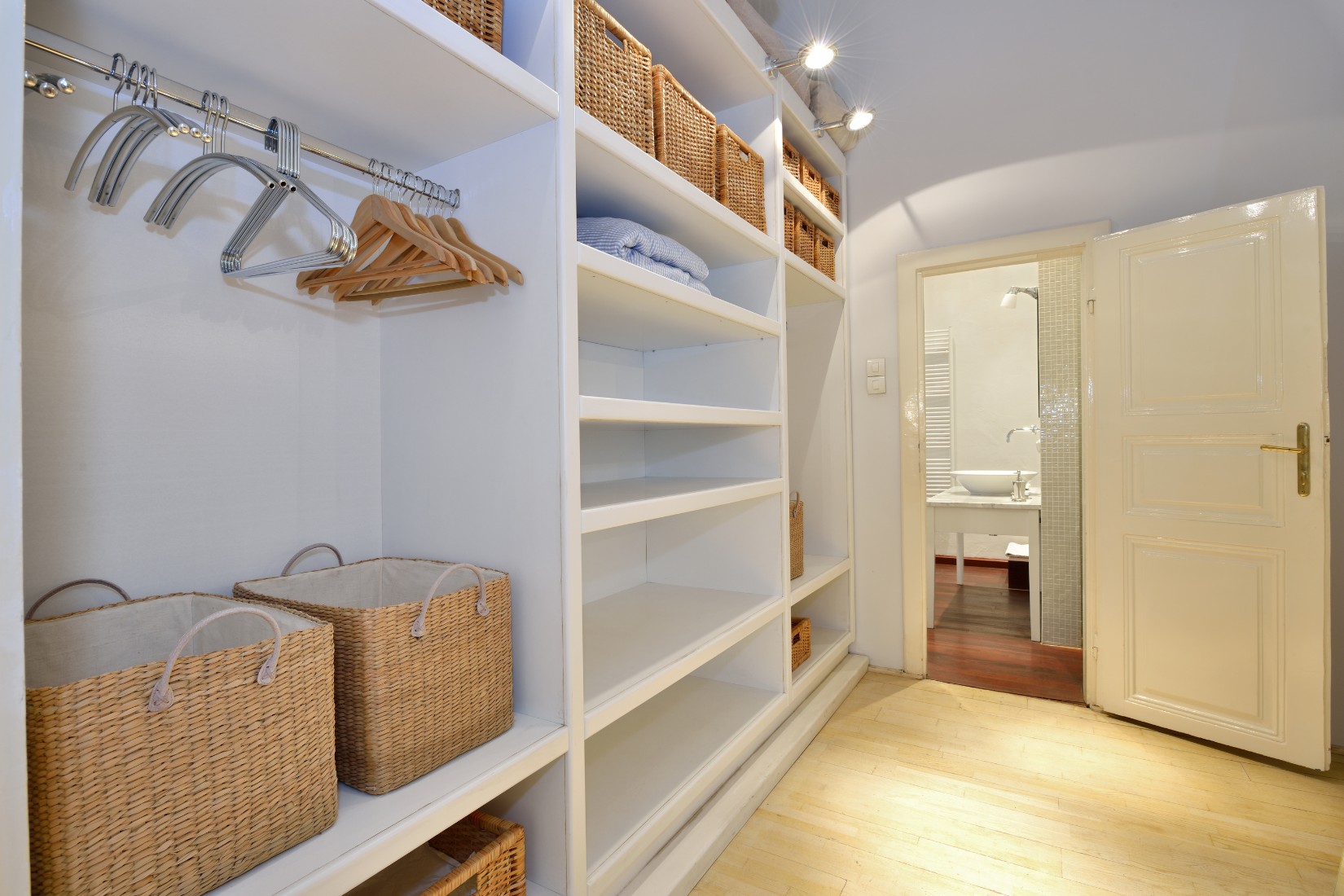
- Closets
- Stairwells
- Korytarze
- Food Pantry
- Garage
- Laundry Rooms
- Basements
- Attics
- Children’s Rooms
- More
Once you try an indoor motion light sensor, if you are like us, you will find a number of other uses. The savings you will see on your energy bill are nice too!
Additional Benefits of Motion Sensor Lights
Enhancing Safety
Motion sensor lights significantly enhance safety by illuminating dark areas when needed, reducing the risk of trips and falls in stairwells, hallways, and basements. This is particularly beneficial for homes with young children or elderly residents.
Security Improvements
By automatically lighting up areas like garages and entryways, motion sensor lights can deter potential intruders, adding an extra layer of security to your home.
Może Cię również zainteresować

- Napięcie: 2 baterie AAA
- Tryb Dzień/Noc
- Opóźnienie czasowe: 15min, 30min, 1h (domyślnie), 2h

- Sufitowy czujnik obecności PIR z wyjściem przekaźnikowym bezpotencjałowym
- Zasilanie niskonapięciowe 12/24 VDC lub 12/24 VAC
- Izolowane styki przekaźnika COM, NO i NC dla wejść systemów EMS, HVAC i sterowania budynkiem

- Niskonapięciowy, podtynkowy sufitowy mikrofalowy czujnik ruchu DC
- Wejście 12 VDC / 24 VDC w zakresie 10–30 VDC
- Maksymalny prąd roboczy 10 A z regulowanym opóźnieniem czasowym, progiem Lux i czułością
- Mikrofalowy czujnik ruchu do montażu podtynkowego w suficie o podwyższonej obciążalności
- Zasilanie sieciowe 100-265 VAC, model 10A
- Detekcja mikrofalowa 5,8 GHz z regulowanym opóźnieniem czasowym, progiem Lux i czułością
- Mikrofalowy czujnik ruchu do montażu podtynkowego w suficie
- Zasilanie sieciowe 100-265 VAC, model 5A
- Detekcja mikrofalowa 5,8 GHz z regulowanym opóźnieniem czasowym, progiem Lux i czułością
- Sufitowy czujnik obecności PIR ze ściemniaczem RZ037 do zasilania 220V
- Maksymalny prąd roboczy 3A przy obciążeniu znamionowym 660W
- Przycisk LUX steruje włączeniem/wyłączeniem czujnika światła oraz ustawionym przez użytkownika poziomem jasności
- Sufitowy czujnik obecności PIR ze ściemniaczem RZ037 do zasilania 110V
- Maksymalny prąd roboczy 3A przy obciążeniu znamionowym 330W
- Przycisk LUX steruje włączeniem/wyłączeniem czujnika światła oraz ustawionym przez użytkownika poziomem jasności

- Niskonapięciowy DC sufitowy mikrofalowy czujnik ruchu
- Wejście 12 VDC / 24 VDC w zakresie 10–30 VDC
- Maksymalny prąd roboczy 10 A z regulowanym opóźnieniem czasowym, progiem Lux i czułością
- Sufitowy mikrofalowy czujnik ruchu o podwyższonej obciążalności
- Zasilanie sieciowe 100-265 VAC, model 10A
- Detekcja mikrofalowa 5,8 GHz z regulowanym opóźnieniem czasowym, progiem Lux i czułością
- Sufitowy mikrofaliowy czujnik ruchu z przełącznikiem
- Zasilanie sieciowe 100-265 VAC, model 5A
- Detekcja mikrofalowa 5,8 GHz z regulowanym opóźnieniem czasowym, progiem Lux i czułością

- Niskonapięciowy prądu stałego (DC) przełącznik z czujnikiem ruchu PIR do montażu podtynkowego w suficie
- Wejście 12 VDC / 24 VDC w zakresie 10–30 VDC
- Maksymalny prąd roboczy 10A z regulacją opóźnienia czasowego, progu natężenia światła (Lux) oraz czułości

- Przełącznik z czujnikiem ruchu PIR o wyższym obciążeniu, do montażu podtynkowego w suficie
- Zasilanie sieciowe 100-265 VAC, model 10A
- Detekcja w promieniu 360 stopni z regulacją opóźnienia czasowego, progu natężenia światła (Lux) oraz czułości
- Przełącznik z czujnikiem ruchu PIR do montażu podtynkowego w suficie
- Zasilanie sieciowe 100-265 VAC, model 5A
- Detekcja w promieniu 360 stopni z regulacją opóźnienia czasowego, progu natężenia światła (Lux) oraz czułości

- Zestaw bezprzewodowego przełącznika i odbiornika do wewnętrznego sterowania oświetleniem WŁ./WYŁ.
- Odbiornik 100-230VAC, 50/60Hz o prądzie znamionowym 5A
- Przełącznik bezprzewodowy zasilany baterią CR2032 z komunikacją 2.4GHz
- Tryb obecności (Auto-ON/Auto-OFF)
- 12–24V DC (10–30VDC), do 10A
- Zasięg 360°, średnica wykrywania 8–12 m
- Opóźnienie czasowe 15 s–30 min
- Czujnik światła Wył./15/25/35 Lux
- Wysoka/Niska czułość
- Automatyczny tryb obecności (Auto-ON/Auto-OFF)
- 100–265V AC, 10A (wymagany przewód neutralny)
- Zasięg 360°; średnica wykrywania 8–12 m
- Opóźnienie czasowe 15 s–30 min; Lux WYŁ./15/25/35; Czułość Wysoka/Niska
- Automatyczny tryb obecności (Auto-ON/Auto-OFF)
- 100–265V AC, 5A (wymagany przewód neutralny)
- Zasięg 360°; średnica wykrywania 8–12 m
- Opóźnienie czasowe 15 s–30 min; Lux WYŁ./15/25/35; Czułość Wysoka/Niska
Environmental Impact
Using motion sensor lights helps reduce energy consumption as they ensure lights are only on when necessary. This not only lowers your electricity bills but also contributes to a smaller carbon footprint.
Comparison with Traditional Lighting
Unlike traditional lighting systems that may remain on unnecessarily, motion sensor lights provide lighting only when it’s needed. This targeted use of light is more energy-efficient and cost-effective, making it a superior choice for environmentally conscious homeowners.
Troubleshooting and Maintenance
While motion sensor lights are generally reliable, like any technology, they can sometimes require troubleshooting. Common issues include sensitivity settings that need adjustment or periodic cleaning to ensure the sensor’s effectiveness. Regular maintenance typically involves checking these settings and keeping the sensor area free from dust and debris.
Podsumowanie
Indoor motion sensor lights are not just a technological upgrade to your home’s lighting system; they are a smart, economical, and safe choice for modern living. Whether you’re looking to save on your energy bills, improve your home security, or simply add convenience to your daily life, these lights are an excellent investment. Once you experience the benefits firsthand, you’ll find even more ways to utilize these versatile tools in your home.







