다음 상황을 상상해 보십시오. 때는 바로 최악 시기, 즉 연중 가장 더운 날이며 중앙 집중식 냉방용 에어컨이 갑자기 작동을 멈췄습니다. 실내 온도가 가파르게 상승하기 시작하고, 원인을 알 수 없어 당황스러운 상황에 처하게 됩니다. 익숙한 상황이신가요? 이는 결코 이례적인 일이 아닙니다. 특히 에어컨 가동률이 극에 달하는 한여름철에 수많은 주택 소유자가 겪는 대표적인(그리고 매우 난감한) 불편 사항입니다.
하지만 이는 단순한 불편함만의 문제가 아닙니다. 에어컨 고장은 일상생활에 큰 차질을 빚을 수 있습니다. 또한, 기기 효율 저하로 인해 예상치 못한 고액의 전기 요금이 발생할 수도 있습니다. 무엇보다 노약자나 어린이, 호흡기 질환이 있는 분들에게는 건강상 위험 요소가 될 수 있으므로 각별한 주의가 필요합니다.
그렇다면 과연 어떤 점이 문제일까요? 차단기 작동과 같이 사용자가 직접 해결할 수 있는 간단한 원인일 수도 있고, 전문 기술자의 점검이 필요한 복잡한 기술적 문제일 수도 있습니다. 이제 이에 대해 자세히 알아보겠습니다.
본 가이드는 이러한 문제를 해결하기 위해 작성되었습니다. 주택 소유자인 고객님께서, 중앙 냉방 시스템의 고장 원인을 정확히 파악할 수 있도록 도움을 드리고자 합니다. 에어컨 시스템을 구성하는 주요 핵심 부품을 살펴보고, 단계별 자가 점검 방법을 안내하며, 시스템 고장이 발생하는 주된 원인을 설명해 드리겠습니다. 단순한 문제는 직접 자가 점검하고, 전문가의 도움이 필요한 시점을 명확히 판단할 수 있도록 도와드리는 것이 본 가이드의 목적입니다.
중앙 냉방 시스템의 정의 및 작동 원리
발생 가능한 문제점을 분석하기에 앞서, 중앙 냉방 시스템이 정확히 무엇이며 어떠한 원리로 작동하는지 명확히 이해하는 것이 중요합니다. 기본 작동 원리를 파악해 두면 이상 증상이 발생했을 때 그 원인을 보다 쉽게 진단할 수 있습니다.
중앙 냉방이란 기본적으로 건물 전체 구역을 일괄 냉방하는 시스템을 의미합니다. 덕트 네트워크를 이용하여 각 공간마다 시원한 공기를 공급합니다. 이는 단일 공간 냉방용으로 설계된 창문형 에어컨과 차별화되는 특징입니다. 중앙 냉방은 건물 전체를 커버하는 종합 냉방 시스템인 반면, 창문형 에어컨은 국소 영역 전용 냉방 장치로 이해하시면 됩니다.
그렇다면 중앙 냉방 시스템을 구성하는 주요 구성 요소에는 무엇이 있을까요? 아래에서 핵심 부품을 확인해 보시기 바랍니다.
- 압축기(Compressor): 전체 시스템의 핵심 구동부입니다. 압축기는 열을 흡수하고 방출하는 특수 기체인 냉매를 순환시키는 역할을 합니다. 자동차의 엔진과 마찬가지로 전체 냉방 사이클을 작동시키는 근본적인 동력원입니다.
- 응축기 코일(Condenser Coil): 실외에 위치하며, 주로 실외기 내부에서 확인할 수 있습니다. 응축기 코일의 주요 기능은 냉매가 실내에서 흡수한 열을 외부로 방출하는 것입니다. 자동차의 라디에이터와 같이 시스템 내부의 과열된 열을 외부로 배출하는 역할을 담당합니다.
- 증발기 코일: 이 부품은 실내, 주로 공기 조율 장치(주로 다락방이나 벽장) 내부에 위치합니다. 증발기 코일은 냉매가 실내 공기로부터 열을 흡수하는 공간입니다. 이곳에서 실제 냉방이 이루어집니다!
- 송풍 팬: 송풍 팬은 집 전체에 공기를 순환시키는 역할을 합니다. 냉각된 공기를 덕트를 통해 모든 방으로 보내줍니다. 시스템의 폐처럼 공기를 순환시키는 역할을 한다고 생각하시면 됩니다.
- 덕트 설비: 이는 조절된 공기를 집 전체에 분배하는 통로 네트워크(주로 금속이나 글라스울로 제작)입니다. 집안의 혈관처럼 냉기를 필요한 곳으로 전달하는 역할을 합니다.
- 온도조절기: 전체 시스템의 제어 센터입니다. 원하는 온도를 설정하고 시스템의 작동 및 정지를 제어할 수 있습니다. 시스템에 작동 명령을 내리는 뇌와 같은 역할을 합니다.
에어컨이 집을 냉각하는 기본 원리는 냉장고의 작동 방식과 매우 유사합니다. 냉매가 실내 공기의 열을 흡수하여 공기를 시원하게 만든 후, 해당 열을 실외로 배출합니다. 냉장고의 경우 후면 코일에서 열이 배출되는 것을 느낄 수 있습니다. 중앙 집중식 에어컨의 경우, 앞서 언급한 실외 컨덴서 유닛을 통해 열이 배출됩니다. 여기서 만약 어느 하나라도 상술한 부품이 정상적으로 작동하지 않으면, 에어컨 시스템의 성능이 저하되거나 작동이 완전히 중단될 수 있습니다.
온도조절기에 대해 자세히 살펴보겠습니다. 이 부품은 전체 시스템의 핵심 제어 장치입니다. 실내 온도를 지속적으로 감시하며, 설정된 온도와 차이가 감지되면 에어컨 시스템에 작동 또는 정지 신호를 보내 쾌적한 환경을 유지합니다. 따라서 온도조절기가 정상적으로 작동하지 않으면 전체 표준 시간대 전체가 시스템이 교란될 수 있습니다.
참고로, 중앙 집중식 에어컨 시스템에는 몇 가지 종류가 있습니다. 가장 일반적인 형태는 실내기와 실외기가 분리된 분리형 시스템입니다. 또한 모든 구성 요소가 하나의 장치에 통합된 일체형 시스템도 있습니다. 분리형 시스템은 일반적으로 효율성이 높고 소음이 적으며, 일체형 시스템은 공간이 협소한 경우에 자주 사용됩니다.
SEER 등급이라는 용어도 접하실 수 있습니다. 이는 에어컨 시스템의 에너지 효율성을 나타내는 지표입니다. SEER 등급이 높을수록 냉방에 소비되는 에너지가 줄어들어 비용 절감에 유리합니다. 효율성과 관련하여, 귀하의 주택 규모에 적합한 용량의 에어컨 유닛을 선택하는 것이 매우 중요합니다. 용량이 너무 크거나 작으면 효율적인 냉방이 어려우며 에너지가 낭비될 수 있습니다.
이제 기본 원리를 이해하셨습니다. 이러한 구성 요소와 각 부품의 작동 방식을 이해하는 것은 에어컨 고장 발생 시 원인을 파악하는 첫 단계입니다. 각 부품의 기능을 숙지하면 발생 가능한 문제의 범위를 줄이는 데 도움이 됩니다.
냉매 사이클
그렇다면 실제로 에어컨 내부에서는 찬 공기를 배출하기 위해 어떤 일이 일어나는 것일까요? 모든 핵심은 냉매 순환(refrigerant cycle) 과정에 있습니다. 이는 냉방 작용을 일으키는 핵심 공정입니다. 냉매라는 특수 유체를 사용하는 밀폐형 순환 시스템 방식으로 작동합니다. 냉매는 매우 뛰어난 열 흡수 특성을 지니고 있습니다. 기본적으로 실내의 열을 실외로 이동시키는 역할을 수행하며, 열을 흡수하고 방출하는 과정을 끊임없이 반복합니다.
지구의 수순환 과정과 유사하다고 이해할 수 있습니다. 물이 액체, 기체, 고체 형태로 상태를 변화하며 에너지를 전달하듯, 냉매 순환도 이와 유사합니다. 냉매의 상태 변화를 통해 열을 이동시키는 방식입니다. 물이 증발, 응축, 강수를 거치는 것과 마찬가지로, 냉매도 상태를 변화시키면서 열을 흡수하고 방출합니다.
냉매 순환 과정은 증발 단계부터 시작됩니다. 바로 이 단계에서 실제 주요 냉방 작용이 일어납니다. 실내기에 위치한 증발기 코일 내부에서 액체 상태의 냉매가 공기 중의 열을 흡수합니다. 열을 흡수한 냉매는 끓기 시작하여 저압·저온의 기체 상태로 변화합니다. 이는 냄비에 물을 끓일 때 열을 흡수하여 수증기로 변하는 원리와 같습니다.
다음 단계는 압축입니다. 이 단계에서는 흡수한 열을 방출할 수 있도록 냉매를 준비시킵니다. 실외기에 위치한 압축기가 기체 상태의 냉매에 압력을 가하고 온도를 높여 고온 상태로 만듭니다. 이는 스펀지를 쥐어짤 때 내부 압력이 상승하는 원리와 유사합니다.
이제 고온·고압 상태의 기체 냉매가 실외기의 응축기 코일로 이동합니다. 이곳에서 보유한 열을 실외 공기 중으로 방출합니다. 열을 방출한 냉매는 다시 응축되어 고압·고온의 액체 상태로 돌아갑니다. 이는 차가운 창문에 수증기가 응축되어 다시 물방울로 변하는 현상과 같습니다.
마지막으로 냉매는 팽창 단계를 거칩니다. 이 단계는 냉매가 다시 열을 흡수할 수 있는 상태를 만들어 줍니다. 고압 액체 냉매가 팽창 밸브를 통과하면서 압력과 온도가 급격히 낮아집니다. 이를 통해 냉매가 한층 차가워지며 증발기 코일에서 다시 열을 흡수할 준비를 마치게 됩니다. 스프레이 캔의 압력을 낮출 때 내용물이 급격히 차가워지는 원리와 같습니다.
이 전체 순환 과정은 에어컨이 작동하는 동안 지속적으로 반복되며, 실내의 열을 실외로 끊임없이 이동시킵니다. 열 전달이 연속적으로 이루어지는 구조입니다.
현재 다양한 종류의 냉매가 사용되고 있으며, 종류에 따라 작동 압력과 환경에 미치는 영향이 다릅니다. 구형 냉매 중 일부는 환경적 영향으로 인해 단계적으로 사용이 중단되고 있습니다. 또한, 냉매의 압력과 온도는 밀접하게 연관되어 있으므로 압력이 변화하면 온도도 함께 변화합니다.
HVAC 기술자는 슈퍼히트(과열도) 및 서브쿨링(과냉도)이라는 전문적인 측정 수치를 활용하여 시스템의 작동 효율을 점검하고 적정량의 냉매가 충전되어 있는지 확인합니다. 이러한 측정 수치를 통해 시스템이 효율적으로 작동하는지 판단할 수 있습니다.
냉매 누설 등으로 인해 충전량에 문제가 발생하면 냉매 순환이 정상적으로 이루어지지 않아 에어컨의 냉방 성능이 저하될 수 있습니다. 냉매량이 부족하면 시스템이 충분한 열을 흡수할 수 없게 됩니다.
따라서 이러한 냉매 순환 원리를 이해하는 것은 에어컨 작동 이상 발생 시 원인을 파악하는 데 매우 유용합니다. 정상적인 순환 작동 방식을 파악하고 있으면 문제의 발생 원인을 한층 명확하게 진단할 수 있습니다.
공기 흐름: 냉방의 핵심 요소
냉매 순환 과정 못지않게 중요한 요소가 바로 공기 흐름입니다. 원활한 공기 흐름이 확보되지 않으면 에어컨 시스템이 실내를 효과적으로 냉방할 수 없습니다. 이는 호흡 과정과 유사합니다. 폐가 정상적으로 작동하려면 기도가 확보되어야 하듯, 에어컨이 실내를 냉방하려면 공기 흐름이 원활해야 합니다. 공기 흐름이 막히는 것은 빨대로 숨을 쉬는 것과 같이 비효율적입니다. 공기 흐름은 냉매와 실내외 공기 간의 열 교환을 가능하게 하는 필수 요소입니다. 실내로 냉기를 전달하고 실외로 열을 배출하는 매개체가 바로 공기입니다.
실내 핸들러 내부에 위치한 송풍 팬은 실내 전체에 공기를 순환시키는 역할을 합니다. 덕트 설비는 차가운 공기를 각 방으로 전달하는 이동 통로 역할을 수행합니다. 송풍 팬이 공기를 밀어내면 덕트가 필요한 공간으로 공기를 안내합니다.
냉매가 열을 원활히 흡수할 수 있도록 실내 증발기 코일 위로 공기가 자유롭게 흐를 수 있어야 합니다. 또한 열이 원활히 방출될 수 있도록 실외 응축기 코일 위로도 공기가 원활하게 통과해야 합니다. 공기 흐름이 차단되면 열 전달이 효율적으로 이루어질 수 없습니다.
When the airflow is restricted, it makes your AC less efficient at cooling, and it can even increase your energy bill because the system has to work harder. It can even damage the system over time! So, what are some signs that you might have poor airflow? Well, you might notice that some rooms are colder than others, or that the airflow from your vents is weak. You might also notice that your AC is running for longer than usual. The good news is that the most common causes of restricted airflow are things you can often fix yourself, like a dirty air filter or blocked vents.
HVAC professionals use some special measurements to check airflow, like CFM (cubic feet per minute). CFM basically tells you how much air is moving. They also measure static pressure, which tells you how hard it is for the air to move through the ductwork. Ideally, you want balanced airflow, which means that each room in your house is getting the right amount of cool air. Airflow problems are a really common cause of AC issues, and checking for airflow restrictions is often the first thing you should do when you’re trying to figure out what’s wrong. Remember those components we talked about earlier, like the blower fan and the ductwork? Problems with those, or even just something blocking the ductwork, can all mess with your airflow.
Electrical Components
Okay, let’s talk about the electrical side of things. There are several key electrical components that are essential for your AC system to work. These components provide the power and control for the whole system. They power the compressor, control the fans, and basically regulate how the whole thing operates. Without these electrical parts, your AC just wouldn’t work at all.
So, what are the key electrical components you should know about?
- 압축기(Compressor): As we’ve already talked about, the compressor is what circulates the refrigerant. It’s the workhorse of the system, and it needs electricity to run.
- Fan Motors (Blower and Condenser): These motors are what drive the airflow that’s so important for heat transfer, both inside and outside your house. They need electricity to spin the fans.
- Capacitor: A capacitor gives the motors a starting boost and helps them run efficiently. Think of it like a battery that gives the motors an extra jolt of energy.
- Contactor: A contactor is an electrical switch that controls the power going to the compressor and fan motors. It’s like a light switch for the major components.
- 온도조절기: As we mentioned earlier, the thermostat controls how the system operates based on the temperature you set. It sends electrical signals to the other components.
One of the most common electrical problems in AC systems is a failing capacitor. If a capacitor is going bad, it can stop the motors from starting, cause a humming noise, or even make your AC not cool as well as it should. There are actually two main types of capacitors: start capacitors, which give the motor that initial boost to get it going, and run capacitors, which help the motor keep running smoothly.
The thermostat “talks” to the control board using low-voltage wiring. Think of it like sending messages to the brain of the system. There are also things called relays and transformers that are used to control and distribute power within the system. They basically help manage the flow of electricity.
Now, when HVAC professionals are trying to figure out electrical problems, they use wiring diagrams. These diagrams are like roadmaps of the electrical system, and they help the technicians trace circuits and find faults. But here’s the thing: electrical problems often require specialized knowledge and tools, so it’s almost always best to call a professional to diagnose and repair them. Working with electricity can be dangerous, so it’s really not worth the risk. Because of the dangers of working with electricity, we highly recommend that you seek professional help for any electrical issues with your AC system. Seriously, don’t risk shocking yourself or damaging the system. Remember those components we talked about earlier, like the compressor and the fans? They all rely on these electrical components to function. If the electricity isn’t flowing correctly, those parts just can’t do their jobs.
Rayzeek 모션 센서 포트폴리오에서 영감을 얻어보세요.
원하시는 제품을 찾지 못하셨나요? 걱정하지 마세요. 문제를 해결할 수 있는 대체 방법은 언제나 존재합니다. 당사의 포트폴리오 중 하나가 도움이 될 수 있습니다.
Troubleshooting Common Problems
Okay, so your central AC has decided to take a vacation, and you’re probably thinking about trying to fix it yourself. And hey, sometimes you can! But before you even think about touching anything, safety should be your number one priority. Before you start poking around any part of your AC system, always disconnect the power at the circuit breaker. Seriously, this is super important. Also, keep in mind that some problems, like electrical issues, refrigerant leaks, and major component failures, are really best left to the pros. Don’t attempt any repairs that you’re not completely comfortable with. Think of troubleshooting like being a system detective. You need to gather clues, examine the evidence, and systematically rule out potential causes.
So, what are some of the most common AC problems you might run into?
- No power to the unit: The AC doesn’t turn on at all.
- The unit runs, but doesn’t cool the air: The fan is blowing, but the air isn’t cold.
- Water leaking from the unit: You see water pooling around the indoor unit.
- The unit short cycles (turns on and off frequently): The AC turns on, runs for a very short time, and then turns off again.
- Unusual noises coming from the unit: You hear banging, hissing, clicking, or other strange sounds.
- The unit freezes up (ice formation): You see ice on the coils or refrigerant lines.
Now, there are some simple things you can check yourself. These are often the first things you should look at: checking the circuit breaker, replacing a dirty air filter, and clearing a clogged condensate drain line.
Of course, HVAC professionals have some fancy tools they use to diagnose problems. These include multimeters (for testing electrical stuff), refrigerant gauges (for checking the pressure of the refrigerant), and thermometers (for taking temperature readings). These tools help them figure out what’s wrong quickly and accurately.
When you’re trying to troubleshoot AC problems, it’s best to take a systematic approach. First, figure out exactly what’s going on. What is the AC doing, or not doing? Then, think about what could be causing those symptoms, based on what you’ve learned so far. And finally, rule out the possibilities one by one. It’s basically a process of elimination.
By following a logical process and always keeping safety in mind, you can often figure out what’s causing the problem and decide whether it’s something you can fix yourself or if you need to call in a professional. And hey, don’t be afraid to call a professional if you’re just not sure!
No Power to AC
Okay, so your AC unit is completely dead. No lights, no fan, nothing. If that’s the case, start with the simplest solutions. A lot of the time, it’s just a simple power supply issue. The problem could be a problem with the power supply itself, a faulty thermostat, a tripped circuit breaker, or a tripped safety switch.
First things first, head over to your main power panel and check for any tripped breakers that are related to your AC. Look for a breaker that’s in the “off” position or halfway between “on” and “off.” Then, go check the AC unit’s disconnect switch. This is usually a small box located near the outdoor unit. Make sure it’s in the “on” position. This switch is a safety feature that cuts the power to the unit.
Next up, let’s check the thermostat. It could be the culprit. Make sure the batteries are fresh (if your thermostat uses batteries), that the settings are correct (set to “cool” and to a temperature that’s lower than the current room temperature), and that the display isn’t blank. A blank display could mean that the batteries are dead or that the thermostat is faulty.
If you find that the main breaker for your AC is tripped, you can try resetting it. Flip it firmly to the “off” position and then back to the “on” position. Sometimes, a power surge can cause the breaker to trip. A blown fuse in the disconnect switch or control board could also be the problem, but this is something that usually requires a professional. Replacing fuses can be dangerous if you’re not familiar with electrical work, so it’s best to leave that to the experts.
Some signs that your thermostat might be failing include a blank display, not responding when you try to adjust it, or giving inaccurate temperature readings. Loose wiring can also cause the power to go out sometimes. A loose connection can stop the electricity from flowing correctly. Testing the transformer requires a multimeter and is really best left to the professionals. A faulty transformer can stop the thermostat from getting power. If you’ve tried all of these steps and your AC still has no power, it could be a more serious electrical problem that needs a professional diagnosis. This could involve problems with the control board or other internal components, which we’ll talk about later. If you’ve checked all of these possibilities and your AC still isn’t getting any power, it’s time to call a qualified HVAC technician.
AC Runs, But Doesn’t Cool
Alright, so your AC unit is running – you can hear the fan and everything – but the air coming out just isn’t cold. What could be going on? Well, there are a few common things that could be to blame. The most likely culprits are refrigerant problems, airflow restrictions, a compressor that’s not working right, or dirty condenser coils. Basically, the system is trying to work, but it’s just not cooling.
One of the most common reasons for this is refrigerant problems. Low refrigerant levels or a refrigerant leak can stop the system from cooling properly. Remember, refrigerant is essential for the cooling process! This messes up the refrigerant cycle, which reduces its ability to absorb heat. As we learned earlier, the refrigerant needs to be able to absorb and release heat for the system to work. Now, adding refrigerant is not a DIY job. It requires some specialized equipment and EPA certification. In fact, it’s actually illegal to handle refrigerant without the proper certification.
Airflow restrictions can also be a problem. Blocked vents or return air grilles can restrict the airflow, which reduces how well your AC cools. So, make sure that nothing is blocking the vents in your rooms. Another potential issue is a faulty TXV, which stands for Thermostatic Expansion Valve. This valve controls the flow of refrigerant into the evaporator coil, and if it’s not working right, it can restrict the refrigerant flow and cause similar problems. Also, keep an eye out for ice buildup on the evaporator coil. This can be a sign of low refrigerant or restricted airflow, and we’ll talk about it more later.
Of course, if the compressor isn’t running at all, or if it’s running but not pumping refrigerant, your system won’t cool. The compressor is super important for circulating the refrigerant. Here’s a quick way to check: a healthy AC system should be producing air that’s about 15-20 degrees Fahrenheit cooler than the room temperature. You can use a thermometer to check the temperature of the air coming out of the vents. If the difference is lower than that, it could indicate a problem. Some of these issues, especially refrigerant leaks and compressor problems, really need a professional to diagnose and repair. These are more complex issues that we’ll explore in more detail later. If you think you might have any of these problems, it’s best to call an HVAC technician. Remember, the compressor is vital for the refrigerant cycle, and airflow is essential for heat exchange, as we talked about earlier.
Water Leaking from AC
Okay, so you’ve noticed water pooling around your indoor AC unit. What’s going on? Well, the most likely reason is a clogged condensate drain line. This is a pretty common problem, and it’s often easy to fix. During the cooling process, your AC removes moisture from the air, just like a cold drink “sweats” on a hot day. All of that condensation needs to drain away through a pipe called the condensate drain line.
Over time, that condensate drain line can get clogged up with algae, dirt, and other debris. This is especially common if you live in a humid climate. This blockage can lead to some serious problems, including water damage, mold growth, and it can even cause your AC system to shut down completely. That’s why it’s important to take care of this problem quickly.
The good news is that unclogging the drain line is often pretty simple. You can try using a wet/dry vac to suck out the clog. You can also try pouring some distilled vinegar down the drain to kill any algae that’s growing in there. Or, you can use a specialized drain cleaning tool. Just be careful not to damage the drain line! The drain line is usually located near the indoor unit, and it’s often a PVC pipe that leads outside. You should be able to find it pretty easily.
Also, if you have an older unit, a cracked drain pan can cause leaks. The drain pan is what collects the condensation before it goes into the drain line, and if it’s cracked, it’ll need to be replaced. The drain line should also be sloped downward so the water can drain properly. If that’s not possible, you might need a condensate pump to help move the water. A condensate pump is just a small pump that helps push the water out. The best way to prevent these problems is with regular maintenance, including cleaning the drain line. We’ll talk more about preventative maintenance later. The bottom line is that you should address any water leaks quickly to prevent further damage and costly repairs. Water damage can be really expensive to fix!
AC Short Cycling
Have you noticed that your AC unit is turning on and off more frequently than it used to? If so, it’s likely “short cycling.” Short cycling basically means that the cooling cycles are shorter than normal, usually less than 10 minutes. The AC turns on, runs for a few minutes, and then turns off again, repeating this cycle over and over.
So, what can cause short cycling? Well, there are several possibilities. These include refrigerant problems (like low refrigerant or a leak), airflow restrictions (like a dirty air filter or blocked vents), an AC unit that’s too big for your house, or thermostat issues.
If your AC unit is too big for your house, it can cool the house too quickly. This leads to those short cycles and also means that your AC isn’t dehumidifying the air properly. It’s kind of like having a car engine that’s way too powerful for the car – it’s just not efficient. Some signs that your AC unit might be too big include those short cycles, uneven temperatures in your house, and high humidity. The AC just doesn’t run long enough to remove the moisture from the air.
Short cycling is a problem because it increases your energy bill, reduces how well your AC removes humidity, and puts extra stress on the components, which can make them wear out faster. It’s like constantly starting and stopping your car – it’s really bad for the engine.
A faulty control board can also mess with how your system operates and cause short cycling. The control board is like the brain of the system, and if it’s not working right, it can cause all kinds of problems. Also, where your thermostat is located can affect things. It needs to be away from direct sunlight and heat sources so it can get an accurate reading of the room temperature. External factors, like drafts, can also mess with the thermostat’s readings and contribute to the problem. Some of these issues, like figuring out if your unit is oversized, really require a professional to assess. If you think your AC is short cycling, it’s a good idea to look into the potential causes and call an HVAC technician if you need help. Remember how important proper airflow and a functioning thermostat are? We talked about that earlier!
Unusual Noises from AC
If your AC unit starts making some weird noises, it’s important to pay attention. Noises are often a sign that something’s not right. Different sounds can point to different underlying issues, which can help you figure out what’s going on. It’s kind of like listening to your car engine – different noises can mean different things.
Here’s a quick guide to some common AC noises and what they might mean:
- Banging: This could mean there are loose parts or a broken connecting rod inside the compressor.
- Hissing: This often means there’s a refrigerant leak or high pressure within the system.
- Clicking: This could be an electrical problem or a relay issue.
- Rattling: This usually means there are loose parts or debris in the blower fan.
- Squealing: This often means there’s a problem with the blower motor or belt.
- Humming: This could be an electrical problem or a capacitor issue.
If the noise is really loud or just doesn’t sound right, it’s best to turn off the AC unit and call a professional to prevent any further damage. Seriously, don’t let the AC keep running if it’s making a loud or unusual noise.
Now, some minor noises might just be from loose screws or some debris that you can easily remove, but most of the time, unusual noises require a professional to take a look. HVAC professionals use tools like stethoscopes (to listen to the different components) and multimeters (for electrical testing) to figure out where the noise is coming from. They can usually pinpoint the source of the noise much more accurately than you can.
It’s a good idea to get familiar with the normal sounds that your AC unit makes when it’s running. Every AC makes some noise, but you should be able to tell the difference between normal sounds and sounds that are out of the ordinary. Try to figure out where the noise is coming from. Is it coming from the indoor unit, the outdoor unit, or a specific component? Is it coming from inside the house, or outside? Keep in mind that many unusual noises really need a professional to diagnose and repair. If you’re not sure about what’s causing the noise or what it means, it’s always best to play it safe and contact an HVAC technician. Don’t try to fix something if you’re not sure what you’re doing!
AC Unit Freezing Up
If you see ice forming on the evaporator coil or the refrigerant lines of your AC unit, that’s a sign that something’s wrong. Ice on an AC unit is never a good sign. The two main things that can cause this are restricted airflow and low refrigerant.
Restricted airflow stops the evaporator coil from absorbing enough heat, which makes it get too cold and freeze. Think of it like putting your hand over a freezer vent – the air gets colder and colder. This can be caused by a dirty air filter, blocked vents, or even a dirty evaporator coil. Low refrigerant, which is usually caused by a leak, can also mess up the refrigerant cycle and lead to freezing. If there’s not enough refrigerant, the evaporator coil can get way too cold.
If your AC unit is frozen, it won’t cool your house very well, and it can even damage the compressor, which is a really expensive part to replace. The ice can completely block the airflow, and the compressor can overheat. If you see ice, the first thing you should do is turn off the AC and turn on the fan setting on your thermostat. This will help circulate air and melt the ice faster. And whatever you do, don’t try to scrape off the ice! The coils are delicate and can be easily damaged.
동작 감지 기반의 에너지 절감 솔루션을 찾고 계십니까?
PIR 동작 감지 센서, 동작 감지 에너지 절감 제품, 동작 감지 센서 스위치, 상업용 점유/부재(Occupancy/Vacancy) 감지 솔루션에 대해 문의해 주시기 바랍니다.
A faulty metering device, like a TXV or a piston, can also cause freezing. The metering device controls how much refrigerant flows into the evaporator coil. Check for any things that might be blocking the airflow, like closed vents or a dirty filter. These are often the easiest things to check and fix. Also, take a look at the refrigerant lines and see if there are any kinks or damage. Damaged refrigerant lines can restrict how the refrigerant flows. Keep in mind that refrigerant leaks need a professional to repair. If the problem keeps happening after you’ve checked the airflow, it’s best to call an HVAC technician to figure out what’s going on and fix it. It’s probably a refrigerant issue or a problem with the metering device. Remember how important airflow and the refrigerant cycle are? We talked about that earlier!
Common Reasons for Central AC Failure
Central AC systems are usually pretty reliable, but some parts are more likely to fail than others. Like any machine, AC units have parts that wear out over time. In this section, we’re going to take a closer look at the reasons behind some common AC problems, building on the troubleshooting tips we’ve already talked about.
The most common things that cause AC systems to fail are airflow restrictions (which are often caused by dirty air filters), refrigerant leaks, and electrical component failures (like capacitors, contactors, and motors). We’ve already talked about how to spot and fix some of these problems in the previous sections.
One thing to keep in mind is that AC systems are getting more and more complex these days. They rely more on electronic controls, which means there are more things that can potentially go wrong. It’s also important to remember that one problem can often lead to another. For example, if you have low refrigerant, it can cause the compressor to overheat and fail. It’s like a domino effect – one thing goes wrong, and then it causes a chain reaction.
If you ignore these common problems, it can shorten the lifespan of your AC system, increase your energy costs, and potentially lead to some really expensive repairs down the road. It’s always better to take care of problems early, before they turn into major issues. In the next sections, we’re going to take a closer look at each of these common problems.
Compressor Failure
The compressor is basically the heart of your AC system. It’s what pumps the refrigerant and makes the whole cooling cycle possible. Without the compressor, your AC just can’t cool at all. So, if the compressor fails, it’s a major problem that often means you’ll completely lose your cooling.
What can cause a compressor to fail? Well, there are several things that can contribute. These include age and wear, overheating, electrical problems, not enough lubrication, and refrigerant issues. Like any mechanical part, compressors wear out over time. The moving parts inside the compressor eventually wear down.
Overheating is a really common reason why compressors fail. This can be caused by low refrigerant levels (which are usually caused by leaks), restricted airflow (which can be caused by dirty filters or blocked vents), or dirty condenser coils. Electrical problems, like power surges, faulty wiring, or a capacitor that’s gone bad, can also damage the compressor. A power surge can overload the compressor, and faulty wiring can stop it from getting the power it needs.
Compressors usually last for about 10-15 years, but it really depends on how much you use them and how well you maintain them. Regular maintenance can really help extend the life of your compressor. Replacing a compressor can be pretty expensive, and depending on how old your AC system is, it might actually be cheaper to just replace the whole thing. It’s kind of like replacing the engine in an old car – sometimes it’s just better to get a new car. Figuring out what’s wrong with a compressor requires some specialized tools and expertise. There are also different kinds of compressors, like reciprocating, scroll, and rotary compressors, and they all have their own designs and things that can go wrong. It’s also super important to make sure the compressor is properly lubricated with compressor oil. The compressor needs that oil to keep all the moving parts working smoothly. Some specific problems, like a locked rotor, grounded windings, or open windings, need a professional to take care of them. These are internal problems that you just can’t fix yourself. Because compressor failure is so complex and can be so expensive, it’s really important to have a qualified HVAC technician diagnose and fix the problem. Remember all those things we talked about earlier, like refrigerant leaks and electrical failures? They can all have a direct impact on how well your compressor works.
Refrigerant Leaks
A refrigerant leak is when you lose refrigerant from your AC system. This is a serious problem because refrigerant is essential for cooling. It’s not just bad for your AC’s performance, it’s also bad for the environment.
Refrigerant leaks make your AC not cool as well, increase your energy bill (because the system has to work harder to try and compensate), and can even damage the compressor because it can overheat. The system just becomes less and less efficient as it loses refrigerant. What causes these leaks? Common things include corrosion, vibration, loose fittings, and when the system wasn’t installed properly in the first place. Over time, the connections in the refrigerant lines can weaken and start to leak.
How do you find a refrigerant leak? Well, you can try visually inspecting the system and looking for oil stains. You can also use electronic leak detectors, which are the most accurate way to find leaks. Another method is to do a bubble test, where you apply soapy water to areas where you think there might be a leak. If there’s a leak, the soapy water will bubble. Now, repairing a refrigerant leak involves finding the leak, fixing it, and then adding the right amount of refrigerant back into the system. This is something that must be done by a certified technician because of environmental regulations. It’s actually illegal to handle refrigerant without the proper certification.
It’s important to know that refrigerants can be harmful to the environment if they’re released into the atmosphere. Older refrigerants, like R-22, are ozone-depleting, and newer refrigerants, like R-410A, are potent greenhouse gases. The EPA has some strict rules about how refrigerants are handled and disposed of, and they require certified technicians to do any repairs. Professionals use a bunch of different methods to find leaks, including electronic detectors, UV dye, and bubble tests. Proper brazing techniques are super important for making leak-proof joints when they’re repairing leaks. They can also use some advanced techniques, like nitrogen pressure testing, to find even the tiniest leaks. The bottom line is that it’s essential to address refrigerant leaks quickly and professionally, both for the health of your AC system and for protecting the environment. Remember, the refrigerant is essential for the cooling cycle we talked about earlier!
Restricted Airflow
Restricted airflow is a pretty common problem that happens when the air isn’t moving through your AC system as well as it should. This stops the system from cooling your home effectively. It really messes with how well your AC can cool your home and can lead to a bunch of different problems.
What can cause restricted airflow? Well, there are a few things. The most common cause is a dirty air filter, but blocked vents, blocked return air grilles, problems with the ductwork (like leaks or blockages), a dirty evaporator coil, and dirty condenser coils can all contribute to the problem.
Restricted airflow makes your AC not cool as well, increases your energy bill (because the system has to work harder), and can even cause the system to overheat or freeze. It basically makes the system work harder and less efficiently. Cleaning the evaporator coil often needs some special solutions, and it’s usually best to leave that to the professionals. The evaporator coil is delicate and can be easily damaged.
Some signs that you might have problems with your ductwork include uneven temperatures in your house, noisy airflow, excessive dust, and if you can actually seedamage to the ductwork. Professionals use static pressure measurements to find restrictions in the ductwork. It’s also super important to have the right size and design for your ductwork so the air can flow efficiently. If the ductwork is too small or too large, it can restrict the airflow. Believe it or not, even closing interior doors can restrict airflow and create pressure imbalances in your home. The best way to prevent airflow problems is with regular maintenance, especially changing your air filter regularly. Remember how important airflow is for heat transfer? We talked about that earlier!
Electrical Component Failure
There are a bunch of electrical components that are super important for your AC to work, and if they fail, it can cause all sorts of problems. Some of the key components are the capacitor, the contactor, and the motors for the blower and condenser fans.
If a capacitor is failing, it can stop the motors from starting or cause a humming noise. It’s kind of like a weak battery that can’t provide enough power. If a contactor fails, it can stop the power from getting to the compressor or fan motors. It’s like a broken switch that stops the electricity from flowing. If a motor fails, it can cause the airflow to be reduced or stop altogether. The fans just won’t spin if the motors fail.
What causes these components to fail? Well, they can fail because of power surges, overheating, or just because they get old and wear out. Electrical components just have a limited lifespan. Replacing these components yourself is generally not a good idea because it can be dangerous to work with electricity.
Using a surge protector that’s designed for HVAC systems can help protect against power surges. A power surge can really damage those sensitive electrical components. AC motor failures can involve things like bearing failure, winding failure, or overheating. Professionals use multimeters to test the electrical components. Overload protectors help keep the motors from overheating, and sometimes you can reset them. These protectors can trip if the motor gets too hot. Because electrical component failures can be complex and dangerous, it’s usually best to have a professional diagnose and repair them. Remember those components we talked about earlier?
Sensor Problems
Sensors, especially the thermostat and thermistors, are super important for regulating your AC system. They basically provide feedback to the control board. Thermistors are temperature sensors that are located in different parts of the AC unit. If your thermostat is malfunctioning, it can cause inaccurate temperature readings, not respond when you try to adjust it, or even cause short cycling. There are a few different kinds of thermostats out there: mechanical thermostats (which are older), digital thermostats, and smart thermostats (which are programmable and can connect to Wi-Fi).
관심 있는 다른 제품

- 전압: AAA 배터리 2개
- 주간/야간 모드
- 시간 지연: 15분, 30분, 1시간(기본값), 2시간
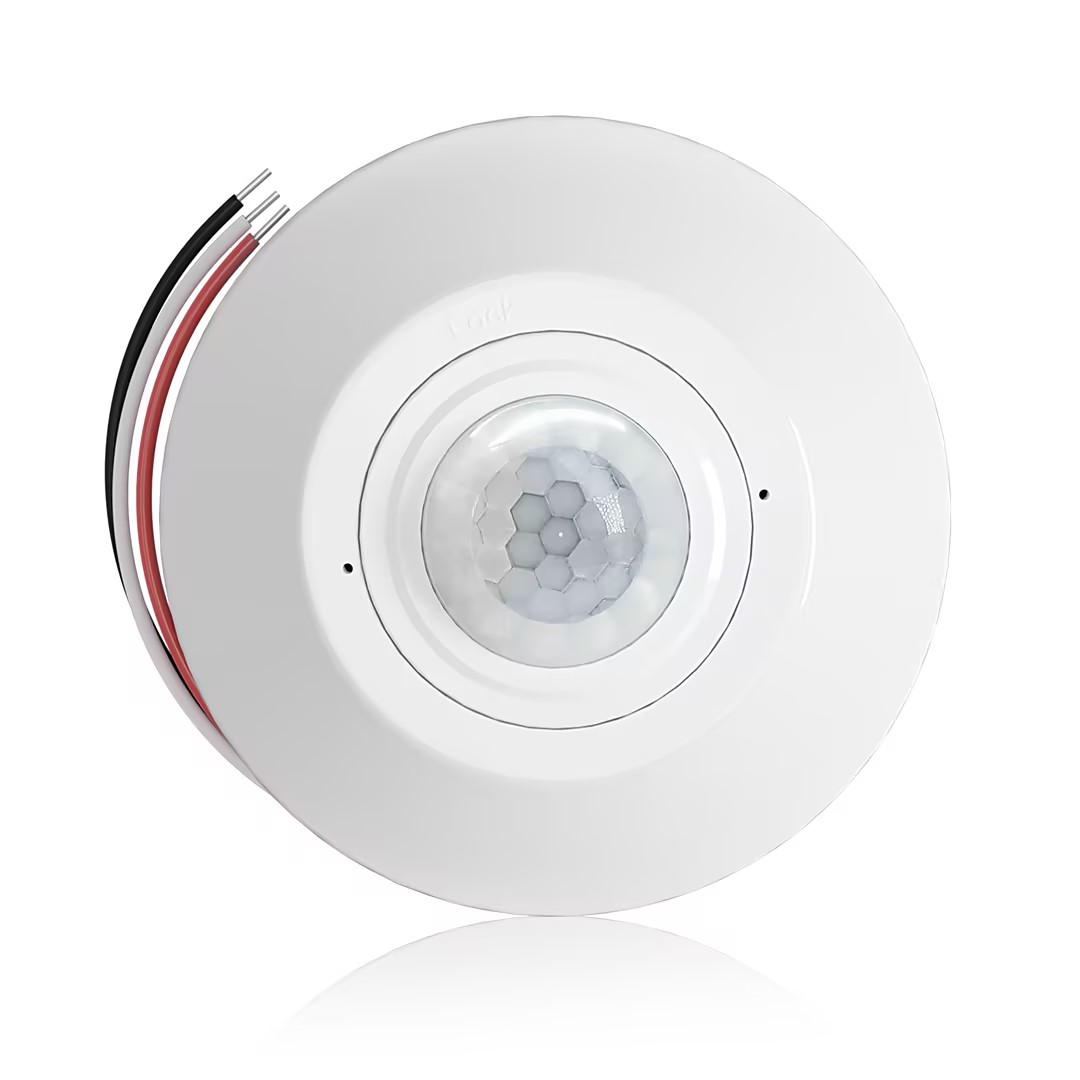
- 무전압 접점 리레이 출력을 갖춘 천장 설치형 PIR 재실 감지 센서
- 12/24VDC 또는 12/24VAC 저전압 전원 공급
- EMS, HVAC 및 빌딩 제어 입력을 위한 COM, NO 및 NC 절연 리레이 접점
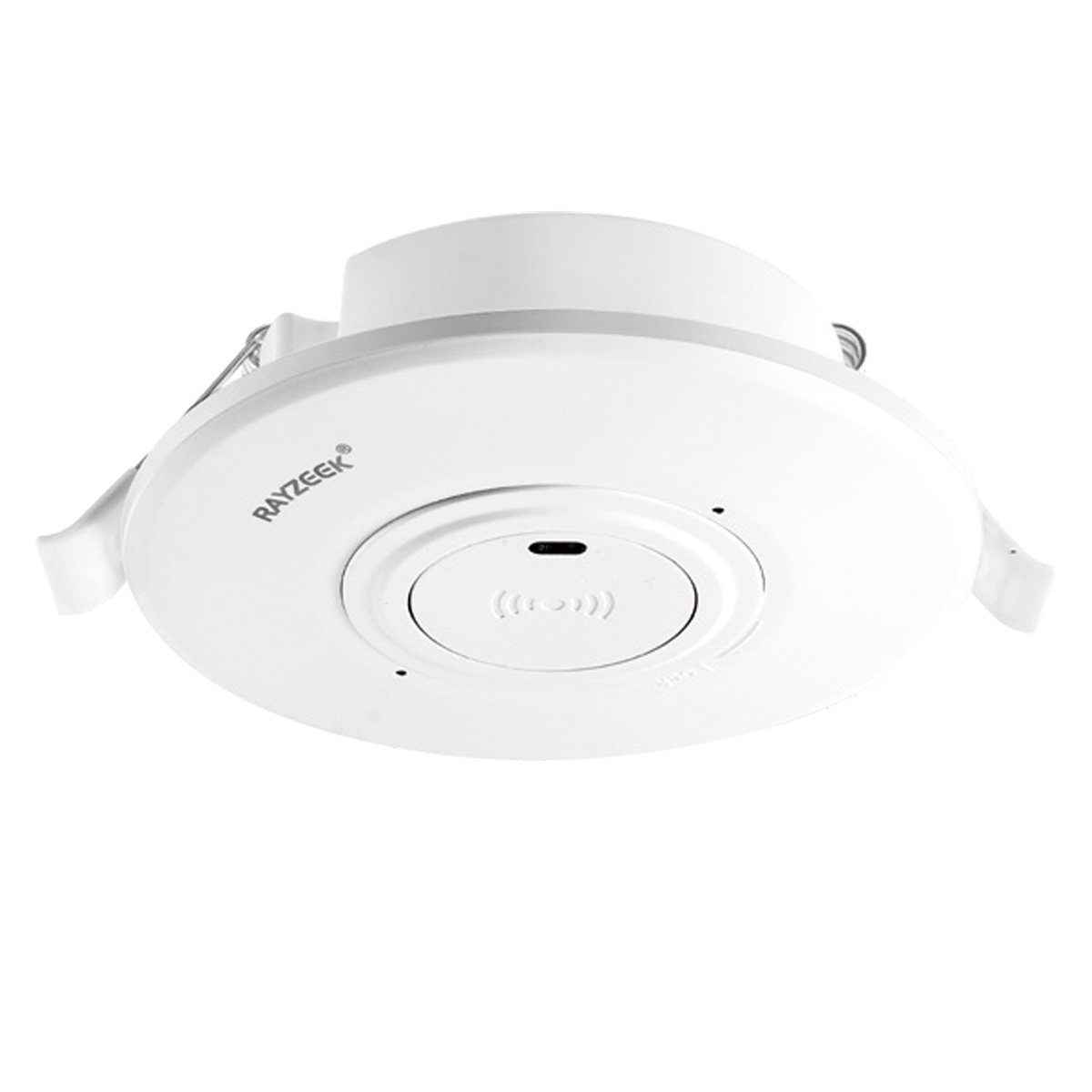
- 저전압 DC 매립형 천장 설치형 마이크로웨이브 모션 센서 스위치
- 10-30 VDC 범위를 지원하는 12 VDC / 24 VDC 입력
- 조절 가능한 지연 시간, Lux 임계값 및 감도 기능을 갖춘 최대 10A 동작 전류
- 고부하용 매립형 천장 설치형 마이크로웨이브 모션 센서 스위치
- 100-265 VAC 라인 전압 입력, 10A 모델
- 조절 가능한 지연 시간, Lux 임계값 및 감도를 갖춘 5.8 GHz 마이크로웨이브 감지
- 천장 매립형 마이크로웨이브 동작 감지 센서 스위치
- 100-265 VAC 라인 전압 입력, 5A 모델
- 조절 가능한 지연 시간, Lux 임계값 및 감도를 갖춘 5.8 GHz 마이크로웨이브 감지
- 220V 전원용 천장 부착형 RZ037 PIR 재실 감지 센서 디머
- 660W 정격 부하 및 최대 동작 전류 3A
- LUX 버튼으로 조도 센서 ON/OFF 및 사용자 설정 디밍 밝기 제어
- 110V 전원용 천장 부착형 RZ037 PIR 재실 감지 디머 스위치
- 330W 정격 부하 및 최대 동작 전류 3A
- LUX 버튼으로 조도 센서 ON/OFF 및 사용자 설정 디밍 밝기 제어
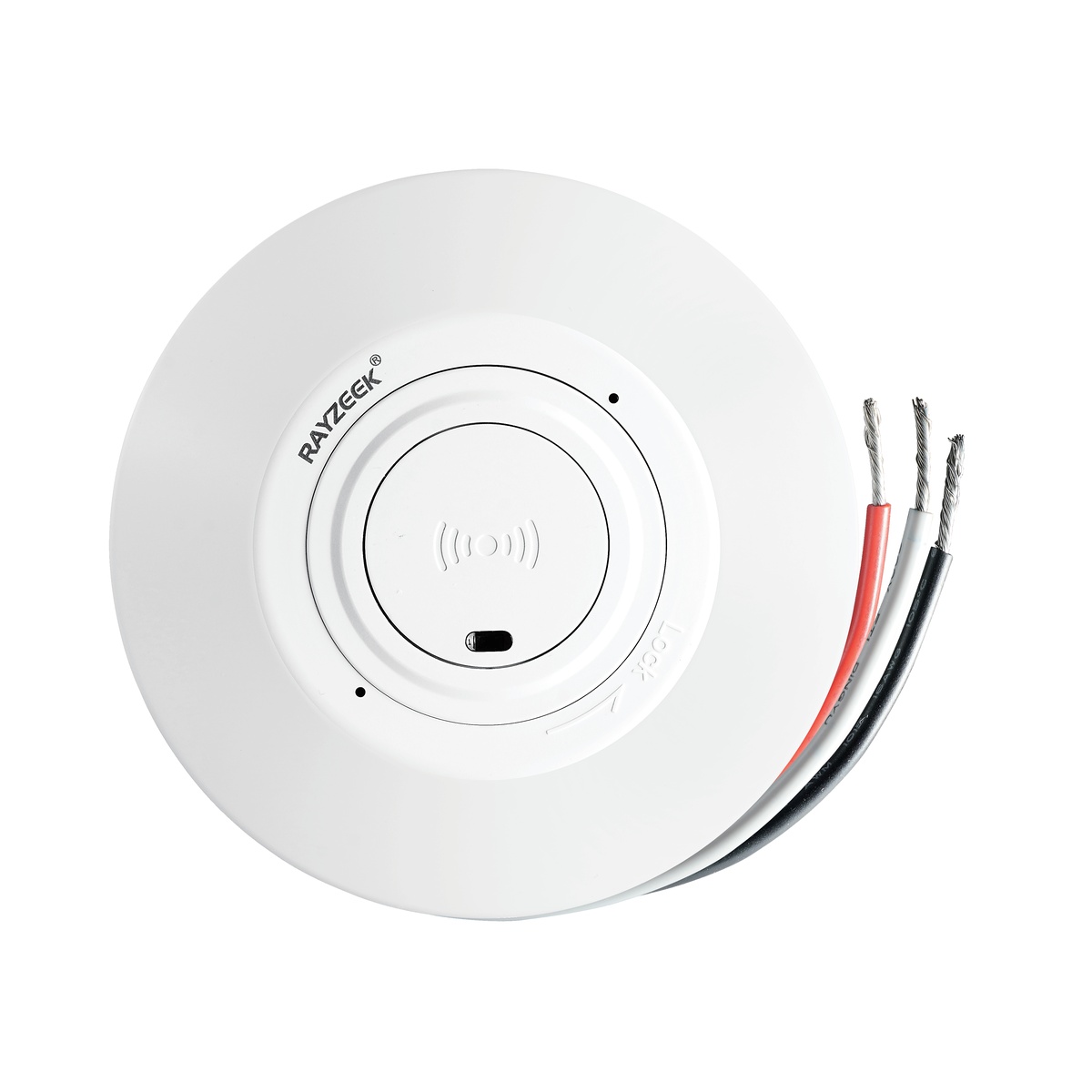
- 저전압 DC 천장 부착형 마이크로웨이브 동작 감지 센서 스위치
- 10-30 VDC 범위를 지원하는 12 VDC / 24 VDC 입력
- 조절 가능한 지연 시간, Lux 임계값 및 감도 기능을 갖춘 최대 10A 동작 전류
- 고부하용 천장 부착형 마이크로웨이브 동작 감지 센서 스위치
- 100-265 VAC 라인 전압 입력, 10A 모델
- 조절 가능한 지연 시간, Lux 임계값 및 감도를 갖춘 5.8 GHz 마이크로웨이브 감지
- 천장 부착형 마이크로웨이브 동작 감지 센서 스위치
- 100-265 VAC 라인 전압 입력, 5A 모델
- 조절 가능한 지연 시간, Lux 임계값 및 감도를 갖춘 5.8 GHz 마이크로웨이브 감지
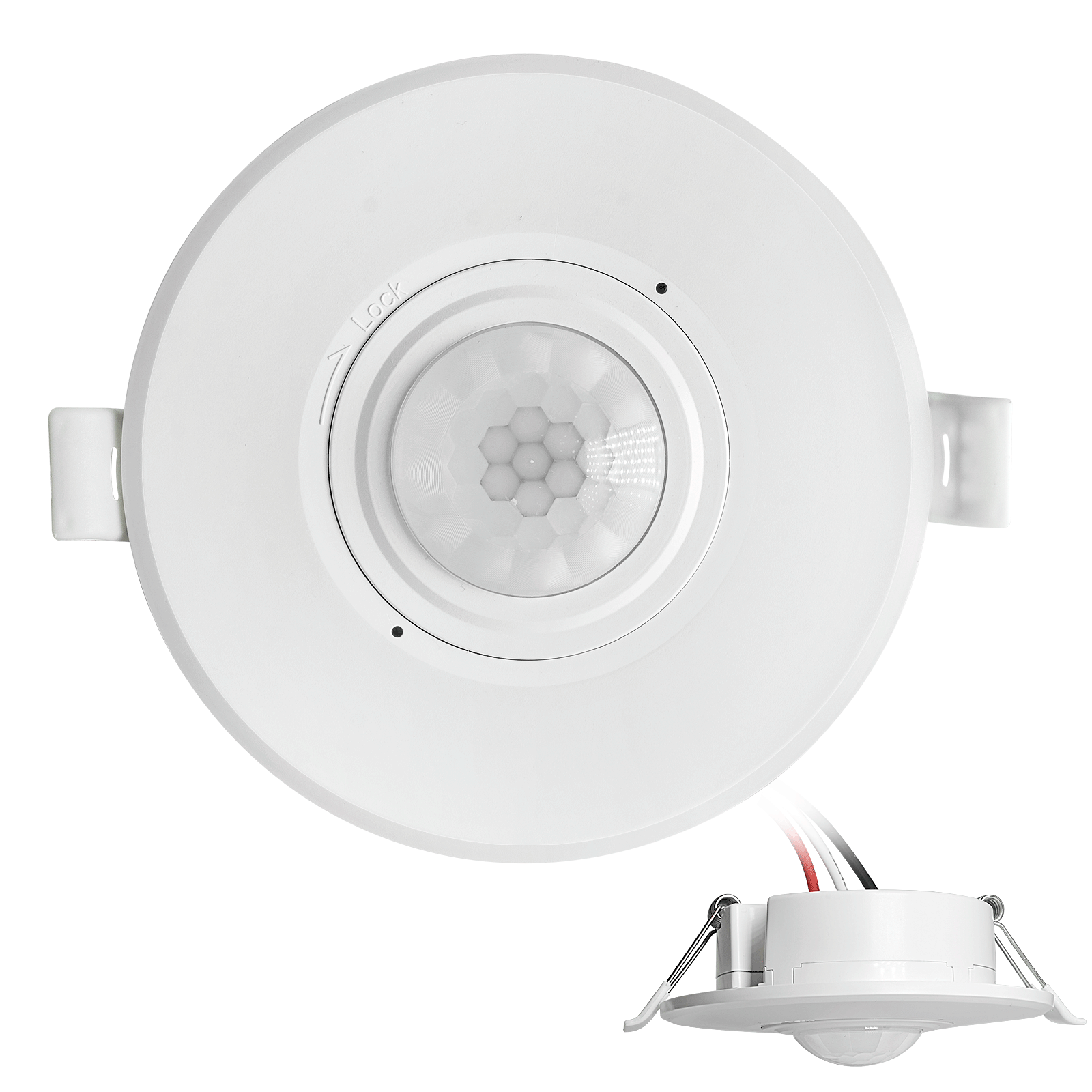
- 저전압 DC 매립형 천장 PIR 동작 감지 센서 스위치
- 10-30 VDC 범위를 지원하는 12 VDC / 24 VDC 입력
- 시간 지연, 조도 임계값, 감도 조절이 가능한 최대 동작 전류 10A 제품
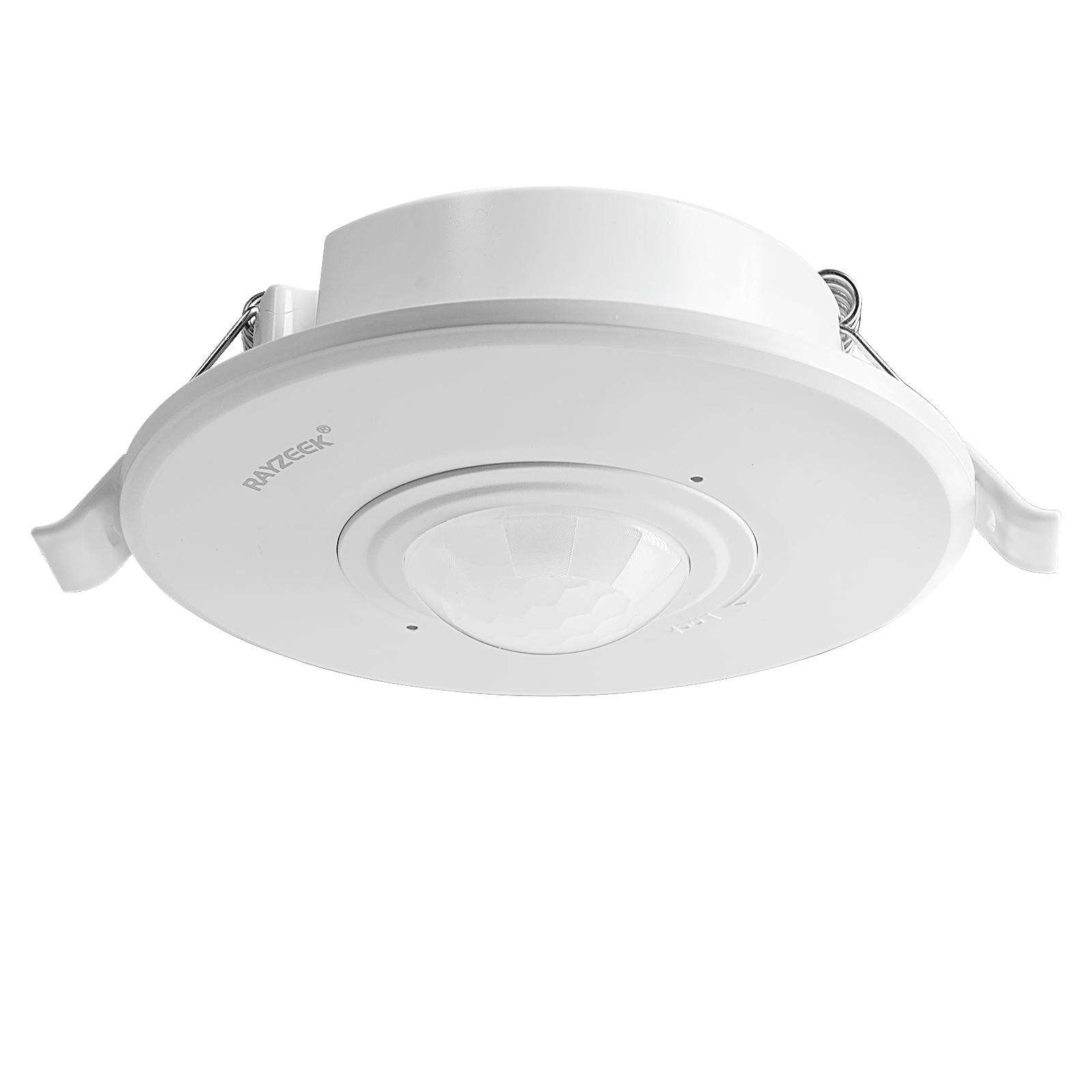
- 고부하용 매립형 천장 PIR 동작 감지 센서 스위치
- 100-265 VAC 라인 전압 입력, 10A 모델
- 시간 지연, 조도 임계값, 감도 조절이 가능한 360도 감지
- 매립형 천장 PIR 동작 감지 센서 스위치
- 100-265 VAC 라인 전압 입력, 5A 모델
- 시간 지연, 조도 임계값, 감도 조절이 가능한 360도 감지
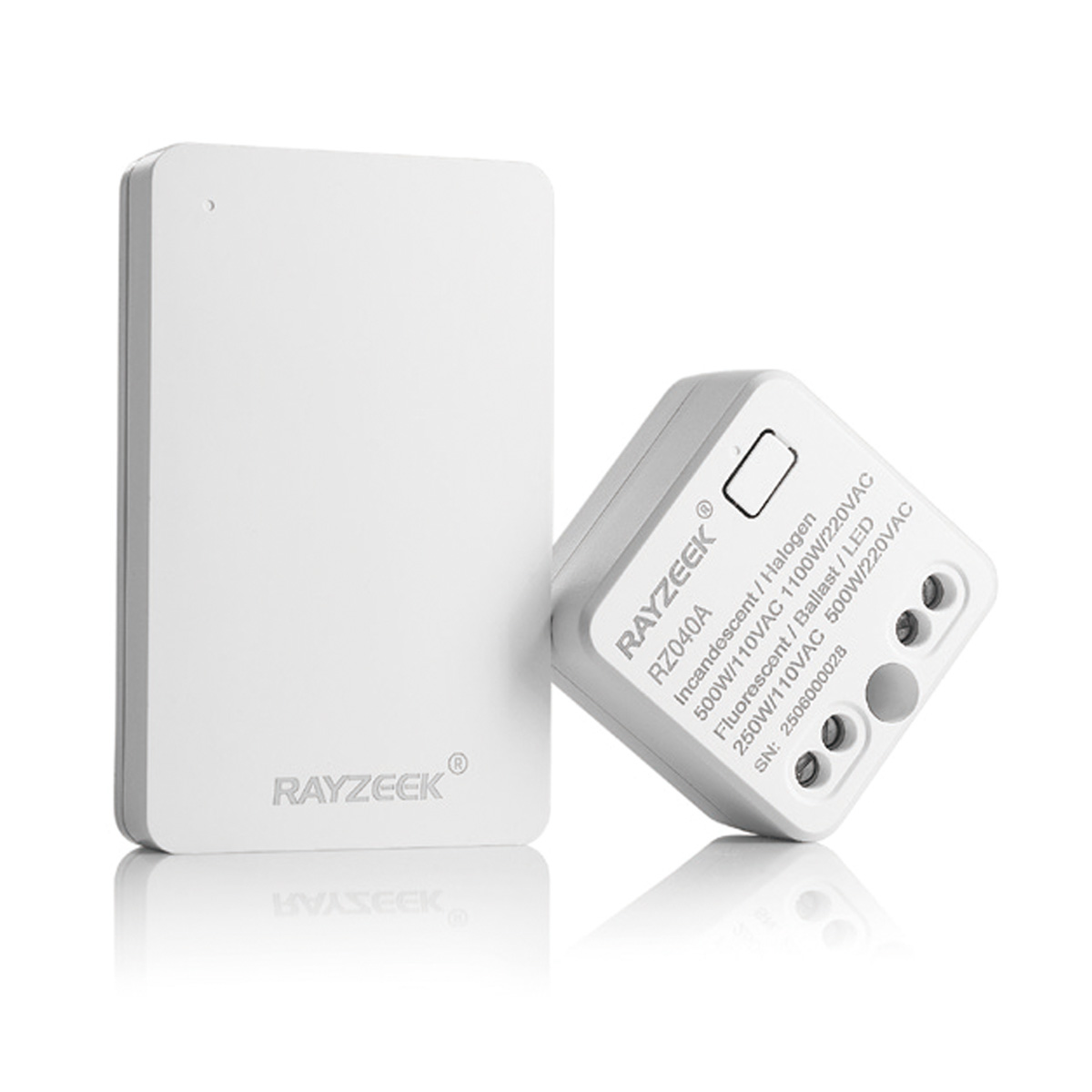
- 실내 ON/OFF 조명 제어용 무선 스위치 및 수신기 키트
- 정격 전류 5A의 100-230VAC, 50/60Hz 수신기
- 2.4GHz 통신 방식의 CR2032 배터리 구동 무선 스위치
- 재실 모드(자동 ON/자동 OFF)
- 12–24V DC (10–30VDC), 최대 10A
- 360° 감지 범주, 직경 8–12m
- 시간 지연 15초–30분
- 조도 센서 Off/15/25/35 Lux
- 높음/낮음 감도
- 자동 ON/자동 OFF 재실 모드
- 100–265V AC, 10A (중성선 필요)
- 360° 감지 범위; 감지 직경 8–12m
- 시간 지연 15초–30분; 조도 OFF/15/25/35; 감도 높음/낮음
- 자동 ON/자동 OFF 재실 모드
- 100–265V AC, 5A (중성선 필요)
- 360° 감지 범위; 감지 직경 8–12m
- 시간 지연 15초–30분; 조도 OFF/15/25/35; 감도 높음/낮음
Thermistors measure the temperature at different spots in the system, and if they fail, it can lead to incorrect readings and cause the system to not work properly. They’re like tiny thermometers that are located inside the AC unit. Sensor problems can be caused by age, damage, or if they’re not calibrated correctly. Replacing a thermistor can be tricky because you need some technical knowledge and they can be located in different places. If you think you might have a sensor problem, it’s usually best to call an HVAC technician to figure out what’s going on and fix it. Remember how important the thermostat is for controlling the system? We talked about that earlier!
Clogged Condensate Drain
The condensate drain is what removes the condensation that’s produced when your AC is cooling. It’s like a drain for the water that your AC pulls out of the air. This drain can get clogged with algae, dirt, and other debris, which can lead to water leaks, water damage, mold growth, and can even cause your system to shut down.
To keep that drain from getting clogged, it’s a good idea to clean the condensate drain line at least once a year, and even more often if you live in a humid climate. You can use condensate drain tablets or pour some distilled vinegar down the drain every now and then to stop algae from building up. Regular maintenance is super important for preventing clogs and making sure the water drains properly. Mold can grow because of the moisture, and that can cause some health problems. So, keeping the condensate drain clear is a simple but important thing you can do to maintain your AC system.
Control Board Failure
The control board is like the brain of your AC system. It manages all of the system’s operations. It gets signals from the sensors and controls all the other components. If it fails, it can be caused by power surges, overheating, age, or even software issues. If the control board isn’t working right, it can cause your AC to act erratically. For example, the fan might run constantly or the compressor might not turn on. The system might just not respond correctly, or it could even shut down completely. Because the control board is so complex, it’s always best to have a qualified HVAC technician diagnose and repair it.
Preventing Central AC Problems
Just like any complex system, your central AC will really benefit from regular maintenance. A little preventative care can really go a long way. Preventative maintenance can save you money on your energy bills, make your system last longer, make your home more comfortable, and help you avoid some costly repairs.
Here’s a maintenance schedule that we recommend:
- Air filter replacement: Replace your air filter every 1-3 months, depending on the type of filter you have and how much you use your AC. A clean air filter is super important for good airflow.
- Condensate drain cleaning: Clean your condensate drain every year, and even more often if you live in a humid climate. This will help prevent clogs and water leaks.
- Visual inspection: Regularly check your AC for leaks, debris, and any unusual noises. Catching problems early can stop them from turning into bigger issues.
Besides doing your own regular maintenance, it’s also a good idea to have a qualified HVAC professional give your AC system a tune-up every year. A professional can catch problems that you might not notice. These tune-ups include checking the refrigerant levels, electrical components, airflow, and how well the system is performing overall.
There are also some simple things you can do yourself to maintain your AC system. These include cleaning the condenser coils (removing any debris and making sure the air can flow properly), checking the insulation on the refrigerant lines, and keeping the area around the outdoor unit clear of plants, debris, and anything else that might be blocking the airflow. Make sure there’s plenty of space around the outdoor unit so the air can flow freely.
Here are some warning signs that you should watch out for:
- Reduced cooling capacity: Your AC isn’t cooling as well as it used to.
- Increased energy bills: Your energy bills are higher than usual, even though you haven’t changed how much you’re using your AC.
- Unusual noises: You hear banging, hissing, clicking, or other strange sounds coming from your AC unit.
- Water leaks: You see water pooling around the indoor unit.
- Frequent cycling: Your AC turns on and off frequently.
- Ice buildup: You see ice on the coils or refrigerant lines.
By following a regular maintenance schedule and paying attention to those warning signs, you can really reduce the chances of having major AC problems and enjoy reliable, efficient cooling for years to come. Regular maintenance is an investment in your comfort and in your home. A lot of the problems we’ve talked about in this article can be prevented or made less severe if you take proactive care of your AC system.