Fans are incredibly common appliances, and you’ll find them in the vast majority of homes around the world, helping us stay cool. In fact, here in the United States, over 90% of households rely on fans for cooling. That’s a lot of fans! It really highlights how popular they are as a simple and accessible way to improve our comfort. Now, cooling in general can really add up when you look at household energy expenses and overall energy demand. And with rising energy costs and increasing concerns about climate change, finding ways to reduce energy consumption while staying comfortable is more important than ever. That’s where fan energy saving comes in. Optimizing how we use our fans can really contribute to both saving money and being more environmentally responsible.
선풍기는 단순한 장치처럼 보일 수 있지만, 전략적으로 사용할 경우 상당한 에너지 절약 기회를 제공합니다. 선풍기 단독으로 사용할 수도 있고, 다른 냉방 시스템과 조합하여 사용하면 더욱 뛰어난 효과를 얻을 수 있습니다. 본 문서에서는 선풍기의 활용도를 높이고 에너지 효율을 극대화하기 위한 과학적 원리, 기술 및 모범 사례를 자세히 살펴봅니다.
선풍기 에너지 절약이란 무엇인가?
그렇다면 일광 절약 시간제(DST)의 정확한 개념은 무엇일까요? 선풍기 에너지 절약이란 무엇일까요? 이는 냉방 효과를 극대화하는 동시에 전력 소비를 최소화하도록 선풍기 사용을 최적화하는 것을 의미합니다. 그저 선풍기를 가능한 한 자주 끄는 것에 그치지 않습니다. 그보다 더 세밀한 접근이 필요합니다. 적절한 선풍기를 적절한 방식으로, 적절한 때에 사용하는 것이 핵심입니다. 단순히 “에너지 사용량을 줄이는 것”과 "에너지 절약"의 차이가 무엇인지 궁금할 수 있습니다. 에너지 절약은 효율성을 내포합니다. 즉, 최소한의 에너지 입력으로 최대한의 냉방 효과를 얻는 것을 의미합니다. 냉방 효율을 고려하지 않은 채 무작정 사용량만 줄이는 것과는 차이가 있습니다.
선풍기 에너지 절약은 다음과 같은 뛰어난 이점을 제공합니다.
- 비용 절감: 특히 냉방 수요가 많은 계절에 전기요금을 줄일 수 있습니다. 예를 들어, 중앙선풍기/에어컨 시스템을 갖춘 가정에서는 여름철 선풍기를 전략적으로 사용하고 서모스탯 온도를 몇 도 올리는 것만으로 매월 $10-20를 절약할 수 있습니다.
- 환경적 영향: 발전량이 감소함에 따라 탄소 발자국을 줄일 수 있습니다. 선풍기의 에너지 소비 절감은 온실가스 배출을 줄이고 기후 변화에 대응하기 위한 범지구적 노력에 기여합니다. 작은 실천이 모여 큰 변화를 만듭니다.
- 쾌적성 향상: 선풍기는 체감 냉방 효과를 형성하여 쾌적성을 높여줍니다. 실내 기온을 크게 낮추지 않고도 쾌적도를 향상시킬 수 있습니다. 이는 공기의 흐름이 실제로 체감하는 온도를 낮춰주어 더 시원하게 느끼게 만드는 "체감 온도" 원리 덕분입니다. 선풍기가 실제 기온을 낮추지 않으면서 어떻게 더 시원하게 느끼게 할 수 있을까요? 이에 대해서는 나중에 자세히 설명하겠지만, 주로 피부 표면의 땀이 증발하는 원리에 기인합니다.
본 문서에서는 선풍기 에너지 절약에 관한 다양한 주제를 다룹니다. 선풍기의 작동 원리에 관한 기본 개념부터 시작하여 냉방 효율을 극대화하기 위한 고급 전략까지 순차적으로 살펴봅니다. 선풍기 에너지 절약 전문가가 될 준비를 시작해 보세요.
선풍기가 기류와 냉방 효과를 형성하는 원리
기본 원리
선풍기가 어떻게 공기의 흐름을 만들어내는지 궁금했던 적이 있으신가요? 이는 공기 압력의 차이와 관련이 있습니다. 회전하는 선풍기 날개는 이러한 압력 차이를 발생시키도록 설계되어 있으며, 이에 따라 공기가 이동하게 됩니다. 비행기 날개가 양력을 생성하는 원리와 유사합니다. 여기에 베르누이 정리(Bernoulli's principle)가 적용됩니다. 쉽게 말해, 베르누이 정리는 빠르게 움직이는 공기가 천천히 움직이는 공기보다 압력이 낮다는 원리입니다. 비행기 날개와 마찬가지로 곡면으로 이루어진 선풍기 날개의 형상은 공기가 하부 표면보다 상부 표면을 더 빠르게 통과하도록 강제합니다. 이로 인해 날개 상부에는 낮은 압력이, 하부에는 높은 압력이 형성되어 압력 차이가 발생합니다. 그 결과 공기를 밀어내는 전향력이 생겨나며, 이러한 압력 차이가 선풍기의 기류를 형성하는 원동력이 됩니다.
동작 감지 기반의 에너지 절감 솔루션을 찾고 계십니까?
PIR 동작 감지 센서, 동작 감지 에너지 절감 제품, 동작 감지 센서 스위치, 상업용 점유/부재(Occupancy/Vacancy) 감지 솔루션에 대해 문의해 주시기 바랍니다.
풍량(Airflow)과 풍속(Air velocity)의 차이를 이해하는 것이 중요합니다. 이 두 용어는 자주 혼용되지만 실제로는 서로 다른 개념을 나타냅니다.
- 풍량 (CFM – 분당 입방피트): 선풍기가 분당 이동시키는 공기의 부피를 의미합니다. 일정한 시간 동안 선풍기가 순환시키는 전체 공기량의 수치로 이해할 수 있습니다. 그렇다면 선풍기에 적절한 CFM은 어느 정도일까요? 이는 방의 크기와 선풍기의 용도에 따라 달라집니다. 작은 침실에는 약 1,000 CFM 수준의 선풍기로 충분할 수 있는 반면, 넓은 거실에는 5,000 CFM 이상의 선풍기가 필요할 수 있습니다.
- Air Velocity: This is the speed of the air moving past a specific point. It’s a measure of how fast the air is traveling at a particular location. Is higher air velocity always better? Not necessarily. It really depends on what you’re trying to achieve. High velocity can be uncomfortable if you’re trying to cool yourself directly, but it can be useful for ventilation purposes.
Cooling Mechanism
Fans primarily cool us down through two main mechanisms: evaporative cooling and convection. Let’s take a closer look at each of these.
First up is evaporative cooling. Moving air increases the rate of evaporation from your skin, which leads to that lovely cooling sensation. Your body actually cools itself primarily through sweating. When sweat evaporates from your skin, it takes heat energy with it, and that’s what creates the cooling sensation. A fan simply accelerates this evaporation process, making you feel cooler even though the air temperature itself hasn’t actually changed. Does this mean fans are useless in humid environments? Not quite! While they’re certainly less effective in high humidity, fans can still provide some cooling benefit by improving air circulation. Because there’s already a high concentration of water in the air, sweat evaporates more slowly, but the fan still helps a bit.
The second mechanism is convection. Fans help to circulate air, which prevents those stagnant air pockets from forming and promotes a more even temperature distribution throughout the room. By continuously mixing the air, fans help to remove warmer air from near your body and replace it with cooler air. This further contributes to that refreshing cooling effect.
Factors Affecting Cooling Effectiveness
So, what factors influence how effectively a fan cools you down or cools a space? Let’s take a look.
- Fan Placement: Where you put your fan really matters! For direct cooling, try placing the fan near a window or in a doorway to create a nice breeze. If you’re aiming for whole-room air circulation, position the fan to promote airflow across the entire space. Where should you place your fan for the best results? Well, it depends on the room layout and the type of fan you’re using. For example, you could place a tower fan in a corner to direct airflow across the room, or position a pedestal fan to blow air directly on you.
- Room Size: The size of the room is a big factor in determining the appropriate fan size. Matching the fan size (CFM) to the room dimensions is crucial for efficient cooling. Here’s a general guideline: for a small room (under 150 sq ft), aim for 1000-3000 CFM; for a medium room (150-300 sq ft), go for 3000-5000 CFM; and for a large room (over 300 sq ft), you’ll want 5000+ CFM. What happens if you use a fan that’s too small for your room? It won’t be as effective, and you might need to run it at a higher speed, which consumes more energy.
- Airflow Patterns: The way air moves within a room affects how well the fan cools. Creating cross-ventilation is a key strategy for maximizing cooling. It’s also important to avoid obstructions that block airflow. Can furniture block airflow and make my fan less effective? Absolutely! Try to arrange furniture for optimal airflow. Keep furniture away from fans and vents, and avoid placing large objects directly in front of fans.
- Ambient Temperature and Humidity: These environmental factors play a role in how effective fan cooling is. High temperatures and humidity reduce the cooling effect of evaporation.
- Single vs. Multiple Fans: Should you use one large fan or several smaller ones? It depends on the size and layout of the space, as well as your cooling needs. A single, large, appropriately sized ceiling fan can be very effective for circulating air in a large, open room. However, multiple smaller fans can offer more flexibility in directing airflow and creating localized cooling zones. They can also be more effective in rooms with unusual shapes or obstructions. There’s no single “better” option. It’s all about choosing the most efficient configuration for your specific situation.
Comparing Fan Types
There are several types of fans commonly used for cooling our homes, and each one has its own unique characteristics, energy consumption patterns, and ideal use cases. Let’s compare some of the most popular options.
Ceiling Fans
- Description: These fans feature rotating blades that are mounted on the ceiling.
- Energy Consumption: They typically have low to moderate energy consumption, depending on their size and speed. On low speed, they might use 15-30 watts; on medium speed, 30-60 watts; and on high speed, 60-100 watts.
- Use Cases: They’re great for whole-room air circulation and are often used to supplement air conditioning.
- 장점: They’re efficient for large spaces, especially when they’re appropriately sized. Plus, you can use them year-round.
- 단점: They require installation, and they might not be suitable for rooms with low ceilings.
- What does the “reverse” setting on a ceiling fan do? In the winter, reversing the blade direction (usually with a switch on the fan motor housing) creates an updraft. This pushes warm air that has collected near the ceiling down into the living space, improving heat distribution and potentially allowing you to lower your thermostat setting.
Tower Fans
- Description: Tower fans are tall, vertical fans with oscillating louvers.
- Energy Consumption: They generally have low to moderate energy consumption.
- Use Cases: They’re good for direct cooling, supplementing air conditioning, and smaller spaces.
- 장점: They’re compact, portable, and often include features like timers and remote controls.
- 단점: They can be less powerful than ceiling fans. Also, some tower fans, especially at higher speeds, can generate a noticeable whirring or humming sound. This is due to the design of the fan and the speed at which the internal components are moving.
Pedestal Fans
- Description: Pedestal fans are adjustable-height fans with a rotating head.
- Energy Consumption: They have moderate energy consumption.
- Use Cases: They’re great for direct cooling and offer flexible positioning.
- 장점: They’re portable, and you can adjust their height and direction.
- 단점: They can be a bit bulky. Pedestal fans often have a large base to provide stability, which can take up significant floor space.
Box Fans
- Description: Box fans are square or rectangular fans that you typically place in windows or doorways.
- Energy Consumption: They have moderate energy consumption.
- Use Cases: They’re good for exhausting hot air, drawing in cool air, and creating cross-ventilation.
- 장점: They’re inexpensive and effective for ventilation.
- 단점: They can be noisy and less aesthetically pleasing.
Window Fans
- Description: Window fans are designed to fit right into your window openings.
- Energy Consumption: They have low to moderate energy consumption.
- Use Cases: They’re good for exhausting hot air, drawing in cool air, and are ideal for cross-ventilation setups.
- 장점: They’re efficient for ventilation and can be reversible.
- 단점: They may require some installation, and they can block your window view.
There are also other, less common fan types out there, such as bladeless fans and whole-house fans. Whole-house fans are a more specialized topic, and we won’t be covering them in detail in this article, as they involve more complex installation and usage considerations.
Motor Types and Energy Consumption
AC (Alternating Current) Motors
- Description: AC (Alternating Current) motors are a traditional fan motor technology.
- Energy Efficiency: They’re generally less energy-efficient than DC or EC motors.
- Power Factor: Power factor is a measure of how effectively electrical power is being used. A power factor of 1 (or 100%) represents perfect efficiency, meaning all the electrical power supplied to the fan is being used to do work (rotate the blades). A lower power factor indicates that some of the power is being wasted, often as heat. What’s a good power factor for a fan? Ideally, you want it to be as close to 1 as possible.
- Typical Applications: You’ll typically find AC motors in older or less expensive fans.
DC (Direct Current) Motors
- Description: DC (Direct Current) motors are a more energy-efficient motor technology.
- Energy Efficiency: They’re significantly more energy-efficient than AC motors. In fact, DC motors can be up to 70% more energy-efficient than AC motors!
- Power Factor: They typically have a higher power factor than AC motors.
- Typical Applications: You’ll typically find DC motors in newer, higher-end fans, especially ceiling fans.
- Why are DC fans more expensive? They use more complex electronic components for speed control and power conversion.
EC (Electronically Commutated) Motors
- Description: EC (Electronically Commutated) motors are a type of DC motor with even greater control and efficiency.
- Energy Efficiency: They have the highest energy efficiency among the three types.
- Power Factor: They have a very high power factor.
- Typical Applications: You’ll find them in high-performance fans, often used in commercial settings but increasingly in residential fans.
- Are EC motors worth the extra cost? While EC motors have a higher upfront cost, their superior energy efficiency can lead to significant long-term savings on your electricity bills, especially if you use your fan frequently. They also often offer smoother operation and more precise speed control.
While DC and EC motors offer better energy efficiency, it’s worth considering their long-term reliability compared to traditional AC motors. AC motors, being a simpler technology, often have a longer track record and are generally easier to repair. DC and EC motors, with their more complex electronic components, can be more susceptible to certain types of failures, although advancements in manufacturing are constantly improving their durability. Ultimately, the lifespan of any motor type really depends on factors like build quality, how you use it, and how well you maintain it.
Blade Design and Efficiency
Blade Shape
- Airfoil Design: Airfoil-shaped blades, similar to airplane wings, are more efficient at moving air. They’re designed to maximize lift and minimize drag, which results in smoother and more efficient airflow.
- Curved vs. Flat Blades: Curved blades generally create a more focused and efficient airflow, directing the air in a specific direction. Flat blades may be less efficient, but they can sometimes be quieter.
Blade Size
- Larger Blades: Larger blades generally move more air, but they may require a more powerful motor. They have a greater surface area, which allows them to displace more air with each rotation.
- Smaller Blades: Smaller blades may be more suitable for smaller spaces or direct cooling. They’re often used when you want a less intense airflow.
Blade Pitch
- Definition: Blade pitch is the angle of the blades relative to the plane of rotation.
- Impact on Airflow: A steeper pitch generally moves more air, but it can also increase noise and energy consumption. A steeper pitch creates a greater “bite” into the air, moving more air with each rotation, but it also requires more energy and can generate more noise.
- What’s the optimal blade pitch? It really depends on the fan design and what you’re using it for. There’s no single “optimal” pitch. It’s a balance between airflow, noise, and energy efficiency.
- Limitations of Blade Pitch: While blade pitch is important, it’s not the 유일한 thing that determines airflow or efficiency. Other factors, such as blade shape, blade size, motor power, and the overall fan design, also play significant roles. A fan with a high blade pitch might not necessarily move more air than a fan with a lower pitch if the other factors aren’t optimized. So, relying solely on blade pitch to assess a fan’s performance can be misleading.
Blade Material
- Plastic: Plastic blades are lightweight and inexpensive, but they may be less durable. They’re generally easy to clean, but they can be more prone to warping or cracking over time, especially in hot environments.
- Metal: Metal blades are more durable and can be more efficient, but they may be heavier and noisier. They’re more resistant to warping, but they can be susceptible to rust or corrosion, particularly in humid conditions.
- Wood: Wood blades are aesthetically pleasing and can be efficient, but they may be more expensive. They can be durable, but they may require occasional treatment with oil or sealant to prevent drying and cracking.
When choosing a blade material, consider the environment where you’ll be using the fan and how much maintenance you’re willing to do.
Number of Blades
Do more blades mean better airflow? Not necessarily! It’s actually a complex interplay of factors, including blade design and motor power. In some cases, more blades can even lead to less airflow because of increased drag. With more blades, there’s more surface area interacting with the air, which can increase resistance and reduce overall efficiency.
Best Practices for Energy-Efficient Fan Use
Proper fan placement is super important for maximizing cooling effectiveness and minimizing energy consumption. Remember that earlier section where we talked about fan placement? Go back and check it out for some detailed recommendations!
Regular Cleaning
- Dust Buildup: Dust accumulation on your fan blades reduces efficiency and increases energy consumption. Dust adds weight to the blades and disrupts airflow, which makes the motor work harder. How often should you clean your fan? It really depends on how much you use it and how dusty your home is, but a good rule of thumb is to clean it every few weeks or months.
- Cleaning Methods: Always unplug the fan before you start cleaning! For most fans, you can use a vacuum cleaner with a brush attachment to remove dust from the blades and motor housing. You can also wipe the blades with a damp cloth, but make sure the blades are completely dry before plugging the fan back in. If you have stubborn dust or grime, you might need to use a mild cleaning solution, but always check the manufacturer’s instructions first.
- Addressing Fan Noises: Unusual noises, like rattling or grinding, can indicate a problem with the fan. These noises often come from loose parts, worn bearings, or debris buildup. While the noise itself doesn’t directly impact energy consumption in a major way, it signals that the fan isn’t operating optimally and may be experiencing increased friction, which can slightly reduce efficiency and lead to premature wear. It’s best to address the source of the noise by tightening loose screws, lubricating moving parts (if applicable and according to the manufacturer’s instructions), or cleaning the fan thoroughly.
Using Appropriate Speed Settings
- Lower Speeds: Lower speeds are often sufficient for maintaining comfort, especially when you’re using your fan with air conditioning. They consume less energy while still providing a noticeable cooling effect.
- Higher Speeds: Higher speeds may be necessary for initial cooling or when it’s very hot. Use higher speeds when you first enter a hot room or when the temperature is particularly high.
- Is it okay to leave my fan running all day? That’s a trade-off between energy consumption and comfort. Leaving a fan on all day will consume more energy than turning it off when you don’t need it, but the energy consumption of most fans is relatively low compared to other appliances like air conditioners. If it significantly improves your comfort, the energy cost may be justifiable.
- Experiment with different speed settings to find the lowest setting that provides adequate comfort. Often, the lowest or second-lowest setting is sufficient, especially when you’re using the fan with air conditioning.
Turning Off Fans When Not Needed
- Empty Rooms: It’s really important to turn off fans when you leave a room. Since fans cool 사람이지, not rooms, leaving them on in an empty room just wastes energy.
- Common Misconception: A lot of people believe that leaving a fan on will cool down an empty room, but that’s not actually how it works. Fans cool 사람이지 through the wind chill effect.
Utilizing Timers and Controls
- Built-in Timers: Many fans have built-in timers that automatically turn off after a set period. This really helps to save energy by making sure the fan isn’t running unnecessarily.
- Remote Controls: Remote controls let you easily adjust the fan speed and settings without even having to get up. This makes it easier to adjust the fan to the lowest comfortable setting or turn it off when you don’t need it.
- External Timers and Smart Plugs: If your fan doesn’t have a built-in timer, you can use a simple plug-in timer or a smart plug to control when it turns on and off. Smart plugs can often be controlled remotely via a smartphone app and can be integrated with smart home systems, which allows for even greater control and automation.
Fans and Air Conditioning
Using fans together with air conditioning can really reduce energy consumption, creating what we call a synergistic cooling effect. It’s like they work together to make things even better!
관심 있는 다른 제품

- 전압: AAA 배터리 2개
- 주간/야간 모드
- 시간 지연: 15분, 30분, 1시간(기본값), 2시간
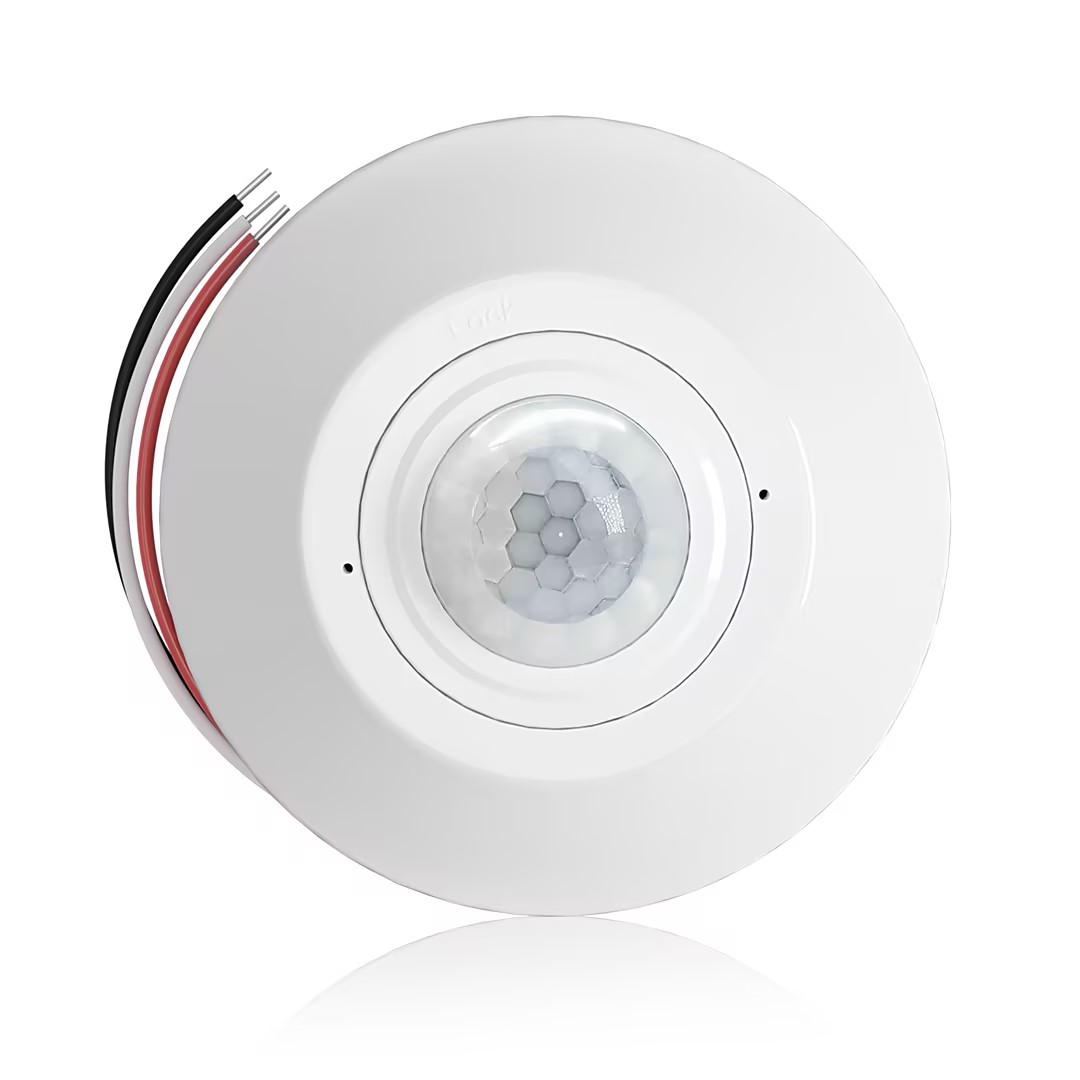
- 무전압 접점 리레이 출력을 갖춘 천장 설치형 PIR 재실 감지 센서
- 12/24VDC 또는 12/24VAC 저전압 전원 공급
- EMS, HVAC 및 빌딩 제어 입력을 위한 COM, NO 및 NC 절연 리레이 접점
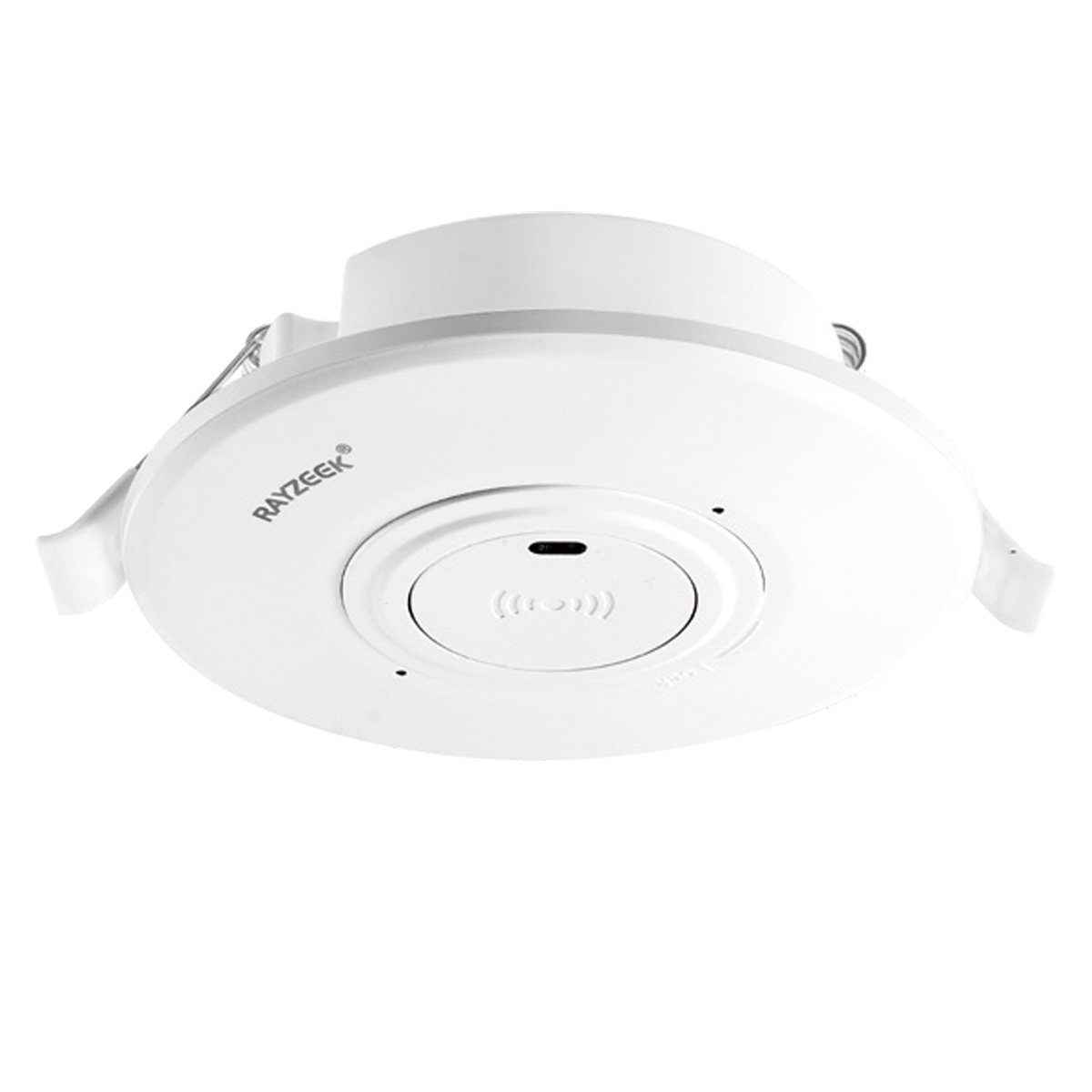
- 저전압 DC 매립형 천장 설치형 마이크로웨이브 모션 센서 스위치
- 10-30 VDC 범위를 지원하는 12 VDC / 24 VDC 입력
- 조절 가능한 지연 시간, Lux 임계값 및 감도 기능을 갖춘 최대 10A 동작 전류
- 고부하용 매립형 천장 설치형 마이크로웨이브 모션 센서 스위치
- 100-265 VAC 라인 전압 입력, 10A 모델
- 조절 가능한 지연 시간, Lux 임계값 및 감도를 갖춘 5.8 GHz 마이크로웨이브 감지
- 천장 매립형 마이크로웨이브 동작 감지 센서 스위치
- 100-265 VAC 라인 전압 입력, 5A 모델
- 조절 가능한 지연 시간, Lux 임계값 및 감도를 갖춘 5.8 GHz 마이크로웨이브 감지
- 220V 전원용 천장 부착형 RZ037 PIR 재실 감지 센서 디머
- 660W 정격 부하 및 최대 동작 전류 3A
- LUX 버튼으로 조도 센서 ON/OFF 및 사용자 설정 디밍 밝기 제어
- 110V 전원용 천장 부착형 RZ037 PIR 재실 감지 디머 스위치
- 330W 정격 부하 및 최대 동작 전류 3A
- LUX 버튼으로 조도 센서 ON/OFF 및 사용자 설정 디밍 밝기 제어
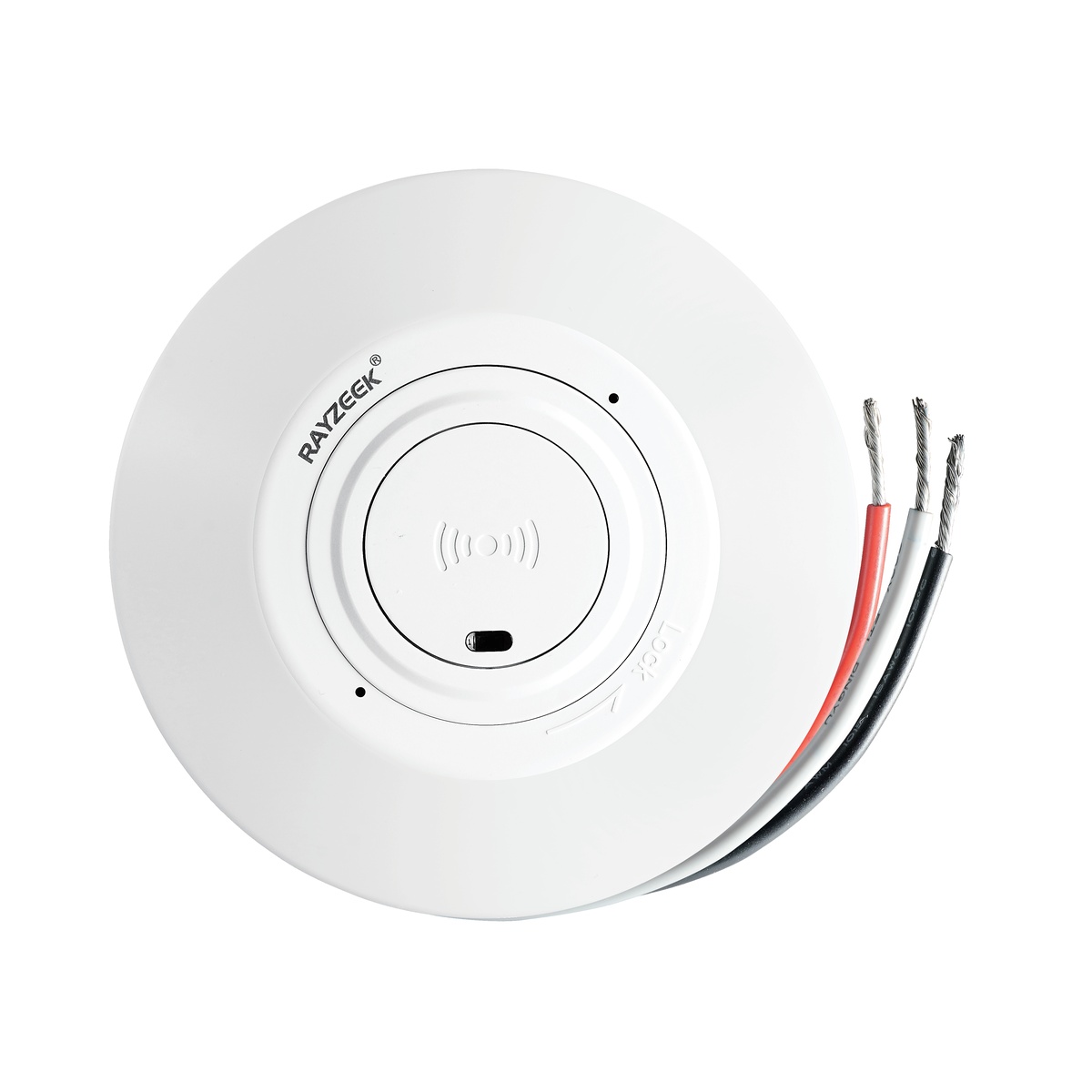
- 저전압 DC 천장 부착형 마이크로웨이브 동작 감지 센서 스위치
- 10-30 VDC 범위를 지원하는 12 VDC / 24 VDC 입력
- 조절 가능한 지연 시간, Lux 임계값 및 감도 기능을 갖춘 최대 10A 동작 전류
- 고부하용 천장 부착형 마이크로웨이브 동작 감지 센서 스위치
- 100-265 VAC 라인 전압 입력, 10A 모델
- 조절 가능한 지연 시간, Lux 임계값 및 감도를 갖춘 5.8 GHz 마이크로웨이브 감지
- 천장 부착형 마이크로웨이브 동작 감지 센서 스위치
- 100-265 VAC 라인 전압 입력, 5A 모델
- 조절 가능한 지연 시간, Lux 임계값 및 감도를 갖춘 5.8 GHz 마이크로웨이브 감지
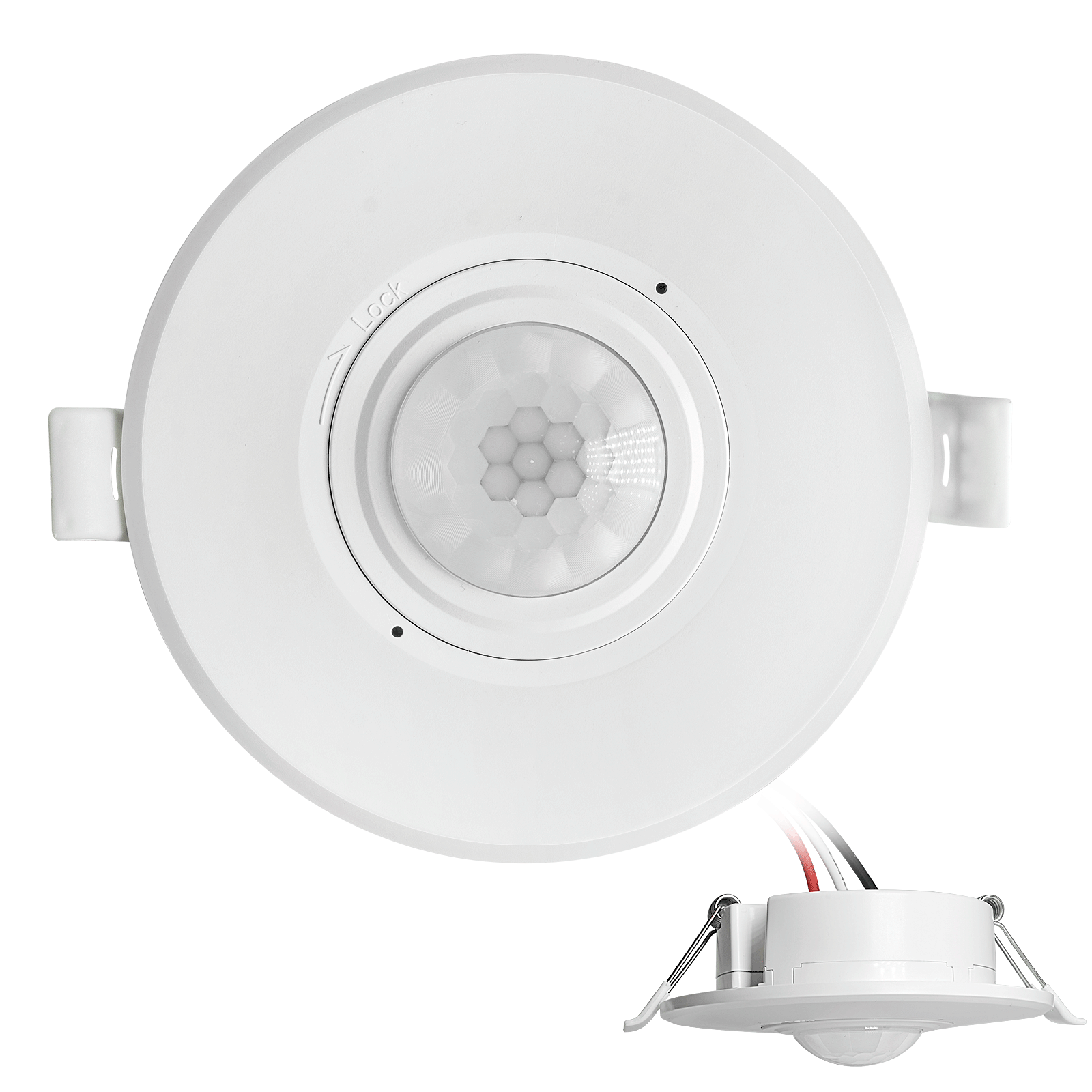
- 저전압 DC 매립형 천장 PIR 동작 감지 센서 스위치
- 10-30 VDC 범위를 지원하는 12 VDC / 24 VDC 입력
- 시간 지연, 조도 임계값, 감도 조절이 가능한 최대 동작 전류 10A 제품
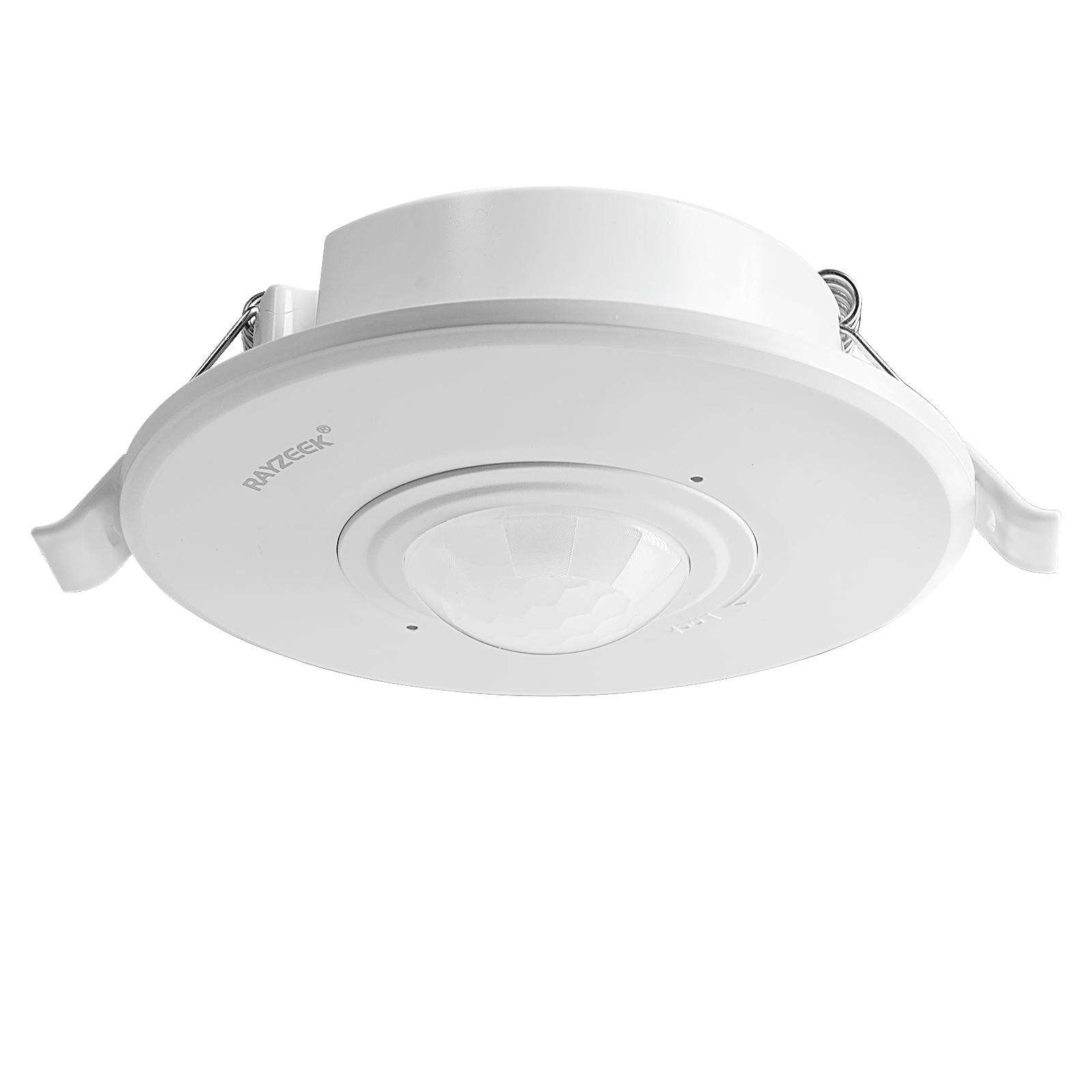
- 고부하용 매립형 천장 PIR 동작 감지 센서 스위치
- 100-265 VAC 라인 전압 입력, 10A 모델
- 시간 지연, 조도 임계값, 감도 조절이 가능한 360도 감지
- 매립형 천장 PIR 동작 감지 센서 스위치
- 100-265 VAC 라인 전압 입력, 5A 모델
- 시간 지연, 조도 임계값, 감도 조절이 가능한 360도 감지
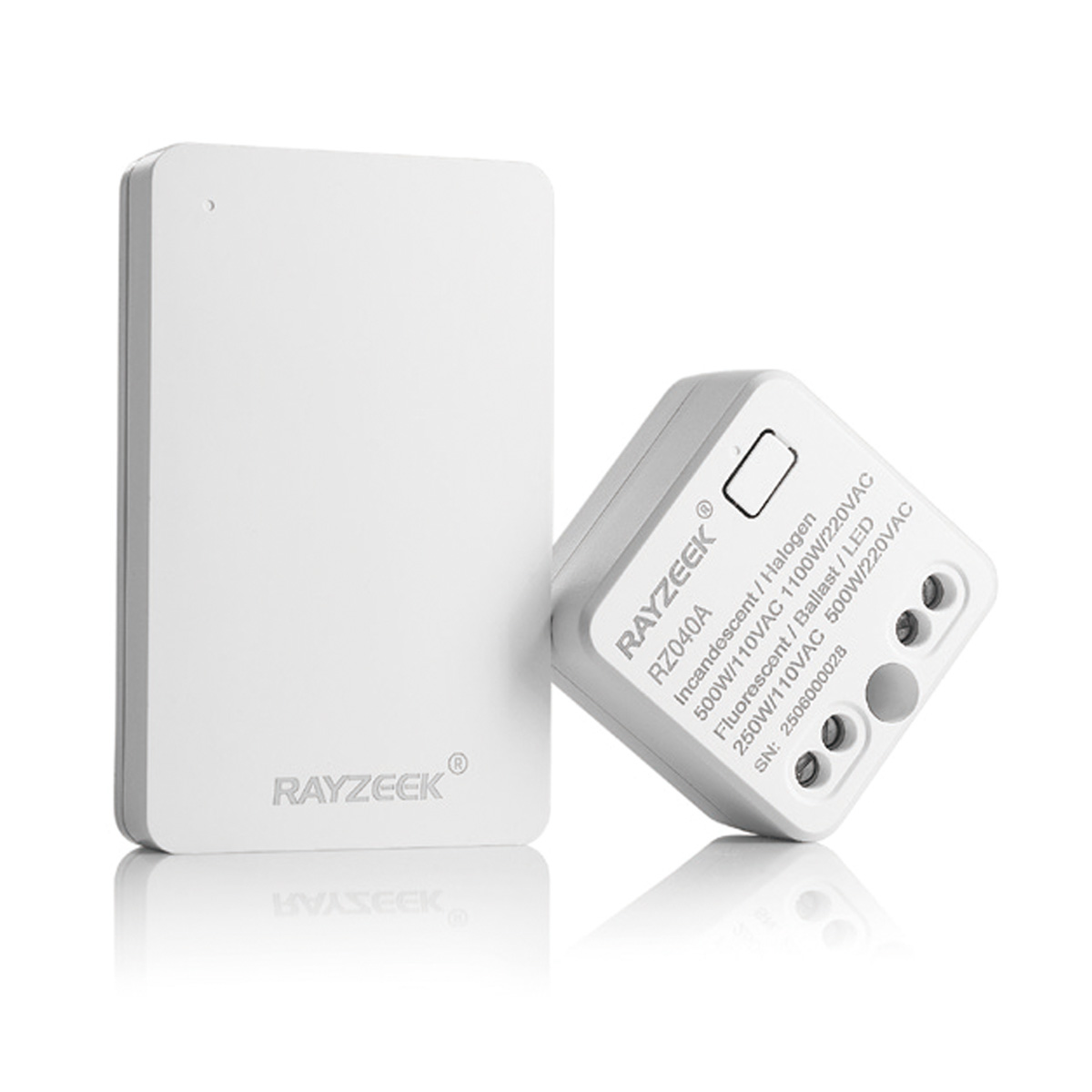
- 실내 ON/OFF 조명 제어용 무선 스위치 및 수신기 키트
- 정격 전류 5A의 100-230VAC, 50/60Hz 수신기
- 2.4GHz 통신 방식의 CR2032 배터리 구동 무선 스위치
- 재실 모드(자동 ON/자동 OFF)
- 12–24V DC (10–30VDC), 최대 10A
- 360° 감지 범주, 직경 8–12m
- 시간 지연 15초–30분
- 조도 센서 Off/15/25/35 Lux
- 높음/낮음 감도
- 자동 ON/자동 OFF 재실 모드
- 100–265V AC, 10A (중성선 필요)
- 360° 감지 범위; 감지 직경 8–12m
- 시간 지연 15초–30분; 조도 OFF/15/25/35; 감도 높음/낮음
- 자동 ON/자동 OFF 재실 모드
- 100–265V AC, 5A (중성선 필요)
- 360° 감지 범위; 감지 직경 8–12m
- 시간 지연 15초–30분; 조도 OFF/15/25/35; 감도 높음/낮음
- Higher Thermostat Settings: Fans let you raise the thermostat setting by several degrees without sacrificing comfort. The wind chill effect created by the fan makes you feel cooler, even at a higher temperature. For every degree you raise your thermostat, you can save approximately 1-3% on your cooling costs. For example, if you typically set your thermostat to 74°F, using fans effectively might allow you to set it to 78°F and still feel comfortable, potentially saving you 4-12% on your cooling bill.
- Improved Air Circulation: Fans help to distribute cool air more evenly throughout the room, which reduces the workload on the air conditioner. By circulating the cool air, the AC doesn’t have to work as hard to maintain the temperature you want.
- How much can you really save by using fans with your AC? The potential savings vary depending on factors like climate, insulation, fan type, and AC efficiency, but a reasonable estimate is 10-20% on cooling costs during periods of fan use.
Optimal Fan Placement with AC
As we discussed earlier, proper fan placement is super important for maximizing the synergistic effect of fans and AC.
- Directing airflow towards occupants: Position fans to blow air directly on people in the room.
- Circulating cool air from the AC vents: Place fans near AC vents to help distribute the cool air more effectively.
For example, place a fan near an AC vent to help distribute the cool air more quickly throughout the room. You can also position a fan to blow air across your body, creating a wind chill effect that allows you to set the thermostat higher.
Enhancing Natural Ventilation
Cross-Ventilation
Cross-ventilation is a natural ventilation technique that uses fans to draw in cool air from one side of a building and exhaust hot air from the other. It’s a great way to cool your home without relying solely on air conditioning.
- Window Placement: For optimal cross-ventilation, open windows on opposite sides of the house. This creates a pressure difference that drives airflow through the house.
- Fan Placement: Positioning fans to maximize airflow is key. Place one fan in a window facing outward to exhaust hot air, and another fan in a window on the opposite side of the house facing inward to draw in cooler air.
Nighttime Cooling
Nighttime cooling involves using fans to draw in cooler night air and flush out hot air that’s accumulated during the day. It’s a great way to take advantage of those cooler nighttime temperatures.
- Is it safe to leave windows open at night? That’s a really important question! You need to consider security and potential alternatives, such as window locks, security screens, or only opening windows on upper floors. Security should always be your primary concern.
- Here’s how to do nighttime cooling: Open windows on opposite sides of your house to create a cross-breeze. Place a fan in one window, facing outward, to exhaust hot air. Place another fan in a window on the opposite side of the house, facing inward, to draw in cooler air.
Using fans strategically throughout the house can create whole-house ventilation, but this is a more advanced technique that may require specialized fans and is beyond the scope of this article.
Rayzeek 모션 센서 포트폴리오에서 영감을 얻어보세요.
원하시는 제품을 찾지 못하셨나요? 걱정하지 마세요. 문제를 해결할 수 있는 대체 방법은 언제나 존재합니다. 당사의 포트폴리오 중 하나가 도움이 될 수 있습니다.
While standard fans can help circulate air in your attic, they’re not a substitute for proper attic ventilation. Attics often reach extremely high temperatures, and a regular fan may simply move hot air around. For effective attic cooling, consider a whole-house fan or a dedicated attic fan, which are designed to exhaust hot air from the attic to the outside. These fans are typically installed in the attic ceiling or gable.
Smart Fans for Energy Efficiency
- Sensors: Smart fans often come equipped with temperature, humidity, and occupancy sensors that automatically adjust the fan speed and operation. These sensors allow the fan to adapt to changing conditions and only run when needed. How do occupancy sensors work? They typically use passive infrared (PIR) technology to detect the heat signature of a person moving within a room. When movement is detected, the sensor signals the fan to turn on or adjust its speed.
- Automated Controls: You can also find smart fans with pre-programmed settings for different times of day or weather conditions. This allows you to customize the fan operation based on your preferences and schedule.
- Remote Control via Smartphone App: Many smart fans can be controlled and monitored from anywhere using a smartphone app. This gives you the flexibility to adjust the fan settings even when you’re not at home.
Integration with Smart Home Systems
- Connecting fans to smart home systems: You can connect your smart fans to smart thermostats, smart home hubs, and voice assistants. This allows for seamless control and automation of your fan within your broader smart home ecosystem.
- Voice Control Example: “Hey Google, turn on the bedroom fan.”
- Benefits: Enhanced automation, energy optimization, and convenience.
Are smart fans worth the investment? The answer really depends on your individual needs and how you plan to use them. While they do have a higher initial cost, the potential for energy savings through automated operation and integration with smart home systems can lead to long-term cost reductions. Plus, the added convenience and features, like remote control and scheduling, may be valuable to you.
Limitations of Fan Cooling
It’s important to remember that fans primarily provide perceived cooling through the wind chill effect, rather than actually lowering the air temperature. If you want a refresher, check out the earlier section on cooling mechanisms for a more detailed explanation.
Fans become less effective at providing relief when temperatures and humidity are very high. The evaporative cooling effect is diminished when the air is already saturated with moisture. At what temperature do fans stop being effective? While there’s no definitive cutoff temperature, fans generally become less effective at providing a significant cooling sensation when the air temperature exceeds 90-95°F, especially when the humidity is also high.
Prolonged exposure to moving air can increase your risk of dehydration. The increased evaporation from your skin can lead to fluid loss. So, be particularly mindful of staying hydrated when you’re using fans for extended periods, especially in hot and dry environments. Make sure you’re drinking plenty of fluids!
Some fans can be pretty noisy, especially when you crank them up to higher speeds. There’s often a trade-off between noise and cooling power. Higher speeds generally mean more noise. If you’re looking for a quieter fan, try to find one with low noise ratings or features like “quiet operation” modes.
It’s important to remember that fans aren’t a complete replacement for air conditioning in all situations. This is especially true if you have heat sensitivity or certain medical conditions, or during periods of extreme heat.
결론
In this article, we’ve explored various aspects of fan energy saving, from understanding how fans work and comparing different types to implementing best practices for optimal usage. We’ve covered key strategies like strategic placement, regular cleaning, using appropriate speed settings, turning off fans when they’re not needed, and leveraging the synergy between fans and air conditioning.
By putting these strategies into practice, you can significantly reduce your energy consumption, lower your electricity bills, and minimize your impact on the environment, all while keeping your home comfortable.
One emerging trend in fan technology is the integration of air purification capabilities. Some newer fan models incorporate HEPA filters or other air cleaning technologies to simultaneously circulate and purify the air. This combination addresses both thermal comfort and indoor air quality, offering a more holistic approach to creating a healthy and comfortable living environment.