
What is Leed
LEED stands for Leadership in Energy and Environmental Design. It is a certification program developed by the United States Green Building Council (USGBC) to evaluate and promote sustainable and environmentally friendly building design, construction, and operation. The program provides a voluntary credit rating system that helps professionals in the lighting industry achieve maximum sustainability and efficiency in their projects.
LEED certification operates on a points-based system, where projects earn points for meeting specific requirements and guidelines. The points are then used to determine the overall rating of a project within the LEED system. The certification levels range from Certified to Silver, Gold, and Platinum, with Platinum being the highest rating.
こちらの製品もおすすめ

- 無電圧接点リレー出力を備えた天井取付型 PIR 占有・無人検知センサー
- 12/24VDC または 12/24VAC の低電圧電源
- EMS、HVAC、およびビル管理制御入力用の COM、NO、NC 絶縁リレー接点

- 低電圧 DC 天井埋込型 マイクロ波モーションセンサースイッチ
- 12 VDC / 24 VDC 入力(許容範囲:10-30 VDC)
- 最大動作電流 10A、調整可能なタイムディレイ、照度しきい値、および感度
- 高負荷対応 天井埋込型 マイクロ波モーションセンサースイッチ
- 100-265 VAC 商用電圧入力、10A モデル
- 5.8 GHz マイクロ波検知、調整可能なタイムディレイ、照度しきい値、および感度
- 天井埋込型 マイクロ波モーションセンサースイッチ
- 100-265 VAC 商用電圧入力、5A モデル
- 5.8 GHz マイクロ波検知、調整可能なタイムディレイ、照度しきい値、および感度
- 220V 電源用 天井取付型 RZ037 PIR 占有・無人検知センサー調光器
- 最大動作電流 3A、定格負荷 660W
- LUX ボタンによる調光センサーのオン/オフおよびユーザー設定の調光輝度制御
- 110V 電源用 天井取付型 RZ037 PIR 占有・無人検知センサー調光器
- 最大動作電流 3A、定格負荷 330W
- LUX ボタンによる調光センサーのオン/オフおよびユーザー設定の調光輝度制御

- 低電圧DC天井取付型マイクロ波動体検知センサースイッチ
- 12 VDC / 24 VDC 入力(許容範囲:10-30 VDC)
- 最大動作電流 10A、調整可能なタイムディレイ、照度しきい値、および感度
- 高負荷天井取付型マイクロ波動体検知センサースイッチ
- 100-265 VAC 商用電圧入力、10A モデル
- 5.8 GHz マイクロ波検知、調整可能なタイムディレイ、照度しきい値、および感度
- 天井取付型マイクロ波動体検知センサースイッチ
- 100-265 VAC 商用電圧入力、5A モデル
- 5.8 GHz マイクロ波検知、調整可能なタイムディレイ、照度しきい値、および感度

- 低電圧DC埋込型天井PIR動体検知センサースイッチ
- 12 VDC / 24 VDC 入力(許容範囲:10-30 VDC)
- 最大動作電流10A、調整可能なタイムディレイ、ルクス閾値、および感度設定

- 高負荷埋込型天井PIR動体検知センサースイッチ
- 100-265 VAC 商用電圧入力、10A モデル
- 360度検知、調整可能なタイムディレイ、ルクス閾値、および感度設定
- 埋込型天井PIR動体検知センサースイッチ
- 100-265 VAC 商用電圧入力、5A モデル
- 360度検知、調整可能なタイムディレイ、ルクス閾値、および感度設定

- 屋内用ON/OFF照明制御ワイヤレススイッチ&レシーバーキット
- 100-230VAC、50/60Hzレシーバー、定格電流5A
- CR2032電池駆動ワイヤレススイッチ、2.4GHz通信
- 在室(自動オン/自動オフ)
- 12–24V DC(10–30VDC)、最大10A
- 360°検知範囲、直径8–12 m
- タイムディレイ 15秒–30分
- 照度センサー オフ/15/25/35 Lux
- 高/低感度
- 自動オン/自動オフ在室モード
- 100–265V AC、10A(中性線が必要)
- 360°検知範囲、検知直径8–12 m
- タイムディレイ 15秒–30分、ルクス オフ/15/25/35、感度 高/低
- 自動オン/自動オフ在室モード
- 100–265V AC, 5A (中性線必須)
- 360°検知範囲、検知直径8–12 m
- タイムディレイ 15秒–30分、ルクス オフ/15/25/35、感度 高/低
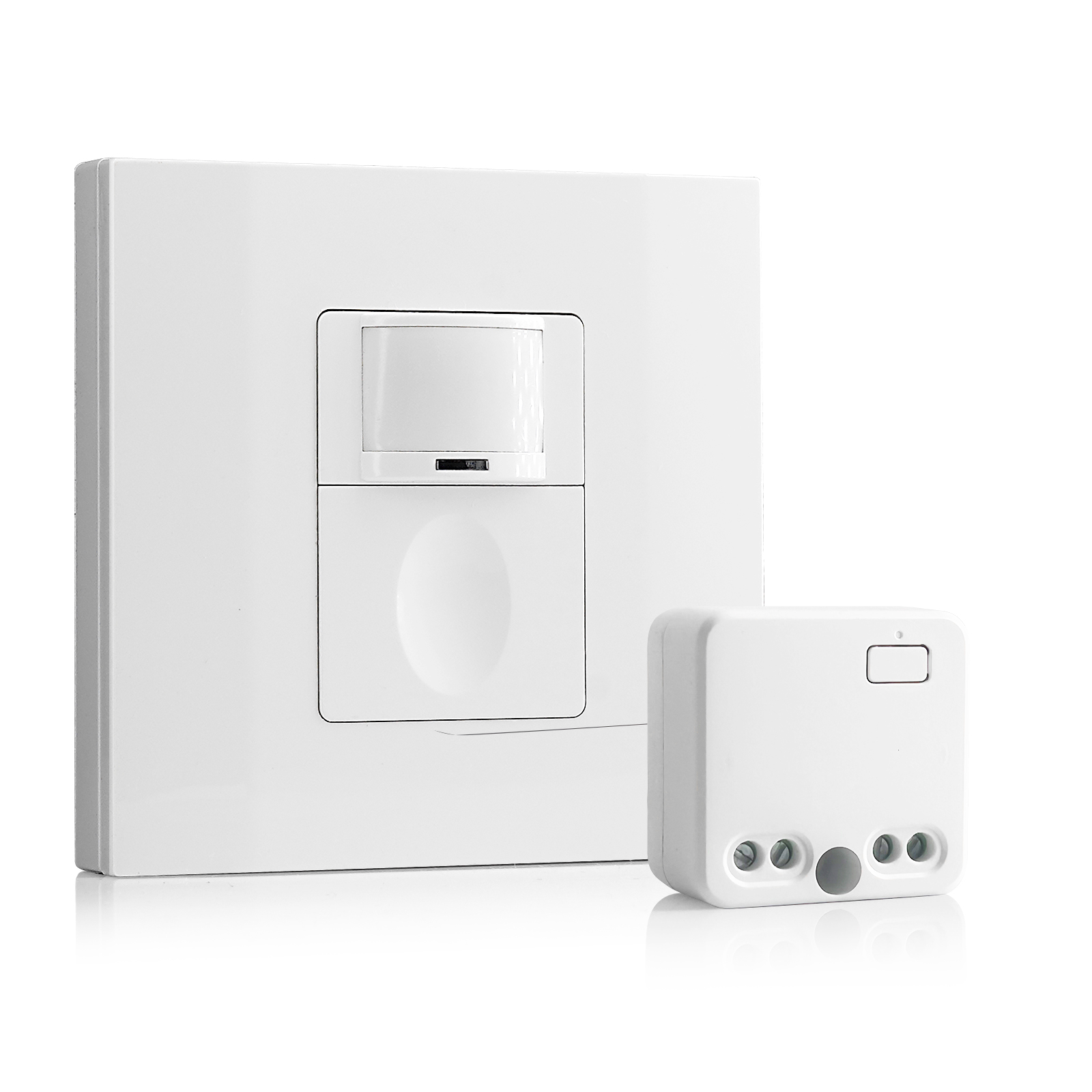
- 100V-230VAC
- 送信距離: 最大20m
- ワイヤレス動きセンサー
- 有線制御
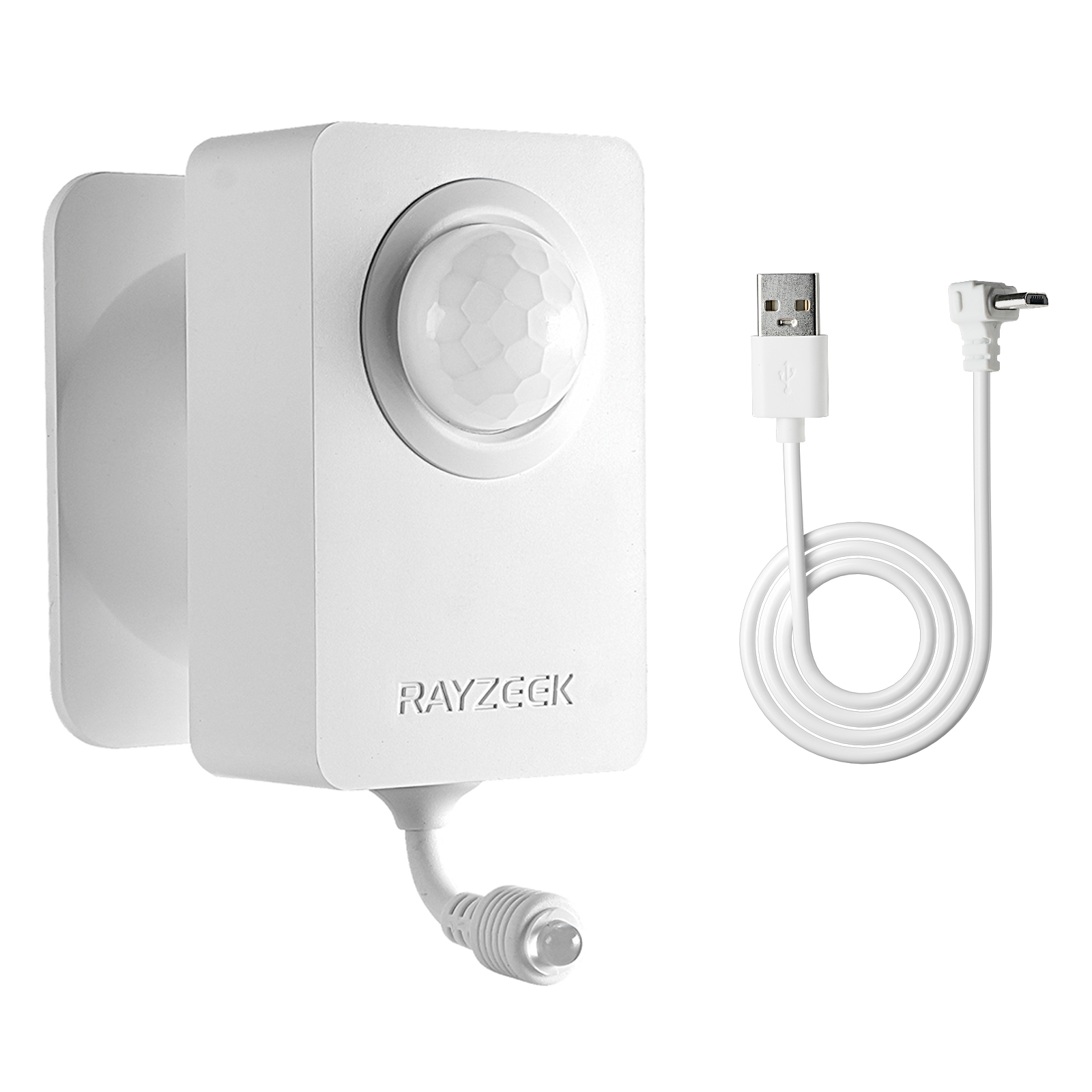
- 電圧: 単4電池×2本 / 5V DC (Micro USB)
- 昼/夜モード
- タイムディレイ: 15分、30分、1時間(デフォルト)、2時間
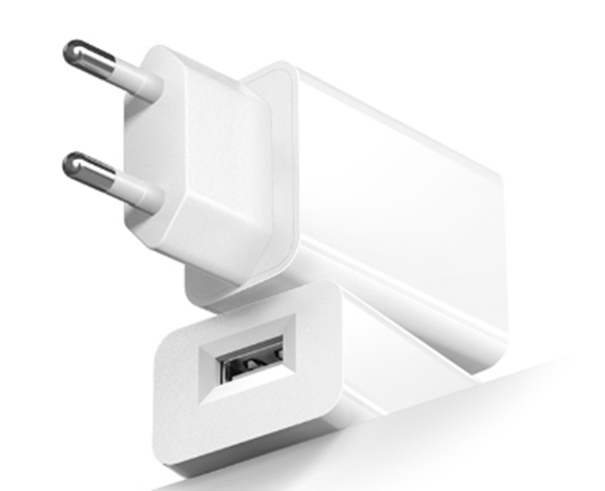
- EUプラグ電源アダプター
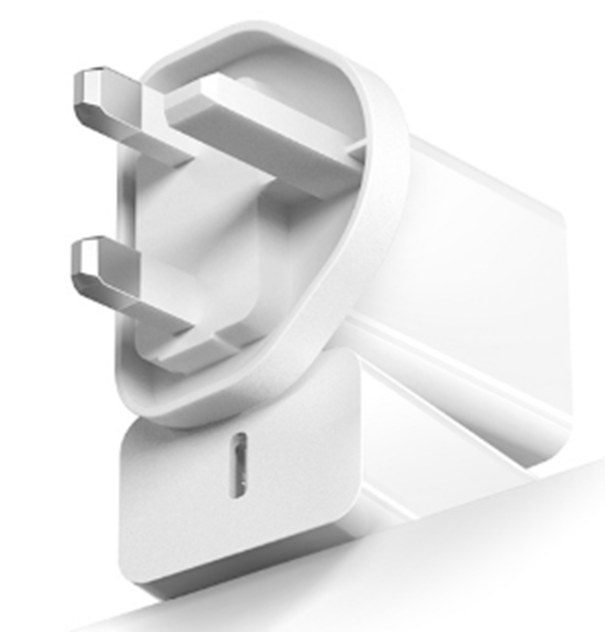
- UKプラグ電源アダプター
The specific requirements and guidelines in the LEED system cover a wide range of aspects related to energy and environmental design. This includes considerations such as building materials, energy efficiency, water conservation, indoor environmental quality, site selection, transportation, and innovation in design. By following the LEED rating system, professionals in the lighting industry can ensure that their projects are designed and constructed in a sustainable and environmentally friendly manner.
動き検知連動の省エネソリューションをお探しですか?
各種PIR動きセンサー、動き検知連動の省エネ製品、動きセンサーライトスイッチ、商用向けのOccupancy/Vacancy(在室/不在)ソリューションについては、当社までお気軽にお問い合わせください。
Frequently Asked Questions
What Is LEED Certified Mean
LEED certification refers to a globally recognized program that certifies buildings and neighborhoods as high-performance green structures. It sets the standard for their design, construction, and operation, ensuring they meet environmentally friendly criteria.
What Does LEED Measure
LEED, also known as Leadership in Energy and Environmental Design, is a globally acknowledged system for certifying and rating green buildings.
What Does LEED Stand for in HVAC
LEED stands for Leadership in Energy and Environmental Design.
How Does LEED Work
To obtain LEED certification, a project can accumulate points by meeting the requirements and criteria related to carbon, energy, water, waste, transportation, materials, health, and indoor environmental quality.
How Important Is LEED Certification
LEED certification is highly significant as it offers a globally recognized symbol of achievement and leadership in sustainability. It is available for various building types and provides a framework for creating healthy, efficient, and cost-saving green buildings that offer environmental, social, and governance benefits.
What Makes a Product LEED Certified
LEED certification is awarded to various types of structures, including buildings, spaces, neighborhoods, homes, cities, and communities, that meet the program’s criteria for being environmentally friendly. The LEED rating system evaluates the overall environmental performance of these structures based on their comprehensive strategies and whole-building characteristics, and awards credits or points accordingly.
What Is LEED Energy Standard
LEED Energy standard, also known as Leadership in Energy and Environmental Design standards, is a certification program established in 1994 by the U.S. Green Building Council (USGBC) with the aim of promoting sustainable practices in design and development. It provides tools and criteria for measuring performance in order to encourage environmentally friendly practices.
What Is LEED Inspection
Leadership in Energy and Environmental Design (LEED) inspection refers to a rating system created by the United States Green Building Council (USGBC) with the aim of assessing a building’s environmental performance and promoting the adoption of sustainable design practices in the market.
What Is the Difference Between the LEED Rating System and a Green Building Code
Green building and the LEED rating system are closely related. The LEED rating system was developed based on the concept of green building. It provides a quantitative way to assess whether a project meets or surpasses environmental standards. Without the LEED ratings, it would be challenging to evaluate the environmental performance of a project.







