
What is Leed
LEED stands for Leadership in Energy and Environmental Design. It is a certification program developed by the United States Green Building Council (USGBC) to evaluate and promote sustainable and environmentally friendly building design, construction, and operation. The program provides a voluntary credit rating system that helps professionals in the lighting industry achieve maximum sustainability and efficiency in their projects.
LEED certification operates on a points-based system, where projects earn points for meeting specific requirements and guidelines. The points are then used to determine the overall rating of a project within the LEED system. The certification levels range from Certified to Silver, Gold, and Platinum, with Platinum being the highest rating.
Mungkin Anda Tertarik Dengan

- Ceiling-mounted PIR occupancy sensor dengan output dry-contact relay
- Suplai tegangan rendah 12/24VDC atau 12/24VAC
- Kontak relai terisolasi COM, NO, dan NC untuk input EMS, HVAC, dan kontrol gedung

- Low-voltage DC recessed ceiling-mounted microwave motion sensor switch
- Input 12 VDC / 24 VDC dengan rentang 10-30 VDC
- Arus kerja maks 10A dengan waktu tunda (time delay), ambang batas Lux, dan sensitivitas yang dapat disesuaikan
- Higher-load recessed ceiling-mounted microwave motion sensor switch
- Input tegangan jala-jala 100-265 VAC, model 10A
- Penginderaan gelombang mikro 5.8 GHz dengan waktu tunda (time delay), ambang batas Lux, dan sensitivitas yang dapat disesuaikan
- Recessed ceiling-mounted microwave motion sensor switch
- Input tegangan jala-jala 100-265 VAC, model 5A
- Penginderaan gelombang mikro 5.8 GHz dengan waktu tunda (time delay), ambang batas Lux, dan sensitivitas yang dapat disesuaikan
- Ceiling-mounted RZ037 PIR occupancy sensor dimmer untuk daya 220V
- Arus kerja maksimum 3A dengan beban pengenal 660W
- Tombol LUX mengontrol ON/OFF sensor cahaya dan kecerahan peredupan yang diatur pengguna
- Ceiling-mounted RZ037 PIR occupancy sensor dimmer untuk daya 110V
- Arus kerja maksimum 3A dengan beban pengenal 330W
- Tombol LUX mengontrol ON/OFF sensor cahaya dan kecerahan peredupan yang diatur pengguna

- Sakelar sensor gerak gelombang mikro plafon DC tegangan rendah
- Input 12 VDC / 24 VDC dengan rentang 10-30 VDC
- Arus kerja maks 10A dengan waktu tunda (time delay), ambang batas Lux, dan sensitivitas yang dapat disesuaikan
- Sakelar sensor gerak gelombang mikro plafon beban lebih tinggi
- Input tegangan jala-jala 100-265 VAC, model 10A
- Penginderaan gelombang mikro 5.8 GHz dengan waktu tunda (time delay), ambang batas Lux, dan sensitivitas yang dapat disesuaikan
- Sakelar sensor gerak gelombang mikro plafon
- Input tegangan jala-jala 100-265 VAC, model 5A
- Penginderaan gelombang mikro 5.8 GHz dengan waktu tunda (time delay), ambang batas Lux, dan sensitivitas yang dapat disesuaikan

- Sakelar sensor gerak PIR tanam plafon DC tegangan rendah
- Input 12 VDC / 24 VDC dengan rentang 10-30 VDC
- Arus kerja maks 10A dengan jeda waktu, ambang batas Lux, dan sensitivitas yang dapat disesuaikan

- Sakelar sensor gerak PIR tanam plafon beban lebih tinggi
- Input tegangan jala-jala 100-265 VAC, model 10A
- Deteksi 360 derajat dengan jeda waktu, ambang batas Lux, dan sensitivitas yang dapat disesuaikan
- Sakelar sensor gerak PIR tanam plafon
- Input tegangan jala-jala 100-265 VAC, model 5A
- Deteksi 360 derajat dengan jeda waktu, ambang batas Lux, dan sensitivitas yang dapat disesuaikan

- Kit penerima dan sakelar nirkabel untuk kontrol pencahayaan ON/OFF dalam ruangan
- Penerima 100-230VAC, 50/60Hz dengan arus nominal 5A
- Sakelar nirkabel bertenaga CR2032 dengan komunikasi 2.4GHz
- Okupansi (Auto-ON/Auto-OFF)
- 12–24V DC (10–30VDC), hingga 10A
- Cakupan 360°, diameter 8–12 m
- Jeda waktu 15 dtk–30 mnt
- Sensor cahaya Mati/15/25/35 Lux
- Sensitivitas Tinggi/Rendah
- Mode okupansi Auto-ON/Auto-OFF
- 100–265V AC, 10A (diperlukan kabel netral)
- Cakupan 360°; diameter deteksi 8–12 m
- Jeda waktu 15 dtk–30 mnt; Lux MATI/15/25/35; Sensitivitas Tinggi/Rendah
- Mode okupansi Auto-ON/Auto-OFF
- 100–265V AC, 5A (diperlukan kabel netral)
- Cakupan 360°; diameter deteksi 8–12 m
- Jeda waktu 15 dtk–30 mnt; Lux MATI/15/25/35; Sensitivitas Tinggi/Rendah
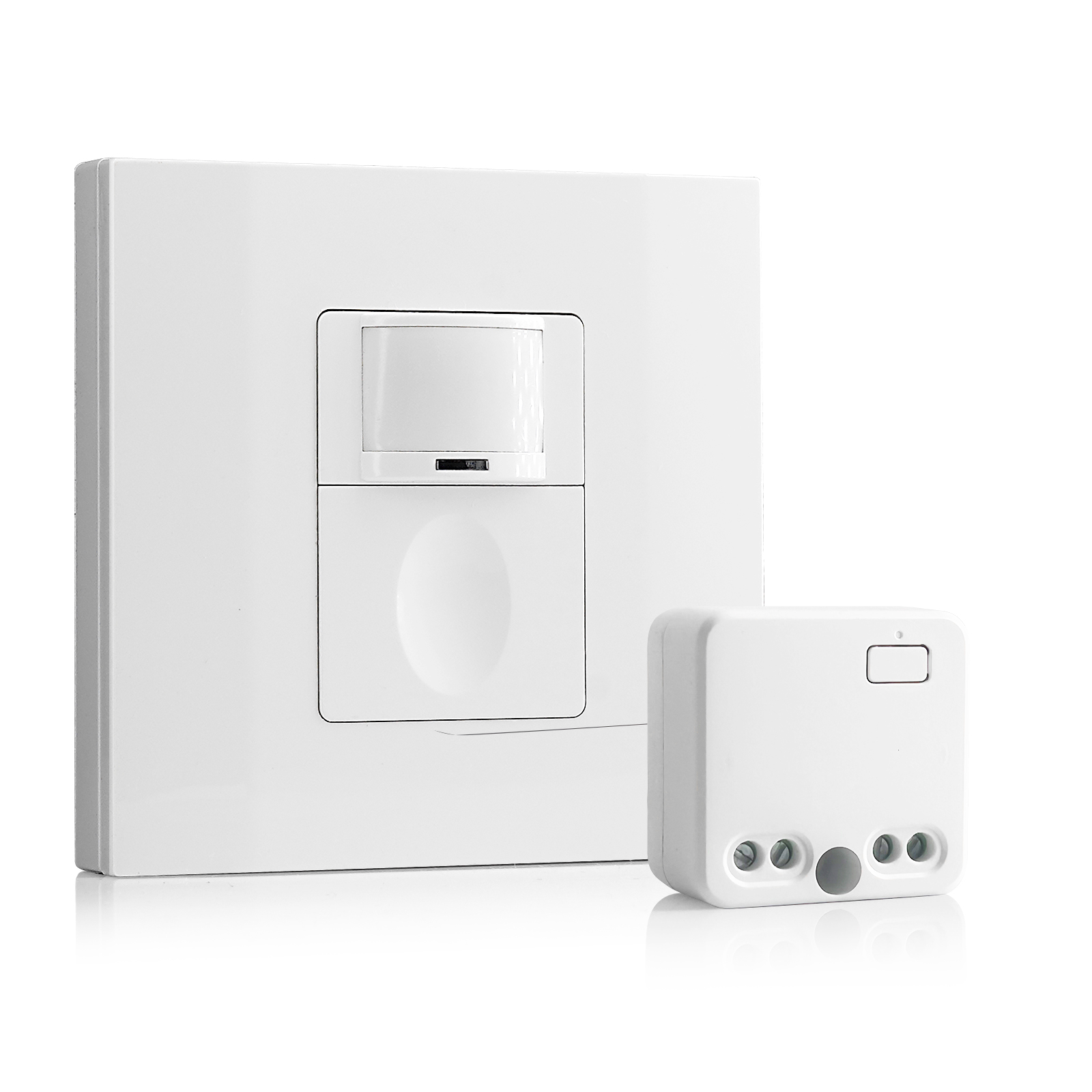
- 100V-230VAC
- Jarak Transmisi: hingga 20m
- Sensor gerak nirkabel
- Kontrol berkabel
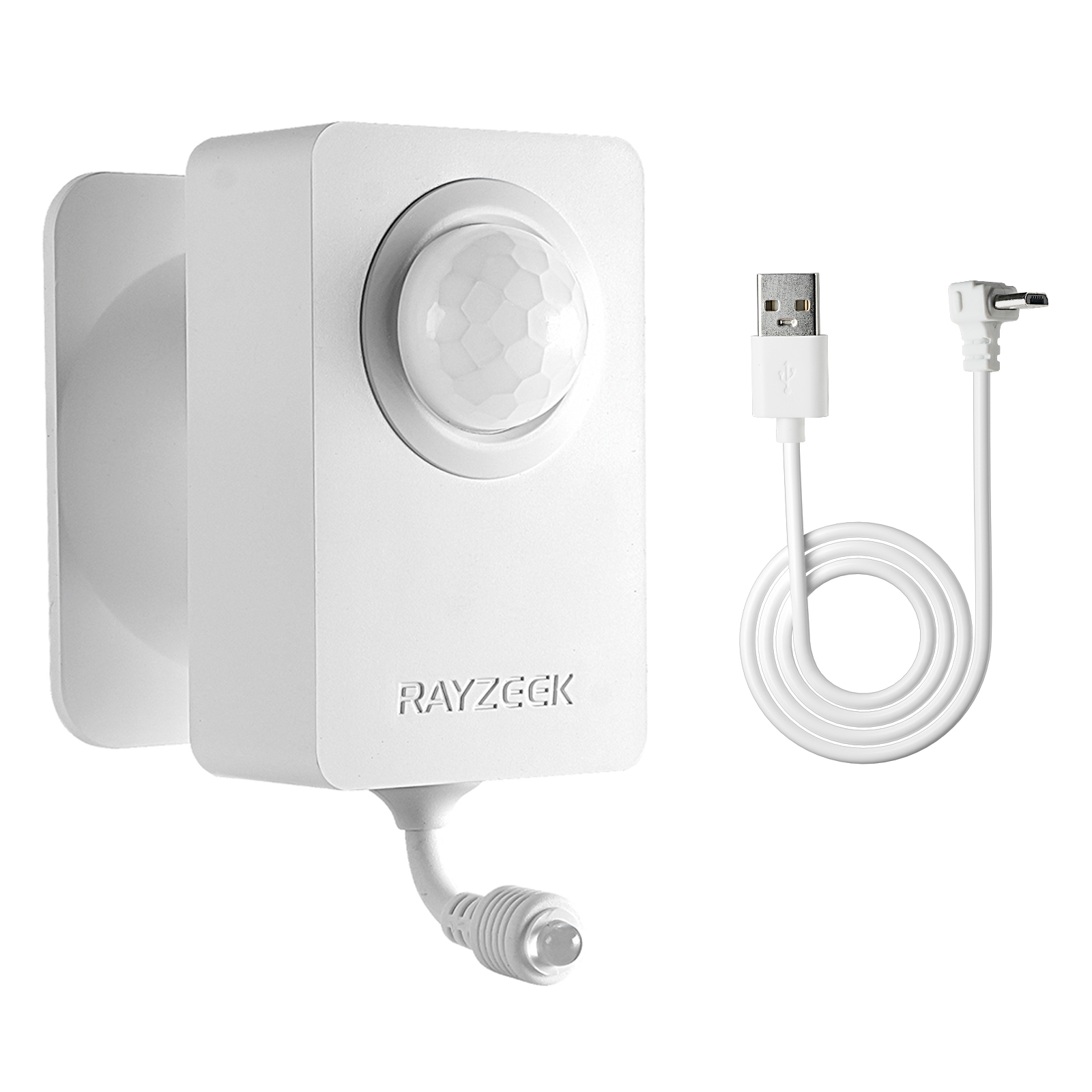
- Tegangan: 2x Baterai AAA / 5V DC (Micro USB)
- Mode Siang/Malam
- Jeda waktu: 15mnt, 30mnt, 1j (bawaan), 2j
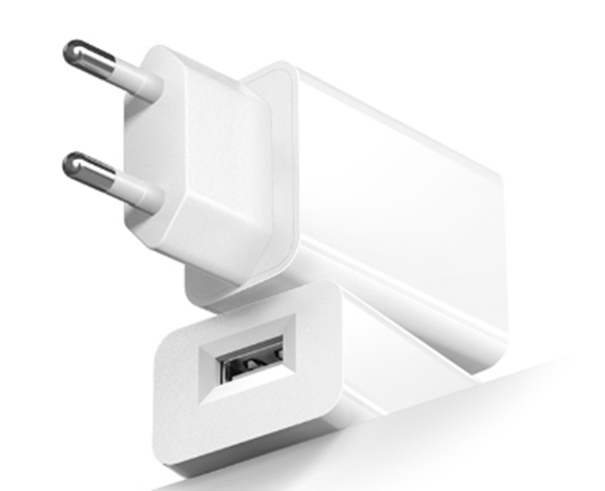
- Adaptor daya colokan UE
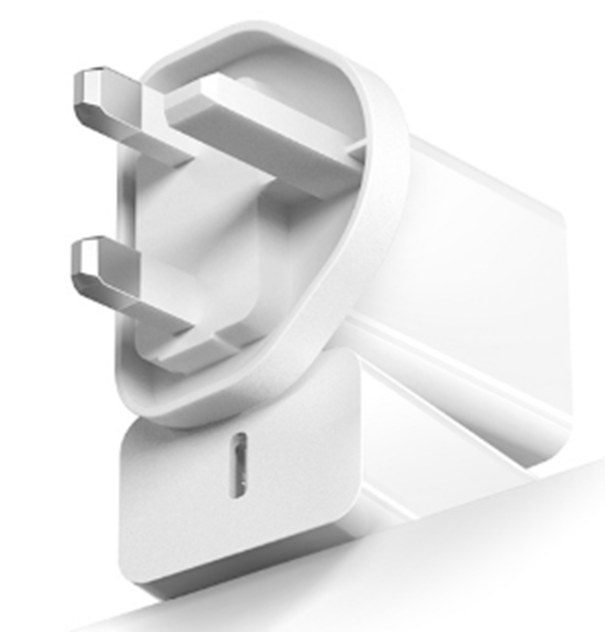
- Adaptor daya colokan Inggris
The specific requirements and guidelines in the LEED system cover a wide range of aspects related to energy and environmental design. This includes considerations such as building materials, energy efficiency, water conservation, indoor environmental quality, site selection, transportation, and innovation in design. By following the LEED rating system, professionals in the lighting industry can ensure that their projects are designed and constructed in a sustainable and environmentally friendly manner.
Mencari Solusi Hemat Energi Berbasis Sensor Gerak?
Hubungi kami untuk sensor gerak PIR lengkap, produk hemat energi berbasis sensor gerak, sakelar sensor gerak, serta solusi komersial Occupancy/Vacancy.
Frequently Asked Questions
What Is LEED Certified Mean
LEED certification refers to a globally recognized program that certifies buildings and neighborhoods as high-performance green structures. It sets the standard for their design, construction, and operation, ensuring they meet environmentally friendly criteria.
What Does LEED Measure
LEED, also known as Leadership in Energy and Environmental Design, is a globally acknowledged system for certifying and rating green buildings.
What Does LEED Stand for in HVAC
LEED stands for Leadership in Energy and Environmental Design.
How Does LEED Work
To obtain LEED certification, a project can accumulate points by meeting the requirements and criteria related to carbon, energy, water, waste, transportation, materials, health, and indoor environmental quality.
How Important Is LEED Certification
LEED certification is highly significant as it offers a globally recognized symbol of achievement and leadership in sustainability. It is available for various building types and provides a framework for creating healthy, efficient, and cost-saving green buildings that offer environmental, social, and governance benefits.
What Makes a Product LEED Certified
LEED certification is awarded to various types of structures, including buildings, spaces, neighborhoods, homes, cities, and communities, that meet the program’s criteria for being environmentally friendly. The LEED rating system evaluates the overall environmental performance of these structures based on their comprehensive strategies and whole-building characteristics, and awards credits or points accordingly.
What Is LEED Energy Standard
LEED Energy standard, also known as Leadership in Energy and Environmental Design standards, is a certification program established in 1994 by the U.S. Green Building Council (USGBC) with the aim of promoting sustainable practices in design and development. It provides tools and criteria for measuring performance in order to encourage environmentally friendly practices.
What Is LEED Inspection
Leadership in Energy and Environmental Design (LEED) inspection refers to a rating system created by the United States Green Building Council (USGBC) with the aim of assessing a building’s environmental performance and promoting the adoption of sustainable design practices in the market.
What Is the Difference Between the LEED Rating System and a Green Building Code
Green building and the LEED rating system are closely related. The LEED rating system was developed based on the concept of green building. It provides a quantitative way to assess whether a project meets or surpasses environmental standards. Without the LEED ratings, it would be challenging to evaluate the environmental performance of a project.







