

Humidifier & Diffuser PCBA.
PCB assembly for humidifier and aroma-diffuser atomizer/control designs. Review specified transducers, power stages, water-detection inputs and approved firmware.
Mist-Control Electronics.
Ready to Build.
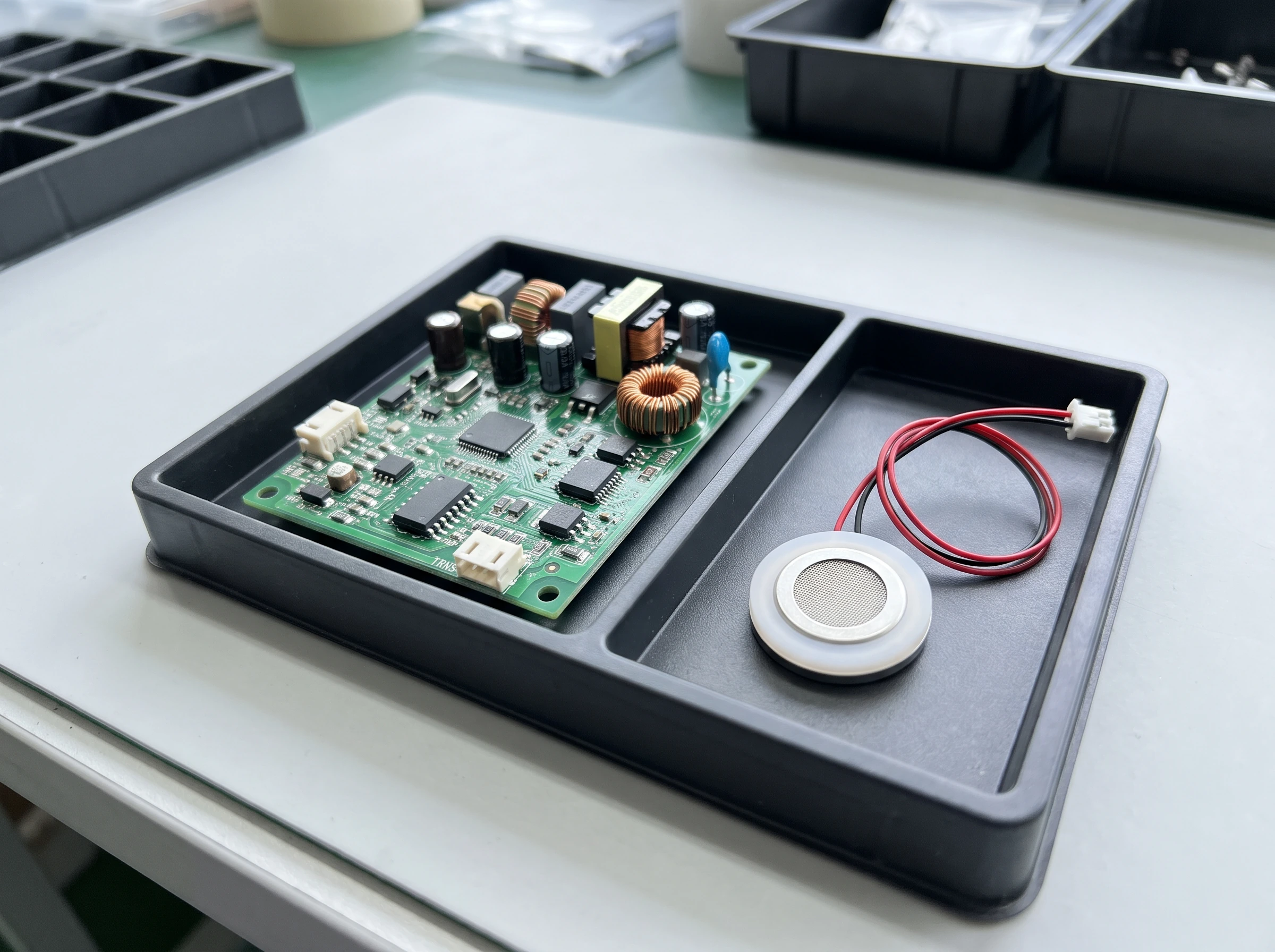
We review and assemble released atomizer-driver and control-board designs for humidifiers and aroma diffusers. The board deliverable may include the specified transducer drive, user controls, indicators and power circuitry used within your mist-producing product.
Start with the actual board and its matched transducer or atomizer assembly. Include the approved operating instructions, control settings and checking setup. This gives the manufacturing discussion a concrete reference without turning an assembly order into open-ended ultrasonic development.
A Build Around Your Design.
The transducer, drive circuit and approved control behaviour belong together. Bring a developed design and the operating conditions needed to define a suitable board build.
01
A Matched Atomizer & Driver
A Matched Atomizer & Driver
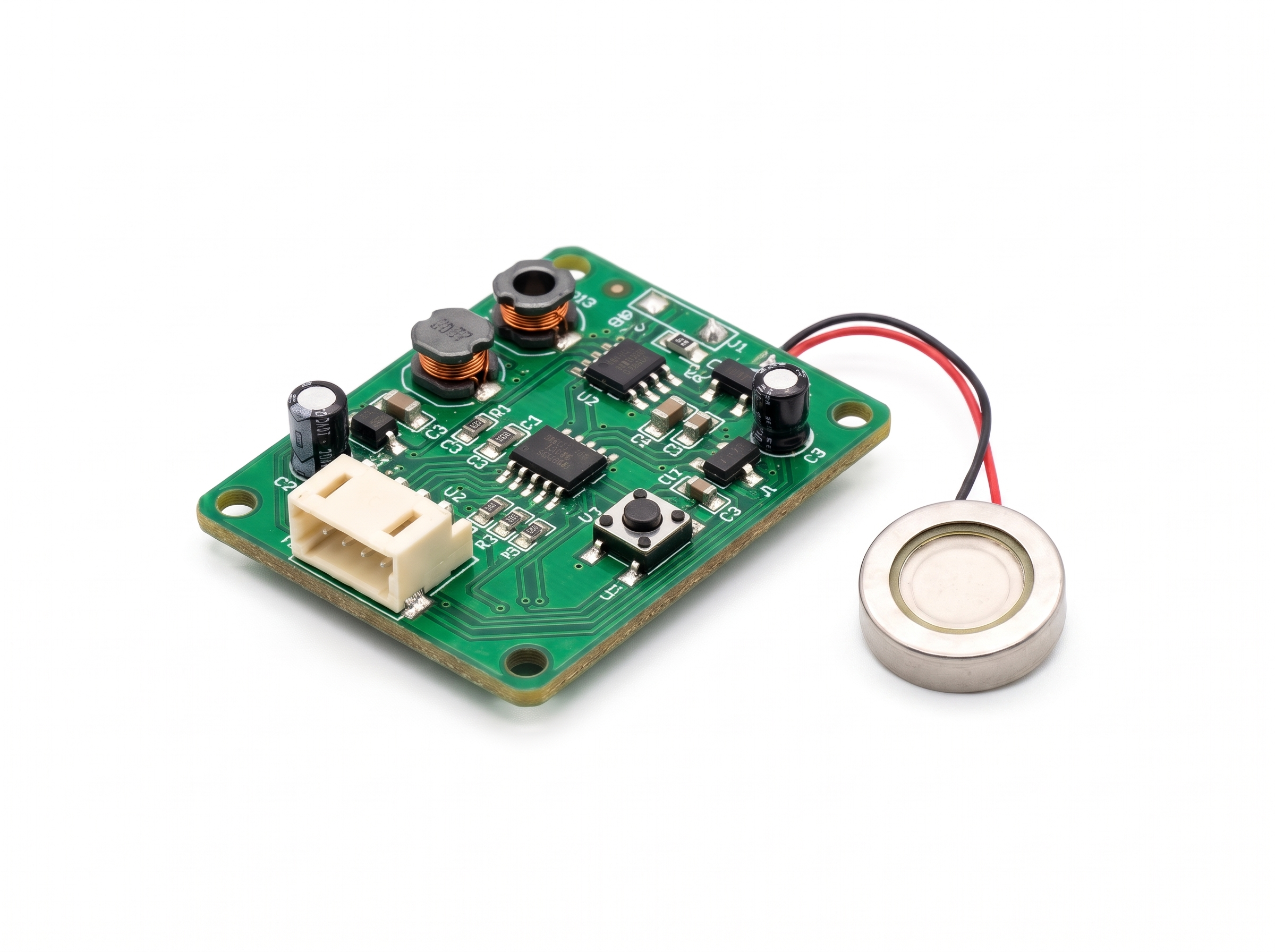
Identify the exact transducer or atomizer and the released driver circuit intended for it. Include the supplier’s operating and connection instructions so the assembly and checking scope can be reviewed together.
02
Controls, Indicators & Inputs
Controls, Indicators & Inputs
Share buttons, timers, lighting channels and water-level inputs where present. Identify what each input should do in the approved design, including the state expected when an input is absent or out of range.
03
Approved Firmware & Settings
Approved Firmware & Settings
Provide the released firmware and production configuration for the existing atomizer system. Proposed changes require assessment of the hardware, documentation and workload; loading firmware is distinct from developing resonance-tracking logic.
04
Defined Operating & Test Conditions
Defined Operating & Test Conditions
Share the transducer connection, operating medium, setup and pass conditions specified for checking. Resolve equipment and handling responsibilities before including a mist-producing test in the order.
The Details Behind the Assembly.
Your released design defines the components, interfaces and intended behaviour. Our assembly methods and agreed checking scope connect that information with the boards your team receives.
Specified Drive Components
Use the exact transducer, power-switching parts, magnetics and control components in the released BOM. Alternatives need approval against the design and its intended operating arrangement.
Rigid Board Assembly
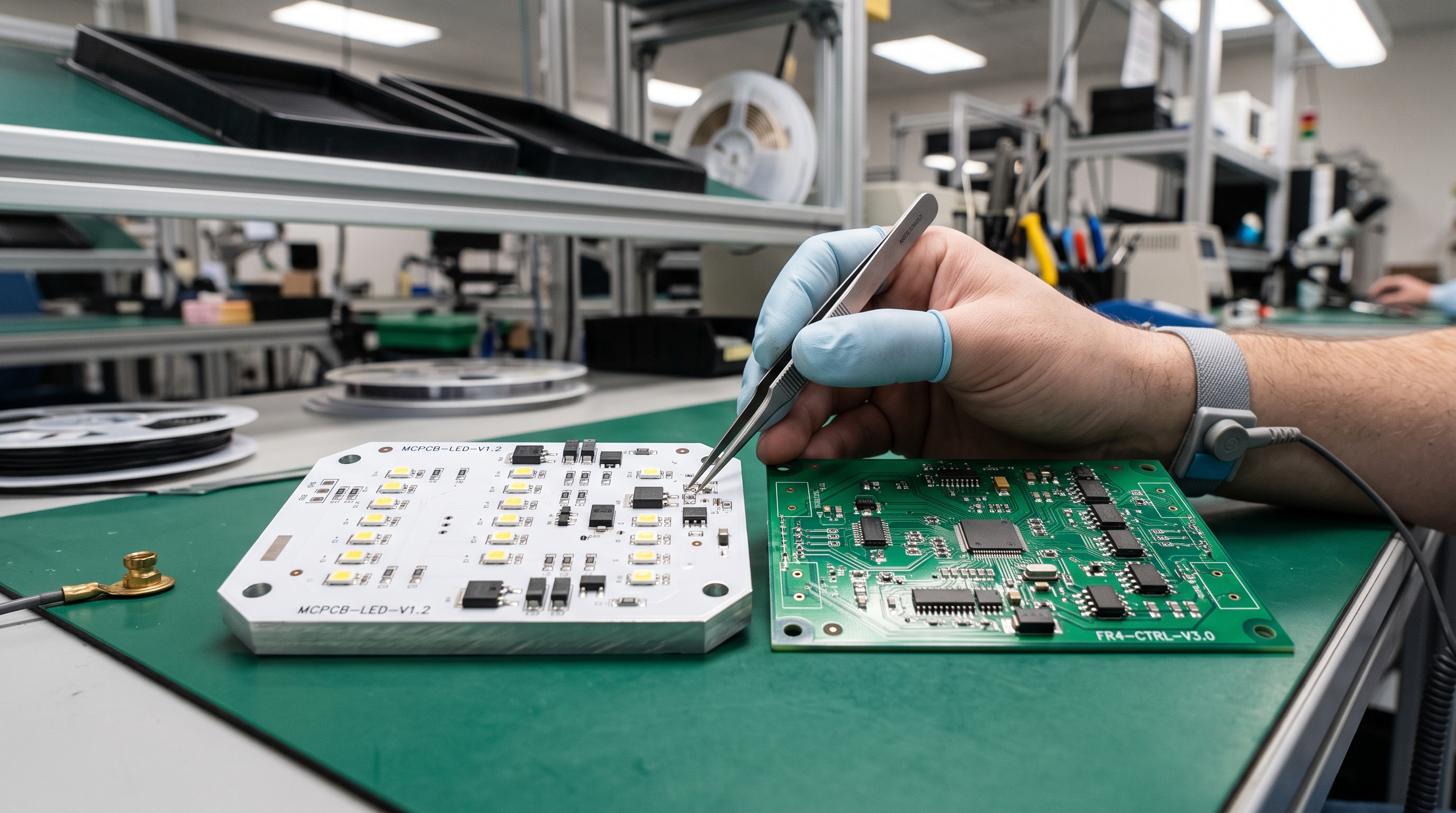
Our general scope includes FR-4 and aluminum-core boards with single-sided component mounting. Share the actual construction, outline and component details for the proposed mist-control assembly.
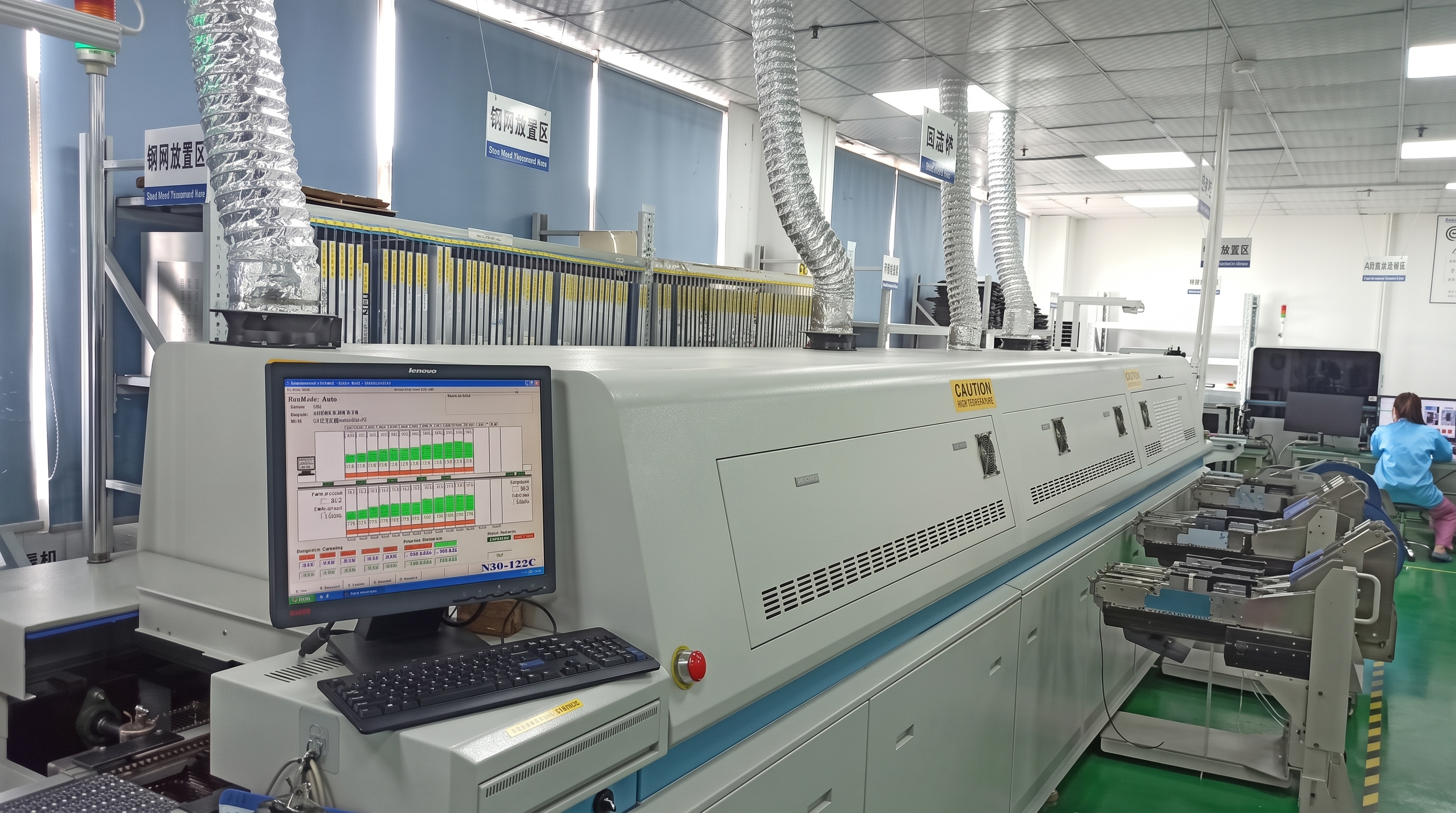
SMT & Lead-Free Reflow
The assembly follows placement, polarity and component handling information. Include any soldering restrictions for the actual parts rather than assuming the transducer itself enters the SMT process.
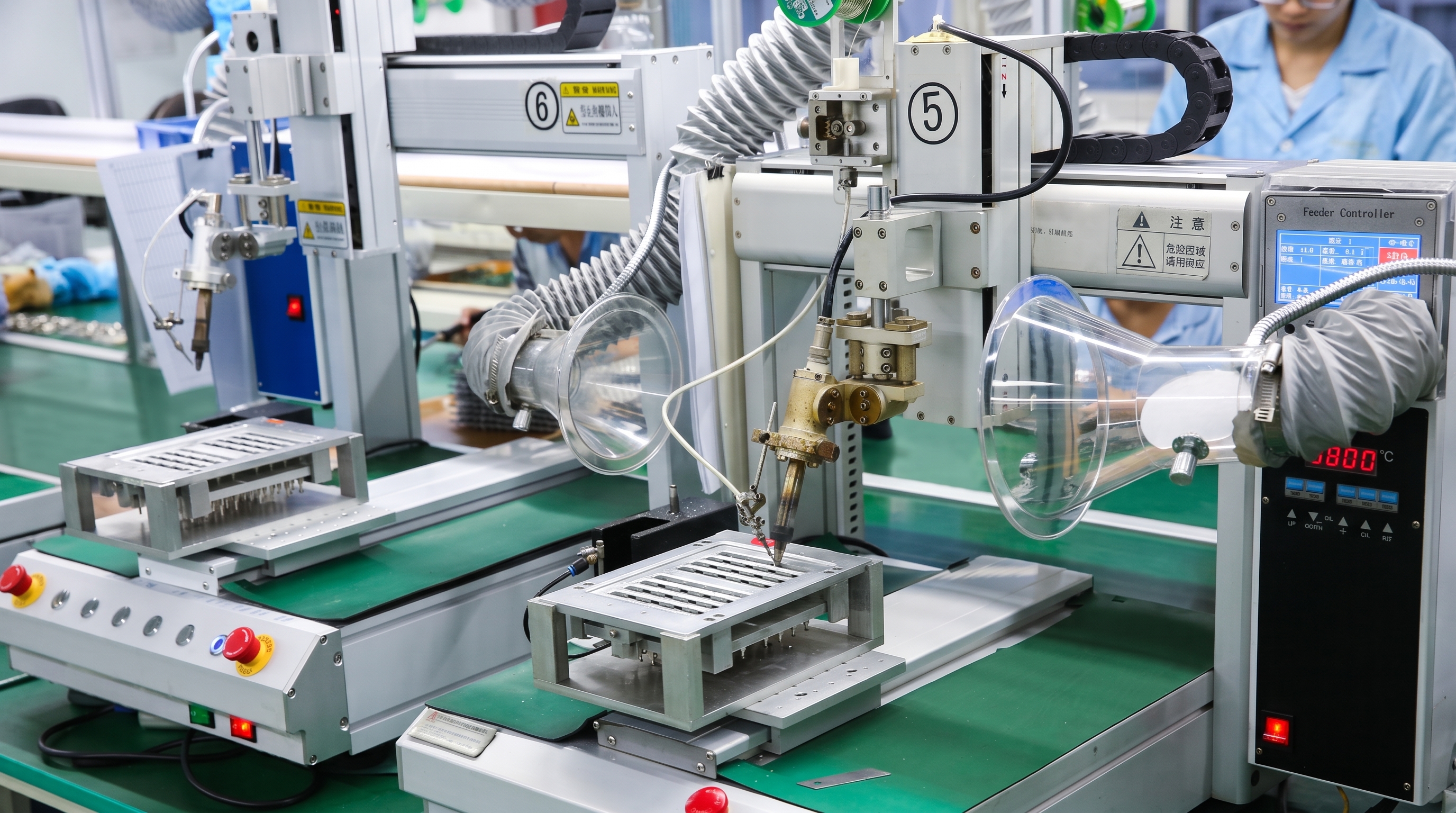
Connectors, Sensors & Mixed Assembly
Leaded components and connectors can be included with surface-mount circuitry. Define transducer polarity or pinout, water-sensor connections and connector mating direction in the build information.
Protection & Keep-Clear Areas
Conformal coating can be discussed alongside the assembly order. Supply the material requirement, coverage drawing and sensor/contact exclusions; the chosen protection needs to suit the actual components and product.
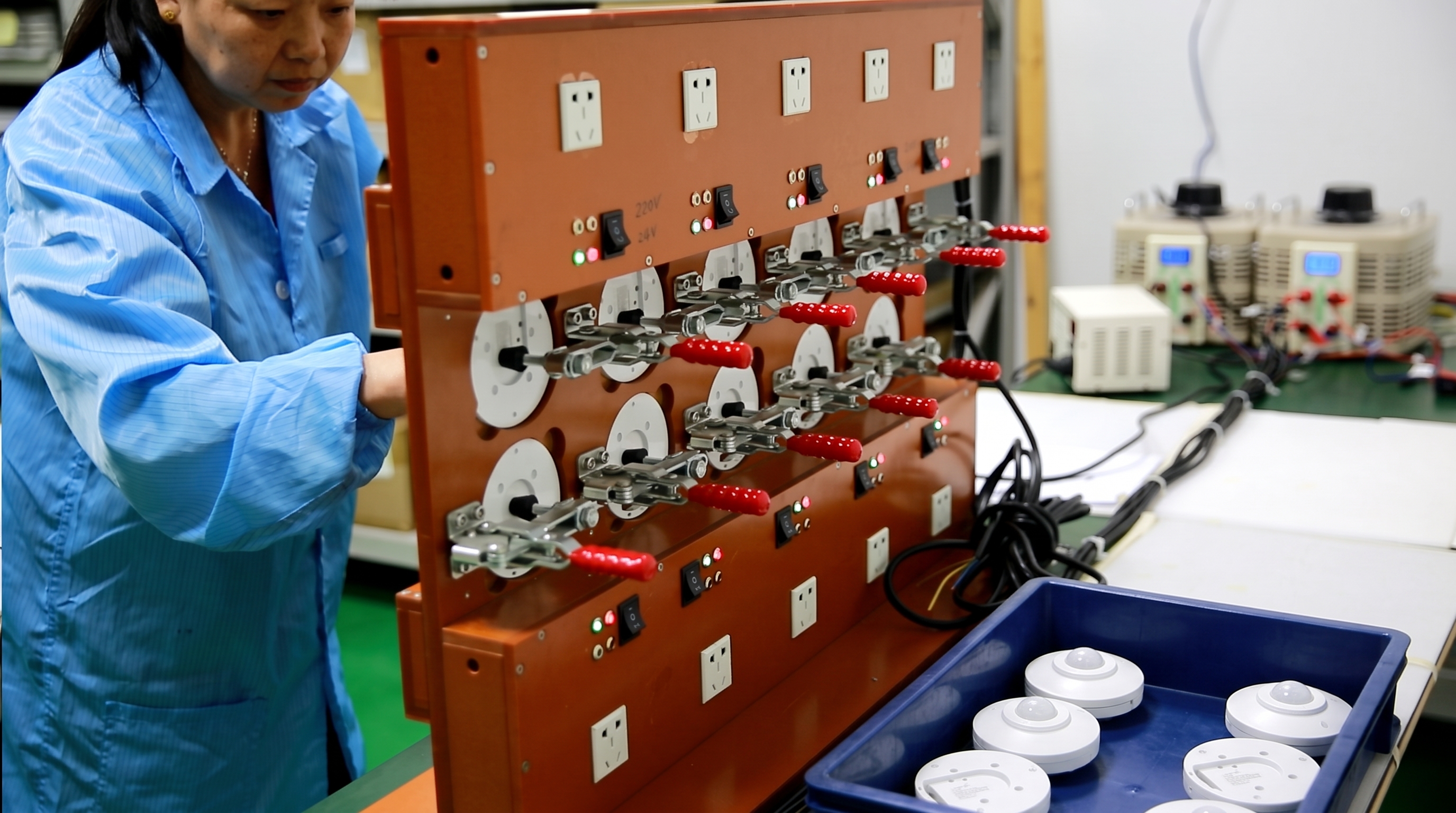
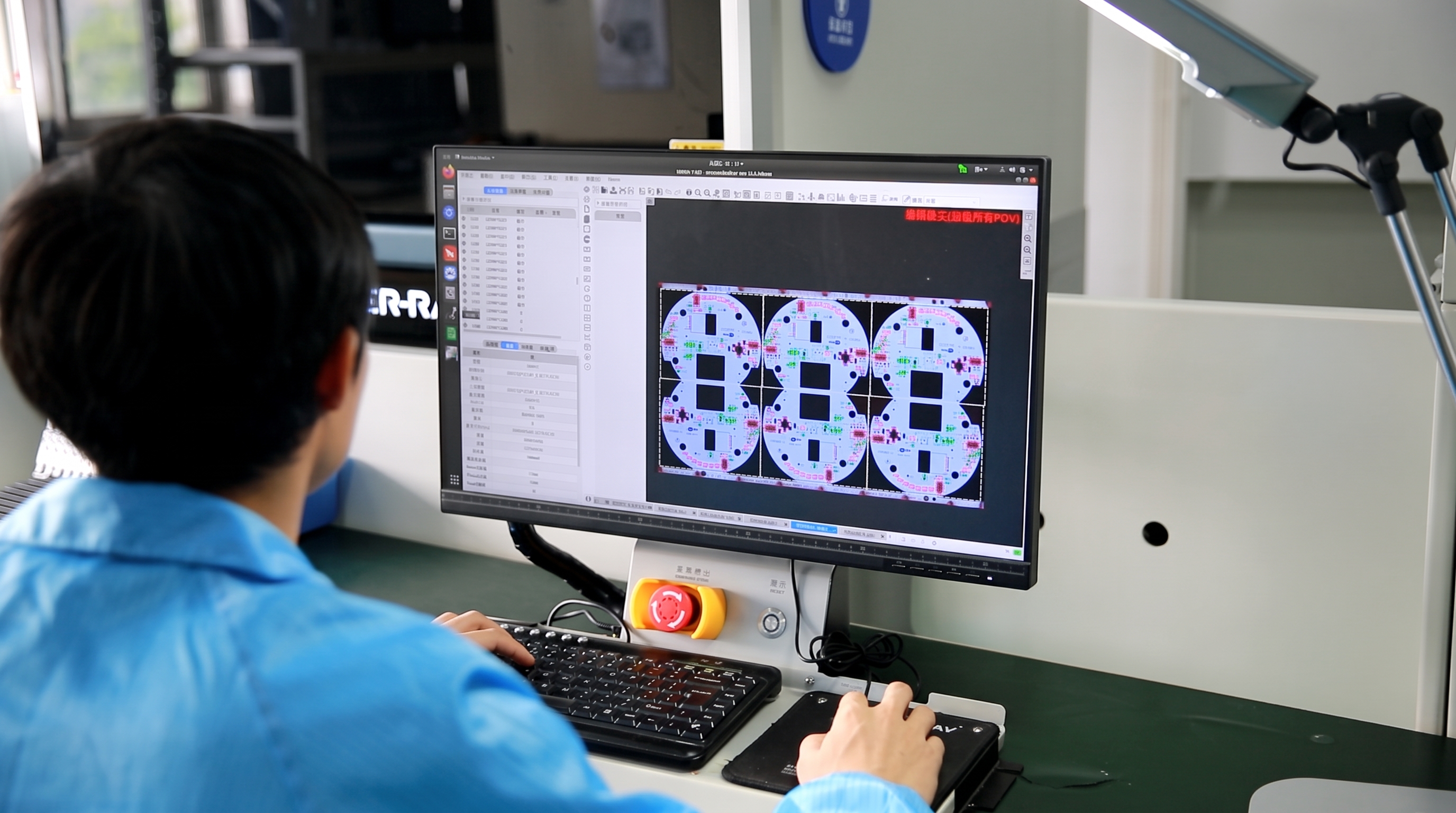
Assembly Review & Defined Checks
First-article review and AOI address applicable workmanship. Agree electrical and selected functional checks using the specified procedure; mist output and complete-product performance require the intended mechanical and water setup.
The Assembly Behind Your Boards.
Component placement, soldering and inspection provide the manufacturing context for your order. The images here show general board-assembly work; your project’s operation and acceptance requirements are defined around its actual design.
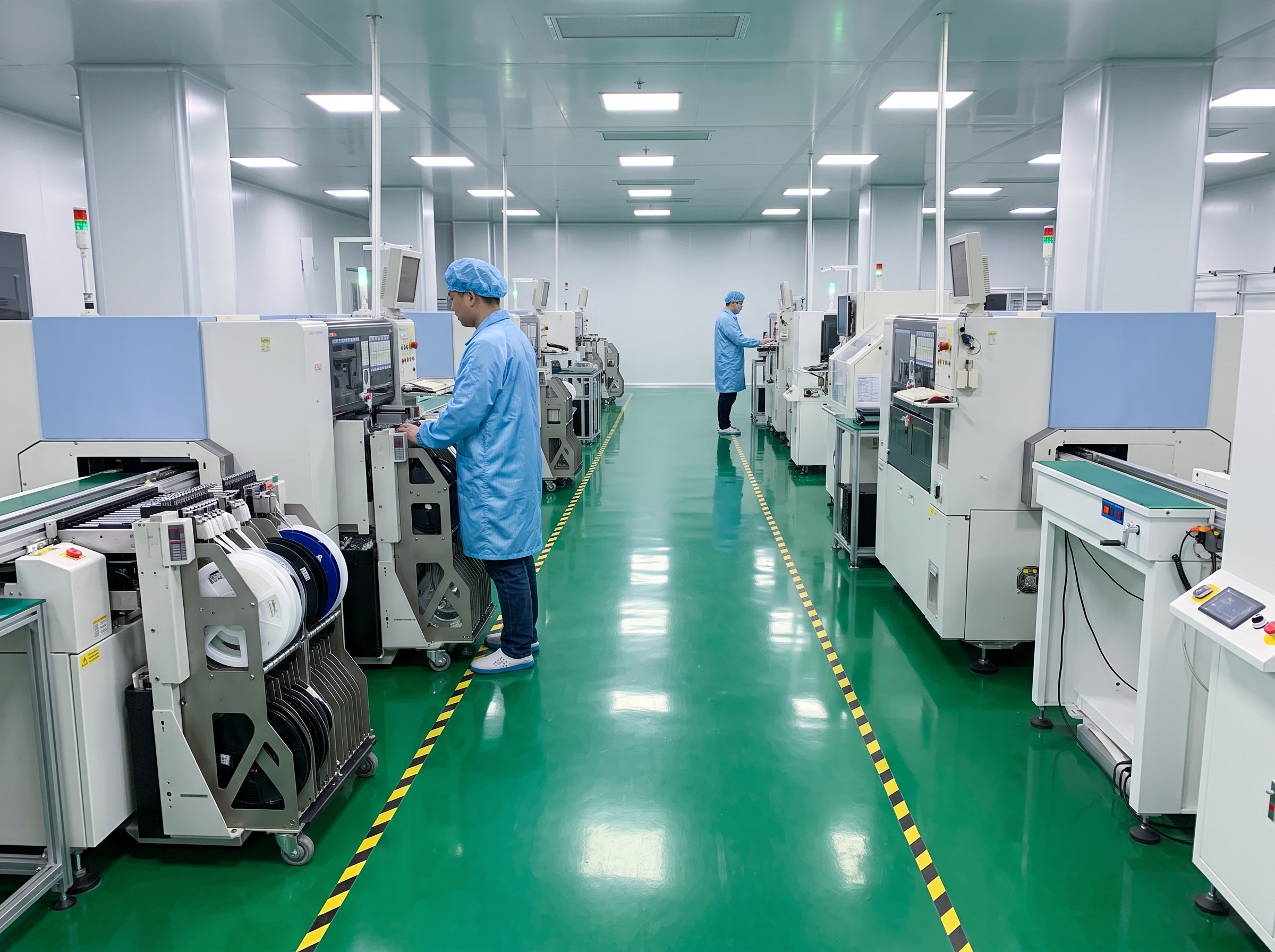
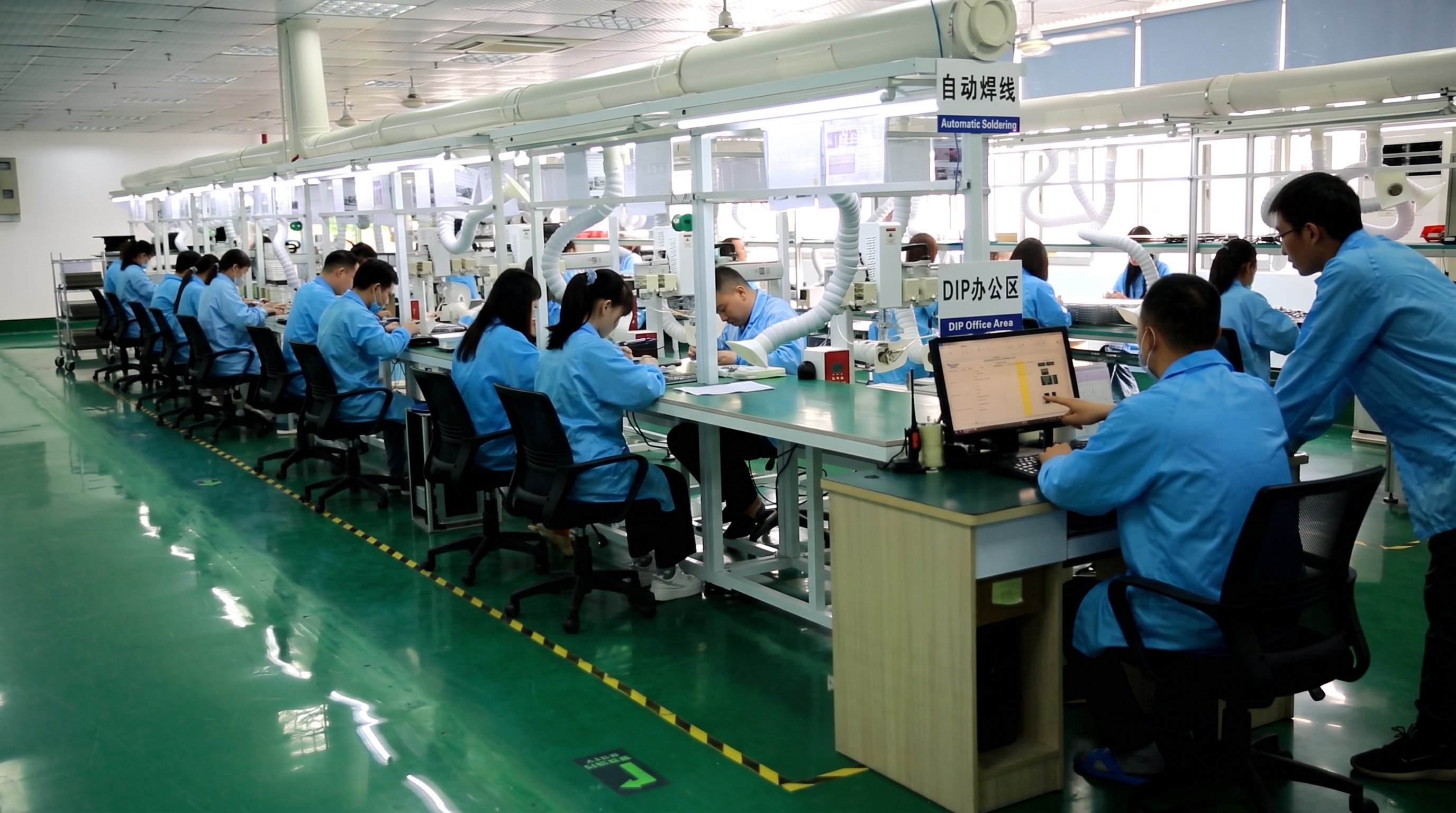
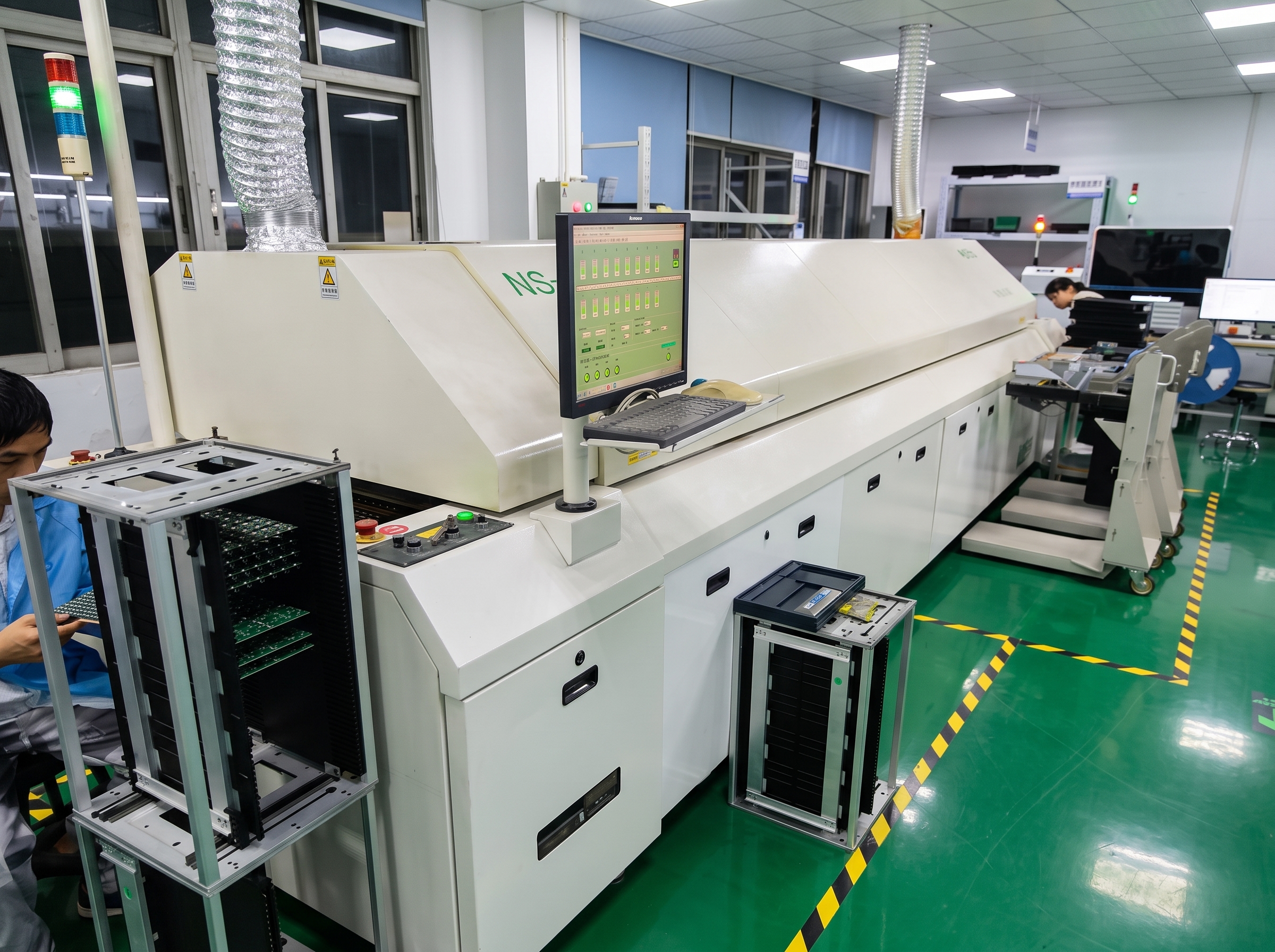
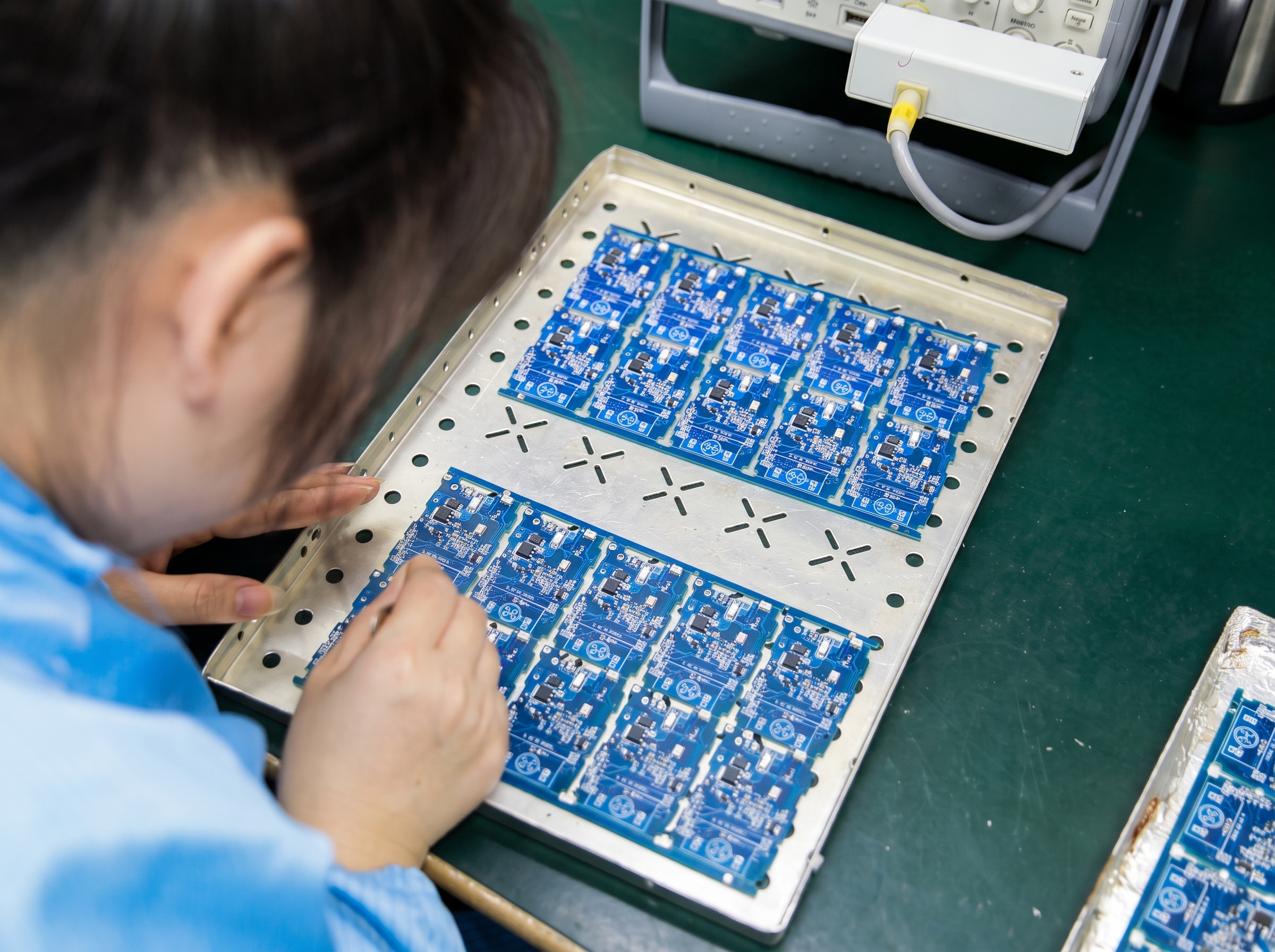
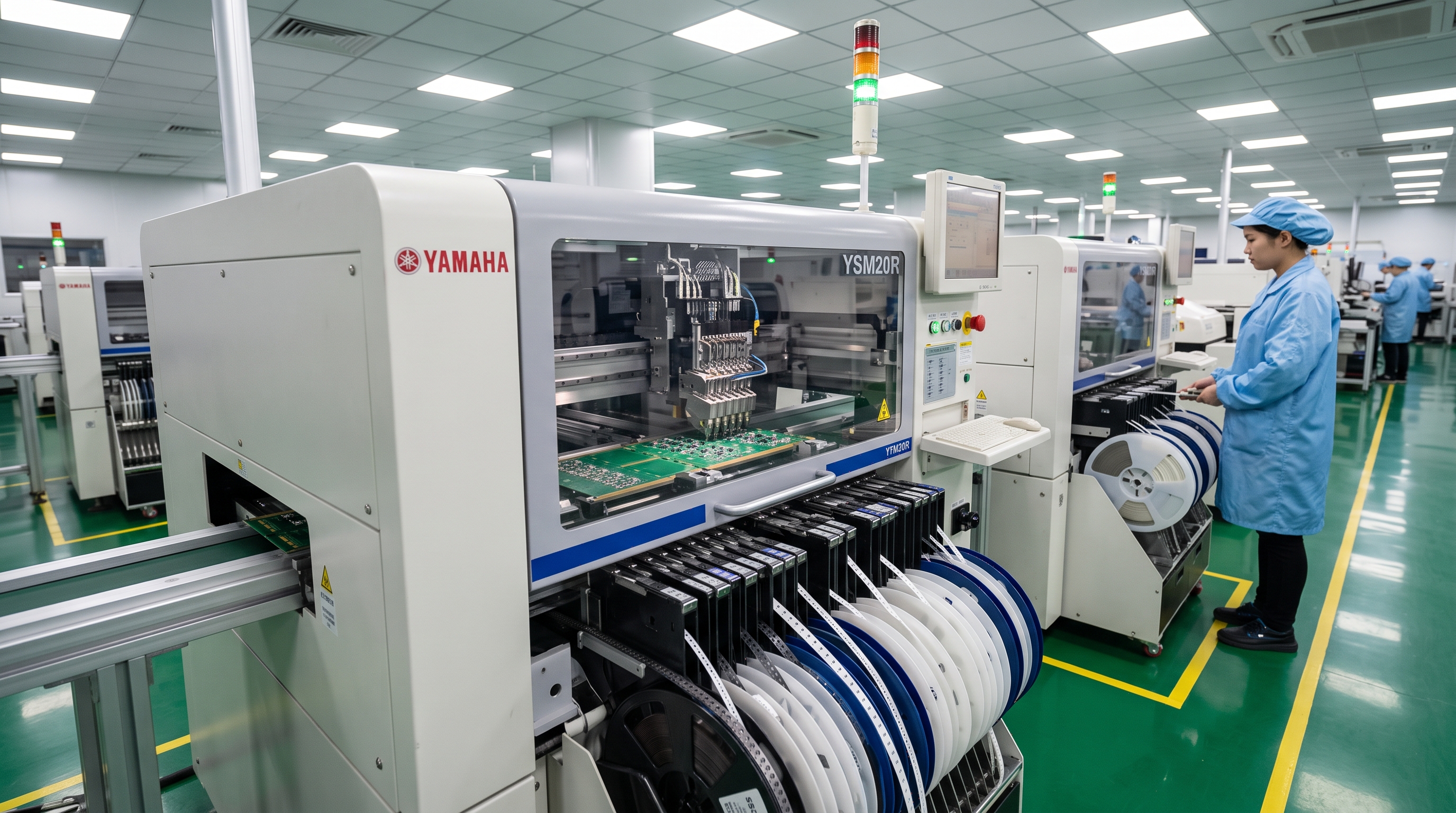
Surface-Mount Assembly Lines
The SMT line brings the specified components to their intended board positions. Part identity, placement information and orientation give the build its production reference.
Through-Hole & Mixed Assembly
Leaded components can complete a board alongside its surface-mount parts. Fitting details and connector direction help preserve the assembly your product needs.
Lead-Free Reflow Soldering
After surface-mount placement, the board proceeds through reflow soldering. Board materials and relevant component requirements belong in preparation for this stage.
First-Article & Inspection Review
First-article review examines the initial assembly against the intended build. Optical inspection and the electrical or functional checks specified for the order address their respective parts of the result.
Humidifier & Diffuser Applications.
The atomizer, driver and approved controls need to suit the intended product. These examples distinguish room humidification from compact aroma-diffuser formats while keeping the board deliverable clear. Related assembly: Fan Control PCBA · Conformal Coating · Inspection & Testing.

Room Humidifiers
Room Formats · Atomizer & Control Boards
Room Humidifiers
We assemble the released atomizer-driver and control boards specified for the humidifier. Share the transducer, water-level inputs and approved operating states used in the design.

Aroma Diffusers
Compact Formats · Buttons & Indicators
Aroma Diffusers
For aroma diffusers, define the matched atomizer, timers, buttons and indicator channels where fitted. Production settings and agreed checks follow your developed hardware and approved behaviour.
From Released Files to Boards.
Keep the design revision, material decisions and checks together from the first discussion through the completed order.
Share the Intended Assembly
Include the matched transducer/driver references, operating instructions, water-sensor inputs, approved firmware and checking setup with your board files. Identify the revision, quantity and any available sample.
Resolve the Build Details
Review material responsibilities, approved part choices, mounting requirements and any firmware-loading needs. Resolve open questions before preparing the build.
Assemble & Review
The order follows the agreed build information, with first-article review and applicable optical inspection. Your design and component requirements guide the assembly operations.
Check & Complete the Handoff
Complete the procedure agreed for the power circuit, control inputs and selected functions under the agreed operating setup. Your team can then evaluate the boards in the intended product and bring any revision into the next-build discussion.
Manufacturing Experience. Direct Cooperation.
Long-term Fortune Global 500 supplier relationships and demanding customer audits are part of our factory’s experience. That manufacturing background supports a direct discussion of sample builds, small batches and recurring orders.
Long-term supplier to Fortune Global 500 customers.
Our factory’s experience includes supplying Fortune Global 500 customers over the long term. Bring your own assembly requirements into a direct manufacturing discussion.
Passed demanding supplier audits and customer reviews.
Demanding supplier audits have put our factory’s practices under scrutiny. Your quality requirements and acceptance expectations belong in preparation for the build.
First-article, AOI, and agreed build checks.
First-article review, AOI and selected electrical or functional checks examine different aspects of the assembly. Establishing those requirements helps your team understand what will be checked.
Long-term relationships.
Global brands.




Let’s Prepare
Your Board Build.
Include the matched transducer/driver references, operating instructions, water-sensor inputs, approved firmware and checking setup with your board files. Send the available files and quantity, and tell us which decisions still need discussion. We’ll work through the manufacturing requirements with you.
Start With the Current Design
Bring available board files, a BOM and the assembly question you need to resolve.
Define the Board Checks
Share the operating procedure, intended setup and results the order needs to check.
Plan Samples & Repeat Builds
Identify the current revision, populated variants, quantities and the next product stage.