

Sensori PIR e di movimento
Assemblaggio PCB.
Assemblaggio a montaggio superficiale, a foro passante e misto per moduli rilevatori a infrarossi passivi, schede di controllo di presenza ed elettronica di commutazione attivata dal movimento.
Progettati per il rilevamento.
Configurati per la vostra produzione.
Poiché produciamo quotidianamente elettronica per il rilevamento del movimento e il controllo di presenza, le nostre linee di produzione e la catena di fornitura sono già predisposte per moduli rilevatori PIR personalizzati, schede di presenza per interruttori a parete e sottoassiemi di sensori wireless, dai primi campioni ingegneristici e lotti pilota fino alle produzioni in serie ricorrenti.
Il vostro team hardware collabora direttamente con i nostri ingegneri di produzione su DFM, approvvigionamento dei componenti e pianificazione dell'assemblaggio. Scegliete l'approvvigionamento completo chiavi in mano, fornite in conto lavoro i vostri sensori piroelettrici e MCU pre-programmati, oppure estendete l'assemblaggio delle schede al box-build completo con integrazione di lenti di Fresnel e custodie.
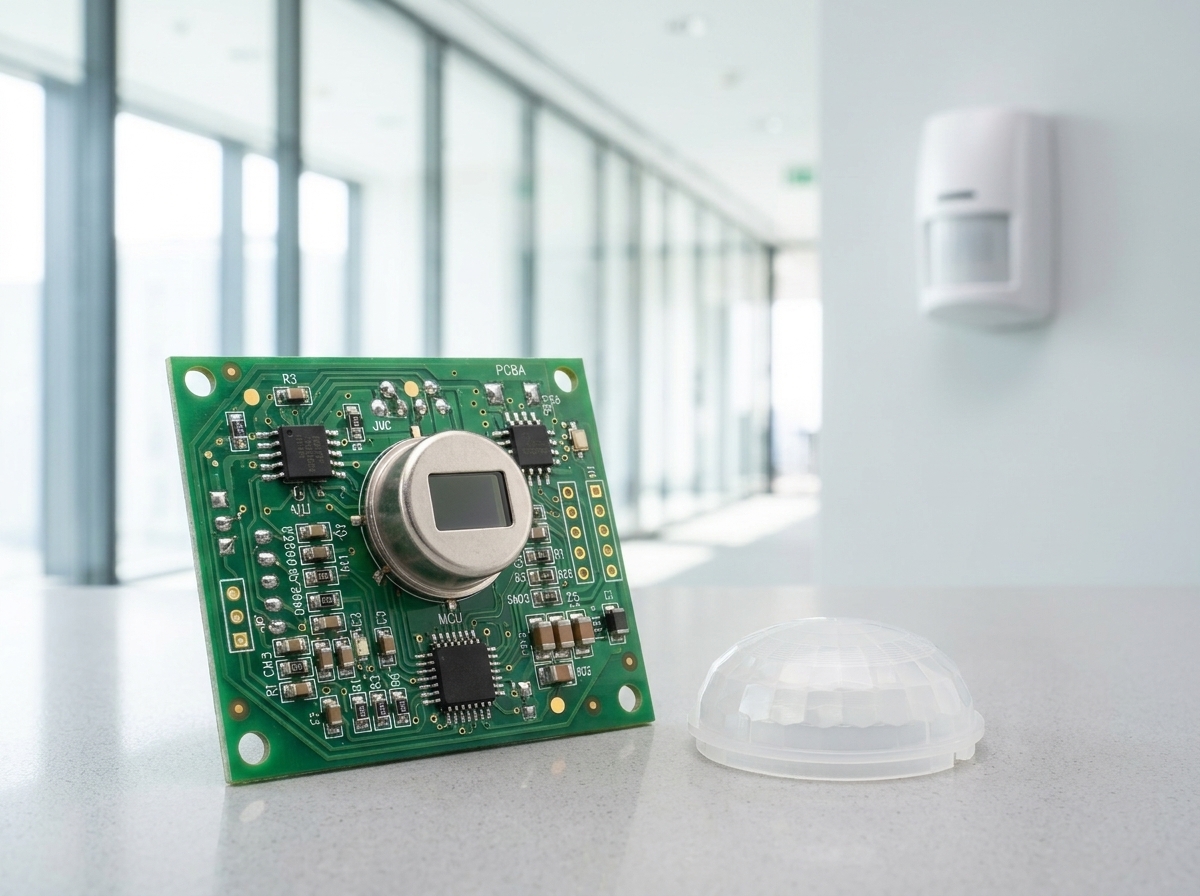
All'interno di un assemblaggio di sensori PIR di produzione.
Una scheda sensore di movimento affidabile riunisce quattro distinte zone funzionali su un unico ingombro compatto, abbinando il rilevamento ottico a infrarossi e della luce diurna al condizionamento del segnale a basso rumore e alla commutazione di potenza.

01
Testina del rilevatore piroelettrico
Testina del rilevatore piroelettrico
Contenitori TO-5 a foro passante a elemento singolo, doppio o quadruplo e rilevatori PIR digitali a montaggio superficiale sono collocati al centro ottico della scheda, posizionati per allinearsi alla distanza focale e alle zone di rilevamento della cupola della lente.
02
Sensore di luce ambientale e lux
Sensore di luce ambientale e lux
Fotodiodi, fototransistor o circuiti integrati per luce ambientale misurano l'illuminazione dell'ambiente affinché i controlli di presenza attivino l'illuminazione solo quando la luce diurna naturale scende al di sotto della soglia di lux impostata.
03
Signal Conditioning & MCU Logic
Signal Conditioning & MCU Logic
Low-noise operational amplifiers, RC bandpass filters, and microcontrollers or dedicated PIR ASICs amplify the raw pyroelectric signal, filter out thermal drift, and manage time-delay and sensitivity settings.
04
Power Regulation & Load Switching
Power Regulation & Load Switching
Depending on the product format, the power stage integrates AC/DC step-down converters, relays, zero-cross triacs, and MOV surge protection for wired switches—or microamp LDO regulators for battery-powered wireless nodes.
How We Build & Test PIR Sensor Boards.
From automated SMT placement and controlled reflow to fixture-guided sensor seating, optical inspection, and live trigger testing, our production lines are organized around sensor assembly discipline.

Automated SMT Placement on Panelized Arrays
Enclosed pick-and-place lines populate panelized sensor boards—placing surface-mount passives, op-amps, microcontrollers, voltage regulators, and SMD detectors with consistent repeatability across prototype and volume runs.
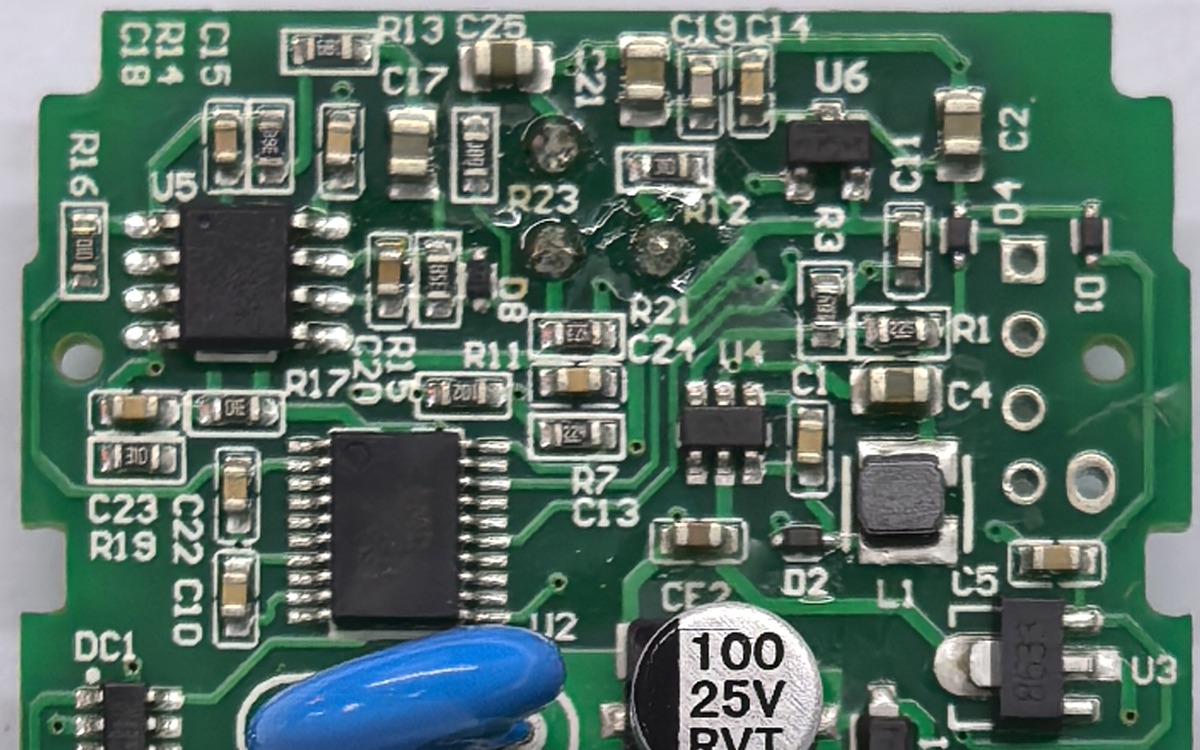
Multi-Zone Lead-Free Reflow Profiling
Multi-zone lead-free reflow ovens provide controlled heating across surface-mount sensor assemblies. Thermal profiles are matched to the board mass and component temperature ratings to ensure clean wetting without overheating optical parts.
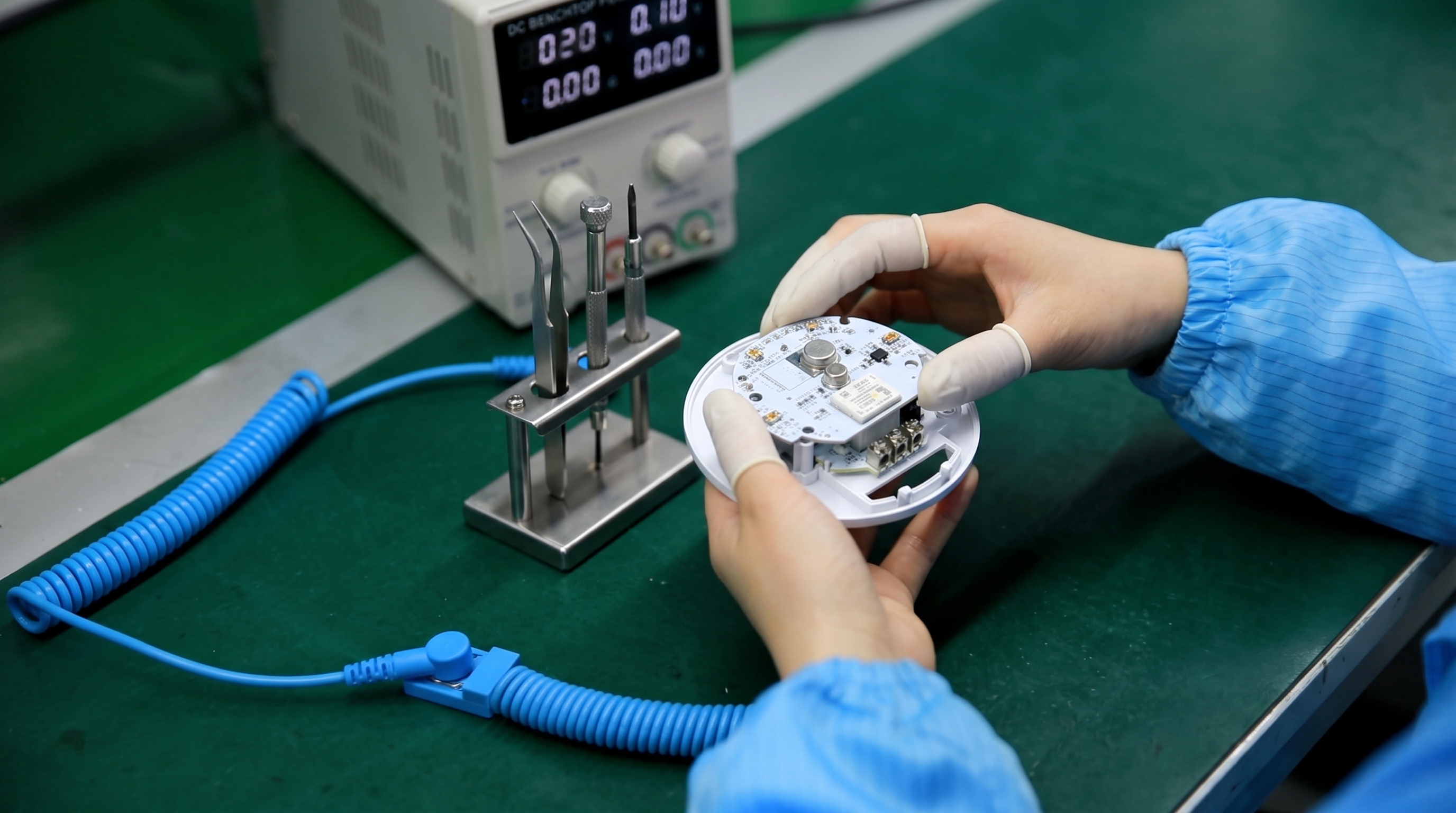
Fixture-Guided Through-Hole & Sensor Seating
Staffed ESD workstations handle post-SMT through-hole insertion and soldering for TO-5 pyroelectric cans, through-hole photodiodes, relays, and terminal blocks—keeping sensor seating height and window cleanliness controlled.
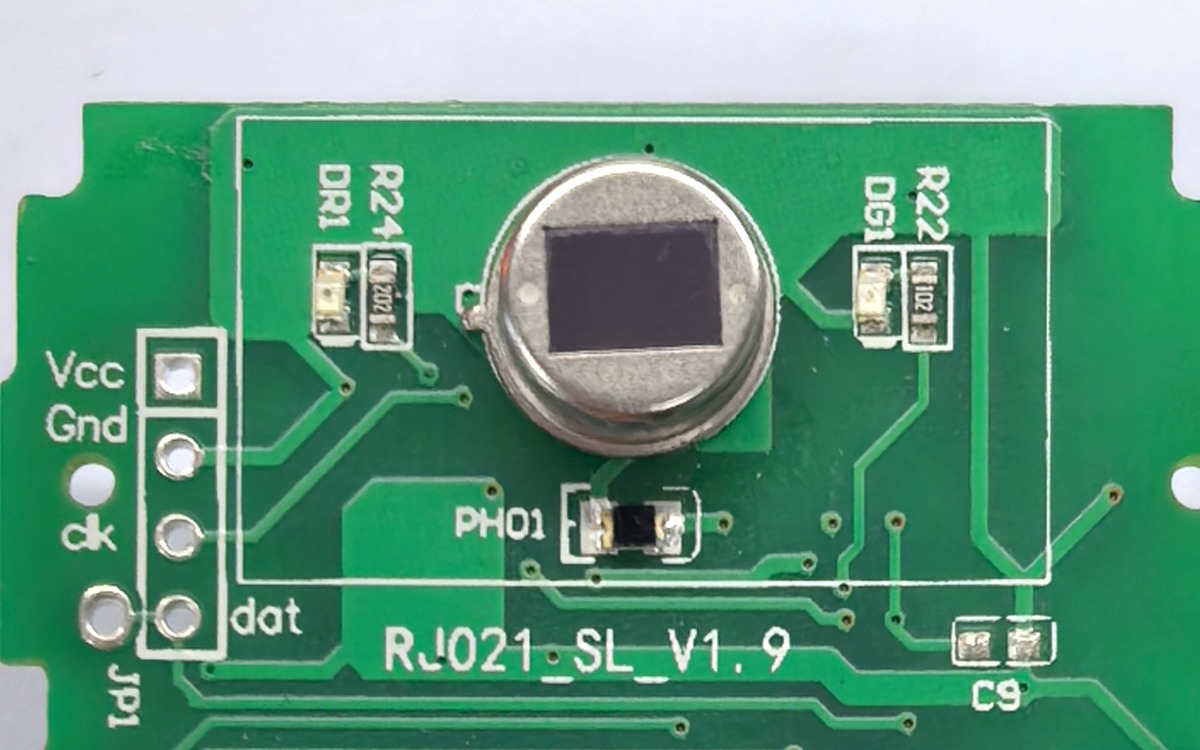
Low-Residue Soldering & High-Impedance Care
Because high-gain PIR amplifier nodes are sensitive to surface contamination, we apply agreed no-clean or residue-removal practices around detector pins and feedback networks, combined with pre-build DFM checks on pad clearances.
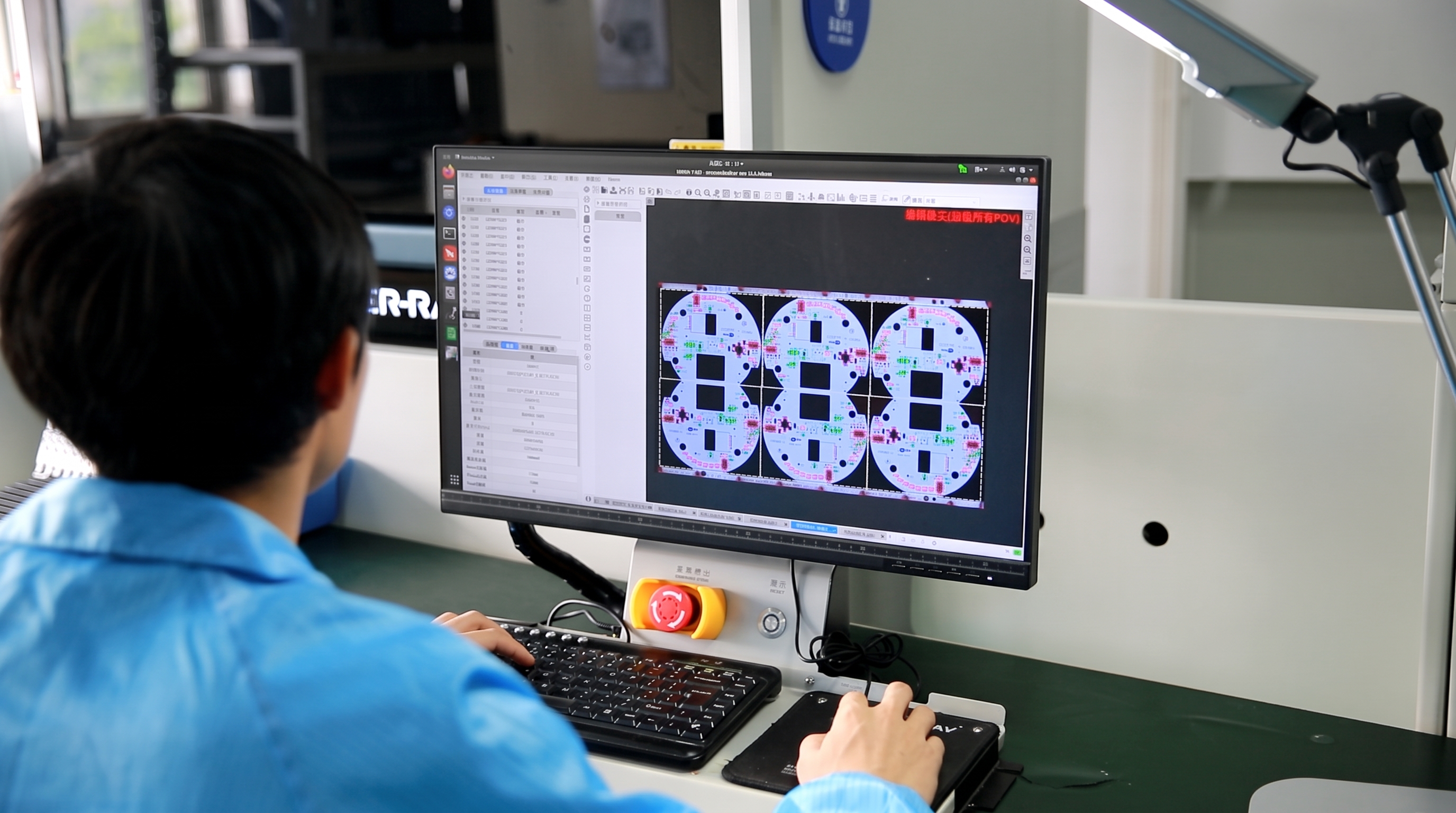
Automated Optical & First-Article Inspection
Automated optical inspection (AOI) and first-article review verify component presence, diode and IC polarity, fine-pitch lead fillets, and visible solder joints before and during the production run.
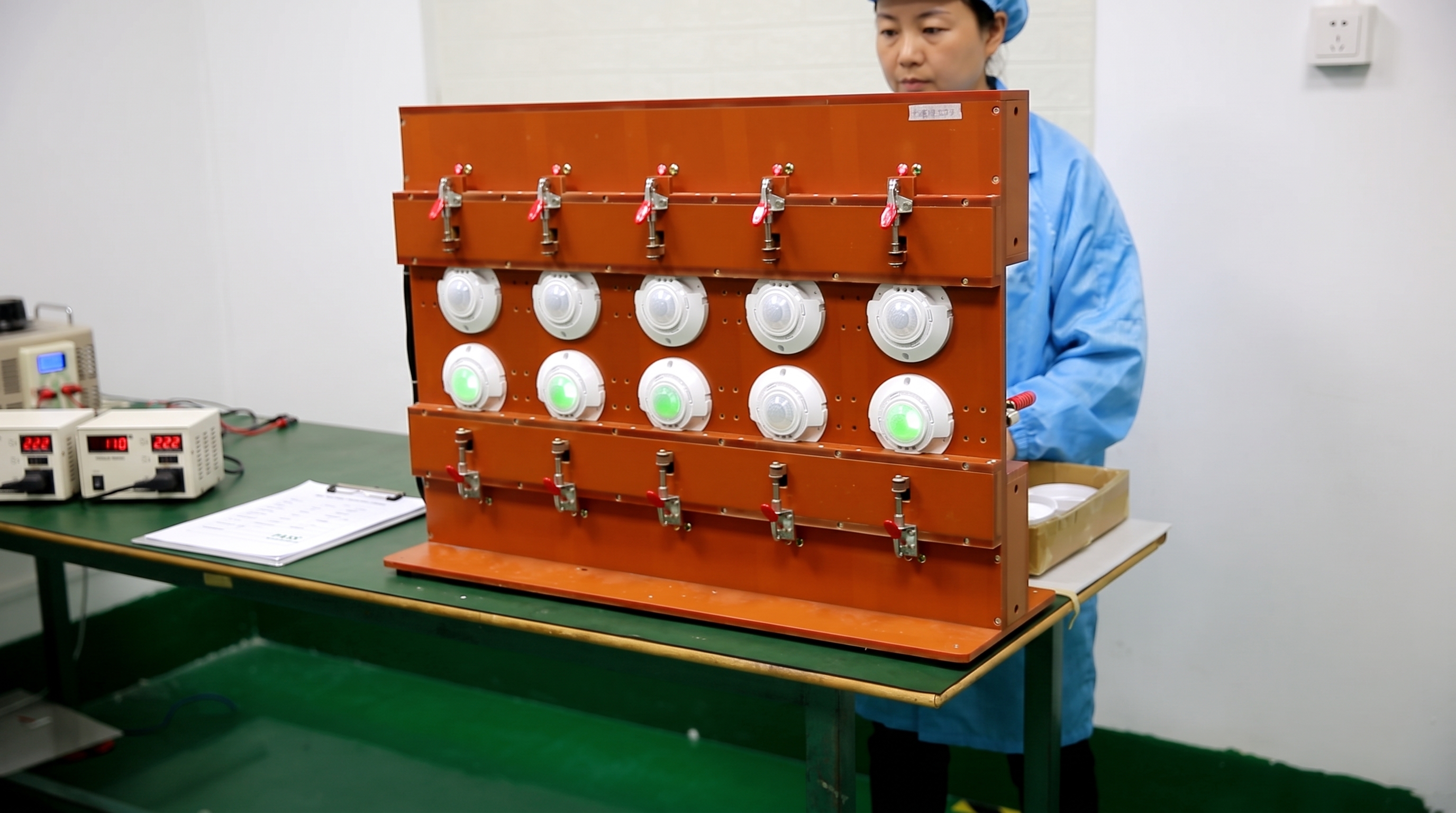
Firmware Flashing & Motion-Trigger Testing
Dedicated test benches execute the electrical and functional checks agreed for your build—including MCU firmware programming, warm-up and motion-trigger verification, ambient-light gating, and relay or output switching.
The Production Floor Behind Your PIR Modules.
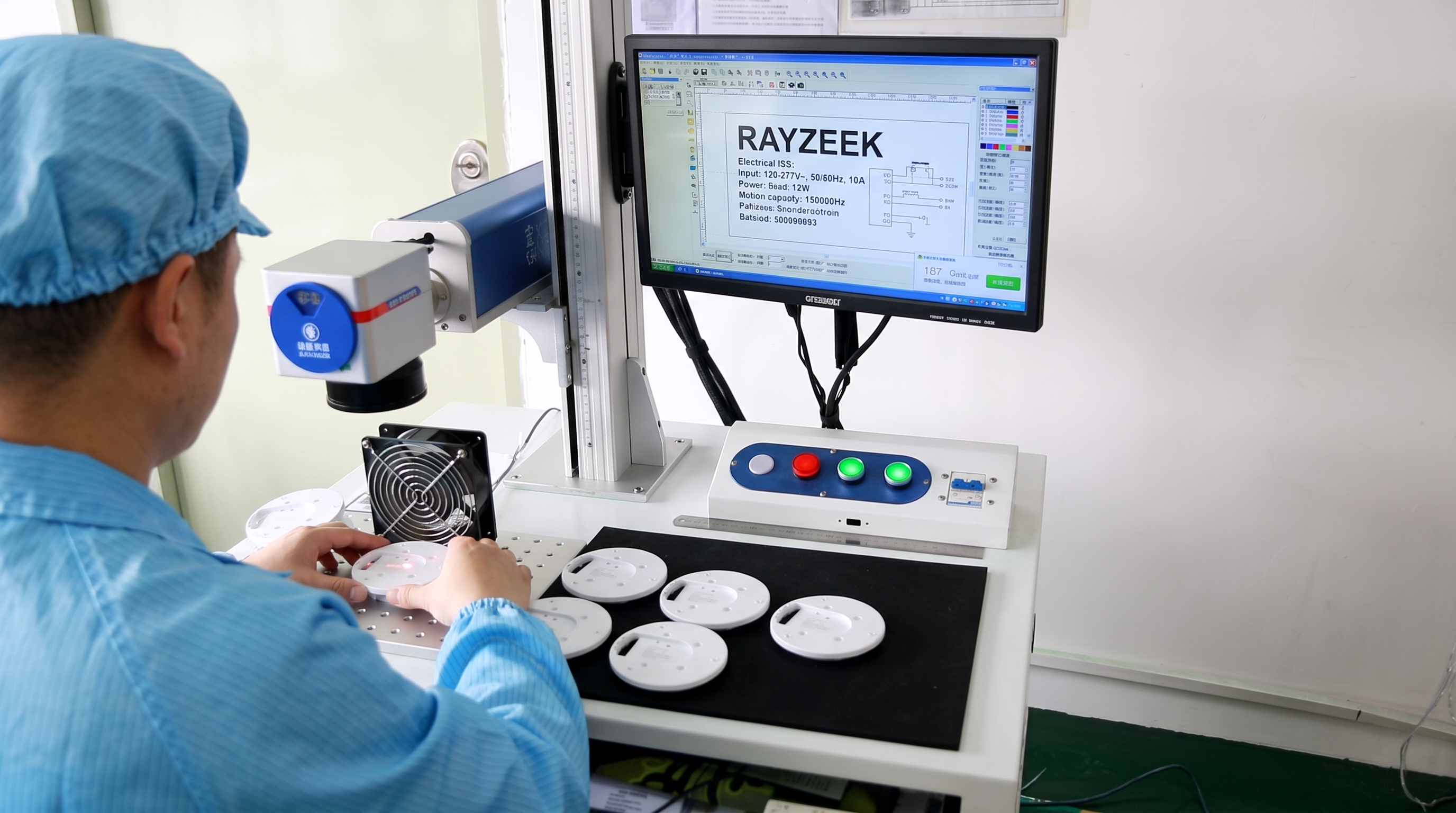
Inside our assembly facility, automated SMT lines, ESD-protected sensor workstations, and functional test benches work together to build and verify your motion sensor boards.
Automated SMT Placement
High-speed pick-and-place lines populate microcontrollers, low-noise op-amps, power regulators, and 0402/0603 passives across panelized PIR sensor boards.
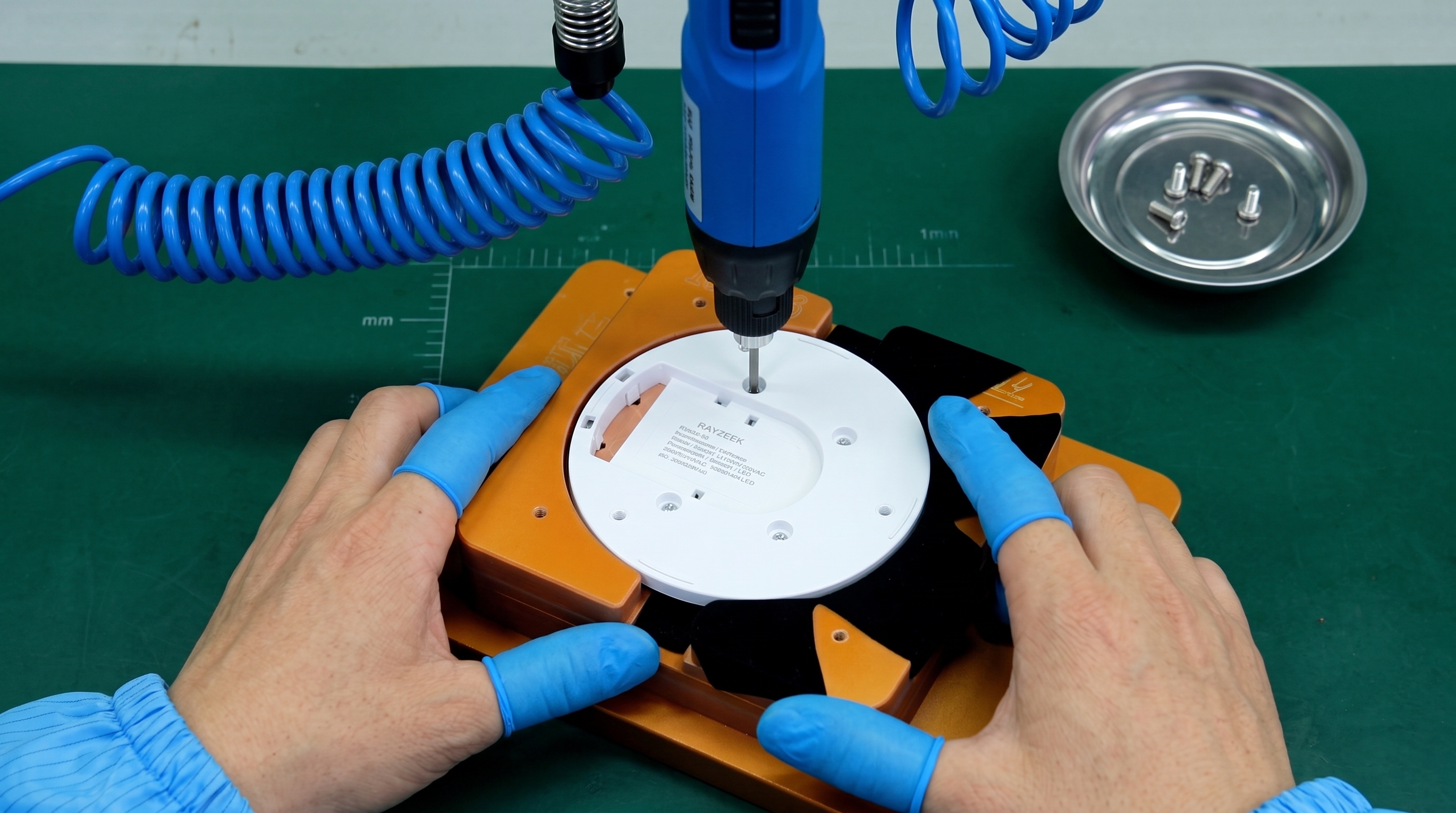
PIR Sensor Seating & Mixed Assembly
Dedicated workstations handle through-hole pyroelectric sensor seating, power relays, terminal blocks, and mechanical board integration under strict ESD controls.
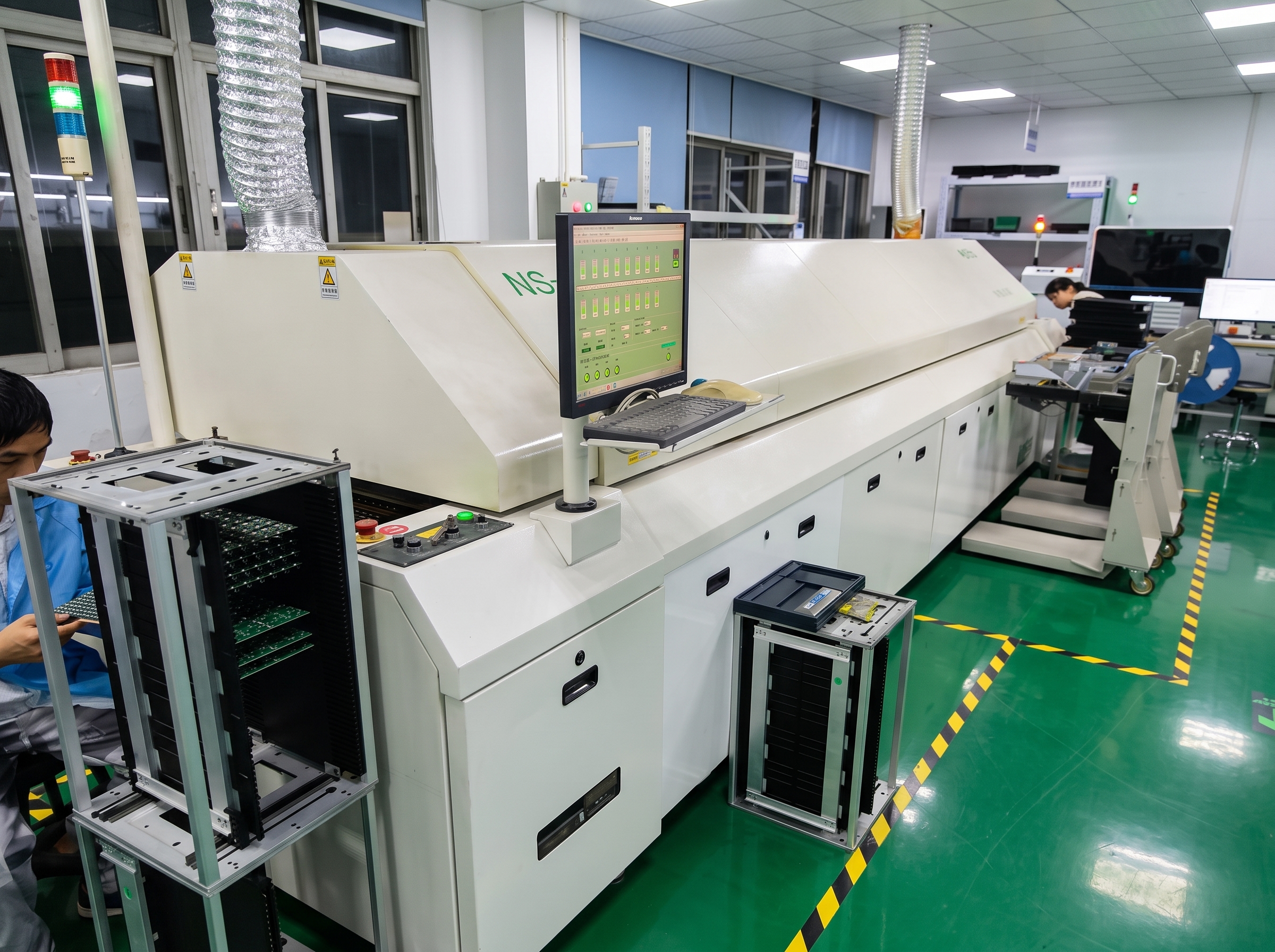
Controlled Lead-Free Reflow
Multi-zone lead-free reflow ovens maintain regulated thermal profiles tuned for double-sided sensor control boards and heavy-copper power paths.
Tooling Fixturing & First-Article Review
Custom CNC positioning fixtures and first-article inspection benches verify board alignment, lens focal clearance, and functional performance before full production proceeds.
 ISO 9001:2015 REGISTERED
 IPC-A-610 CLASS 2 & 3
 ANSI/ESD S20.20-2021
 RoHS 2.0 & REACH
 UL 94V-0 DIELECTRICS
 CE CONFORMITY
 FCC PART 15 CLASS B
PCB Assembly Across PIR Sensor Formats.
Wall-switch occupancy boards, circular ceiling modules, and high-bay industrial detector assemblies configured around your mechanical enclosure and sensing geometry.

Occupancy & Vacancy Wall-Switch Boards
Single-Live & Neutral · Relay & Triac Switching · Wall-Box Fit
Occupancy & Vacancy Wall-Switch Boards
Compact in-wall control boards engineered for single-live and neutral wall boxes. Mixed SMT and through-hole assembly pairs front-facing PIR detectors, pushbuttons, and status LEDs with AC power relays, triacs, and terminal leads.

Office & Classroom Ceiling Modules
Circular PCBA · Dual & Quad PIR · 0-10V & DALI Control
Office & Classroom Ceiling Modules
Circular and luminaire-integrated sensor boards built for wide-angle overhead coverage. Supports single or multi-sensor PIR placement, daylight harvesting photodiodes, 0-10V/DALI dimming interfaces, and two-board stacked housings.

High-Bay Industrial & Warehouse Sensors
Long-Focal Lens Fit · High-Inrush Relays · Zhaga & Twist-Lock
High-Bay Industrial & Warehouse Sensors
Long-range aisle and high-ceiling detector assemblies built for industrial luminaires. Combines accurate detector seating for deep-focal Fresnel lenses with thermal isolation slots, high-inrush relay stages, and twist-lock or Zhaga-style connector integration.
From Sensor Files to Tested Modules.
Four clear milestones from Gerber and BOM submission to inspected, trigger-verified PIR motion sensor assemblies.
Send What You Have
Share Gerbers, BOM, and sensor height or lens alignment notes for our engineering DFM review under NDA.
Clear Sourcing Plan
Receive an itemized quote and choose full turnkey procurement or consign your own PIR detectors and MCUs.
First-Article Sample
Validate initial sample boards for optical window cleanliness, sensor seating height, and enclosure fitment.
Tested & Dispatched
Approved builds complete in-line AOI and functional motion-trigger testing before anti-static ESD dispatch.
Audited Manufacturing Discipline.
We bring the same supplier audit discipline and quality controls established with Fortune Global 500 customers to every PIR motion sensor and control board project.
Long-term supplier to Fortune Global 500 customers.
Long-term supplier relationships with enterprise and commercial lighting/control brands bring structured engineering handoffs, BOM control, and recurring production discipline to your build.
Passed demanding on-site audits and customer reviews.
We have passed demanding supplier audits for enterprise customers. Documented stencil tracking, ESD controls, and revision management are standard across our sensor board lines.
First-article, in-line AOI, and motion-trigger testing.
Before production, we lock in the inspection, MCU programming, and motion-trigger test criteria for your PIR module across first-article review and batch release.
Long-term relationships.
Global brands.



Start with what
you have.
Gerber files, draft BOMs, sensor datasheets, and early prototype questions are welcome. Whether you are building a standalone PIR detector module, a wall-switch occupancy board, or a wireless motion sensor, share what you have and we will review the build with you.
Preliminary files welcome
Start with Gerbers, a BOM, sensor package specs, or your project question.
Direct engineering review
Review sensor height clearances, sourcing, and mixed-assembly details with our team.
Clear next steps
Receive an itemized quote and practical feedback before production begins.