
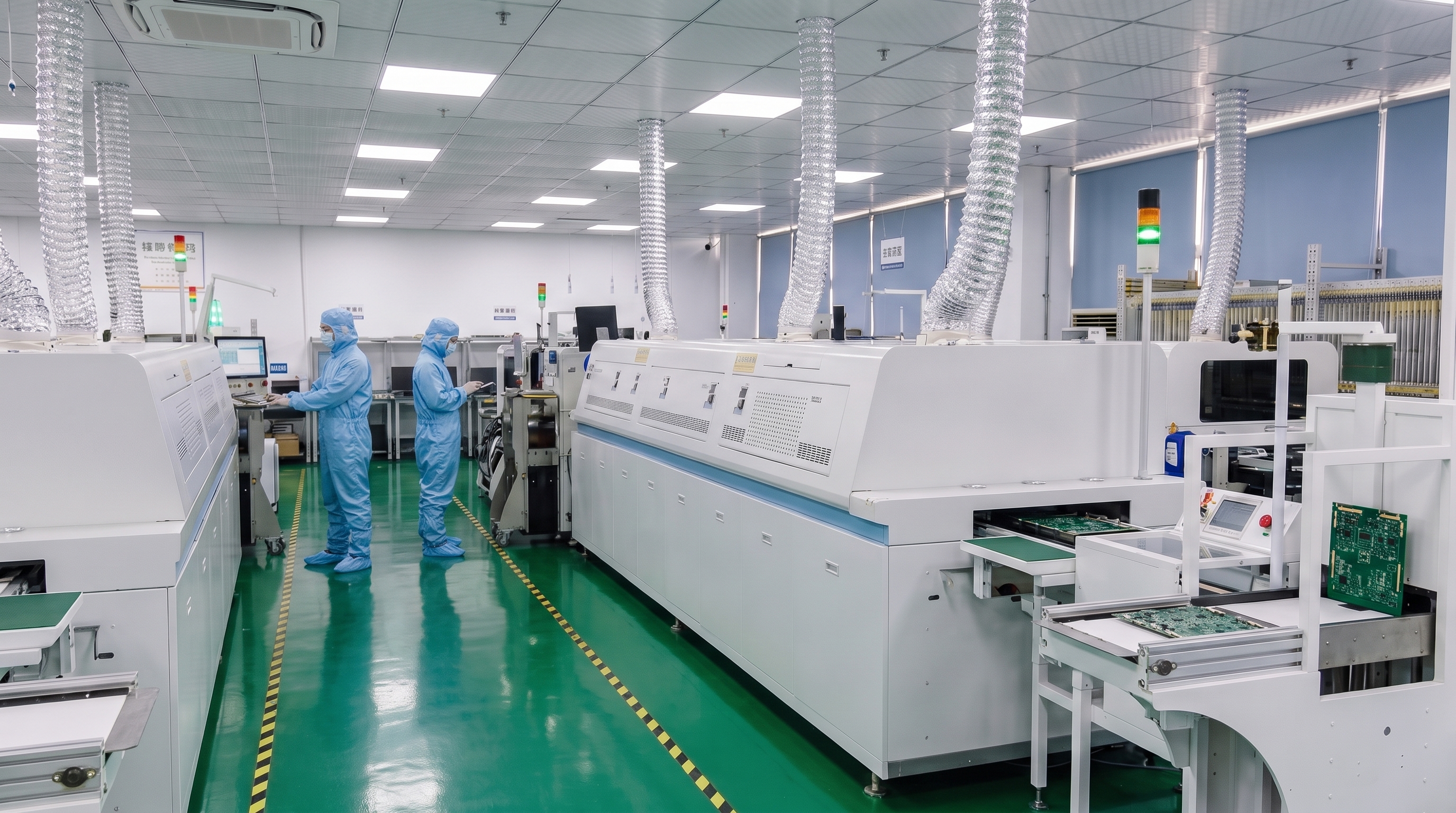
Assemblaggio di schede a circuito stampato.
Assemblaggio a montaggio superficiale, con fori passanti e misto per campioni di prototipo, lotti pilota e schede di produzione.
Scala enterprise.
Partnership diretta.
Offriamo il rigore di uno stabilimento produttivo consolidato senza la burocrazia delle grandi aziende. Oltre alle produzioni ricorrenti in serie, le nostre linee di assemblaggio PCB accolgono con la stessa flessibilità prototipi ingegneristici iniziali, lotti pilota di convalida e famiglie di prodotti multi-scheda.
Il vostro team hardware collabora direttamente con gli ingegneri di produzione che gestiscono la commessa. In caso di revisioni del layout, dubbi sui footprint o problemi legati ai tempi di consegna dei componenti, valutiamo insieme i compromessi tecnici per consentirvi di prendere rapidamente decisioni pratiche per la produzione.
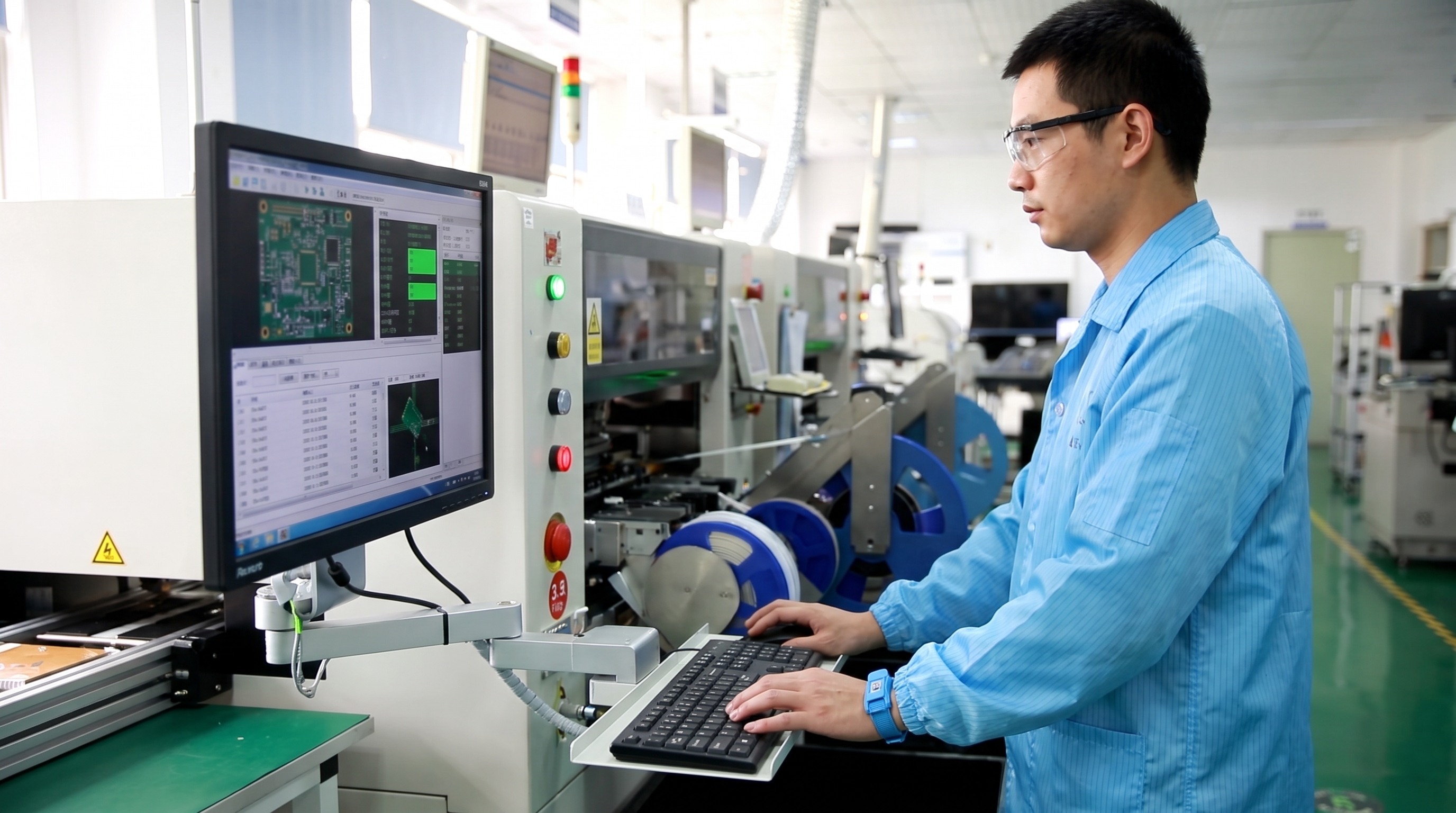
Modelli operativi e idoneità del progetto
Sviluppato intorno ai vostri requisiti.
Che il progetto inizi con un prototipo, un lotto pilota o un design consolidato, il servizio PCBA allinea approvvigionamento, revisione ingegneristica e pianificazione dell'assemblaggio in base ai requisiti della realizzazione.
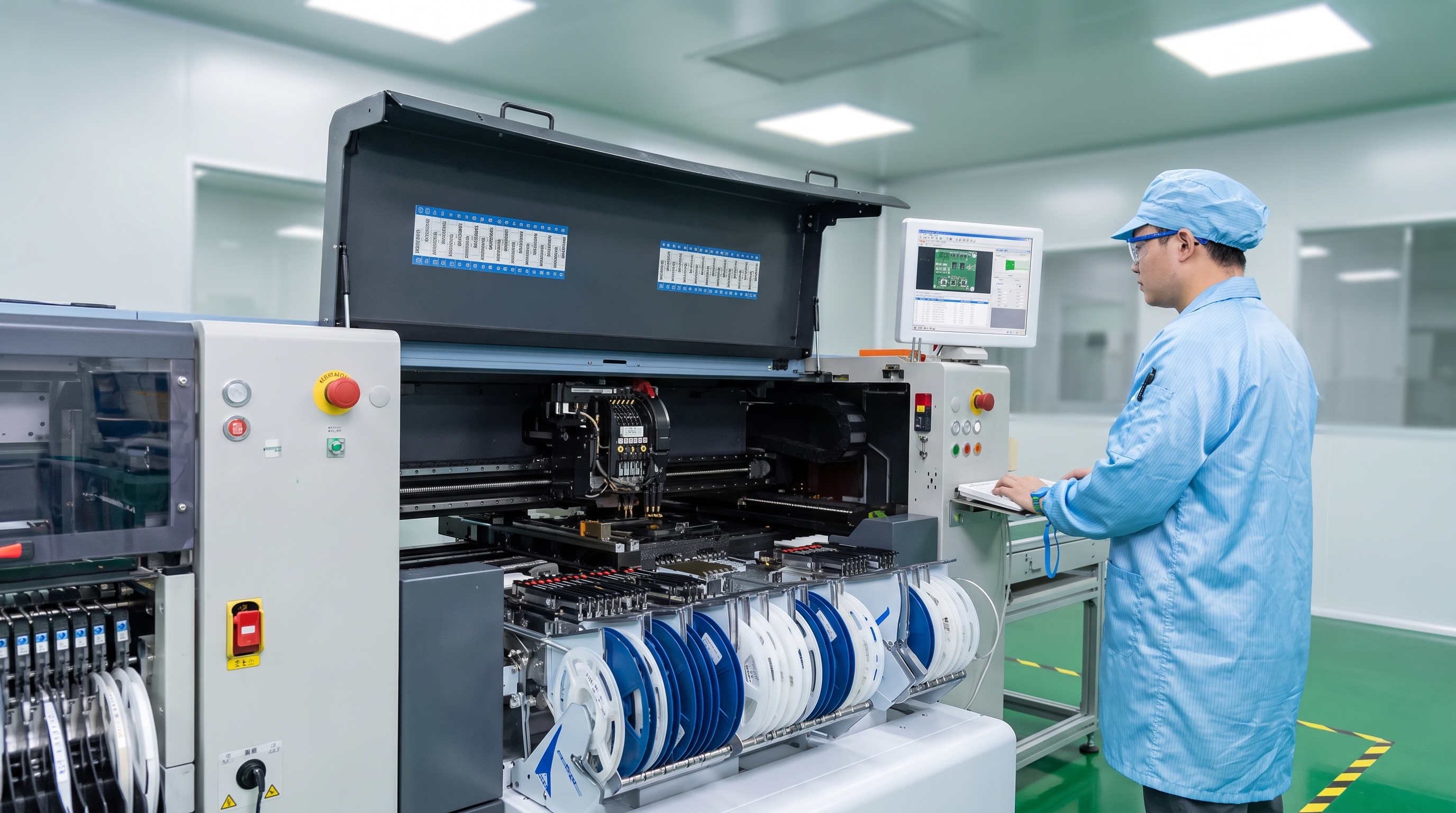
Dal prototipo alla produzione
Dal primo campione alla produzione ricorrente, il modello operativo si adatta al progetto da realizzare. Il piano segue la fase del progetto, il profilo dei volumi e il numero di varianti di scheda nel lotto.
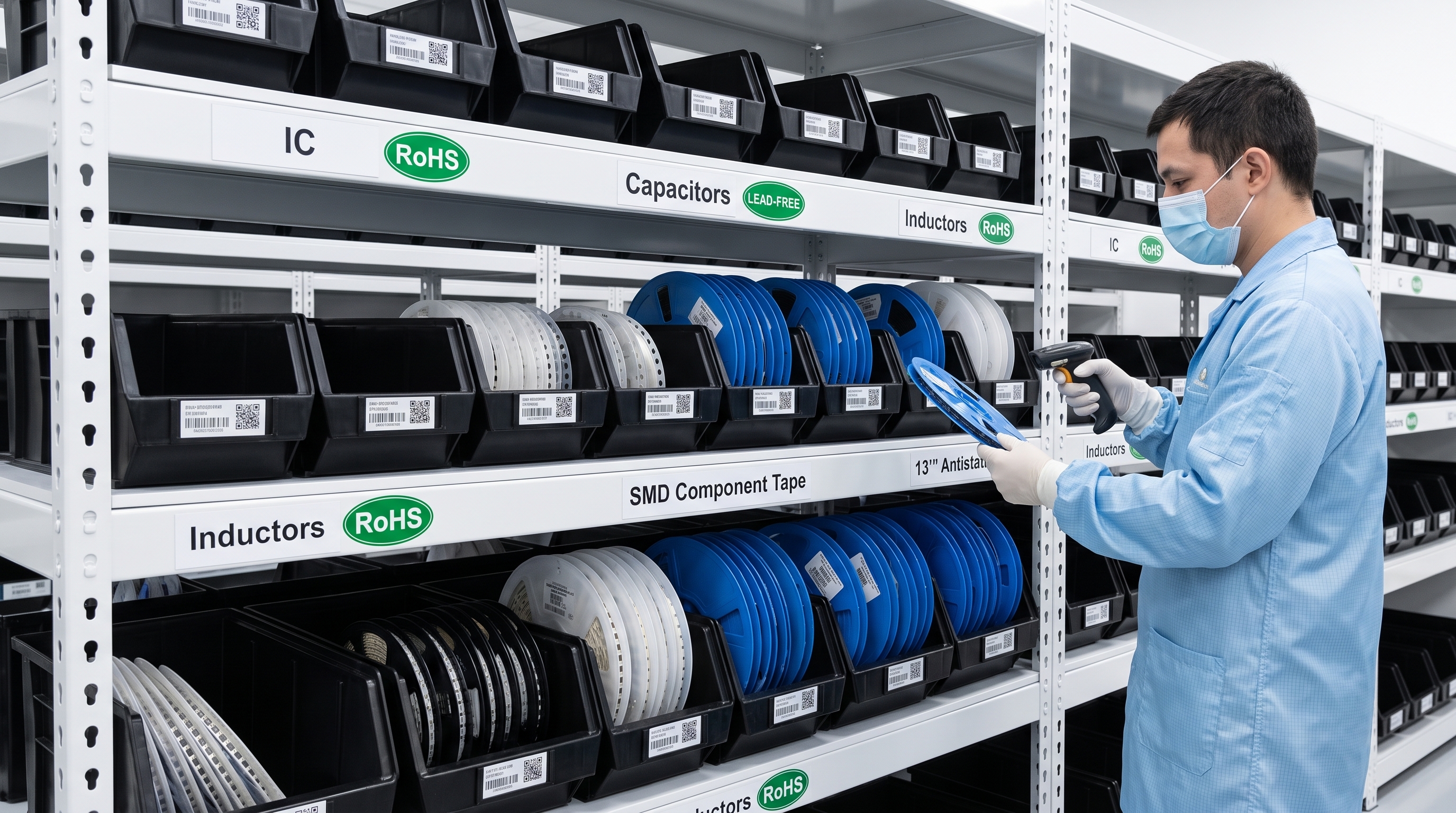
Chiavi in mano, in conto lavoro, ibrido
Il modello di approvvigionamento si adatta alla vostra catena di fornitura. Gestite i componenti internamente, affidate a noi l'acquisto o dividete la responsabilità nella distinta base tramite un accordo chiavi in mano, in conto lavoro o ibrido.
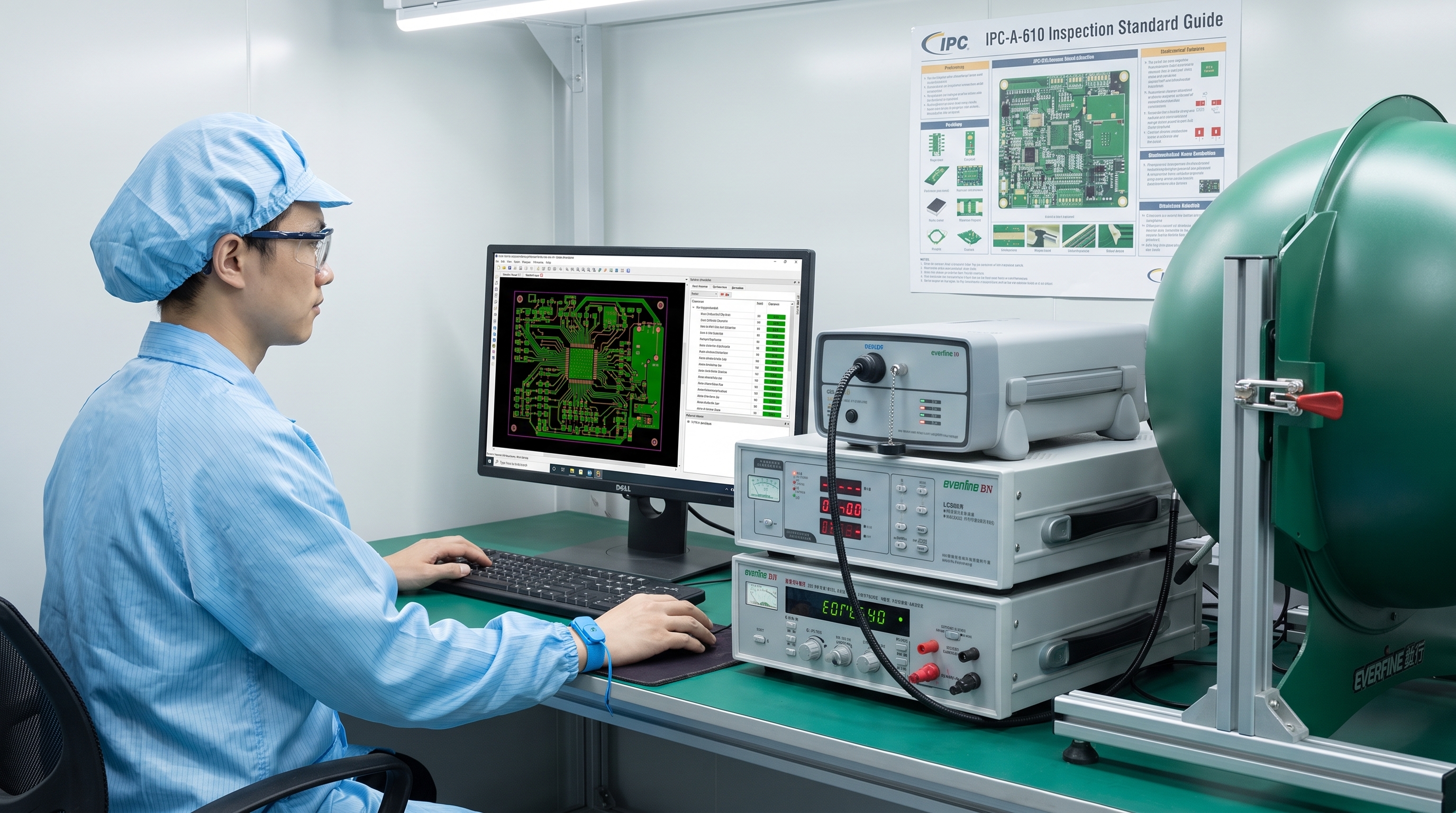
Analisi prima del rilascio
Il momento migliore per risolvere un dubbio di produzione è prima del rilascio. Un'analisi DFM esamina i file, la distinta base (BOM) e i rischi di assemblaggio mentre le modifiche sono ancora praticabili; la tempistica viene stabilita una volta definiti i materiali e la portata della produzione.
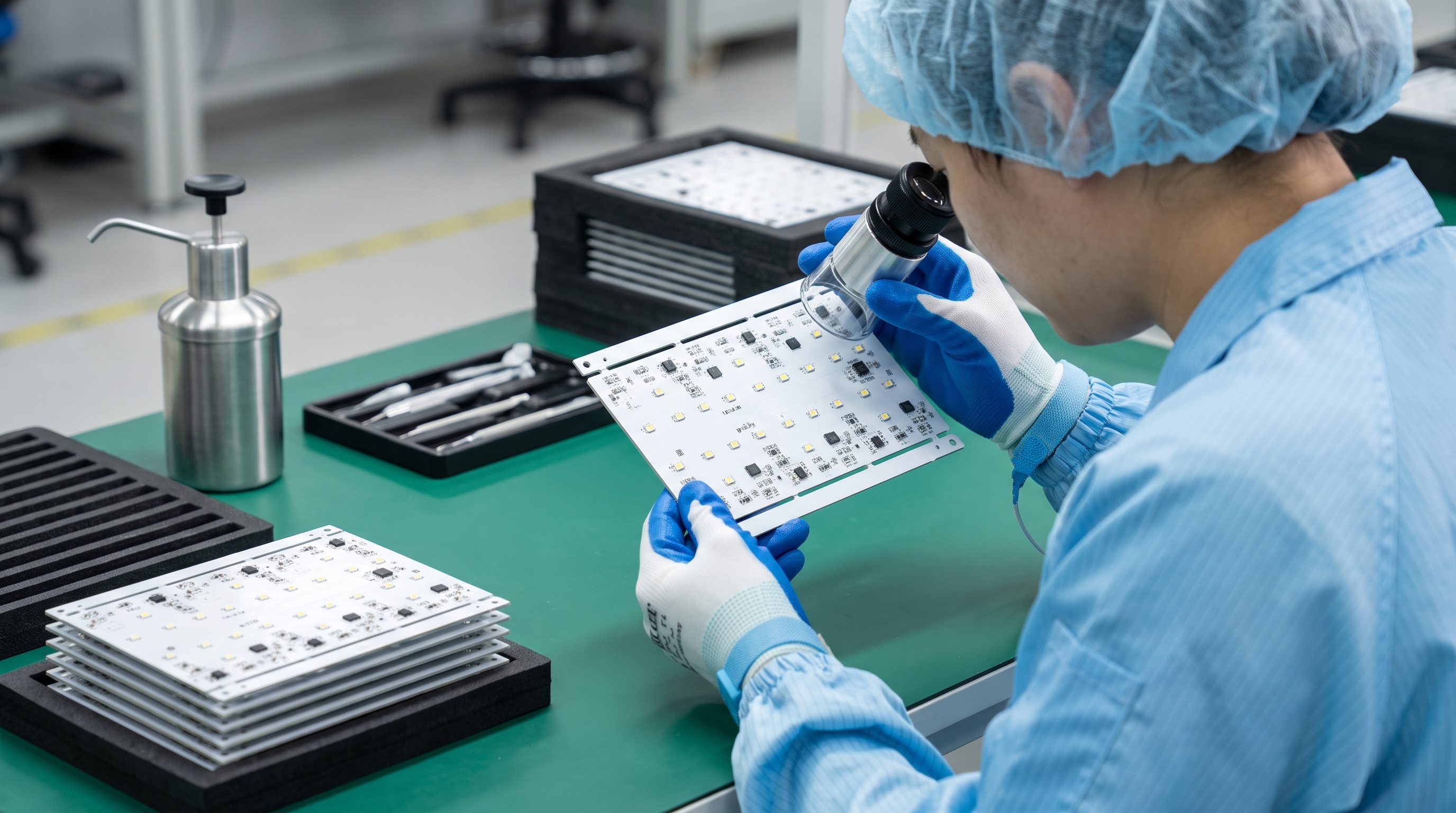
Assemblaggio e ispezione
Il piano di assemblaggio segue la scheda: montaggio a superficie, foro passante o misto. Un piano di ispezione di base accompagna il lotto di produzione, con metodi dettagliati e criteri di accettazione definiti nelle sezioni tecniche e di qualità.
Progettato intorno alle vostre esigenze.
Il nostro modello operativo si adatta alle dimensioni del vostro lotto, alla catena di fornitura e all'ambito di integrazione senza vincolarvi a rigidi livelli contrattuali.
01
Dal prototipo alla produzione
Campione · Pilota · Serie
Dal prototipo alla produzione
Iniziate con piccoli lotti di convalida ingegneristica o famiglie multi-scheda e passate alla produzione programmata sulle stesse linee SMT automatizzate.
02
Chiavi in mano, in conto lavoro o ibrido
BOM completa · In kit · Misto
Chiavi in mano, in conto lavoro o ibrido
Affidateci l'intero approvvigionamento di PCB e BOM, inviate i vostri CI in kit e i componenti personalizzati, oppure suddividete la fornitura con una formula ibrida.
03
Verifica DFM e BOM pre-rilascio
Impronta · Rischi · Tempi di consegna
Verifica DFM e BOM pre-rilascio
Ogni rilascio inizia con una verifica ingegneristica dei file Gerber, dei centroidi e della disponibilità della BOM per individuare eventuali discrepanze dei pad o rischi di assemblaggio prima della realizzazione dello stencil.
04
Box-Build & System Integration
Harness · Firmware · Enclosure
Box-Build & System Integration
Extend beyond bare boards with wire lead soldering, MCU firmware programming, housing assembly, and final functional verification.
Core PCB Assembly Capabilities.
Le nostre capacità di assemblaggio PCB combinano posizionamento ad alta precisione dei componenti, saldatura controllata, ispezione ottica e collaudo per un'ampia gamma di prodotti elettronici.
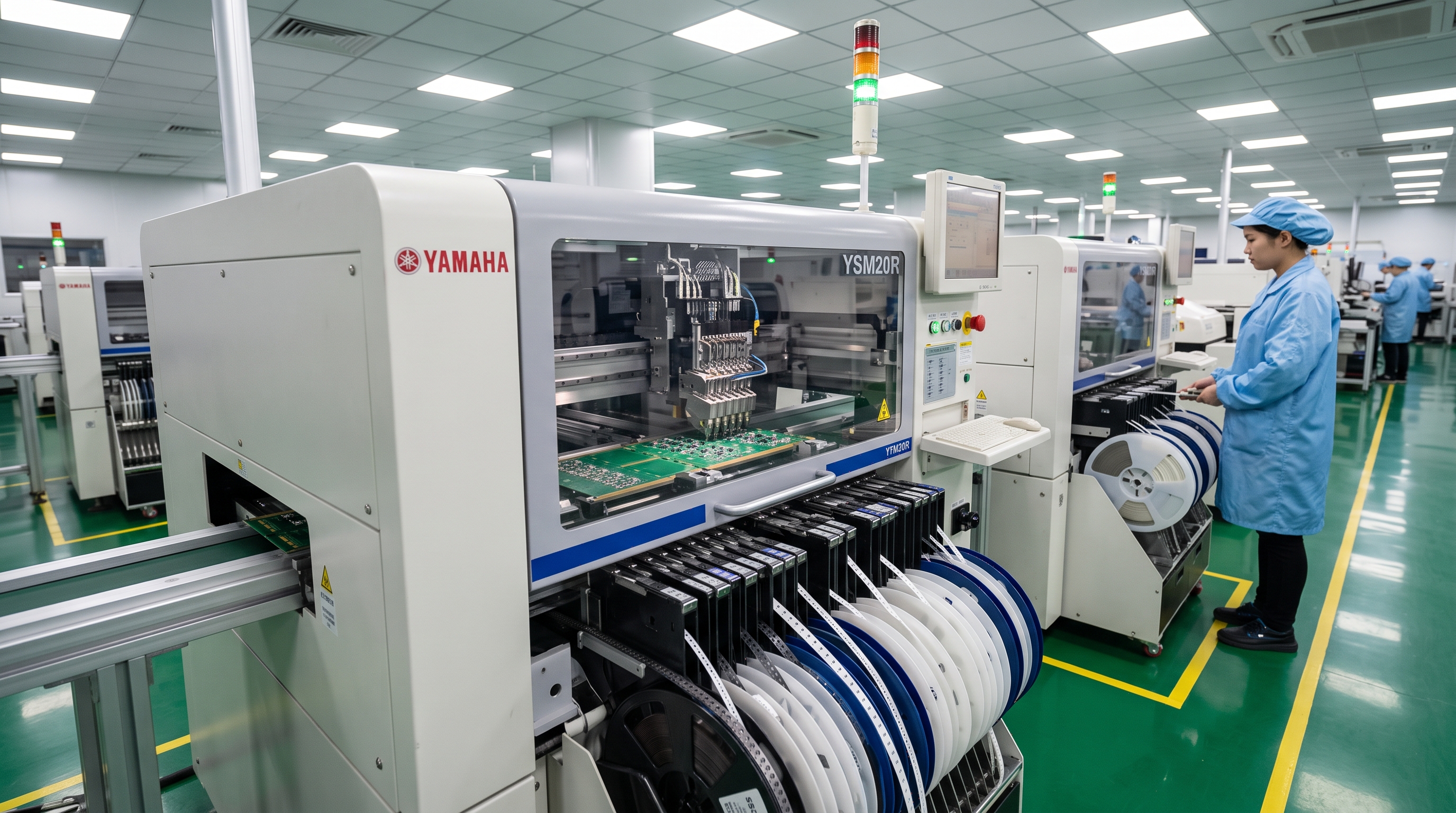
Assemblaggio SMT di precisione
L'assemblaggio automatizzato a montaggio superficiale posiziona resistori, condensatori, circuiti integrati e altri componenti con la costanza necessaria per circuiti compatti e produzioni ripetitive.
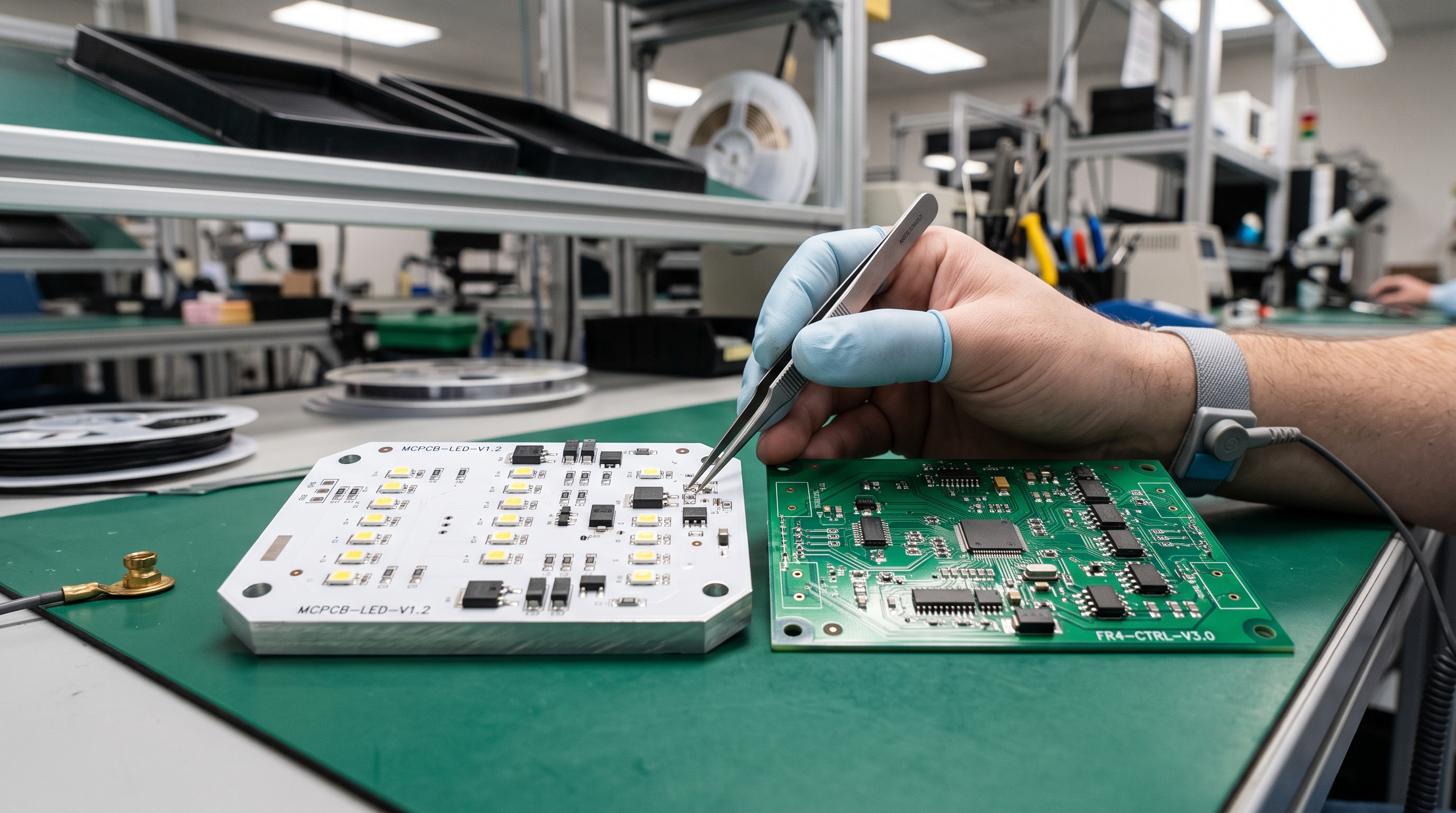
Assemblaggio PCB in FR-4 e alluminio
Assembliamo schede in FR-4 e con nucleo in alluminio, adattando il posizionamento dei componenti e la saldatura al materiale e al design del circuito stampato.
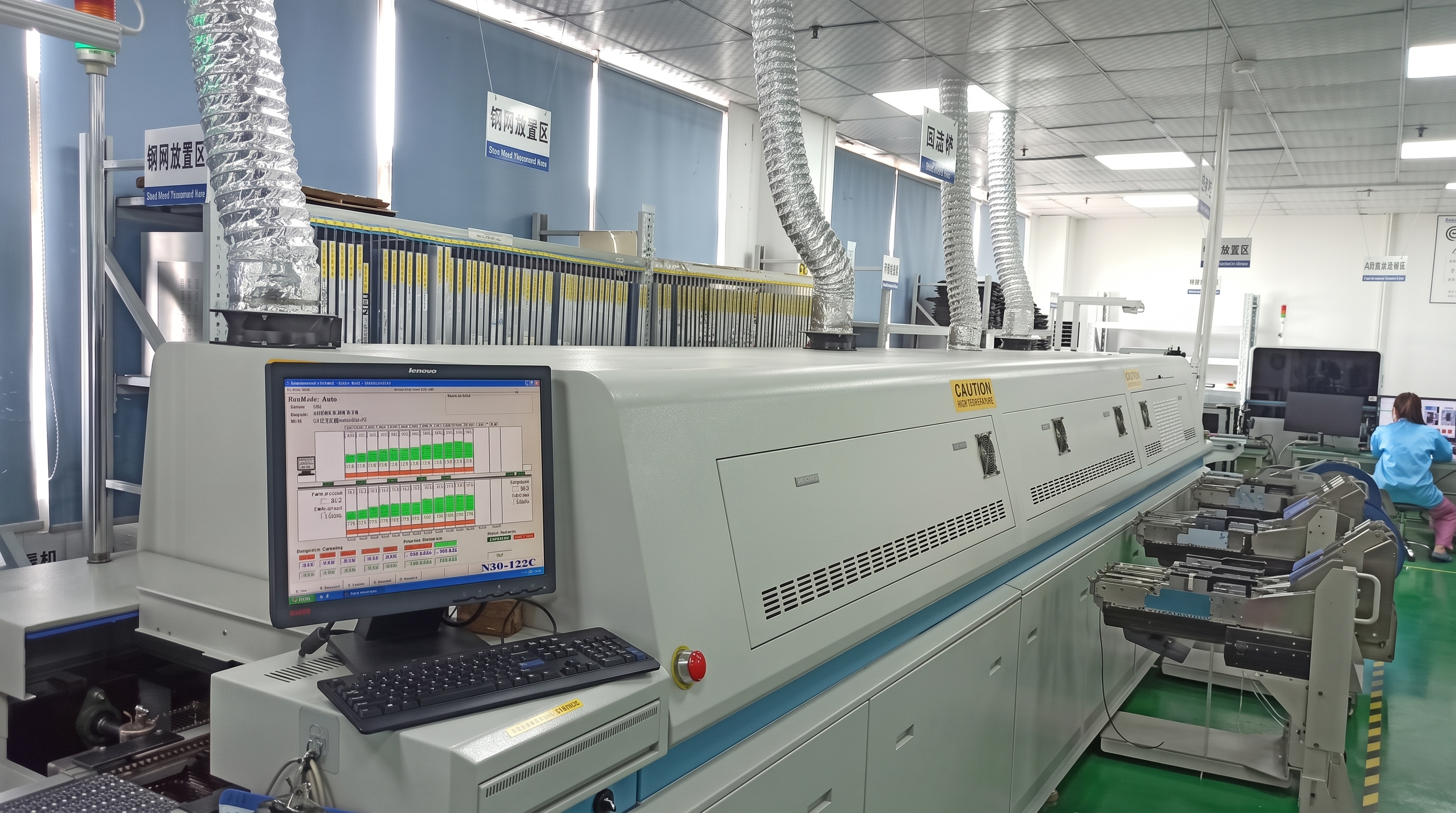
Lead-Free Reflow Control
Multi-zone lead-free reflow provides controlled soldering for surface-mount assemblies, with thermal requirements reviewed against the board and components.
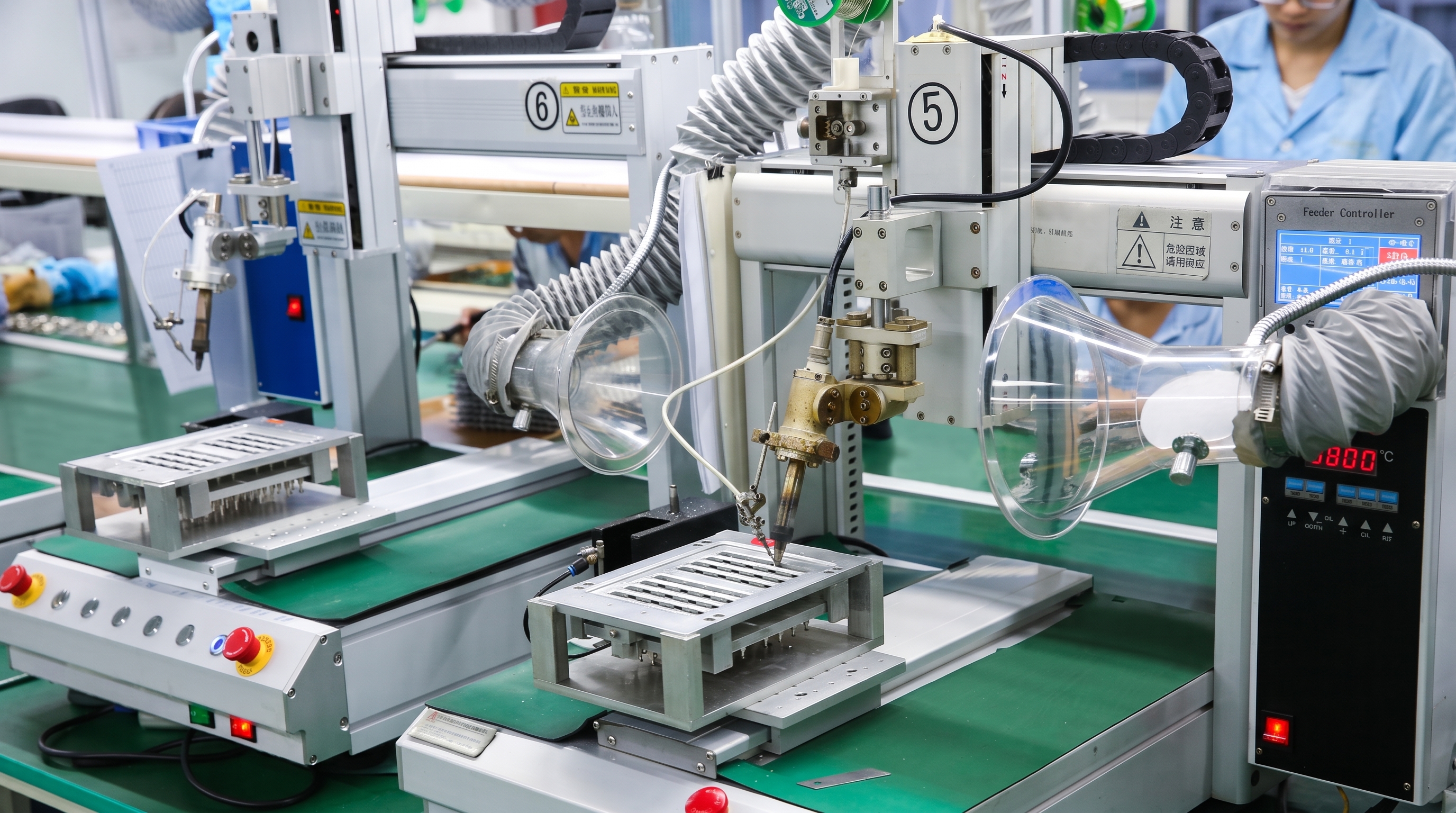
Through-Hole & Mixed Assembly
Surface-mount and through-hole assembly bring compact circuitry, connectors, and power components together on the same board.
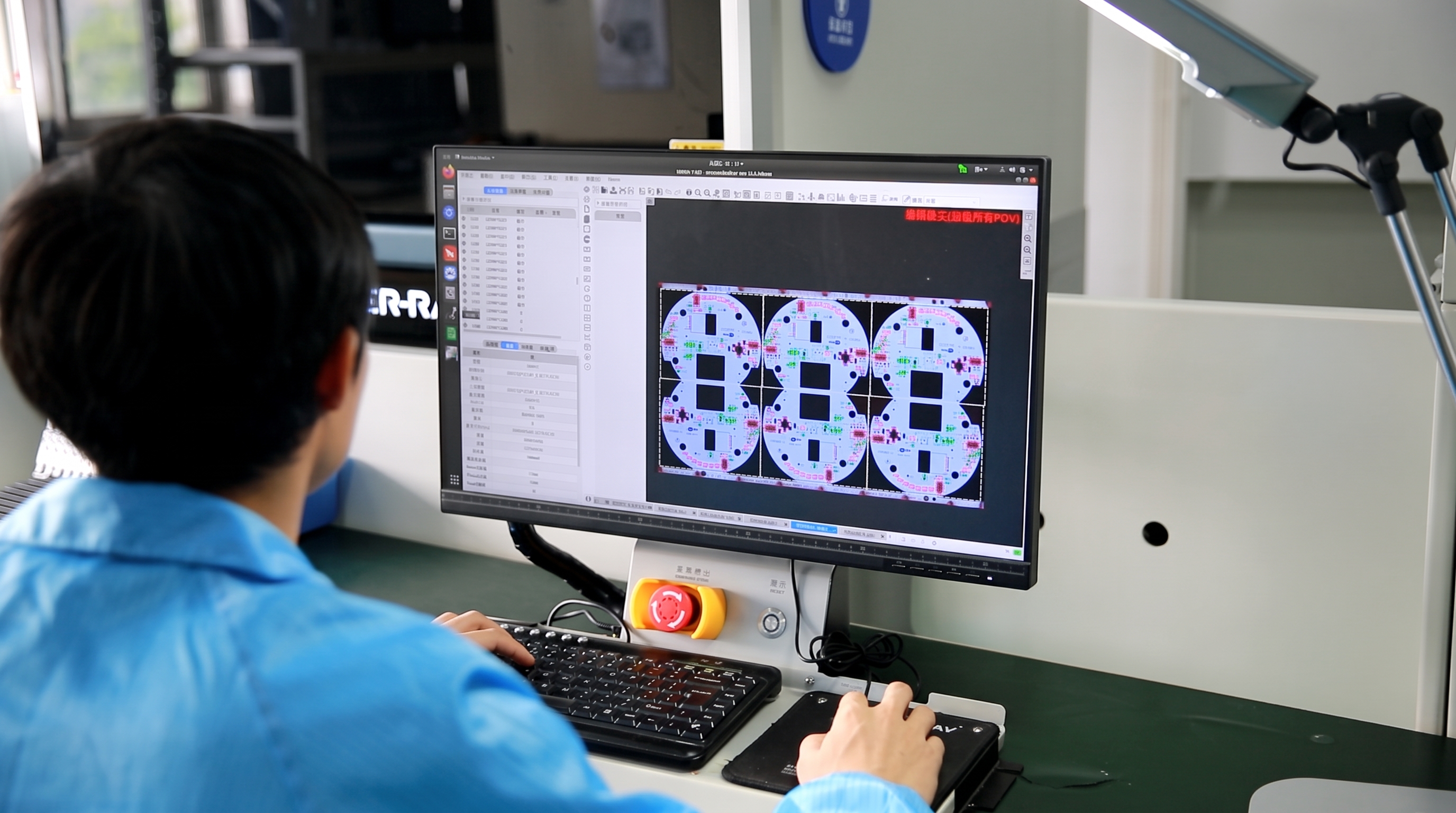
Optical & First-Article Inspection
Automated optical inspection (AOI) and first-article review check component placement, polarity, and visible solder joints, helping catch issues before the build moves forward.
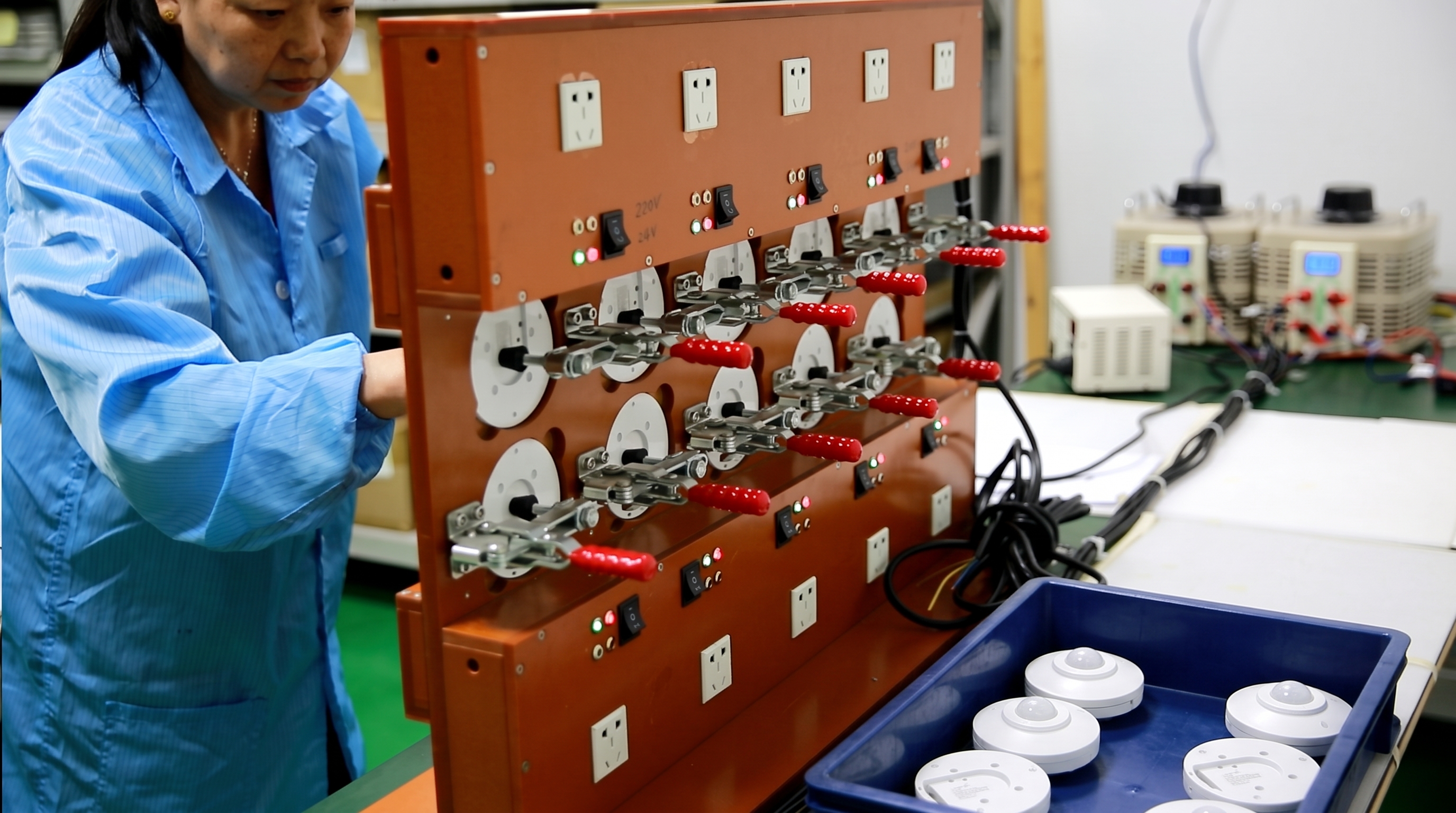
Assembly Testing
Electrical and functional testing helps confirm that the assembled board operates as intended, with checks agreed around the requirements of the build.
The Production Floor Behind Your Boards.
Step inside our physical facility, where enclosed surface-mount lines, ESD-grounded operator benches, and dedicated quality stations keep every batch organized from kitting to dispatch.
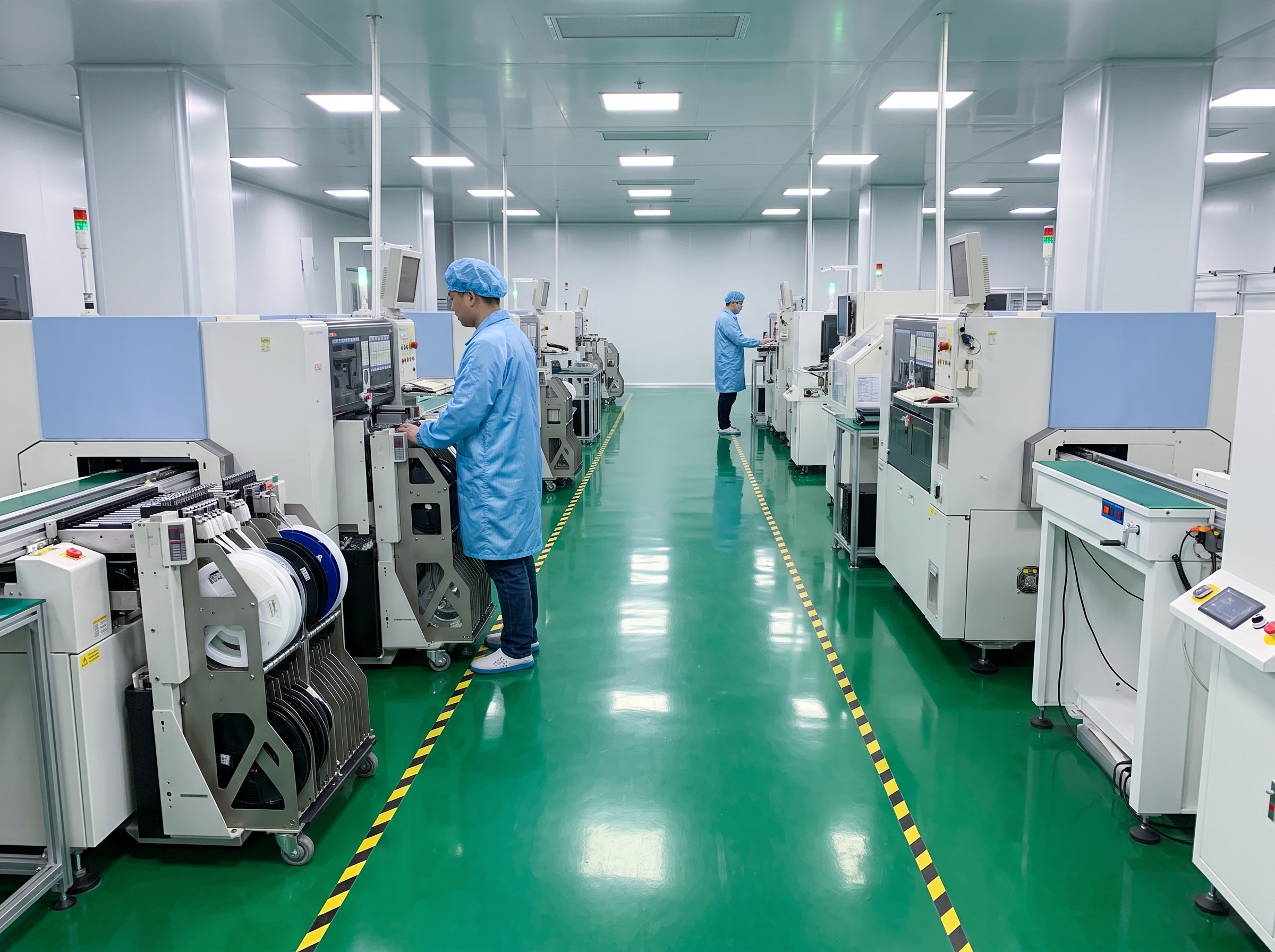
Cleanroom SMT Production Bays
Inside our main surface-mount hall, enclosed pick-and-place machines, stencil printers, and SMEMA board conveyors run in a continuous, ESD-controlled production flow.
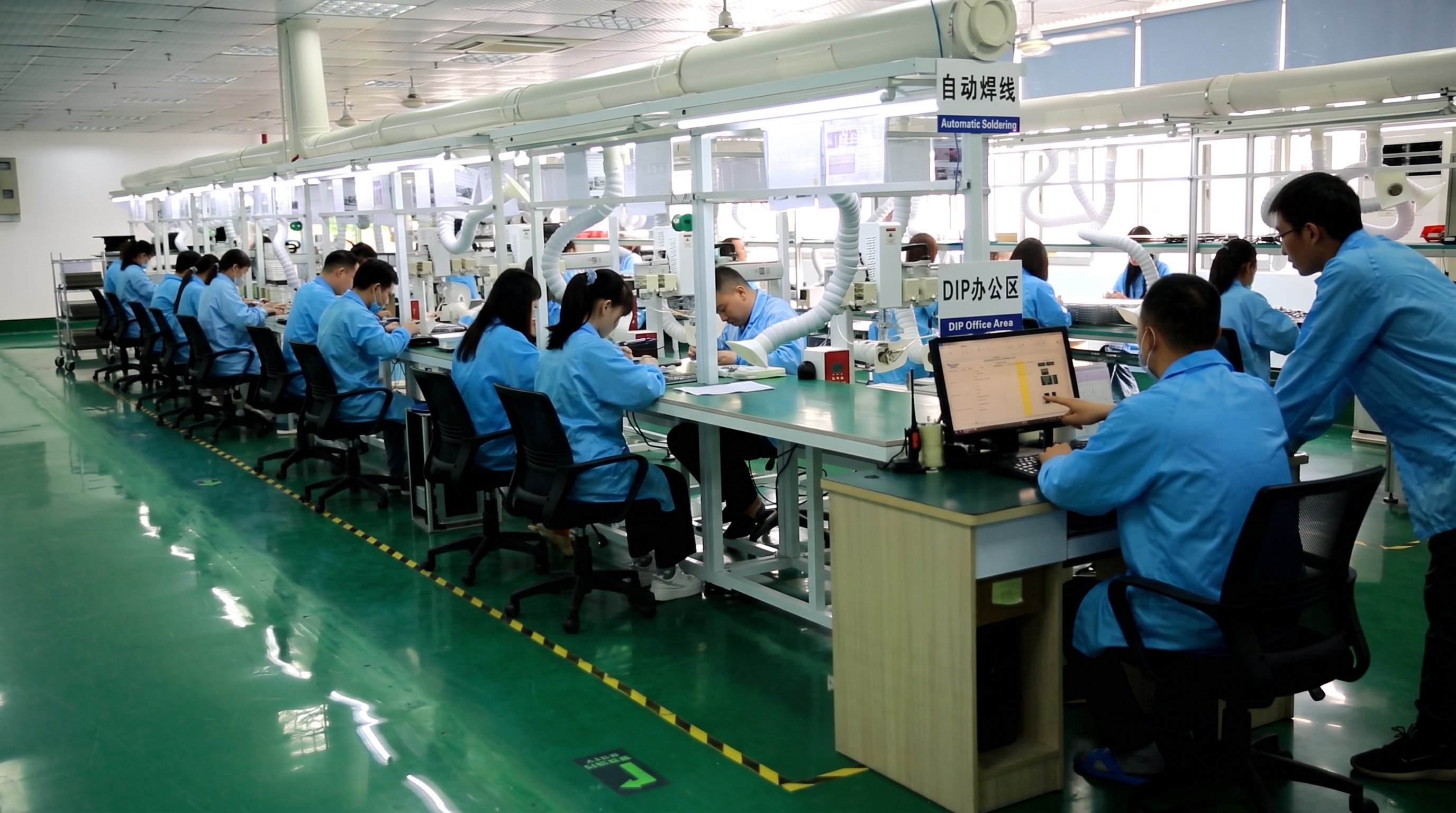
Dedicated DIP & Post-SMT Benches
Trained operators at ESD-matted workstations handle through-hole insertion, fixture-guided soldering, wire harnesses, and mechanical sub-assembly steps.
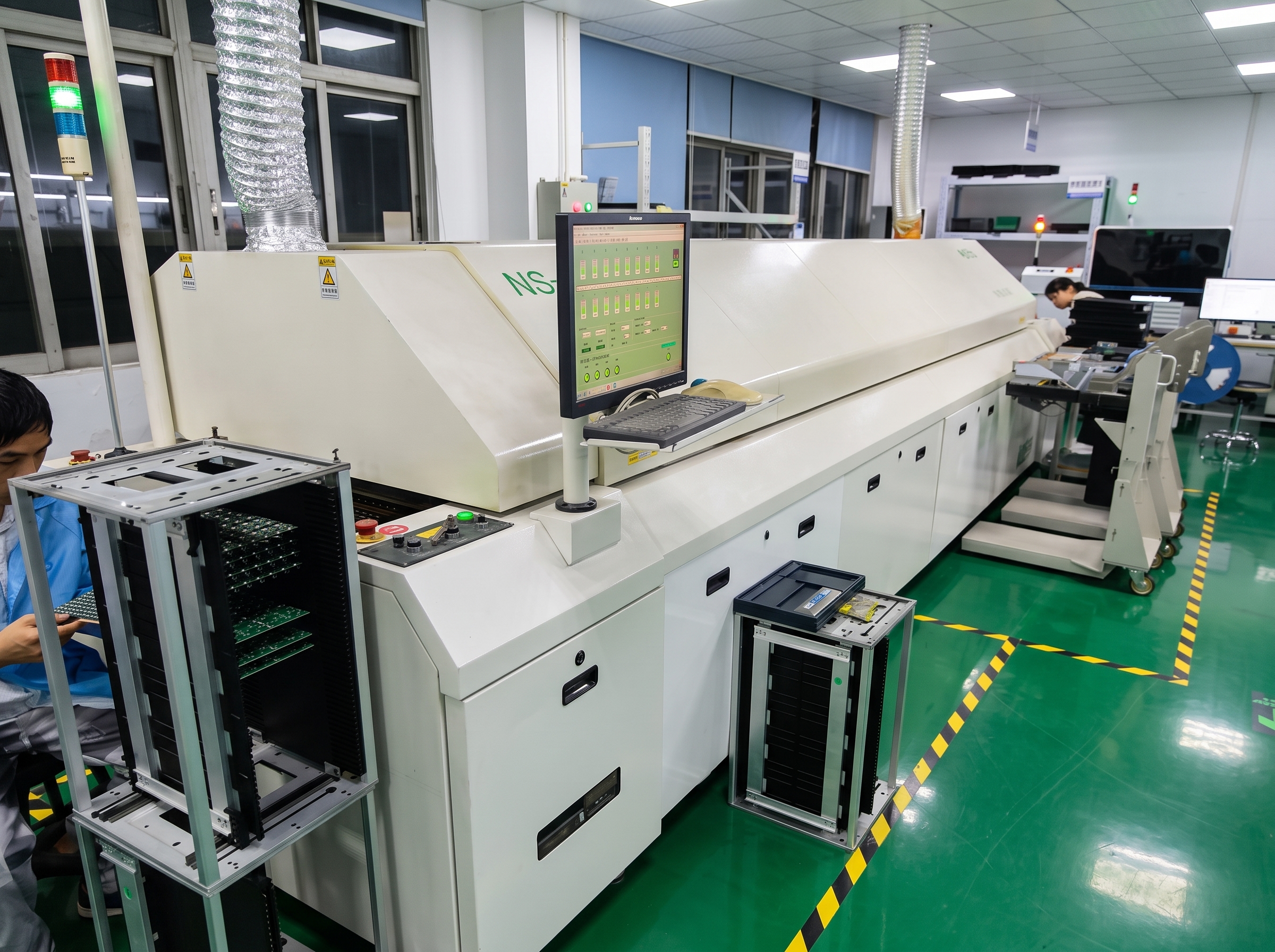
In-Line Ovens & Buffered Board Handling
Multi-zone reflow ovens sit directly inside the automated conveyor line, with buffered entry and exit loaders maintaining steady board pacing and cooling across the batch.
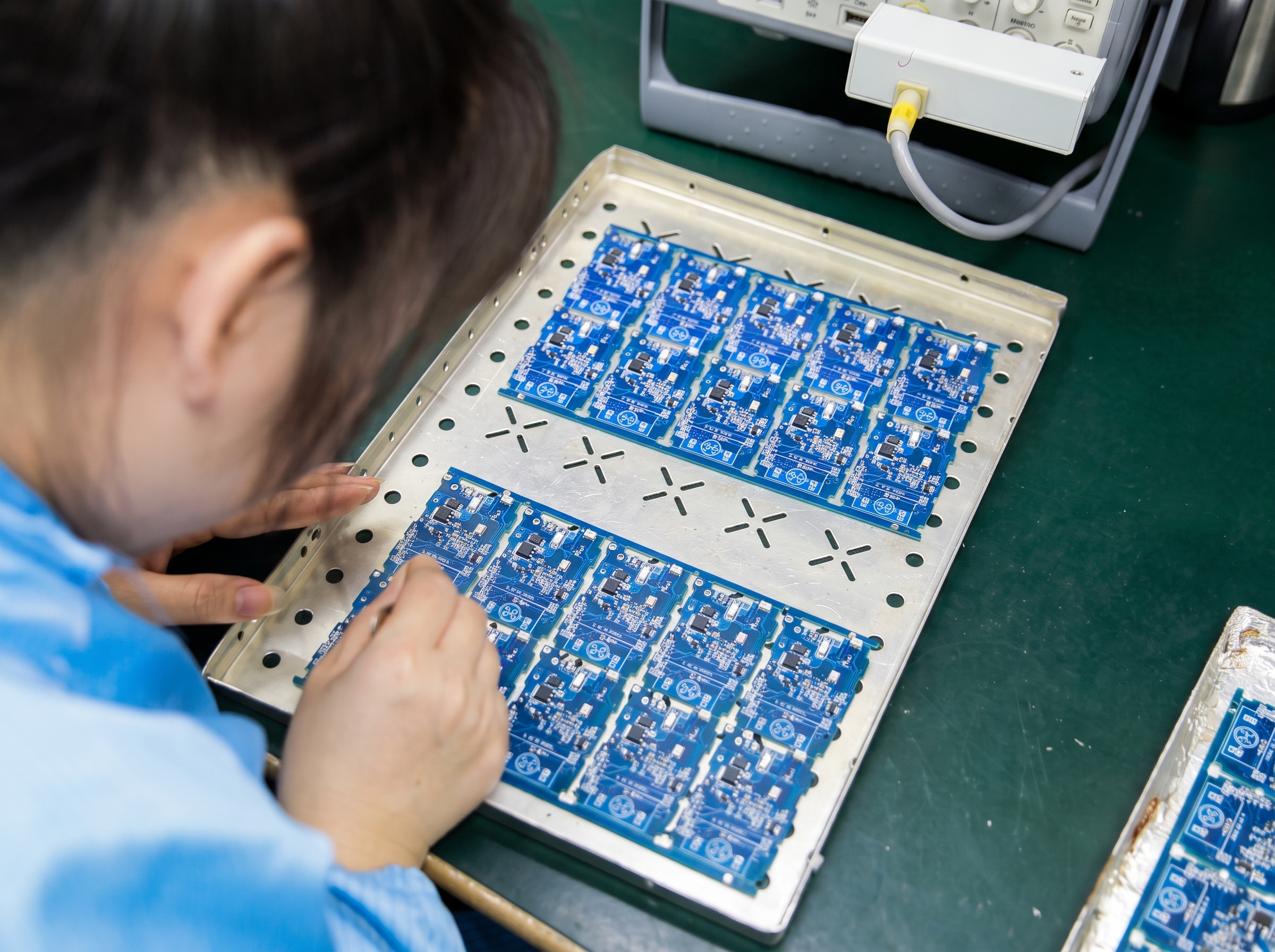
First-Article & Inspection Benches
At our dedicated inspection benches, quality technicians verify the initial assembled boards against the BOM, component polarity map, and build drawings before releasing the production run.
Cleanroom SMT Production Bays
Inside our main surface-mount hall, enclosed pick-and-place machines, stencil printers, and SMEMA board conveyors run in a continuous, ESD-controlled production flow.
Dedicated DIP & Post-SMT Benches
Trained operators at ESD-matted workstations handle through-hole insertion, fixture-guided soldering, wire harnesses, and mechanical sub-assembly steps.
In-Line Ovens & Buffered Board Handling
Multi-zone reflow ovens sit directly inside the automated conveyor line, with buffered entry and exit loaders maintaining steady board pacing and cooling across the batch.
First-Article & Inspection Benches
At our dedicated inspection benches, quality technicians verify the initial assembled boards against the BOM, component polarity map, and build drawings before releasing the production run.
Cleanroom SMT Production Bays
Inside our main surface-mount hall, enclosed pick-and-place machines, stencil printers, and SMEMA board conveyors run in a continuous, ESD-controlled production flow.
Dedicated DIP & Post-SMT Benches
Trained operators at ESD-matted workstations handle through-hole insertion, fixture-guided soldering, wire harnesses, and mechanical sub-assembly steps.
In-Line Ovens & Buffered Handling
Multi-zone reflow ovens sit directly inside the automated conveyor line, with buffered entry and exit loaders maintaining steady board pacing and cooling across the batch.
First-Article & Inspection Benches
At our dedicated inspection benches, quality technicians verify the initial assembled boards against the BOM, component polarity map, and build drawings before releasing the production run.
The Production Floor Behind Your Boards.
Step inside our physical facility, where enclosed surface-mount lines, ESD-grounded operator benches, and dedicated quality stations keep every batch organized from kitting to dispatch.
Cleanroom SMT Production Bays
Inside our main surface-mount hall, enclosed pick-and-place machines, stencil printers, and SMEMA board conveyors run in a continuous, ESD-controlled production flow.
Dedicated DIP & Post-SMT Benches
Trained operators at ESD-matted workstations handle through-hole insertion, fixture-guided soldering, wire harnesses, and mechanical sub-assembly steps.
In-Line Ovens & Buffered Board Handling
Multi-zone reflow ovens sit directly inside the automated conveyor line, with buffered entry and exit loaders maintaining steady board pacing and cooling across the batch.
First-Article & Inspection Benches
At our dedicated inspection benches, quality technicians verify the initial assembled boards against the BOM, component polarity map, and build drawings before releasing the production run.
 ISO 9001:2015 REGISTERED
 IPC-A-610 CLASS 2 & 3
 ANSI/ESD S20.20-2021
 RoHS 2.0 & REACH
 UL 94V-0 DIELECTRICS
 CE CONFORMITY
 FCC PART 15 CLASS B
PCB Assembly for Sensing, Lighting & Control.
Alongside general PCB assembly, we bring focused production experience to occupancy and motion sensors, power driver boards, battery-powered electronics, and thermal LED assemblies.
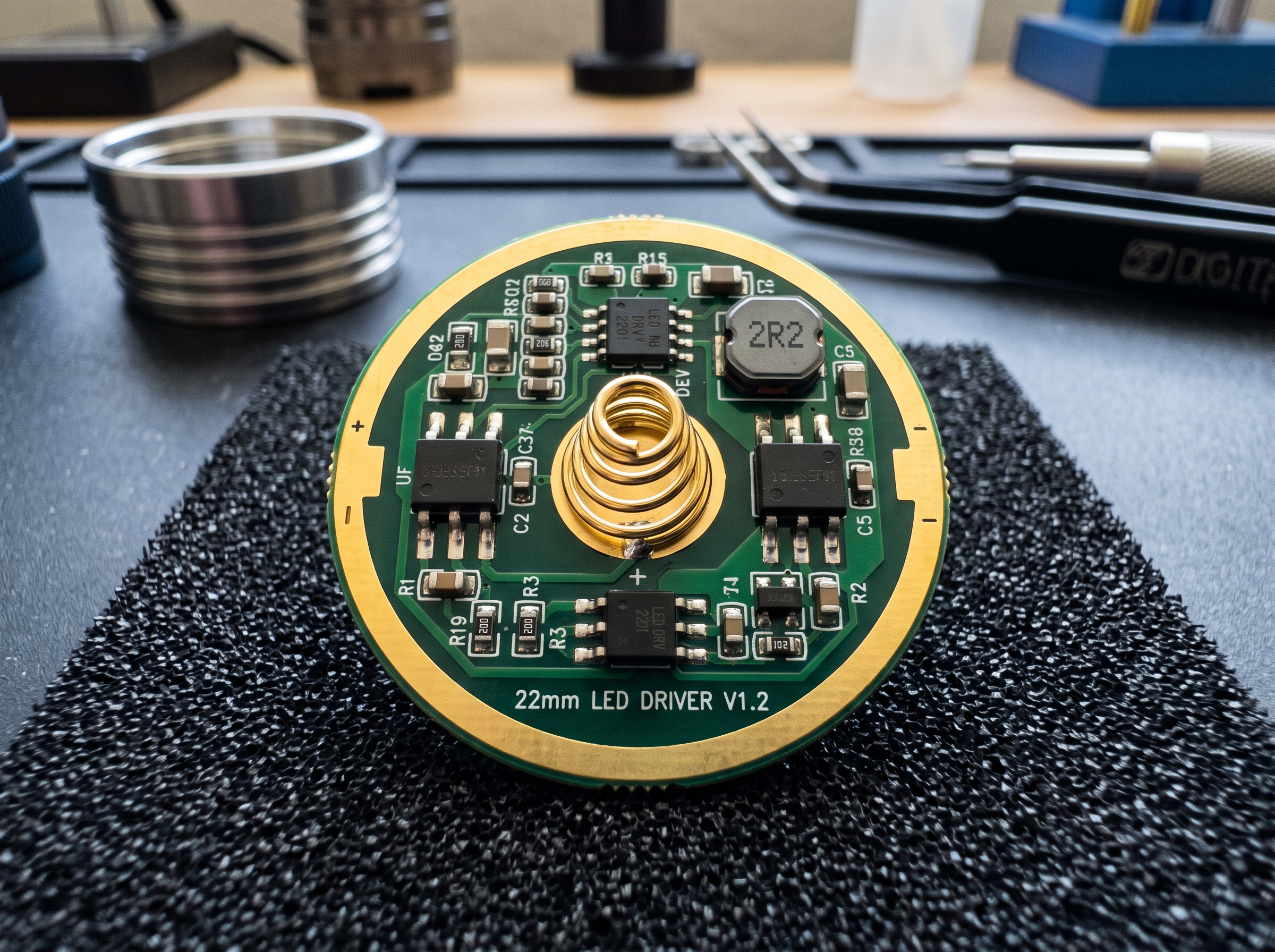
Portable Lighting Driver Boards
Flashlights · Headlamps · Tactical & Work Lights
Portable Lighting Driver Boards
Compact driver assemblies combining LED power regulation and mode controls with precise placement and high-reliability power terminations.
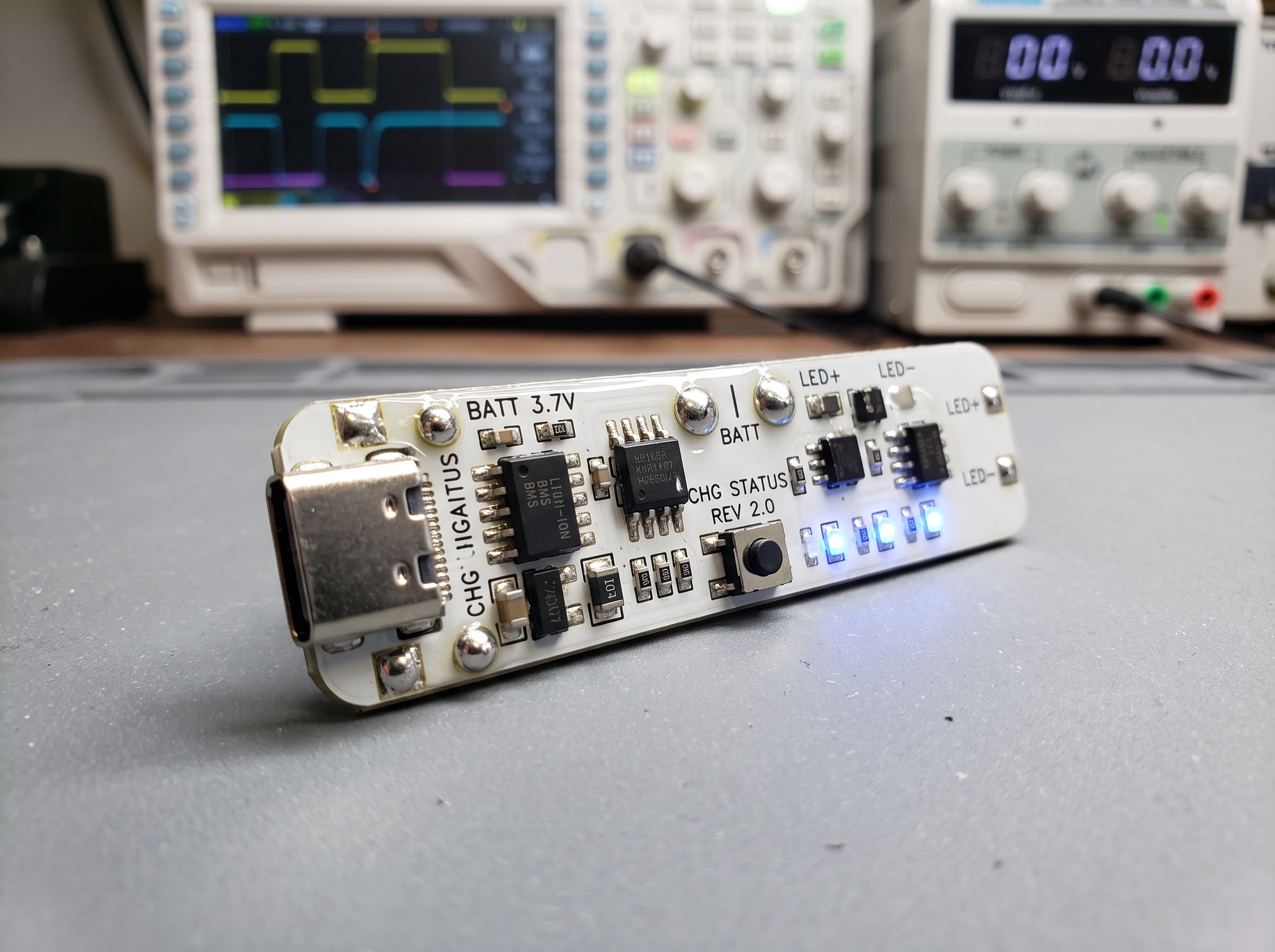
Battery & USB-C Charging Boards
Bicycle Lights · Portable Lanterns · Battery Packs
Battery & USB-C Charging Boards
Integrated LED drive, USB-C charging, and battery protection electronics built for compact, vibration-resistant outdoor enclosures.
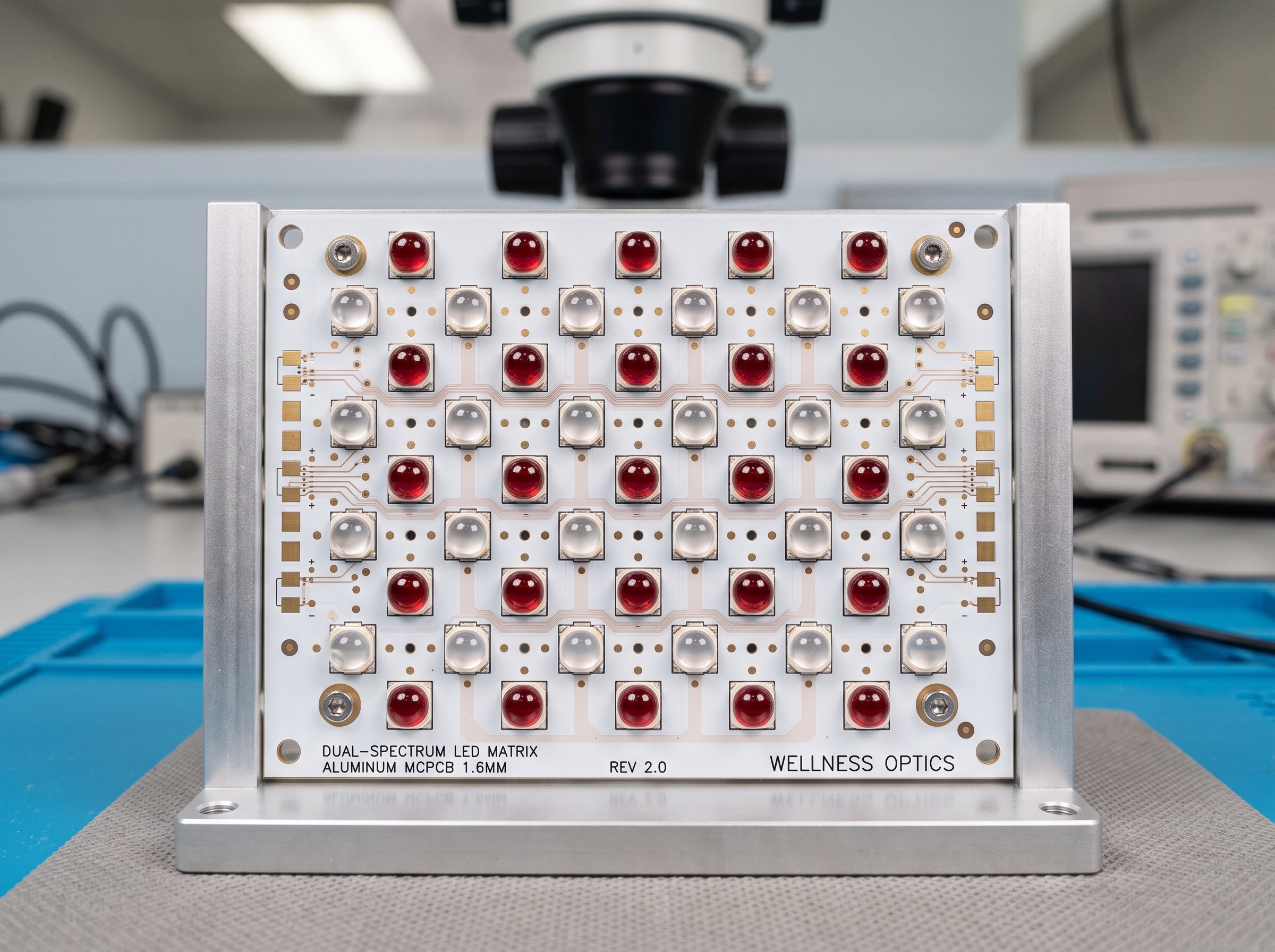
Beauty & Phototherapy LED Arrays
Red / NIR Masks · Therapy Panels · Handheld Applicators
Beauty & Phototherapy LED Arrays
Multi-wavelength emitter arrays combining uniform optical spacing, custom board geometry, and aluminum-core thermal dissipation.
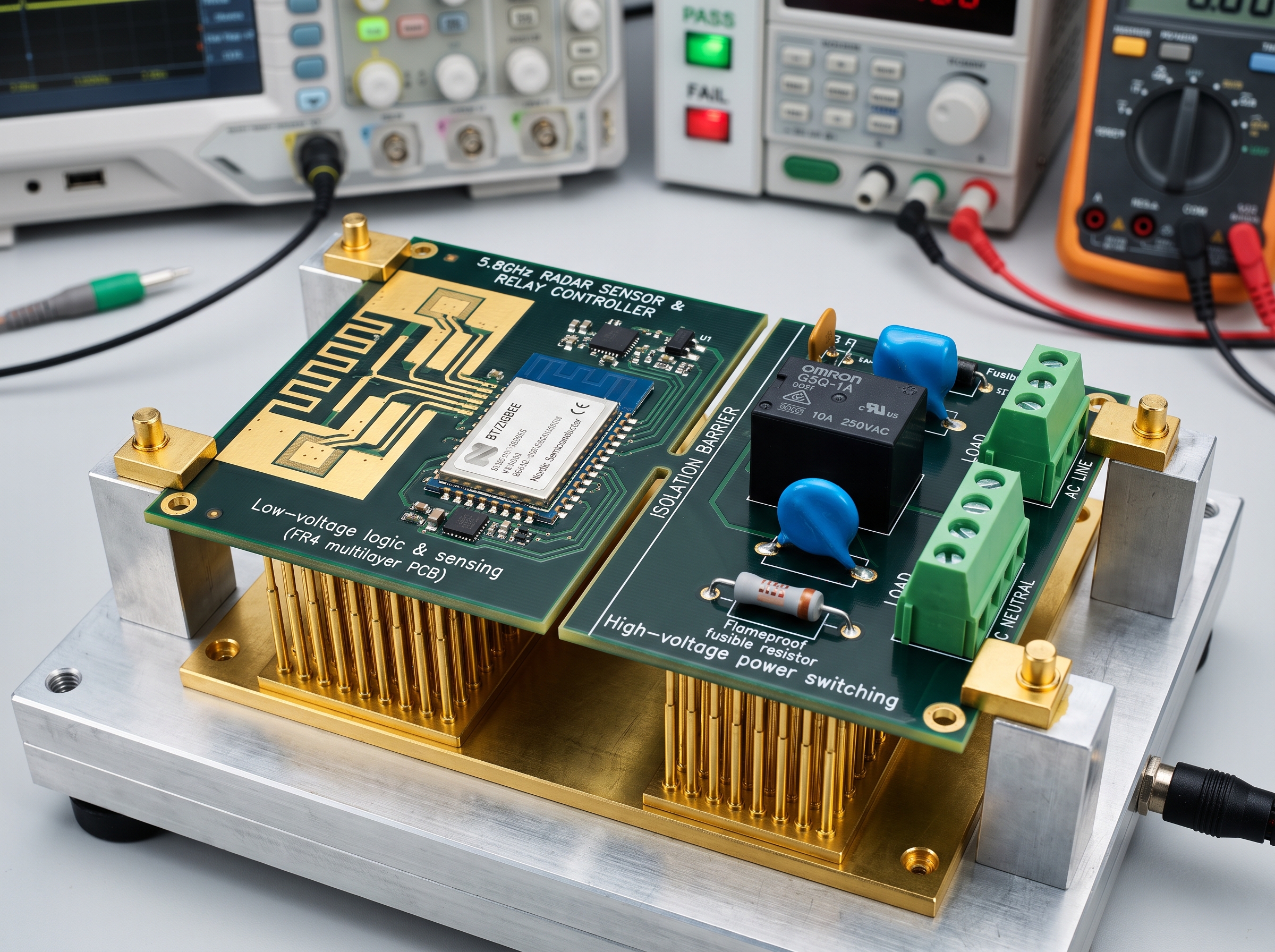
Occupancy Sensor & Control Boards
Wall Switches · Ceiling Detectors · Daylight Dimmers
Occupancy Sensor & Control Boards
Mixed SMT and through-hole assemblies integrating PIR or microwave detectors, power relays, and user controls in commercial switches.
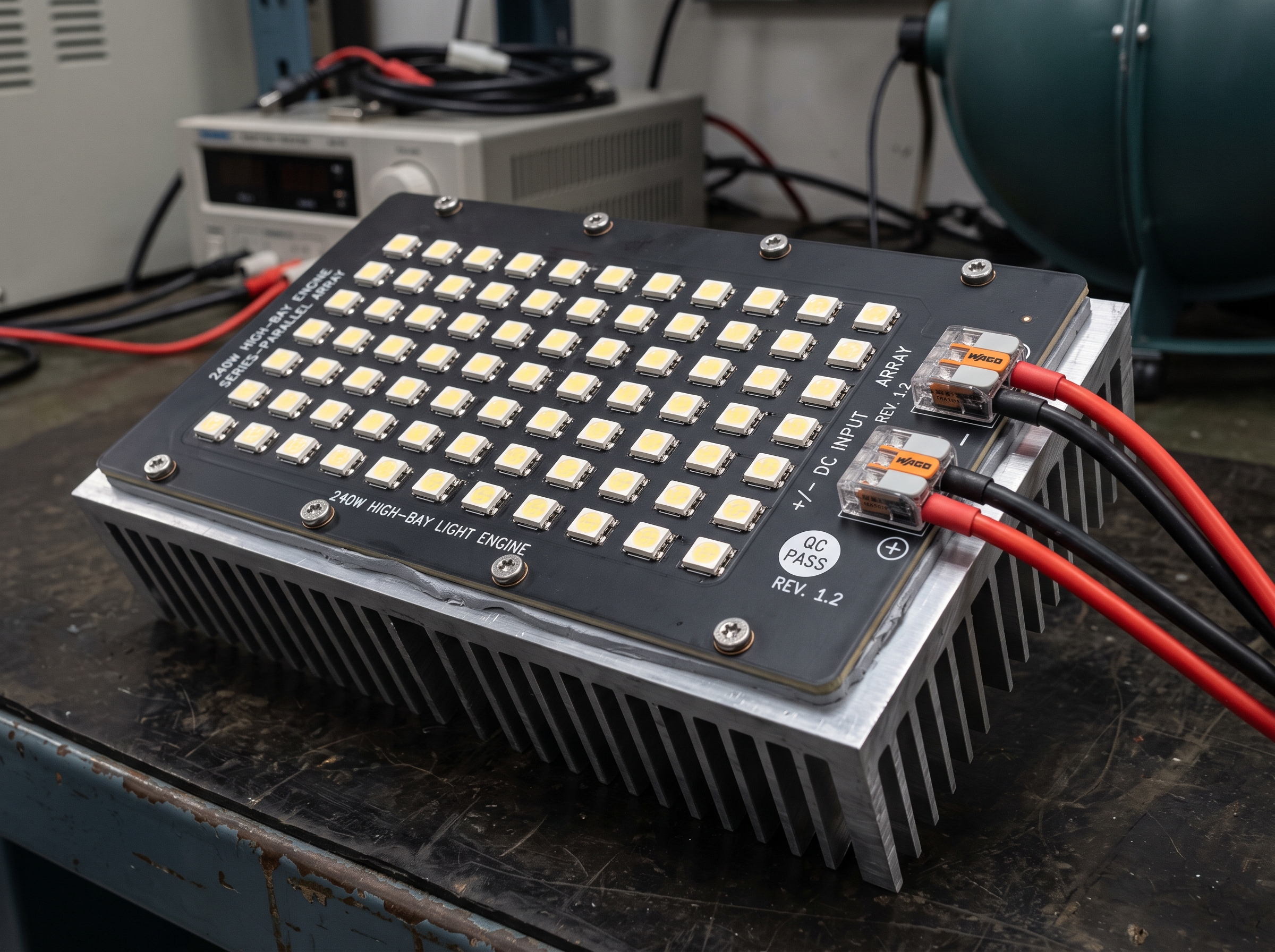
High-Power MCPCB Light Engines
High-Bay Luminaires · Floodlights · Grow Lights
High-Power MCPCB Light Engines
Metal-core LED boards engineered as part of the thermal path between high-power emitters and the heat sink with controlled lead-free reflow.
From Files to Finished Boards.
Engineering review, a clear build plan, sample validation, and production, with the key decisions agreed along the way.
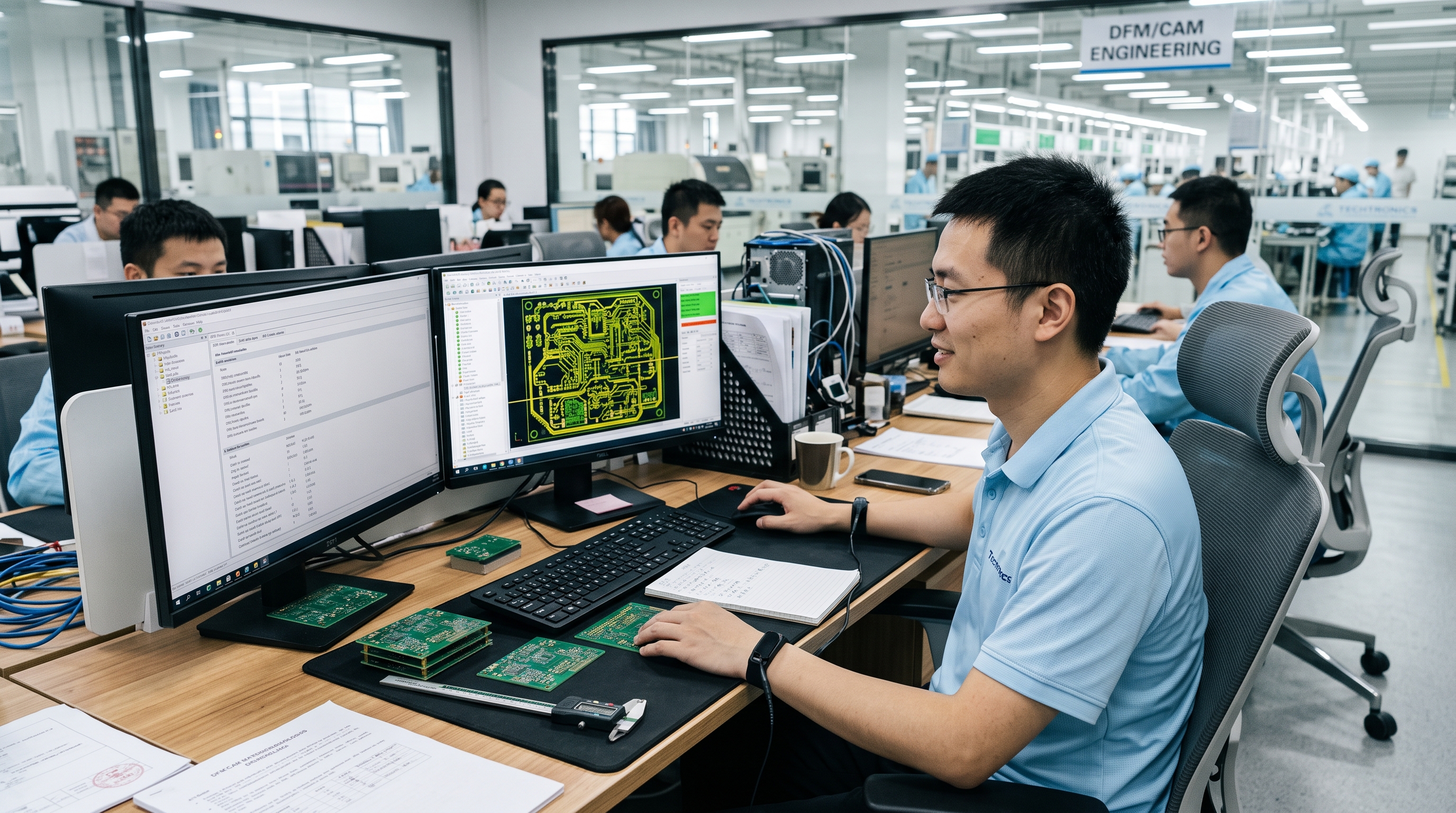
Start With What You Have.
Preliminary board files, a draft bill of materials (BOM), or a schematic are enough to begin the discussion. We review the design for manufacturability (DFM) and identify the points to resolve before production.
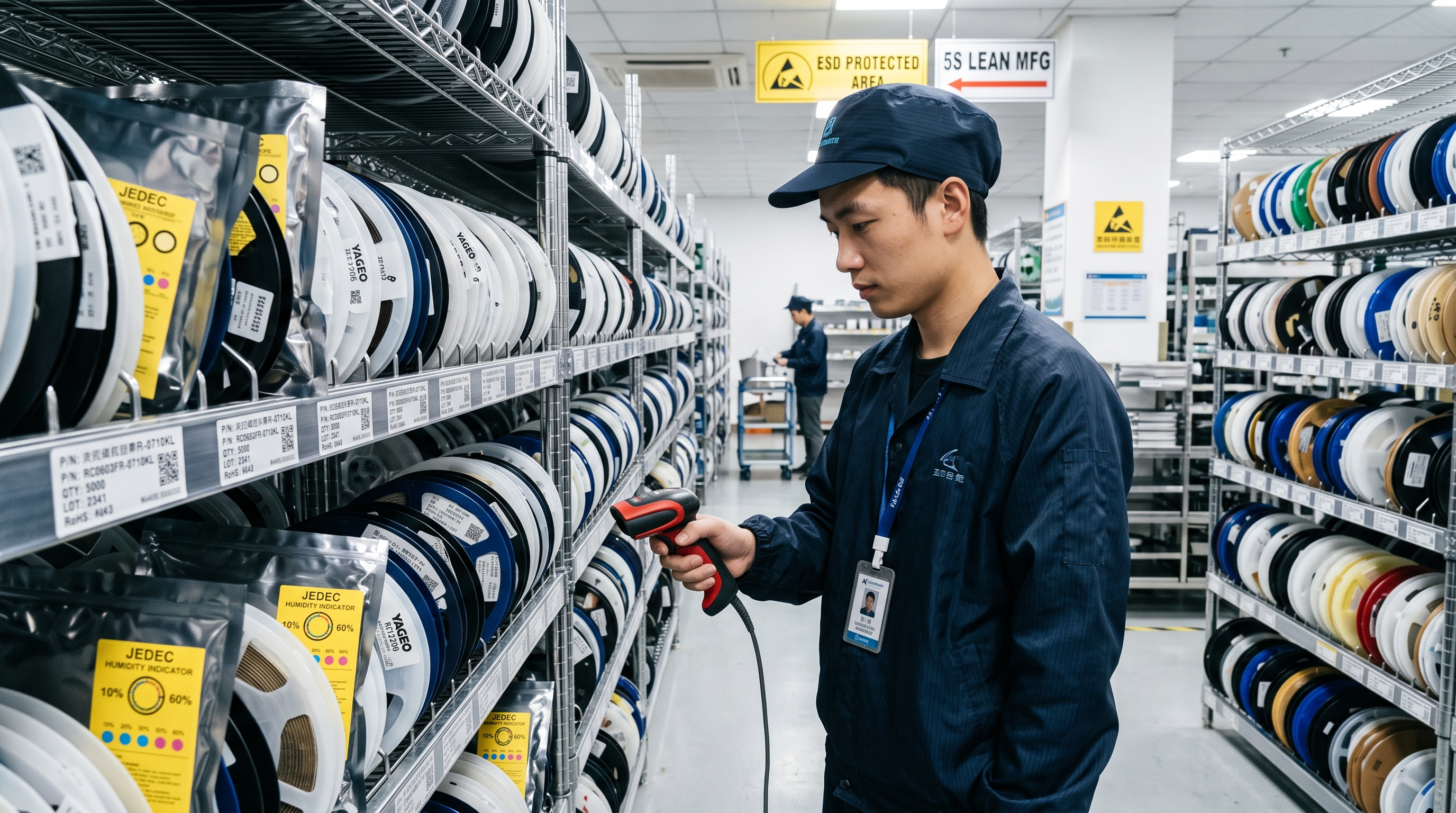
A Clear Build Plan.
We prepare a quotation around the PCB, components, and assembly required for the project. The inspection, testing, and acceptance requirements are agreed as part of the build plan, and we confirm sourcing responsibilities and the schedule with you before setup.
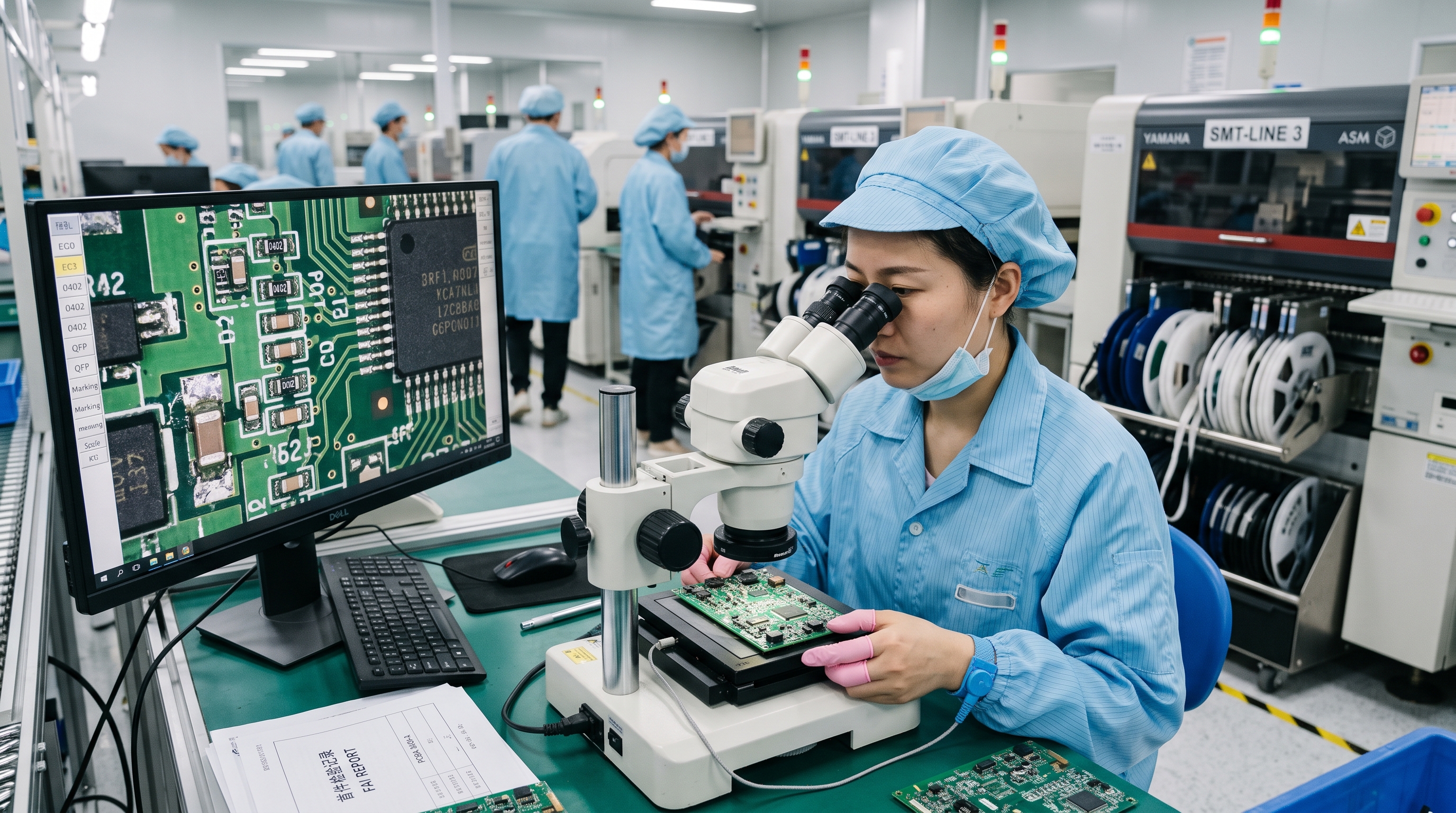
Samples Before Scale-Up.
We assemble and inspect the sample boards, then your team tests them in the product. The results feed into any manufacturing adjustments before moving into a pilot batch or volume production.
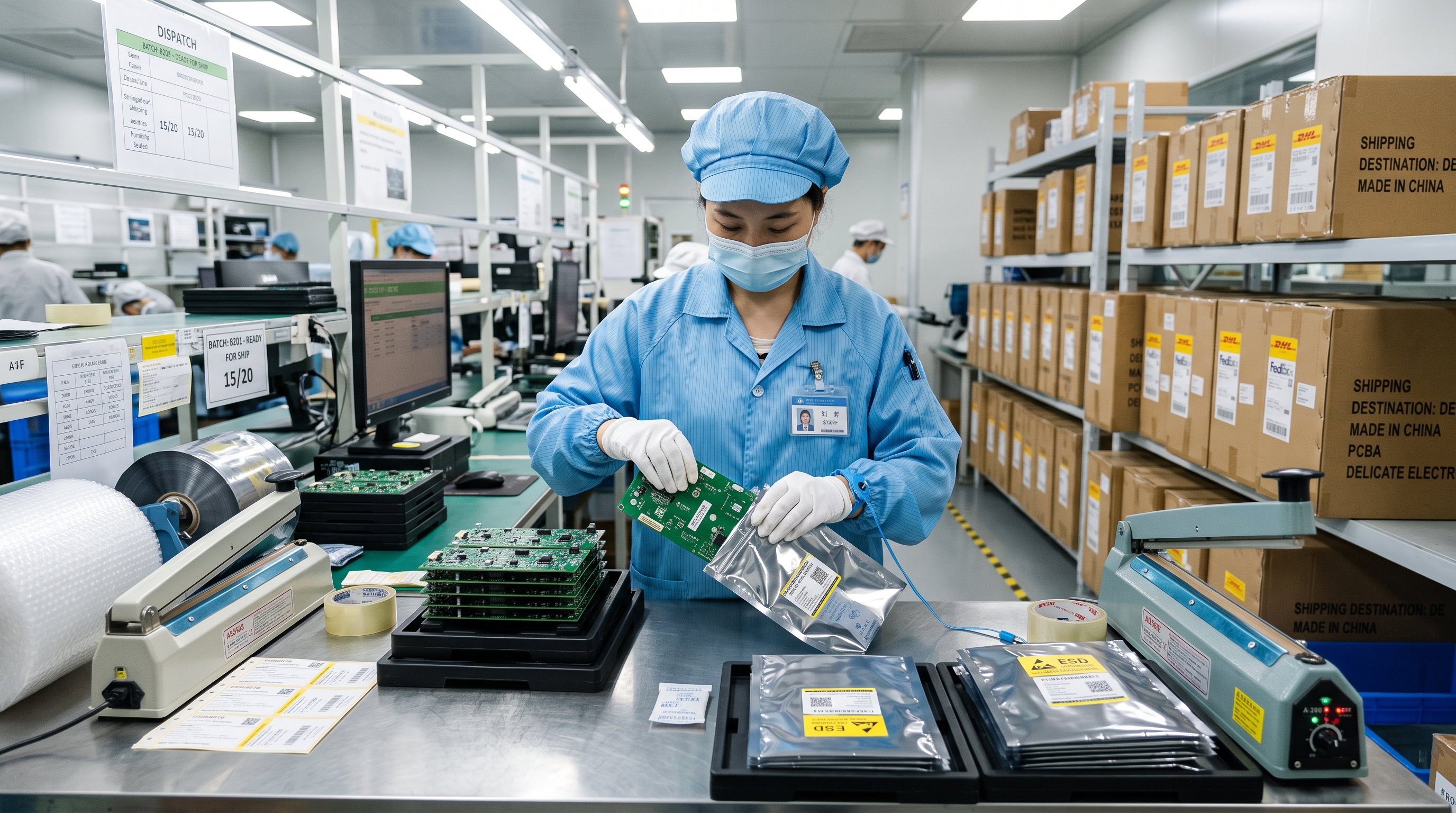
Production and Delivery.
After sample validation, new builds can move through a pilot batch before volume production. Assemblies complete the optical inspection and electrical or functional testing specified for the build, then move into protective packing and dispatch.
Preliminary files are enough to begin the engineering review.
Preliminary board files, a draft bill of materials (BOM), or a schematic are enough to start the discussion. We review the design for manufacturability (DFM) and identify the points to resolve before production.
Scope, sourcing modes, and test gates are locked in upfront.
We prepare a quotation around the PCB, components, and assembly required for the project. The inspection, testing, and acceptance requirements are agreed as part of the build plan before line setup.
Validate physical sample boards inside your actual product first.
We assemble and inspect the sample boards, then your team tests them in the product. The results feed into any manufacturing adjustments before moving into a pilot batch or volume production.
Pilot validation scales into AOI-verified production and dispatch.
After sample validation, new builds can move through a pilot batch before volume production. Assemblies complete the optical inspection and electrical or functional testing specified for the build, then move into protective packing and dispatch.
Every build advances through four explicit sign-off gates.
Instead of rushing unverified files to the SMT line, each milestone resolves engineering, sourcing, and test questions before the next commitment.
01
Start With What You Have
Current files & DFM review
+
−
Start With What You Have
Preliminary files are enough to begin.
Preliminary board files, a draft bill of materials (BOM), or a schematic are enough to start the discussion. We review the design for manufacturability (DFM) and identify the points to resolve before production.
02
A Clear Build Plan
Scope, sourcing & schedule
+
−
A Clear Build Plan
Every sourcing mode and inspection gate is agreed before setup.
We prepare a quotation around the PCB, components, and assembly required for the project. The inspection, testing, and acceptance requirements are agreed as part of the build plan, and we confirm sourcing responsibilities and the schedule with you before setup.
03
Samples Before Scale-Up
Assembly checks & validation
+
−
Samples Before Scale-Up
Test physical sample boards inside your actual product first.
We assemble and inspect the sample boards, then your team tests them in the product. The results feed into any manufacturing adjustments before moving into a pilot batch or volume production.
04
Production & Delivery
Pilot batches, AOI & dispatch
+
−
Production & Delivery
Pilot validation scales smoothly into AOI-verified production.
After sample validation, new builds can move through a pilot batch before volume production. Assemblies complete the optical inspection and electrical or functional testing specified for the build, then move into protective packing and dispatch.
Audited Manufacturing Discipline.
We have built long-term supplier relationships with Fortune Global 500 customers and passed demanding supplier audits.
Long-term supplier to Fortune Global 500 customers.
Multi-year enterprise supply relationships bring proven engineering, traceability, and purchasing discipline to every project we support.
Passed demanding on-site audits and customer reviews.
Recurring customer quality reviews are an established part of our daily factory governance rather than a one-off certification.
First-article, in-line AOI, and functional test gates.
Inspection, electrical testing, and acceptance requirements are locked into the build plan before production begins on your board.






Start with what
you have.
Draft files, incomplete BOMs, and early questions are welcome. Whether you’re planning a prototype or preparing a production order, share what you have for your PCB assembly project. We’ll review the available information with you and help clarify the next step.
Preliminary files welcome
Start with Gerbers, a BOM, a schematic, or your project question.
Engineering review
Discuss assembly requirements with the team involved in your build.
Clear next steps
Understand what needs to be confirmed before production.