
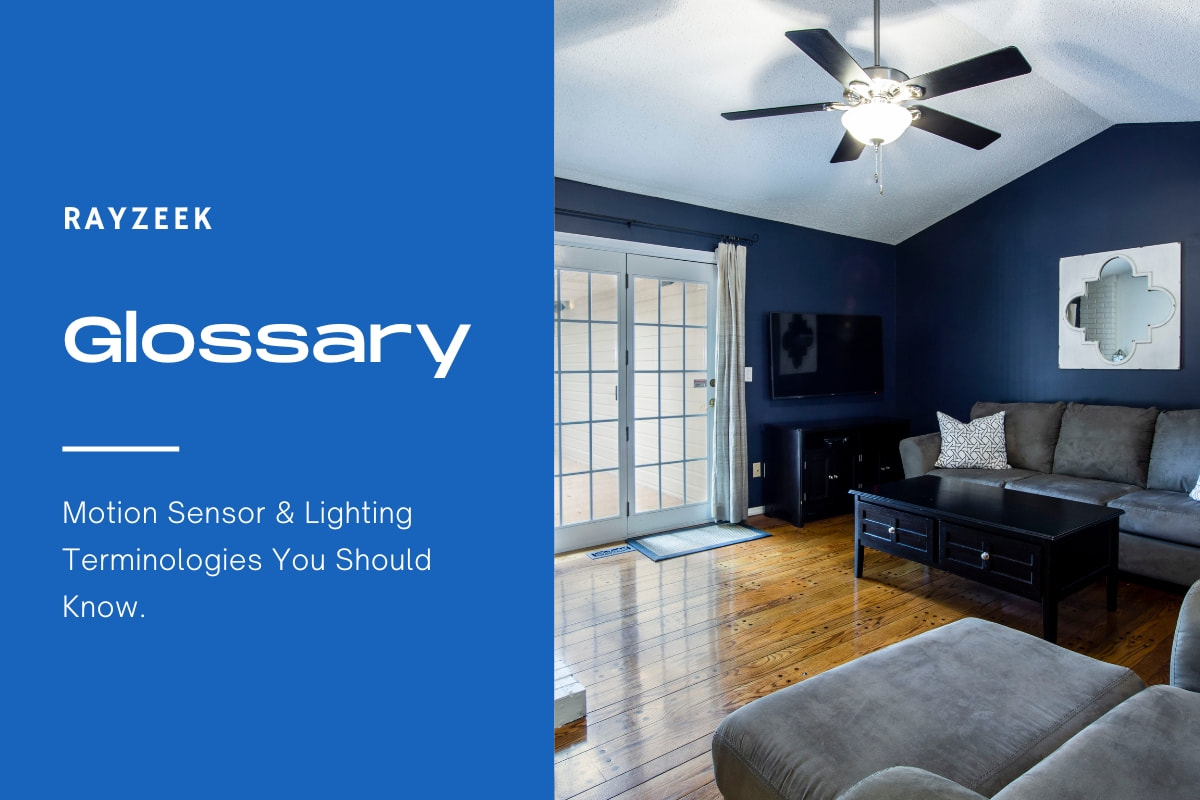
What is Incandescent Light
An incandescent light, also known as an incandescent bulb or lamp, is a type of electric light source that produces light through the process of incandescence. This process involves passing an electrical current through a wire filament, typically made of tungsten, which causes the filament to heat up and emit light. The bulb is designed to contain a vacuum or an inert gas, such as argon or nitrogen, to prevent the filament from burning.
Get Inspired by Rayzeek Motion Sensor Portfolios.
Doesn't find what you want? Don't worry. There are always alternate ways to solve your problems. Maybe one of our portfolios can help.
Incandescent lights are characterized by their warm and soft light output, which creates a cozy and inviting atmosphere. They have a color temperature of around 2700K, resulting in a warm white light. However, one drawback of incandescent lights is their low energy efficiency. They convert a significant portion of the electrical energy into heat rather than light, making them less energy-efficient compared to other lighting technologies.
In terms of power consumption, incandescent lights typically have higher wattage ratings, meaning they require more electricity to produce the same amount of light as other types of bulbs. Additionally, the lifespan of incandescent lights is relatively shorter, typically ranging from 1,000 to 2,000 hours. This is significantly shorter than the lifespan of compact fluorescent lamps (CFLs) or light-emitting diode (LED) bulbs.
Despite their drawbacks, incandescent lights have the advantage of being dimmable, allowing for adjustable light levels and creating different ambiance in a space. However, due to their low energy efficiency and environmental impact, incandescent lights have been phased out or restricted in many countries. This is part of a global effort to promote more sustainable and energy-efficient lighting options, such as CFLs and LEDs.
Maybe You Are Interested In

- Ceiling-mounted RZ037 PIR occupancy sensor dimmer for 220V power
- 3A maximum working current with 660W rated load
- LUX button controls light-sensor ON/OFF and user-set dimming brightness
- Ceiling-mounted RZ037 PIR occupancy sensor dimmer for 110V power
- 3A maximum working current with 330W rated load
- LUX button controls light-sensor ON/OFF and user-set dimming brightness
- Ceiling-mounted PIR occupancy sensor with dry-contact relay output
- 12/24VDC or 12/24VAC low-voltage supply
- COM, NO, and NC isolated relay contacts for EMS, HVAC, and building control inputs
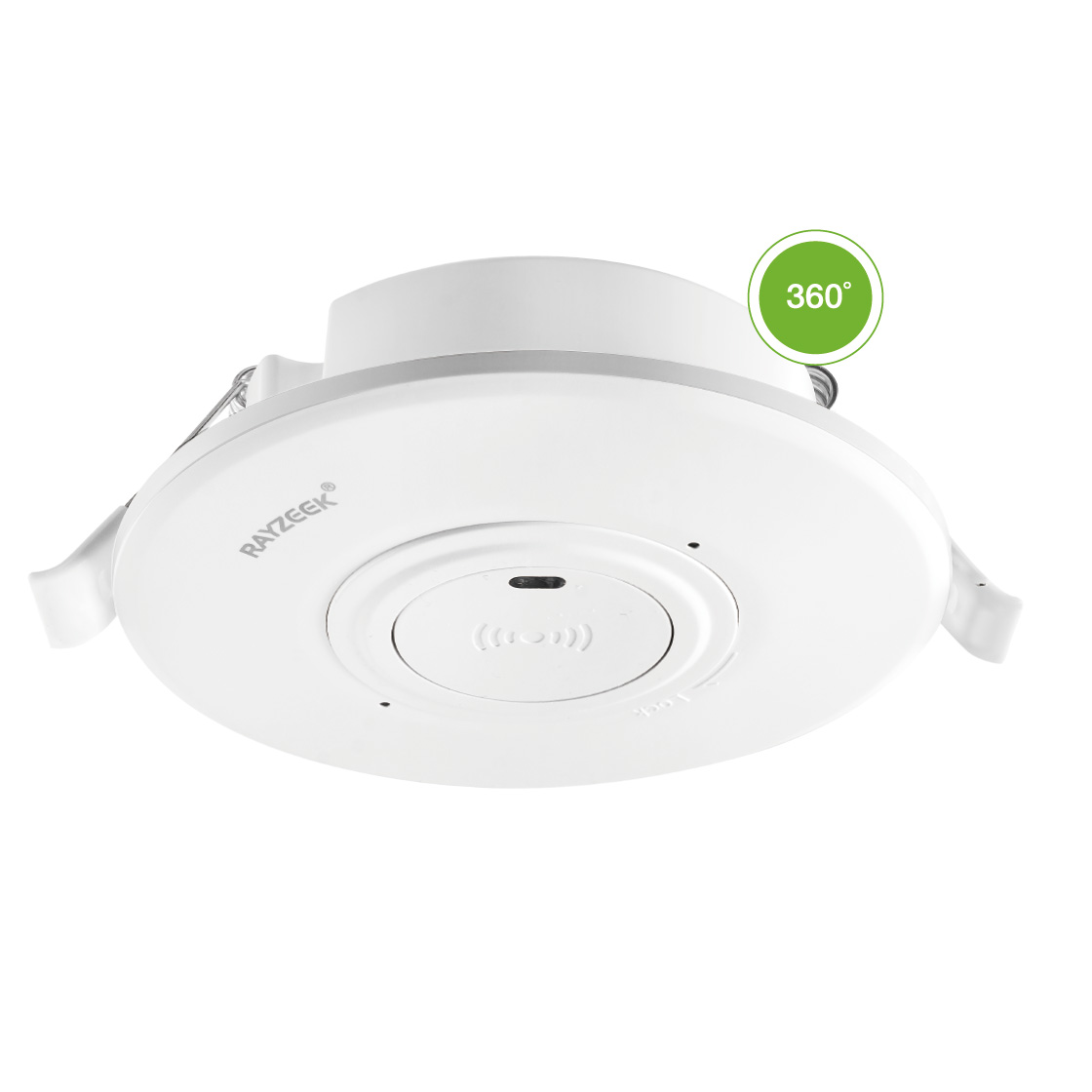
- Low-voltage DC recessed ceiling-mounted microwave motion sensor switch
- 12 VDC / 24 VDC input with 10-30 VDC range
- 10A max work current with adjustable time delay, Lux threshold, and sensitivity
- Higher-load recessed ceiling-mounted microwave motion sensor switch
- 100-265 VAC line-voltage input, 10A model
- 5.8 GHz microwave sensing with adjustable time delay, Lux threshold, and sensitivity
- Recessed ceiling-mounted microwave motion sensor switch
- 100-265 VAC line-voltage input, 5A model
- 5.8 GHz microwave sensing with adjustable time delay, Lux threshold, and sensitivity

- Low-voltage DC ceiling-mounted microwave motion sensor switch
- 12 VDC / 24 VDC input with 10-30 VDC range
- 10A max work current with adjustable time delay, Lux threshold, and sensitivity
- Higher-load ceiling-mounted microwave motion sensor switch
- 100-265 VAC line-voltage input, 10A model
- 5.8 GHz microwave sensing with adjustable time delay, Lux threshold, and sensitivity
- Ceiling-mounted microwave motion sensor switch
- 100-265 VAC line-voltage input, 5A model
- 5.8 GHz microwave sensing with adjustable time delay, Lux threshold, and sensitivity
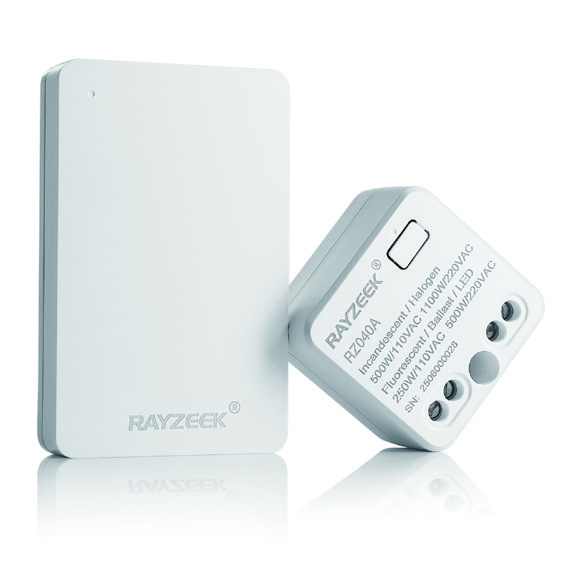
- Wireless switch and receiver kit for indoor ON/OFF lighting control
- 100-230VAC, 50/60Hz receiver with 5A rated current
- CR2032-powered wireless switch with 2.4GHz communication
- Occupancy (Auto-ON/Auto-OFF)
- 12–24V DC (10–30VDC), up to 10A
- 360° coverage, 8–12 m diameter
- Time delay 15 s–30 min
- Light sensor Off/15/25/35 Lux
- High/Low sensitivity
- Auto-ON/Auto-OFF occupancy mode
- 100–265V AC, 10A (neutral required)
- 360° coverage; 8–12 m detection diameter
- Time delay 15 s–30 min; Lux OFF/15/25/35; Sensitivity High/Low
- Auto-ON/Auto-OFF occupancy mode
- 100–265V AC, 5A (neutral required)
- 360° coverage; 8–12 m detection diameter
- Time delay 15 s–30 min; Lux OFF/15/25/35; Sensitivity High/Low
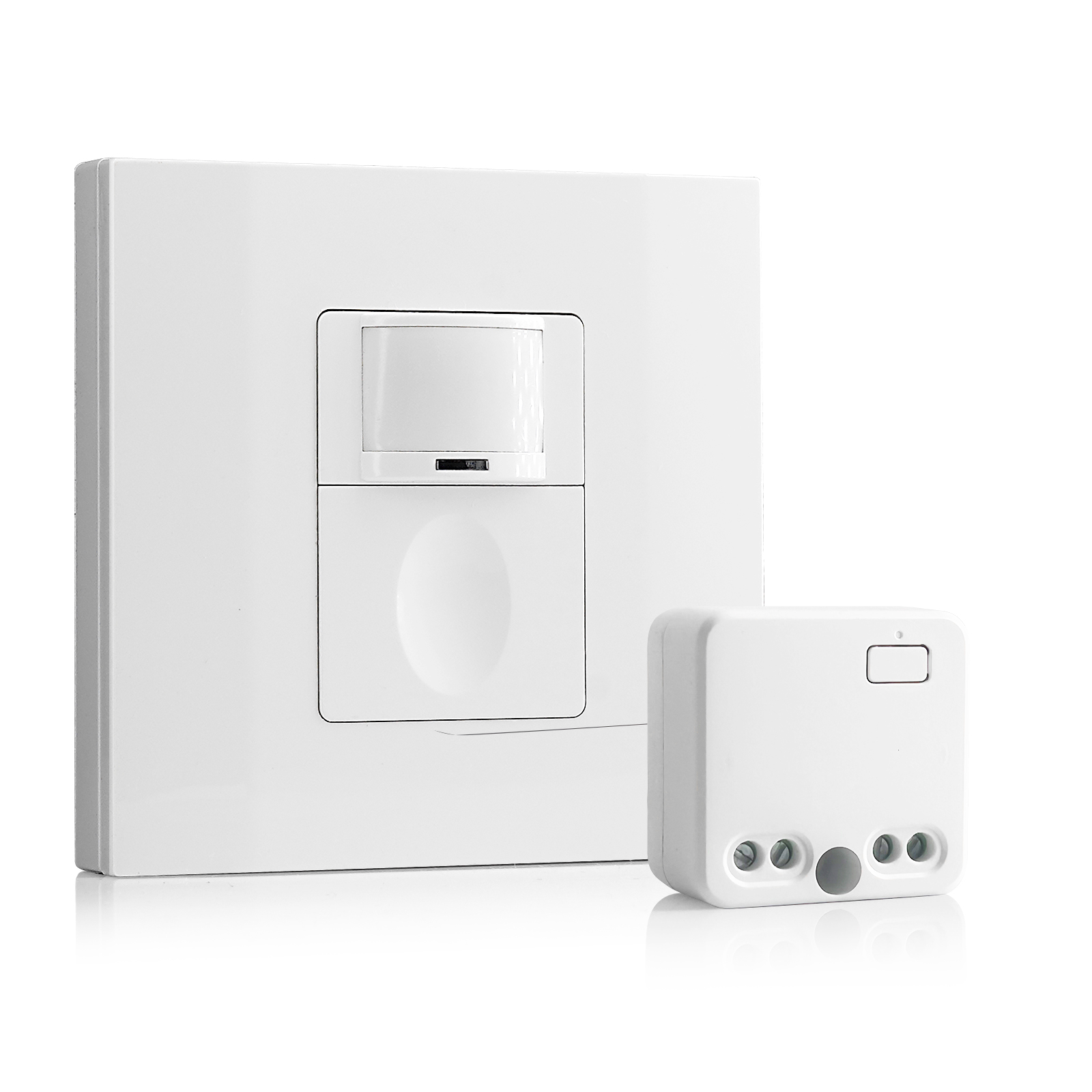
- 100V-230VAC
- Transmission Distance: up to 20m
- Wireless motion sensor
- Hardwired control
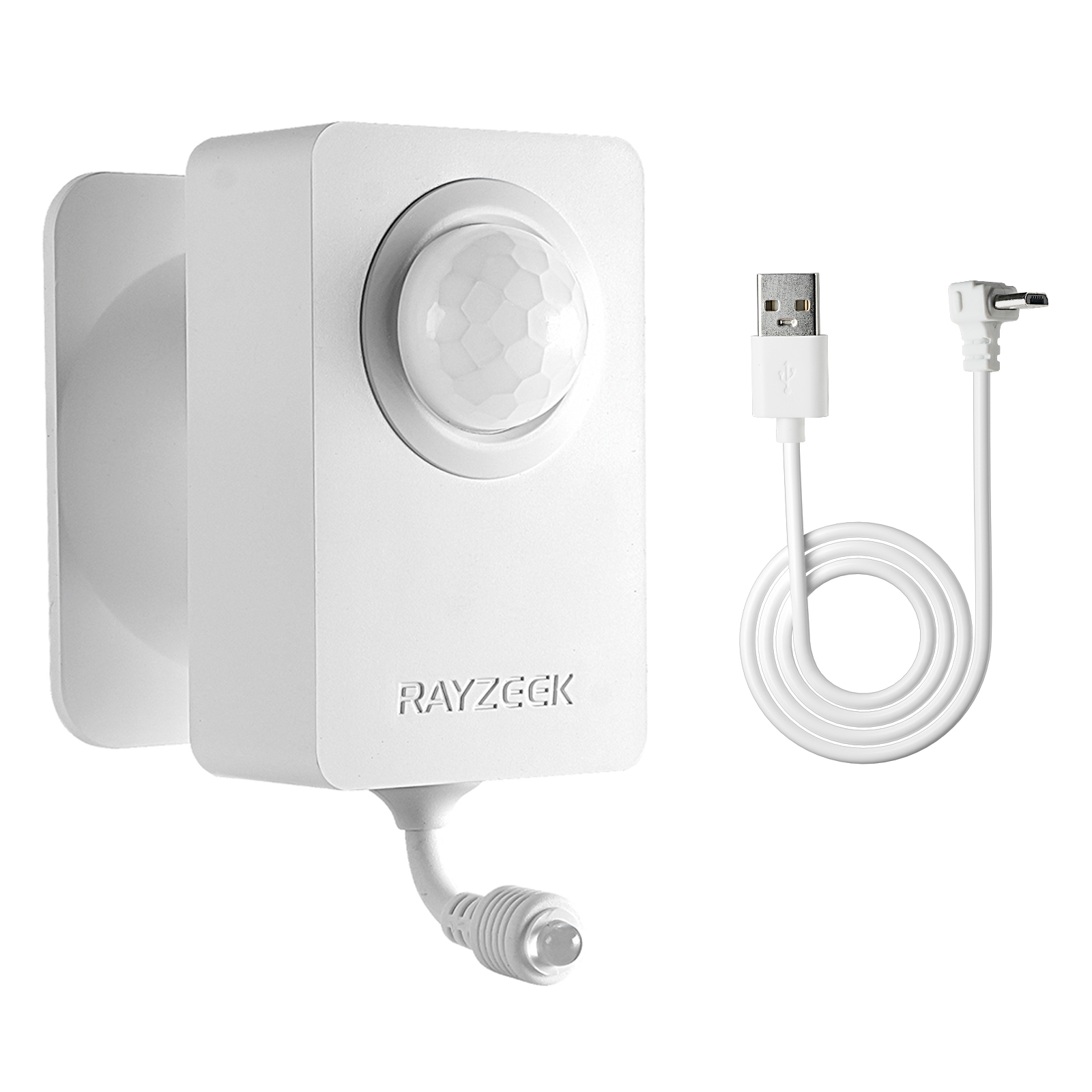
- Voltage: 2x AAA Batteries / 5V DC (Micro USB)
- Day/Night Mode
- Time delay: 15min, 30min, 1h(default), 2h
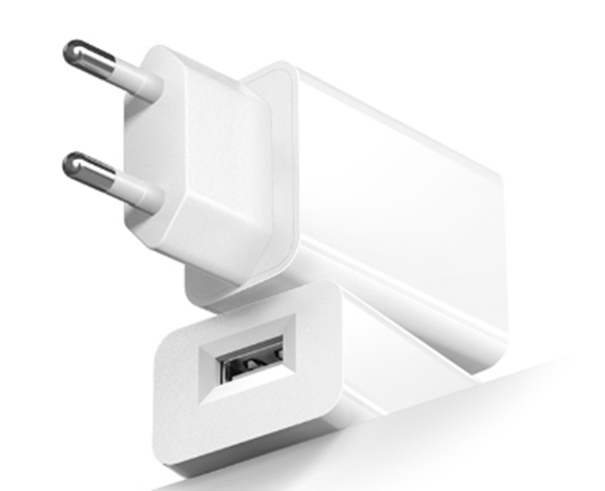
- EU plug power adapter
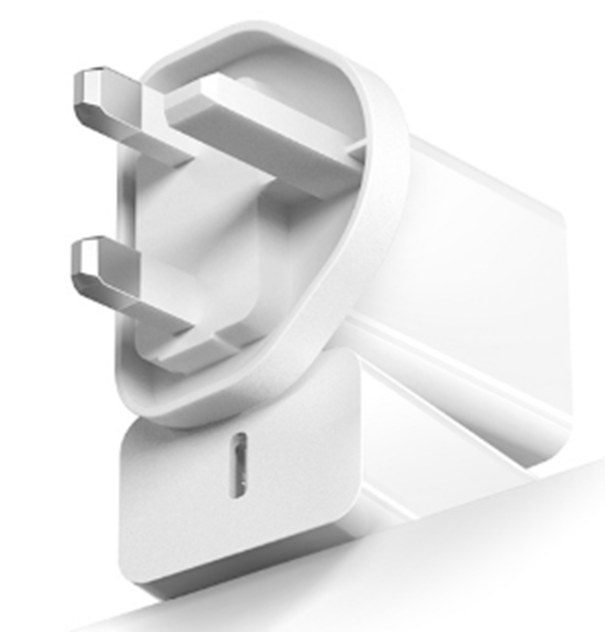
- UK plug power adapter
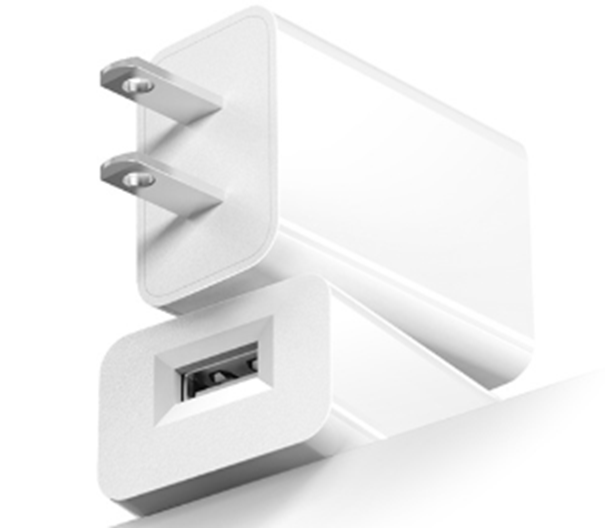
- US plug power adapter
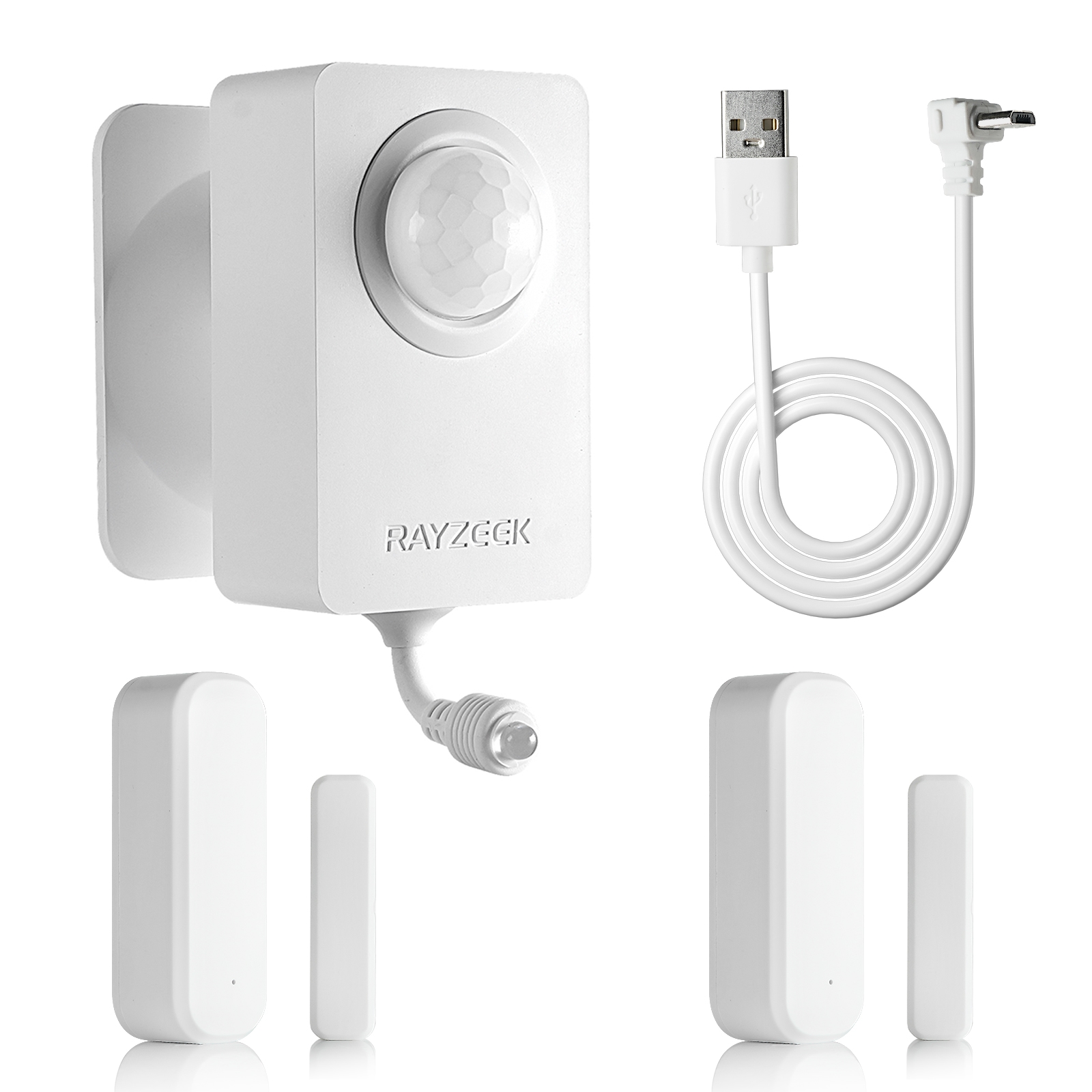
- 5V DC
- Transmission Distance: up to 30m
- Day/Night mode
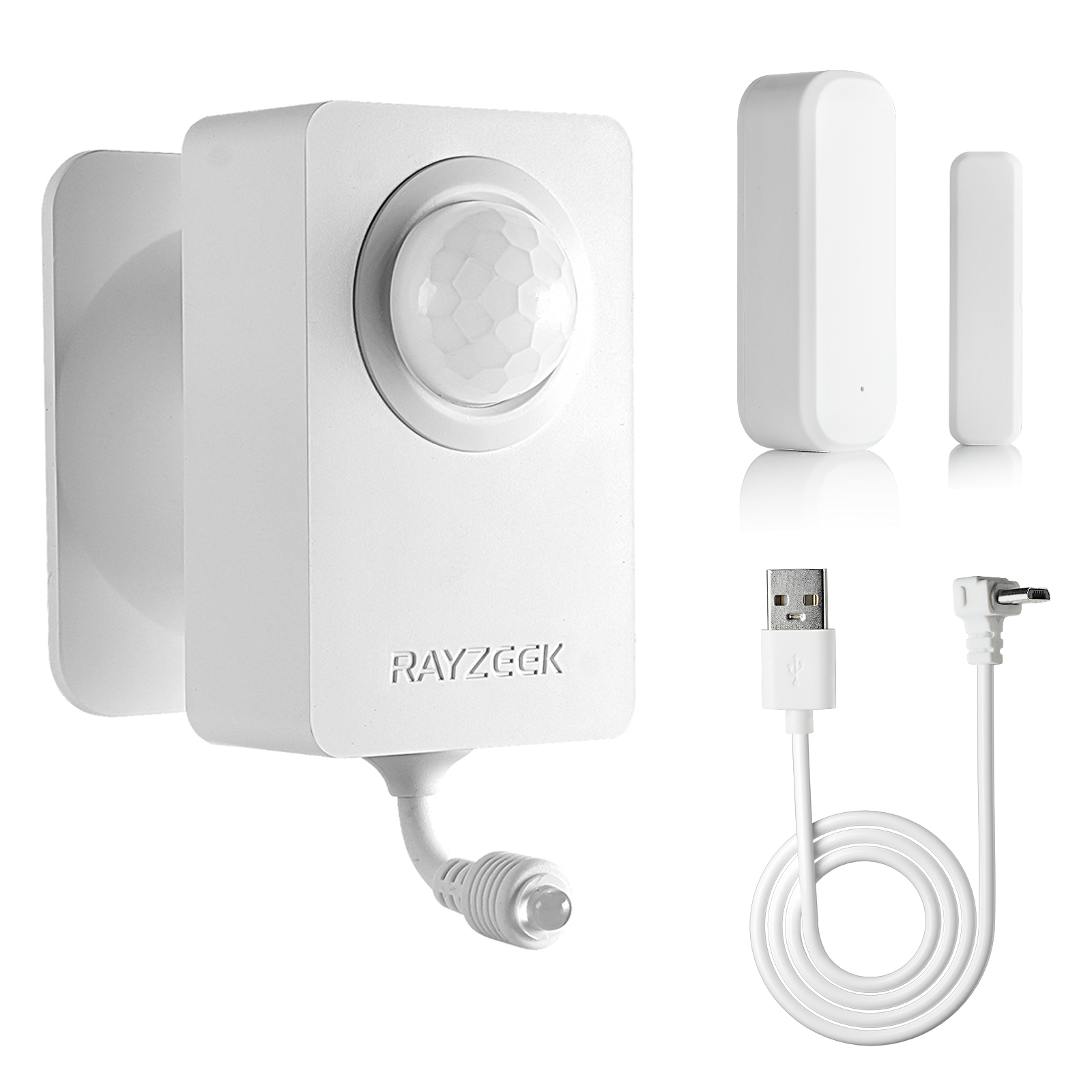
- 5V DC
- Transmission Distance: up to 30m
- Day/Night mode
Frequently Asked Questions
Are LED Lights Incandescent
LED lights are different from incandescent bulbs because they are electrical components that produce light by the movement of electrons in a semiconductor device.
How Do I Know if My Light Bulb Is Incandescent
If the bulb is almost hot to the touch when you put your thumb directly on top of it, then it is likely an incandescent bulb. However, if it feels almost cool or barely warm, then it is probably an LED light.






