

What is MOCVD
MOCVD, or Metal Organic Chemical Vapor Deposition, is a technique utilized in the lighting industry for depositing thin films of materials onto a substrate. This process involves the use of metal organic precursors, which are heated within a reactor chamber to produce a vapor. The resulting vapor then reacts with a semiconductor substrate, leading to the formation of a thin film. MOCVD is performed under carefully controlled conditions, including precise control over temperature, pressure, and gas flow rates.
Ces produits pourraient vous intéresser

- Détecteur de présence PIR pour montage au plafond avec sortie relais à contact sec
- Alimentation basse tension 12/24VDC ou 12/24VAC
- Contacts de relais isolés COM, NO et NC pour les entrées de gestion technique des bâtiments (GTB), de CVC et de contrôle des bâtiments

- Interrupteur détecteur de mouvement à micro-ondes basse tension DC encastrable au plafond
- Entrée 12 VDC / 24 VDC avec une plage de 10-30 VDC
- Courant de fonctionnement max de 10A avec temporisation, seuil Lux et sensibilité réglables
- Interrupteur détecteur de mouvement à micro-ondes encastrable au plafond pour charges plus élevées
- Entrée de tension secteur 100-265 VAC, modèle 10A
- Détection micro-ondes 5,8 GHz avec temporisation, seuil Lux et sensibilité réglables
- Interrupteur détecteur de mouvement à micro-ondes encastrable au plafond
- Entrée de tension secteur 100-265 VAC, modèle 5A
- Détection micro-ondes 5,8 GHz avec temporisation, seuil Lux et sensibilité réglables
- Variateur détecteur de présence PIR RZ037 pour montage au plafond pour alimentation 220V
- Courant de fonctionnement maximum de 3A avec charge nominale de 660W
- Le bouton LUX contrôle l'activation/désactivation du capteur de lumière et la luminosité de variation définie par l'utilisateur
- Variateur détecteur de présence PIR RZ037 pour montage au plafond pour alimentation 110V
- Courant de fonctionnement maximum de 3A avec charge nominale de 330W
- Le bouton LUX contrôle l'activation/désactivation du capteur de lumière et la luminosité de variation définie par l'utilisateur

- Interrupteur de détecteur de mouvement à micro-ondes pour montage au plafond, CC basse tension
- Entrée 12 VDC / 24 VDC avec une plage de 10-30 VDC
- Courant de fonctionnement max de 10A avec temporisation, seuil Lux et sensibilité réglables
- Interrupteur de détecteur de mouvement à micro-ondes pour montage au plafond à charge plus élevée
- Entrée de tension secteur 100-265 VAC, modèle 10A
- Détection micro-ondes 5,8 GHz avec temporisation, seuil Lux et sensibilité réglables
- Interrupteur de détecteur de mouvement à micro-ondes pour montage au plafond
- Entrée de tension secteur 100-265 VAC, modèle 5A
- Détection micro-ondes 5,8 GHz avec temporisation, seuil Lux et sensibilité réglables

- Interrupteur de détecteur de mouvement PIR encastré au plafond, CC basse tension
- Entrée 12 VDC / 24 VDC avec une plage de 10-30 VDC
- Courant de fonctionnement max. 10A avec temporisation, seuil Lux et sensibilité réglables

- Interrupteur de détecteur de mouvement PIR encastré au plafond à charge plus élevée
- Entrée de tension secteur 100-265 VAC, modèle 10A
- Détection à 360 degrés avec temporisation, seuil Lux et sensibilité réglables
- Interrupteur de détecteur de mouvement PIR encastré au plafond
- Entrée de tension secteur 100-265 VAC, modèle 5A
- Détection à 360 degrés avec temporisation, seuil Lux et sensibilité réglables

- Kit d'interrupteur et récepteur sans fil pour le contrôle de l'éclairage intérieur ON/OFF
- Récepteur 100-230VAC, 50/60Hz avec courant nominal de 5A
- Interrupteur sans fil alimenté par pile CR2032 avec communication 2.4GHz
- Mode d'occupation (Auto-ON/Auto-OFF)
- 12–24V DC (10–30VDC), jusqu'à 10A
- Couverture à 360°, diamètre de 8–12 m
- Temporisation de 15 s à 30 min
- Capteur de lumière Désactivé/15/25/35 Lux
- Sensibilité Haute/Basse
- Mode d'occupation Auto-ON/Auto-OFF
- 100–265V AC, 10A (neutre requis)
- Couverture à 360° ; diamètre de détection de 8–12 m
- Temporisation de 15 s à 30 min ; Lux DÉSACTIVÉ/15/25/35 ; Sensibilité Haute/Basse
- Mode d'occupation Auto-ON/Auto-OFF
- 100–265V AC, 5A (neutre requis)
- Couverture à 360° ; diamètre de détection de 8–12 m
- Temporisation de 15 s à 30 min ; Lux DÉSACTIVÉ/15/25/35 ; Sensibilité Haute/Basse
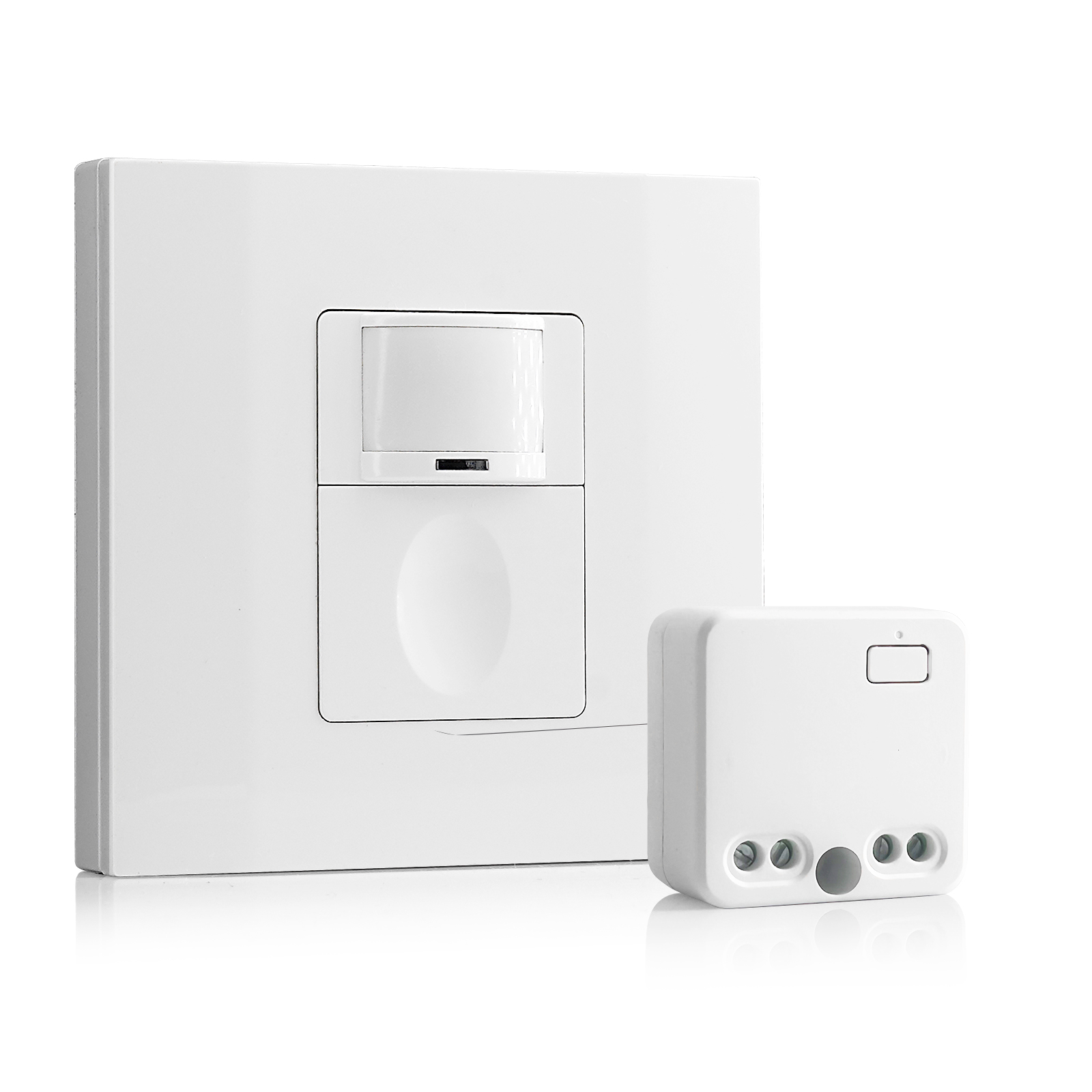
- 100V-230VAC
- Distance de transmission : jusqu'à 20m
- Détecteur de mouvement sans fil
- Contrôle filaire
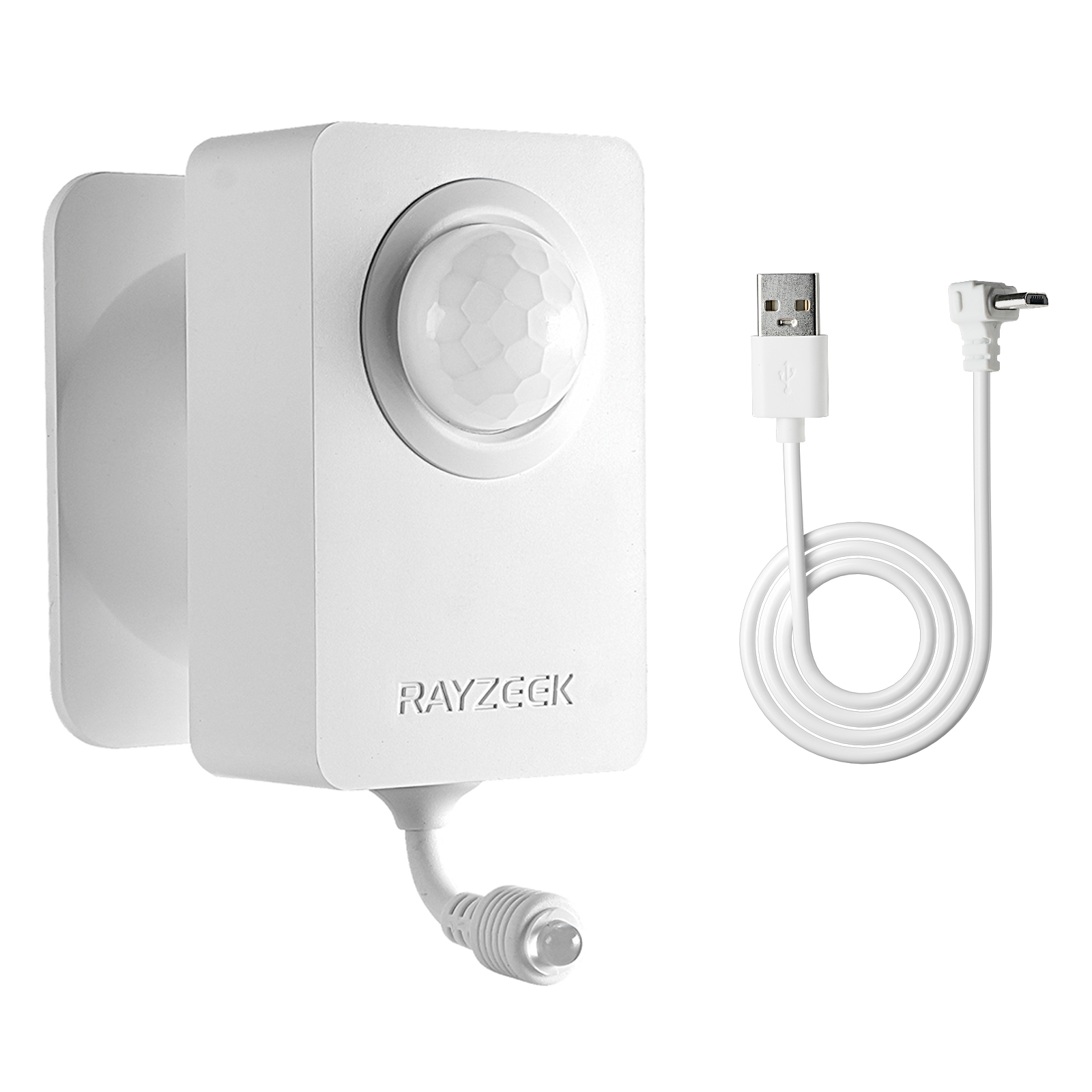
- Tension : 2x piles AAA / 5V DC (Micro USB)
- Mode Jour/Nuit
- Temporisation : 15min, 30min, 1h (par défaut), 2h
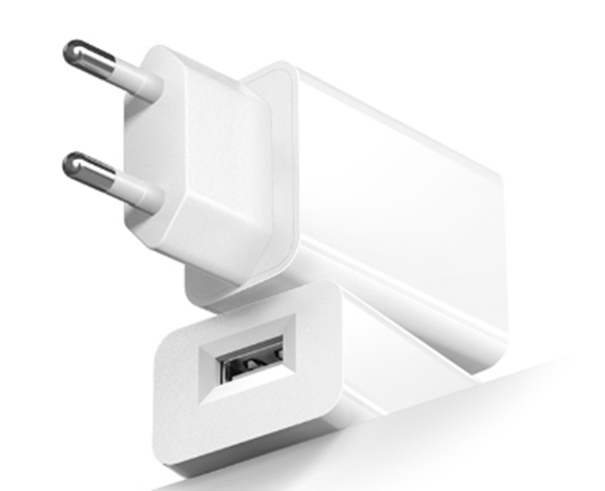
- Adaptateur secteur prise UE
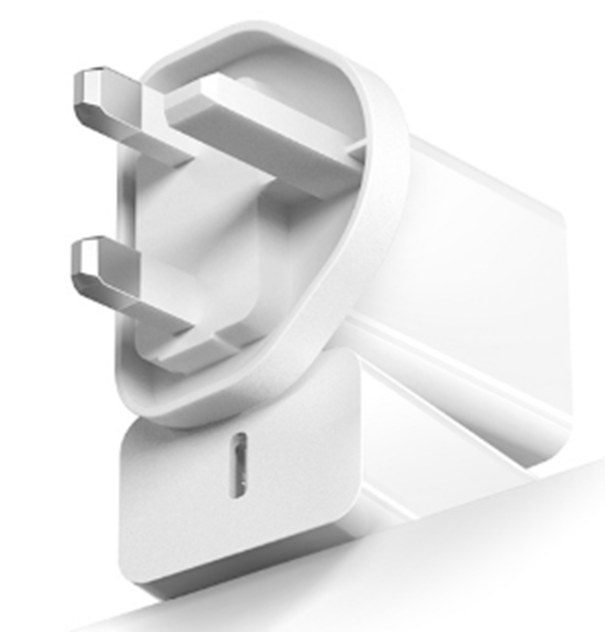
- Adaptateur secteur prise UK
Frequently Asked Questions
How Does MOCVD Work
In the MOCVD process, a heated wafer is exposed to a gas stream containing ‘precursors’ such as trimethylgallium and ammonia (TMGa, NH3). These precursors decompose when heated, typically at temperatures ranging from 400°C to 1300°C depending on the material to be deposited.
What Is the Difference Between CVD and MOCVD
Metal Organic Chemical Vapor Deposition (MOCVD) is a modified version of chemical vapor deposition (CVD) [22,23]. It is utilized to produce high purity crystalline semiconducting thin films and micro/nano structures.
What Is the Difference Between MOCVD and MOVPE
MOCVD, also referred to as MOVPE or OMVPE, is a widely used method for growing III-V group semiconductor materials on a silicon substrate.
What Are the Advantages of MOCVD
In addition to its ability to achieve high-precision manufacturing, MOCVD offers the advantage of depositing thin films at high volumes. This large-scale production capability is more accurate compared to other methods. Furthermore, MOCVD is a flexible process, making it a more economical choice when compared to alternative processes.
How Much Does MOCVD Cost
Many companies provide subsidies ranging from 8-10 million yuan (approximately $1.2 to $1.5 million) for the purchase of MOCVD reactors. These reactors, which belong to the latest generation of high-capacity systems, typically cost around $2.5 million each.
Who Invented MOCVD
Invented at the Rockwell International company by Harold Manasevit, MOCVD was ready for further exploration and advancement when Russell Dupuis became a part of the company in 1975.
What Is a Bubbler in MOCVD
A bubbler in MOCVD refers to a cylinder that is an integral part of the metal organic chemical vapor deposition (MOCVD) system. These devices are specifically designed to transport electronic grade metalorganic compounds from a liquid or solid precursor into a vapor form that can be utilized in the process.
What Is the Growth Rate of MOCVD
Typical growth rates for metalorganic chemical vapor deposition (MOCVD) GaN films with high mobilities range from 2 to 3 μm per hour.
What Are the Advantages of MOCVD Over MBE
MBE is known for its high precision, but it comes with a hefty price tag and requires an ultra-high vacuum. On the other hand, MOCVD is a more cost-effective option that operates under pressure. However, it is important to note that MOCVD may not offer the same level of precision as MBE. Ultimately, the choice between the two techniques should be based on the specific requirements of the application and the desired level of control over the coated layers.







