What is Medium Base Bulb
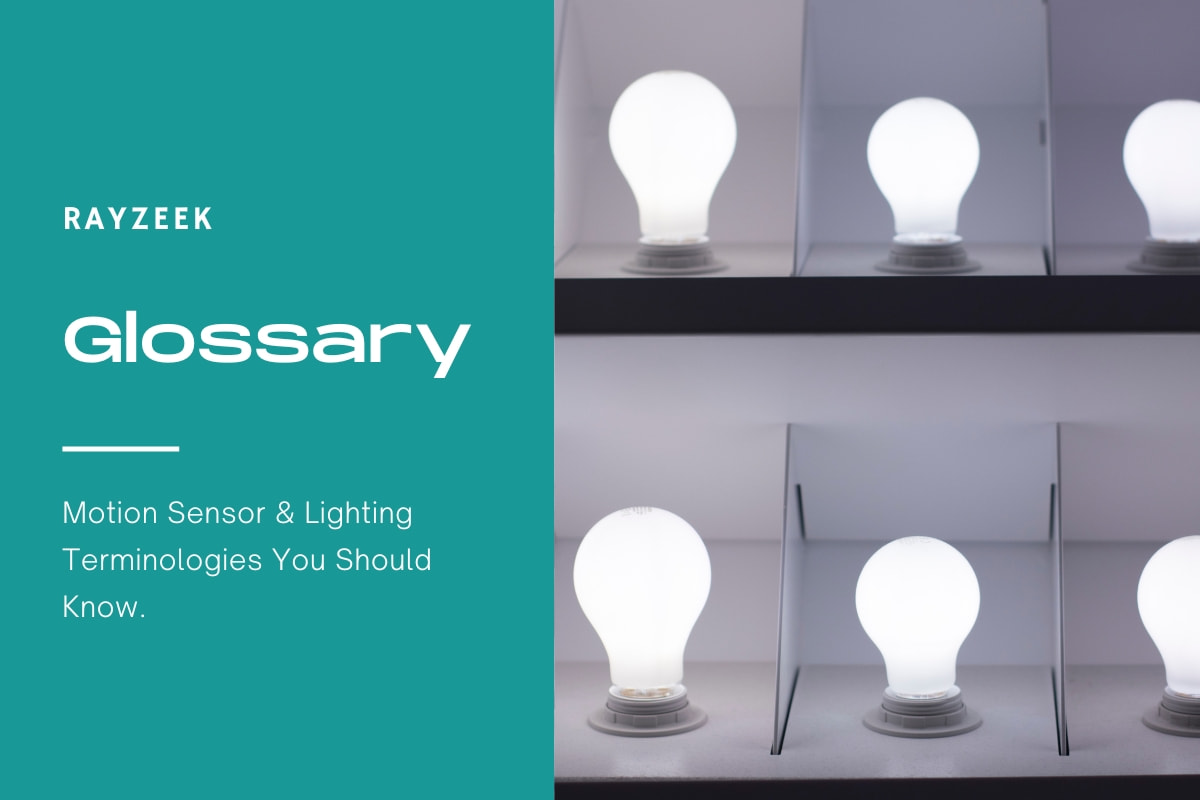
A medium base bulb, also known as an E26 socket, is a standard light bulb commonly used in residential settings. It is characterized by its threaded brass base, which is referred to as the medium base. This type of base is the most widely used and commonly found in lamps and fixtures. The medium base bulb is typically found on A19, A15, and A21 lamps, which are commonly used in table lamps and residential ceiling fixtures. It is important to note that the medium base is the most common type of base used on both incandescent and LED lamps.
Compared to other types of bases used in lighting, such as the intermediate base, candelabra base, mini-candelabra base, and mogul base, the medium base is larger than the intermediate base, candelabra base, and mini-candelabra base, but smaller than the rarer mogul base. However, adaptors are available to fit a smaller base into a larger socket, allowing for flexibility in lighting options. It is worth mentioning that the names of the sockets correspond to the names of the bases.
Quizás le interese

- Tensión: 2 pilas AAA
- Modo Día/Noche
- Temporización: 15 min, 30 min, 1 h (por defecto), 2 h
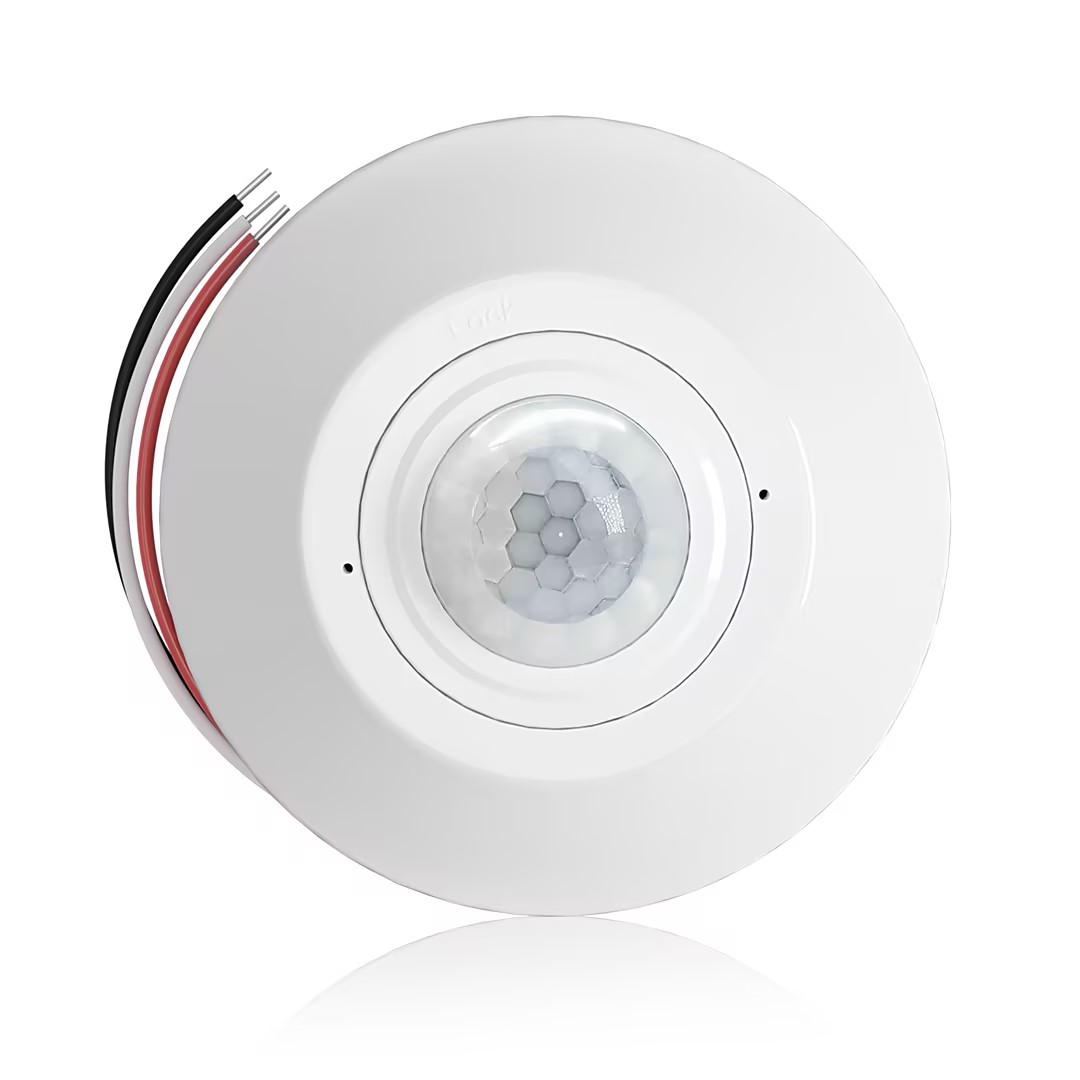
- Sensor de presencia PIR para montaje en techo con salida de relé de contacto seco
- Alimentación de baja tensión de 12/24VDC o 12/24VAC
- Contactos de relé aislados COM, NO y NC para entradas de EMS, HVAC y control de edificios
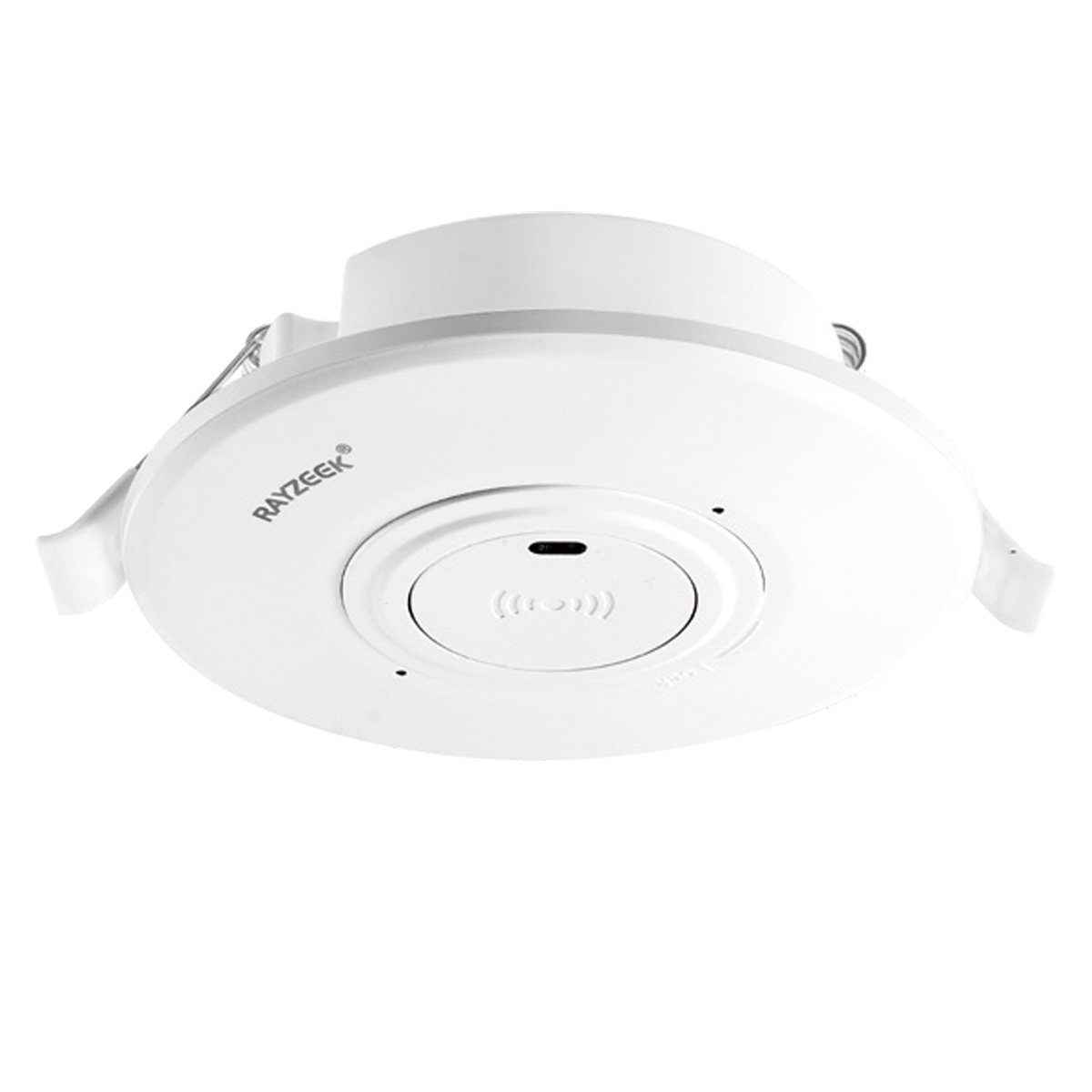
- Interruptor con sensor de movimiento por microondas empotrable en techo de baja tensión DC
- Entrada de 12 VDC / 24 VDC con rango de 10-30 VDC
- Corriente de funcionamiento máxima de 10A con retardo de tiempo, umbral de Lux y sensibilidad ajustables
- Interruptor con sensor de movimiento por microondas empotrable en techo para cargas más elevadas
- Entrada de tensión de red de 100-265 VAC, modelo de 10A
- Detección por microondas de 5,8 GHz con temporizador, umbral Lux y sensibilidad ajustables
- Interruptor con sensor de movimiento por microondas empotrable para techo
- Entrada de tensión de red de 100-265 VAC, modelo de 5A
- Detección por microondas de 5,8 GHz con temporizador, umbral Lux y sensibilidad ajustables
- Regulador con sensor de presencia PIR RZ037 de techo para alimentación de 220V
- Corriente de funcionamiento máxima de 3A con carga nominal de 660W
- El botón LUX controla el encendido/apagado del sensor de luz y la regulación de brillo ajustada por el usuario
- Regulador con sensor de presencia PIR RZ037 de techo para alimentación de 110V
- Corriente de funcionamiento máxima de 3A con carga nominal de 330W
- El botón LUX controla el encendido/apagado del sensor de luz y la regulación de brillo ajustada por el usuario
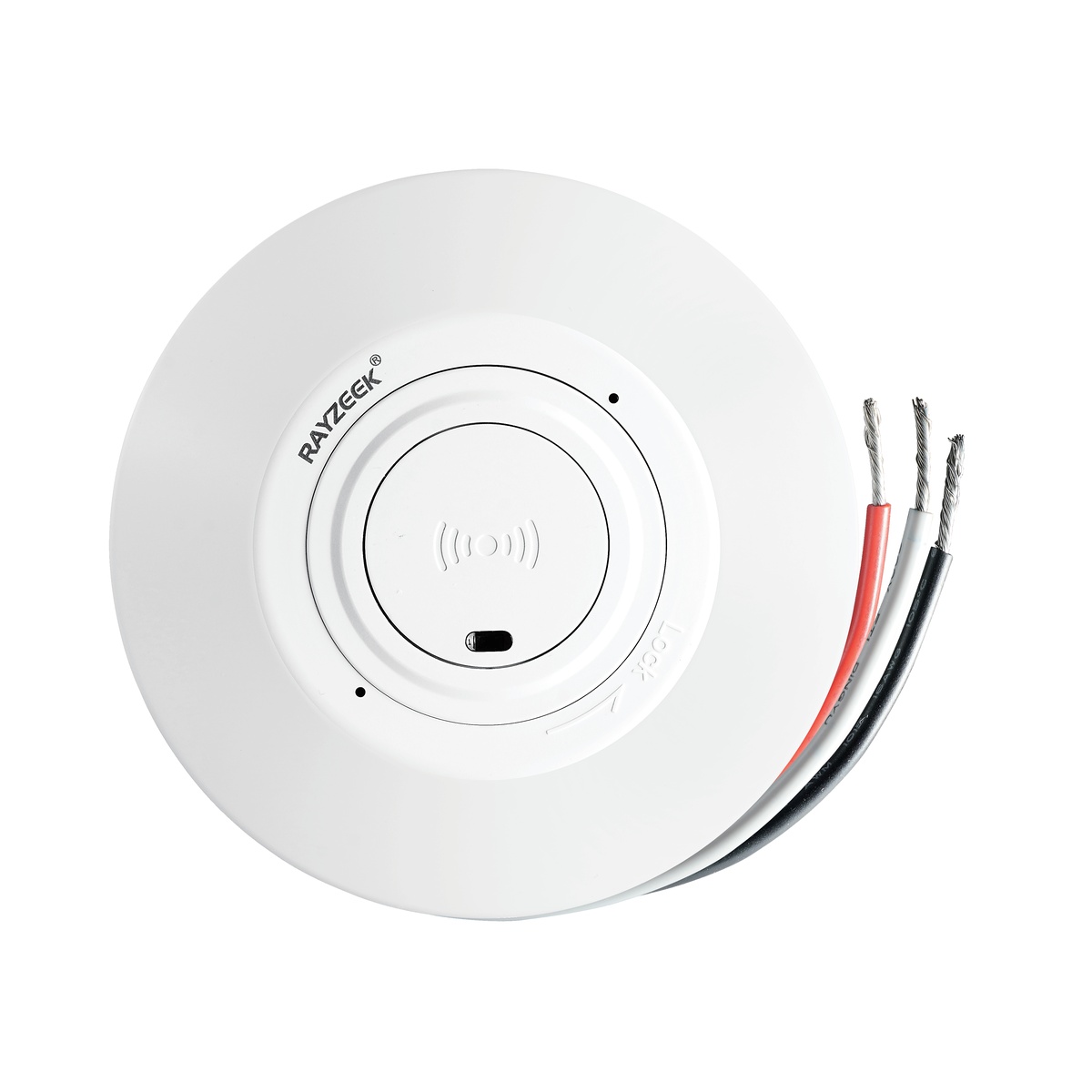
- Interruptor con sensor de movimiento por microondas de techo para CC de bajo voltaje
- Entrada de 12 VDC / 24 VDC con rango de 10-30 VDC
- Corriente de funcionamiento máxima de 10A con retardo de tiempo, umbral de Lux y sensibilidad ajustables
- Interruptor con sensor de movimiento por microondas de techo para mayor carga
- Entrada de tensión de red de 100-265 VAC, modelo de 10A
- Detección por microondas de 5,8 GHz con temporizador, umbral Lux y sensibilidad ajustables
- Interruptor con sensor de movimiento por microondas de techo
- Entrada de tensión de red de 100-265 VAC, modelo de 5A
- Detección por microondas de 5,8 GHz con temporizador, umbral Lux y sensibilidad ajustables
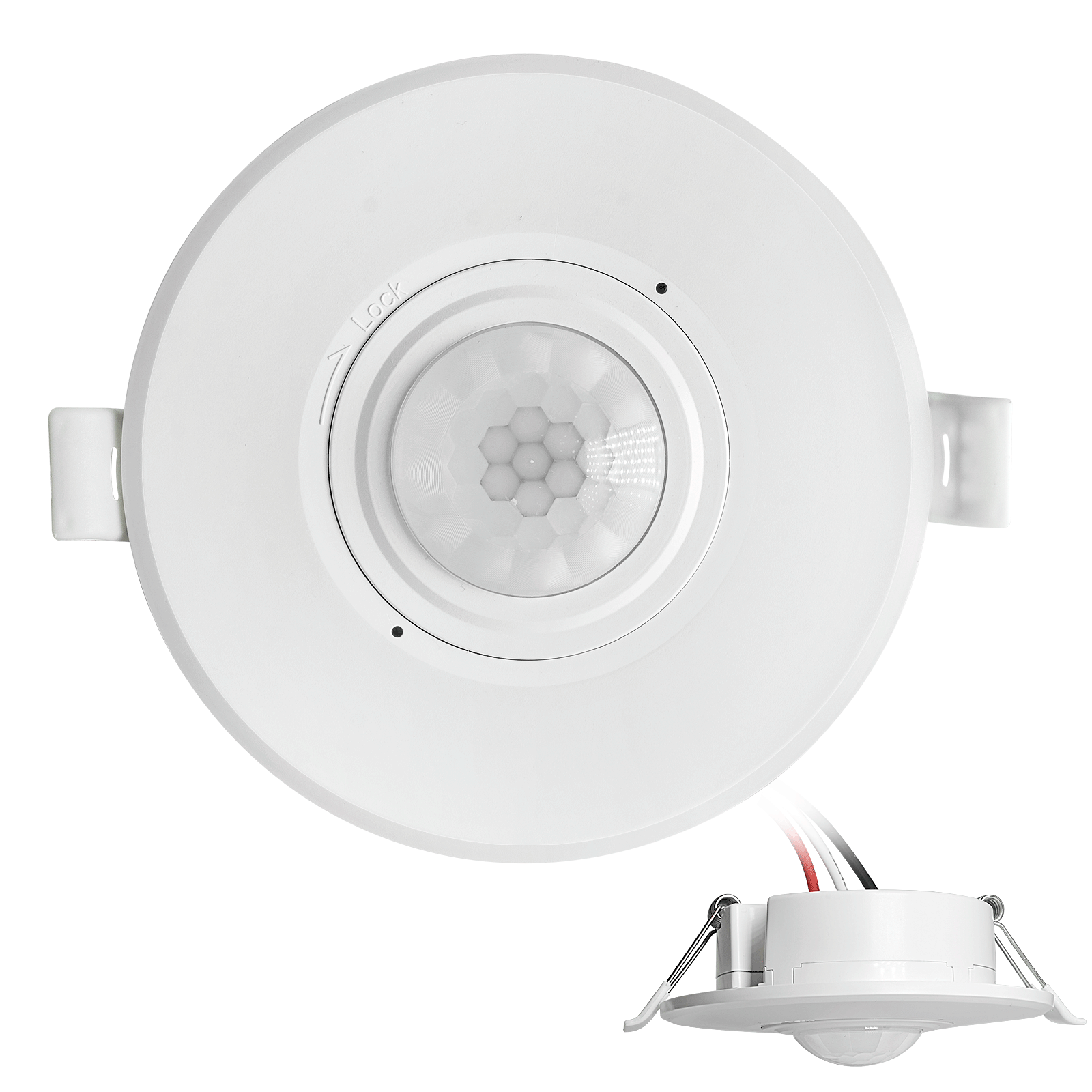
- Interruptor con sensor de movimiento PIR para montaje empotrable en techo de CC de bajo voltaje
- Entrada de 12 VDC / 24 VDC con rango de 10-30 VDC
- Corriente máxima de trabajo de 10 A con tiempo de retardo, umbral de luxes y sensibilidad ajustables
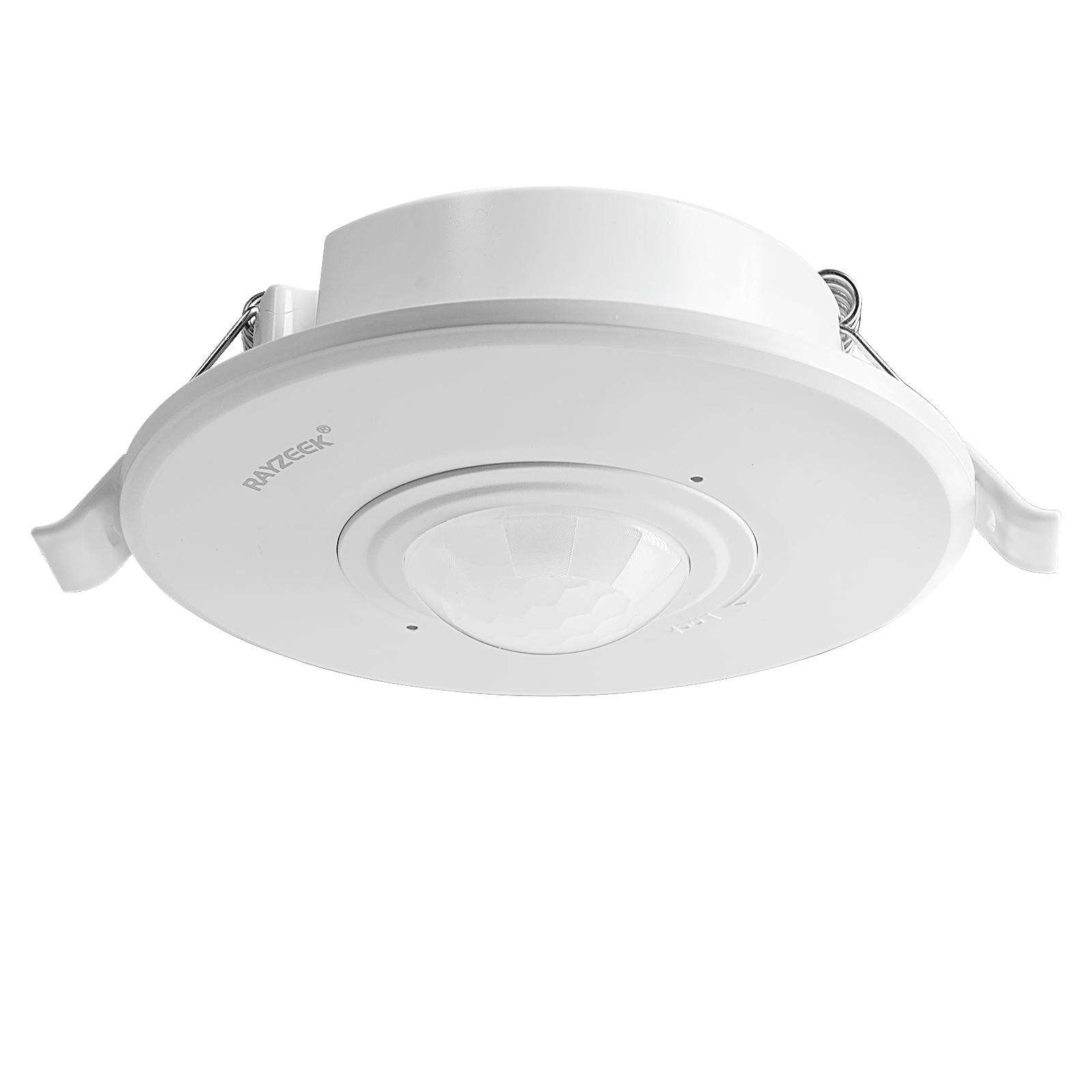
- Interruptor con sensor de movimiento PIR empotrable en techo para mayor carga
- Entrada de tensión de red de 100-265 VAC, modelo de 10A
- Detección de 360 grados con tiempo de retardo, umbral de luxes y sensibilidad ajustables
- Interruptor con sensor de movimiento PIR empotrable en techo
- Entrada de tensión de red de 100-265 VAC, modelo de 5A
- Detección de 360 grados con tiempo de retardo, umbral de luxes y sensibilidad ajustables
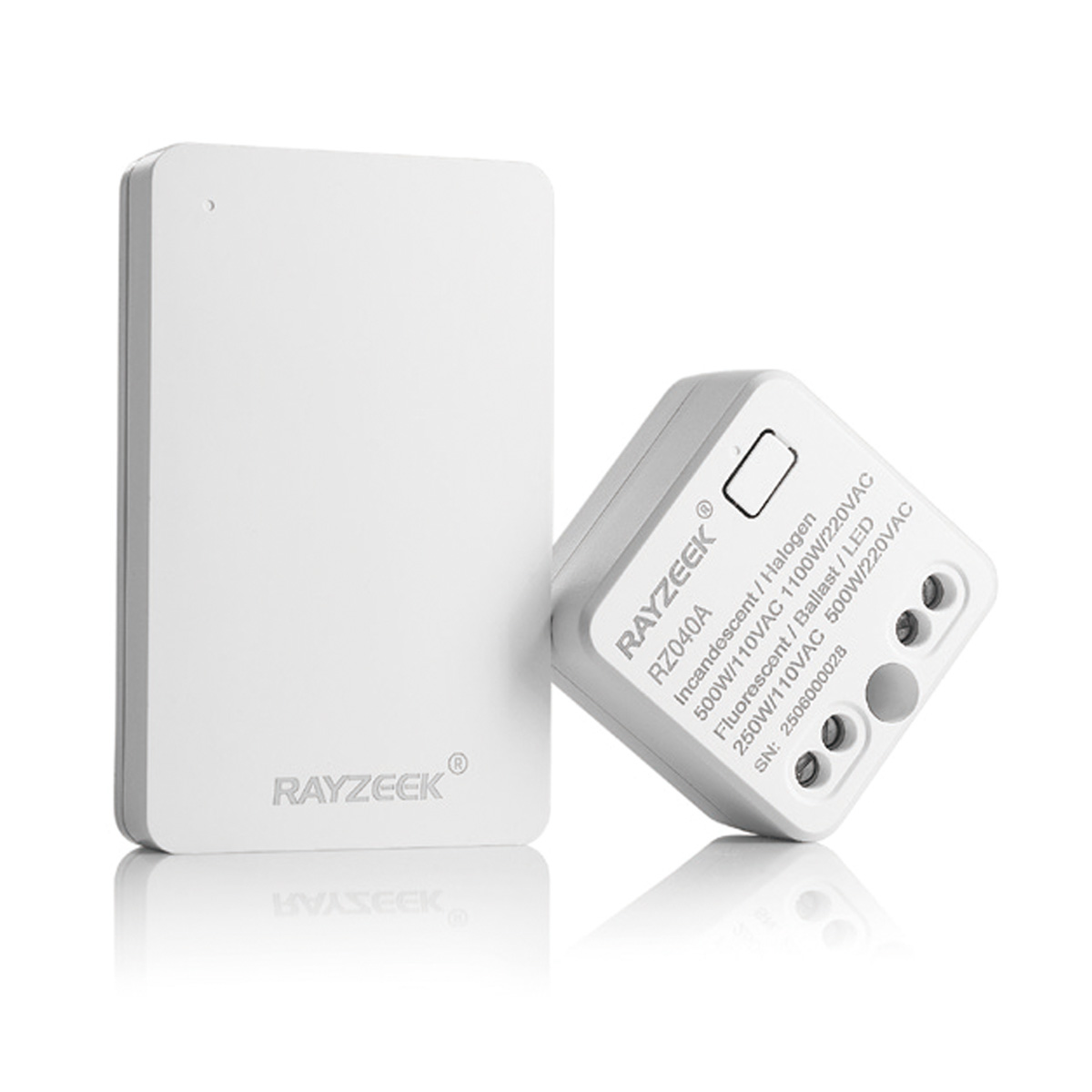
- Kit de emisor inalámbrico y receptor para el control de iluminación de encendido/apagado en interiores
- Receptor de 100-230 V CA, 50/60 Hz con corriente nominal de 5 A
- Interruptor inalámbrico alimentado por CR2032 con comunicación de 2,4 GHz
- Presencia (encendido automático/apagado automático)
- 12–24 V CC (10–30 V CC), hasta 10 A
- Cobertura de 360°, 8–12 m de diámetro
- Tiempo de retardo de 15 s a 30 min
- Sensor de luz Desactivado/15/25/35 Lux
- Sensibilidad alta/baja
- Modo de presencia con encendido/apagado automático
- 100–265V CA, 10A (requiere neutro)
- Cobertura de 360°; diámetro de detección de 8–12 m
- Temporización: 15 s–30 min; Lux OFF/15/25/35; Sensibilidad Alta/Baja
- Modo de presencia con encendido/apagado automático
- 100–265V CA, 5A (requiere neutro)
- Cobertura de 360°; diámetro de detección de 8–12 m
- Temporización: 15 s–30 min; Lux OFF/15/25/35; Sensibilidad Alta/Baja
Preguntas frecuentes
What Are the Two Types of Bulb Bases
Normally, a bulb typically has either a screw base or a bayonet base. The diameter of the base is usually measured for bulbs with a screw base, while the spacing between two pins is measured for bulbs with a pin base.
¿Cómo saber si mi bombilla es A19?
Una bombilla A19 se caracteriza por la forma clásica de una bombilla, a menudo descrita como semejante a una pera invertida. El número “19” en A19 hace referencia al diámetro de la bombilla en su punto más ancho, medido en octavos de pulgada. Por lo tanto, una bombilla A19 tiene un diámetro de aproximadamente 2,4 pulgadas, calculado al dividir 19 entre 8 pulgadas.
¿Es la A19 una bombilla de casquillo medio?
Las bombillas LED de uso general A19 con casquillo medio (E-26) son el tipo de bombillas que se considera que tienen una base o casquillo medio.
What Is the Difference Between A19 and A21 vs A23
The digits that come after the letter indicate the outer diameter of the light bulb at its widest point, measured in eighths of an inch. To illustrate, an A19 has a diameter of 2 3/8 inches, an A21 has a diameter of 2 5/8 inches, and an A23 has a diameter of 2 7/8 inches.
Can I Use A21 Bulb Instead of A19
Except for the longer neck and larger bulb, the A21 light bulbs have a nearly identical appearance to the A19 version. They are similar enough in size that they can be used interchangeably in the same fixtures or for similar lighting purposes.
What Do the Letters on Light Bulbs Mean
The letters on light bulbs serve as an indication of the bulb’s shape, while the numbers correspond to the bulb’s diameter measured in eighths of an inch. For instance, the widely used A-19 bulb is of “A” type and has a diameter of 23/8″. Another example is the 65BR40 bulb, which is a reflector bulb with a wattage of 65 and a diameter of 5 inches.
Is E26 Medium Base Same as A19
Yes, E26 medium base and A19 are interchangeable. The only distinction between the two is their size and shape. A19 light bulbs have an E26 base and can be used in sockets designed for Edison bulbs.
Are A19 and A21 Bulbs Interchangeable
Yes, A19 lamps can be used in A21 lampholders. This is because A19 lamps are smaller in size compared to A21 lamps, allowing them to fit into most fixtures and lampholders designed for A21 lamps. Additionally, since both A19 and A21 lamps utilize the same E26 base, the A19 lamps will fit perfectly into the socket.
Is E12 a Medium Base Bulb
Small Base Light Bulb
The E12 designation refers to the diameter of the screw base in millimeters, indicating that an E12 light bulb has an Edison Screw base that measures 12 millimeters in diameter. This straightforward naming convention makes it easy to remember the size of this particular base.
Cuál es la diferencia entre una bombilla A15 y una A19
Las bombillas A15 son de menor tamaño en comparación con las bombillas A19. Ambos tipos de bombillas se pueden utilizar en un casquillo medio doméstico estándar (base E26). Sin embargo, es importante garantizar una ventilación adecuada en la zona circundante para evitar posibles riesgos de incendio.