
A frustrating callback haunts the final stages of many lighting retrofits. The client’s new, energy-efficient LED fixtures, a symbol of modern progress, are misbehaving. They flicker at low light, strobe erratically, or, most unnervingly, refuse to turn off completely, casting a faint, spectral glow in an otherwise dark room. The immediate suspicion often falls on defective products, a faulty sensor or a bad batch of bulbs. Yet the truth is rarely a defect. It is a fundamental conflict, an electrical argument between the hyper-efficient technology of today and the infrastructure of a world that was built for a different kind of light.
To understand this incompatibility is to appreciate the subtle physics at play in every wall switch. The problem reveals itself in two primary forms, flickering and ghosting, which are not interchangeable symptoms but distinct manifestations of two separate electrical phenomena. The faint, constant glow of a supposedly “off” light, a phenomenon known as ghosting, finds its roots in the sensor’s own need for survival. A motion sensor, particularly a common two-wire model installed without a dedicated neutral wire, must power its own intelligence. It keeps its sensor eye and internal timer alive by sipping an imperceptible amount of power, allowing a tiny current to “leak” through the light fixture itself to complete the circuit.
This leakage current, often less than a single milliamp, was a non-issue for decades. A 60-watt incandescent bulb, a simple heated filament, would never notice such a minuscule electrical whisper. It was a robust, inefficient technology that was blind to subtlety. The modern LED, however, is a different creature entirely. It is a high-performance engine of efficiency, so exquisitely sensitive that this tiny leakage current is enough to partially energize its driver, causing the bulb to glow when it should be dark. The ghost is not a malfunction; it is a sign of a system so efficient it has become sensitive to its own lifeblood.
The Brutality of the Waveform
Flickering, on the other hand, speaks to a different kind of conflict. It is a problem of control, born from the crude way many standard dimmers operate. Most motion sensor dimmers rely on an older technology, a TRIAC or “leading-edge” design, which dims a bulb by chopping off the front of the AC power waveform. This method is simple and inexpensive, but it is also abrupt. It creates a sharp, rapid inrush of voltage every cycle, a brutal interruption that the sensitive electronics within an LED driver can misinterpret, resulting in strobing or flickering, especially at low dim levels.
This instability is compounded when the total electrical load falls below the dimmer’s minimum operational threshold. A dimmer designed to control hundreds of watts of incandescent lighting may struggle when connected to a single 8-watt LED, a load far too small for its electronics to manage stably. The system becomes a mismatch of scale. It is like asking a lumberjack’s axe to perform the delicate work of a scalpel. While this chronic flickering is unlikely to present a fire hazard, the persistent stress on the LED’s internal components, particularly its capacitors, can shorten its operational lifespan. The issue is one of performance and longevity, a failure to deliver the professional, durable installation the technology promises.
Måske er du interesseret i

- Loftmonteret PIR tilstedeværelsessensor med tørkontaktrelæ-udgang
- 12/24VDC eller 12/24VAC lavspændingsforsyning
- COM, NO og NC isolerede relækontakter til EMS, HVAC og bygningsstyringsindgange

- Lavspændings DC indbygget loftmonteret mikrobølge-bevægelsessensor-kontakt
- 12 VDC / 24 VDC indgang med 10-30 VDC område
- 10A maks. arbejdsstrøm med justerbar tidsforsinkelse, lysstyrketærskel og følsomhed
- Højere belastningskapacitet indbygget loftmonteret mikrobølge-bevægelsessensor-kontakt
- 100-265 VAC net-spændingsindgang, 10A model
- 5,8 GHz mikrobølgesensoring med justerbar tidsforsinkelse, lysstyrketærskel og følsomhed
- Indbygget loftmonteret mikrobølgebevægelsessensor afbryder
- 100-265 VAC netspændingsindgang, 5A model
- 5,8 GHz mikrobølgesensoring med justerbar tidsforsinkelse, lysstyrketærskel og følsomhed
- Loftmonteret RZ037 PIR tilstedeværelsessensor lysdæmper til 220V
- 3A maksimal arbejdsstrøm med 660W nominel belastning
- LUX-knap styrer lyssensor TÆND/SLUK og brugerindstillet dæmpningslysstyrke
- Loftmonteret RZ037 PIR tilstedeværelsessensor lysdæmper til 110V
- 3A maksimal arbejdsstrøm med 330W nominel belastning
- LUX-knap styrer lyssensor TÆND/SLUK og brugerindstillet dæmpningslysstyrke

- Low-voltage DC loftmonteret mikrobølgebevægelsessensor afbryder
- 12 VDC / 24 VDC indgang med 10-30 VDC område
- 10A maks. arbejdsstrøm med justerbar tidsforsinkelse, lysstyrketærskel og følsomhed
- Højere belastningskapacitet loftmonteret mikrobølgebevægelsessensor afbryder
- 100-265 VAC net-spændingsindgang, 10A model
- 5,8 GHz mikrobølgesensoring med justerbar tidsforsinkelse, lysstyrketærskel og følsomhed
- Loftmonteret mikrobølgebevægelsessensor afbryder
- 100-265 VAC netspændingsindgang, 5A model
- 5,8 GHz mikrobølgesensoring med justerbar tidsforsinkelse, lysstyrketærskel og følsomhed

- Low-voltage DC indbygget loftmonteret PIR bevægelsessensor afbryder
- 12 VDC / 24 VDC indgang med 10-30 VDC område
- Max arbejdsstrøm 10A med justerbar tidsforsinkelse, Lux-tærskel og følsomhed

- Højere belastningskapacitet indbygget loftmonteret PIR bevægelsessensor afbryder
- 100-265 VAC net-spændingsindgang, 10A model
- 360-graders detektion med justerbar tidsforsinkelse, Lux-tærskel og følsomhed
- Indbygget loftmonteret PIR bevægelsessensor afbryder
- 100-265 VAC netspændingsindgang, 5A model
- 360-graders detektion med justerbar tidsforsinkelse, Lux-tærskel og følsomhed

- Trådløst afbryder- og modtagersæt til indendørs TÆND/SLUK belysningsstyring
- 100-230VAC, 50/60Hz modtager med 5A nominel strøm
- CR2032-drevet trådløs afbryder med 2.4GHz kommunikation
- Tilstedeværelse (Auto-ON/Auto-OFF)
- 12–24V DC (10–30VDC), op til 10A
- 360° dækning, 8–12 m diameter
- Tidsforsinkelse 15 s–30 min
- Lyssensor Fra/15/25/35 Lux
- Høj/Lav følsomhed
- Auto-ON/Auto-OFF tilstedeværelsestilstand
- 100–265V AC, 10A (nul kræves)
- 360° dækning; 8–12 m detektionsdiameter
- Tidsforsinkelse 15 s–30 min; Lux FRA/15/25/35; Følsomhed Høj/Lav
- Auto-ON/Auto-OFF tilstedeværelsestilstand
- 100–265V AC, 5A (nul kræves)
- 360° dækning; 8–12 m detektionsdiameter
- Tidsforsinkelse 15 s–30 min; Lux FRA/15/25/35; Følsomhed Høj/Lav
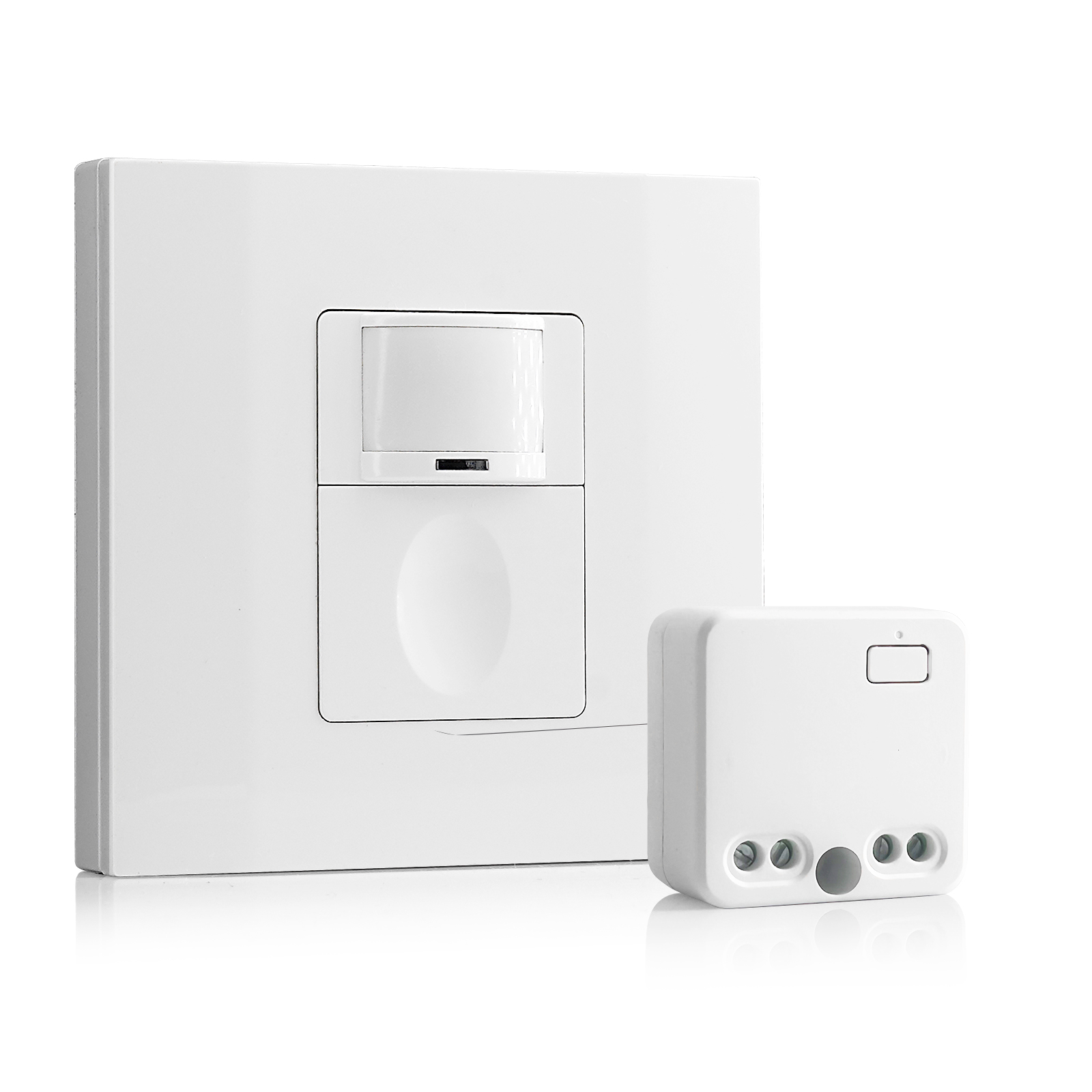
- 100V-230VAC
- Transmissionsafstand: op til 20m
- Trådløs bevægelsessensor
- Fastkablet styring
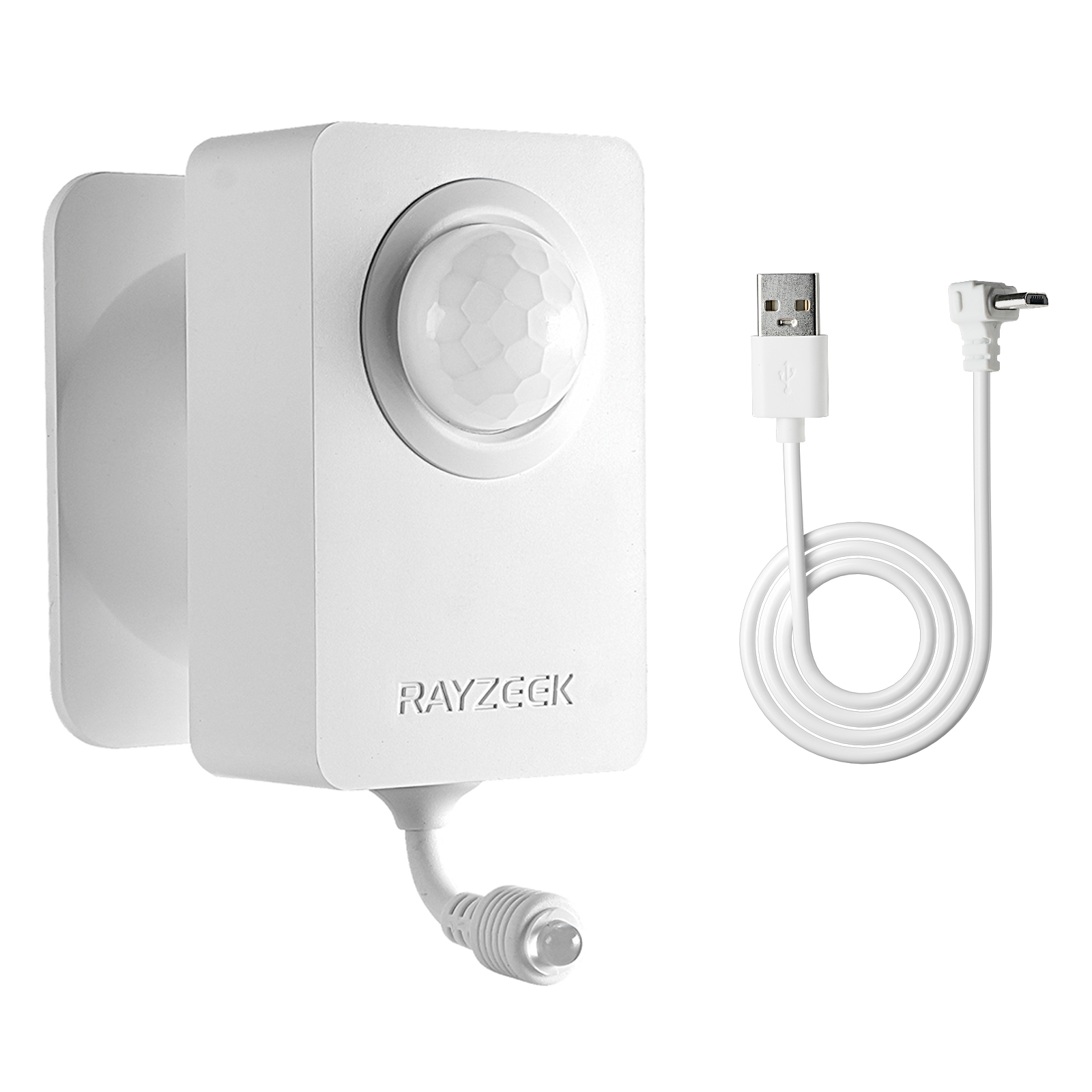
- Spænding: 2x AAA-batterier / 5V DC (Micro USB)
- Dag/Nat-tilstand
- Forsinkelsestid: 15min, 30min, 1h (standard), 2h
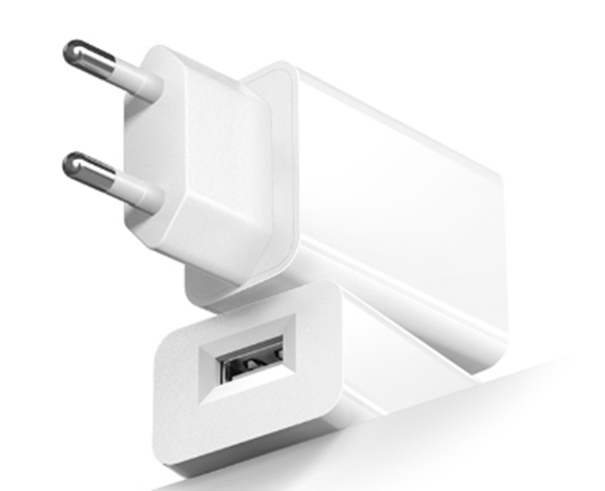
- EU-stik strømadapter
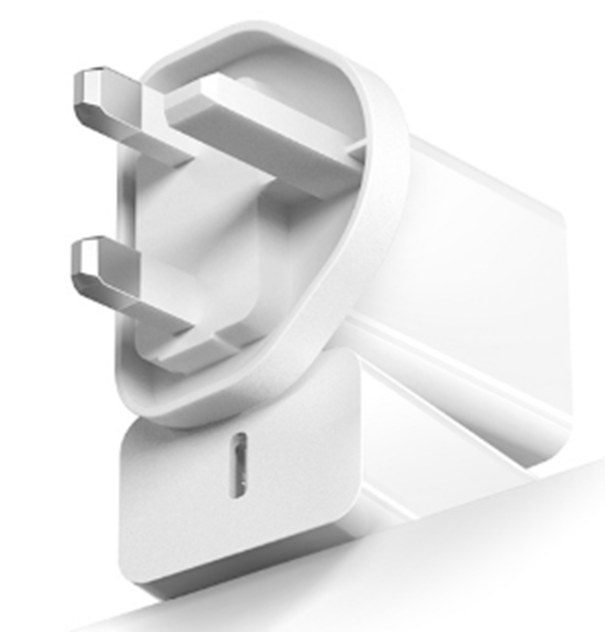
- UK-stik strømadapter
Paths to an Electrical Peace
Resolving this conflict requires moving beyond simple product swaps and toward a more fundamental understanding of the circuit. The most robust and elegant solution is to address the leakage current at its source. Using a motion sensor that requires a dedicated neutral wire gives the sensor’s electronics their own stable path to power, completely independent of the lighting load. This eliminates the need for leakage current, and the ghost vanishes. These neutral-required sensors are also frequently built with more modern electronics, better prepared for the demands of LED loads.
But in the real world of retrofits, pulling a new neutral wire through finished walls is often not an option. This is where a more pragmatic solution becomes essential: the load resistor. This small component, wired in parallel with the LED fixture, acts as an electrical shock absorber. It solves two problems at once. First, it offers a path of least resistance for the sensor’s leakage current, diverting it away from the sensitive LED driver and dissipating it as a tiny amount of heat. Second, the resistor itself draws a small amount of power, adding just enough load to the circuit to lift the total wattage above the dimmer’s minimum threshold, allowing it to operate smoothly.
There is a third path, which involves carefully pairing a modern dimmer with a compatible LED bulb. Manufacturers provide compatibility lists, but these should be seen as guides, not guarantees. A laboratory test bench cannot replicate the variables of a job site, with its long wire runs, ambient electrical noise, and mixed generations of fixtures. A more reliable approach within this vein is to choose a dimmer specifically designed for LEDs, often a “trailing-edge” or ELV type. This more advanced design dims by cutting off the back of the AC waveform, a gentler action that is far more agreeable to LED drivers.
Bliv inspireret af Rayzeek bevægelsessensor-porteføljer.
Finder du ikke, hvad du vil? Bare rolig. Der er altid alternative måder at løse dine problemer på. Måske kan en af vores porteføljer hjælpe.
The Architecture of Control
For critical commercial environments where failure is not an option, the most dependable strategy is to separate the functions of sensing and switching entirely. By using a low-voltage occupancy sensor on the ceiling, wired to a dedicated power pack or lighting control panel, the system’s architecture changes. The sensor’s only job is to send a signal. The heavy-duty relay in the power pack handles the actual switching and dimming of the lighting load. This design completely isolates the sensor’s power needs from the lighting circuit, architecting the problem out of existence.
This principle of separating roles also applies when controlling a single light from multiple locations. A common mistake is to wire two master motion sensors into the same circuit, where their internal electronics will inevitably conflict. The correct design uses a hierarchy: a single “master” sensor, installed where the power feed is, and one or more “companion” switches in the other locations. The traveler wire becomes a line of communication, not a shared power path. Success depends on following the manufacturer’s specific wiring diagram, as miswiring this hierarchy can lead to erratic behavior or damage the devices. Ultimately, the solution to the ghost in the dimmer is not found in a product, but in an approach—one that respects the intricate conversation happening inside the walls.







