

تبدو المصابيح التي تعمل بالحركة وكأنها أبسط "ترقية صغيرة" في المنزل. حيث يُزال المفتاح الجداري القديم، ويُركب مكانه مفتاح أكثر ذكاءً، وفجأة تتوقف خزانة المؤونة أو الممر عن كونها مكاناً تُترك فيه المصابيح مضاءة لساعات.
لكن المنازل القديمة غالباً ما تقلب هذا التصور رأساً على عقب.
إذ يظهر نمط محدد في المنازل المبنية بين عشرينيات وسبعينيات القرن الماضي: علبة جدارية تحتوي فقط على موصلين معزولين وسلك تأريض. وغالباً ما يتضمن ذلك علبة معدنية ضحلة، أو حلقات جص، أو كابلات قديمة وهشة. وعند تركيب مفتاح مستشعر إشغال لا يتطلب خطاً محايداً (no-neutral)، يبدو أنه يعمل بشكل طبيعي—إلى أن تتغير المصابيح. ففي خزانة مؤونة داخل منزل ريفي بني عام 1926، بدا المفتاح الذي لا يتطلب خطاً محايداً ممتازاً مع مصباح متوهج تقليدي. ولكن بمجرد استبداله بمصابيح LED اقتصادية من الحزم المتعددة، ظهرت مجموعة الأعراض الكلاسيكية: توهج خافت عندما يكون المفتاح في وضع الإيقاف "off"، وومضات صغيرة متقطعة أثناء الليل.
المفتاح لم "يتعطل" فجأة، بل النظام هو الذي تغير، في حين أن قيود التمديدات الكهربائية كانت موجودة دائماً. وفي هذه الفئة، لا تعد مسألة الخط المحايد (neutral) تفصيلاً ثانوياً، بل هي ما يحدد ما إذا كانت عملية التركيب ستنجح من المرة الأولى أم ستتحول إلى مشكلة تظهر أعراضها ببطء وتستدعي الصيانة لاحقاً.
علاوة على ذلك، غالباً ما يُخلط بين "مستشعر PIR" كفئة عامة. فالمفتاح الجداري الذي يعمل بتقنية PIR يمثل بنية وتصميماً معيناً؛ بينما يمثل مستشعر السقف، أو المستشعر المدمج في وحدة الإضاءة، أو المصباح الذكي بنية أخرى. فالهدف عادةً ليس "ضرورة وجود كاشف PIR داخل العلبة الجدارية"، بل الحصول على "إضاءة تعمل دون لمس وتتصرف كالإضاءة العادية". وتعتمد متطلبات الخط المحايد على بنية التصميم وهندسته، وليس على الوصف التسويقي.
والأهم من ذلك: إن استخدام سلك التأريض كخط محايد، أو استخدام خطوط محايدة وهمية (bootleg)، أو خطوط محايدة مستعارة، لا يُعد حلولاً بديلة، بل هي مخاطر حقيقية.
التحقق الواقعي عند فتح العلبة: هل لديك خط محايد فعلاً؟
يبدأ الكثير من اللبس حول مسألة "عدم وجود خط محايد" من افتراض منطقي: وهو أن مفتاح التشغيل القديم أو مفتاح تعتيم الإضاءة (dimmer) كان يحتوي على سلكين فقط، وبالتالي لا بد أن العلبة تفتقر إلى الخط المحايد.
غالباً ما يكون هذا الافتراض خاطئاً.
ففي منزل ريفي بني عام 1974، أصر صاحب المنزل على عدم وجود خط محايد لأن مفتاح التعتيم القديم كان يستخدم سلكين فقط. ولكن فتح العلبة غيّر القرار تماماً: حيث كانت هناك حزمة من الموصلات البيضاء مجمعة بغطاء عازل في الخلف. لم يكن مفتاح التعتيم بحاجة إليها قط، لكن الخط المحايد كان موجوداً بالفعل. وبذلك انحصر العائق الحقيقي في حجم الأسلاك والمساحة المتاحة داخل العلبة (أجهزة ضخمة داخل علبة مزدحمة)، وليس في استحالة التوصيل الكهربائي. هذا الاكتشاف شائع بما يكفي ليعتبر "الخطوة صفر": افحص العلبة أولاً، ثم تسوق ثانياً.
نادراً ما يظهر "الخط المحايد الموجود" في العلبة الجدارية كسلك منفرد واحتياطي ينتظرك بلطف. بل يكون عادةً عبارة عن مجموعة أسلاك بيضاء ملفوفة معاً في الخلف باستخدام صامولة سلكية (wirenut)، وتكون أحياناً مدفوعة خلف الجهاز. وفي التمديدات الحديثة، قد يكون الأمر واضحاً. أما في العلب القديمة، فقد تجدها على شكل تجمع فوضوي ومتشابك—تكون الأسلاك قصيرة أحياناً، أو مدفونة خلف موصلات قديمة معزولة بالقماش، أو مخفية في علبة متعددة المفاتيح (multi-gang) حيث يصعب تحديد السلك التابع لكل دائرة دون إجراء مخطط فعلي للدوائر الكهربائية.
أما "غياب الخط المحايد" في المنازل القديمة فيظهر غالباً على شكل "عروة مفتاح" (switch loop): حيث تتدفق الطاقة أولاً إلى وحدة الإضاءة في السقف، ثم يمتد كابل بسلكين لأسفل نحو المفتاح ويعود مجدداً. وفي هذا النمط، لا يصل الخط المحايد إلى العلبة الجدارية مطلقاً. والموصلان المعزولان عند المفتاح هما السلك الحي الهابط (hot-down) والسلك الحي الراجع للمفتاح (switched-hot-up) (أو أي صيغة مشابهة)، بالإضافة إلى سلك التأريض. هذا الأمر شائع جداً في المنازل الموحدة المبنية في الغرب الأوسط الأمريكي خلال الخمسينيات والستينيات، وكذلك في المنازل الريفية القديمة. هذا لا يعني أن "المنزل سيئ"، بل هي مجرد بنية تمديدات كهربائية تسبق ظهور أدوات التحكم التي تتطلب خطاً محايداً.
ويمكنك عادةً تلخيص وضع العلبة في سؤال يتفرع إلى احتمالين:
- إذا كانت هناك حزمة خطوط محايدة في العلبة: تصبح المفاتيح الجدارية التي تتطلب خطاً محايداً—بما في ذلك العديد من مفاتيح PIR ومفاتيح إشغال الذكية—ممكنة الاستخدام. ويتجنب التركيب هنا مشكلة التسوية القائمة على "تغذية المفتاح بالطاقة من خلال الحمل".
- إذا لم يكن هناك خط محايد في العلبة (عروة المفتاح الكلاسيكية): لم يعد المشروع مجرد "اختيار علامة تجارية أخرى للمفتاح الجداري". بل يصبح "اختيار بنية تحكم مختلفة تماماً"، أو التخطيط لتعديل التمديدات الكهربائية لتوصيل خط محايد فعلياً إلى المكان الذي يحتاجه الجهاز.
وهنا تصطدم الرغبة بالواقع العملي للمباني القديمة. فالعلب المعدنية الضحلة، والموصلات القصيرة، والعوازل الهشة، والعلب المزدحمة بمفاتيح متعددة ليست مجرد إزعاج بسيط—بل هي مؤشرات على احتمال الفشل. فإذا تشقق العازل عند تحريك الموصلات، أو إذا كانت العلبة ممتلئة بالفعل إلى حدها الأقصى، أو إذا كانت التوصيلات محشورة وضيقة وساخنة، فإن مقولة "سيعمل إذا حشرناه بقوة" لا تعني النجاح، بل تعني طلباً وشيكاً لخدمة الصيانة في المستقبل القريب.
ربما تكون مهتماً بـ

- مستشعر إشغال PIR يثبت على السقف مع مخرج ريليه تلامس جاف
- مزود طاقة بجهد منخفض 12/24VDC أو 12/24VAC
- نقاط تلامس ريليه معزولة COM و NO و NC لمدخلات أنظمة إدارة الطاقة (EMS) والتكييف (HVAC) والتحكم في المباني

- مفتاح مستشعر حركة ميكروويف غاطس يثبت على السقف بجهد تيار مستمر منخفض
- مدخل 12 VDC / 24 VDC مع نطاق 10-30 VDC
- تيار عمل أقصى 10A مع تأخير زمني قابل للتعديل، وعتبة Lux، والحساسية
- مفتاح مستشعر حركة ميكروويف غاطس يثبت على السقف للأحمال العالية
- مدخل جهد الخط 100-265 VAC، موديل 10A
- استشعار ميكروويف بتردد 5.8 جيجاهرتز مع تأخير زمني قابل للتعديل، وعتبة Lux، والحساسية
- مفتاح مستشعر حركة ميكروويف غاطس يثبت على السقف
- مدخل جهد الخط 100-265 VAC، موديل 5A
- استشعار ميكروويف بتردد 5.8 جيجاهرتز مع تأخير زمني قابل للتعديل، وعتبة Lux، والحساسية
- ديمر مستشعر إشغال RZ037 PIR يثبت على السقف لجهد 220V
- تيار عمل أقصى 3A مع حمل مقدر 660W
- تحكم بزر LUX لتشغيل/إطفاء مستشعر الضوء وسطوع التعتيم المحدد من قبل المستخدم
- ديمر مستشعر إشغال RZ037 PIR يثبت على السقف لجهد 110V
- تيار عمل أقصى 3A مع حمل مقدر 330W
- تحكم بزر LUX لتشغيل/إطفاء مستشعر الضوء وسطوع التعتيم المحدد من قبل المستخدم

- مفتاح مستشعر حركة بالموجات الدقيقة يركب على السقف بتيار مستمر جهد منخفض
- مدخل 12 VDC / 24 VDC مع نطاق 10-30 VDC
- تيار عمل أقصى 10A مع تأخير زمني قابل للتعديل، وعتبة Lux، والحساسية
- مفتاح مستشعر حركة بالموجات الدقيقة يركب على السقف للحمولات العالية
- مدخل جهد الخط 100-265 VAC، موديل 10A
- استشعار ميكروويف بتردد 5.8 جيجاهرتز مع تأخير زمني قابل للتعديل، وعتبة Lux، والحساسية
- مفتاح مستشعر حركة بالموجات الدقيقة يركب على السقف
- مدخل جهد الخط 100-265 VAC، موديل 5A
- استشعار ميكروويف بتردد 5.8 جيجاهرتز مع تأخير زمني قابل للتعديل، وعتبة Lux، والحساسية

- مفتاح مستشعر حركة بالأشعة تحت الحمراء PIR مدمج في السقف بتيار مستمر جهد منخفض
- مدخل 12 VDC / 24 VDC مع نطاق 10-30 VDC
- أقصى تيار تشغيل 10A مع إمكانية ضبط تأخير الوقت، وعتبة الإضاءة (Lux)، والحساسية

- مفتاح مستشعر حركة بالأشعة تحت الحمراء PIR مدمج في السقف للحمولات العالية
- مدخل جهد الخط 100-265 VAC، موديل 10A
- تغطية ورصد بزاوية 360 درجة مع إمكانية ضبط تأخير الوقت، وعتبة الإضاءة (Lux)، والحساسية
- مفتاح مستشعر حركة بالأشعة تحت الحمراء PIR مدمج في السقف
- مدخل جهد الخط 100-265 VAC، موديل 5A
- تغطية ورصد بزاوية 360 درجة مع إمكانية ضبط تأخير الوقت، وعتبة الإضاءة (Lux)، والحساسية

- طقم مفتاح لاسلكي وجهاز مستقبل للتحكم في تشغيل وإيقاف الإضاءة الداخلية
- مستقبل بجهد 100-230VAC وتردد 50/60Hz مع تيار مقنن 5A
- مفتاح لاسلكي يعمل ببطارية CR2032 مع اتصال بتردد 2.4GHz
- وضع الإشغال (تشغيل تلقائي/إيقاف تلقائي)
- 12–24V DC (10–30VDC)، حتى 10A
- تغطية 360 درجة، بقطر 8–12 متر
- تأخير الوقت من 15 ثانية إلى 30 دقيقة
- مستشعر الإضاءة: إيقاف/15/25/35 لوكس (Lux)
- حساسية عالية/منخفضة
- وضع الإشغال (تشغيل تلقائي/إيقاف تلقائي)
- 100–265V AC، بقوة 10A (يتطلب خط محايد)
- تغطية 360 درجة، قطر رصد 8–12 متر
- تأخير الوقت من 15 ثانية إلى 30 دقيقة، عتبة اللوكس: إيقاف/15/25/35، الحساسية: عالية/منخفضة
- وضع الإشغال (تشغيل تلقائي/إيقاف تلقائي)
- 100–265V AC, 5A (يتطلب خط محايد)
- تغطية 360 درجة، قطر رصد 8–12 متر
- تأخير الوقت من 15 ثانية إلى 30 دقيقة، عتبة اللوكس: إيقاف/15/25/35، الحساسية: عالية/منخفضة
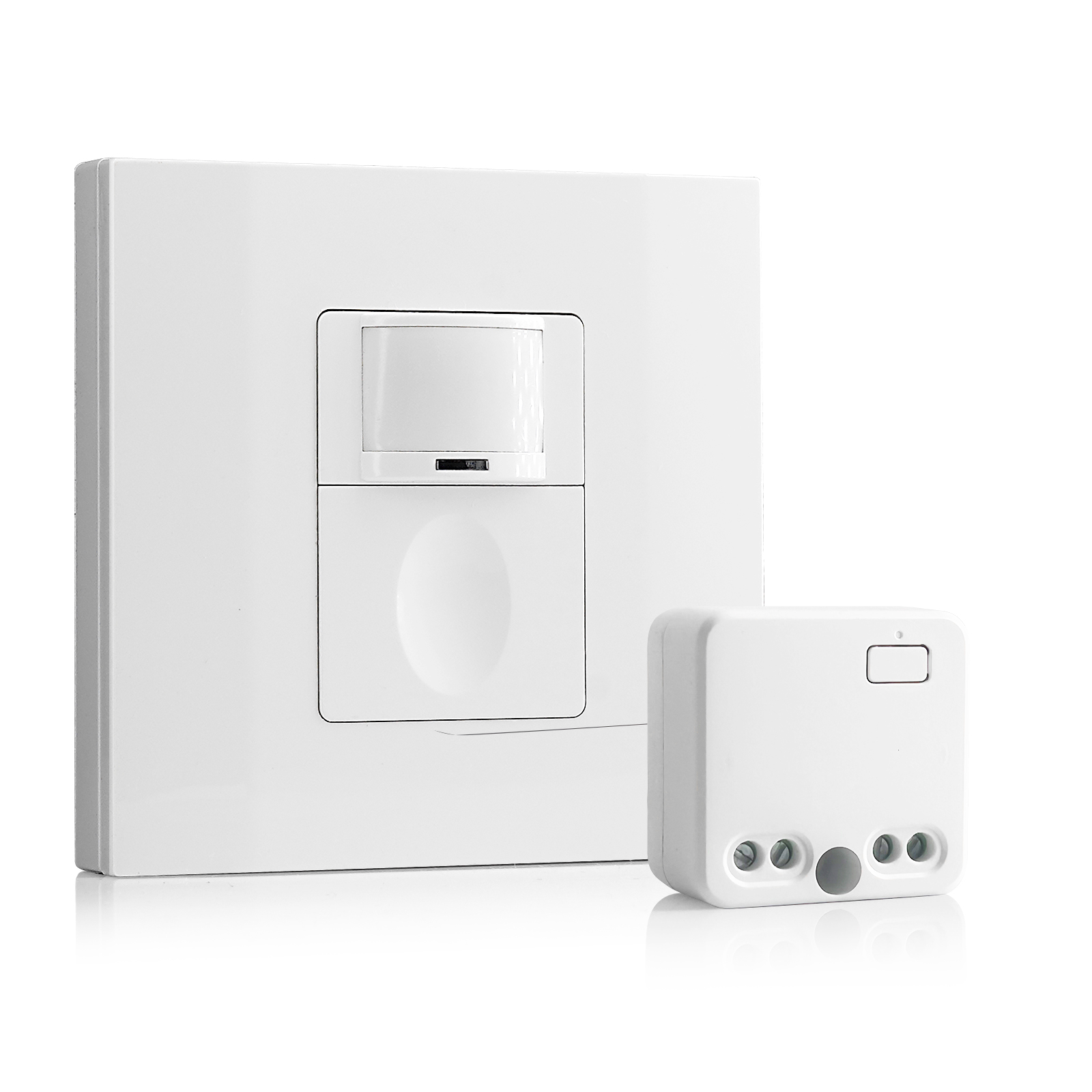
- 100V-230VAC
- مسافة الإرسال: تصل إلى 20m
- حساس حركة لاسلكي
- تحكم سلكي ثابت
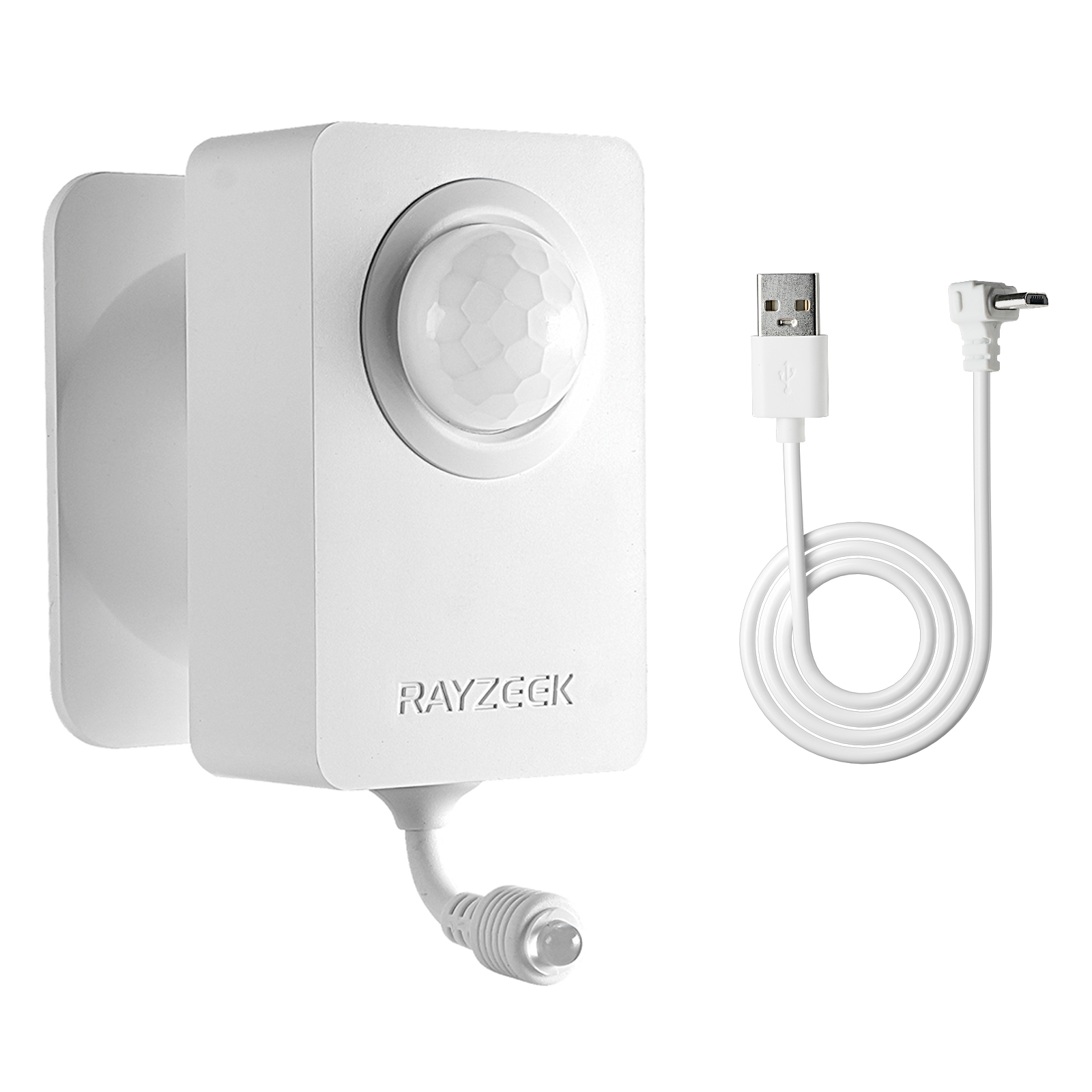
- الجهد الكهربائي: بطاريتان 2x AAA / 5V DC (Micro USB)
- الوضع الليلي/النهاري
- تأخير الوقت: 15min، 30min، 1h (افتراضي)، 2h
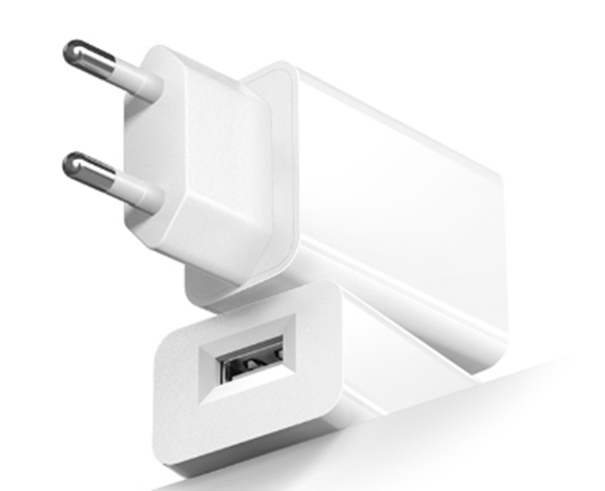
- محول طاقة بمقبس أوروبي
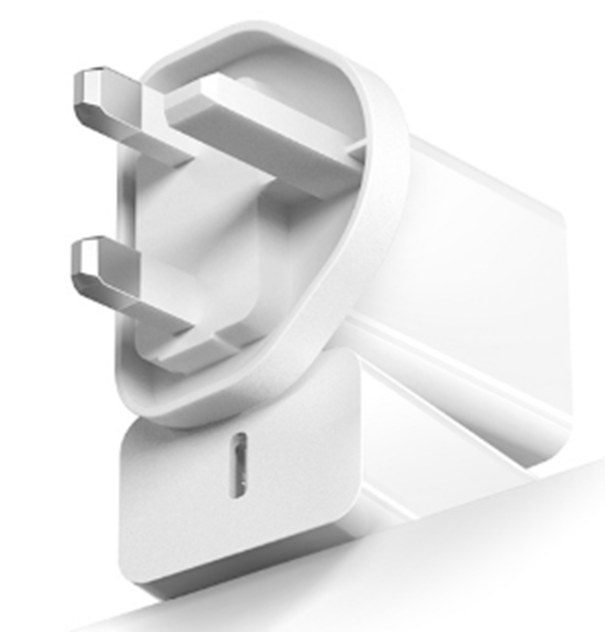
- محول طاقة بمقبس بريطاني
هناك أيضاً نقاط توقف واضحة. فوجود دوائر غير معروفة في لوحة كهربائية قديمة، أو دوائر مختلطة في علبة متعددة المفاتيح، أو أي إشارة إلى تعقيدات الدائرة الفرعية متعددة الأسلاك أو الخط المحايد المشترك، يفرض عليك التوقف فوراً عن التظاهر بأن الأمر مجرد استبدال بسيط للجهاز. هذا ليس احتكاراً للمهمة؛ بل لأن هذه التعقيدات هي التي تتسبب في حدوث قفزات عشوائية للقواطع (nuisance trips)، وسخونة مفرطة في الخطوط المحايدة، ومسارات أعطال مربكة.
لماذا تتصرف المفاتيح المستشعرة التي لا تتطلب خطًا محايدًا بشكل غريب مع لمبات الـ LED (آلية عمل، وليست خرافة)
تواجه مفاتيح الحائط المزودة بمستشعرات الإشغال والحركة التي لا تتطلب خطًا محايدًا (No-neutral) مشكلة فيزيائية أساسية: إذ تحتاج الأجزاء الإلكترونية في المفتاح إلى طاقة، ولكن لا يوجد موصل محايد لإكمال دائرة الإمداد العادية. وتعمل العديد من التصاميم على حل هذه المشكلة عن طريق "رشف" كمية ضئيلة جدًا من التيار عبر الحمل عندما يكون الضوء مطفأً. وتكون قيمة هذا التيار صغيرة بما يكفي بحيث لا يتوهج فتيل المصباح المتوهج عادةً.
لكن مشغلات LED ليست كأحادية الفتيلة. فالعديد من مصابيح LED ووحدات الإضاءة البديلة (retrofit) تتأثر بشكل مرئي وتستجيب حتى لتيارات التسريب الصغيرة جداً.
ولهذا السبب تكثر قصص "لقد كان يعمل بالأمس" بالتزامن مع استبدال المصابيح. ففي حالة خزانة المؤونة بالمنزل الريفي المبني عام 1926، كان المفتاح الذي لا يتطلب خطاً محايداً يعمل بشكل طبيعي مع المصباح المتوهج. ولكن عند تركيب حزمة مصابيح A19 LED اقتصادية—من النوع الذي يباع في عروض Costco كحزمة من ثلاث قطع—بدأ المصباح فجأة يتوهج بشكل خافت طوال الليل ووميض أحياناً مثل نبضات القلب. لم يتأثر المفتاح بقوة خارقة، بل كل ما في الأمر أن مشغل LED بدأ يعمل كمقياس مرئي لتيار التسريب. ولهذا السبب، فإن السؤال عن "هل هناك مستشعر يعمل مع أي مصباح LED؟" يعادل طلب شيء لا يمكن لهذه الفئة من الأجهزة أن تضمنه عموماً.
وتظهر هذه الآلية في أكثر من عرض. ففي عملية تجديد مطبخ يحتوي على عدة مصابيح LED غاطسة (can trims)، عمل مستشعر لا يتطلب خطاً محايداً بشكل طبيعي في البداية، ثم بدأ في الدوران في حلقة مفرغة بعد أن سخن: يضيء لثانية، ثم ينطفئ لعدة ثوانٍ، ويكرر ذلك. وعند استبداله بمفتاح تشغيل عادي، اختفى هذا العرض تماماً. وهذا هو المؤشر التشخيصي الهام: التمديدات الكهربائية لم تكن المشكلة، بل التفاعل بين إلكترونيات التحكم وسلوك المشغل كان هو المتغير. وغالباً ما يتحول تغيير العلامات التجارية للمستشعرات إلى جهد ضائع لأن التسوية الأساسية (تغذية الجهاز بالطاقة من خلال الحمل) تظل قائمة.
تساعد خريطة الأعراض في وضع حد للتخمين. ورغم أنها ليست أداة فك تشفير عالمية، إلا أنها موثوقة:
- توهج خافت عندما يكون المفتاح في وضع الإيقاف "off": تيار تسريب يمر عبر الحمل + حساسية مشغل LED.
- نبض منتظم كل بضع ثوانٍ عندما يكون المفتاح في وضع الإيقاف "off": المشغل يشحن ويفرغ شحنته بناءً على تيار ضئيل جداً؛ ومن المرجح أن المفتاح "يرتشف" الطاقة ببطء.
- طقطقة (تشغيل/إيقاف سريع) أو تكرار الدورة بعد مرور دقائق: حالات حدية تتعلق بالحد الأدنى للحمل، أو السلوك الحراري/سلوك المشغل، أو إلكترونيات لا تتوافق مع طبيعة الحمل.
- المستشعر لا ينطفئ تماماً: Again, load sensitivity and the control’s method of powering itself.
This is where “universal LED compatible” marketing claims should set off skepticism. LEDs are not one thing. A19 bulbs, BR30 floods, retrofit can trims, and integrated fixtures all use different driver designs. Even within one brand, internal driver revisions happen. A system that behaves today can misbehave a year later when a single lamp gets replaced with “whatever was on sale.”
That doesn’t mean every no-neutral PIR wall switch is junk. It means no-neutral is a trade: you get convenience now in exchange for a narrower compatibility envelope and more future sensitivity. When choosing a Rayzeek PIR sensor wall switch, that trade needs to be clear: the label “PIR” doesn’t make the neutral constraint disappear.
The stability move is to choose an architecture that doesn’t rely on leakage current through the lamp driver—whenever possible.
Reliability-First Decision Ladder (Old-Work Friendly)
This approach beats product shopping: start with the most reliable architecture and move down to compromises, explicitly labeled.
Rung 1: Use a neutral-present location and a neutral-required switch (when the box actually has neutrals). If a wall box has a real neutral bundle, a neutral-required PIR or occupancy switch is the straightforward choice. This avoids the “sip through the load” mechanism and removes a major source of LED glow and flicker complaints. The constraint usually isn’t electrical, but physical: box depth, box fill, conductor condition, and whether the old wiring can be rearranged safely. In the 1974 example, the fix path became “make the box serviceable for a bulky device,” sometimes meaning a deeper box or a box extender rather than an exotic switch.
Rung 2: Move the sensing to the fixture or ceiling when the wall box is a switch loop. In switch-loop houses—power at the ceiling, two-wire down to the switch—the grown-up move is often to stop trying to make the wall box do something it was never wired to do. A ceiling-mounted occupancy sensor or a fixture-integrated sensor can be fed where neutrals already exist (at the fixture). That’s why a landlord in a 1929 duplex hallway ultimately chose a fixture-level solution: plaster-and-lath and short conductors in an old box made “pull a neutral” the expensive, dusty option. The wall switch could go back to being a simple, predictable disconnect.
This mental shift helps avoid bad work. If the real goal is auto-off in a hallway or pantry, you don’t lose anything by letting the sensor live at the ceiling. The only thing lost is the idea that the wall must look a certain way. The gain is predictability.
Rung 3: Pull a neutral (or rewire) when the wall-switch architecture is non-negotiable. Sometimes you really do want the control at the wall, and the walls are already open for a remodel. In that case, the reliable solution is to wire the location correctly. This is where local code enforcement and permit expectations matter. The correct approach varies by AHJ, scope (new work vs old work), and existing wiring method. But the bottom line is: if the switch’s installation sheet says “neutral required,” the wiring needs to meet that requirement. Doing it right may require permitted work.
A brief category reminder (because it derails purchases): PIR does not automatically mean “no neutral.” PIR is a sensing technology, not a wiring workaround. A Rayzeek PIR wall switch is still a wall switch, with the same wiring realities as other electronic controls. If a product is neutral-required, it’s neutral-required. If a product claims no-neutral operation, it’s operating inside the leakage-current and compatibility trade space described earlier.
Rung 4: Use a no-neutral wall switch only when it is explicitly designed for no-neutral operation and the load is known-stable. This is the narrow-case compromise. It can be acceptable in low-stakes areas (a closet, a pantry, a utility room) when the device is listed and explicitly rated for the wiring scenario, and when the actual LED lamps/trims are known to behave with that control. The moment the load becomes a moving target—future bulb swaps, mixed lamp brands, retrofit trims with touchy drivers—reliability drops. This isn’t a moral judgment—it’s an engineering constraint.
Rung 5: Choose a different “hands-free” solution when invasiveness is the real constraint. Sometimes the best outcome isn’t a wall switch at all: a plug-in sensor, a fixture with integrated sensing, or a smart lamp approach that doesn’t require changing old wiring in shallow boxes. It’s not as satisfying as a “normal switch,” but it can be safer and more stable than forcing electronics into a box that barely tolerated a toggle.
A final stop-sign rung belongs here: if the box contains mixed circuits, shared neutrals, or a multi-wire branch circuit situation you can’t confidently map, this is professional territory. A 1968 tri-level basement finish scenario is a good example: adding a modern control exposed sloppy neutral splicing and caused breaker trips until the circuit topology was corrected. The lesson isn’t that smart switches are bad, but that modern devices reveal old neutral mistakes faster.
ما يجب تجنبه (لا مجال للغة اللينة هنا)
الأرضي ليس متعادلًا. خطوط التعادل المستعارة ليست ذكاءً. خطوط التعادل الوهمية (Bootleg) ليست "مجرد مفتاح."
هل تبحث عن حلول لتوفير الطاقة تعمل بالحركة؟
اتصل بنا للحصول على حساسات حركة PIR متكاملة، ومنتجات توفير الطاقة التي تعمل بالحركة، ومفاتيح حساسات الحركة، والحلول التجارية للتحكم بالإشغال/الخلو.
In a 1957 rambler bedroom multi-gang, a DIY install tried to power a sensor switch by landing the neutral on a ground screw in a metal box. It “worked” in the shallow sense that the device powered up. It also produced a tingle on the plate screw and nuisance GFCI trips elsewhere, because the return current paths were wrong and neutrals had been mixed across circuits. Unwinding that kind of work takes hours: mapping circuits, separating neutrals, restoring grounding, and making the box safe again. It’s not an online “hack.” It’s a liability grenade.
Bad advice usually sounds like: “There’s no neutral, so just tie into the ground,” or “borrow a neutral from the other switch in the multi-gang.” The failure modes are predictable: shock risk, unpredictable device behavior, nuisance trips that mask real faults, and overheated or loose neutral connections in crowded boxes. The fact that it might “work for years” is survivorship bias, not a safety argument.
The minimum acceptable alternatives are boring on purpose: keep a standard switch, move the sensor to the fixture/ceiling where neutrals exist, or wire the location correctly by pulling the right cable and following listing requirements. Those options preserve the future serviceability of the house and don’t make the next electrician’s job an archaeological dig.
If the only path to making a device power up is a code-violating connection, the correct answer is “wrong device or wrong location,” not “how do I hack this.”
أماكن استخدام مفاتيح Rayzeek PIR (وما يجب التحقق منه في الورقة)
تعيش مفاتيح مستشعرات الأشعة تحت الحمراء الخاملة (PIR) من Rayzeek في نفس الواقع الذي تعيشه جميع عناصر التحكم الحائطية الإلكترونية الأخرى: إذ يجب أن تتوافق مع الأسلاك الموجودة في العلبة وسلوك الحمل الكهربائي. وفي المنازل القديمة التي تفتقر إلى موصل محايد (نيوترال) في الجدار، يحدد هذا التوافق ما إذا كانت النتيجة النهائية ستبدو كمفتاح إضاءة عادي أو كتجربة علمية غريبة.
Because product lines and specs change over time, the most useful guidance is not pretending a single model number is universally right. Instead, check the Rayzeek installation sheet and device labeling for these factors every time:
- Neutral requirement: If it says neutral required, treat it as a hard requirement. A switch loop without neutral is a redesign problem, not a “workaround” problem.
- Load type and ratings: Look for explicit notes on LED loads vs incandescent, and whether it’s rated for your specific lighting (A19 bulbs, integrated fixtures, retrofit trims).
- Minimum load: If a device has a minimum load requirement, treat it as a reliability constraint. Low-wattage LED loads can sit below that threshold even when “six cans” feels like a lot.
- Single-pole vs 3-way: Older hallways and stair circuits often involve 3-way switching. If the intended location is a multi-location circuit, the device must be listed and wired for that configuration.
- Listing context (UL/ETL): In the real world, listed devices matter because they come with defined wiring methods and constraints. Install the device per its instructions, not per forum creativity.
- Physical fit: If the box is shallow metal, conductors are short, or insulation is brittle cloth, a “bulky” device becomes a safety and longevity issue. A deeper box or alternative architecture may be the real solution.
The LED behavior section is where you should bring the mechanism back into the decision. If the planned Rayzeek PIR wall switch (or any no-neutral switch) relies on a no-neutral design approach, the symptom family described earlier is the risk envelope: glow, flicker, pulsing, or cycling—especially after lamp swaps or warm-up. The kitchen retrofit-trim cycling story is a useful reminder here: the “bad switch” narrative often evaporates when the load changes, because the driver is the unstable element.
احصل على الإلهام من مجموعات مستشعرات الحركة من Rayzeek.
ألم تجد ما تبحث عنه؟ لا تقلق، فهناك دائماً طرق بديلة لحل مشاكلك. ربما يمكن لإحدى مجموعات منتجاتنا أن تساعدك.
Treat “universal no-neutral” claims as sales language until the details prove otherwise. The rebuild is simple and unglamorous: confirm whether neutrals exist in the box, confirm the final lamp/trim plan, read the minimum load and LED notes, and choose the architecture that avoids relying on the lamp driver cooperating.
If the wiring reality can’t support the spec sheet requirements, the best Rayzeek choice may be “not at the wall box,” even if the original vision was a wall switch.
FAQ + A Practical Close
“The old switch had two wires. Does that mean there’s no neutral?” No. Two wires on the old device only means the old device didn’t use a neutral. In many 1970s-era boxes, neutrals are bundled in the back and capped. In many older switch-loop boxes, the neutral truly isn’t there. Verify what’s in the box, then make decisions based on that reality.
“It works with incandescent but not with LED. Is the sensor defective?” Not necessarily. That exact pattern is a clue: the control may be powering itself through the load, and the LED driver is sensitive enough to show leakage current as glow, pulsing, or flicker. The reliability-first ladder points to more stable outcomes: use a neutral-present location, move the sensor to the fixture/ceiling, or ensure the chosen device and the specific LED load are compatible and stable.
“What’s the safest path if the wall box has no neutral?” The safest path avoids inventing a neutral: keep the wall switch simple and put the sensing where neutrals exist (fixture/ceiling), or rewire properly during a remodel. The unsafe path is trying to force a wall device to work by using ground as neutral or borrowing neutrals across circuits.
This guide intentionally does not teach meter testing or circuit mapping step-by-step. That work is where older homes get dangerous fast—especially with mixed circuits, shared neutrals, and crowded metal boxes. The practical boundary is simple: verify the box, read the Rayzeek installation sheet for the specific device in hand, and if the wiring reality and the spec don’t match, change the architecture or hire a licensed electrician to make the wiring match the requirement.
Stable motion lighting is achievable in old houses. The way to get it isn’t cleverness—it’s choosing the correct wiring reality and refusing the hacks that make “simple upgrades” turn into expensive repairs.






