

What is Lighting Control
Lighting control is the system or technologies that are used to regulate and manipulate the intensity of light and the color temperature in a specific area. These controls help achieve energy efficiency, create different lighting scenes, and enhance user experience.
There are two main types of lighting controls: manual controls and intelligent controls. Manual controls are the most basic and widespread form of lighting control. They involve manual inputs, such as light switches and dimming switches, which allow users to control the level of light output beyond simple on/off capabilities. Dimming switches, for example, enable users to create different light scenes and save energy by adjusting the light output. Intelligent lighting controls have evolved over the years to incorporate advanced technologies and provide enhanced functionalities. These controls can interact with other building systems and provide useful data insights for users of the space. They offer flexibility in ever-changing buildings and cater to the individual needs of people in different spaces, optimizing user comfort.
Harekete Duyarlı Enerji Tasarrufu Çözümleri mi Arıyorsunuz?
Eksiksiz PIR hareket sensörleri, harekete duyarlı enerji tasarruflu ürünler, hareket sensörlü anahtarlar ve ticari Varlık/Yokluk (Occupancy/Vacancy) çözümleri için bizimle iletişime geçin.
Lighting controls also contribute to energy efficiency by allowing users to regulate the intensity of light based on the specific requirements of the space. By implementing lighting controls, individuals and organizations can minimize costs, achieve building standards, and reach critical sustainability targets.
The evolution of lighting controls has seen the emergence of open protocols like DALI (Digital Addressable Lighting Interface) in the late 1990s. DALI and its newer version, DALI-2, serve as open standards for lighting, improving interoperability and enabling lighting systems to interact with components from different manufacturers.
Wireless technology has also been incorporated into lighting controls. Wireless lighting controls utilize radio waves for communication between different devices, eliminating the need for low-voltage hardwiring. This wireless mesh network allows for easy and secure addition, removal, and replacement of devices. Bluetooth Low-Energy (BLE) is commonly used as the low-power, short-range radio technology for wireless lighting controls.
İlginizi Çekebilir

- Kuru kontak röle çıkışlı, tavana monte edilen PIR varlık sensörü
- 12/24VDC veya 12/24VAC düşük voltaj beslemesi
- EMS, HVAC ve bina kontrol girişleri için COM, NO ve NC izoleli röle kontakları

- Düşük voltajlı DC sıva altı tavana monte mikrodalga hareket sensörlü anahtar
- 10-30 VDC aralığına sahip 12 VDC / 24 VDC giriş
- Ayarlanabilir zaman gecikmesi, lüks eşiği ve hassasiyete sahip 10A maks. çalışma akımı
- Yüksek yüklü sıva altı tavana monte mikrodalga hareket sensörlü anahtar
- 100-265 VAC şebeke voltajı girişi, 10A model
- Ayarlanabilir zaman gecikmesi, lüks eşiği ve hassasiyete sahip 5.8 GHz mikrodalga algılama
- Sıva altı tavana monte mikrodalga hareket sensörlü anahtar
- 100-265 VAC şebeke voltajı girişi, 5A model
- Ayarlanabilir zaman gecikmesi, lüks eşiği ve hassasiyete sahip 5.8 GHz mikrodalga algılama
- 220V güç için tavana monte RZ037 PIR varlık sensörlü dimmer
- 660W nominal yük ile 3A maksimum çalışma akımı
- LUX butonu, ışık sensörü AÇMA/KAPAMA işlevini ve kullanıcı tarafından ayarlanan dimmer parlaklığını kontrol eder
- 110V güç için tavana monte RZ037 PIR varlık sensörlü dimmer
- 330W nominal yük ile 3A maksimum çalışma akımı
- LUX butonu, ışık sensörü AÇMA/KAPAMA işlevini ve kullanıcı tarafından ayarlanan dimmer parlaklığını kontrol eder

- Düşük voltajlı DC tavana monte mikrodalga hareket sensörlü anahtar
- 10-30 VDC aralığına sahip 12 VDC / 24 VDC giriş
- Ayarlanabilir zaman gecikmesi, lüks eşiği ve hassasiyete sahip 10A maks. çalışma akımı
- Daha yüksek yüklü tavana monte mikrodalga hareket sensörlü anahtar
- 100-265 VAC şebeke voltajı girişi, 10A model
- Ayarlanabilir zaman gecikmesi, lüks eşiği ve hassasiyete sahip 5.8 GHz mikrodalga algılama
- Tavana monte mikrodalga hareket sensörlü anahtar
- 100-265 VAC şebeke voltajı girişi, 5A model
- Ayarlanabilir zaman gecikmesi, lüks eşiği ve hassasiyete sahip 5.8 GHz mikrodalga algılama

- Düşük voltajlı DC sıva altı tavan tipi PIR hareket sensörlü anahtar
- 10-30 VDC aralığına sahip 12 VDC / 24 VDC giriş
- Ayarlanabilir zaman gecikmesi, Lux eşiği ve hassasiyet ile maks. çalışma akımı 10A

- Daha yüksek yüklü sıva altı tavan tipi PIR hareket sensörlü anahtar
- 100-265 VAC şebeke voltajı girişi, 10A model
- Ayarlanabilir zaman gecikmesi, Lux eşiği ve hassasiyet ile 360 derece algılama
- Sıva altı tavan tipi PIR hareket sensörlü anahtar
- 100-265 VAC şebeke voltajı girişi, 5A model
- Ayarlanabilir zaman gecikmesi, Lux eşiği ve hassasiyet ile 360 derece algılama

- İç mekan Açma/Kapama (ON/OFF) aydınlatma kontrolü için kablosuz anahtar ve alıcı kiti
- 5A nominal akımlı 100-230VAC, 50/60Hz alıcı
- 2.4GHz haberleşmeli CR2032 pille çalışan kablosuz anahtar
- Varlık (Otomatik AÇILMA/Otomatik KAPANMA)
- 12–24V DC (10–30VDC), 10A'e kadar
- 360° kapsama alanı, 8–12 m çap
- Zaman gecikmesi 15 sn–30 dk
- Işık sensörü Kapalı/15/25/35 Lux
- Yüksek/Düşük hassasiyet
- Otomatik AÇILMA/Otomatik KAPANMA varlık modu
- 100–265V AC, 10A (nötr gereklidir)
- 360° kapsama alanı; 8–12 m algılama çapı
- Zaman gecikmesi 15 sn–30 dk; Lux KAPALI/15/25/35; Hassasiyet Yüksek/Düşük
- Otomatik AÇILMA/Otomatik KAPANMA varlık modu
- 100–265V AC, 5A (nötr hattı gereklidir)
- 360° kapsama alanı; 8–12 m algılama çapı
- Zaman gecikmesi 15 sn–30 dk; Lux KAPALI/15/25/35; Hassasiyet Yüksek/Düşük
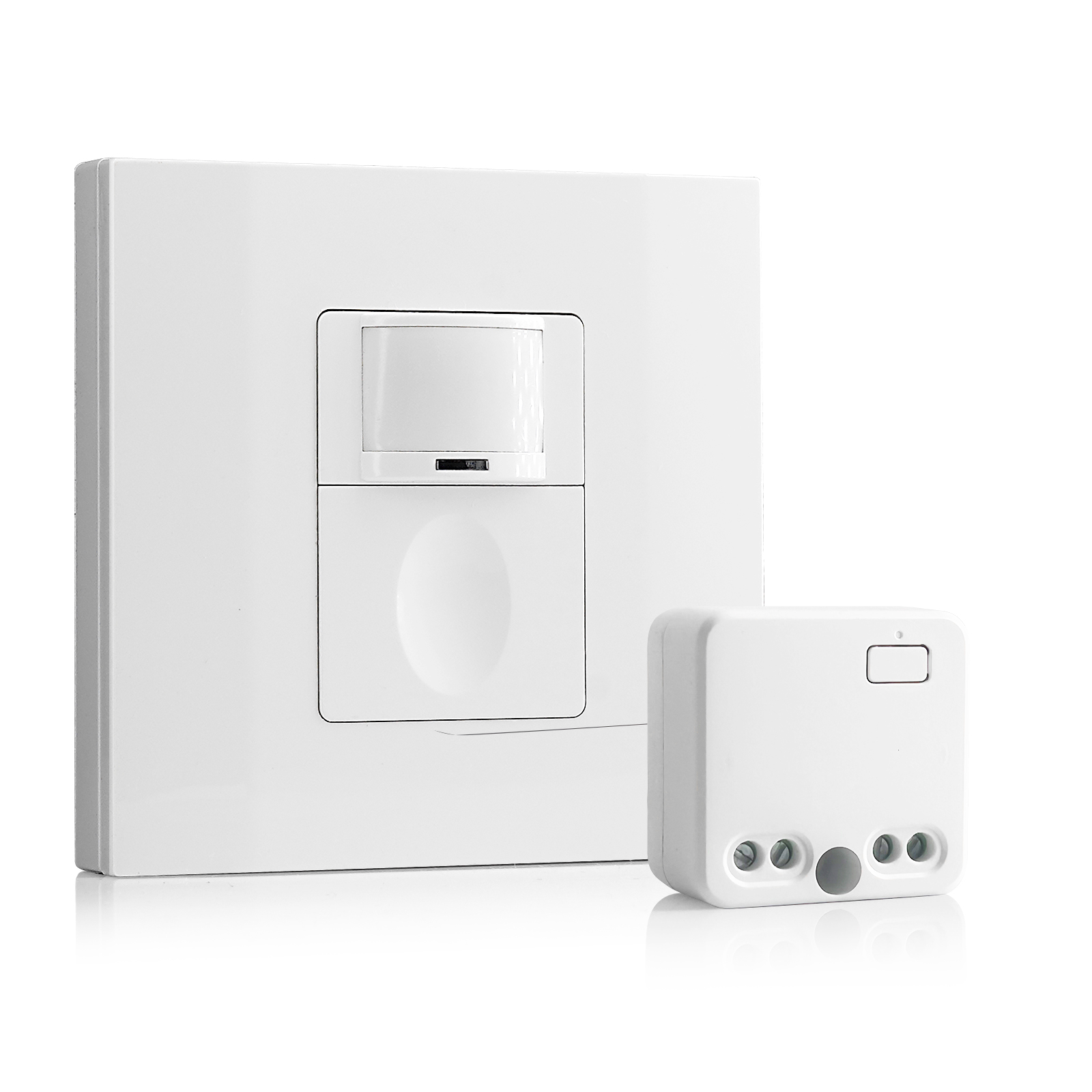
- 100V-230VAC
- İletim Mesafesi: 20m'ye kadar
- Kablosuz hareket sensörü
- Kablolu kontrol
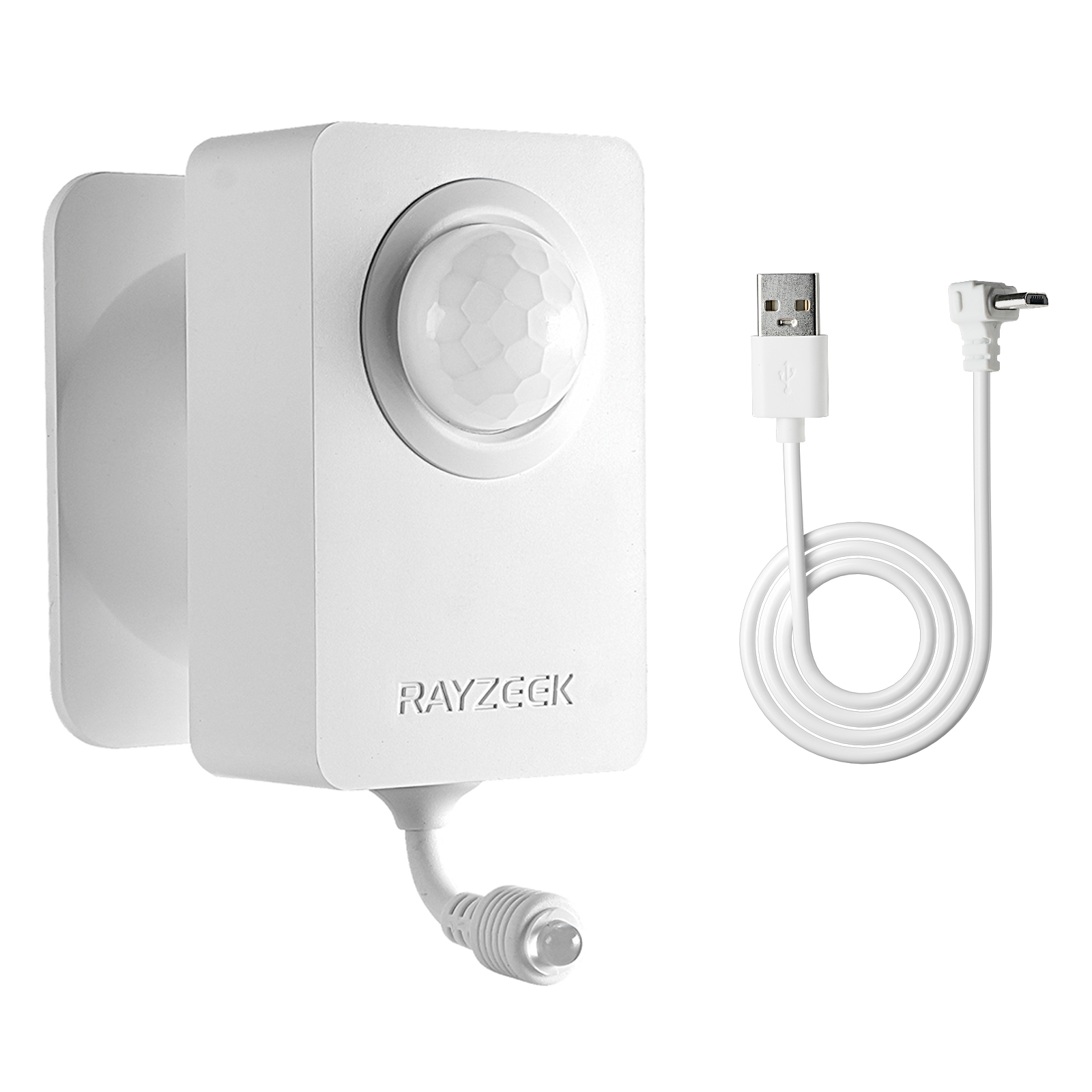
- Voltaj: 2x AAA Pil / 5V DC (Micro USB)
- Gündüz/Gece Modu
- Zaman gecikmesi: 15dk, 30dk, 1sa(varsayılan), 2sa
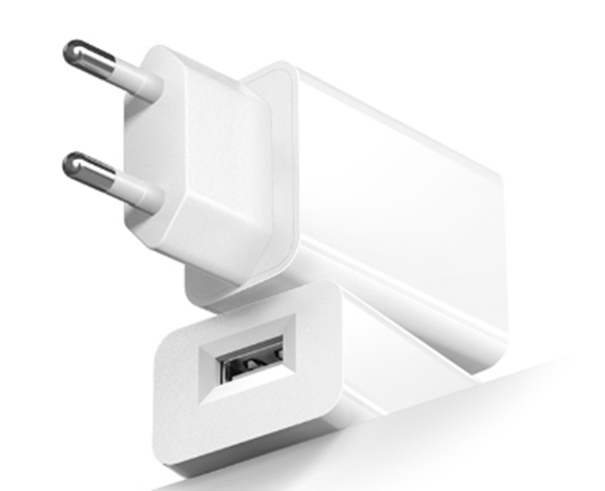
- AB fişli güç adaptörü
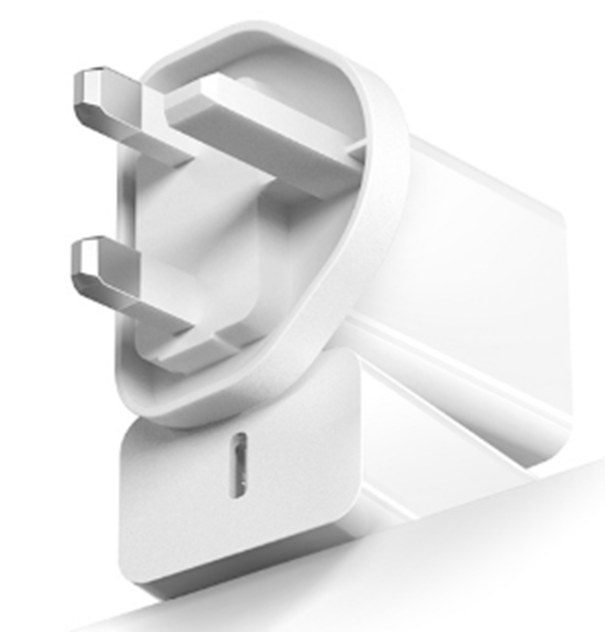
- İngiltere fişli güç adaptörü
Automation plays a significant role in modern lighting control systems. Various sensors, such as movement sensors, infrared (IR) radiation sensors, and sound sensors, enable automatic switching on and control of light levels in specific areas. Software and applications offer a wide range of possibilities for configuring the behavior of lighting control systems.







