คุณเคยสงสัยหรือไม่ว่าทำไมไฟส่วนใหญ่จึงเปิดที่ความสว่างเต็มที่ในตอนกลางวัน แม้ว่าจะแสงธรรมชาติเพียงพอแล้วก็ตาม?
สารบัญ
- ระบบหรี่ไฟตามแสงธรรมชาติ (Daylight Dimming หรือเรียกว่า Daylight Harvesting) คืออะไร?
- ข้อควรพิจารณาเมื่อติดตั้งใช้งานระบบหรี่ไฟตามแสงธรรมชาติ / ระบบเก็บเกี่ยวแสงธรรมชาติ
- การจัดสรรระบบประมวลผลอัจฉริยะสำหรับควบคุมแสงธรรมชาติ
- ต้นทุนและความสะดวกสบายเป็นตัวกำหนดการนำไปใช้งาน
- ระบบหรี่ไฟตามแสงธรรมชาติ – ฟีเจอร์ที่น่าดึงดูดสำหรับผู้ผลิตโคมไฟ OEM
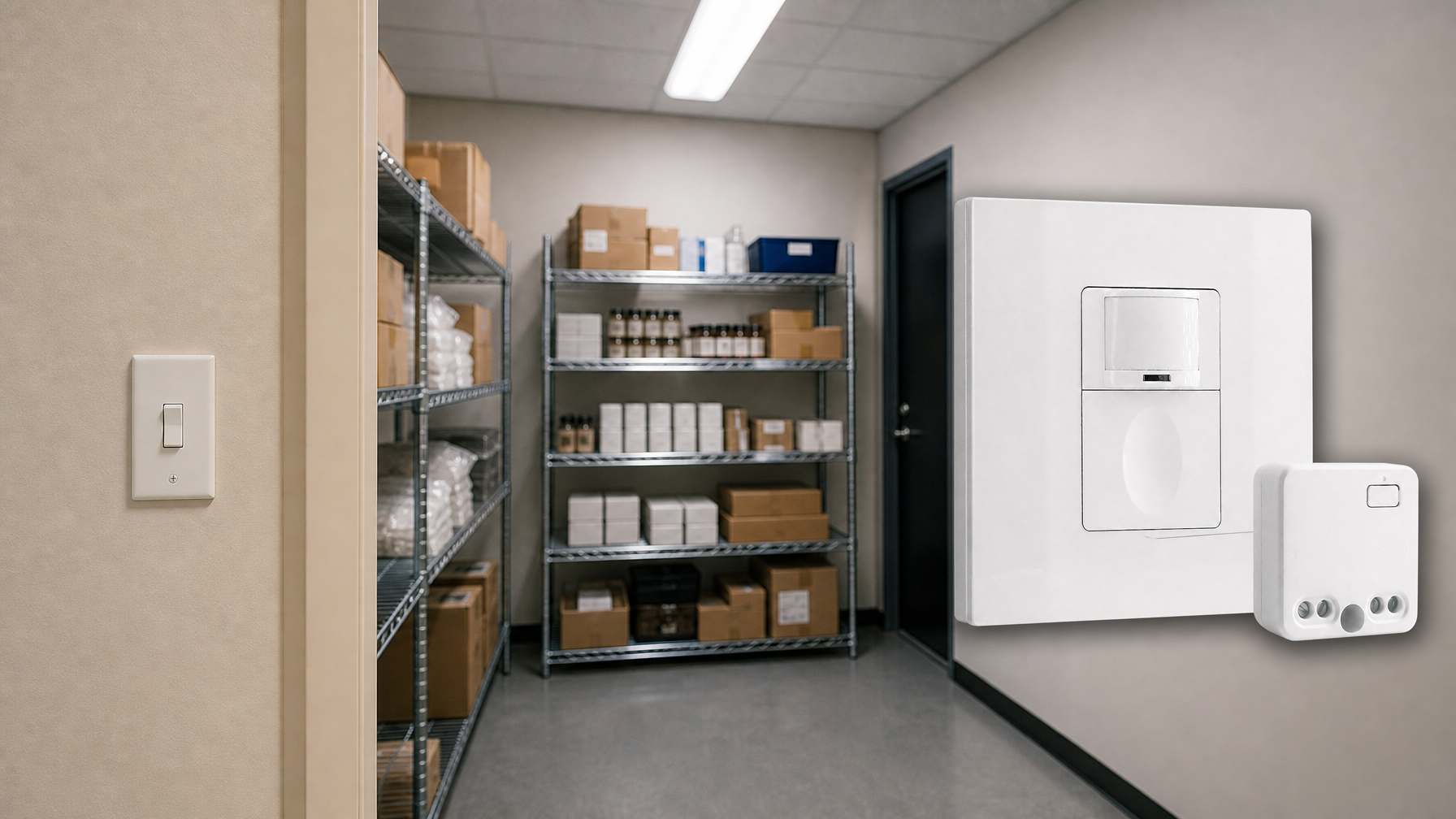
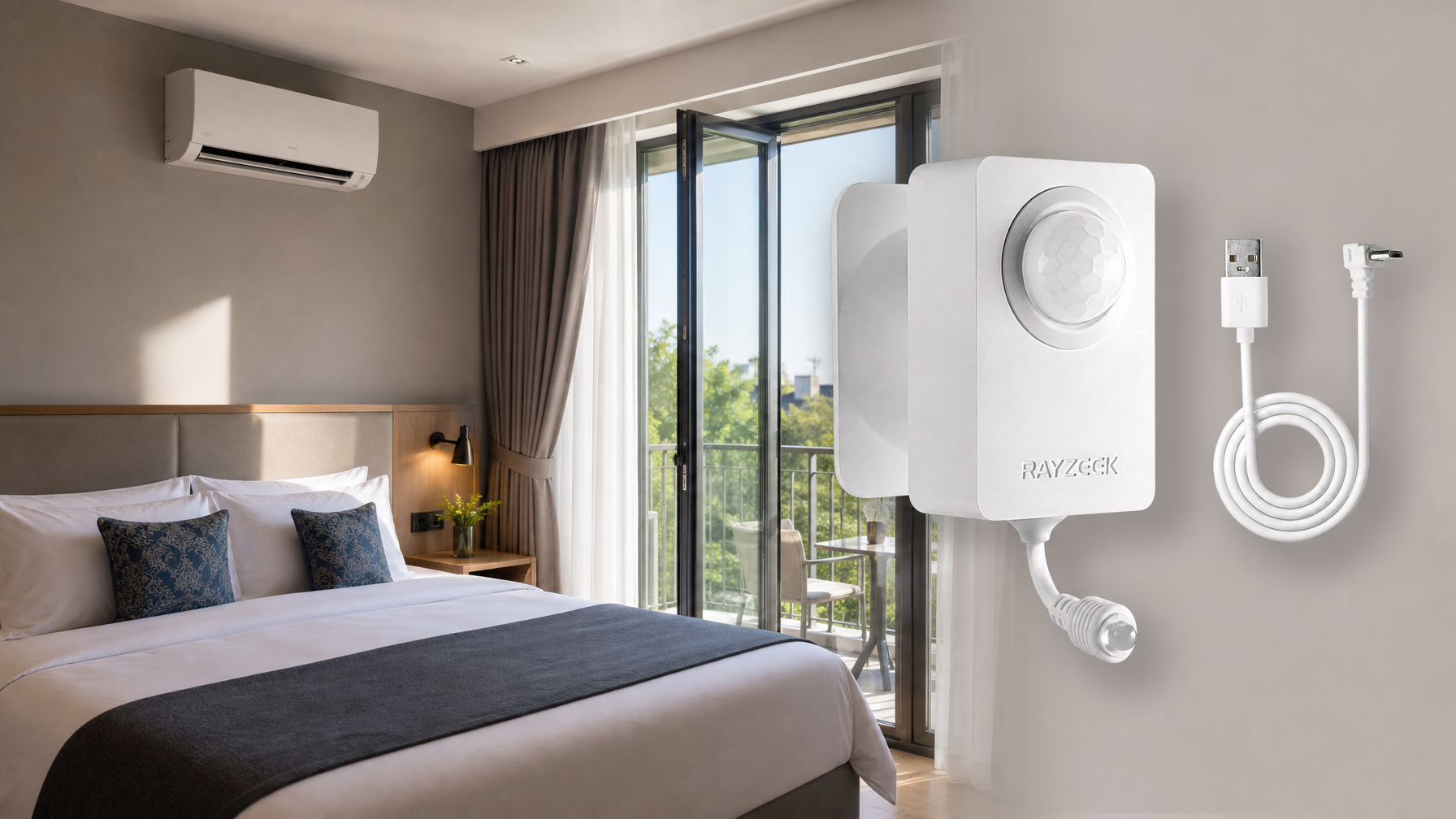
ลองจินตนาการถึงสถานการณ์ต่อไปนี้:
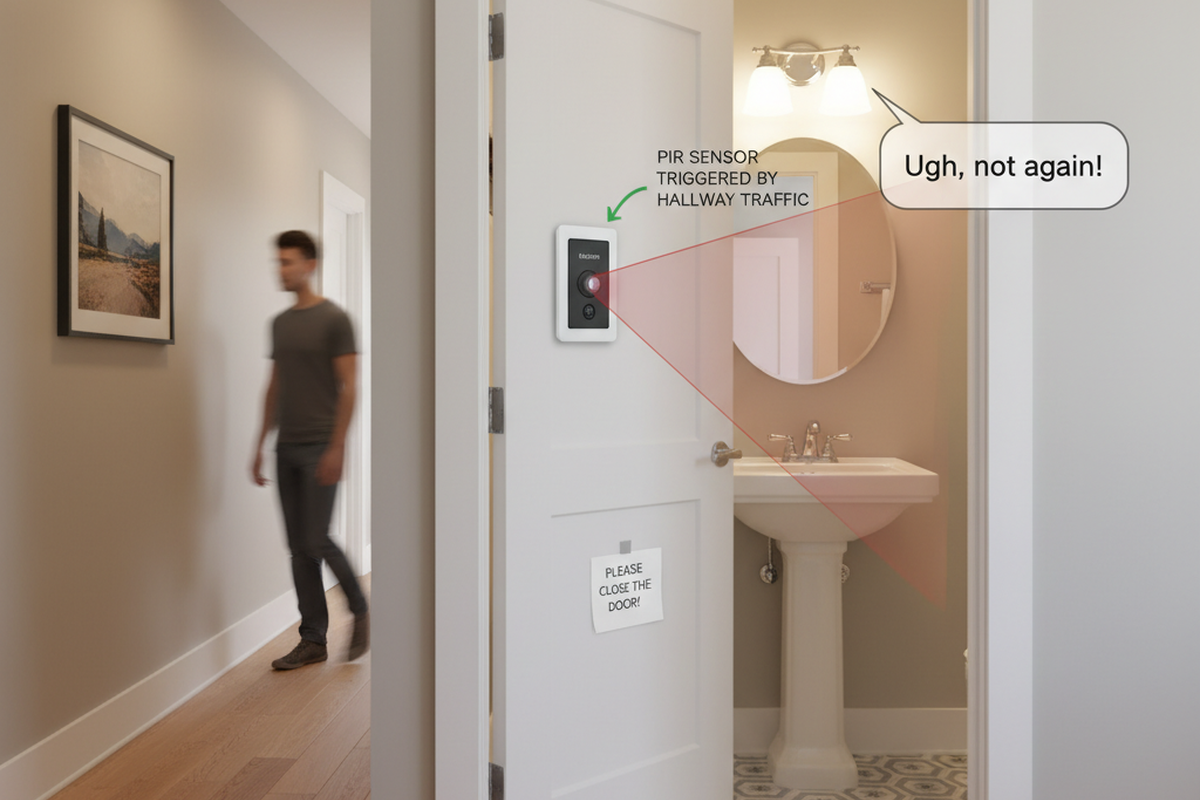
- ในตอนเช้า คุณเดินเข้าห้องน้ำและไฟจะเปิดโดยอัตโนมัติ เมื่อคุณเดินออก ไฟจะปิดโดยอัตโนมัติหลังจากเวลาหน่วงที่คุณเลือกไว้.
- คุณไม่ต้องกังวลอีกต่อไปว่าจะลืมปิดไฟ.
- เช่นเดียวกับในออฟฟิศ เซนเซอร์ตรวจจับการถือครองพื้นที่ มีความไวสูงจนสามารถตรวจจับการเคลื่อนไหวเพียงเล็กน้อยได้ (เช่น ขณะที่คุณทำงานที่คอมพิวเตอร์ การเคลื่อนไหวของเมาส์ก็เพียงพอแล้ว) หมดยุคที่ไฟดับแล้วคุณต้อง “โบกมือ” เพื่อให้ไฟติดอีกครั้ง.
- เมื่อมีแสงธรรมชาติเพียงพอในออฟฟิศของคุณ ก็ไม่จำเป็นต้องปิดไฟแสงสว่างประดิษฐ์ แต่ระบบควบคุมของเราจะหรี่ไฟแสงสว่างประดิษฐ์ลงตามระดับแสงธรรมชาติ และปรับเปลี่ยนอย่างต่อเนื่องและนุ่มนวลให้เข้ากับสถานการณ์ปัจจุบัน โดยจะรักษาระดับความสว่างให้คงที่บริเวณพื้นที่ทำงาน (โต๊ะทำงาน) ของคุณ.
- ไฟแสงสว่างประดิษฐ์สามารถหรี่ลงได้ถึง 10% และในที่สุดจะปิดลง ขึ้นอยู่กับระดับแสงธรรมชาติ และจะเปิดขึ้นอีกครั้งในภายหลังเมื่อแสงธรรมชาติต่ำลง.
- ไม่จำเป็นต้องปิดไฟด้วยตนเองแล้วเปิดใหม่อีกครั้งในภายหลังเมื่อแสงธรรมชาติต่ำลง (เช่น มีเมฆมืด หรือยามพลบค่ำ เป็นต้น)
- เมื่อทุกคนกลับบ้านและไม่มีคนอยู่ในห้อง ไฟจะปิดโดยอัตโนมัติ.
- ลืมสวิตช์ไฟของคุณไปได้เลย! แล้วเพลิดเพลินไปกับการประหยัดพลังงานเหล่านี้.
ระบบหรี่ไฟตามแสงธรรมชาติ (Daylight Dimming หรือเรียกว่า Daylight Harvesting) คืออะไร?
ระบบควบคุมการเก็บเกี่ยวแสงธรรมชาติจะปรับระดับไฟแสงสว่างประดิษฐ์ตามแสงธรรมชาติที่มีอยู่ เมื่อมีแสงธรรมชาติเพียงพอ ไฟแสงสว่างประดิษฐ์จะหรี่ลงตามปริมาณแสงที่มี โดยจะรักษาระดับความสว่างที่รับประกันไว้ (ขึ้นอยู่กับพื้นที่ทำงานและลักษณะงาน) ตลอดเวลา จากผลรวมของแสงสว่างประดิษฐ์และแสงบรรยากาศโดยรอบ.
รับแรงบันดาลใจจากกลุ่มผลิตภัณฑ์เซนเซอร์ตรวจจับความเคลื่อนไหว Rayzeek.
ยังไม่พบสิ่งที่ต้องการใช่หรือไม่? ไม่ต้องกังวล เพราะยังมีแนวทางอื่นในการแก้ปัญหาของคุณเสมอ บางทีหนึ่งในกลุ่มผลิตภัณฑ์ของเราอาจช่วยคุณได้.
ข้อควรพิจารณาเมื่อติดตั้งใช้งานระบบหรี่ไฟตามแสงธรรมชาติ / ระบบเก็บเกี่ยวแสงธรรมชาติ
ระบบเก็บเกี่ยวแสงธรรมชาติสามารถนำไปใช้กับหลอดไฟได้หลากหลายประเภท ในปัจจุบัน การใช้งานที่ได้รับความนิยมมากที่สุดคือหลอดฟลูออเรสเซนต์ อย่างไรก็ตาม ทุกระบบมีจุดร่วมที่เหมือนกันคือ ในระบบเก็บเกี่ยวแสงธรรมชาติที่ดี (ซึ่งหมายถึงให้ความสบายและมีความเสถียร) จะประกอบด้วย 3 ส่วนประกอบหลัก:
- เซนเซอร์วัดแสงซึ่งสร้างสัญญาณอินพุตตามแสงบรรยากาศโดยรอบ
- ระบบประมวลผลอัจฉริยะสำหรับหรี่ไฟตามแสงธรรมชาติจริง ซึ่งเป็นตัวสร้างสัญญาณเอาต์พุต
- some control hardware that generates the output to the lamp
Especially the daylight dimming control logic is important – this needs to be included into either the sensor component or the control (which could be an electronic dimmable ballast). The point is, it needs to be somewhere.
We strongly advise against using a “dumb” photosensor directly on a “dumb” dimmable electronic ballast. This will not work properly. In combination with other control systems (e.g. other daylight dimming ballasts) such a system can oscillate.
การจัดสรรระบบประมวลผลอัจฉริยะสำหรับควบคุมแสงธรรมชาติ
There are two main possibilities for allocating the daylight control logic. It can be added to the sensor element or to the control hardware. Both have their pros and cons and it depends on the specific application which option is the most suitable.
Option 1: Daylight dimming intelligence in the sensor
This is the case with occupancy motion and light sensors. They have a built-in logic which takes the light sensor input signal and creates the appropriate output signal which can be fed to an electronic dimmable ballast. This enables to control several luminaires with one sensor. However, adding the logic into the sensor makes the sensor much larger and also significantly more expensive.
Option 2: Simple sensor, intelligence is in the control hardware
This is a very attractive option if many individual daylight dimming systems are required. A perfect example is high-quality office lighting applications in which each work area should be controlled individually. This generates by far the best comfort.
กำลังมองหาโซลูชันประหยัดพลังงานทำงานตามการเคลื่อนไหวอยู่ใช่หรือไม่
ติดต่อเราเพื่อรับโซลูชันครบวงจรสำหรับ PIR motion sensor, ผลิตภัณฑ์ประหยัดพลังงานทำงานตามการเคลื่อนไหว, สวิตช์เซนเซอร์ตรวจจับการเคลื่อนไหว และโซลูชัน Occupancy/Vacancy สำหรับเชิงพาณิชย์.
In these applications, light sensors typically are integrated into luminaires. Luminaire manufacturers put a lot of effort into making their fixtures look elegant, and in most cases, they are not very happy about integrating a bulky sensor into their fixtures.
It makes sense to use a very small and cheap light sensor and integrate the logic into the electronic ballast for these cases. This is exactly the way we chose for our photosensor dimming ballasts. We believe that this is the most elegant way to integrate daylight dimming into a lighting system.
Not only is this suitable for demanding light fixture OEMS, it can also be used for very quick and elegant retrofits. We supply a wide range of accessories for this.
ต้นทุนและความสะดวกสบายเป็นตัวกำหนดการนำไปใช้งาน
By giving you a choice between the two options illustrated above, we enable a wide range of possible applications. Depending on your specific project, we can work out which solution works best for you. In many instances using the cheap light sensor and the slightly more expensive daylight controlled ballasts beats other solutions in overall costs (and comfort).
คุณอาจสนใจ

- แรงดันไฟฟ้า: ถ่าน AAA 2 ก้อน
- โหมดกลางวัน/กลางคืน
- การหน่วงเวลา: 15 นาที, 30 นาที, 1 ชั่วโมง (ค่าเริ่มต้น), 2 ชั่วโมง
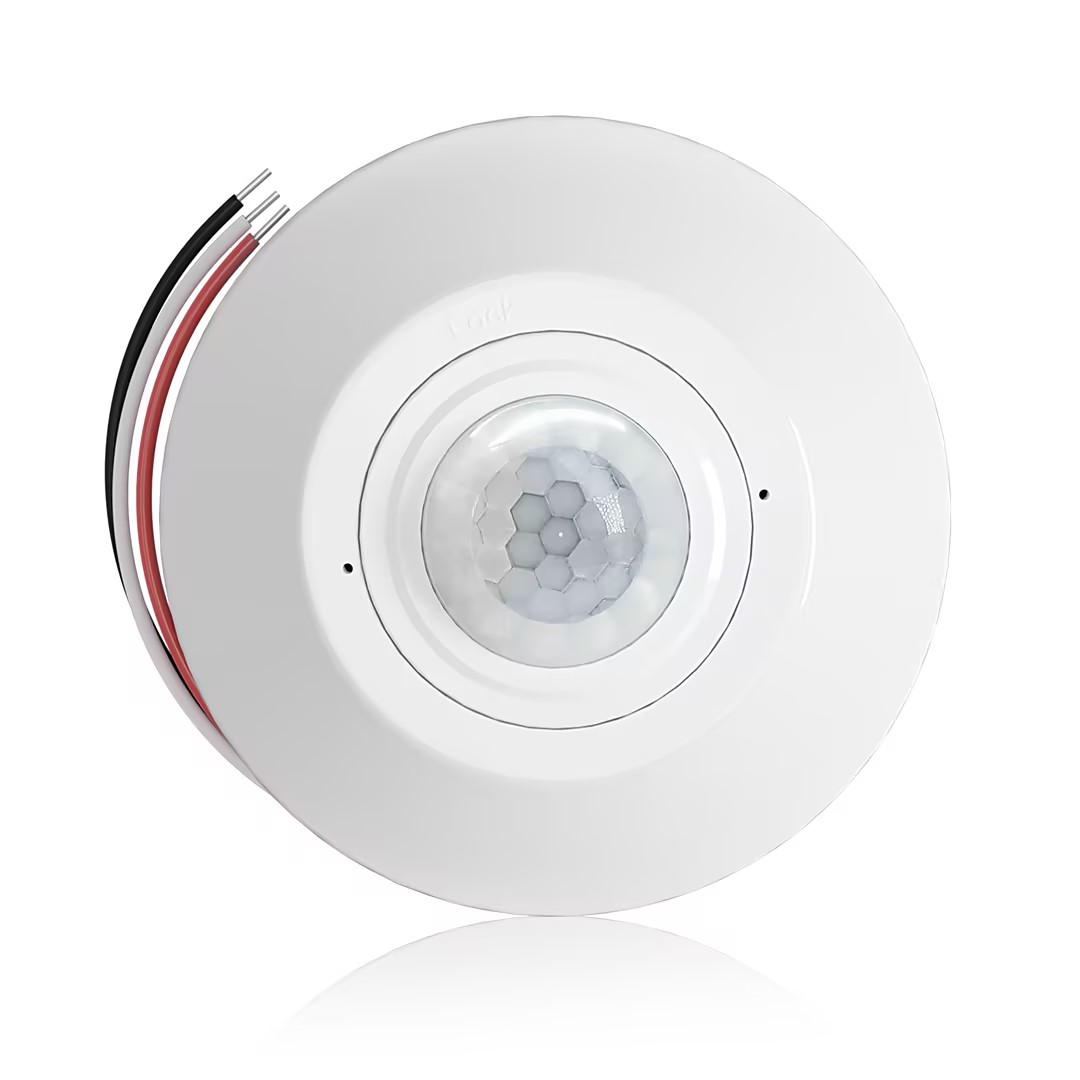
- เซนเซอร์ตรวจจับการถือครองห้อง PIR ติดตั้งบนเพดาน พร้อมเอาต์พุตรีเลย์หน้าสัมผัสแห้ง
- ระบบจ่ายไฟแรงดันต่ำ 12/24VDC หรือ 12/24VAC
- หน้าสัมผัสรีเลย์แบบแยก COM, NO และ NC สำหรับสัญญาณอินพุตของระบบ EMS, HVAC และระบบควบคุมอาคาร
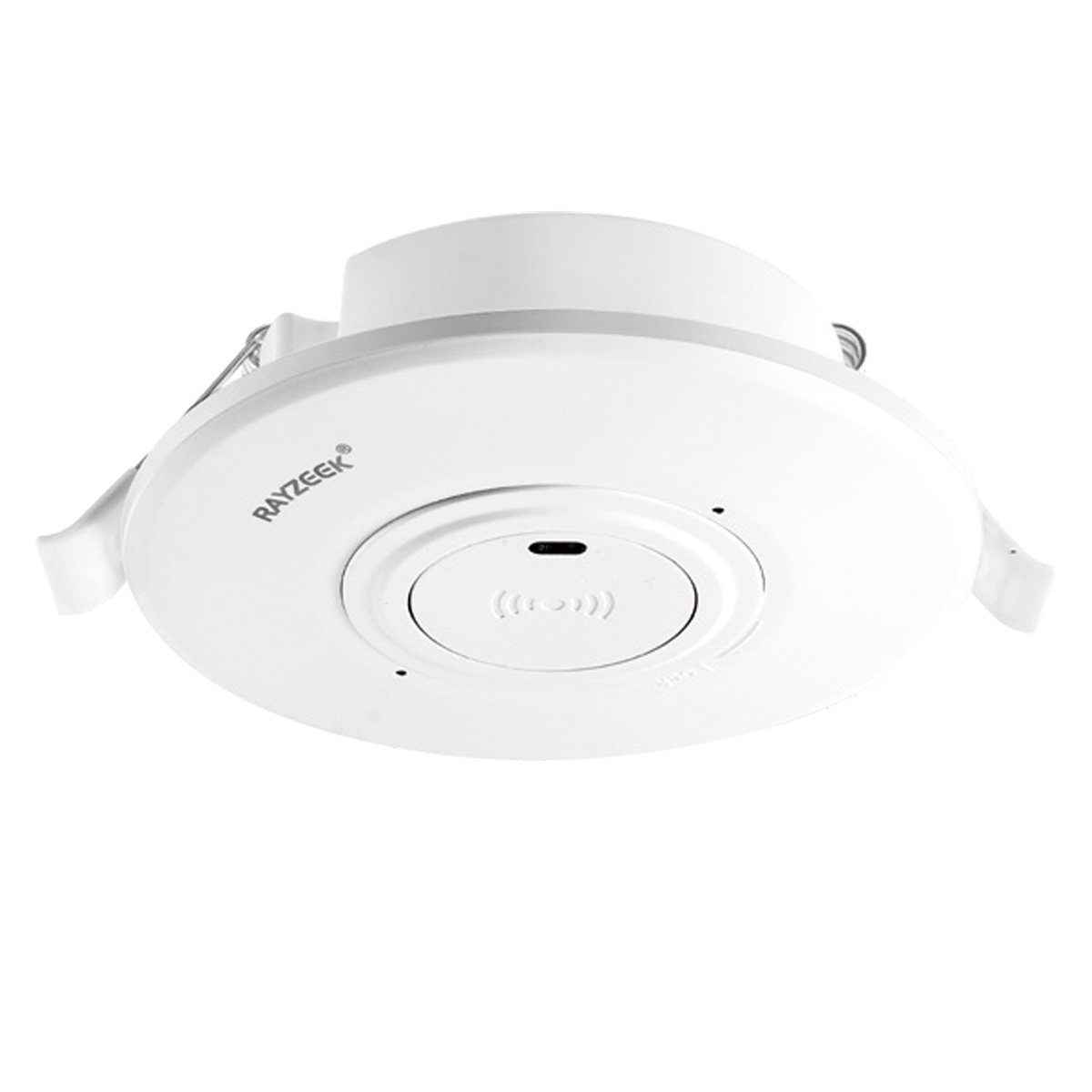
- สวิตช์เซนเซอร์ตรวจจับการเคลื่อนไหวด้วยไมโครเวฟแบบติดเพดานฝังฝ้า ไฟฟ้ากระแสตรงแรงดันต่ำ
- อินพุต 12 VDC / 24 VDC พร้อมช่วงรองรับ 10-30 VDC
- กระแสไฟฟ้าทำงานสูงสุด 10A พร้อมการปรับตั้งค่าเวลาหน่วง เกณฑ์ค่า Lux และความไวในการตรวจจับ
- สวิตช์เซนเซอร์ตรวจจับการเคลื่อนไหวด้วยไมโครเวฟแบบติดเพดานฝังฝ้า สำหรับโหลดสูง
- อินพุตแรงดันสาย 100-265 VAC รุ่น 10A
- ระบบตรวจจับด้วยไมโครเวฟความถี่ 5.8 GHz พร้อมการปรับตั้งค่าเวลาหน่วง เกณฑ์ค่า Lux และความไวในการตรวจจับ
- สวิตช์เซนเซอร์ตรวจจับการเคลื่อนไหวด้วยไมโครเวฟแบบติดเพดานฝังฝ้า
- อินพุตแรงดันสาย 100-265 VAC รุ่น 5A
- ระบบตรวจจับด้วยไมโครเวฟความถี่ 5.8 GHz พร้อมการปรับตั้งค่าเวลาหน่วง เกณฑ์ค่า Lux และความไวในการตรวจจับ
- สวิตช์หรี่ไฟเซนเซอร์ตรวจจับการเข้าใช้พื้นที่ระบบ PIR รุ่น RZ037 แบบติดเพดาน สำหรับระบบไฟฟ้า 220V
- กระแสไฟฟ้าทำงานสูงสุด 3A พร้อมโหลดพิกัด 660W
- ปุ่ม LUX ควบคุมการเปิด/ปิดเซนเซอร์แสง และความสว่างในการหรี่ไฟที่ผู้ใช้กำหนด
- สวิตช์หรี่ไฟเซนเซอร์ตรวจจับการเข้าใช้พื้นที่ระบบ PIR รุ่น RZ037 แบบติดเพดาน สำหรับระบบไฟฟ้า 110V
- กระแสไฟฟ้าทำงานสูงสุด 3A พร้อมโหลดพิกัด 330W
- ปุ่ม LUX ควบคุมการเปิด/ปิดเซนเซอร์แสง และความสว่างในการหรี่ไฟที่ผู้ใช้กำหนด
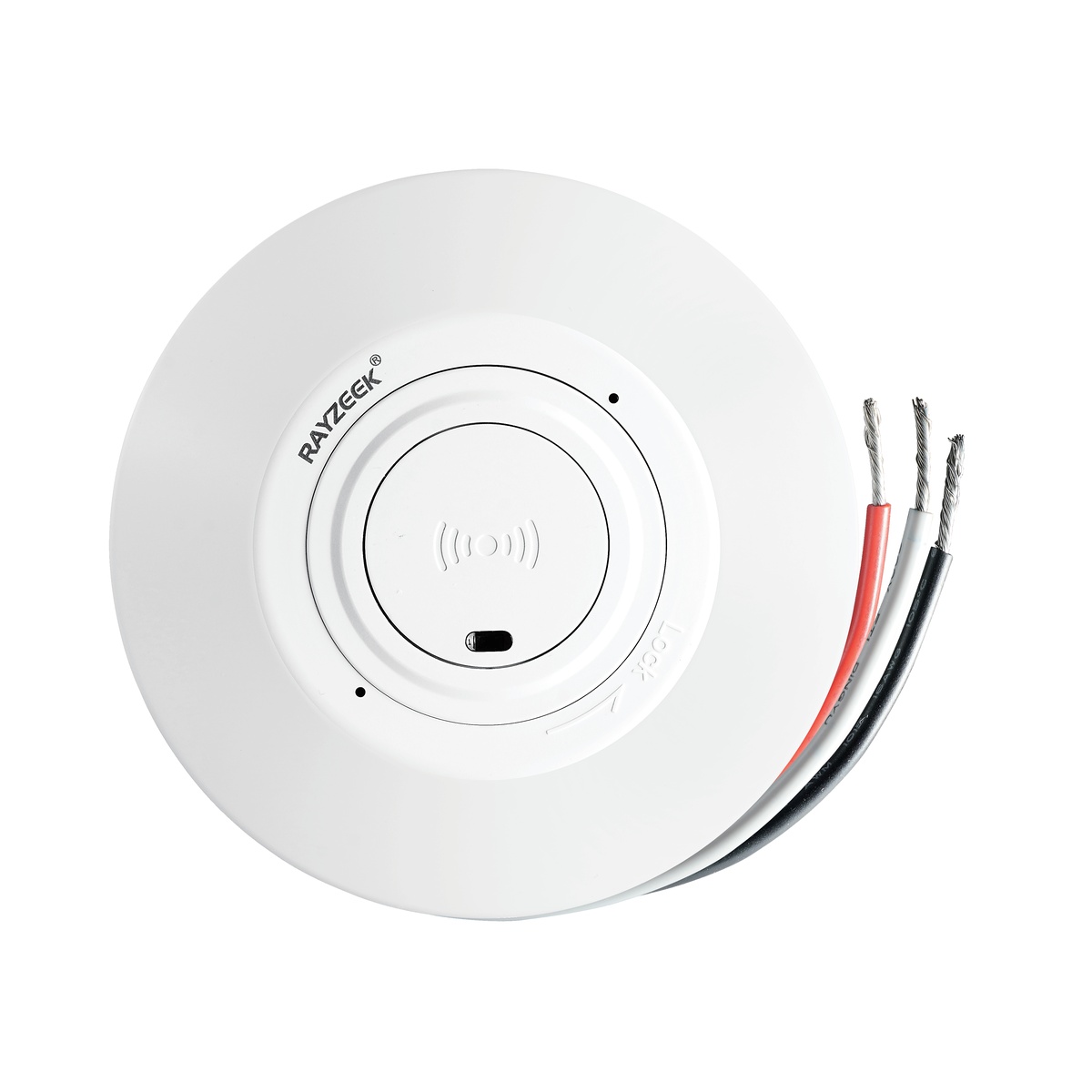
- สวิตช์เซนเซอร์ตรวจจับการเคลื่อนไหวด้วยไมโครเวฟแบบติดเพดาน ไฟฟ้ากระแสตรงแรงดันต่ำ
- อินพุต 12 VDC / 24 VDC พร้อมช่วงรองรับ 10-30 VDC
- กระแสไฟฟ้าทำงานสูงสุด 10A พร้อมการปรับตั้งค่าเวลาหน่วง เกณฑ์ค่า Lux และความไวในการตรวจจับ
- สวิตช์เซนเซอร์ตรวจจับความเคลื่อนไหวคลื่นไมโครเวฟแบบติดเพดาน รองรับโหลดสูง
- อินพุตแรงดันสาย 100-265 VAC รุ่น 10A
- ระบบตรวจจับด้วยไมโครเวฟความถี่ 5.8 GHz พร้อมการปรับตั้งค่าเวลาหน่วง เกณฑ์ค่า Lux และความไวในการตรวจจับ
- สวิตช์เซนเซอร์ตรวจจับความเคลื่อนไหวคลื่นไมโครเวฟแบบติดเพดาน
- อินพุตแรงดันสาย 100-265 VAC รุ่น 5A
- ระบบตรวจจับด้วยไมโครเวฟความถี่ 5.8 GHz พร้อมการปรับตั้งค่าเวลาหน่วง เกณฑ์ค่า Lux และความไวในการตรวจจับ
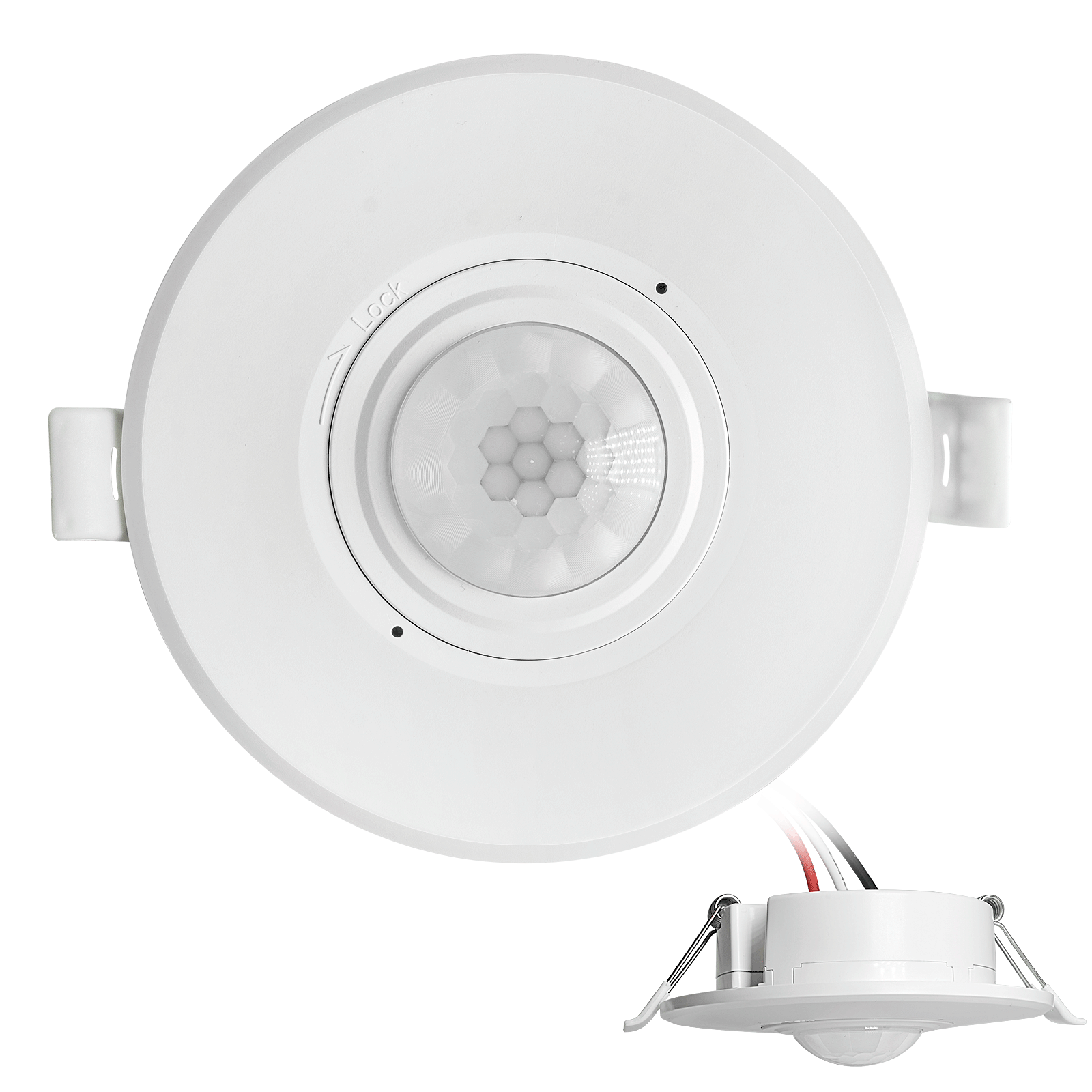
- สวิตช์เซนเซอร์ตรวจจับความเคลื่อนไหว PIR แบบฝังฝ้าเพดาน แรงดันไฟฟ้าต่ำ DC
- อินพุต 12 VDC / 24 VDC พร้อมช่วงรองรับ 10-30 VDC
- กระแสไฟฟ้าทำงานสูงสุด 10A พร้อมระบบปรับตั้งเวลาหน่วง ค่าความสว่าง Lux และความไวในการตรวจจับได้
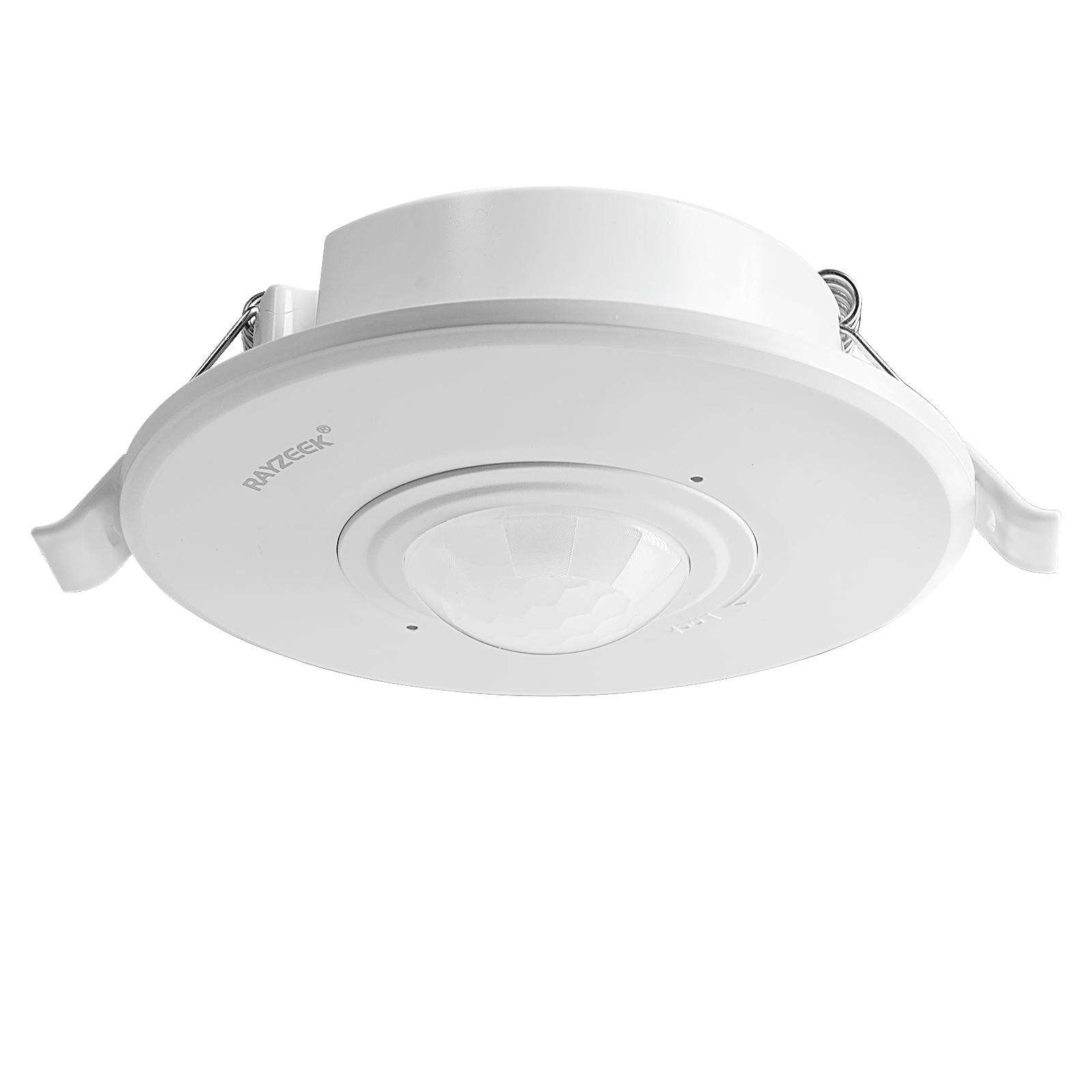
- สวิตช์เซนเซอร์ตรวจจับความเคลื่อนไหว PIR แบบฝังฝ้าเพดาน รองรับโหลดสูง
- อินพุตแรงดันสาย 100-265 VAC รุ่น 10A
- ระบบตรวจจับ 360 องศา พร้อมระบบปรับตั้งเวลาหน่วง ค่าความสว่าง Lux และความไวในการตรวจจับได้
- สวิตช์เซนเซอร์ตรวจจับความเคลื่อนไหว PIR แบบฝังฝ้าเพดาน
- อินพุตแรงดันสาย 100-265 VAC รุ่น 5A
- ระบบตรวจจับ 360 องศา พร้อมระบบปรับตั้งเวลาหน่วง ค่าความสว่าง Lux และความไวในการตรวจจับได้
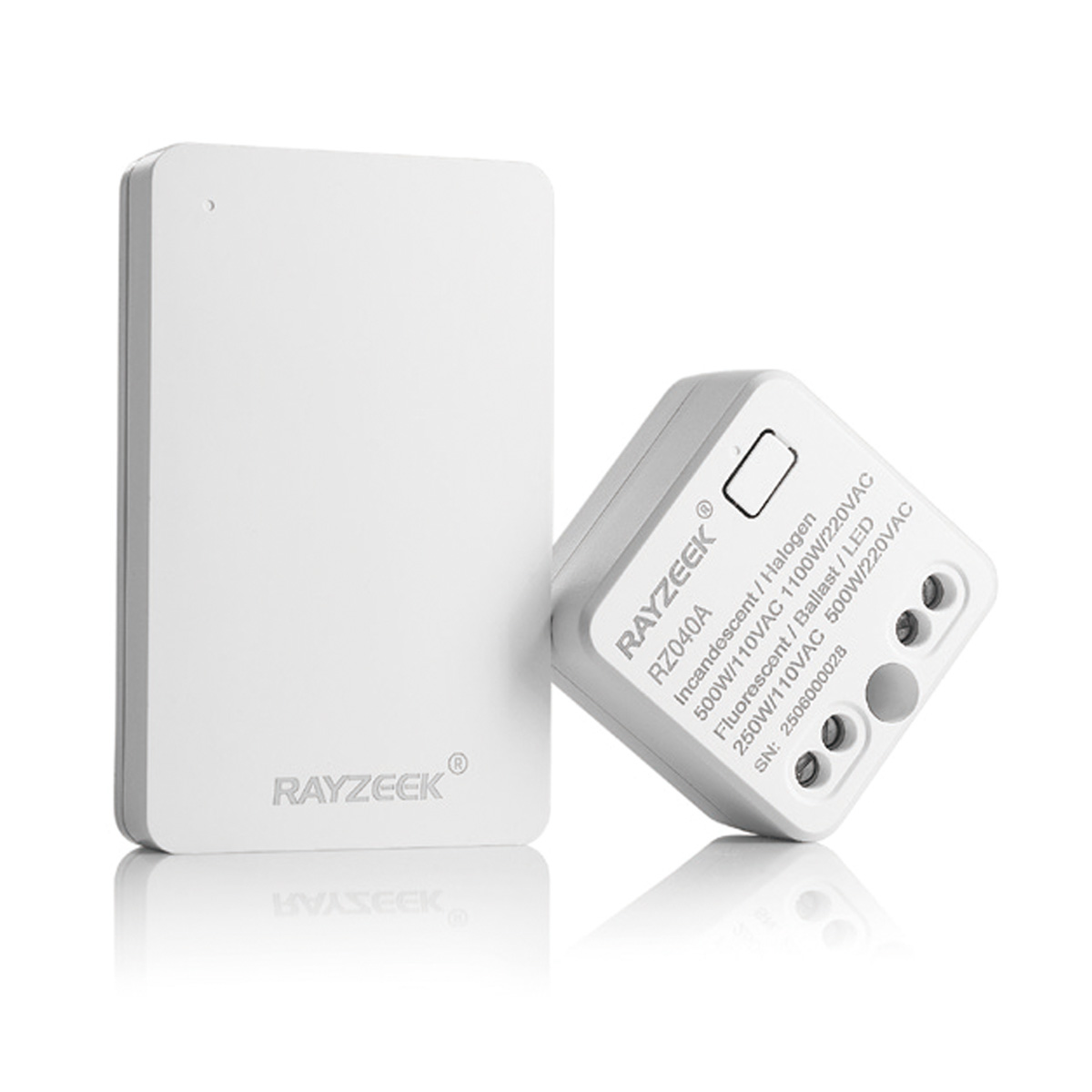
- ชุดสวิตช์ไร้สายและตัวรับสัญญาณสำหรับควบคุมการเปิด/ปิดไฟภายในอาคาร
- ตัวรับสัญญาณ 100-230VAC, 50/60Hz พิกัดกระแสไฟฟ้า 5A
- สวิตช์ไร้สายใช้พลังงานจากแบตเตอรี่ CR2032 พร้อมการสื่อสารผ่านความถี่ 2.4GHz
- ตรวจจับการใช้งาน (เปิดอัตโนมัติ/ปิดอัตโนมัติ)
- 12–24V DC (10–30VDC), สูงสุด 10A
- ครอบคลุม 360° เส้นผ่านศูนย์กลาง 8–12 ม.
- หน่วงเวลา 15 วินาที–30 นาที
- เซนเซอร์วัดแสง ปิด/15/25/35 Lux
- ความไวสูง/ต่ำ
- โหมดตรวจจับการใช้งาน เปิดอัตโนมัติ/ปิดอัตโนมัติ
- 100–265V AC, 10A (จำเป็นต้องมีสายสายนิวทรัล)
- ครอบคลุม 360°; เส้นผ่านศูนย์กลางการตรวจจับ 8–12 ม.
- หน่วงเวลา 15 วินาที–30 นาที; Lux ปิด/15/25/35; ความไวสูง/ต่ำ
- โหมดตรวจจับการใช้งาน เปิดอัตโนมัติ/ปิดอัตโนมัติ
- 100–265V AC, 5A (จำเป็นต้องมีสายสายนิวทรัล)
- ครอบคลุม 360°; เส้นผ่านศูนย์กลางการตรวจจับ 8–12 ม.
- หน่วงเวลา 15 วินาที–30 นาที; Lux ปิด/15/25/35; ความไวสูง/ต่ำ
ระบบหรี่ไฟตามแสงธรรมชาติ – ฟีเจอร์ที่น่าดึงดูดสำหรับผู้ผลิตโคมไฟ OEM
Our quite unique Photosensor Dimming Ballasts and small light sensors offer desirable opportunities to luminaire manufacturers who wish to offer very energy efficient and still comfortable fixtures. We believe that our light sensors are small in the market and they certainly are very easy to integrate, so daylight dimming functionality can be added very elegantly into your products without compromising on high design requirements.