
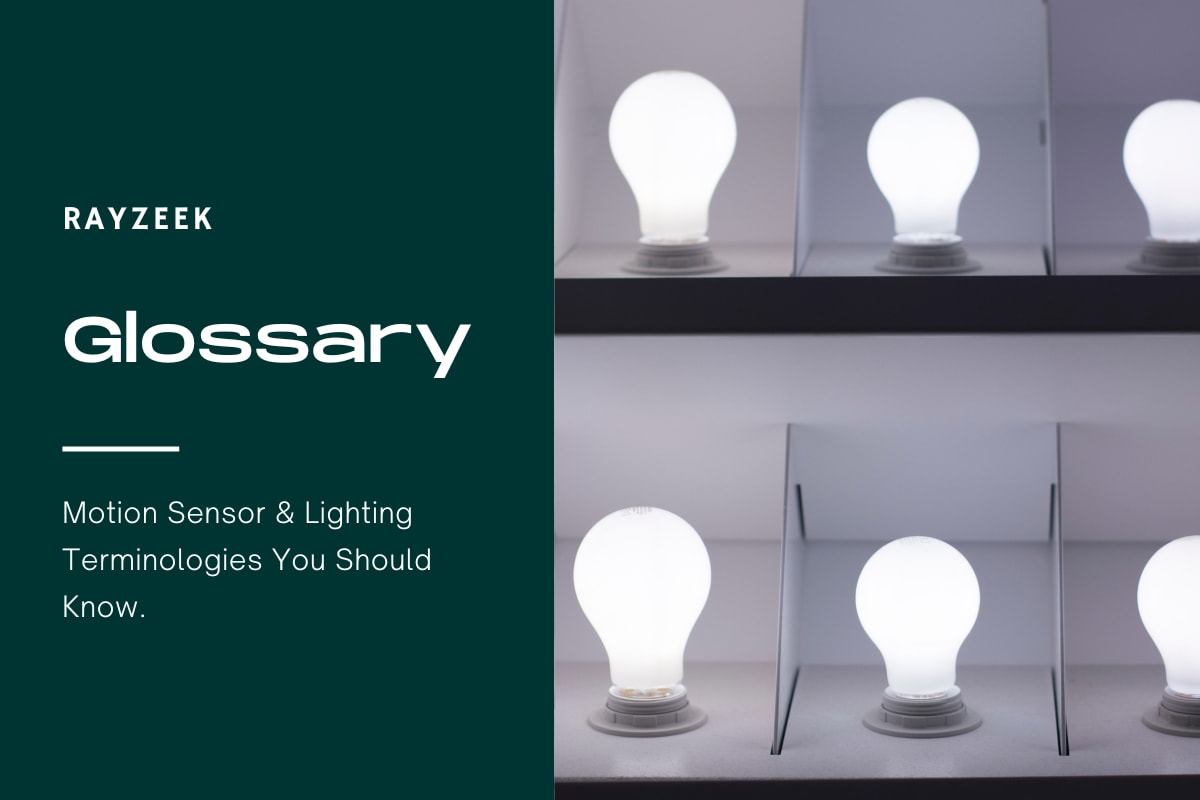
What is Vanity Light
A vanity light is a type of fixture that is commonly used in bathrooms. It is installed above the sink area, either on top of the mirror or on the sides. Vanity lights serve a dual purpose, providing both general lighting for the entire bathroom space and task lighting for activities such as applying makeup, shaving, or other personal grooming tasks.
Może Cię również zainteresować

- Sufitowy czujnik obecności PIR z wyjściem przekaźnikowym bezpotencjałowym
- Niskonapięciowe zasilanie 12/24VDC lub 12/24VAC
- Izolowane styki przekaźnika COM, NO i NC dla wejść systemów EMS, HVAC i sterowania budynkiem

- Niskonapięciowy podtynkowy sufitowy mikrofalowy czujnik ruchu DC
- Wejście 12 VDC / 24 VDC z zakresem 10-30 VDC
- Maksymalny prąd roboczy 10A z regulowanym opóźnieniem czasowym, progiem Lux i czułością
- Podtynkowy sufitowy mikrofalowy czujnik ruchu do wyższych obciążeń
- Wejście napięcia sieciowego 100-265 VAC, model 10A
- Detekcja mikrofalowa 5.8 GHz z regulowanym opóźnieniem czasowym, progiem Lux i czułością
- Podtynkowy sufitowy mikrofalowy czujnik ruchu
- Wejście napięcia sieciowego 100-265 VAC, model 5A
- Detekcja mikrofalowa 5.8 GHz z regulowanym opóźnieniem czasowym, progiem Lux i czułością
- Sufitowy ściemniacz z czujnikiem obecności PIR RZ037 na napięcie 220V
- Maksymalny prąd roboczy 3A przy obciążeniu znamionowym 660W
- Przycisk LUX kontroluje WŁ./WYŁ. czujnika światła oraz ustawianą przez użytkownika jasność ściemniania
- Sufitowy ściemniacz z czujnikiem obecności PIR RZ037 na napięcie 110V
- Maksymalny prąd roboczy 3A przy obciążeniu znamionowym 330W
- Przycisk LUX kontroluje WŁ./WYŁ. czujnika światła oraz ustawianą przez użytkownika jasność ściemniania

- Niskonapięciowy sufitowy mikrofalowy czujnik ruchu DC
- Wejście 12 VDC / 24 VDC z zakresem 10-30 VDC
- Maksymalny prąd roboczy 10A z regulowanym opóźnieniem czasowym, progiem Lux i czułością
- Sufitowy mikrofalowy czujnik ruchu do wyższych obciążeń
- Wejście napięcia sieciowego 100-265 VAC, model 10A
- Detekcja mikrofalowa 5.8 GHz z regulowanym opóźnieniem czasowym, progiem Lux i czułością
- Sufitowy mikrofalowy czujnik ruchu
- Wejście napięcia sieciowego 100-265 VAC, model 5A
- Detekcja mikrofalowa 5.8 GHz z regulowanym opóźnieniem czasowym, progiem Lux i czułością

- Niskonapięciowy podtynkowy sufitowy czujnik ruchu PIR DC
- Wejście 12 VDC / 24 VDC z zakresem 10-30 VDC
- Maksymalny prąd roboczy 10A z regulowanym opóźnieniem czasowym, progiem luksów i czułością

- Podtynkowy sufitowy czujnik ruchu PIR do wyższych obciążeń
- Wejście napięcia sieciowego 100-265 VAC, model 10A
- Detekcja 360 stopni z regulowanym opóźnieniem czasowym, progiem luksów i czułością
- Podtynkowy sufitowy czujnik ruchu PIR
- Wejście napięcia sieciowego 100-265 VAC, model 5A
- Detekcja 360 stopni z regulowanym opóźnieniem czasowym, progiem luksów i czułością

- Zestaw bezprzewodowego włącznika i odbiornika do wewnętrznego sterowania oświetleniem WŁ/WYŁ
- Odbiornik 100-230VAC, 50/60Hz o prądzie znamionowym 5A
- Włącznik bezprzewodowy zasilany baterią CR2032 z komunikacją 2.4GHz
- Obecność (Auto-WŁ/Auto-WYŁ)
- 12–24V DC (10–30VDC), do 10A
- Zasięg 360°, średnica 8–12 m
- Opóźnienie czasowe 15 s–30 min
- Czujnik światła Wył/15/25/35 Lux
- Czułość Wysoka/Niska
- Tryb obecności Auto-WŁ/Auto-WYŁ
- 100–265V AC, 10A (wymagany przewód neutralny)
- Zasięg 360°; średnica detekcji 8–12 m
- Opóźnienie czasowe 15 s–30 min; Lux WYŁ/15/25/35; Czułość Wysoka/Niska
- Tryb obecności Auto-WŁ/Auto-WYŁ
- 100–265V AC, 5A (wymagany przewód neutralny)
- Zasięg 360°; średnica detekcji 8–12 m
- Opóźnienie czasowe 15 s–30 min; Lux WYŁ/15/25/35; Czułość Wysoka/Niska
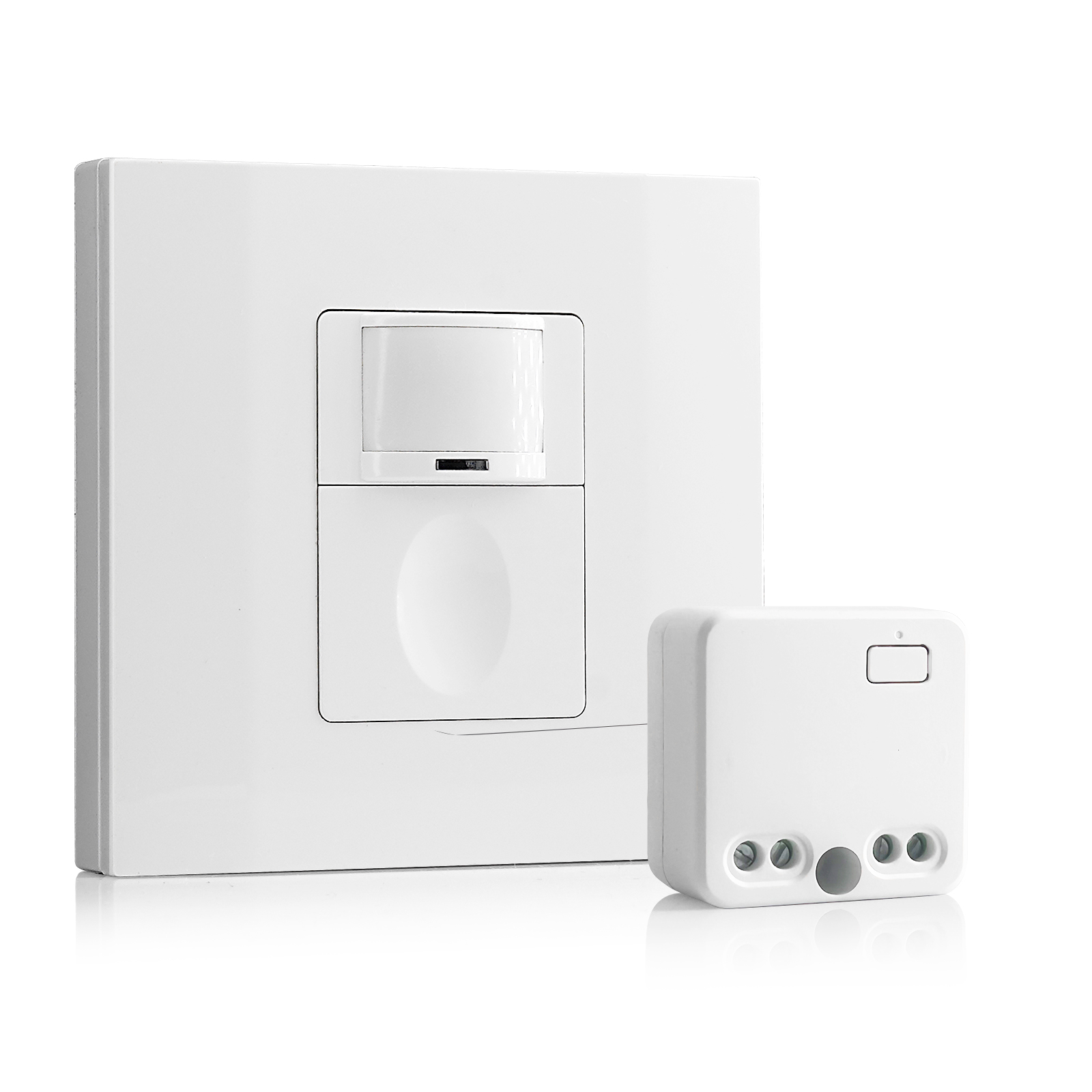
- 100V-230VAC
- Zasięg transmisji: do 20m
- Bezprzewodowy czujnik ruchu
- Sterowanie przewodowe
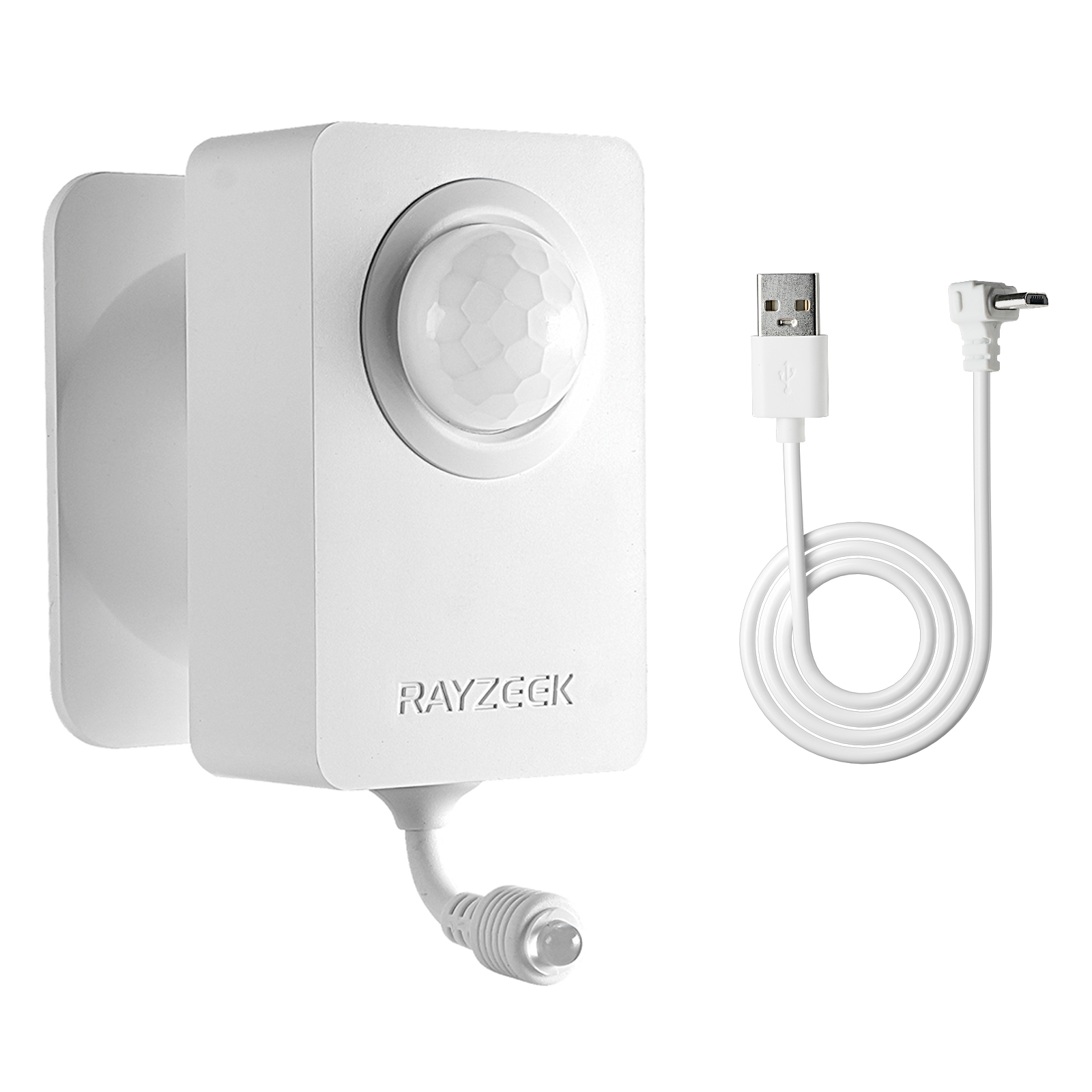
- Napięcie: 2x baterie AAA / 5V DC (Micro USB)
- Tryb dzień/noc
- Opóźnienie czasowe: 15min, 30min, 1h (domyślne), 2h
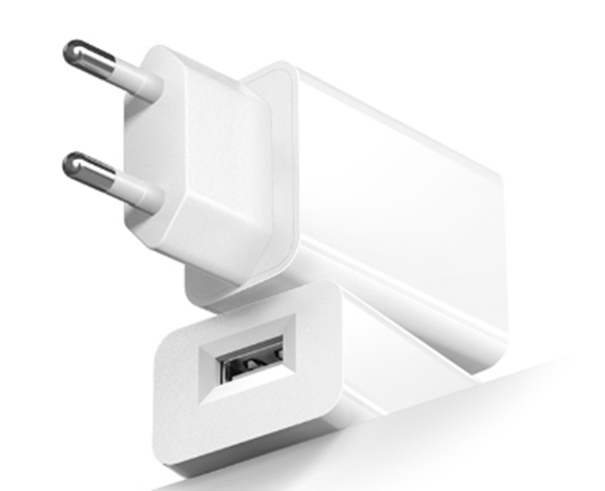
- Zasilacz sieciowy z wtyczką EU
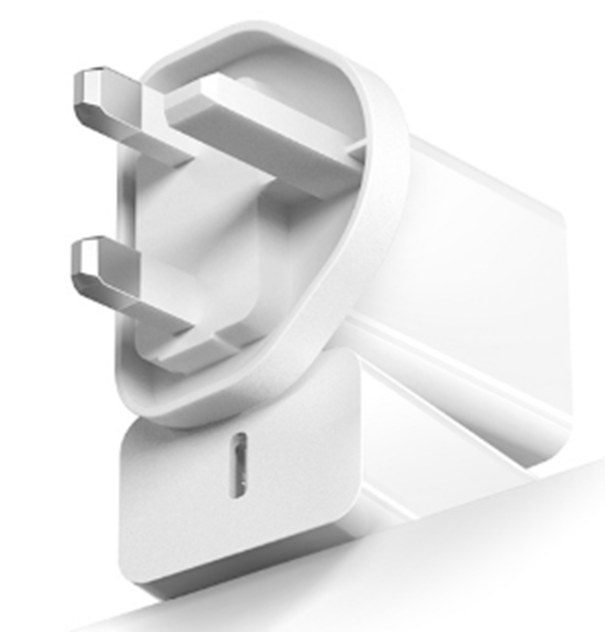
- Zasilacz sieciowy z wtyczką UK
These lights are an essential component of a well-designed bathroom lighting scheme, ensuring that the correct amount and quality of light is provided in the area where it is needed the most. In larger or more modern bathrooms, vanity lights are often necessary to fully brighten the space, while smaller bathrooms may rely solely on ambient lighting. Vanity lights also contribute to the overall style and aesthetics of the bathroom. Choose vanity lights that complement the interior lighting and existing décor of the home, as they can enhance the overall ambiance and visual appeal of the space.
Frequently Asked Questions
Do You Center Light Over Sink or Vanity
If you have a vanity light fixture going over a single sink bowl, it is recommended to position the fixture above the sink, ensuring that it is centered. Additionally, it is important to choose a vanity light that is no longer than the length of the mirror.
Is Daylight or Soft White Better for Bathrooms
In most bathroom or vanity applications, it is recommended to use a brighter light. A preferable color temperature for a bathroom is between 3000K (soft-white) and 5000K (cool white). It is advisable to avoid using daylight as it can give a blue and sterile feel. Therefore, it is better to opt for soft white to cool white lighting options.
Should Bathroom Vanity Light Hang Over Mirror
Vanity mirror lighting should not extend beyond the mirror surface. It is important to avoid down lighting that can create shadows on the face. Instead, consider using accent lighting to achieve a warm and inviting glow.
What Is the Use of Vanity Light
Vanity lighting serves a crucial purpose for individuals and families who utilize a bathroom mirror for various grooming activities such as applying makeup, shaving, haircuts, and other routines that necessitate optimal visibility. It plays a significant role in ensuring that everything in a small bathroom is well-illuminated and easily visible.
Do I Really Need a Vanity Light
Vanity lighting is essential as it plays a crucial role in providing adequate illumination for grooming the head and face. It is important to avoid the common mistake of placing recessed ceiling fixtures directly over the mirror, as this can create shadows on the face and make daily grooming routines more challenging.
How Many Bulbs Are in a Vanity Light
The vanity light typically consists of a single light fixture positioned above the mirror over the vanity. It is recommended to have at least two 60-watt incandescent bulbs, as they usually generate around 800 lumens each, resulting in a total of 1,600 lumens.
Do You Need a Vanity Light With a Lighted Mirror
The answer to whether you need a vanity light with a lighted mirror is affirmative. To ensure effective task lighting in a bathroom, powder room, or shower room, it is recommended to install bathroom lights above the mirror or on either side of it.
How Many Vanity Lights for a 60 Inch Vanity
For a 60-inch bathroom vanity, it is recommended to choose a light fixture that is around 30-36 inches wide. This typically consists of fixtures with two bulbs, such as two wall sconces, two bathroom pendant lights, or a bathroom vanity bar light.







