
What is Reflector
A reflector is a device used to manipulate and control the direction of light. It consists of a surface that reflects and redirects existing light, rather than creating light itself. Reflectors are commonly employed in photography to enhance lighting conditions and achieve desired effects.
Reflectors come in various types, allowing photographers to choose the one that best suits their specific needs. Two commonly used types of reflectors are silver and gold reflectors. A silver reflector produces specular highlights and accentuates shiny objects in the frame, creating a cool light effect. On the other hand, a gold reflector adds a warm tone to the image, simulating sunlight and giving the subject a subtle warm glow.
Szukasz energooszczędnych rozwiązań aktywowanych ruchem?
Skontaktuj się z nami, aby otrzymać kompletne czujniki ruchu PIR, energooszczędne produkty aktywowane ruchem, przełączniki z czujnikiem ruchu oraz komercyjne rozwiązania do kontroli obecności/nieobecności.
The choice of reflector depends on the lighting conditions present during a photoshoot. If there is ample natural light available, a reflector can be used to reflect and enhance the sunlight, providing additional fill light and reducing shadows. In situations where natural light is insufficient, a reflector can be used in conjunction with a flash to redirect and reflect light from the flash, improving overall lighting conditions.
Może Cię również zainteresować

- Sufitowy czujnik obecności PIR z wyjściem przekaźnikowym bezpotencjałowym
- Niskonapięciowe zasilanie 12/24VDC lub 12/24VAC
- Izolowane styki przekaźnika COM, NO i NC dla wejść systemów EMS, HVAC i sterowania budynkiem

- Niskonapięciowy podtynkowy sufitowy mikrofalowy czujnik ruchu DC
- Wejście 12 VDC / 24 VDC z zakresem 10-30 VDC
- Maksymalny prąd roboczy 10A z regulowanym opóźnieniem czasowym, progiem Lux i czułością
- Podtynkowy sufitowy mikrofalowy czujnik ruchu do wyższych obciążeń
- Wejście napięcia sieciowego 100-265 VAC, model 10A
- Detekcja mikrofalowa 5.8 GHz z regulowanym opóźnieniem czasowym, progiem Lux i czułością
- Podtynkowy sufitowy mikrofalowy czujnik ruchu
- Wejście napięcia sieciowego 100-265 VAC, model 5A
- Detekcja mikrofalowa 5.8 GHz z regulowanym opóźnieniem czasowym, progiem Lux i czułością
- Sufitowy ściemniacz z czujnikiem obecności PIR RZ037 na napięcie 220V
- Maksymalny prąd roboczy 3A przy obciążeniu znamionowym 660W
- Przycisk LUX kontroluje WŁ./WYŁ. czujnika światła oraz ustawianą przez użytkownika jasność ściemniania
- Sufitowy ściemniacz z czujnikiem obecności PIR RZ037 na napięcie 110V
- Maksymalny prąd roboczy 3A przy obciążeniu znamionowym 330W
- Przycisk LUX kontroluje WŁ./WYŁ. czujnika światła oraz ustawianą przez użytkownika jasność ściemniania

- Niskonapięciowy sufitowy mikrofalowy czujnik ruchu DC
- Wejście 12 VDC / 24 VDC z zakresem 10-30 VDC
- Maksymalny prąd roboczy 10A z regulowanym opóźnieniem czasowym, progiem Lux i czułością
- Sufitowy mikrofalowy czujnik ruchu do wyższych obciążeń
- Wejście napięcia sieciowego 100-265 VAC, model 10A
- Detekcja mikrofalowa 5.8 GHz z regulowanym opóźnieniem czasowym, progiem Lux i czułością
- Sufitowy mikrofalowy czujnik ruchu
- Wejście napięcia sieciowego 100-265 VAC, model 5A
- Detekcja mikrofalowa 5.8 GHz z regulowanym opóźnieniem czasowym, progiem Lux i czułością

- Niskonapięciowy podtynkowy sufitowy czujnik ruchu PIR DC
- Wejście 12 VDC / 24 VDC z zakresem 10-30 VDC
- Maksymalny prąd roboczy 10A z regulowanym opóźnieniem czasowym, progiem luksów i czułością

- Podtynkowy sufitowy czujnik ruchu PIR do wyższych obciążeń
- Wejście napięcia sieciowego 100-265 VAC, model 10A
- Detekcja 360 stopni z regulowanym opóźnieniem czasowym, progiem luksów i czułością
- Podtynkowy sufitowy czujnik ruchu PIR
- Wejście napięcia sieciowego 100-265 VAC, model 5A
- Detekcja 360 stopni z regulowanym opóźnieniem czasowym, progiem luksów i czułością

- Zestaw bezprzewodowego włącznika i odbiornika do wewnętrznego sterowania oświetleniem WŁ/WYŁ
- Odbiornik 100-230VAC, 50/60Hz o prądzie znamionowym 5A
- Włącznik bezprzewodowy zasilany baterią CR2032 z komunikacją 2.4GHz
- Obecność (Auto-WŁ/Auto-WYŁ)
- 12–24V DC (10–30VDC), do 10A
- Zasięg 360°, średnica 8–12 m
- Opóźnienie czasowe 15 s–30 min
- Czujnik światła Wył/15/25/35 Lux
- Czułość Wysoka/Niska
- Tryb obecności Auto-WŁ/Auto-WYŁ
- 100–265V AC, 10A (wymagany przewód neutralny)
- Zasięg 360°; średnica detekcji 8–12 m
- Opóźnienie czasowe 15 s–30 min; Lux WYŁ/15/25/35; Czułość Wysoka/Niska
- Tryb obecności Auto-WŁ/Auto-WYŁ
- 100–265V AC, 5A (wymagany przewód neutralny)
- Zasięg 360°; średnica detekcji 8–12 m
- Opóźnienie czasowe 15 s–30 min; Lux WYŁ/15/25/35; Czułość Wysoka/Niska
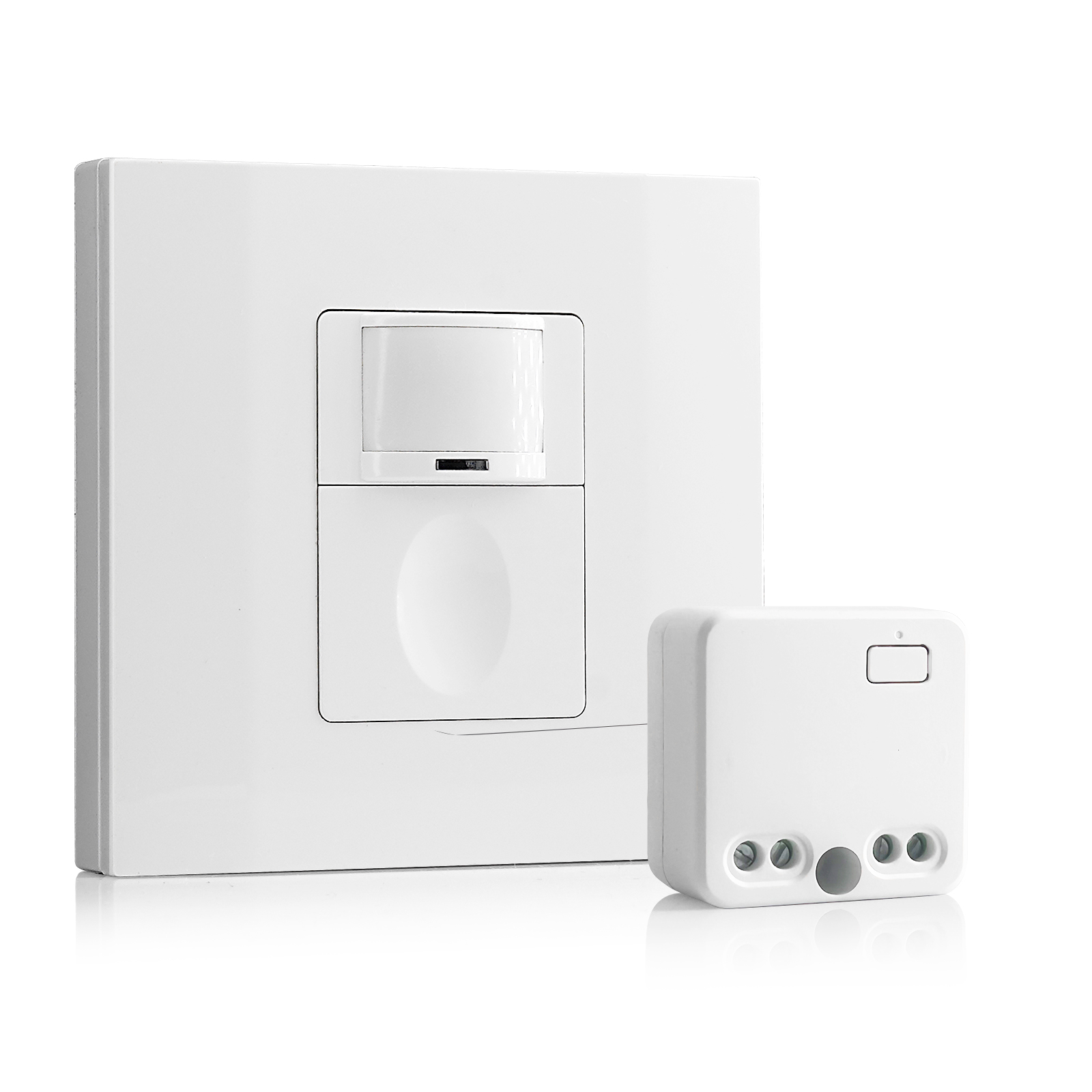
- 100V-230VAC
- Zasięg transmisji: do 20m
- Bezprzewodowy czujnik ruchu
- Sterowanie przewodowe
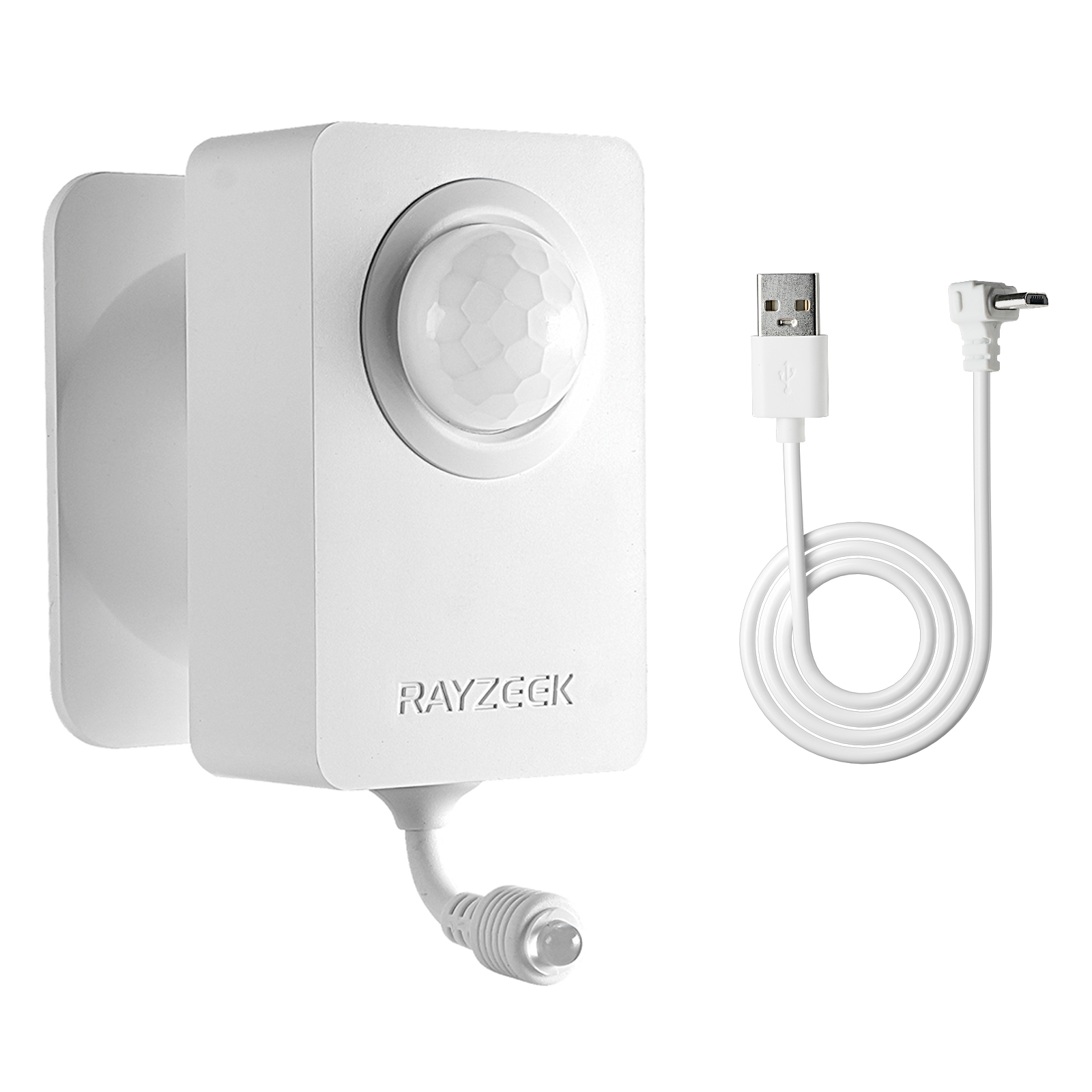
- Napięcie: 2x baterie AAA / 5V DC (Micro USB)
- Tryb dzień/noc
- Opóźnienie czasowe: 15min, 30min, 1h (domyślne), 2h
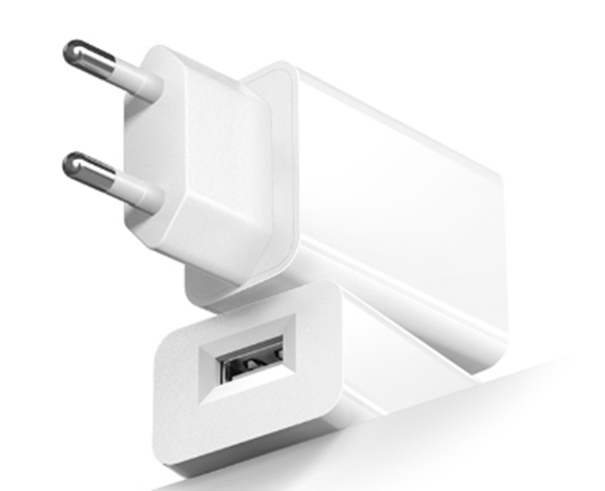
- Zasilacz sieciowy z wtyczką EU
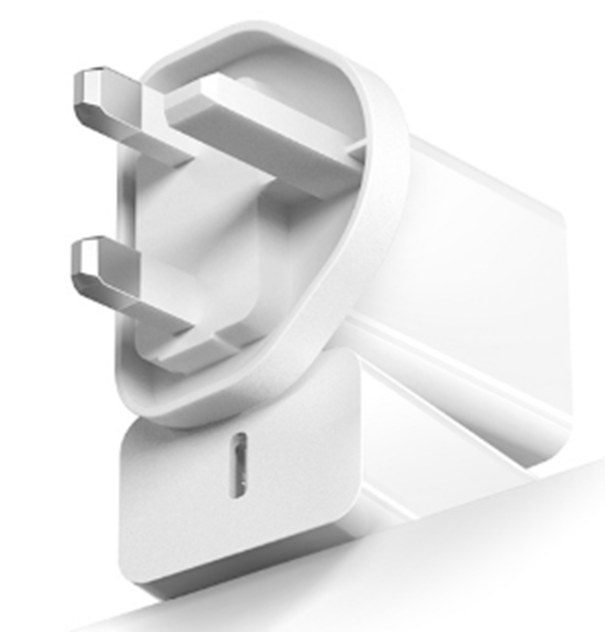
- Zasilacz sieciowy z wtyczką UK
Frequently Asked Questions
What Are the Three Types of Reflectors
Basic Reflector Types. The three primary types of reflecting surfaces are Flat, Spherical, and Parabolic, as illustrated in the diagram.
What Is a Bad Reflector of Light
Dark or dull surfaces such as slate, concrete, and wood are not effective at reflecting light. These materials tend to absorb most of the light that hits them, resulting in very little light being reflected back. On the other hand, uneven or rough surfaces like sand, leather, and stone scatter the light that comes into contact with them.
What Type of Reflector Is Most Common
Circular reflectors are the most commonly used type of reflector. They are particularly preferred for portrait photography as they create beautiful, round catchlights in the subject’s eyes. On the other hand, rectangular reflectors are more suitable for larger subjects that need a greater amount of light.
What Type of Reflector Can You Use at Your Home
A variety of reflectors can be used at home, including light reflectors that are typically wide, flat, and silver. However, photographers sometimes opt for white or gold reflectors. If you’re looking to purchase reflectors, you can find collapsible light reflectors at camera shops or online. Alternatively, you can create your own reflector using cardboard and aluminum foil.
What Is a Perfect Reflector
Perfect reflection occurs for both the electric and magnetic modes that are spectrally separated. As a result, the reflection phase of the electric mode is nearly 180°, similar to that of a metallic mirror. On the other hand, the reflection phase of the magnetic mode is close to zero.
What Type of Reflected Light Is Not Safe to Look At
Generally speaking, if the object is not safe to look at, it is emitting light, such as the sun or a light bulb filament. This includes sunlight being reflected off of surfaces like mirrors, water, or snow.
What Surfaces Are Better Reflectors
The best reflectors are surfaces that have a smooth texture. Smooth surfaces have a low absorption rate, making them ideal for reflecting light. Sterling silver is known for its smooth surfaces and is considered one of the top reflectors of light.
Can I Use a White Sheet as a Reflector
Here are some ways you can utilize a white bed sheet during an outdoor photo session: One of its useful functions is acting as a reflector to brighten up darker areas. Due to its large reflective surface, it produces high-quality, soft light when used for reflection.







