
What is Radiation
Radiation is the transmission of energy through space in the form of electromagnetic waves. It encompasses various types of electromagnetic radiation, including radio waves, microwaves, X-rays, gamma rays, and visible light. These different forms of radiation are emitted from sources and move through the air.
In the lighting industry, radiation is the means by which energy is transmitted to produce light. Lighting fixtures emit radiation in the form of visible light, which is essential for illuminating spaces. However, radiation in the lighting industry is not limited to visible light alone. It also includes other forms of electromagnetic waves, such as infrared and ultraviolet light, which are invisible to the human eye.
Może Cię również zainteresować

- Sufitowy czujnik obecności PIR z wyjściem przekaźnikowym bezpotencjałowym
- Niskonapięciowe zasilanie 12/24VDC lub 12/24VAC
- Izolowane styki przekaźnika COM, NO i NC dla wejść systemów EMS, HVAC i sterowania budynkiem

- Niskonapięciowy podtynkowy sufitowy mikrofalowy czujnik ruchu DC
- Wejście 12 VDC / 24 VDC z zakresem 10-30 VDC
- Maksymalny prąd roboczy 10A z regulowanym opóźnieniem czasowym, progiem Lux i czułością
- Podtynkowy sufitowy mikrofalowy czujnik ruchu do wyższych obciążeń
- Wejście napięcia sieciowego 100-265 VAC, model 10A
- Detekcja mikrofalowa 5.8 GHz z regulowanym opóźnieniem czasowym, progiem Lux i czułością
- Podtynkowy sufitowy mikrofalowy czujnik ruchu
- Wejście napięcia sieciowego 100-265 VAC, model 5A
- Detekcja mikrofalowa 5.8 GHz z regulowanym opóźnieniem czasowym, progiem Lux i czułością
- Sufitowy ściemniacz z czujnikiem obecności PIR RZ037 na napięcie 220V
- Maksymalny prąd roboczy 3A przy obciążeniu znamionowym 660W
- Przycisk LUX kontroluje WŁ./WYŁ. czujnika światła oraz ustawianą przez użytkownika jasność ściemniania
- Sufitowy ściemniacz z czujnikiem obecności PIR RZ037 na napięcie 110V
- Maksymalny prąd roboczy 3A przy obciążeniu znamionowym 330W
- Przycisk LUX kontroluje WŁ./WYŁ. czujnika światła oraz ustawianą przez użytkownika jasność ściemniania

- Niskonapięciowy sufitowy mikrofalowy czujnik ruchu DC
- Wejście 12 VDC / 24 VDC z zakresem 10-30 VDC
- Maksymalny prąd roboczy 10A z regulowanym opóźnieniem czasowym, progiem Lux i czułością
- Sufitowy mikrofalowy czujnik ruchu do wyższych obciążeń
- Wejście napięcia sieciowego 100-265 VAC, model 10A
- Detekcja mikrofalowa 5.8 GHz z regulowanym opóźnieniem czasowym, progiem Lux i czułością
- Sufitowy mikrofalowy czujnik ruchu
- Wejście napięcia sieciowego 100-265 VAC, model 5A
- Detekcja mikrofalowa 5.8 GHz z regulowanym opóźnieniem czasowym, progiem Lux i czułością

- Niskonapięciowy podtynkowy sufitowy czujnik ruchu PIR DC
- Wejście 12 VDC / 24 VDC z zakresem 10-30 VDC
- Maksymalny prąd roboczy 10A z regulowanym opóźnieniem czasowym, progiem luksów i czułością

- Podtynkowy sufitowy czujnik ruchu PIR do wyższych obciążeń
- Wejście napięcia sieciowego 100-265 VAC, model 10A
- Detekcja 360 stopni z regulowanym opóźnieniem czasowym, progiem luksów i czułością
- Podtynkowy sufitowy czujnik ruchu PIR
- Wejście napięcia sieciowego 100-265 VAC, model 5A
- Detekcja 360 stopni z regulowanym opóźnieniem czasowym, progiem luksów i czułością

- Zestaw bezprzewodowego włącznika i odbiornika do wewnętrznego sterowania oświetleniem WŁ/WYŁ
- Odbiornik 100-230VAC, 50/60Hz o prądzie znamionowym 5A
- Włącznik bezprzewodowy zasilany baterią CR2032 z komunikacją 2.4GHz
- Obecność (Auto-WŁ/Auto-WYŁ)
- 12–24V DC (10–30VDC), do 10A
- Zasięg 360°, średnica 8–12 m
- Opóźnienie czasowe 15 s–30 min
- Czujnik światła Wył/15/25/35 Lux
- Czułość Wysoka/Niska
- Tryb obecności Auto-WŁ/Auto-WYŁ
- 100–265V AC, 10A (wymagany przewód neutralny)
- Zasięg 360°; średnica detekcji 8–12 m
- Opóźnienie czasowe 15 s–30 min; Lux WYŁ/15/25/35; Czułość Wysoka/Niska
- Tryb obecności Auto-WŁ/Auto-WYŁ
- 100–265V AC, 5A (wymagany przewód neutralny)
- Zasięg 360°; średnica detekcji 8–12 m
- Opóźnienie czasowe 15 s–30 min; Lux WYŁ/15/25/35; Czułość Wysoka/Niska
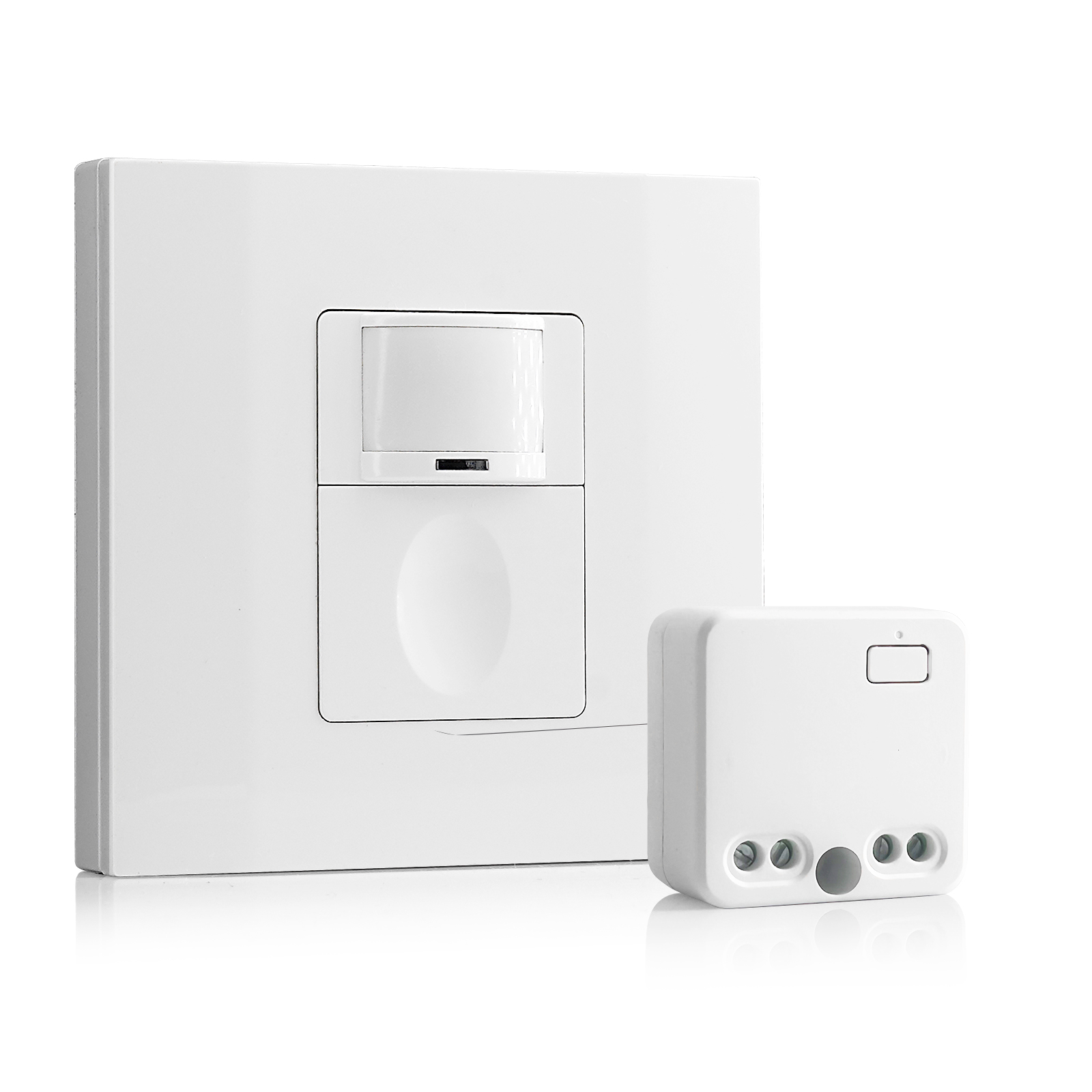
- 100V-230VAC
- Zasięg transmisji: do 20m
- Bezprzewodowy czujnik ruchu
- Sterowanie przewodowe
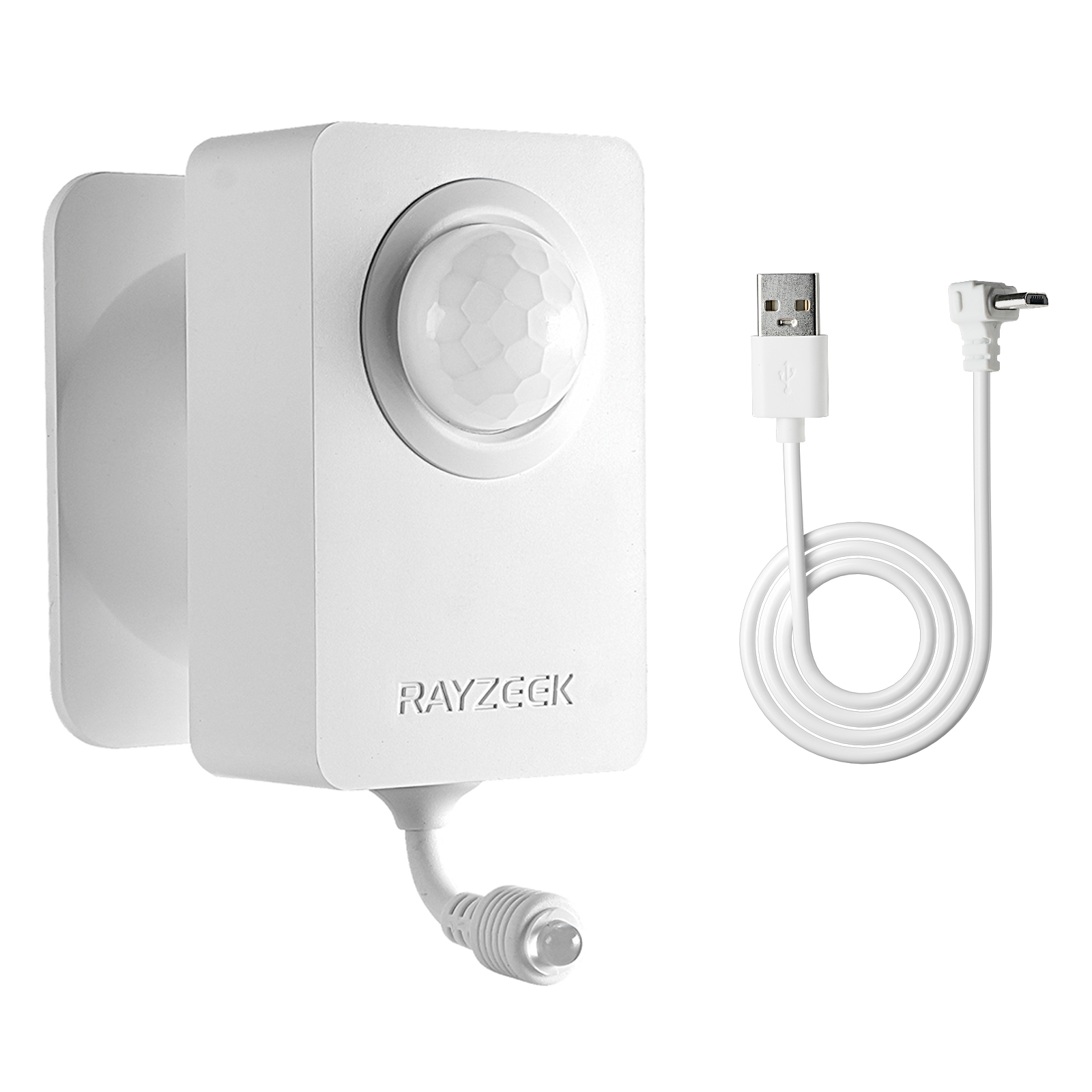
- Napięcie: 2x baterie AAA / 5V DC (Micro USB)
- Tryb dzień/noc
- Opóźnienie czasowe: 15min, 30min, 1h (domyślne), 2h
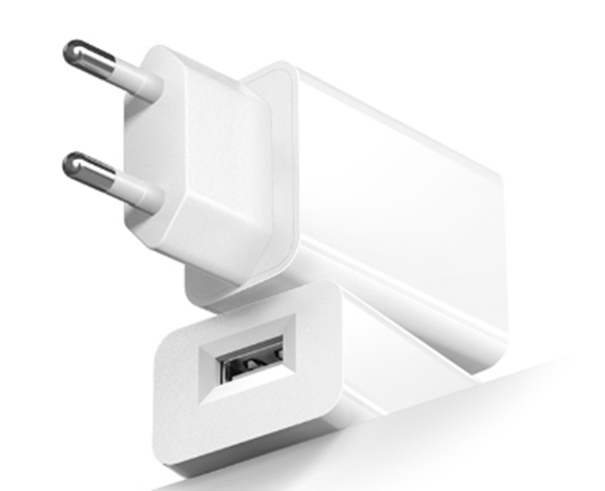
- Zasilacz sieciowy z wtyczką EU
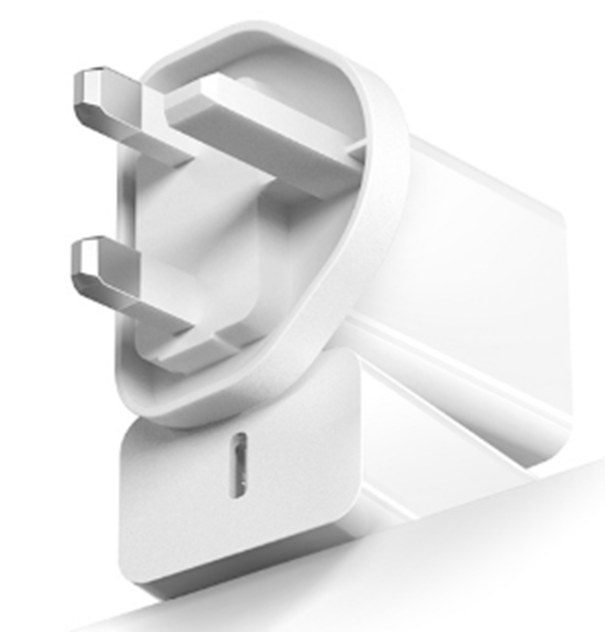
- Zasilacz sieciowy z wtyczką UK
Understanding radiation helps in the design and selection of appropriate lighting fixtures for specific applications. Different types of radiation have different properties and characteristics, which can impact the performance and functionality of lighting systems. For example, infrared light is often used for heating applications, while ultraviolet light is used for disinfection purposes.
Radiation, in the lighting industry, refers specifically to the transmission of energy through waves and does not necessarily imply harmful radiation, such as ionizing radiation. The term “radiation” in this context focuses on the energy emitted from lighting sources and its various forms, contributing to the overall functionality and effectiveness of lighting systems.
Szukasz energooszczędnych rozwiązań aktywowanych ruchem?
Skontaktuj się z nami, aby otrzymać kompletne czujniki ruchu PIR, energooszczędne produkty aktywowane ruchem, przełączniki z czujnikiem ruchu oraz komercyjne rozwiązania do kontroli obecności/nieobecności.
Frequently Asked Questions
What Are the Negatives of LED Lights
Perhaps one of the main disadvantages of LED light bulbs is their higher emission of blue light compared to incandescent bulbs, which tend to emit more red light. This increased blue light can disrupt your circadian rhythm, leading to difficulties falling asleep and a decrease in sleep quality.
How Do LED Lights Affect the Human Body
In particular, the emission spectrum of LED lights, especially those with a blue peak, can potentially impact our health by inhibiting the production of melatonin. Melatonin is a hormone that our body naturally starts producing in the afternoon and reaches its highest levels during the nighttime hours.
Are LED Lights Safer Than Incandescent
Not only do LED holiday lights consume less electricity, but they also offer several advantages over incandescent lights. One of these advantages is their safety feature. LEDs are much cooler than incandescent lights, which significantly reduces the risk of combustion or burnt fingers. Additionally, LEDs are sturdier as they are made with epoxy lenses instead of glass, making them more resistant to breakage.
What Does Radiation Mean in Light
Radiation in light refers to the energy that originates from a source and propagates through space at the speed of light. This energy possesses both an electric field and a magnetic field, and exhibits wave-like characteristics. Another term for radiation is “electromagnetic waves”.
What Type of Radiation Is Light
Radio waves, gamma-rays, visible light, and all the other components of the electromagnetic spectrum are classified as electromagnetic radiation. This form of radiation can be characterized as a collection of weightless particles known as photons, which move in a wave-like manner at the speed of light.
How Does Light Produce Radiation
Electromagnetic radiation, including light, is produced through the movement (vibration) of electrically charged particles, such as the vibrating molecules in heated substances or the electrons within atoms. These processes are involved in the glowing filament of incandescent lamps, while fluorescent lamps rely on the latter process.
What Is the Radiation of LED Light
A light-emitting diode (LED) is a semiconductor device that emits optical radiation within a specific range of wavelengths when an electric current is applied. The emitted wavelengths of most LEDs typically span from infrared (around 1000 nanometers) to ultraviolet (approximately 300 nanometers).
What Is Radiation in a House
When the natural radioactivity present in construction materials undergoes decay, it emits the radioactive gas radon. This emission of radon can potentially lead to increased levels of radon in residential and commercial buildings. It is important to note that indoor radon poses a greater and more prevalent public health concern compared to radiation originating from building materials.







