
What is Joule
A joule is a unit of measurement for energy in the International System of Units (SI). It is used to quantify the amount of energy released or transferred over a period of time. In the context of the lighting industry, joules are particularly relevant when determining the joule rating of surge protectors.
The joule rating of a surge protector indicates its ability to absorb and dissipate energy before it fails. A higher joule rating signifies a greater capacity for surge protection. For example, an average lightning strike releases about one billion joules of energy over a fraction of a second. Therefore, a surge protector with a higher joule rating can withstand larger power surges and provide better protection for connected electrical devices.
Może Cię również zainteresować

- Sufitowy czujnik obecności PIR z wyjściem przekaźnikowym bezpotencjałowym
- Niskonapięciowe zasilanie 12/24VDC lub 12/24VAC
- Izolowane styki przekaźnika COM, NO i NC dla wejść systemów EMS, HVAC i sterowania budynkiem

- Niskonapięciowy podtynkowy sufitowy mikrofalowy czujnik ruchu DC
- Wejście 12 VDC / 24 VDC z zakresem 10-30 VDC
- Maksymalny prąd roboczy 10A z regulowanym opóźnieniem czasowym, progiem Lux i czułością
- Podtynkowy sufitowy mikrofalowy czujnik ruchu do wyższych obciążeń
- Wejście napięcia sieciowego 100-265 VAC, model 10A
- Detekcja mikrofalowa 5.8 GHz z regulowanym opóźnieniem czasowym, progiem Lux i czułością
- Podtynkowy sufitowy mikrofalowy czujnik ruchu
- Wejście napięcia sieciowego 100-265 VAC, model 5A
- Detekcja mikrofalowa 5.8 GHz z regulowanym opóźnieniem czasowym, progiem Lux i czułością
- Sufitowy ściemniacz z czujnikiem obecności PIR RZ037 na napięcie 220V
- Maksymalny prąd roboczy 3A przy obciążeniu znamionowym 660W
- Przycisk LUX kontroluje WŁ./WYŁ. czujnika światła oraz ustawianą przez użytkownika jasność ściemniania
- Sufitowy ściemniacz z czujnikiem obecności PIR RZ037 na napięcie 110V
- Maksymalny prąd roboczy 3A przy obciążeniu znamionowym 330W
- Przycisk LUX kontroluje WŁ./WYŁ. czujnika światła oraz ustawianą przez użytkownika jasność ściemniania

- Niskonapięciowy sufitowy mikrofalowy czujnik ruchu DC
- Wejście 12 VDC / 24 VDC z zakresem 10-30 VDC
- Maksymalny prąd roboczy 10A z regulowanym opóźnieniem czasowym, progiem Lux i czułością
- Sufitowy mikrofalowy czujnik ruchu do wyższych obciążeń
- Wejście napięcia sieciowego 100-265 VAC, model 10A
- Detekcja mikrofalowa 5.8 GHz z regulowanym opóźnieniem czasowym, progiem Lux i czułością
- Sufitowy mikrofalowy czujnik ruchu
- Wejście napięcia sieciowego 100-265 VAC, model 5A
- Detekcja mikrofalowa 5.8 GHz z regulowanym opóźnieniem czasowym, progiem Lux i czułością

- Niskonapięciowy podtynkowy sufitowy czujnik ruchu PIR DC
- Wejście 12 VDC / 24 VDC z zakresem 10-30 VDC
- Maksymalny prąd roboczy 10A z regulowanym opóźnieniem czasowym, progiem luksów i czułością

- Podtynkowy sufitowy czujnik ruchu PIR do wyższych obciążeń
- Wejście napięcia sieciowego 100-265 VAC, model 10A
- Detekcja 360 stopni z regulowanym opóźnieniem czasowym, progiem luksów i czułością
- Podtynkowy sufitowy czujnik ruchu PIR
- Wejście napięcia sieciowego 100-265 VAC, model 5A
- Detekcja 360 stopni z regulowanym opóźnieniem czasowym, progiem luksów i czułością

- Zestaw bezprzewodowego włącznika i odbiornika do wewnętrznego sterowania oświetleniem WŁ/WYŁ
- Odbiornik 100-230VAC, 50/60Hz o prądzie znamionowym 5A
- Włącznik bezprzewodowy zasilany baterią CR2032 z komunikacją 2.4GHz
- Obecność (Auto-WŁ/Auto-WYŁ)
- 12–24V DC (10–30VDC), do 10A
- Zasięg 360°, średnica 8–12 m
- Opóźnienie czasowe 15 s–30 min
- Czujnik światła Wył/15/25/35 Lux
- Czułość Wysoka/Niska
- Tryb obecności Auto-WŁ/Auto-WYŁ
- 100–265V AC, 10A (wymagany przewód neutralny)
- Zasięg 360°; średnica detekcji 8–12 m
- Opóźnienie czasowe 15 s–30 min; Lux WYŁ/15/25/35; Czułość Wysoka/Niska
- Tryb obecności Auto-WŁ/Auto-WYŁ
- 100–265V AC, 5A (wymagany przewód neutralny)
- Zasięg 360°; średnica detekcji 8–12 m
- Opóźnienie czasowe 15 s–30 min; Lux WYŁ/15/25/35; Czułość Wysoka/Niska
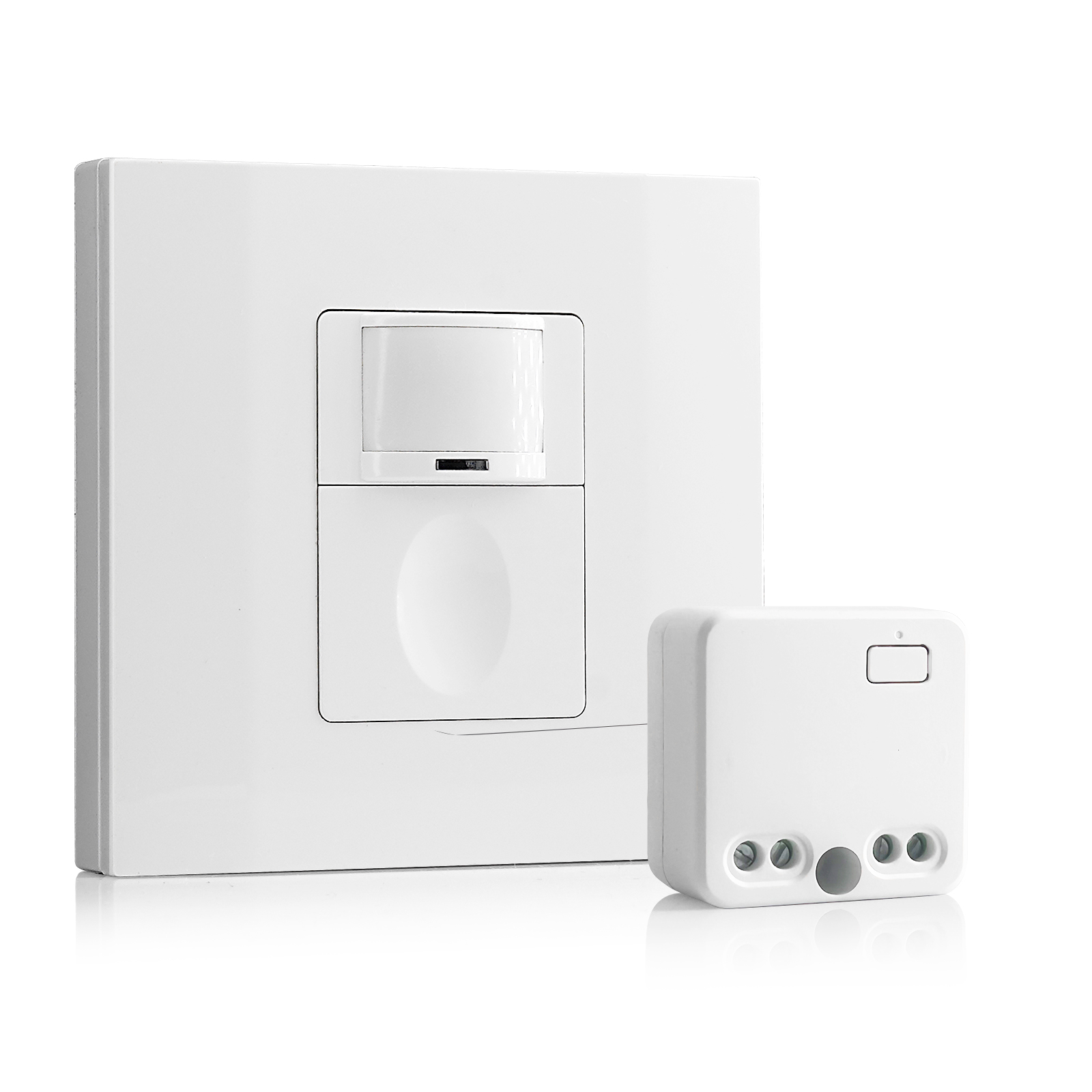
- 100V-230VAC
- Zasięg transmisji: do 20m
- Bezprzewodowy czujnik ruchu
- Sterowanie przewodowe
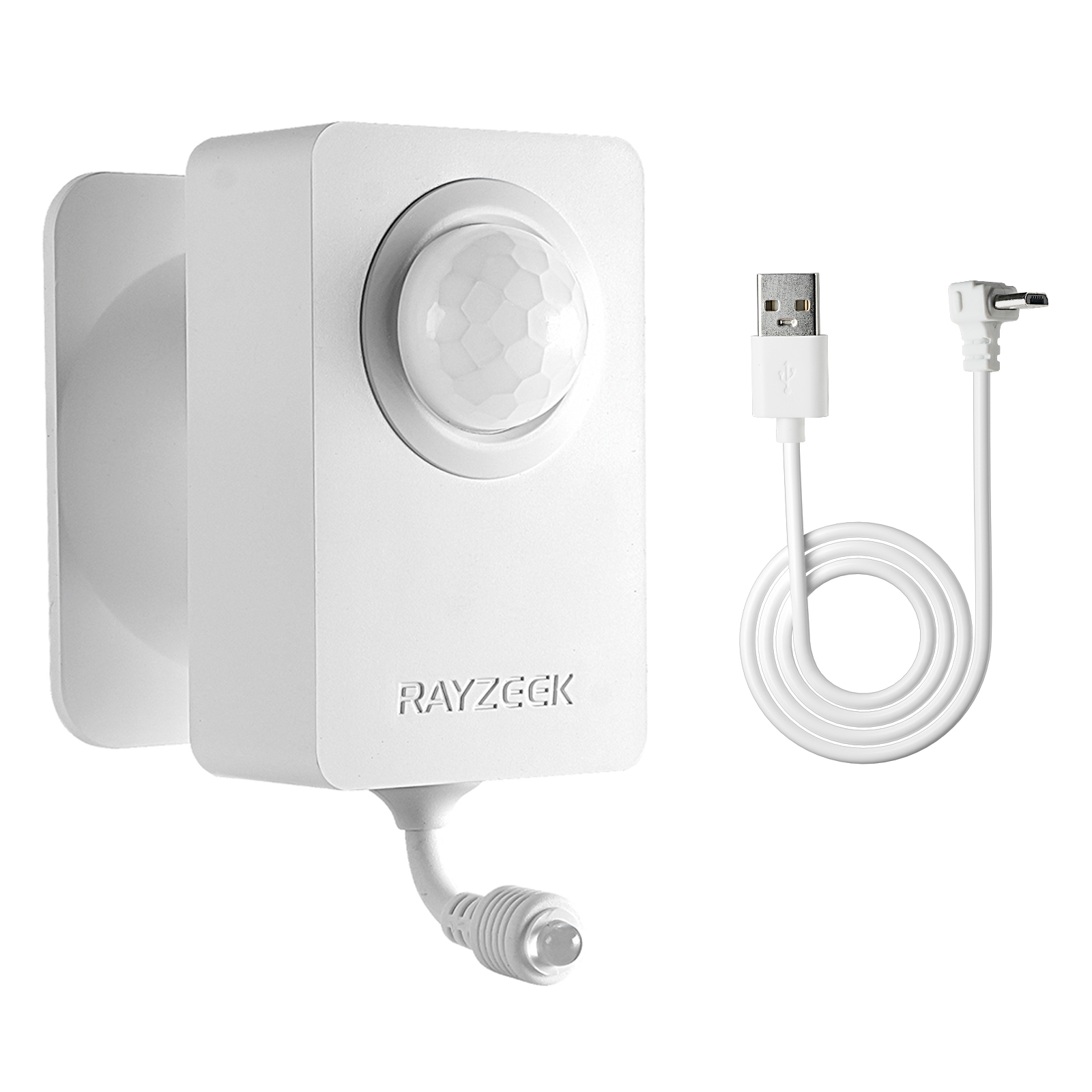
- Napięcie: 2x baterie AAA / 5V DC (Micro USB)
- Tryb dzień/noc
- Opóźnienie czasowe: 15min, 30min, 1h (domyślne), 2h
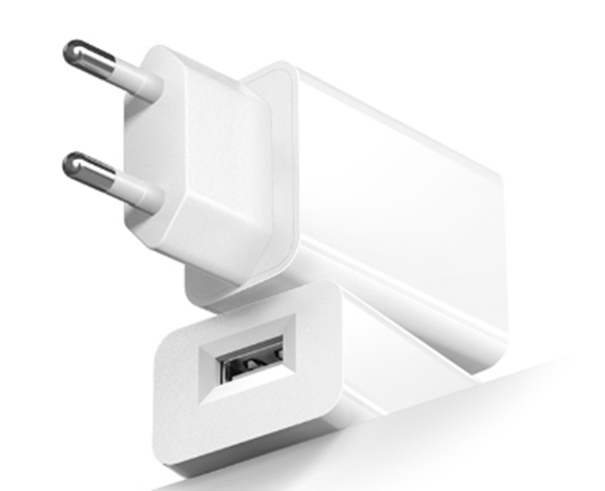
- Zasilacz sieciowy z wtyczką EU
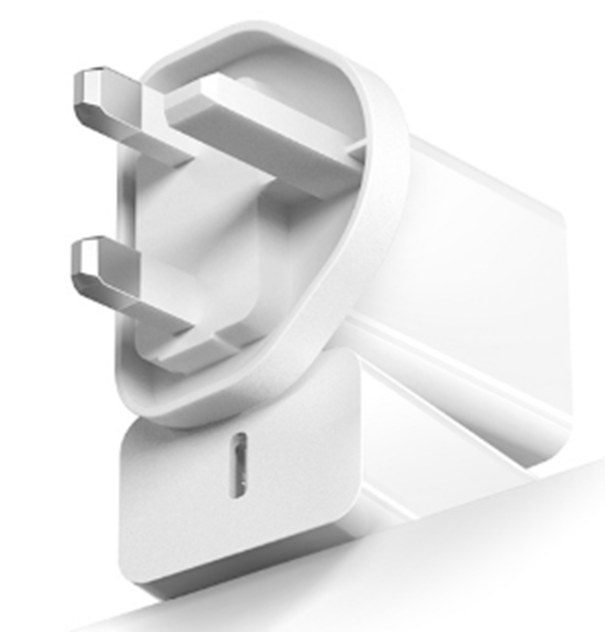
- Zasilacz sieciowy z wtyczką UK
When selecting a surge protector, one needs to consider the value and type of equipment to be protected. Devices containing microprocessors, such as computers or home entertainment systems, require surge protection. The joule rating of the surge protector should be chosen accordingly to ensure adequate protection.
Joules required to absorb a power surge are permanently depleted with each occurrence. Over time, the joule rating of a surge protector may diminish, reducing its effectiveness in providing protection. Regular monitoring and replacement of surge protectors are recommended, especially after inclement weather or if unsure of their status.
Zainspiruj się ofertą czujników ruchu Rayzeek.
Nie znajdujesz tego, czego szukasz? Nie martw się. Zawsze istnieją alternatywne sposoby na rozwiązanie Twoich problemów. Być może pomoże Ci jedna z naszych linii produktów.
Frequently Asked Questions
Is 4000 Joules Good for a Surge Protector
Generally, it is recommended to choose surge protectors with a rating of at least 200-400 joules for point-of-use applications. However, surge protectors with a rating of 600 joules or higher are even more preferable. For optimal protection of electrical devices such as lamps, small kitchen appliances, and digital clocks, surge protectors with a rating of 1000 joules or more are recommended.
How Many Joules Is a Good Surge Protector
If you’re looking to safeguard devices such as cell phones, basic laptops, printers, routers, and copiers, it is recommended to use a surge protector with a joule rating ranging from 1,000 to 2,000. This rating is also suitable for protecting power tools and other household appliances.
Is 2700 Joules Enough
From my understanding, a joule rate of 2000 or higher is considered sufficient for most purposes. However, it is important to note that a higher joule rate provides greater protection, so it is advisable to opt for a surge protector with a higher joule rate to safeguard valuable equipment.
Are More Joules Better
Generally, it is preferable to have a higher number of joules, as this indicates that the device is capable of withstanding either a single large surge or multiple smaller surges without putting your equipment at risk. It is important to note that the effectiveness of the protector diminishes over time due to wear and tear on its internal components.
What to Look for When Buying a Surge Protector
A surge protector with a higher joule rating is the most reliable way to ensure better protection. It is recommended to select a surge protector with a joule rating of at least 200 to 400. However, for sensitive or expensive equipment like computers, displays, and audio/video equipment, it is advisable to opt for a surge protector with a joule rating of at least 1000.
Is More Joules Better for Surge Protector
With surge protection, the joule rating is crucial. The joule rating of a surge protector determines its ability to absorb energy. A surge protector with a higher joule rating provides better protection.
Is 2500 Joules Enough for a Surge Protector
With joule ratings, it is important to have a higher rating as it indicates the surge protector’s ability to handle larger or multiple power surges. While a 1000 joule protector is suitable for small electronics, it is recommended to use a surge protector with a minimum rating of 2500 joules for larger devices.
How Many Joules Does the Average House Use
The typical amount of electrical energy consumed by an average household in the United States is approximately 50,000,000 Joules per day.







