
What is Heat Dissipation
Heat dissipation is the process of effectively transferring and dispersing heat generated by a lighting component, such as an LED chip, to the surrounding environment in order to maintain optimal operating temperatures. In the lighting industry, heat dissipation ensures the performance, efficiency, and lifespan of LED lights.
Zainspiruj się ofertą czujników ruchu Rayzeek.
Nie znajdujesz tego, czego szukasz? Nie martw się. Zawsze istnieją alternatywne sposoby na rozwiązanie Twoich problemów. Być może pomoże Ci jedna z naszych linii produktów.
LED lights produce heat as a result of the conversion of electrical energy into light energy. Unlike traditional incandescent or fluorescent lamps, which emit a significant amount of energy as infrared light and have low energy efficiency, LEDs convert almost all of the electrical energy (except for the energy consumed by visible light) into heat. This high energy conversion efficiency of LEDs leads to a substantial amount of heat being generated.
If this heat is not effectively dissipated, it can lead to increased junction temperatures and reduced lifespan of the LED. The junction temperature of an LED is directly related to its light output and lifespan. When the temperature of the LED junction is high, the light output decreases, and the lifespan of the LED is shortened. Therefore, efficient heat dissipation is crucial to maintain the junction temperature within acceptable limits and ensure optimal performance and longevity of LED lights.
Various cooling solutions are employed in the lighting industry to facilitate efficient heat transfer and dissipation. These solutions include the use of heat sinks, which are designed to absorb and disperse heat away from the LED chip. Heat sinks are typically made of thermally conductive materials, such as aluminum or copper, and are designed with fins or other structures to increase the surface area for heat transfer.
Może Cię również zainteresować

- Sufitowy czujnik obecności PIR z wyjściem przekaźnikowym bezpotencjałowym
- Niskonapięciowe zasilanie 12/24VDC lub 12/24VAC
- Izolowane styki przekaźnika COM, NO i NC dla wejść systemów EMS, HVAC i sterowania budynkiem

- Niskonapięciowy podtynkowy sufitowy mikrofalowy czujnik ruchu DC
- Wejście 12 VDC / 24 VDC z zakresem 10-30 VDC
- Maksymalny prąd roboczy 10A z regulowanym opóźnieniem czasowym, progiem Lux i czułością
- Podtynkowy sufitowy mikrofalowy czujnik ruchu do wyższych obciążeń
- Wejście napięcia sieciowego 100-265 VAC, model 10A
- Detekcja mikrofalowa 5.8 GHz z regulowanym opóźnieniem czasowym, progiem Lux i czułością
- Podtynkowy sufitowy mikrofalowy czujnik ruchu
- Wejście napięcia sieciowego 100-265 VAC, model 5A
- Detekcja mikrofalowa 5.8 GHz z regulowanym opóźnieniem czasowym, progiem Lux i czułością
- Sufitowy ściemniacz z czujnikiem obecności PIR RZ037 na napięcie 220V
- Maksymalny prąd roboczy 3A przy obciążeniu znamionowym 660W
- Przycisk LUX kontroluje WŁ./WYŁ. czujnika światła oraz ustawianą przez użytkownika jasność ściemniania
- Sufitowy ściemniacz z czujnikiem obecności PIR RZ037 na napięcie 110V
- Maksymalny prąd roboczy 3A przy obciążeniu znamionowym 330W
- Przycisk LUX kontroluje WŁ./WYŁ. czujnika światła oraz ustawianą przez użytkownika jasność ściemniania

- Niskonapięciowy sufitowy mikrofalowy czujnik ruchu DC
- Wejście 12 VDC / 24 VDC z zakresem 10-30 VDC
- Maksymalny prąd roboczy 10A z regulowanym opóźnieniem czasowym, progiem Lux i czułością
- Sufitowy mikrofalowy czujnik ruchu do wyższych obciążeń
- Wejście napięcia sieciowego 100-265 VAC, model 10A
- Detekcja mikrofalowa 5.8 GHz z regulowanym opóźnieniem czasowym, progiem Lux i czułością
- Sufitowy mikrofalowy czujnik ruchu
- Wejście napięcia sieciowego 100-265 VAC, model 5A
- Detekcja mikrofalowa 5.8 GHz z regulowanym opóźnieniem czasowym, progiem Lux i czułością

- Niskonapięciowy podtynkowy sufitowy czujnik ruchu PIR DC
- Wejście 12 VDC / 24 VDC z zakresem 10-30 VDC
- Maksymalny prąd roboczy 10A z regulowanym opóźnieniem czasowym, progiem luksów i czułością

- Podtynkowy sufitowy czujnik ruchu PIR do wyższych obciążeń
- Wejście napięcia sieciowego 100-265 VAC, model 10A
- Detekcja 360 stopni z regulowanym opóźnieniem czasowym, progiem luksów i czułością
- Podtynkowy sufitowy czujnik ruchu PIR
- Wejście napięcia sieciowego 100-265 VAC, model 5A
- Detekcja 360 stopni z regulowanym opóźnieniem czasowym, progiem luksów i czułością

- Zestaw bezprzewodowego włącznika i odbiornika do wewnętrznego sterowania oświetleniem WŁ/WYŁ
- Odbiornik 100-230VAC, 50/60Hz o prądzie znamionowym 5A
- Włącznik bezprzewodowy zasilany baterią CR2032 z komunikacją 2.4GHz
- Obecność (Auto-WŁ/Auto-WYŁ)
- 12–24V DC (10–30VDC), do 10A
- Zasięg 360°, średnica 8–12 m
- Opóźnienie czasowe 15 s–30 min
- Czujnik światła Wył/15/25/35 Lux
- Czułość Wysoka/Niska
- Tryb obecności Auto-WŁ/Auto-WYŁ
- 100–265V AC, 10A (wymagany przewód neutralny)
- Zasięg 360°; średnica detekcji 8–12 m
- Opóźnienie czasowe 15 s–30 min; Lux WYŁ/15/25/35; Czułość Wysoka/Niska
- Tryb obecności Auto-WŁ/Auto-WYŁ
- 100–265V AC, 5A (wymagany przewód neutralny)
- Zasięg 360°; średnica detekcji 8–12 m
- Opóźnienie czasowe 15 s–30 min; Lux WYŁ/15/25/35; Czułość Wysoka/Niska
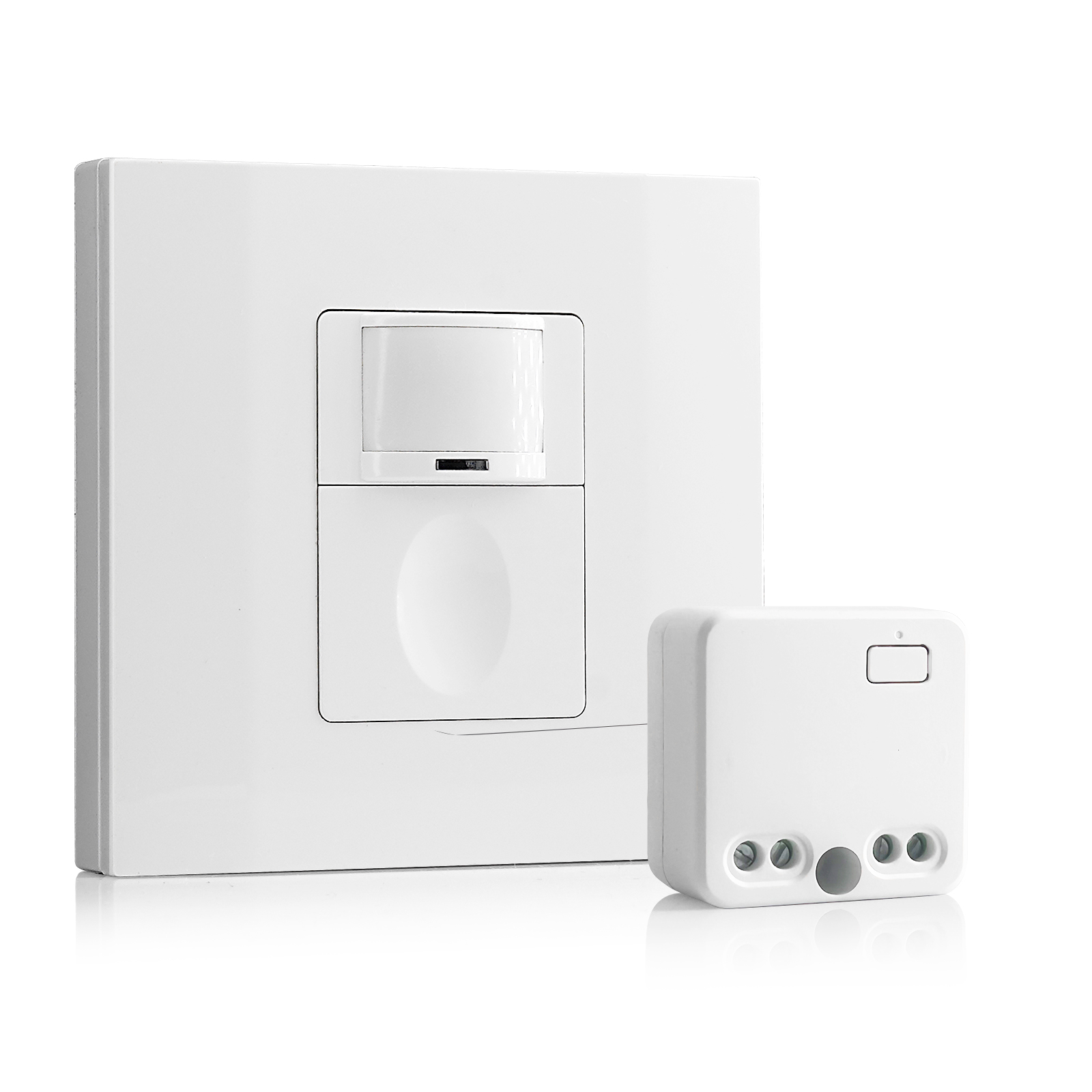
- 100V-230VAC
- Zasięg transmisji: do 20m
- Bezprzewodowy czujnik ruchu
- Sterowanie przewodowe
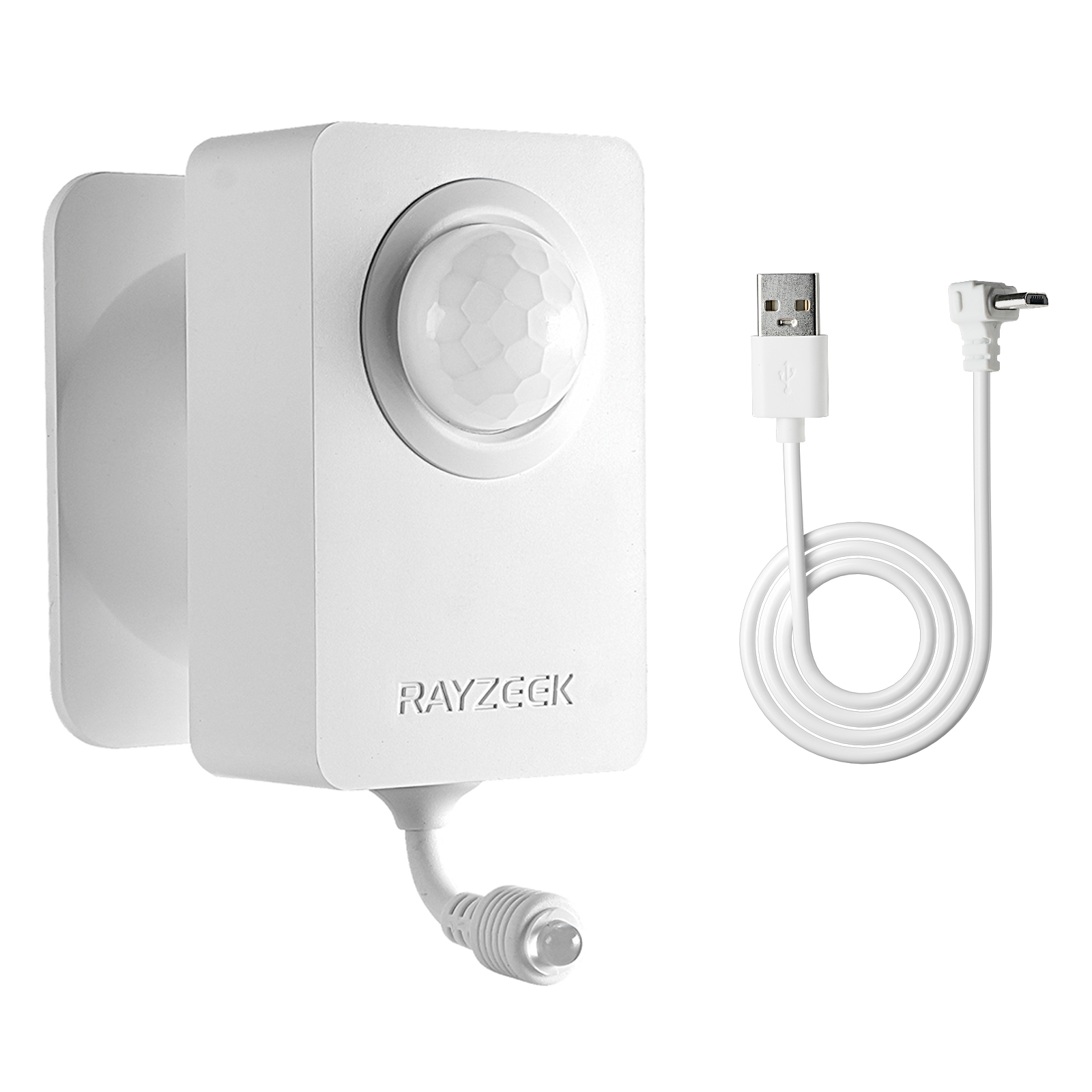
- Napięcie: 2x baterie AAA / 5V DC (Micro USB)
- Tryb dzień/noc
- Opóźnienie czasowe: 15min, 30min, 1h (domyślne), 2h
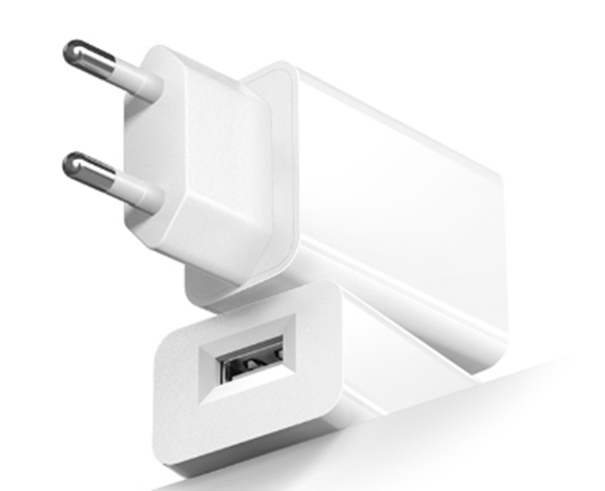
- Zasilacz sieciowy z wtyczką EU
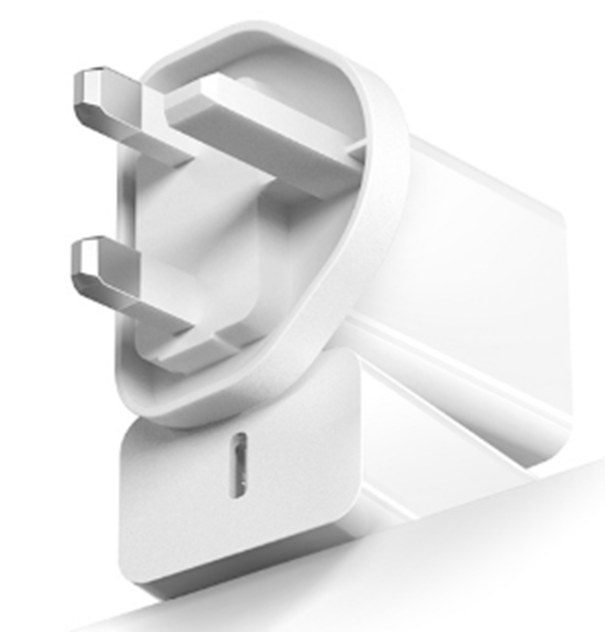
- Zasilacz sieciowy z wtyczką UK
In addition to heat sinks, other factors such as thermal interface materials and thermal management design also contribute to effective heat dissipation. Thermal interface materials are used to improve the thermal contact between the LED chip and the heat sink, ensuring efficient heat conduction. The thermal management design of the lighting system involves considerations such as airflow, ventilation, and the overall arrangement of LEDs and heat sinks to facilitate the dissipation of heat.







