

What is E26/E27
E26/E27 is a term used in the lighting industry to describe the standard screw-in base types for light bulbs. The E26 base is the standard base used in North America, while the E27 base is the standard base used in Europe. These bases are commonly referred to as Edison screw bases.
Zainspiruj się ofertą czujników ruchu Rayzeek.
Nie znajdujesz tego, czego szukasz? Nie martw się. Zawsze istnieją alternatywne sposoby na rozwiązanie Twoich problemów. Być może pomoże Ci jedna z naszych linii produktów.
The main difference between the E26 and E27 bases lies in their mechanical design and the required standard voltage. The E26 base is designed for use with 120V AC voltage, which is the standard voltage in North America. On the other hand, the E27 base is designed for use with 240V AC voltage, which is the standard voltage in Europe.
In terms of specific dimensions, there are slight variations between the E26 and E27 bases. The length of the screw for the E26 base is typically around 19.56 mm, while for the E27 base it is around 22.0 mm. The live contact pad width for the E26 base ranges from 9.14 mm to 11.56 mm, while for the E27 base it ranges from 4.8 mm to 11.5 mm. The insulator height for the E26 base is typically around 3.25 mm, while for the E27 base it is around 5 mm. The screw diameter at the thread peak for both bases is approximately 26.05 mm to 26.41 mm. The screw diameter at the thread trough is slightly smaller for the E27 base, measuring around 24.26 mm compared to 24.72 mm for the E26 base. The distance between threads, also known as the OC (on-center) distance, is the same for both bases, measuring approximately 3.629 mm.
Może Cię również zainteresować

- Sufitowy czujnik obecności PIR z wyjściem przekaźnikowym bezpotencjałowym
- Niskonapięciowe zasilanie 12/24VDC lub 12/24VAC
- Izolowane styki przekaźnika COM, NO i NC dla wejść systemów EMS, HVAC i sterowania budynkiem

- Niskonapięciowy podtynkowy sufitowy mikrofalowy czujnik ruchu DC
- Wejście 12 VDC / 24 VDC z zakresem 10-30 VDC
- Maksymalny prąd roboczy 10A z regulowanym opóźnieniem czasowym, progiem Lux i czułością
- Podtynkowy sufitowy mikrofalowy czujnik ruchu do wyższych obciążeń
- Wejście napięcia sieciowego 100-265 VAC, model 10A
- Detekcja mikrofalowa 5.8 GHz z regulowanym opóźnieniem czasowym, progiem Lux i czułością
- Podtynkowy sufitowy mikrofalowy czujnik ruchu
- Wejście napięcia sieciowego 100-265 VAC, model 5A
- Detekcja mikrofalowa 5.8 GHz z regulowanym opóźnieniem czasowym, progiem Lux i czułością
- Sufitowy ściemniacz z czujnikiem obecności PIR RZ037 na napięcie 220V
- Maksymalny prąd roboczy 3A przy obciążeniu znamionowym 660W
- Przycisk LUX kontroluje WŁ./WYŁ. czujnika światła oraz ustawianą przez użytkownika jasność ściemniania
- Sufitowy ściemniacz z czujnikiem obecności PIR RZ037 na napięcie 110V
- Maksymalny prąd roboczy 3A przy obciążeniu znamionowym 330W
- Przycisk LUX kontroluje WŁ./WYŁ. czujnika światła oraz ustawianą przez użytkownika jasność ściemniania

- Niskonapięciowy sufitowy mikrofalowy czujnik ruchu DC
- Wejście 12 VDC / 24 VDC z zakresem 10-30 VDC
- Maksymalny prąd roboczy 10A z regulowanym opóźnieniem czasowym, progiem Lux i czułością
- Sufitowy mikrofalowy czujnik ruchu do wyższych obciążeń
- Wejście napięcia sieciowego 100-265 VAC, model 10A
- Detekcja mikrofalowa 5.8 GHz z regulowanym opóźnieniem czasowym, progiem Lux i czułością
- Sufitowy mikrofalowy czujnik ruchu
- Wejście napięcia sieciowego 100-265 VAC, model 5A
- Detekcja mikrofalowa 5.8 GHz z regulowanym opóźnieniem czasowym, progiem Lux i czułością

- Niskonapięciowy podtynkowy sufitowy czujnik ruchu PIR DC
- Wejście 12 VDC / 24 VDC z zakresem 10-30 VDC
- Maksymalny prąd roboczy 10A z regulowanym opóźnieniem czasowym, progiem luksów i czułością

- Podtynkowy sufitowy czujnik ruchu PIR do wyższych obciążeń
- Wejście napięcia sieciowego 100-265 VAC, model 10A
- Detekcja 360 stopni z regulowanym opóźnieniem czasowym, progiem luksów i czułością
- Podtynkowy sufitowy czujnik ruchu PIR
- Wejście napięcia sieciowego 100-265 VAC, model 5A
- Detekcja 360 stopni z regulowanym opóźnieniem czasowym, progiem luksów i czułością

- Zestaw bezprzewodowego włącznika i odbiornika do wewnętrznego sterowania oświetleniem WŁ/WYŁ
- Odbiornik 100-230VAC, 50/60Hz o prądzie znamionowym 5A
- Włącznik bezprzewodowy zasilany baterią CR2032 z komunikacją 2.4GHz
- Obecność (Auto-WŁ/Auto-WYŁ)
- 12–24V DC (10–30VDC), do 10A
- Zasięg 360°, średnica 8–12 m
- Opóźnienie czasowe 15 s–30 min
- Czujnik światła Wył/15/25/35 Lux
- Czułość Wysoka/Niska
- Tryb obecności Auto-WŁ/Auto-WYŁ
- 100–265V AC, 10A (wymagany przewód neutralny)
- Zasięg 360°; średnica detekcji 8–12 m
- Opóźnienie czasowe 15 s–30 min; Lux WYŁ/15/25/35; Czułość Wysoka/Niska
- Tryb obecności Auto-WŁ/Auto-WYŁ
- 100–265V AC, 5A (wymagany przewód neutralny)
- Zasięg 360°; średnica detekcji 8–12 m
- Opóźnienie czasowe 15 s–30 min; Lux WYŁ/15/25/35; Czułość Wysoka/Niska
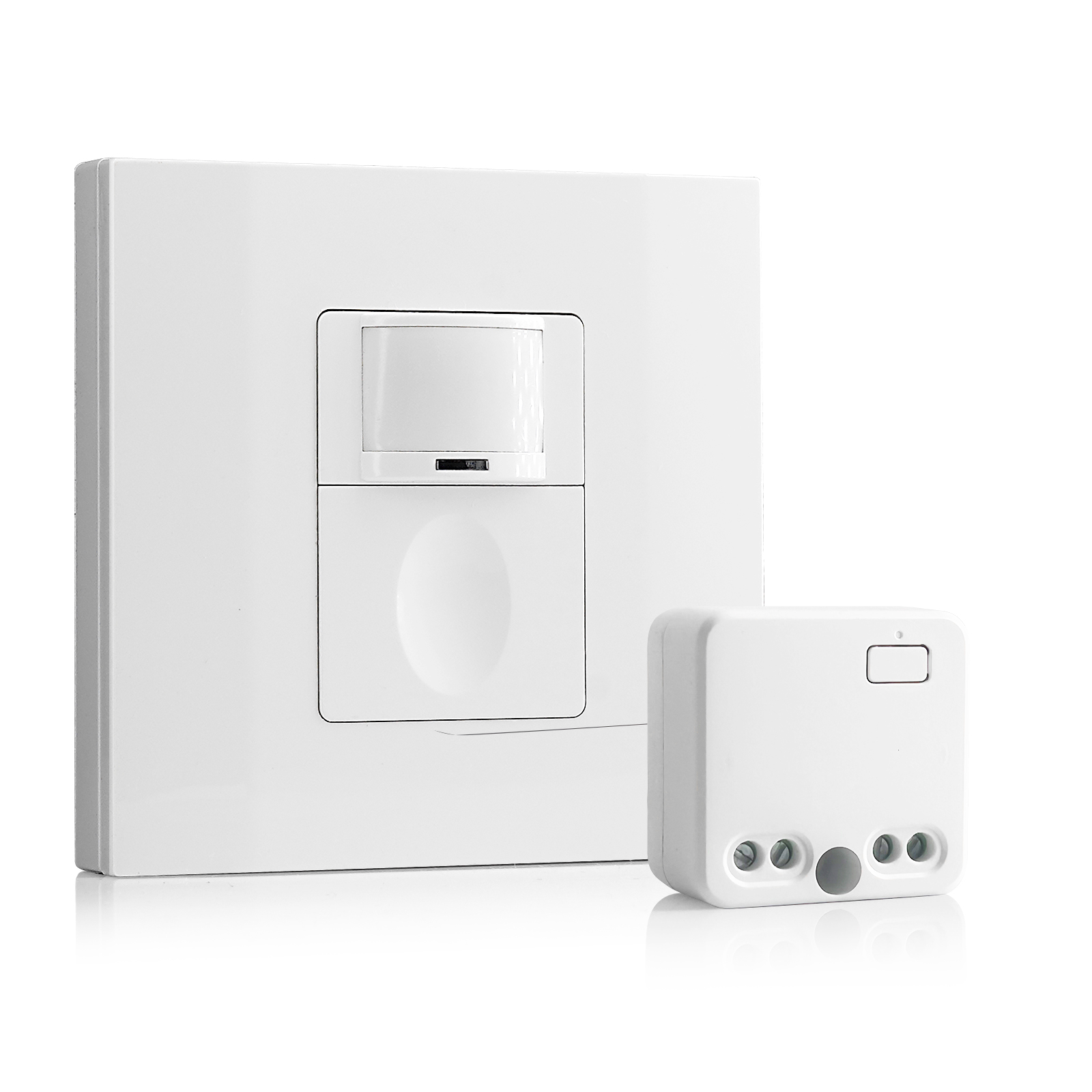
- 100V-230VAC
- Zasięg transmisji: do 20m
- Bezprzewodowy czujnik ruchu
- Sterowanie przewodowe
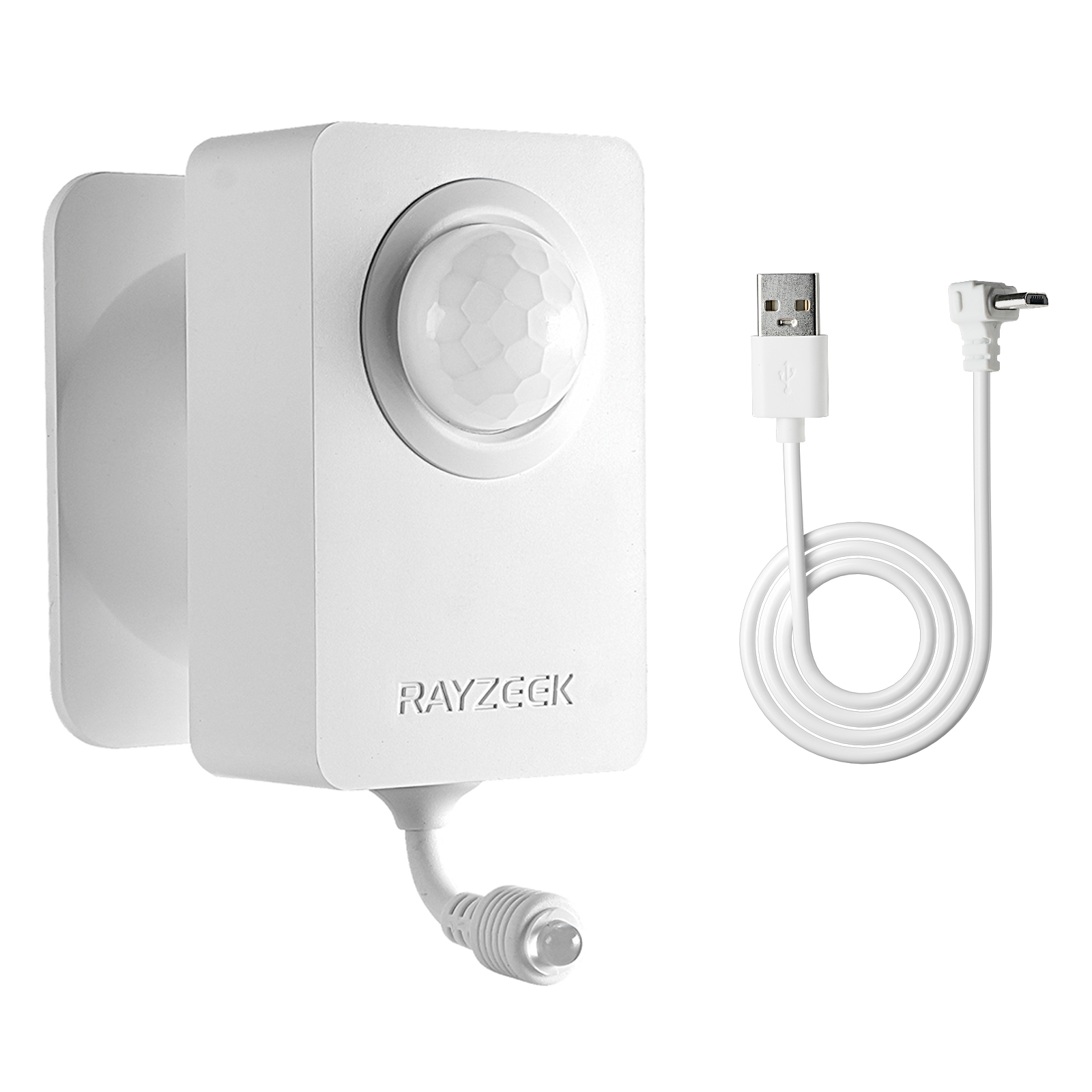
- Napięcie: 2x baterie AAA / 5V DC (Micro USB)
- Tryb dzień/noc
- Opóźnienie czasowe: 15min, 30min, 1h (domyślne), 2h
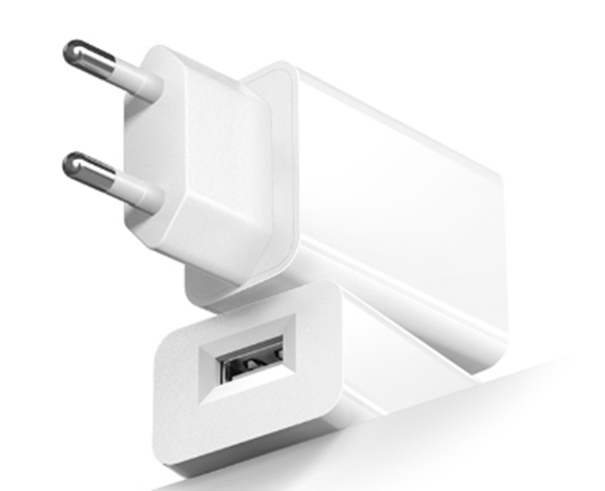
- Zasilacz sieciowy z wtyczką EU
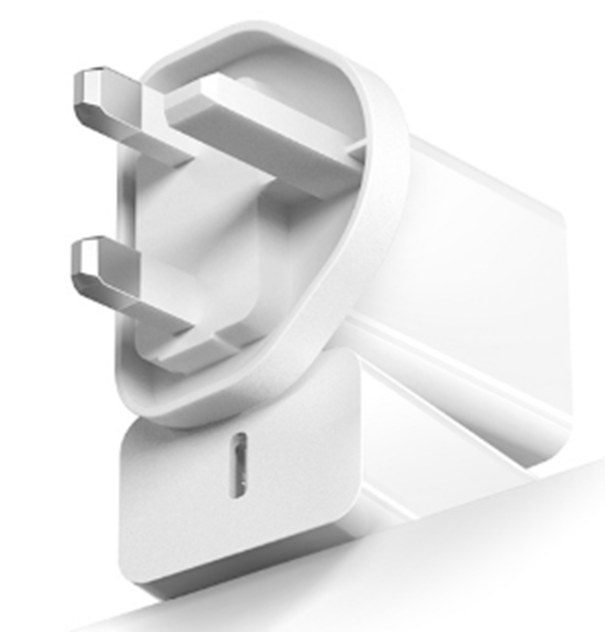
- Zasilacz sieciowy z wtyczką UK
Frequently Asked Questions
How Do I Know if My Light Bulb Is Compatible
Every light fixture has a specific maximum wattage. To determine if your light bulb is compatible, it is important to select a bulb with a wattage that is equal to or lower than the maximum wattage indicated on your fixture. It is crucial to avoid using a high wattage bulb in a light fixture with a lower wattage capacity.
Do I Need an A19 or E26 Light Bulb Base
Yes, the A19 and E26 light bulb bases can be used interchangeably. The only distinction between the two is their size and shape. The standard base type for A19 light bulbs is E26. A19 bulbs are designed with an E26 base and can be inserted into sockets that are compatible with Edison bulbs.
How Do I Know if My Bulb Is E27
To determine if your bulb is E27, you can check the label on the base. The code used for the bulb base will be similar to the one used for the bulb itself. For instance, an E27 base refers to an Edison screw base that has a measurement of 27mm. The measurement is taken across the bottom of the screw or bayonet base.
What Is Difference Between E26 and A19
A19 is a term used to describe the shape and size of the bulb, while E26 refers to the type and size of the base. The “A” in A19 stands for Arbitrary, which is simply the name given to the familiar bulb shape. The number “19” represents the size of the bulb, specifically 19/8″ or 2 3/8″ across. On the other hand, E26 refers to the base of the bulb, which is the part that is inserted into the light socket.
Are E27 Bulbs Being Discontinued
The lamps that will no longer be allowed to be sold after October 1st, 2021 include self-ballasted compact fluorescent retrofit lamps with caps B22, E27, and others, as well as linear halogen R7s lamps with over 2,700 lumens. Additionally, 12V halogen reflector lamps such as MR11/GU4 and MR16/GU5 will also be discontinued.
Can You Use E27 in USA
E26 lamps are specifically designed for the North American market, where the standard voltage is 120V AC. On the other hand, E27 lamps are intended for use in other markets where the standard voltage is 240V AC.







