
What is Dark Adaptation
Dark adaptation is the process by which the eyes adjust and recover their sensitivity in low light conditions after being exposed to bright lights. It involves the transition from photopic vision, which is mediated by the cone mechanism and allows us to see in bright light, to scotopic vision, which is mediated by the rod mechanism and enables us to see in dim or dark environments. During dark adaptation, the rod cells in the retina become more active and sensitive to faint light. These rod cells are responsible for low-light vision but do not provide color perception. As a result, our vision shifts from the color-rich photopic vision to the monochromatic scotopic vision during this process.
The dark adaptation curve illustrates the time course of this adjustment. Initially, there is a rapid decrease in threshold sensitivity, followed by a slower decline. After a few minutes, the rod mechanism becomes more dominant, leading to another rapid decrease in threshold sensitivity, followed by a gradual decline. The curve eventually reaches a minimum, known as the absolute threshold, after approximately 30-40 minutes in the dark. Factors such as the intensity and duration of the pre-adapting light, retinal area, light wavelength distribution, and the regeneration of the light-sensitive pigment rhodopsin in the rods can influence the speed and efficiency of dark adaptation.
Może Cię również zainteresować

- Sufitowy czujnik obecności PIR z wyjściem przekaźnikowym bezpotencjałowym
- Niskonapięciowe zasilanie 12/24VDC lub 12/24VAC
- Izolowane styki przekaźnika COM, NO i NC dla wejść systemów EMS, HVAC i sterowania budynkiem

- Niskonapięciowy podtynkowy sufitowy mikrofalowy czujnik ruchu DC
- Wejście 12 VDC / 24 VDC z zakresem 10-30 VDC
- Maksymalny prąd roboczy 10A z regulowanym opóźnieniem czasowym, progiem Lux i czułością
- Podtynkowy sufitowy mikrofalowy czujnik ruchu do wyższych obciążeń
- Wejście napięcia sieciowego 100-265 VAC, model 10A
- Detekcja mikrofalowa 5.8 GHz z regulowanym opóźnieniem czasowym, progiem Lux i czułością
- Podtynkowy sufitowy mikrofalowy czujnik ruchu
- Wejście napięcia sieciowego 100-265 VAC, model 5A
- Detekcja mikrofalowa 5.8 GHz z regulowanym opóźnieniem czasowym, progiem Lux i czułością
- Sufitowy ściemniacz z czujnikiem obecności PIR RZ037 na napięcie 220V
- Maksymalny prąd roboczy 3A przy obciążeniu znamionowym 660W
- Przycisk LUX kontroluje WŁ./WYŁ. czujnika światła oraz ustawianą przez użytkownika jasność ściemniania
- Sufitowy ściemniacz z czujnikiem obecności PIR RZ037 na napięcie 110V
- Maksymalny prąd roboczy 3A przy obciążeniu znamionowym 330W
- Przycisk LUX kontroluje WŁ./WYŁ. czujnika światła oraz ustawianą przez użytkownika jasność ściemniania

- Niskonapięciowy sufitowy mikrofalowy czujnik ruchu DC
- Wejście 12 VDC / 24 VDC z zakresem 10-30 VDC
- Maksymalny prąd roboczy 10A z regulowanym opóźnieniem czasowym, progiem Lux i czułością
- Sufitowy mikrofalowy czujnik ruchu do wyższych obciążeń
- Wejście napięcia sieciowego 100-265 VAC, model 10A
- Detekcja mikrofalowa 5.8 GHz z regulowanym opóźnieniem czasowym, progiem Lux i czułością
- Sufitowy mikrofalowy czujnik ruchu
- Wejście napięcia sieciowego 100-265 VAC, model 5A
- Detekcja mikrofalowa 5.8 GHz z regulowanym opóźnieniem czasowym, progiem Lux i czułością

- Niskonapięciowy podtynkowy sufitowy czujnik ruchu PIR DC
- Wejście 12 VDC / 24 VDC z zakresem 10-30 VDC
- Maksymalny prąd roboczy 10A z regulowanym opóźnieniem czasowym, progiem luksów i czułością

- Podtynkowy sufitowy czujnik ruchu PIR do wyższych obciążeń
- Wejście napięcia sieciowego 100-265 VAC, model 10A
- Detekcja 360 stopni z regulowanym opóźnieniem czasowym, progiem luksów i czułością
- Podtynkowy sufitowy czujnik ruchu PIR
- Wejście napięcia sieciowego 100-265 VAC, model 5A
- Detekcja 360 stopni z regulowanym opóźnieniem czasowym, progiem luksów i czułością

- Zestaw bezprzewodowego włącznika i odbiornika do wewnętrznego sterowania oświetleniem WŁ/WYŁ
- Odbiornik 100-230VAC, 50/60Hz o prądzie znamionowym 5A
- Włącznik bezprzewodowy zasilany baterią CR2032 z komunikacją 2.4GHz
- Obecność (Auto-WŁ/Auto-WYŁ)
- 12–24V DC (10–30VDC), do 10A
- Zasięg 360°, średnica 8–12 m
- Opóźnienie czasowe 15 s–30 min
- Czujnik światła Wył/15/25/35 Lux
- Czułość Wysoka/Niska
- Tryb obecności Auto-WŁ/Auto-WYŁ
- 100–265V AC, 10A (wymagany przewód neutralny)
- Zasięg 360°; średnica detekcji 8–12 m
- Opóźnienie czasowe 15 s–30 min; Lux WYŁ/15/25/35; Czułość Wysoka/Niska
- Tryb obecności Auto-WŁ/Auto-WYŁ
- 100–265V AC, 5A (wymagany przewód neutralny)
- Zasięg 360°; średnica detekcji 8–12 m
- Opóźnienie czasowe 15 s–30 min; Lux WYŁ/15/25/35; Czułość Wysoka/Niska
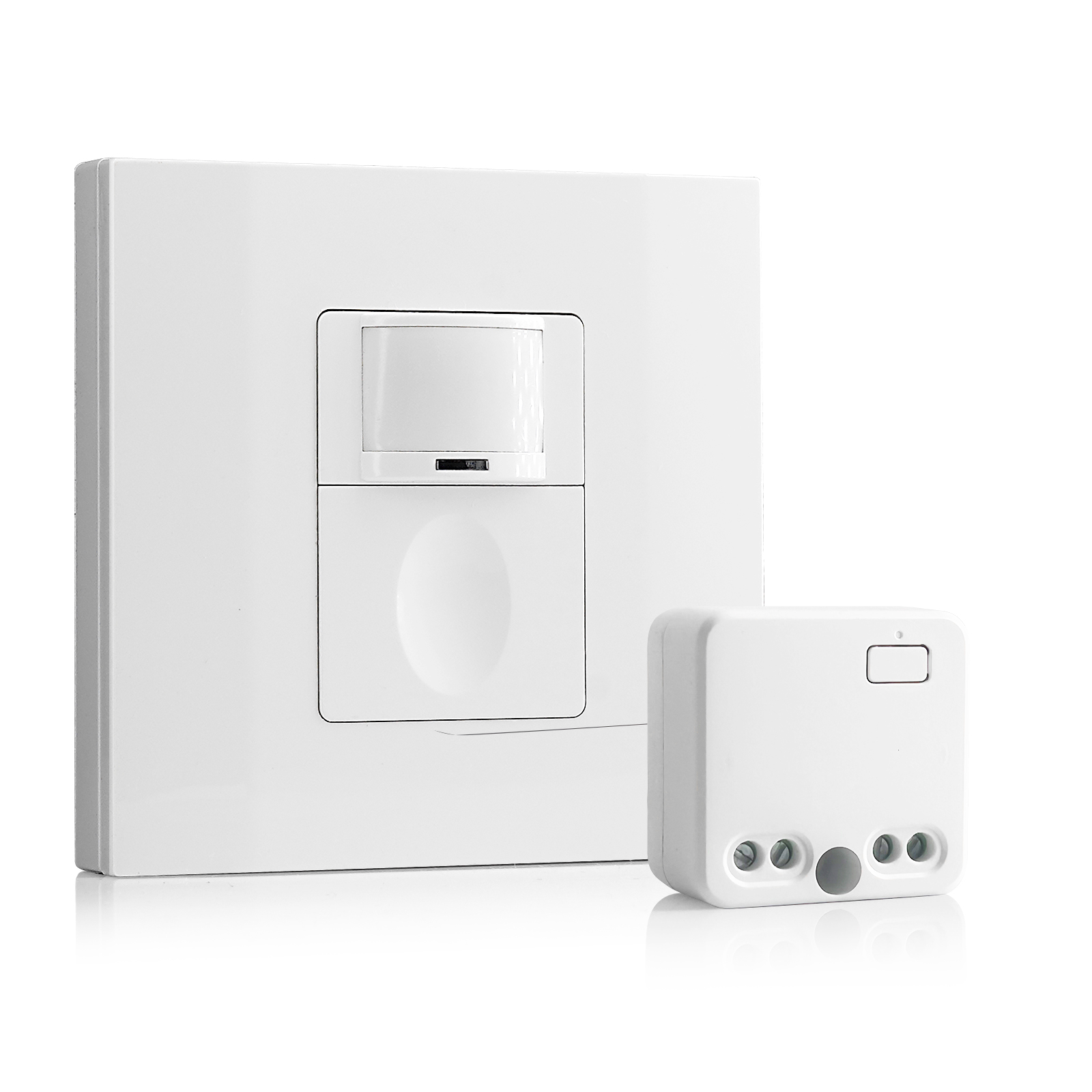
- 100V-230VAC
- Zasięg transmisji: do 20m
- Bezprzewodowy czujnik ruchu
- Sterowanie przewodowe
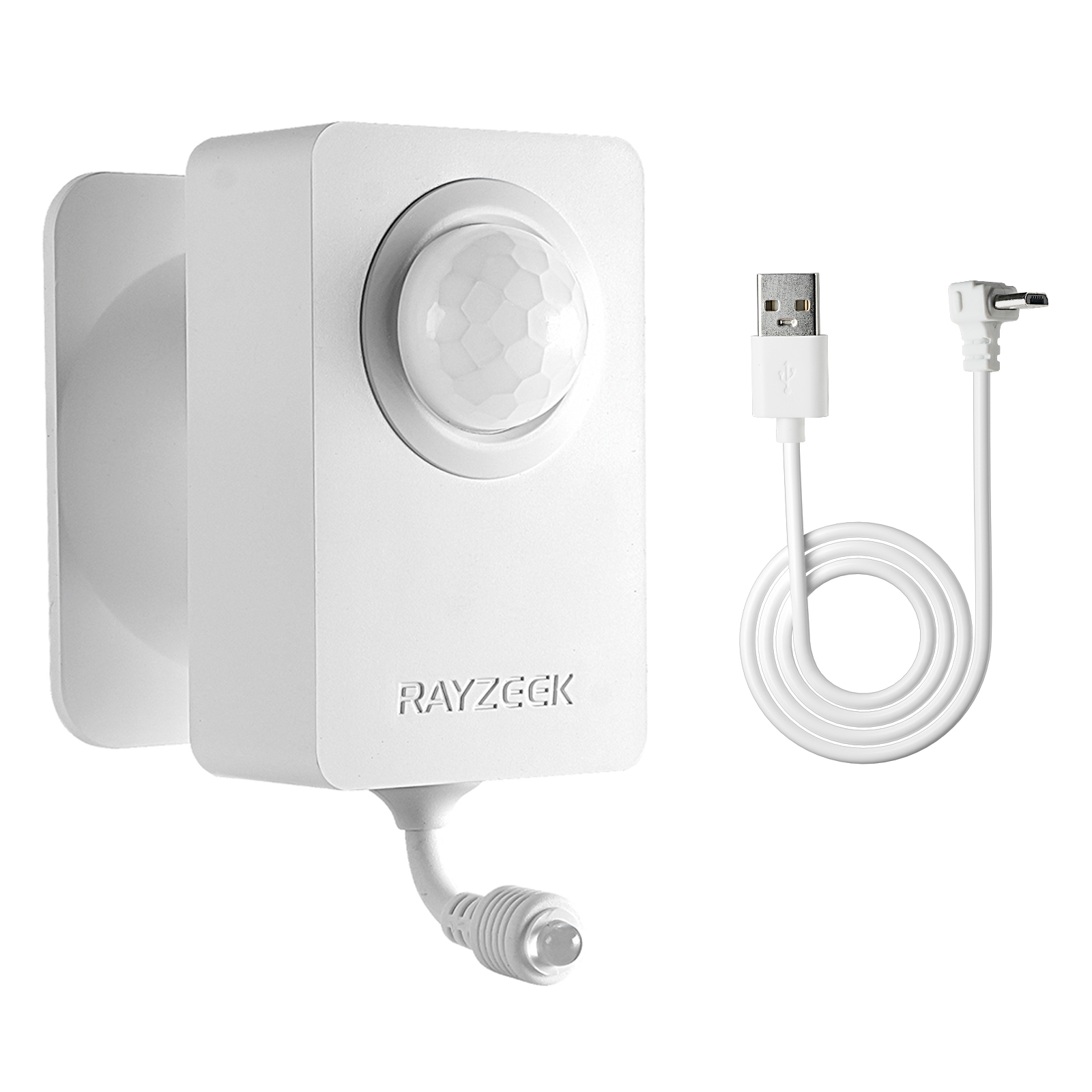
- Napięcie: 2x baterie AAA / 5V DC (Micro USB)
- Tryb dzień/noc
- Opóźnienie czasowe: 15min, 30min, 1h (domyślne), 2h
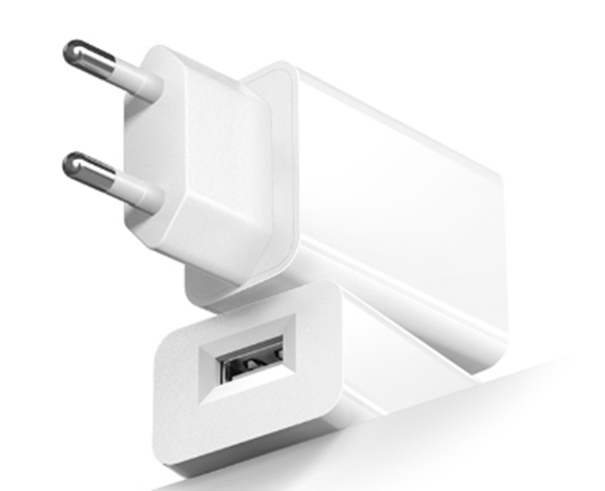
- Zasilacz sieciowy z wtyczką EU
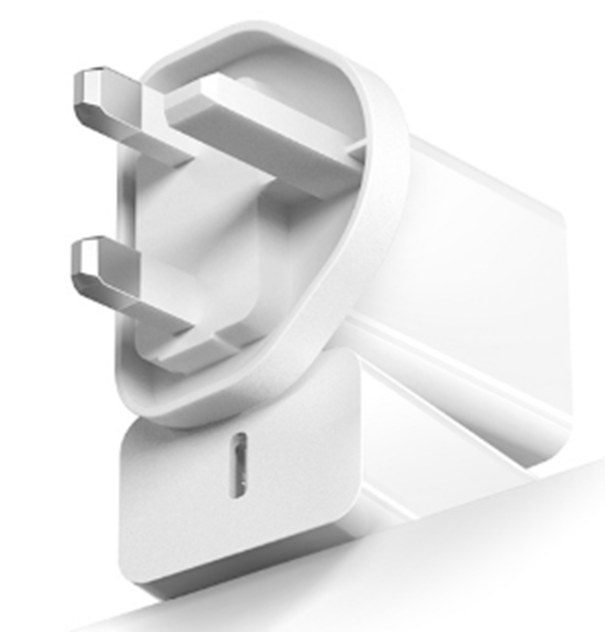
- Zasilacz sieciowy z wtyczką UK
Frequently Asked Questions
What Is an Example of Dark Light Adaptation
Dark Adaptation is the phenomenon where our eyes adjust to darkness after being exposed to light. For instance, when transitioning from a well-lit, sunny environment outside to a comparatively dim room indoors, initial visibility may be challenging. However, over time, our eyes gradually recover and become more receptive to the low light conditions indoors.
Where Does Light Dark Adaptation Take Place
A significant portion of the adaptation process takes place within the photoreceptors themselves. This adaptation is primarily attributed to photopigment bleaching, where the availability of photopigment decreases at high light levels, leading to diminished responses to light increments in those conditions.
What Is an Example of a Light Adaptation
You may have experienced the phenomenon of spots and color distortion when transitioning from a dark room to a bright, sunny day. This is an example of light adaptation, where our eyes adjust to the change in lighting conditions. On the other hand, dark adaptation refers to the adjustment our eyes make when transitioning from a well-lit area to darkness.







