
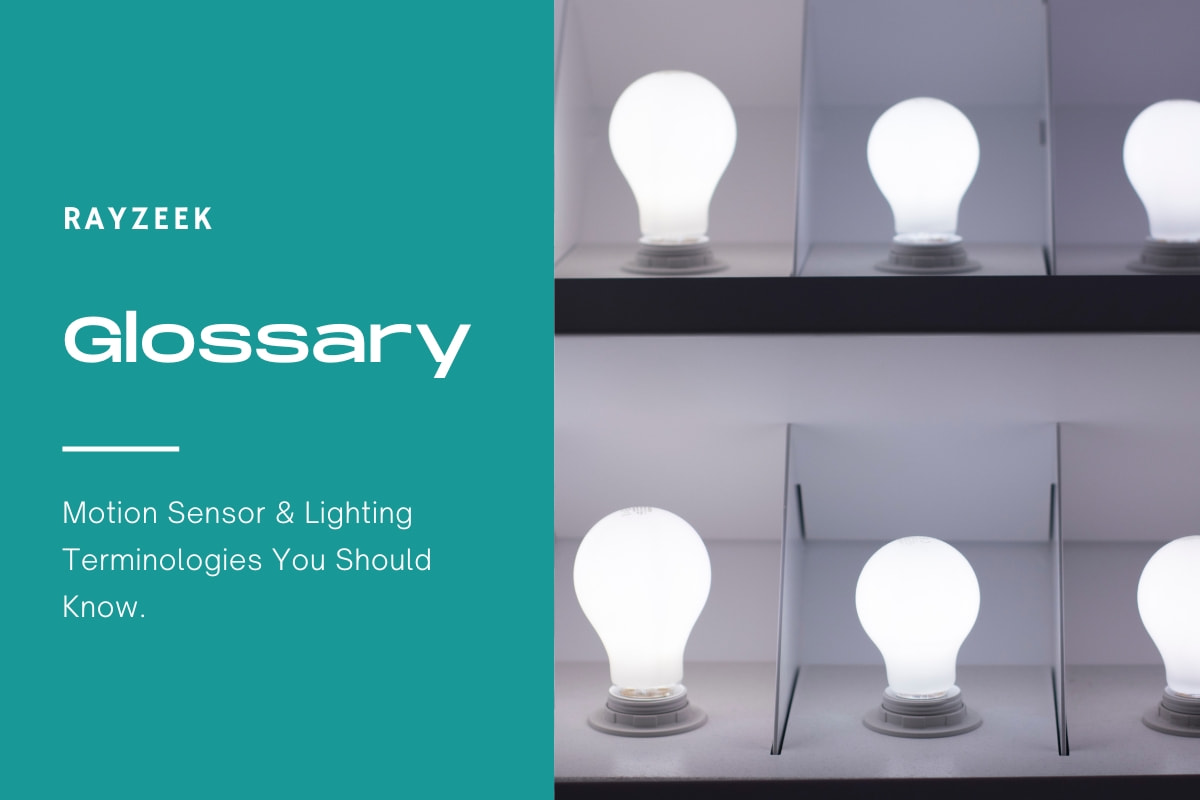
What is Blue Light
Blue light is a specific range of wavelengths within the visible light spectrum, typically ranging from approximately 380 to 500 nanometers. It is characterized by its shorter wavelength and higher energy compared to other colors of light. Blue light is a natural component of sunlight and is also emitted by various artificial light sources, including LED lights, fluorescent lights, and electronic screens such as smartphones, tablets, and computer monitors.
Blue light is important in our daily lives, influencing our sleep-wake cycle, mood, and overall well-being. During the daytime, exposure to blue light can help regulate our circadian rhythm, enhance alertness, improve cognitive function, and boost mood and productivity. However, excessive or nighttime exposure to blue light can have negative effects on our health.
Może Cię również zainteresować

- Sufitowy czujnik obecności PIR z wyjściem przekaźnikowym bezpotencjałowym
- Niskonapięciowe zasilanie 12/24VDC lub 12/24VAC
- Izolowane styki przekaźnika COM, NO i NC dla wejść systemów EMS, HVAC i sterowania budynkiem

- Niskonapięciowy podtynkowy sufitowy mikrofalowy czujnik ruchu DC
- Wejście 12 VDC / 24 VDC z zakresem 10-30 VDC
- Maksymalny prąd roboczy 10A z regulowanym opóźnieniem czasowym, progiem Lux i czułością
- Podtynkowy sufitowy mikrofalowy czujnik ruchu do wyższych obciążeń
- Wejście napięcia sieciowego 100-265 VAC, model 10A
- Detekcja mikrofalowa 5.8 GHz z regulowanym opóźnieniem czasowym, progiem Lux i czułością
- Podtynkowy sufitowy mikrofalowy czujnik ruchu
- Wejście napięcia sieciowego 100-265 VAC, model 5A
- Detekcja mikrofalowa 5.8 GHz z regulowanym opóźnieniem czasowym, progiem Lux i czułością
- Sufitowy ściemniacz z czujnikiem obecności PIR RZ037 na napięcie 220V
- Maksymalny prąd roboczy 3A przy obciążeniu znamionowym 660W
- Przycisk LUX kontroluje WŁ./WYŁ. czujnika światła oraz ustawianą przez użytkownika jasność ściemniania
- Sufitowy ściemniacz z czujnikiem obecności PIR RZ037 na napięcie 110V
- Maksymalny prąd roboczy 3A przy obciążeniu znamionowym 330W
- Przycisk LUX kontroluje WŁ./WYŁ. czujnika światła oraz ustawianą przez użytkownika jasność ściemniania

- Niskonapięciowy sufitowy mikrofalowy czujnik ruchu DC
- Wejście 12 VDC / 24 VDC z zakresem 10-30 VDC
- Maksymalny prąd roboczy 10A z regulowanym opóźnieniem czasowym, progiem Lux i czułością
- Sufitowy mikrofalowy czujnik ruchu do wyższych obciążeń
- Wejście napięcia sieciowego 100-265 VAC, model 10A
- Detekcja mikrofalowa 5.8 GHz z regulowanym opóźnieniem czasowym, progiem Lux i czułością
- Sufitowy mikrofalowy czujnik ruchu
- Wejście napięcia sieciowego 100-265 VAC, model 5A
- Detekcja mikrofalowa 5.8 GHz z regulowanym opóźnieniem czasowym, progiem Lux i czułością

- Niskonapięciowy podtynkowy sufitowy czujnik ruchu PIR DC
- Wejście 12 VDC / 24 VDC z zakresem 10-30 VDC
- Maksymalny prąd roboczy 10A z regulowanym opóźnieniem czasowym, progiem luksów i czułością

- Podtynkowy sufitowy czujnik ruchu PIR do wyższych obciążeń
- Wejście napięcia sieciowego 100-265 VAC, model 10A
- Detekcja 360 stopni z regulowanym opóźnieniem czasowym, progiem luksów i czułością
- Podtynkowy sufitowy czujnik ruchu PIR
- Wejście napięcia sieciowego 100-265 VAC, model 5A
- Detekcja 360 stopni z regulowanym opóźnieniem czasowym, progiem luksów i czułością

- Zestaw bezprzewodowego włącznika i odbiornika do wewnętrznego sterowania oświetleniem WŁ/WYŁ
- Odbiornik 100-230VAC, 50/60Hz o prądzie znamionowym 5A
- Włącznik bezprzewodowy zasilany baterią CR2032 z komunikacją 2.4GHz
- Obecność (Auto-WŁ/Auto-WYŁ)
- 12–24V DC (10–30VDC), do 10A
- Zasięg 360°, średnica 8–12 m
- Opóźnienie czasowe 15 s–30 min
- Czujnik światła Wył/15/25/35 Lux
- Czułość Wysoka/Niska
- Tryb obecności Auto-WŁ/Auto-WYŁ
- 100–265V AC, 10A (wymagany przewód neutralny)
- Zasięg 360°; średnica detekcji 8–12 m
- Opóźnienie czasowe 15 s–30 min; Lux WYŁ/15/25/35; Czułość Wysoka/Niska
- Tryb obecności Auto-WŁ/Auto-WYŁ
- 100–265V AC, 5A (wymagany przewód neutralny)
- Zasięg 360°; średnica detekcji 8–12 m
- Opóźnienie czasowe 15 s–30 min; Lux WYŁ/15/25/35; Czułość Wysoka/Niska

- 100V-230VAC
- Zasięg transmisji: do 20m
- Bezprzewodowy czujnik ruchu
- Sterowanie przewodowe

- Napięcie: 2x baterie AAA / 5V DC (Micro USB)
- Tryb dzień/noc
- Opóźnienie czasowe: 15min, 30min, 1h (domyślne), 2h

- Zasilacz sieciowy z wtyczką EU

- Zasilacz sieciowy z wtyczką UK
Blue light exposure impacts sleep quality. Blue light suppresses the production of melatonin, a hormone that regulates sleep-wake cycles. Exposure to blue light in the evening can disrupt the natural sleep pattern, making it harder to fall asleep and potentially leading to sleep disorders.
Furthermore, prolonged exposure to blue light, particularly from electronic screens, has been linked to eye strain, digital eye fatigue, and potential long-term damage to the retina. This is because blue light scatters more easily and can penetrate deeper into the eye due to its shorter wavelength and higher energy.
Szukasz energooszczędnych rozwiązań aktywowanych ruchem?
Skontaktuj się z nami, aby otrzymać kompletne czujniki ruchu PIR, energooszczędne produkty aktywowane ruchem, przełączniki z czujnikiem ruchu oraz komercyjne rozwiązania do kontroli obecności/nieobecności.
To mitigate the potential negative effects of blue light, various strategies can be employed. These include using blue light filters or screen protectors on electronic devices, adjusting the color temperature of screens to reduce blue light emission, and limiting screen time before bedtime. Additionally, using lighting fixtures with warmer color temperatures, which emit a higher amount of red and yellow wavelengths, can help minimize blue light exposure in indoor environments.
Frequently Asked Questions
How Can I Protect My Eyes From LED Lights
So, what measures can I take to safeguard my eyes from the harmful effects of LED lights? According to the ANSES report, it is advisable to opt for “warm white” LED home lighting, minimize exposure to LED sources emitting high levels of blue light, and refrain from using LED screens before going to bed.
Do Sunglasses Block Blue Light
Almost all sunglasses provide eye protection by filtering out UV radiation, reducing glare, and blocking blue light while being worn outdoors. However, it is important to note that not all sunglasses effectively reduce blue light emitted from digital screens. The level of UV filtration can vary depending on the tint of the lens.
What Is Blue Light and Why Is It Bad
Constant and prolonged exposure to blue light can potentially harm the cells in the retina and lead to various vision issues, including age-related macular degeneration. Additionally, it has been linked to the development of cataracts, eye cancer, and growths on the transparent layer that covers the white part of the eye.
Are LED Lights Considered Blue Light
LED lights are known for their efficiency compared to fluorescent lights. However, it is important to note that LED lights also emit a significant amount of light in the blue spectrum. Richard Hansler, a light researcher at John Carroll University in Cleveland, explains that even ordinary incandescent lights produce some blue light, although not as much as fluorescent lightbulbs.
What Does Blue Light Do to Your Eyes
This high-energy blue light passes through the cornea and lens, reaching the retina. It has the potential to cause various eye diseases, including dry eye, cataracts, and age-related macular degeneration. Additionally, blue light can stimulate the brain, disrupt melatonin secretion, and increase the production of adrenocortical hormones. These effects can disrupt hormonal balance and have direct impacts on the body.
Is TV Considered Blue Light
Does television emit blue light? Yes, it does. The LED screens commonly used in TVs emit a significant amount of blue light, which has the potential to be harmful to our eyes. Consequently, excessive TV viewing, particularly during nighttime hours, can inhibit the production of melatonin, a hormone that helps regulate sleep.







