

What is T5 Light
A T5 light (T5 fluorescent light) is a type of lighting fixture, particularly used in the context of growing plants. The “T” in “T5” refers to the shape of the bulb, which is tubular, while the “5” indicates the diameter of the light socket, measuring ⅝ of an inch. T5 lights are known for their high output and are often used as an alternative to high intensity discharge (HID) bulbs. They offer a softer light output compared to HID bulbs, making them suitable for applications where a more gentle and diffused light is desired. T5 lights use fluorescent bulbs that are coated with phosphorus and filled with argon gas and a small amount of mercury.
The functioning of T5 lights involves electrodes at either end of the bulb electrifying the gas inside the tube, causing free electrons to move from one electrode to the other. This process results in the production of light. The charge vaporizes a small amount of the mercury inside the tube, generating ultraviolet (UV) photons. The phosphorus coating on the inside of the bulb converts the UV emissions into visible light.
Szukasz energooszczędnych rozwiązań aktywowanych ruchem?
Skontaktuj się z nami, aby otrzymać kompletne czujniki ruchu PIR, energooszczędne produkty aktywowane ruchem, przełączniki z czujnikiem ruchu oraz komercyjne rozwiązania do kontroli obecności/nieobecności.
T5 lights are famous for their customizability. They allow for the mixing and matching of various color temperatures and wavelengths, providing growers with the ability to tailor the light output to the specific needs of their plants. Different color temperatures correspond to different wavelengths of light, which can have varying effects on plant growth and development. For example, bulbs with a color temperature of 2700k emit a “warm” orange glow with lots of red wavelengths, which is suitable for flowering plants. On the other hand, bulbs with a color temperature of 6400k emit a “cool” white/blue glow with plenty of blue wavelengths, which is beneficial for vegetative growth.
Może Cię również zainteresować

- Sufitowy czujnik obecności PIR z wyjściem przekaźnikowym bezpotencjałowym
- Niskonapięciowe zasilanie 12/24VDC lub 12/24VAC
- Izolowane styki przekaźnika COM, NO i NC dla wejść systemów EMS, HVAC i sterowania budynkiem

- Niskonapięciowy podtynkowy sufitowy mikrofalowy czujnik ruchu DC
- Wejście 12 VDC / 24 VDC z zakresem 10-30 VDC
- Maksymalny prąd roboczy 10A z regulowanym opóźnieniem czasowym, progiem Lux i czułością
- Podtynkowy sufitowy mikrofalowy czujnik ruchu do wyższych obciążeń
- Wejście napięcia sieciowego 100-265 VAC, model 10A
- Detekcja mikrofalowa 5.8 GHz z regulowanym opóźnieniem czasowym, progiem Lux i czułością
- Podtynkowy sufitowy mikrofalowy czujnik ruchu
- Wejście napięcia sieciowego 100-265 VAC, model 5A
- Detekcja mikrofalowa 5.8 GHz z regulowanym opóźnieniem czasowym, progiem Lux i czułością
- Sufitowy ściemniacz z czujnikiem obecności PIR RZ037 na napięcie 220V
- Maksymalny prąd roboczy 3A przy obciążeniu znamionowym 660W
- Przycisk LUX kontroluje WŁ./WYŁ. czujnika światła oraz ustawianą przez użytkownika jasność ściemniania
- Sufitowy ściemniacz z czujnikiem obecności PIR RZ037 na napięcie 110V
- Maksymalny prąd roboczy 3A przy obciążeniu znamionowym 330W
- Przycisk LUX kontroluje WŁ./WYŁ. czujnika światła oraz ustawianą przez użytkownika jasność ściemniania

- Niskonapięciowy sufitowy mikrofalowy czujnik ruchu DC
- Wejście 12 VDC / 24 VDC z zakresem 10-30 VDC
- Maksymalny prąd roboczy 10A z regulowanym opóźnieniem czasowym, progiem Lux i czułością
- Sufitowy mikrofalowy czujnik ruchu do wyższych obciążeń
- Wejście napięcia sieciowego 100-265 VAC, model 10A
- Detekcja mikrofalowa 5.8 GHz z regulowanym opóźnieniem czasowym, progiem Lux i czułością
- Sufitowy mikrofalowy czujnik ruchu
- Wejście napięcia sieciowego 100-265 VAC, model 5A
- Detekcja mikrofalowa 5.8 GHz z regulowanym opóźnieniem czasowym, progiem Lux i czułością

- Niskonapięciowy podtynkowy sufitowy czujnik ruchu PIR DC
- Wejście 12 VDC / 24 VDC z zakresem 10-30 VDC
- Maksymalny prąd roboczy 10A z regulowanym opóźnieniem czasowym, progiem luksów i czułością

- Podtynkowy sufitowy czujnik ruchu PIR do wyższych obciążeń
- Wejście napięcia sieciowego 100-265 VAC, model 10A
- Detekcja 360 stopni z regulowanym opóźnieniem czasowym, progiem luksów i czułością
- Podtynkowy sufitowy czujnik ruchu PIR
- Wejście napięcia sieciowego 100-265 VAC, model 5A
- Detekcja 360 stopni z regulowanym opóźnieniem czasowym, progiem luksów i czułością

- Zestaw bezprzewodowego włącznika i odbiornika do wewnętrznego sterowania oświetleniem WŁ/WYŁ
- Odbiornik 100-230VAC, 50/60Hz o prądzie znamionowym 5A
- Włącznik bezprzewodowy zasilany baterią CR2032 z komunikacją 2.4GHz
- Obecność (Auto-WŁ/Auto-WYŁ)
- 12–24V DC (10–30VDC), do 10A
- Zasięg 360°, średnica 8–12 m
- Opóźnienie czasowe 15 s–30 min
- Czujnik światła Wył/15/25/35 Lux
- Czułość Wysoka/Niska
- Tryb obecności Auto-WŁ/Auto-WYŁ
- 100–265V AC, 10A (wymagany przewód neutralny)
- Zasięg 360°; średnica detekcji 8–12 m
- Opóźnienie czasowe 15 s–30 min; Lux WYŁ/15/25/35; Czułość Wysoka/Niska
- Tryb obecności Auto-WŁ/Auto-WYŁ
- 100–265V AC, 5A (wymagany przewód neutralny)
- Zasięg 360°; średnica detekcji 8–12 m
- Opóźnienie czasowe 15 s–30 min; Lux WYŁ/15/25/35; Czułość Wysoka/Niska
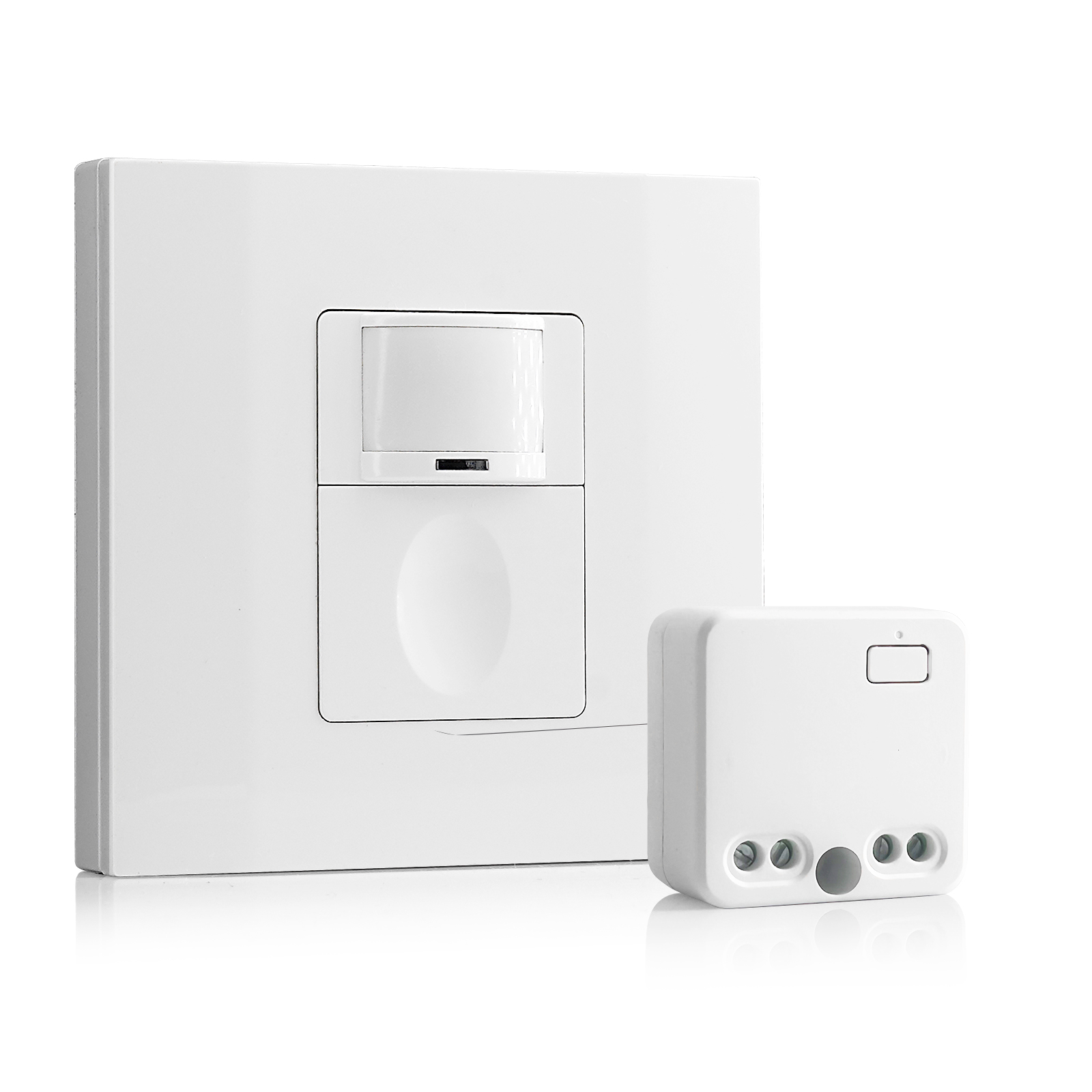
- 100V-230VAC
- Zasięg transmisji: do 20m
- Bezprzewodowy czujnik ruchu
- Sterowanie przewodowe
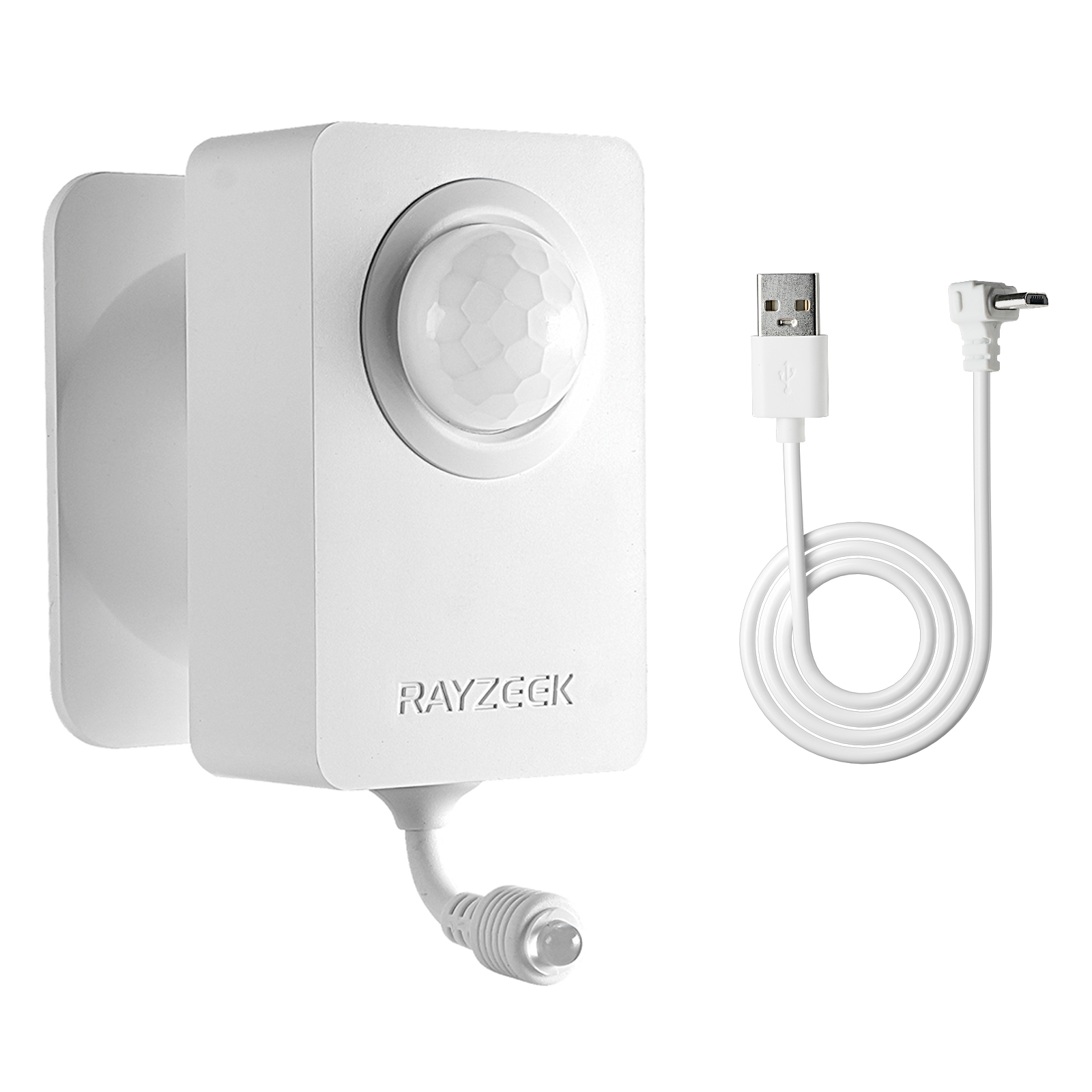
- Napięcie: 2x baterie AAA / 5V DC (Micro USB)
- Tryb dzień/noc
- Opóźnienie czasowe: 15min, 30min, 1h (domyślne), 2h
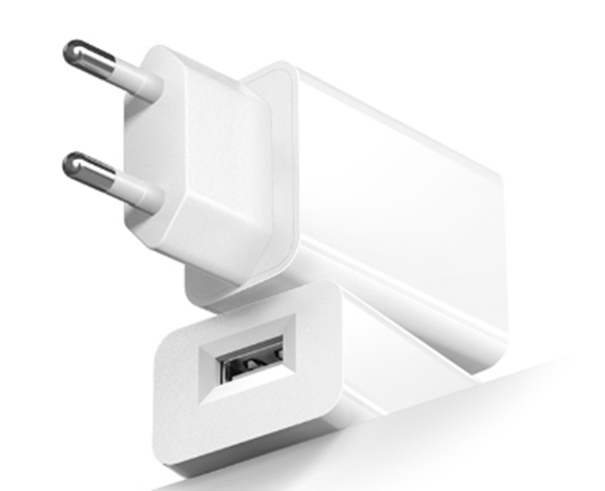
- Zasilacz sieciowy z wtyczką EU
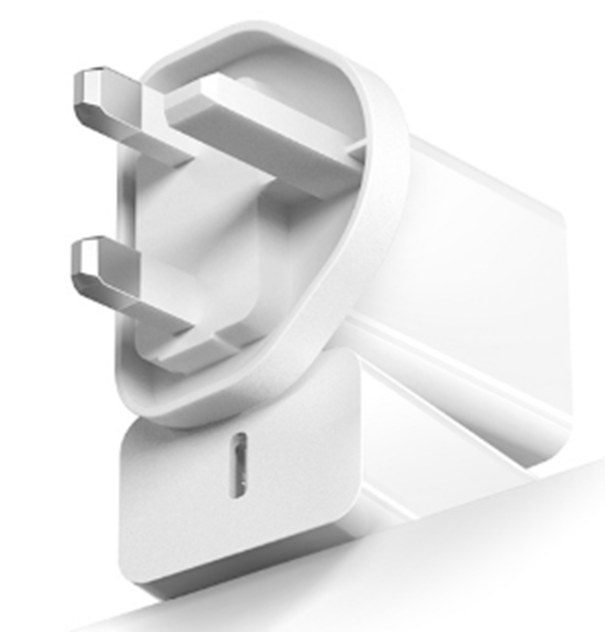
- Zasilacz sieciowy z wtyczką UK
Frequently Asked Questions
Can I Put a T5 Bulb in a T8 Fixture
T5 fluorescent tubes cannot be directly substituted for T8 fluorescent tubes in a fixture. The reason for this is that the pins and ballasts used to operate the bulbs have different spacing. Similarly, the opposite is also true.
Can I Replace a T5 Bulb With an LED
T5 LED tubes are readily available for various types of operation, including plug-and-play, ballast bypass, or hybrid operation. Plug-and-play tubes can be easily installed by removing the existing fluorescent tube and plugging in the LED tube, as they are compatible with the existing ballasts.
What Are T5 Lights Good For
Single and dual-bulb T5 grow lights are suitable for various purposes such as supporting seed propagation, nurturing clones and seedlings, and cultivating a small herb garden. These specific T5 fluorescent lights may not emit excessive energy, but their lower output is advantageous for the growth of smaller plants.
Why Are T5 Bulbs So Expensive
T5 fluorescent bulbs tend to have a higher price compared to other lighting options due to the need for a ballast to regulate the current. Nevertheless, the potential energy savings often outweigh the initial higher cost of purchase.







