
What is Color Uniformity
Color uniformity is the consistent and even distribution of color across a lighting system. It is a measure of how well the emitted light maintains a consistent color appearance throughout its coverage area. Achieving color uniformity is essential for creating visually appealing lighting designs, particularly in applications where accurate color representation is crucial.
こちらの製品もおすすめ

- 無電圧接点リレー出力を備えた天井取付型 PIR 占有・無人検知センサー
- 12/24VDC または 12/24VAC の低電圧電源
- EMS、HVAC、およびビル管理制御入力用の COM、NO、NC 絶縁リレー接点

- 低電圧 DC 天井埋込型 マイクロ波モーションセンサースイッチ
- 12 VDC / 24 VDC 入力(許容範囲:10-30 VDC)
- 最大動作電流 10A、調整可能なタイムディレイ、照度しきい値、および感度
- 高負荷対応 天井埋込型 マイクロ波モーションセンサースイッチ
- 100-265 VAC 商用電圧入力、10A モデル
- 5.8 GHz マイクロ波検知、調整可能なタイムディレイ、照度しきい値、および感度
- 天井埋込型 マイクロ波モーションセンサースイッチ
- 100-265 VAC 商用電圧入力、5A モデル
- 5.8 GHz マイクロ波検知、調整可能なタイムディレイ、照度しきい値、および感度
- 220V 電源用 天井取付型 RZ037 PIR 占有・無人検知センサー調光器
- 最大動作電流 3A、定格負荷 660W
- LUX ボタンによる調光センサーのオン/オフおよびユーザー設定の調光輝度制御
- 110V 電源用 天井取付型 RZ037 PIR 占有・無人検知センサー調光器
- 最大動作電流 3A、定格負荷 330W
- LUX ボタンによる調光センサーのオン/オフおよびユーザー設定の調光輝度制御

- 低電圧DC天井取付型マイクロ波動体検知センサースイッチ
- 12 VDC / 24 VDC 入力(許容範囲:10-30 VDC)
- 最大動作電流 10A、調整可能なタイムディレイ、照度しきい値、および感度
- 高負荷天井取付型マイクロ波動体検知センサースイッチ
- 100-265 VAC 商用電圧入力、10A モデル
- 5.8 GHz マイクロ波検知、調整可能なタイムディレイ、照度しきい値、および感度
- 天井取付型マイクロ波動体検知センサースイッチ
- 100-265 VAC 商用電圧入力、5A モデル
- 5.8 GHz マイクロ波検知、調整可能なタイムディレイ、照度しきい値、および感度

- 低電圧DC埋込型天井PIR動体検知センサースイッチ
- 12 VDC / 24 VDC 入力(許容範囲:10-30 VDC)
- 最大動作電流10A、調整可能なタイムディレイ、ルクス閾値、および感度設定

- 高負荷埋込型天井PIR動体検知センサースイッチ
- 100-265 VAC 商用電圧入力、10A モデル
- 360度検知、調整可能なタイムディレイ、ルクス閾値、および感度設定
- 埋込型天井PIR動体検知センサースイッチ
- 100-265 VAC 商用電圧入力、5A モデル
- 360度検知、調整可能なタイムディレイ、ルクス閾値、および感度設定

- 屋内用ON/OFF照明制御ワイヤレススイッチ&レシーバーキット
- 100-230VAC、50/60Hzレシーバー、定格電流5A
- CR2032電池駆動ワイヤレススイッチ、2.4GHz通信
- 在室(自動オン/自動オフ)
- 12–24V DC(10–30VDC)、最大10A
- 360°検知範囲、直径8–12 m
- タイムディレイ 15秒–30分
- 照度センサー オフ/15/25/35 Lux
- 高/低感度
- 自動オン/自動オフ在室モード
- 100–265V AC、10A(中性線が必要)
- 360°検知範囲、検知直径8–12 m
- タイムディレイ 15秒–30分、ルクス オフ/15/25/35、感度 高/低
- 自動オン/自動オフ在室モード
- 100–265V AC, 5A (中性線必須)
- 360°検知範囲、検知直径8–12 m
- タイムディレイ 15秒–30分、ルクス オフ/15/25/35、感度 高/低
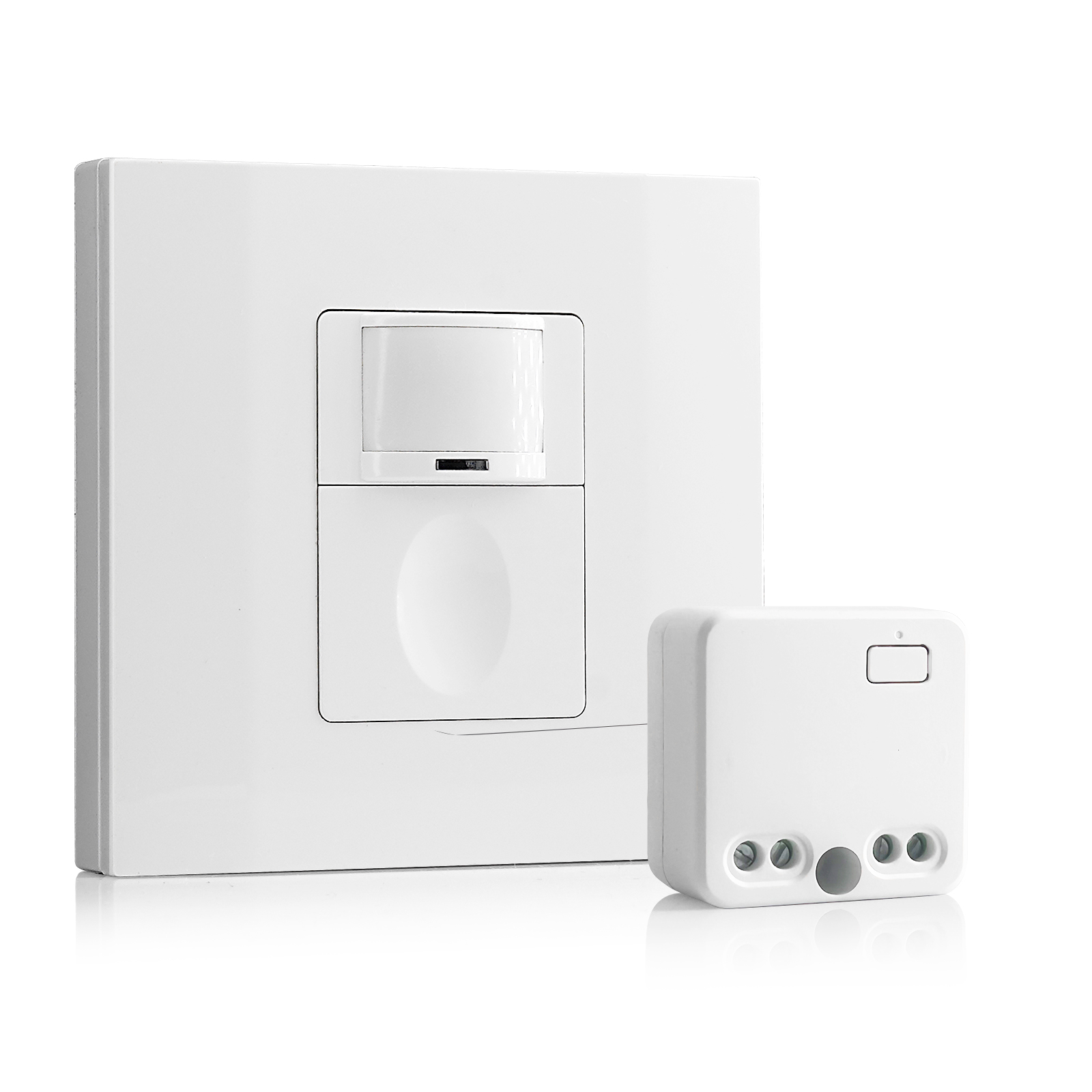
- 100V-230VAC
- 送信距離: 最大20m
- ワイヤレス動きセンサー
- 有線制御
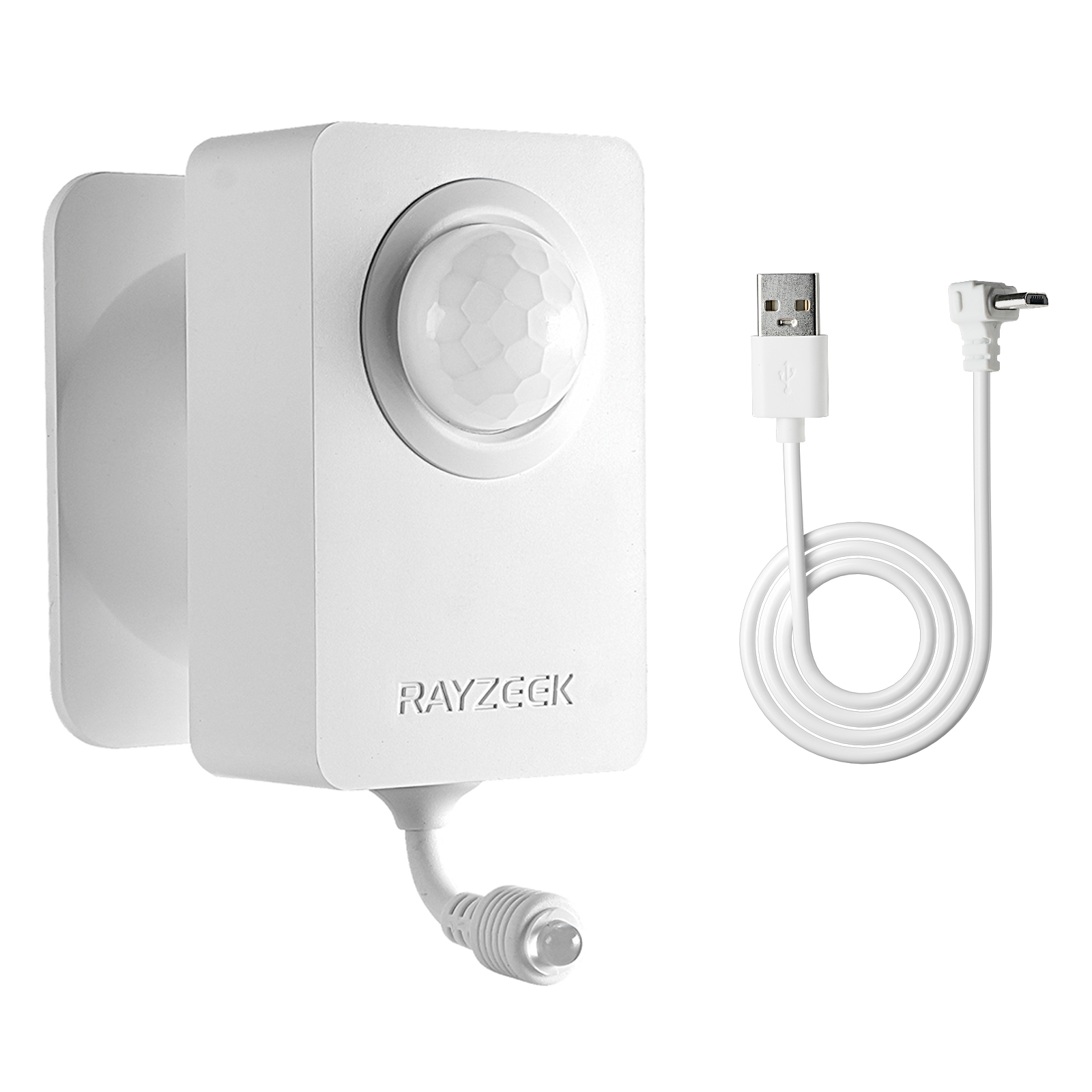
- 電圧: 単4電池×2本 / 5V DC (Micro USB)
- 昼/夜モード
- タイムディレイ: 15分、30分、1時間(デフォルト)、2時間
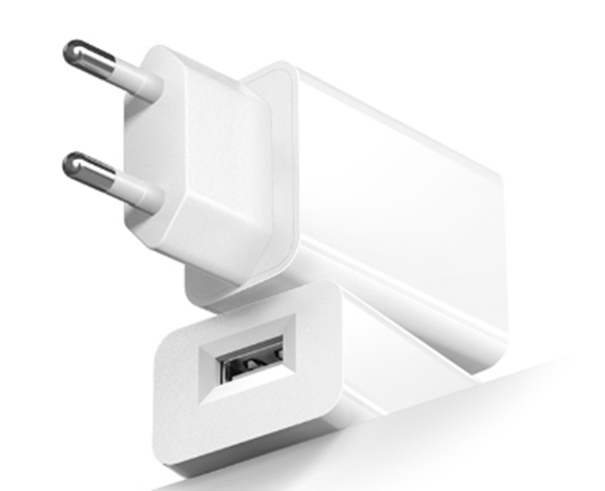
- EUプラグ電源アダプター
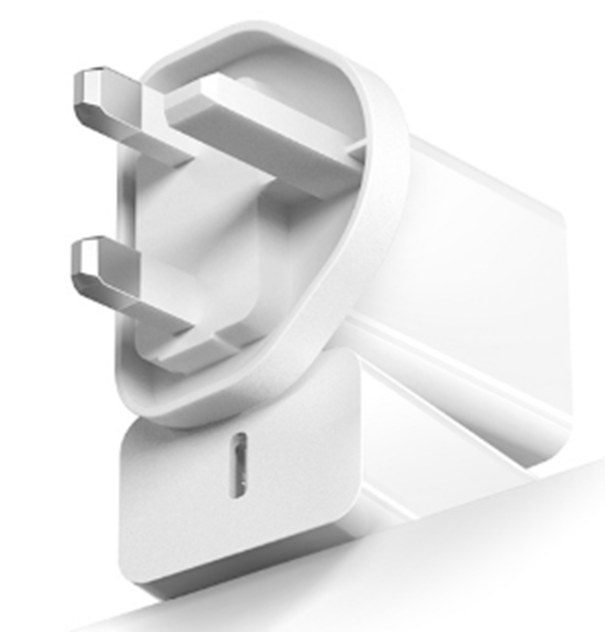
- UKプラグ電源アダプター
Color uniformity ensures that multiple lamps of the same type and specification emit light with consistent color characteristics, resulting in a seamless and harmonious lighting effect. This is especially important in settings such as retail stores, art galleries, and museums, where accurate color rendering is necessary to showcase products, artwork, or exhibits.
To achieve color uniformity, lighting manufacturers employ various techniques and quality control measures. These include carefully selecting and matching light-emitting components, such as LEDs or gas discharge tubes, to ensure consistent color characteristics. Manufacturers may also implement color calibration processes to further refine the color output of the lamps.
Quantifying color uniformity can be done using metrics such as the color rendering index (CRI) and correlated color temperature (CCT). CRI measures a light source’s ability to accurately render colors compared to a reference source, while CCT specifies the color appearance of a lamp relative to a reference source heated to a specific temperature. These metrics provide standardized ways to assess and compare the color performance of different lamps.
動き検知連動の省エネソリューションをお探しですか?
各種PIR動きセンサー、動き検知連動の省エネ製品、動きセンサーライトスイッチ、商用向けのOccupancy/Vacancy(在室/不在)ソリューションについては、当社までお気軽にお問い合わせください。
Frequently Asked Questions
What Is the Meaning of Color Uniformity
Color uniformity refers to the consistent distribution of color across the entire screen. For instance, if you are looking at the color green, color uniformity means that the shade of green you see in the middle of the screen is the same as the shade you see on the corners or any other part of the screen. This ensures a uniform and consistent color experience throughout the display.
How Do You Determine Lighting Requirements
Let’s review the process of calculating the lighting needs for a specific area. To determine the required amount of light, you can multiply the square footage of the room by the footcandle requirement. For instance, if you have a living room measuring 100 square feet and requiring 20 foot candles, you will need a total of 2,000 lumens. Similarly, a dining room with an area of 100 square feet and a foot-candle requirement of 40 will necessitate 4,000 lumens.
What Is the Effect of Contrast and Uniformity in Lighting Design
Too much contrast in lighting design can have negative effects on our ability to perceive fine details and can lead to eye fatigue. On the other hand, uniformity in lighting design refers to the overall space and plays a role in creating a comfortable environment. However, excessive uniformity can result in a lack of visual interest and a bland atmosphere.







