
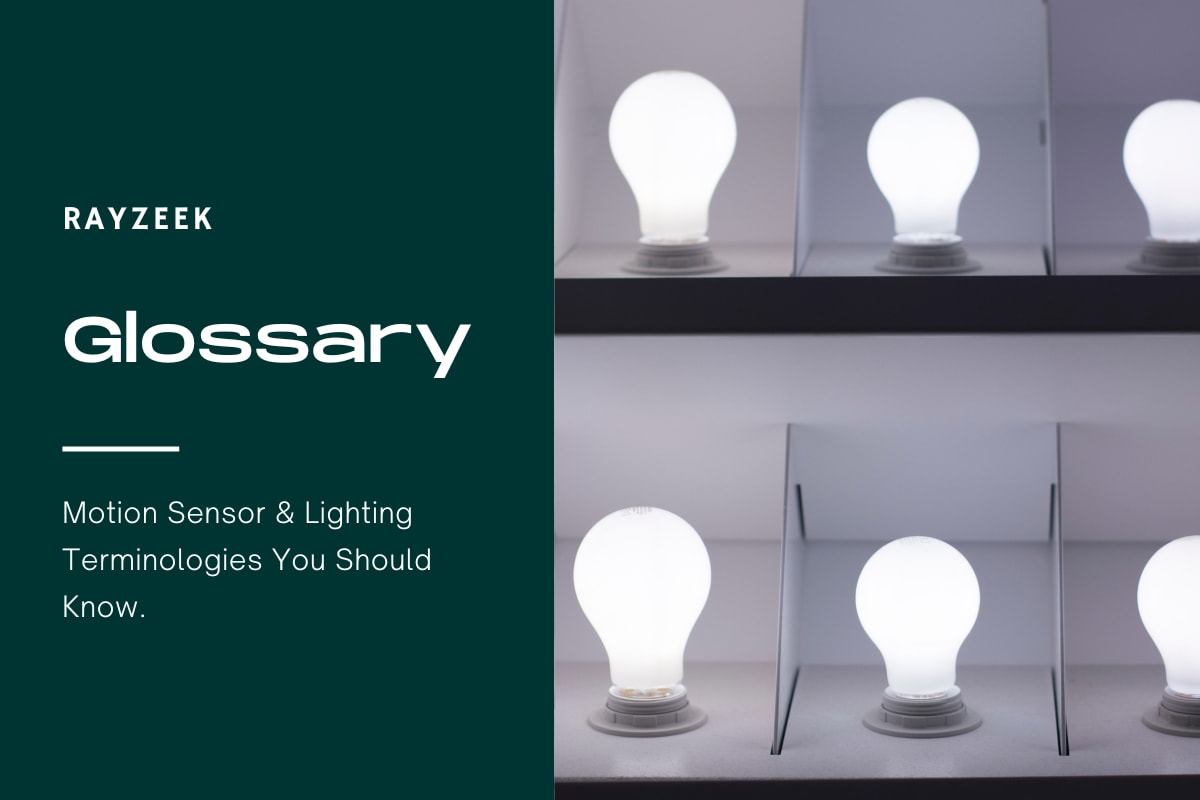
What is Luminance Contrast
Luminance contrast is the difference in the amount of light reflected from one surface or component compared to another surface or component. It is a measure of the visual distinction between the object and its background. Luminance contrast is not the difference in color or color contrast, but rather the difference in the light reflective properties of each color.
The calculation of luminance contrast can be expressed as a ratio or fraction, typically using the luminance values of the object and background. The formula for calculating luminance contrast is (L1 – L2)/L1 or (L2 – L1)/L1 = | Δ L/L1 |, where L1 and L2 represent the luminances of the background and the object, respectively. This equation specifies the form of the luminance contrast calculation.
動き検知連動の省エネソリューションをお探しですか?
各種PIR動きセンサー、動き検知連動の省エネ製品、動きセンサーライトスイッチ、商用向けのOccupancy/Vacancy(在室/不在)ソリューションについては、当社までお気軽にお問い合わせください。
The ratio Δ L/L1 in the equation is known as Weber’s fraction, which describes the smallest detectable difference in luminance. This helps determine the perceptual sensitivity to changes in brightness. In some cases, when only reflecting surfaces are involved, luminance contrast can be expressed in terms of reflectance. Reflectance refers to the ratio of light reflected by a surface to the incident light falling on it. The contrast formula using reflectance is (ρ1 – ρ2)/ρ1 or (ρ2 – ρ1)/ρ1, where ρ1 and ρ2 represent the reflectances of the background and the object, respectively. The method of computing contrast using reflectance holds true only for perfectly diffusing surfaces. For other surfaces, additional factors such as angles of incidence and view need to be taken into consideration.
こちらの製品もおすすめ

- 無電圧接点リレー出力を備えた天井取付型 PIR 占有・無人検知センサー
- 12/24VDC または 12/24VAC の低電圧電源
- EMS、HVAC、およびビル管理制御入力用の COM、NO、NC 絶縁リレー接点

- 低電圧 DC 天井埋込型 マイクロ波モーションセンサースイッチ
- 12 VDC / 24 VDC 入力(許容範囲:10-30 VDC)
- 最大動作電流 10A、調整可能なタイムディレイ、照度しきい値、および感度
- 高負荷対応 天井埋込型 マイクロ波モーションセンサースイッチ
- 100-265 VAC 商用電圧入力、10A モデル
- 5.8 GHz マイクロ波検知、調整可能なタイムディレイ、照度しきい値、および感度
- 天井埋込型 マイクロ波モーションセンサースイッチ
- 100-265 VAC 商用電圧入力、5A モデル
- 5.8 GHz マイクロ波検知、調整可能なタイムディレイ、照度しきい値、および感度
- 220V 電源用 天井取付型 RZ037 PIR 占有・無人検知センサー調光器
- 最大動作電流 3A、定格負荷 660W
- LUX ボタンによる調光センサーのオン/オフおよびユーザー設定の調光輝度制御
- 110V 電源用 天井取付型 RZ037 PIR 占有・無人検知センサー調光器
- 最大動作電流 3A、定格負荷 330W
- LUX ボタンによる調光センサーのオン/オフおよびユーザー設定の調光輝度制御

- 低電圧DC天井取付型マイクロ波動体検知センサースイッチ
- 12 VDC / 24 VDC 入力(許容範囲:10-30 VDC)
- 最大動作電流 10A、調整可能なタイムディレイ、照度しきい値、および感度
- 高負荷天井取付型マイクロ波動体検知センサースイッチ
- 100-265 VAC 商用電圧入力、10A モデル
- 5.8 GHz マイクロ波検知、調整可能なタイムディレイ、照度しきい値、および感度
- 天井取付型マイクロ波動体検知センサースイッチ
- 100-265 VAC 商用電圧入力、5A モデル
- 5.8 GHz マイクロ波検知、調整可能なタイムディレイ、照度しきい値、および感度

- 低電圧DC埋込型天井PIR動体検知センサースイッチ
- 12 VDC / 24 VDC 入力(許容範囲:10-30 VDC)
- 最大動作電流10A、調整可能なタイムディレイ、ルクス閾値、および感度設定

- 高負荷埋込型天井PIR動体検知センサースイッチ
- 100-265 VAC 商用電圧入力、10A モデル
- 360度検知、調整可能なタイムディレイ、ルクス閾値、および感度設定
- 埋込型天井PIR動体検知センサースイッチ
- 100-265 VAC 商用電圧入力、5A モデル
- 360度検知、調整可能なタイムディレイ、ルクス閾値、および感度設定

- 屋内用ON/OFF照明制御ワイヤレススイッチ&レシーバーキット
- 100-230VAC、50/60Hzレシーバー、定格電流5A
- CR2032電池駆動ワイヤレススイッチ、2.4GHz通信
- 在室(自動オン/自動オフ)
- 12–24V DC(10–30VDC)、最大10A
- 360°検知範囲、直径8–12 m
- タイムディレイ 15秒–30分
- 照度センサー オフ/15/25/35 Lux
- 高/低感度
- 自動オン/自動オフ在室モード
- 100–265V AC、10A(中性線が必要)
- 360°検知範囲、検知直径8–12 m
- タイムディレイ 15秒–30分、ルクス オフ/15/25/35、感度 高/低
- 自動オン/自動オフ在室モード
- 100–265V AC, 5A (中性線必須)
- 360°検知範囲、検知直径8–12 m
- タイムディレイ 15秒–30分、ルクス オフ/15/25/35、感度 高/低
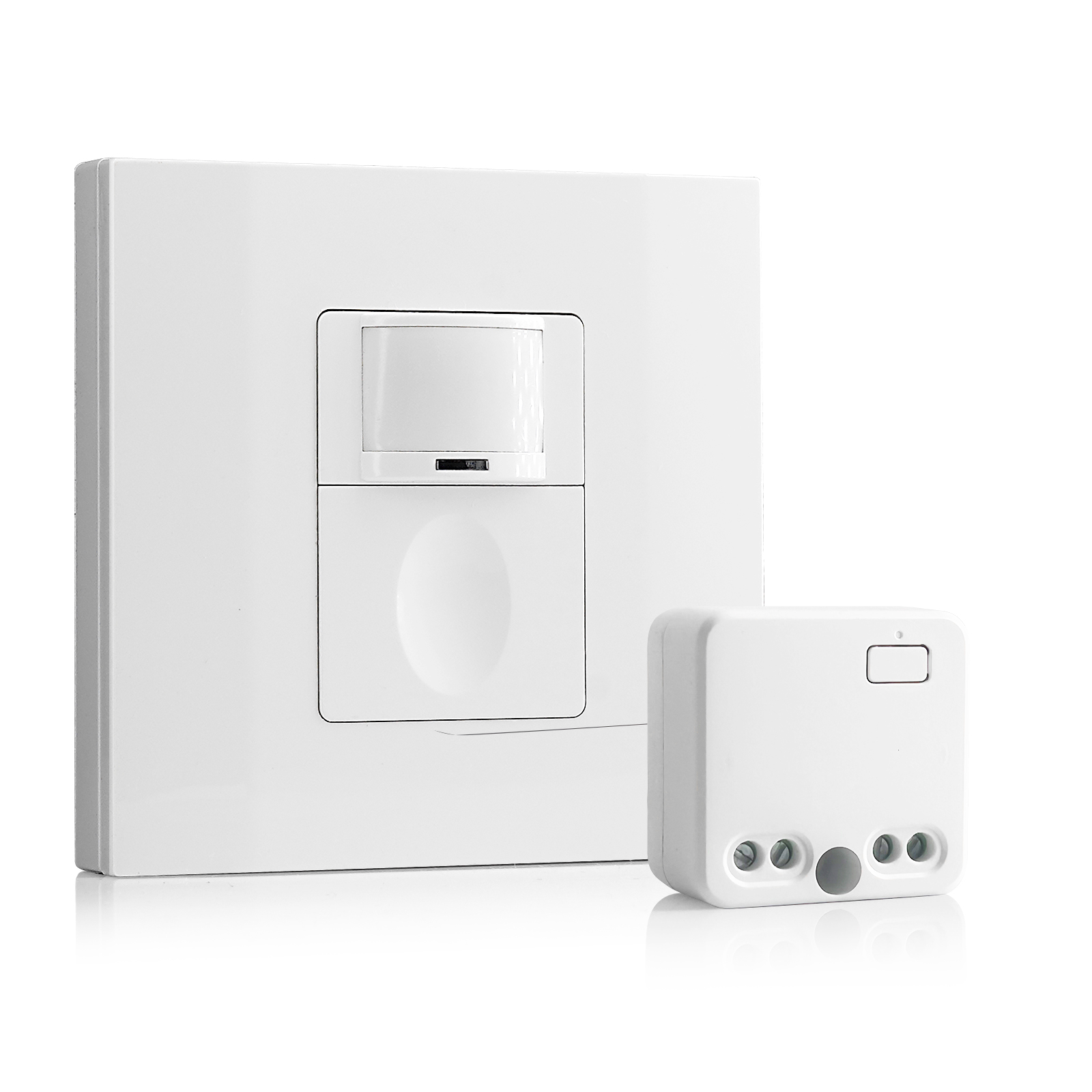
- 100V-230VAC
- 送信距離: 最大20m
- ワイヤレス動きセンサー
- 有線制御
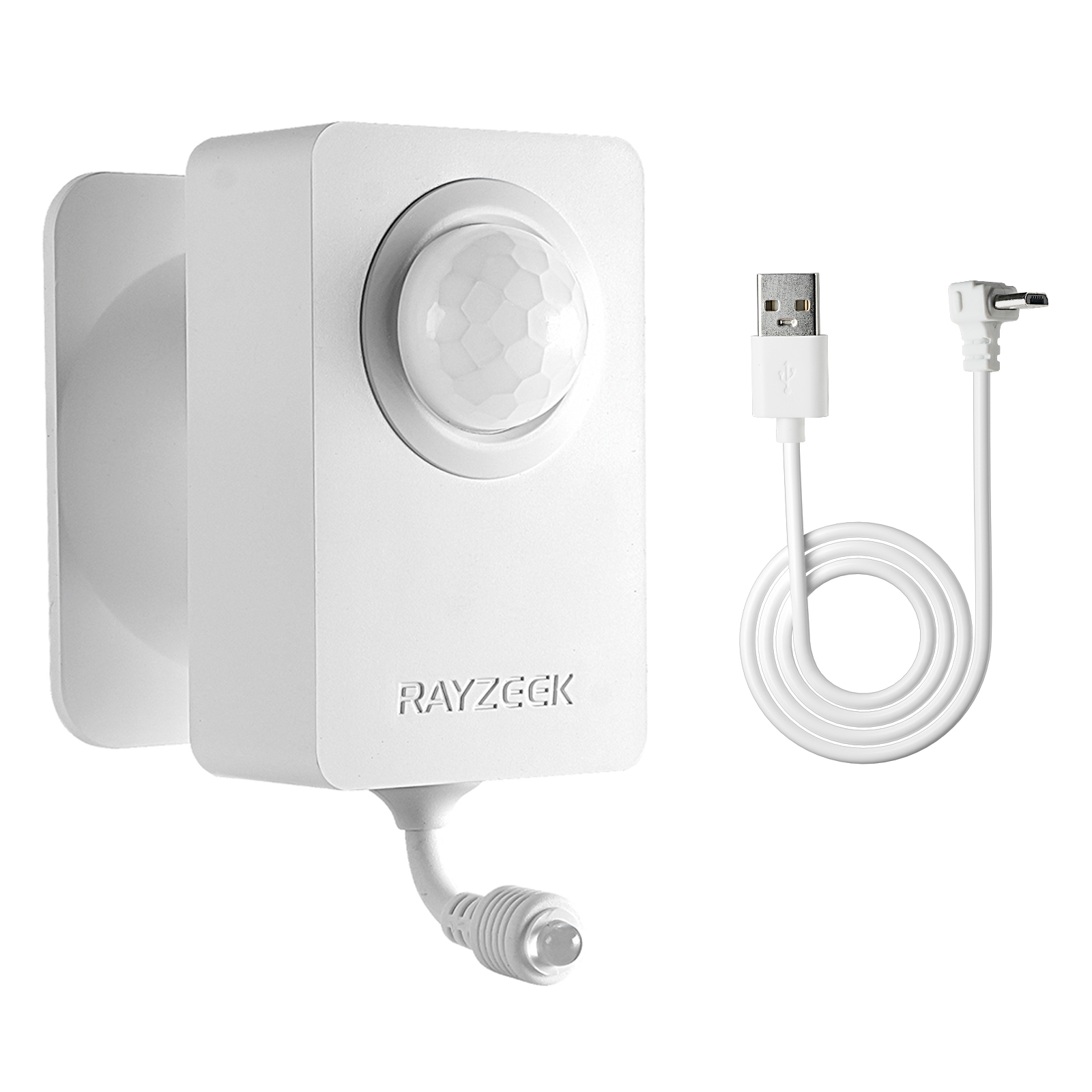
- 電圧: 単4電池×2本 / 5V DC (Micro USB)
- 昼/夜モード
- タイムディレイ: 15分、30分、1時間(デフォルト)、2時間
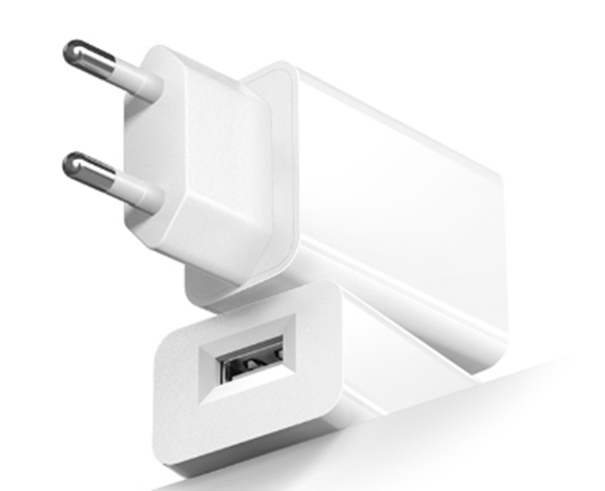
- EUプラグ電源アダプター
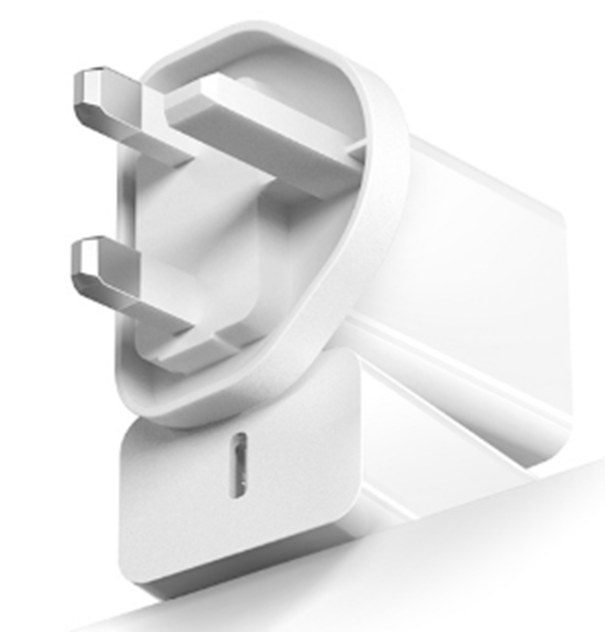
- UKプラグ電源アダプター
Frequently Asked Questions
Does Luminance Mean Brightness of Colors
Luminance refers to a measurement that describes the perceived brightness of a color. It indicates how bright a color appears when reflected from a surface. Additionally, relative luminance is defined as the relative brightness of a specific point within a colorspace, with black normalized to 0% and white normalized to 100%.
What Is a Good Luminance
The recommended luminance ratio between the working area and the walls is less than 5:1. However, recent studies indicate that the luminance ratio between the working area and the normal field of vision (ambient area = wall/ceiling surfaces) should be 2:1, with an illuminance of 500 lux in the working area.
What Color Has the Highest Luminosity
Blue stars are typically the most luminous, while red stars are the least luminous. However, seasoned observers may come across red stars during nighttime that are brighter than white or blue stars.
What Is Normal Luminance
Earlier, normal luminance for normal activities typically ranged from 100 to 300 lux. However, nowadays, the light level commonly falls within the range of 500 to 1000 lux, depending on the specific activity. In cases that require precision and detailed work, the light level may even reach as high as 1500 to 2000 lux.
What Should the Maximum Luminance Be
SDR formats are capable of displaying a maximum luminance level of approximately 100 nits. However, in the case of HDR, this value significantly increases to a range of 1,000 to 10,000 nits. HDR technology allows for deeper black levels and more vibrant and saturated colors.
Does Luminance Change With Distance
With regards to point luminance, there was an observed variation of approximately 3% for every 1m increase in distance from the measured point. However, the influence of distance on surface luminance was comparatively less significant than that of point luminance. These findings from the study suggest that luminance values do indeed fluctuate depending on the distance at which they are measured.







