
What is Acrylic and Polycarbonate
Acrylic and polycarbonate are two types of plastic widely used in various industries due to their unique properties. Both plastics are polymers, which means they are made up of different molecules linked together in long chains through a process called polymerization. Acrylic is produced by synthesizing methyl methacrylate, while polycarbonate is created by the reaction between bisphenol A and phosgene COCl2.
こちらの製品もおすすめ

- 無電圧接点リレー出力を備えた天井取付型 PIR 占有・無人検知センサー
- 12/24VDC または 12/24VAC の低電圧電源
- EMS、HVAC、およびビル管理制御入力用の COM、NO、NC 絶縁リレー接点

- 低電圧 DC 天井埋込型 マイクロ波モーションセンサースイッチ
- 12 VDC / 24 VDC 入力(許容範囲:10-30 VDC)
- 最大動作電流 10A、調整可能なタイムディレイ、照度しきい値、および感度
- 高負荷対応 天井埋込型 マイクロ波モーションセンサースイッチ
- 100-265 VAC 商用電圧入力、10A モデル
- 5.8 GHz マイクロ波検知、調整可能なタイムディレイ、照度しきい値、および感度
- 天井埋込型 マイクロ波モーションセンサースイッチ
- 100-265 VAC 商用電圧入力、5A モデル
- 5.8 GHz マイクロ波検知、調整可能なタイムディレイ、照度しきい値、および感度
- 220V 電源用 天井取付型 RZ037 PIR 占有・無人検知センサー調光器
- 最大動作電流 3A、定格負荷 660W
- LUX ボタンによる調光センサーのオン/オフおよびユーザー設定の調光輝度制御
- 110V 電源用 天井取付型 RZ037 PIR 占有・無人検知センサー調光器
- 最大動作電流 3A、定格負荷 330W
- LUX ボタンによる調光センサーのオン/オフおよびユーザー設定の調光輝度制御

- 低電圧DC天井取付型マイクロ波動体検知センサースイッチ
- 12 VDC / 24 VDC 入力(許容範囲:10-30 VDC)
- 最大動作電流 10A、調整可能なタイムディレイ、照度しきい値、および感度
- 高負荷天井取付型マイクロ波動体検知センサースイッチ
- 100-265 VAC 商用電圧入力、10A モデル
- 5.8 GHz マイクロ波検知、調整可能なタイムディレイ、照度しきい値、および感度
- 天井取付型マイクロ波動体検知センサースイッチ
- 100-265 VAC 商用電圧入力、5A モデル
- 5.8 GHz マイクロ波検知、調整可能なタイムディレイ、照度しきい値、および感度

- 低電圧DC埋込型天井PIR動体検知センサースイッチ
- 12 VDC / 24 VDC 入力(許容範囲:10-30 VDC)
- 最大動作電流10A、調整可能なタイムディレイ、ルクス閾値、および感度設定

- 高負荷埋込型天井PIR動体検知センサースイッチ
- 100-265 VAC 商用電圧入力、10A モデル
- 360度検知、調整可能なタイムディレイ、ルクス閾値、および感度設定
- 埋込型天井PIR動体検知センサースイッチ
- 100-265 VAC 商用電圧入力、5A モデル
- 360度検知、調整可能なタイムディレイ、ルクス閾値、および感度設定

- 屋内用ON/OFF照明制御ワイヤレススイッチ&レシーバーキット
- 100-230VAC、50/60Hzレシーバー、定格電流5A
- CR2032電池駆動ワイヤレススイッチ、2.4GHz通信
- 在室(自動オン/自動オフ)
- 12–24V DC(10–30VDC)、最大10A
- 360°検知範囲、直径8–12 m
- タイムディレイ 15秒–30分
- 照度センサー オフ/15/25/35 Lux
- 高/低感度
- 自動オン/自動オフ在室モード
- 100–265V AC、10A(中性線が必要)
- 360°検知範囲、検知直径8–12 m
- タイムディレイ 15秒–30分、ルクス オフ/15/25/35、感度 高/低
- 自動オン/自動オフ在室モード
- 100–265V AC, 5A (中性線必須)
- 360°検知範囲、検知直径8–12 m
- タイムディレイ 15秒–30分、ルクス オフ/15/25/35、感度 高/低
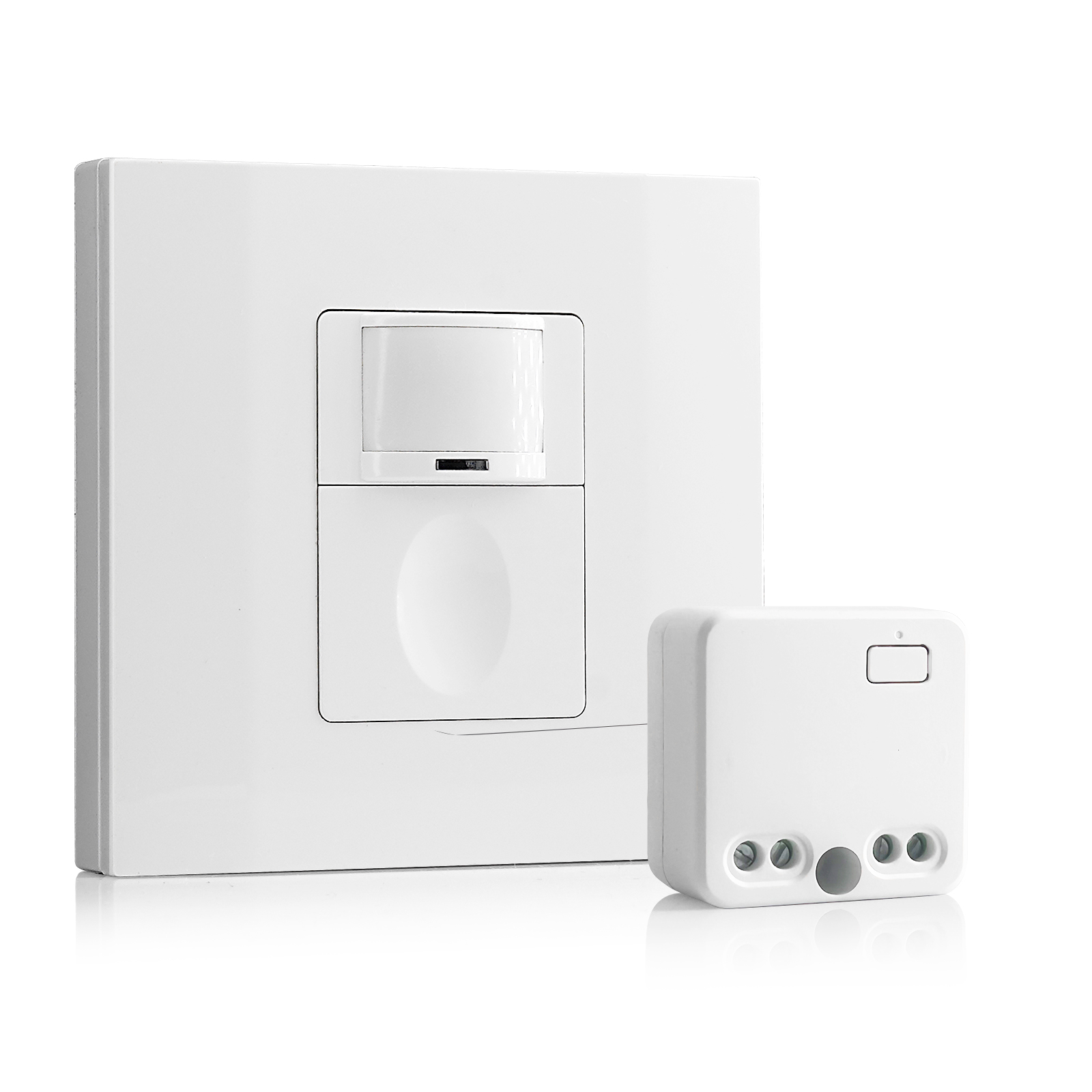
- 100V-230VAC
- 送信距離: 最大20m
- ワイヤレス動きセンサー
- 有線制御
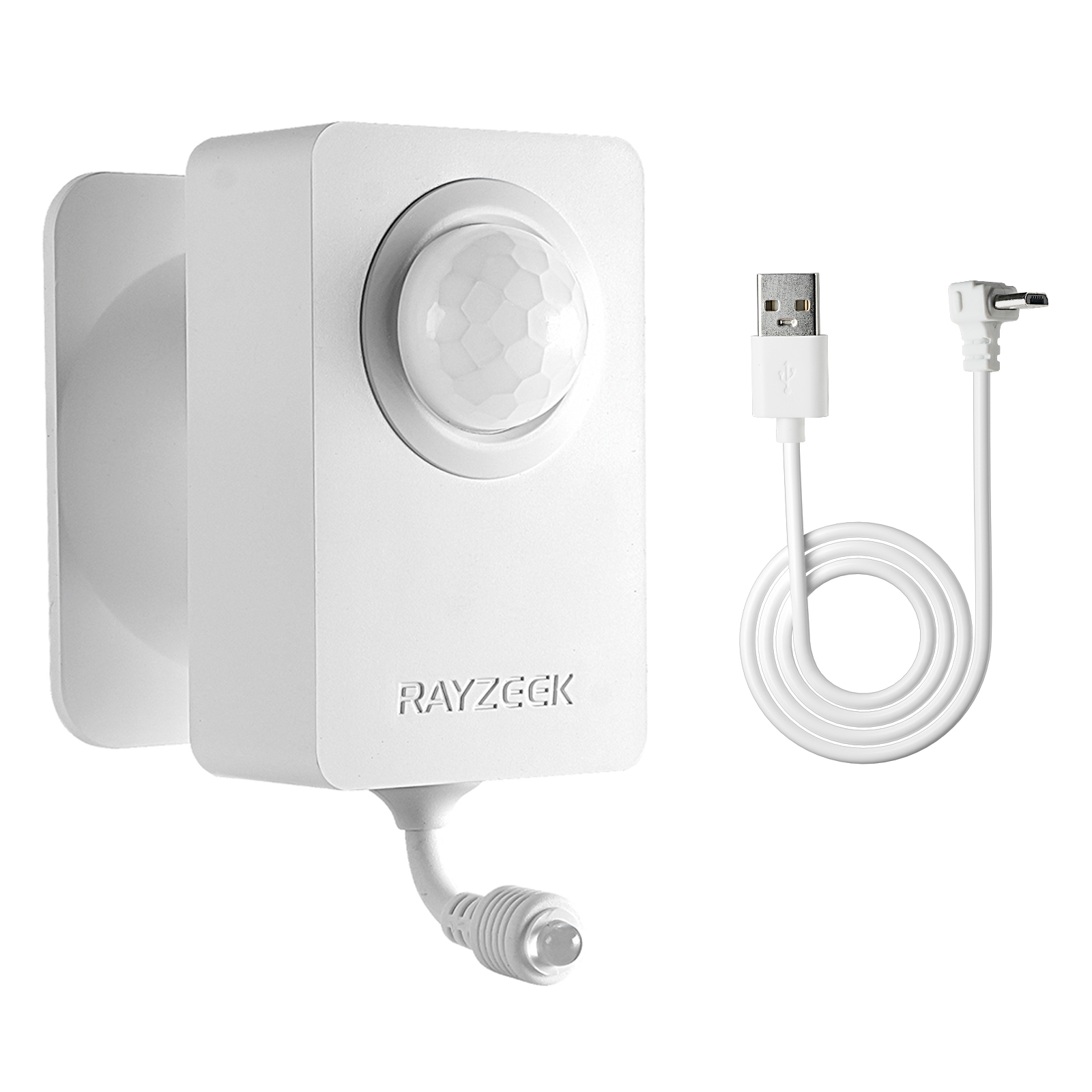
- 電圧: 単4電池×2本 / 5V DC (Micro USB)
- 昼/夜モード
- タイムディレイ: 15分、30分、1時間(デフォルト)、2時間
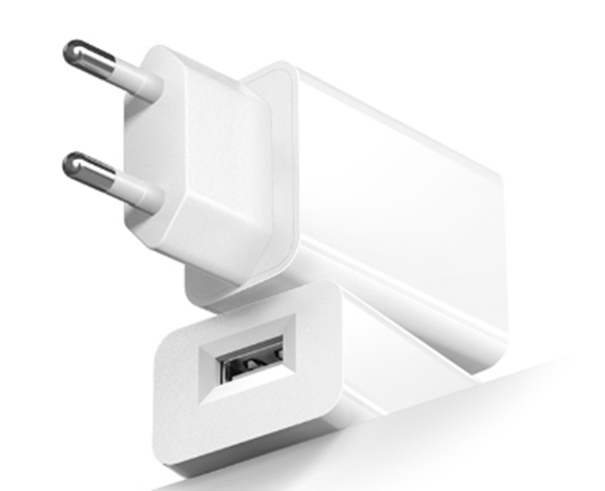
- EUプラグ電源アダプター
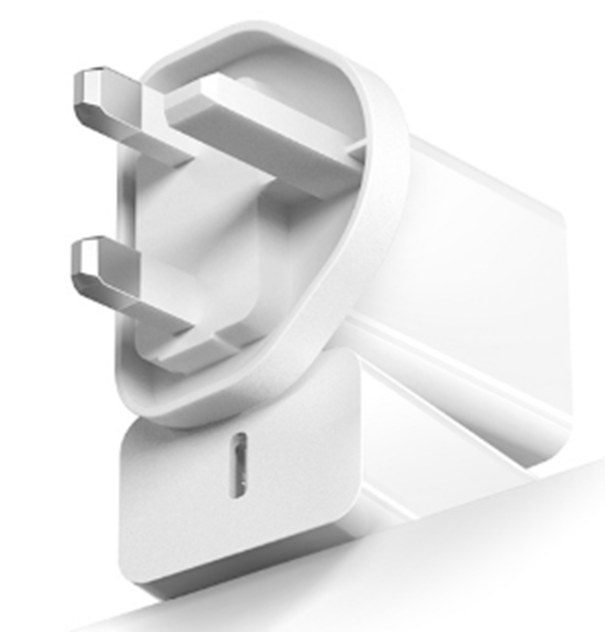
- UKプラグ電源アダプター
Polycarbonate is also known as Lexan or Makrolon and is more expensive than acrylic, costing on average about 35% more. However, it has exceptional qualities such as being 250 times more impact-resistant than glass and 30 times stronger than acrylic. It is also highly resistant to chemicals, durable against chips and cracks, and can be drilled without worry of cracking. Polycarbonate is commonly used in applications such as safety windows, machinery guards, and riot control vehicles.
On the other hand, acrylic is less expensive than polycarbonate and is commonly used for furniture, signage, and light covers. It is also available in a variety of colors and can be easily shaped and molded. Acrylic has a lower impact resistance than polycarbonate but is still stronger than glass. It is also highly transparent, with excellent light transmission and optical clarity. Acrylic is commonly used in applications such as point-of-purchase displays, skylights, and residential and commercial aquariums.
In summary, acrylic and polycarbonate are versatile plastics with unique properties that make them suitable for various applications across different industries. While polycarbonate is more expensive, it has exceptional strength and durability, while acrylic is less expensive and highly transparent with excellent optical clarity.
動き検知連動の省エネソリューションをお探しですか?
各種PIR動きセンサー、動き検知連動の省エネ製品、動きセンサーライトスイッチ、商用向けのOccupancy/Vacancy(在室/不在)ソリューションについては、当社までお気軽にお問い合わせください。
Frequently Asked Questions
Which Is Better Acrylic or Polycarbonate Light Lens
Although polycarbonate is stronger, acrylic is more scratch-resistant and less prone to scuff marks. To enhance their durability and scratch resistance, polycarbonate eyeglass lenses are frequently coated with an anti-scratch layer.
What Is Acrylic Used for Lighting
Acrylic is a popular choice for lighting applications due to its exceptional optical properties, high light transmission, and natural UV stability. Typically, it is utilized in various applications such as commercial lighting fixtures, backlit signs, and POS displays.
What Is Polycarbonate Lights
Polycarbonate lights are made of a material that is widely used as a substitute for glass due to its numerous advantages. This material is much lighter in weight, less expensive, and highly durable and impact-resistant, making it an excellent choice for lighting applications. Additionally, it offers a high level of light transmission, making it an ideal material for producing high-quality lights.
What Is Difference Between Polycarbonate and Acrylic
Polycarbonate and acrylic differ in their flexibility. While acrylic is generally stiffer, polycarbonate is available in different flexible grades. However, both plastics can be bent using heat. Additionally, polycarbonate is known to be more durable than acrylic and less prone to cracking when subjected to stress.
Should I Use Acrylic or Polycarbonate
If you are seeking transparency and optimal light transmission, acrylic sheets are the superior option compared to polycarbonate sheets. However, if you require exceptional resistance to impact, then polycarbonate sheeting is the more suitable choice. Ultimately, the decision between the two materials should be based on the specific requirements of your application.
Why Is Acrylic Good for Lights
Acrylic plastic is a great material for lights because of its exceptional transparency. It has excellent light transmission properties and provides remarkable optical clarity, similar to glass. When polished with either MOP or vapor, it can transmit up to 92 percent of white light.
Is Acrylic a Non-Glare
Acrylic not only reduces glare but also provides protection against ultraviolet light, which is a major cause of fading over time.
What Are the Disadvantages of Polycarbonate
Polycarbonate’s primary drawback is its susceptibility to scratches. In the event of a branch falling on a polycarbonate patio canopy, it may get scratched. However, this issue can be resolved by polishing the polycarbonate surface.
What Is So Special About Polycarbonate
Polycarbonate is a highly durable material that is known for its exceptional strength, being virtually indestructible and 250 times stronger than glass. This makes it an ideal choice for applications that require protection from harsh weather conditions, flying debris, or intentional damage. Additionally, polycarbonate offers excellent light transmission properties, making it a popular choice for skylights and other similar applications.
Are Headlights Acrylic or Polycarbonate
The majority of headlight lenses are composed of polycarbonate material.
Is Acrylic or Polycarbonate More UV Resistant
Acrylic and polycarbonate both offer UV resistance, but acrylic has a slightly higher light transmittance of 92% compared to polycarbonate’s 88%. This means that acrylic is slightly clearer and also provides UV resistance.
What Is Acrylic Used For
Acrylic is a versatile material that finds its application in various fields due to its inherent transparency and impact resistance. It is commonly used for making paint, furniture, security barriers, medical devices, LCD screens, lenses, and acrylic nails.
What Is Another Name for Polycarbonate
Polycarbonate is alternatively known as Lexan (a name trademarked by GE Plastics) or Makrolon.
Does Acrylic Turn Yellow in the Sun
Acrylic, which is derived from natural gas, is chemically inactive when it is in a solid state. Acrylic manufactured in the United States does not turn yellow when exposed to sunlight. This is evident from the clear canopies and bubbles on the World War II bombers, which have remained transparent even after being in the sun for 50 years.
Which Is Clearer Acrylic or Polycarbonate
Acrylic is known for its exceptional transparency, surpassing both polycarbonate and glass. While it may not have the same level of impact resistance as polycarbonate, which is 250 times that of glass, it still boasts a high level of toughness, with 17 times the impact resistance of silicate glass. Additionally, acrylic has superior tensile strength and UV resistance when compared to polycarbonate.







