
What is Radiant Energy
Radiant energy refers to the electromagnetic energy that is propagated through space in the form of transverse waves. It is a type of kinetic energy associated with the motion of electromagnetic waves. Radiant energy encompasses a broad spectrum of electromagnetic radiation, including solar energy, gamma rays, radio waves, X-rays, and visible light.
Looking For Motion-Activated Energy-Saving Solutions?
Contact us for complete PIR motion sensors, motion-activated energy-saving products, motion sensor switches, and Occupancy/Vacancy commercial solutions.
Radiant energy is characterized by its ability to transfer energy from one object to another. Unlike potential energy, which is stored and can be used later, radiant energy is in constant motion and can be transmitted and absorbed by various materials. This property makes radiant energy a fundamental component in the field of lighting, as it is responsible for the emission and perception of light.
In everyday life, radiant energy is present in numerous forms. For instance, sunlight is a significant source of radiant energy, as it emits electromagnetic waves that include visible light. Additionally, various technologies, such as radio communication and medical imaging, rely on different types of radiant energy, such as radio waves and X-rays, respectively.
Maybe You Are Interested In

- Ceiling-mounted RZ037 PIR occupancy sensor dimmer for 220V power
- 3A maximum working current with 660W rated load
- LUX button controls light-sensor ON/OFF and user-set dimming brightness
- Ceiling-mounted RZ037 PIR occupancy sensor dimmer for 110V power
- 3A maximum working current with 330W rated load
- LUX button controls light-sensor ON/OFF and user-set dimming brightness
- Ceiling-mounted PIR occupancy sensor with dry-contact relay output
- 12/24VDC or 12/24VAC low-voltage supply
- COM, NO, and NC isolated relay contacts for EMS, HVAC, and building control inputs
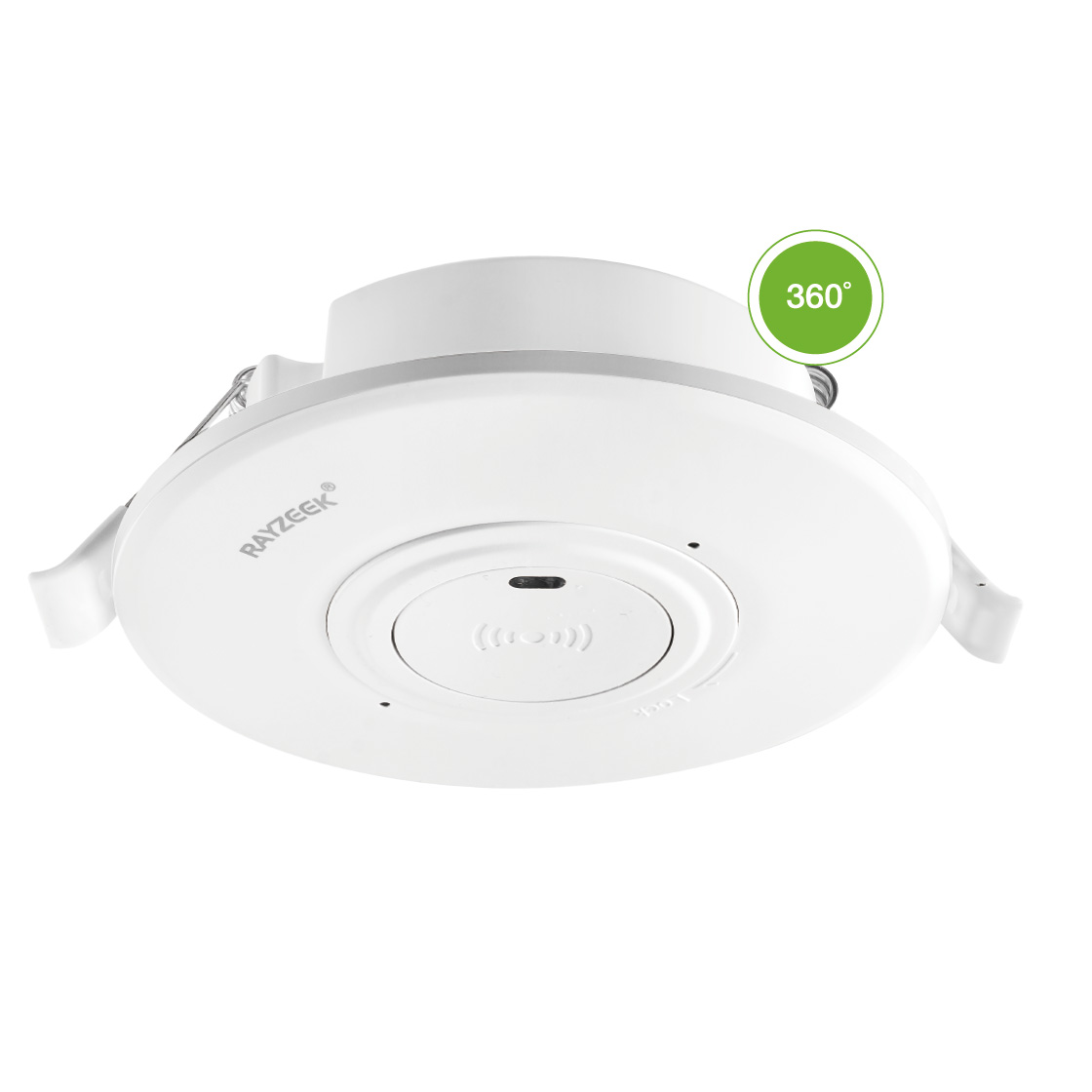
- Low-voltage DC recessed ceiling-mounted microwave motion sensor switch
- 12 VDC / 24 VDC input with 10-30 VDC range
- 10A max work current with adjustable time delay, Lux threshold, and sensitivity
- Higher-load recessed ceiling-mounted microwave motion sensor switch
- 100-265 VAC line-voltage input, 10A model
- 5.8 GHz microwave sensing with adjustable time delay, Lux threshold, and sensitivity
- Recessed ceiling-mounted microwave motion sensor switch
- 100-265 VAC line-voltage input, 5A model
- 5.8 GHz microwave sensing with adjustable time delay, Lux threshold, and sensitivity

- Low-voltage DC ceiling-mounted microwave motion sensor switch
- 12 VDC / 24 VDC input with 10-30 VDC range
- 10A max work current with adjustable time delay, Lux threshold, and sensitivity
- Higher-load ceiling-mounted microwave motion sensor switch
- 100-265 VAC line-voltage input, 10A model
- 5.8 GHz microwave sensing with adjustable time delay, Lux threshold, and sensitivity
- Ceiling-mounted microwave motion sensor switch
- 100-265 VAC line-voltage input, 5A model
- 5.8 GHz microwave sensing with adjustable time delay, Lux threshold, and sensitivity
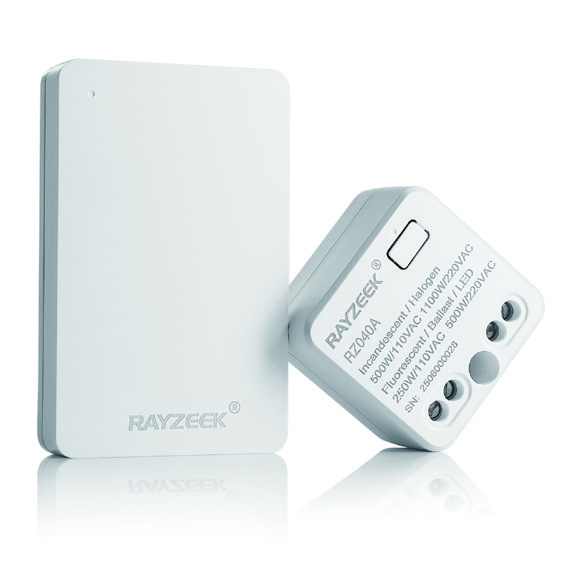
- Wireless switch and receiver kit for indoor ON/OFF lighting control
- 100-230VAC, 50/60Hz receiver with 5A rated current
- CR2032-powered wireless switch with 2.4GHz communication
- Occupancy (Auto-ON/Auto-OFF)
- 12–24V DC (10–30VDC), up to 10A
- 360° coverage, 8–12 m diameter
- Time delay 15 s–30 min
- Light sensor Off/15/25/35 Lux
- High/Low sensitivity
- Auto-ON/Auto-OFF occupancy mode
- 100–265V AC, 10A (neutral required)
- 360° coverage; 8–12 m detection diameter
- Time delay 15 s–30 min; Lux OFF/15/25/35; Sensitivity High/Low
- Auto-ON/Auto-OFF occupancy mode
- 100–265V AC, 5A (neutral required)
- 360° coverage; 8–12 m detection diameter
- Time delay 15 s–30 min; Lux OFF/15/25/35; Sensitivity High/Low
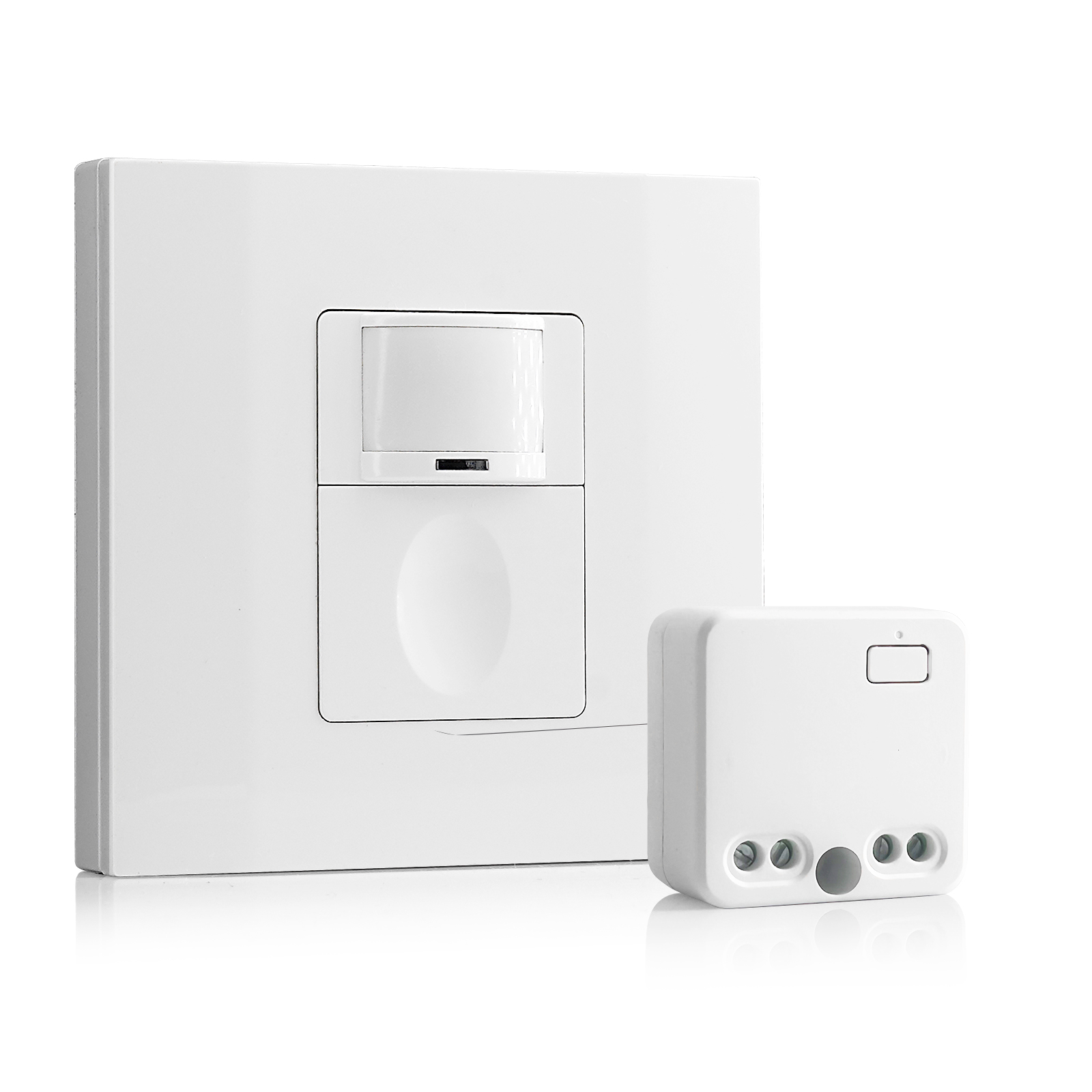
- 100V-230VAC
- Transmission Distance: up to 20m
- Wireless motion sensor
- Hardwired control
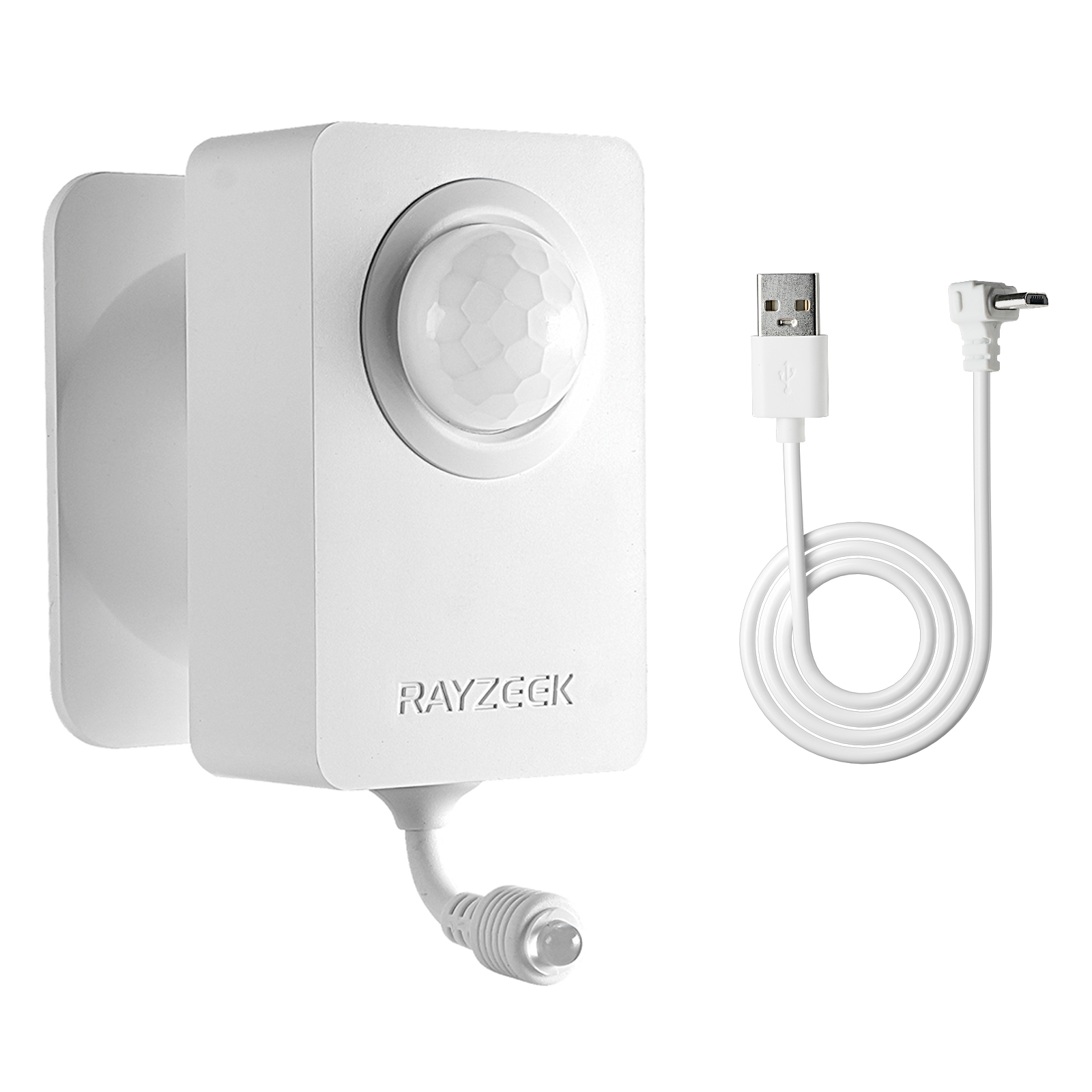
- Voltage: 2x AAA Batteries / 5V DC (Micro USB)
- Day/Night Mode
- Time delay: 15min, 30min, 1h(default), 2h
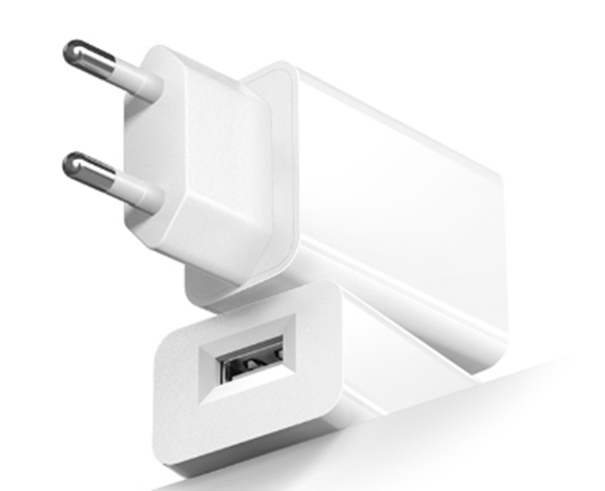
- EU plug power adapter
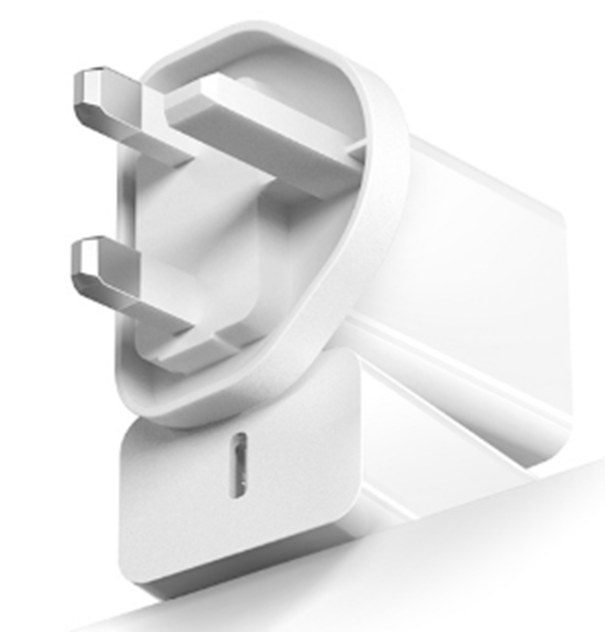
- UK plug power adapter
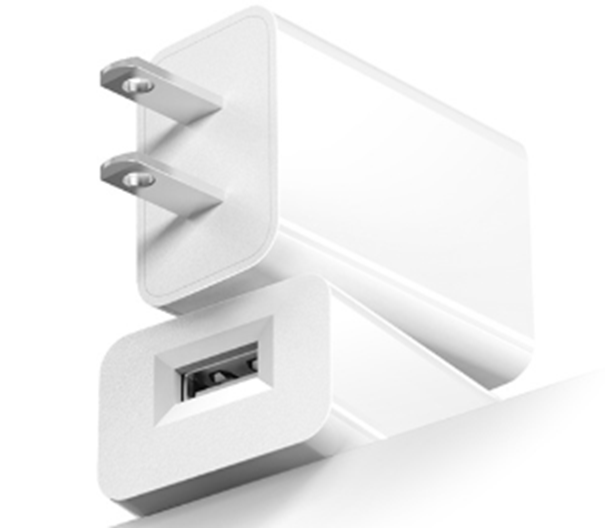
- US plug power adapter
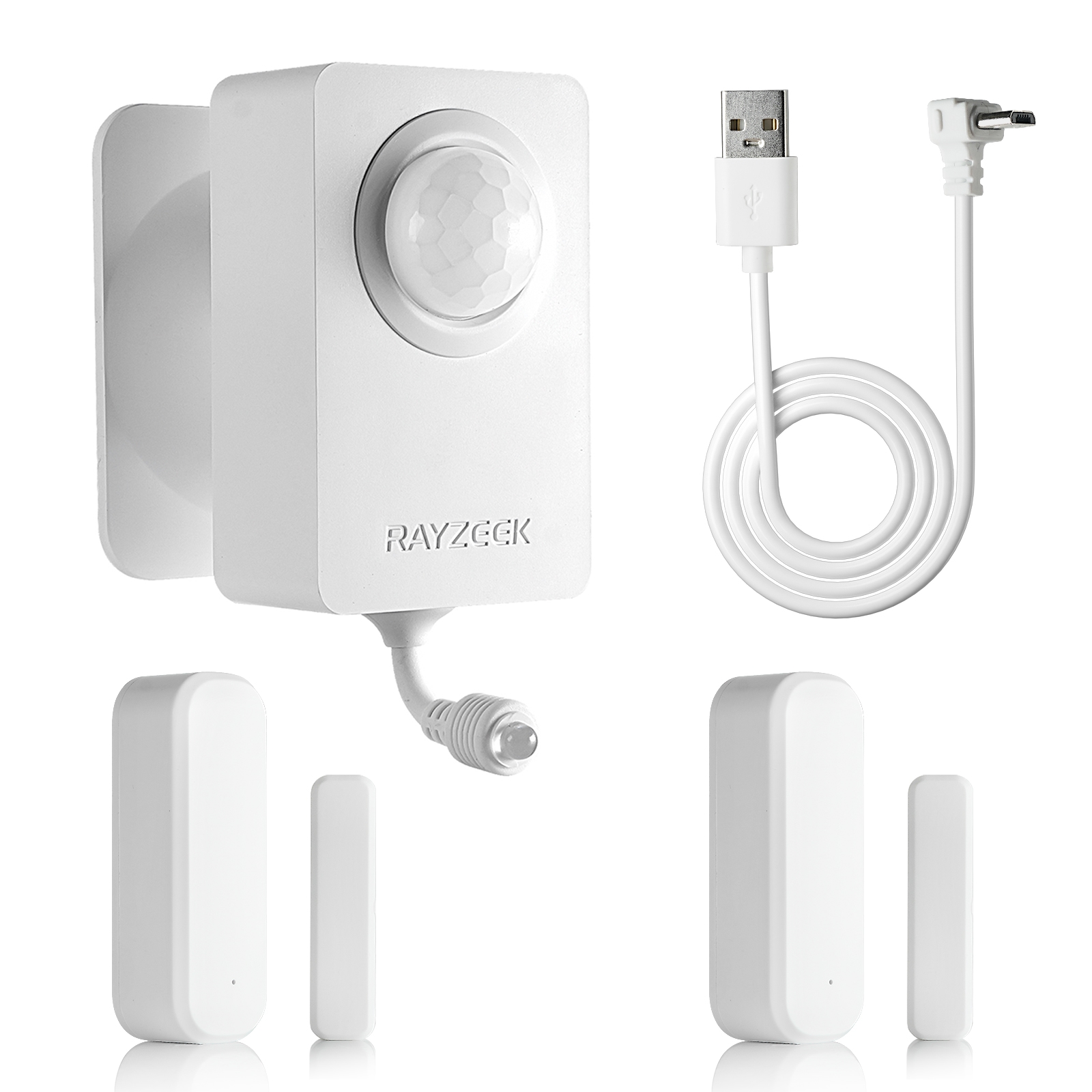
- 5V DC
- Transmission Distance: up to 30m
- Day/Night mode
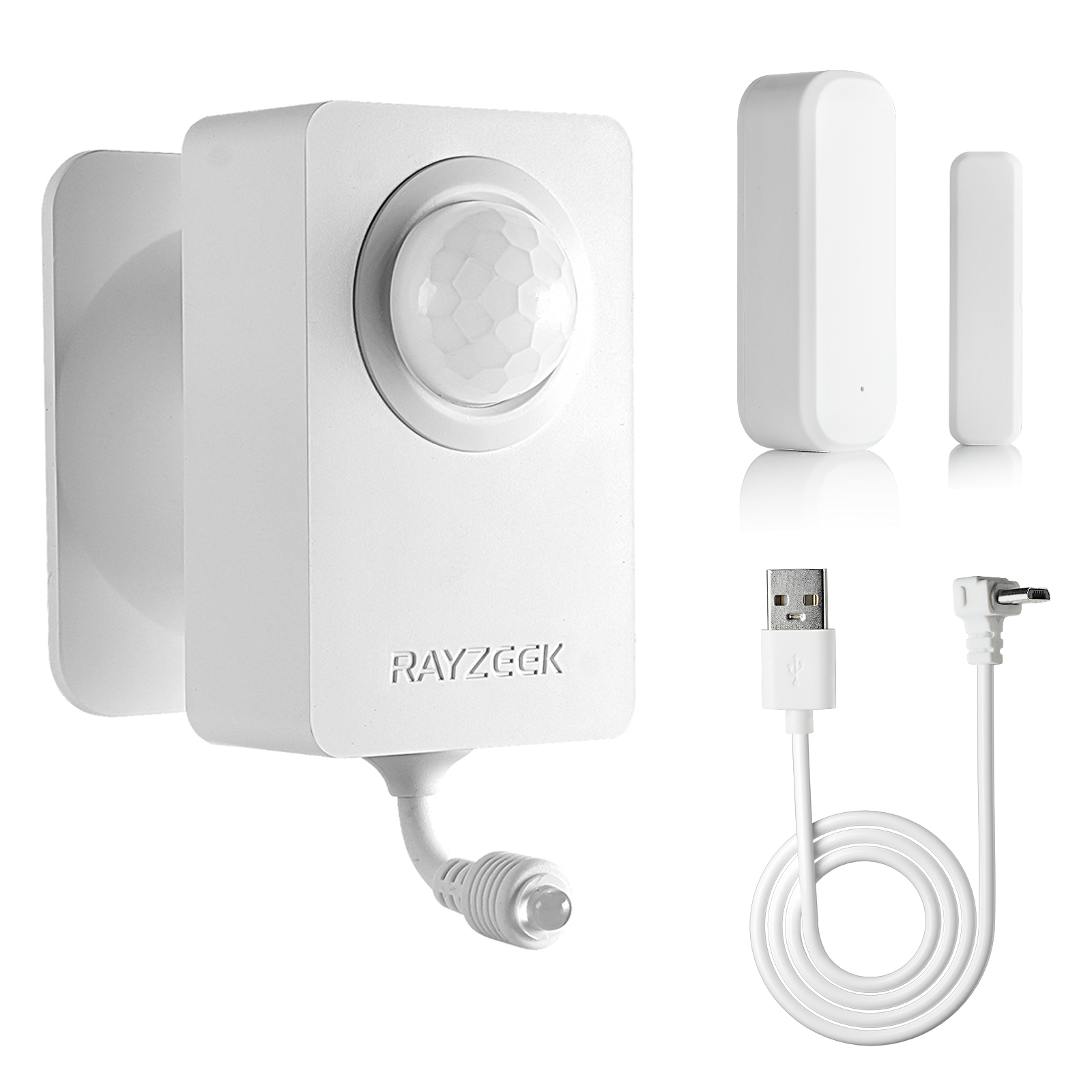
- 5V DC
- Transmission Distance: up to 30m
- Day/Night mode
Frequently Asked Questions
Is Lightning a Form of Radiant Energy
Yes, lightning can emit radiation. The next consideration is whether or not this radiation poses any harm.
What Are Four Types of Radiant Energy
Radiant energy encompasses visible light, x-rays, gamma rays, and radio waves.
What Type of Energy Is Light
In reality, visible light is categorized as a type of radiation, specifically as energy that travels through electromagnetic waves. It can also be characterized as a continuous stream of particle-like wave-packets known as photons, which consistently move at the speed of light (approximately 300,000 kilometers per second).
What Is Light Energy Examples
What are some examples of light energy? Light energy is emitted by various sources such as stars, light bulbs, lasers, and objects that are hot. The Sun, being a star, is a natural provider of light energy and transmits it to Earth.
What Is Another Name for Light Radiant Energy
Another term for light radiant energy is electromagnetic energy. Light is classified as an electromagnetic wave, indicating that it possesses two wave fronts.
How Is Radiant Energy Converted Into Electricity
One method of converting radiant energy into electricity involves the utilization of solar panels. These devices are capable of capturing solar energy and transforming it into electrical energy. Conversely, when electrical appliances such as heaters, microwaves, or light bulbs are used, electricity is converted back into radiant energy.






