
What is Lumen Maintenance
Lumen maintenance is the measurement of how well a lighting product retains its initial lumen output over time. It is a factor in evaluating the performance and longevity of light sources and luminaires. Lumen maintenance is typically expressed as a numerical value followed by the letter L or LM, which stands for lumen maintenance. This value represents the percentage of light output that remains after a certain number of hours of operation. Commonly used values include L50, L70, L80, and L90, or their LM equivalents.
Get Inspired by Rayzeek Motion Sensor Portfolios.
Doesn't find what you want? Don't worry. There are always alternate ways to solve your problems. Maybe one of our portfolios can help.
For example, if a light source or luminaire is specified as L70 at 50,000 hours, it means that it will maintain 70% of its initial light output after 50,000 hours of use. This measurement provides an indication of how long the light source or luminaire will maintain a certain level of brightness before it starts to significantly degrade.
Lumen maintenance is an important consideration in lighting design and selection as it helps users understand how the brightness of a light source or luminaire will change over time. It allows for informed decisions about lighting needs and potential replacements. The nomenclature for lumen maintenance is evolving. The current practice of using L or LM values may not be sufficient for comparing products or determining their useful life. A new measure is emerging, which specifies lumen maintenance at a specific number of hours, such as 100,000 hours. This provides a more accurate representation of how well a light source or luminaire will maintain its brightness over a longer period.
Maybe You Are Interested In

- Ceiling-mounted RZ037 PIR occupancy sensor dimmer for 220V power
- 3A maximum working current with 660W rated load
- LUX button controls light-sensor ON/OFF and user-set dimming brightness
- Ceiling-mounted RZ037 PIR occupancy sensor dimmer for 110V power
- 3A maximum working current with 330W rated load
- LUX button controls light-sensor ON/OFF and user-set dimming brightness
- Ceiling-mounted PIR occupancy sensor with dry-contact relay output
- 12/24VDC or 12/24VAC low-voltage supply
- COM, NO, and NC isolated relay contacts for EMS, HVAC, and building control inputs
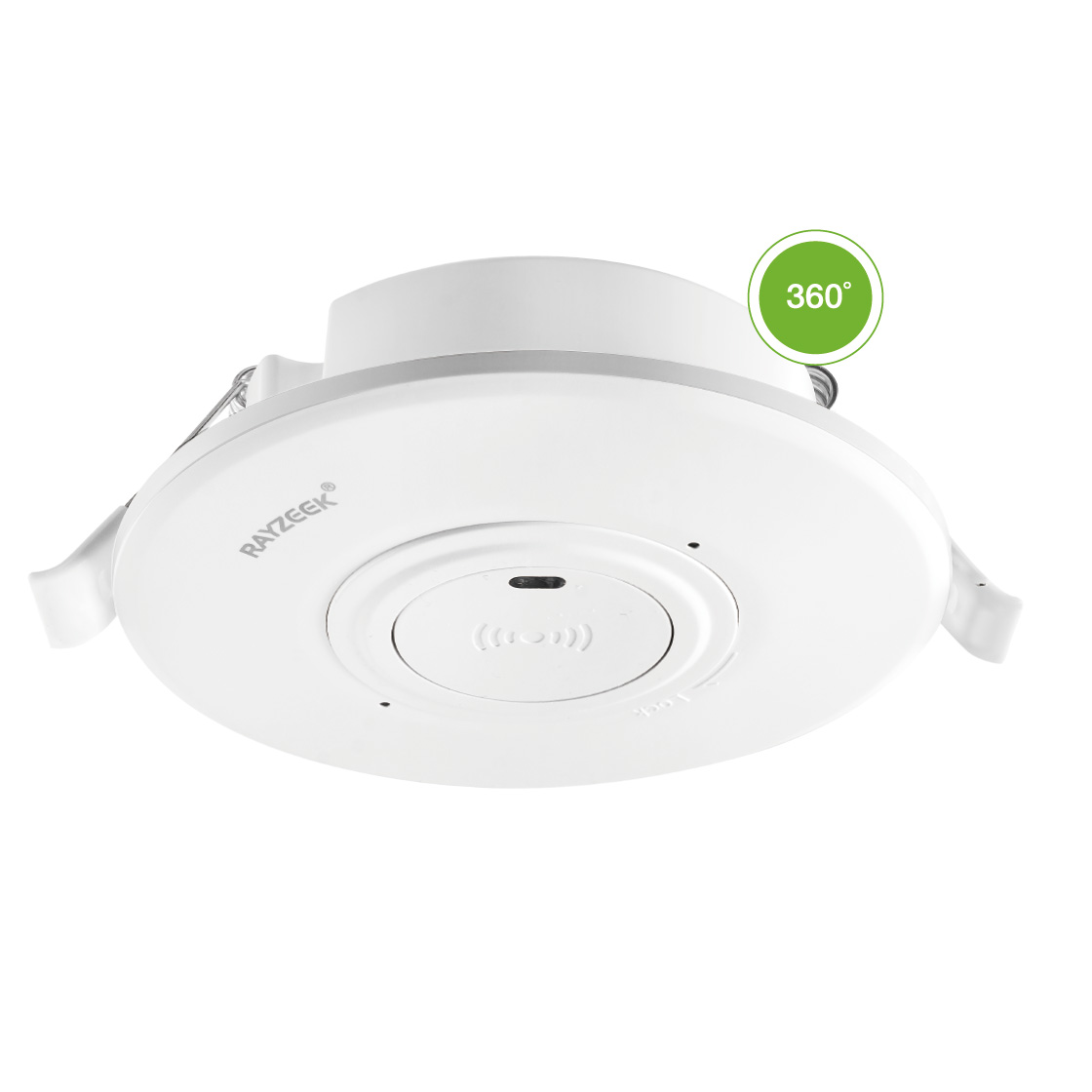
- Low-voltage DC recessed ceiling-mounted microwave motion sensor switch
- 12 VDC / 24 VDC input with 10-30 VDC range
- 10A max work current with adjustable time delay, Lux threshold, and sensitivity
- Higher-load recessed ceiling-mounted microwave motion sensor switch
- 100-265 VAC line-voltage input, 10A model
- 5.8 GHz microwave sensing with adjustable time delay, Lux threshold, and sensitivity
- Recessed ceiling-mounted microwave motion sensor switch
- 100-265 VAC line-voltage input, 5A model
- 5.8 GHz microwave sensing with adjustable time delay, Lux threshold, and sensitivity

- Low-voltage DC ceiling-mounted microwave motion sensor switch
- 12 VDC / 24 VDC input with 10-30 VDC range
- 10A max work current with adjustable time delay, Lux threshold, and sensitivity
- Higher-load ceiling-mounted microwave motion sensor switch
- 100-265 VAC line-voltage input, 10A model
- 5.8 GHz microwave sensing with adjustable time delay, Lux threshold, and sensitivity
- Ceiling-mounted microwave motion sensor switch
- 100-265 VAC line-voltage input, 5A model
- 5.8 GHz microwave sensing with adjustable time delay, Lux threshold, and sensitivity
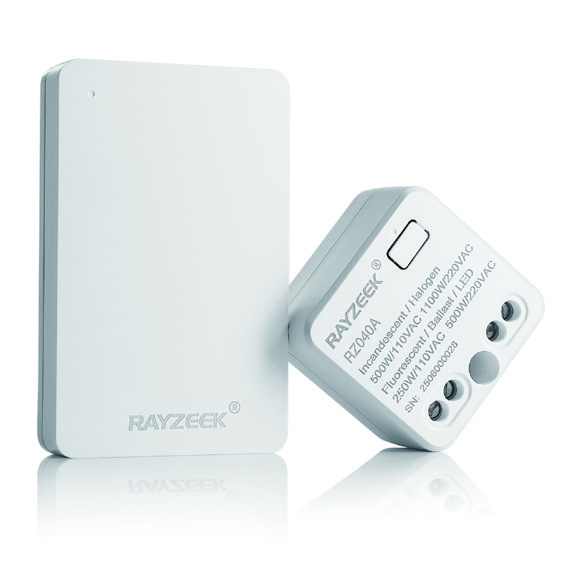
- Wireless switch and receiver kit for indoor ON/OFF lighting control
- 100-230VAC, 50/60Hz receiver with 5A rated current
- CR2032-powered wireless switch with 2.4GHz communication
- Occupancy (Auto-ON/Auto-OFF)
- 12–24V DC (10–30VDC), up to 10A
- 360° coverage, 8–12 m diameter
- Time delay 15 s–30 min
- Light sensor Off/15/25/35 Lux
- High/Low sensitivity
- Auto-ON/Auto-OFF occupancy mode
- 100–265V AC, 10A (neutral required)
- 360° coverage; 8–12 m detection diameter
- Time delay 15 s–30 min; Lux OFF/15/25/35; Sensitivity High/Low
- Auto-ON/Auto-OFF occupancy mode
- 100–265V AC, 5A (neutral required)
- 360° coverage; 8–12 m detection diameter
- Time delay 15 s–30 min; Lux OFF/15/25/35; Sensitivity High/Low
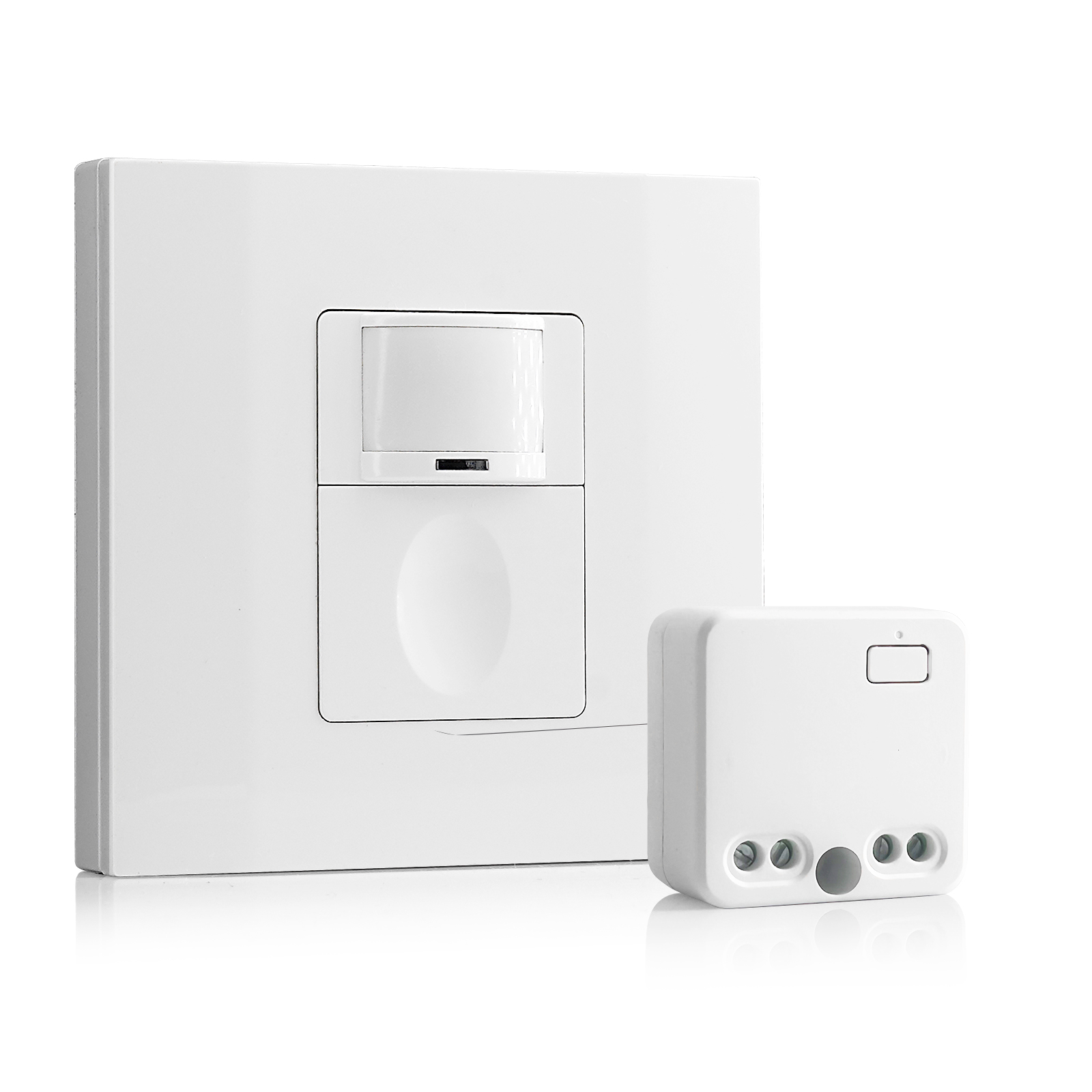
- 100V-230VAC
- Transmission Distance: up to 20m
- Wireless motion sensor
- Hardwired control
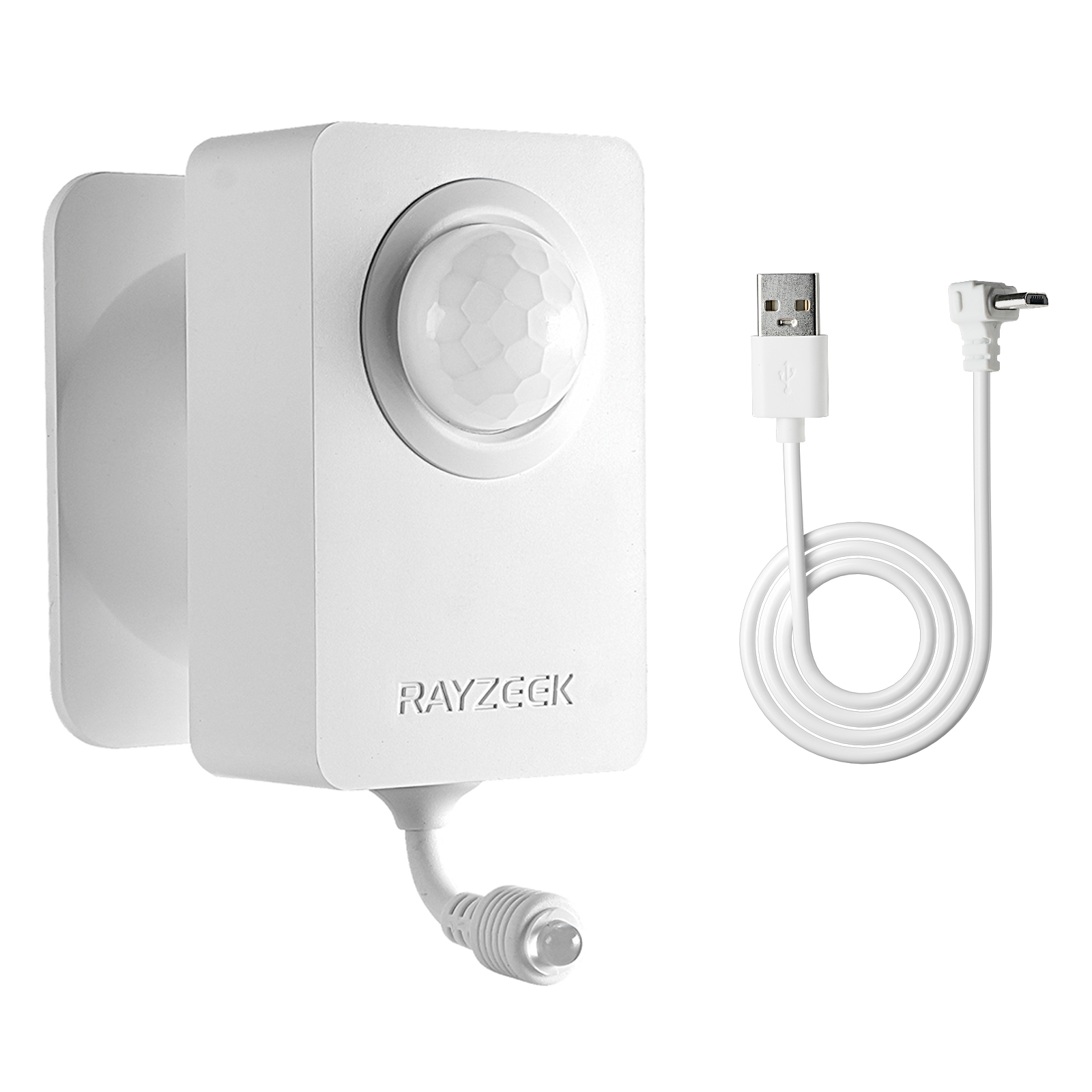
- Voltage: 2x AAA Batteries / 5V DC (Micro USB)
- Day/Night Mode
- Time delay: 15min, 30min, 1h(default), 2h
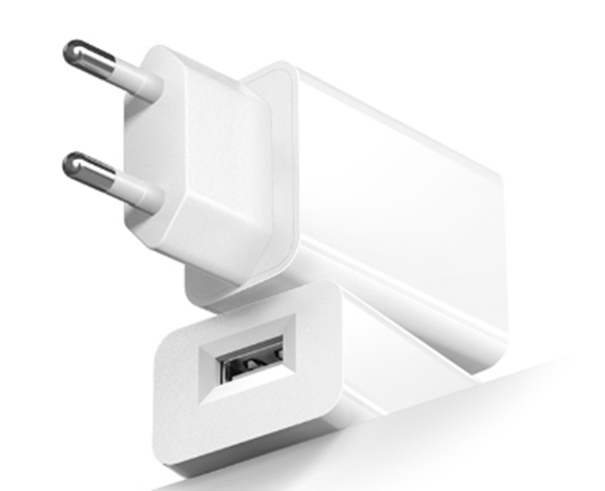
- EU plug power adapter
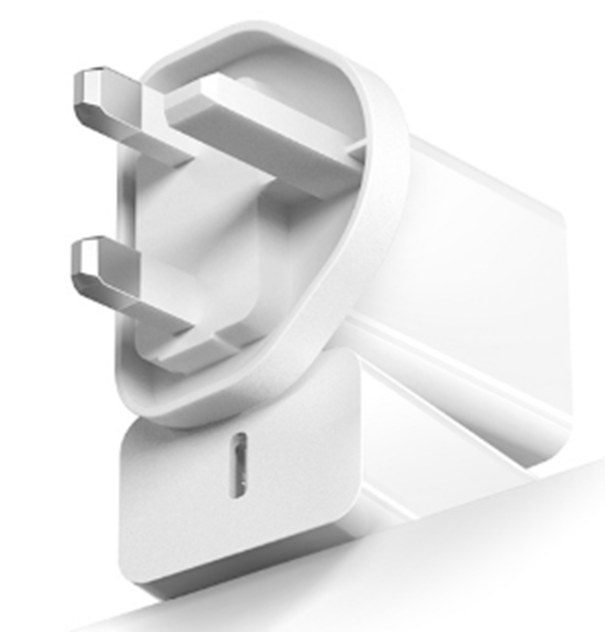
- UK plug power adapter
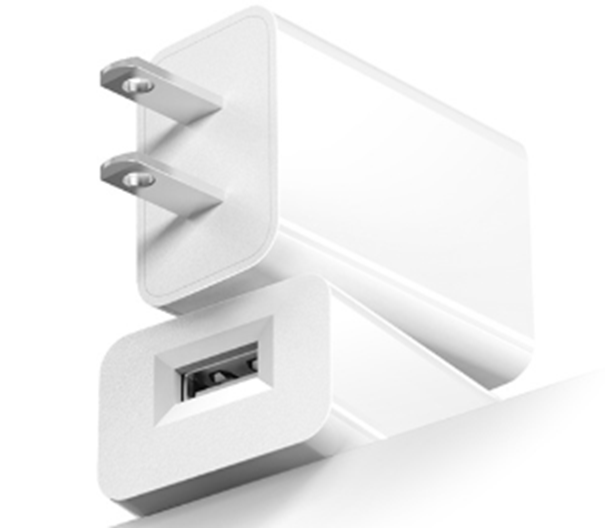
- US plug power adapter
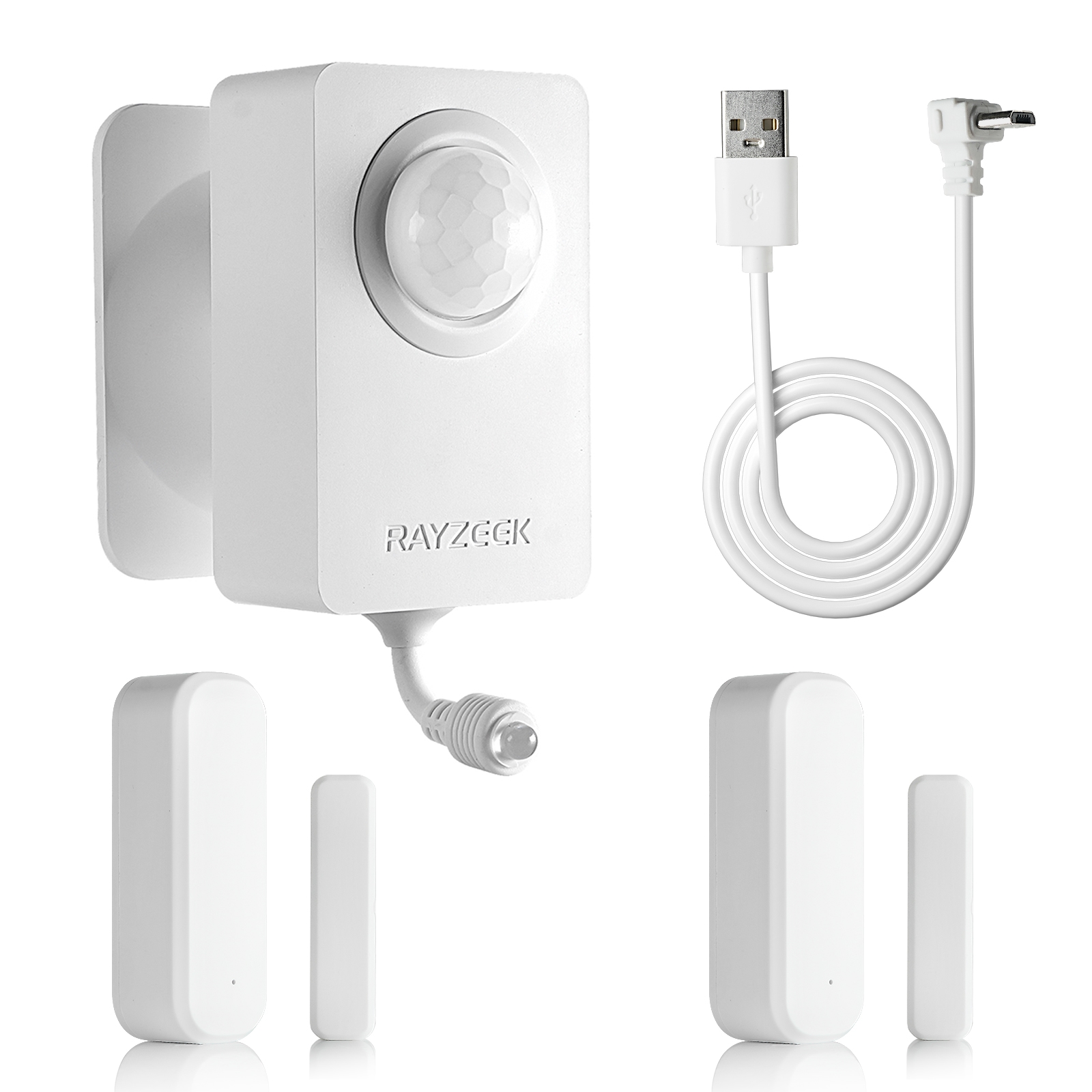
- 5V DC
- Transmission Distance: up to 30m
- Day/Night mode
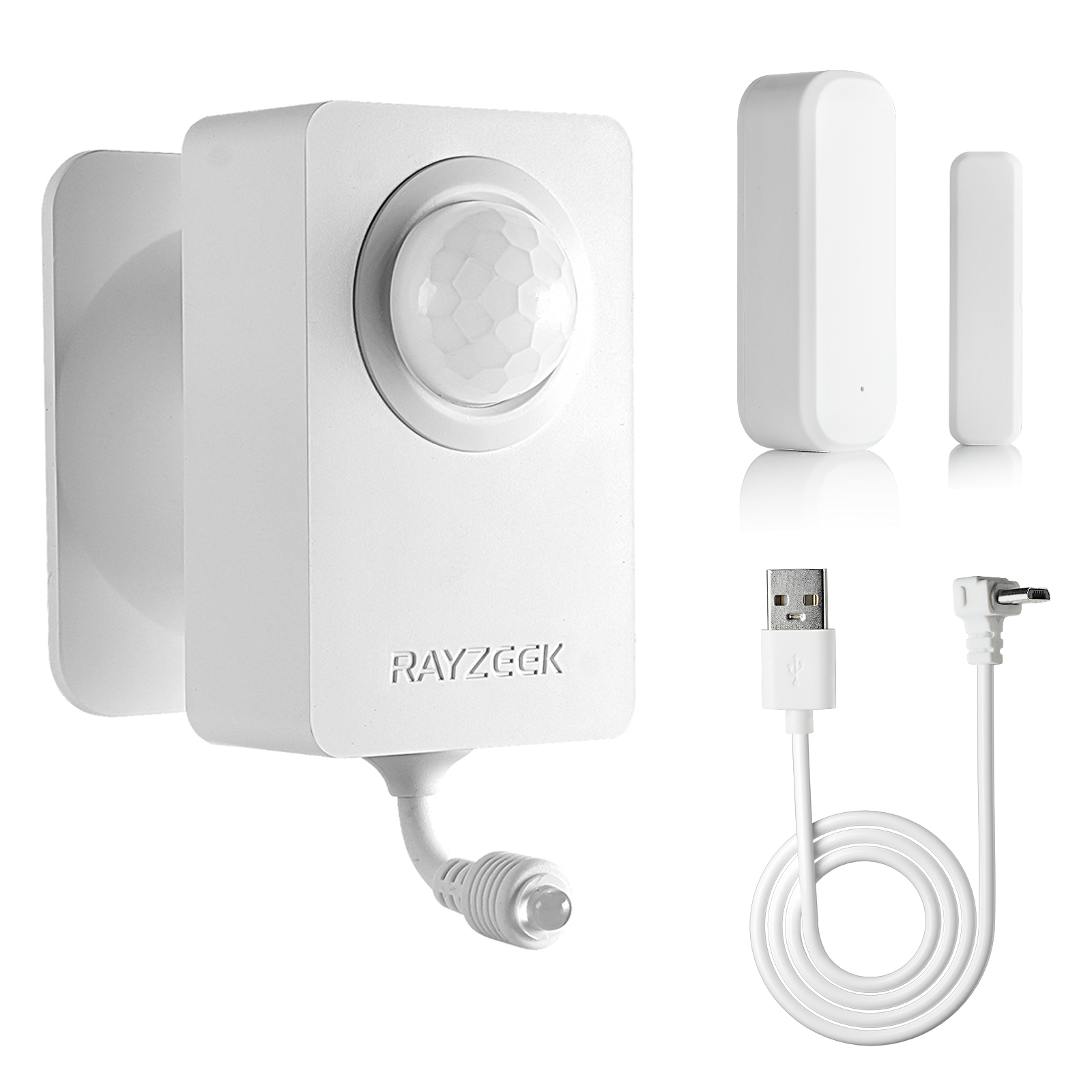
- 5V DC
- Transmission Distance: up to 30m
- Day/Night mode
Frequently Asked Questions
How Many Lumens Is Good for Eyes
Below 3500 lumens, our eyes experience a comfortable level of brightness. However, once the brightness of direct or reflected light exceeds 4000 lumens, the human eye begins to have difficulty receiving the light.
Is Higher Lumens Always Better
If you intend to use the device outdoors or in a room with significant ambient light, a high lumen count is crucial. This also applies to scenarios where you are utilizing a projector in a spacious area and/or need a larger screen size.
Is 1500 Lumens Too Much
If you are using candles as a light source, you will save a significant amount of money on electricity, but the amount of light emitted will be limited. For general lighting purposes, the U.S. Department of Energy recommends looking for light bulbs that have a brightness level ranging from 450 to 1,600 lumens.






