
What is Light Diffuser
A light diffuser is a device to disperse and soften light emitted by a light source. It is designed to reduce glare and create a more comfortable lighting environment by creating a diffused and even distribution of light. A light diffuser is typically a semi-transmittant material placed between the light source and the subject, allowing light to pass through while redirecting and scattering it in various directions.
The main purpose of a light diffuser is to minimize the harshness and directness of light, resulting in a more pleasant and visually appealing lighting effect. By spreading out the light, a diffuser helps to create softer shadows and reduce contrast, making the overall lighting more gentle and balanced. This can be particularly useful in settings where a softer, more ambient lighting is desired, such as residential spaces or hospitality venues.
Get Inspired by Rayzeek Motion Sensor Portfolios.
Doesn't find what you want? Don't worry. There are always alternate ways to solve your problems. Maybe one of our portfolios can help.
Light diffusers can be made from different materials, such as frosted glass, acrylic, or fabric, depending on the desired aesthetic and functional requirements. They are commonly used in various types of light fixtures, including ceiling lights, pendant lights, and wall sconces, to achieve a more diffused and comfortable illumination.
Maybe You Are Interested In

- Ceiling-mounted PIR occupancy sensor with dry-contact relay output
- 12/24VDC or 12/24VAC low-voltage supply
- COM, NO, and NC isolated relay contacts for EMS, HVAC, and building control inputs

- Low-voltage DC recessed ceiling-mounted microwave motion sensor switch
- 12 VDC / 24 VDC input with 10-30 VDC range
- 10A max work current with adjustable time delay, Lux threshold, and sensitivity
- Higher-load recessed ceiling-mounted microwave motion sensor switch
- 100-265 VAC line-voltage input, 10A model
- 5.8 GHz microwave sensing with adjustable time delay, Lux threshold, and sensitivity
- Recessed ceiling-mounted microwave motion sensor switch
- 100-265 VAC line-voltage input, 5A model
- 5.8 GHz microwave sensing with adjustable time delay, Lux threshold, and sensitivity
- Ceiling-mounted RZ037 PIR occupancy sensor dimmer for 220V power
- 3A maximum working current with 660W rated load
- LUX button controls light-sensor ON/OFF and user-set dimming brightness
- Ceiling-mounted RZ037 PIR occupancy sensor dimmer for 110V power
- 3A maximum working current with 330W rated load
- LUX button controls light-sensor ON/OFF and user-set dimming brightness

- Low-voltage DC ceiling-mounted microwave motion sensor switch
- 12 VDC / 24 VDC input with 10-30 VDC range
- 10A max work current with adjustable time delay, Lux threshold, and sensitivity
- Higher-load ceiling-mounted microwave motion sensor switch
- 100-265 VAC line-voltage input, 10A model
- 5.8 GHz microwave sensing with adjustable time delay, Lux threshold, and sensitivity
- Ceiling-mounted microwave motion sensor switch
- 100-265 VAC line-voltage input, 5A model
- 5.8 GHz microwave sensing with adjustable time delay, Lux threshold, and sensitivity

- Low-voltage DC recessed ceiling mount PIR motion sensor switch
- 12 VDC / 24 VDC input with 10-30 VDC range
- Max work current 10A with adjustable time delay, Lux threshold, and sensitivity

- Higher-load recessed ceiling mount PIR motion sensor switch
- 100-265 VAC line-voltage input, 10A model
- 360-degree detection with adjustable time delay, Lux threshold, and sensitivity
- Recessed ceiling mount PIR motion sensor switch
- 100-265 VAC line-voltage input, 5A model
- 360-degree detection with adjustable time delay, Lux threshold, and sensitivity

- Wireless switch and receiver kit for indoor ON/OFF lighting control
- 100-230VAC, 50/60Hz receiver with 5A rated current
- CR2032-powered wireless switch with 2.4GHz communication
- Occupancy (Auto-ON/Auto-OFF)
- 12–24V DC (10–30VDC), up to 10A
- 360° coverage, 8–12 m diameter
- Time delay 15 s–30 min
- Light sensor Off/15/25/35 Lux
- High/Low sensitivity
- Auto-ON/Auto-OFF occupancy mode
- 100–265V AC, 10A (neutral required)
- 360° coverage; 8–12 m detection diameter
- Time delay 15 s–30 min; Lux OFF/15/25/35; Sensitivity High/Low
- Auto-ON/Auto-OFF occupancy mode
- 100–265V AC, 5A (neutral required)
- 360° coverage; 8–12 m detection diameter
- Time delay 15 s–30 min; Lux OFF/15/25/35; Sensitivity High/Low
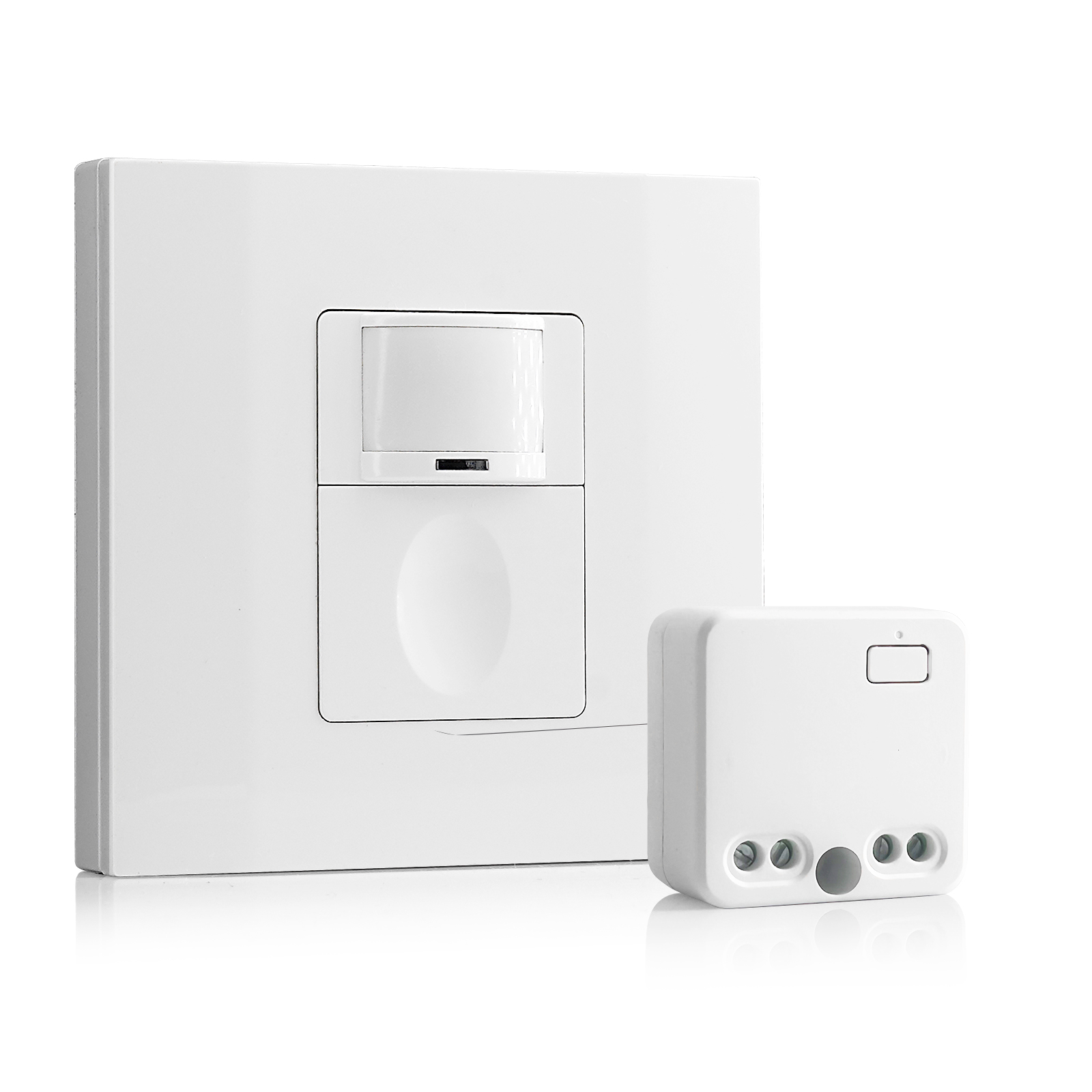
- 100V-230VAC
- Transmission Distance: up to 20m
- Wireless motion sensor
- Hardwired control
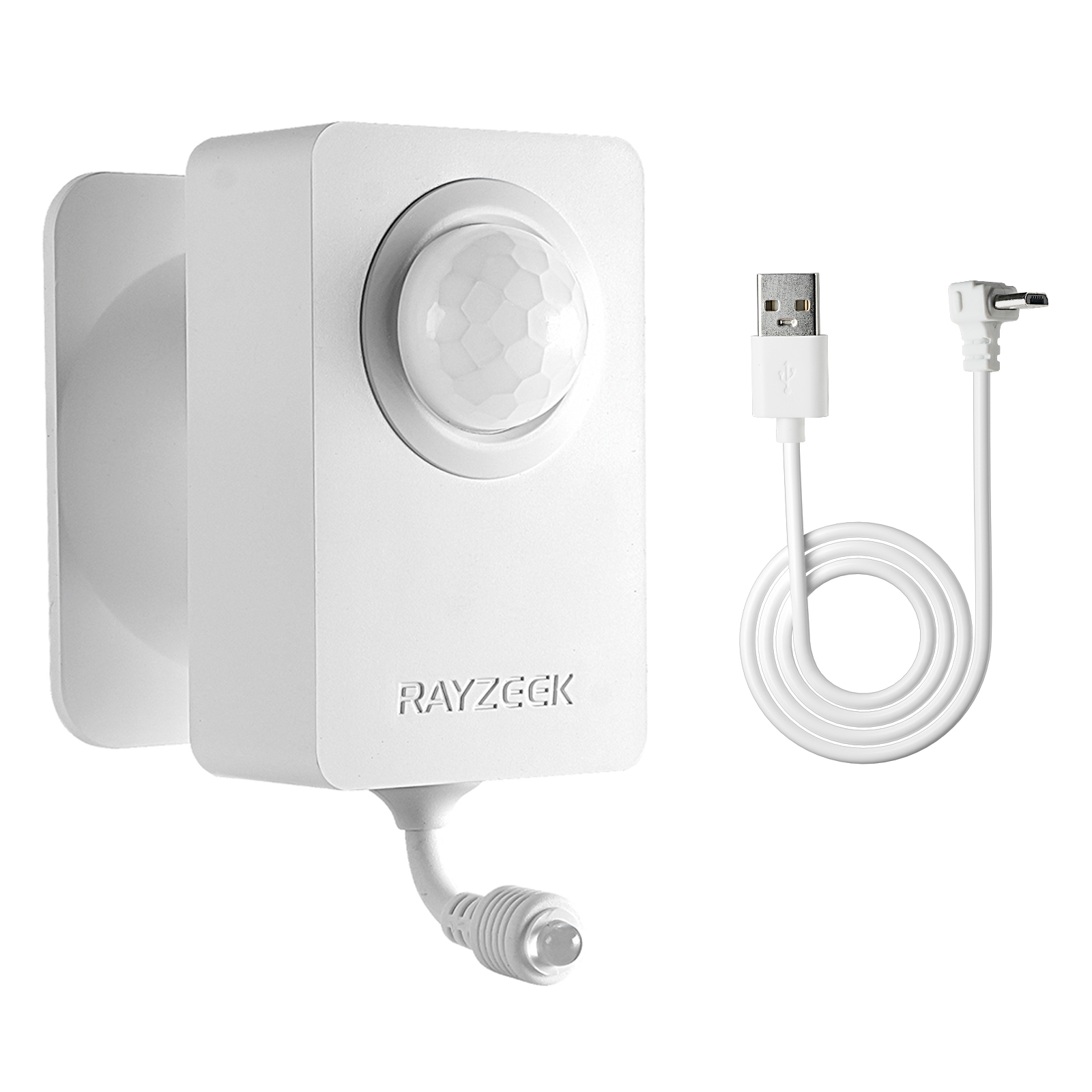
- Voltage: 2x AAA Batteries / 5V DC (Micro USB)
- Day/Night Mode
- Time delay: 15min, 30min, 1h(default), 2h
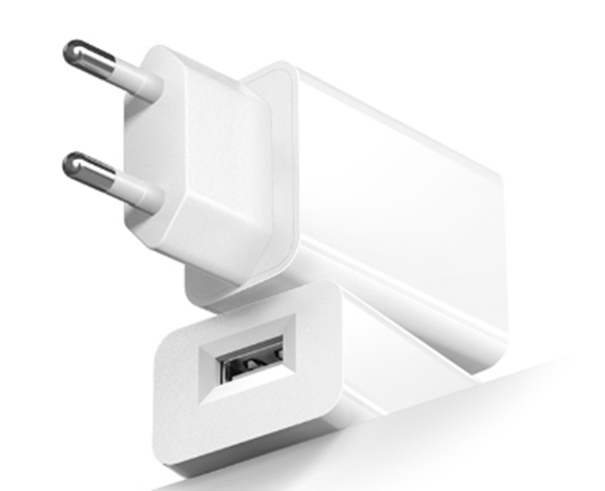
- EU plug power adapter
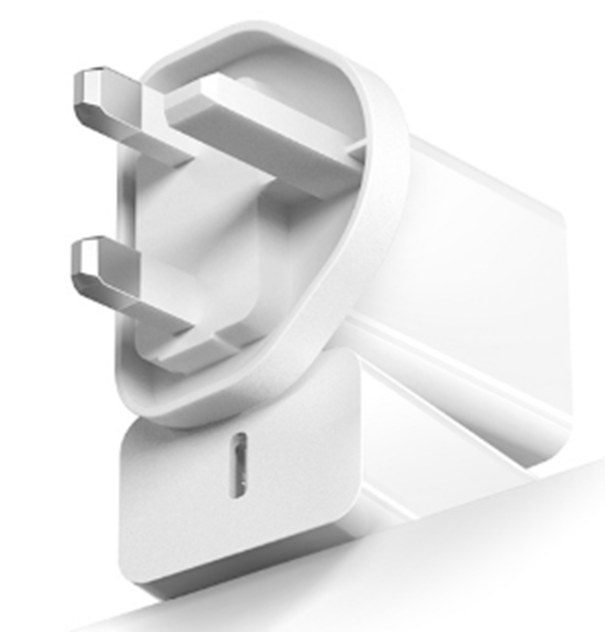
- UK plug power adapter
Frequently Asked Questions
What Material Is Best for Diffusing Light
Acrylic is often considered the optimal material for diffusing light due to its exceptional optical properties. It has a high light transmission rate, effectively diffuses LED hot spots, and is both cost-effective and easy to work with. Additionally, acrylic is known for its outstanding optical properties, surpassing other plastics in terms of light transmission, and it is naturally UV-stable.
How Do You Diffuse Light Indoors
Diffusing light indoors can be achieved through various methods. One effective way is to use translucent lampshades, luminaires with diffuser covers, or dimmable ceiling luminaires. These options will help create a soft and diffuse lighting effect in your home. Additionally, for those who prefer a more minimalist look, luminaire panels can be a great alternative.
Do LED Lights Need a Diffuser
LED lights do not require a diffuser, although there are several advantages to using one. In residential settings, an LED diffuser is particularly useful when a more polished light fixture is desired. For instance, light strips often have exposed diodes that may not be aesthetically pleasing.
Do Curtains Diffuse Light
Sheer curtains and shades effectively scatter natural light that enters your windows. By using light-filtering window treatments, you can preserve the pleasant daylight while also creating a cozy and gentle illumination in your space throughout the day.







